Understand common cat-in-heat behaviors, how long estrus lasts, and vet-approved steps to keep her comfortable and safe. Learn what not to do and when to cal...
Article
•
Designer Mixes
How Long Are Cats in Heat?

Shari Shidate
Designer Mixes contributor
If your sweet girl kitty suddenly becomes extra loud, clingy, and determined to get outdoors, you may be watching her first heat cycle. As a veterinary assistant in Frisco, Texas, I hear this concern all the time: How long is this going to last? The good news is that feline heat is temporary. The tricky part is that it can repeat frequently until your cat is spayed or becomes pregnant.
Quick answer (and why it varies)
Most cats show heat signs for about 4 to 7 days. Some may show signs for as little as 1 to 2 days, while others may act in heat for often up to 10 to 14 days, and occasionally longer.
What makes it feel like it lasts forever is that if a cat does not mate, she may go back into heat again after a short break.
Terms to know
- Estrus (in heat): The days your cat shows heat behaviors and is receptive to mating.
- Cycle: The full pattern of heat, a break, and then heat again during breeding season.
In other words, the loud, restless part is usually estrus, but the repeating is what people often mean when they say their cat is “always in heat.”
Daily heat timeline
Every cat is an individual, but many pet owners see a pattern that looks like this:
Day 1 to 2: Early signs
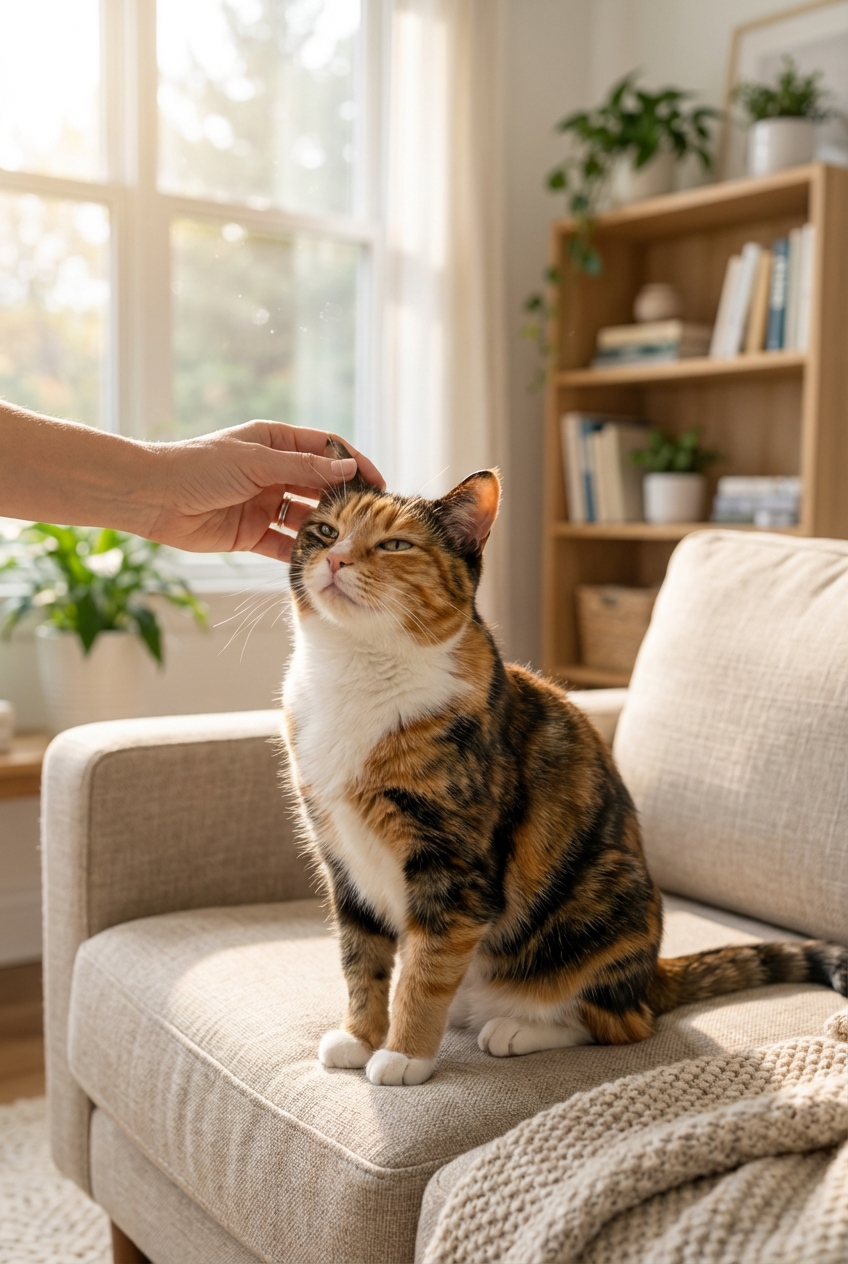
- More affectionate than usual, rubbing on people and furniture
- Rolling on the floor, especially when petted along the back
- Restlessness and increased vocalizing, especially at night
- Decreased appetite in some cats
Day 3 to 5: Peak heat
- Very loud calling, yowling, or “crying”
- Strong urge to escape outdoors
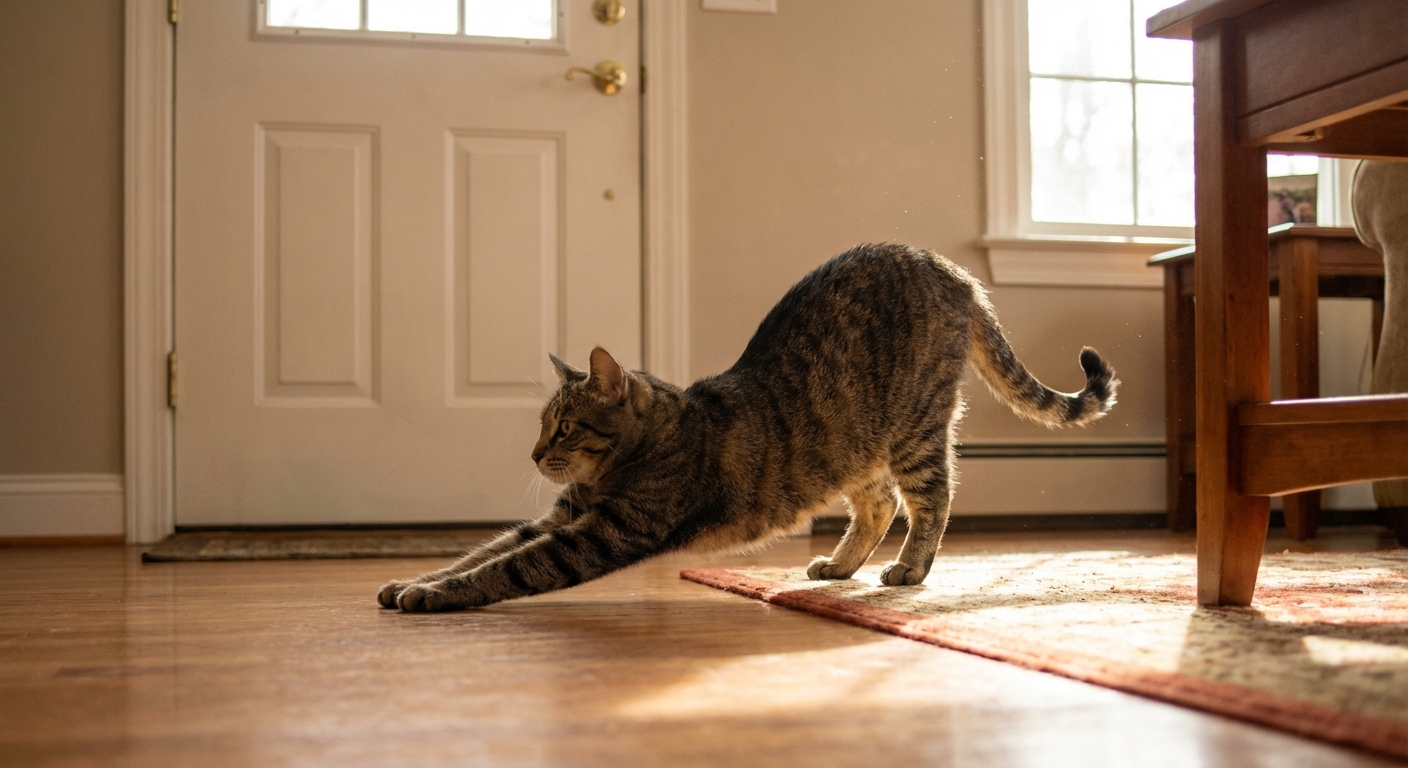
- The classic heat posture: chest down, hindquarters raised, tail to the side when touched
- More frequent urination or urine marking in some cats
Day 6 to 7 (or longer): Winding down
- Vocalizing and restlessness gradually decrease
- Some cats remain affectionate and clingy for a few extra days
If your cat is still acting intensely “in heat” beyond about 2 weeks, it is worth calling your veterinarian. Sometimes other issues, including urinary discomfort, can look similar at home.
How often do cats go into heat?
Cats are seasonally polyestrous, meaning they can have multiple heat cycles during breeding season. For many indoor cats with lots of artificial light, heat cycles can happen for much of the year.
A common pattern is:
- Heat lasts: usually 4 to 7 days
- Break: often about 1 to 3 weeks, but it can be shorter or longer depending on the cat, season, and light exposure
- Then heat returns: again and again until spayed or pregnant
This repeating pattern is why a cat can seem like she is “always in heat,” especially in spring and summer.
Pregnancy risk
Yes, an intact female can become pregnant during any heat, including her first. Mating can happen quickly, and heat can attract male cats to your home, which can increase your cat’s stress and her determination to bolt outside. If she is not spayed, keeping her strictly indoors is the safest choice.
What age do cats start heat?
Many cats have their first heat at around 5 to 9 months, but it can happen earlier. Factors like genetics, body condition, and longer daylight exposure can influence when it starts.
If you have a kitten approaching 5 months and you want to prevent a surprise heat (and prevent pregnancy), talk to your veterinarian early about spay timing.
Do cats ovulate during heat?
Most cats are induced ovulators. That means they typically ovulate after mating, not automatically on a schedule like humans do. Without mating, a cat can go through heat behaviors and then stop, only to return to heat again later.
How to help during heat
Heat is not usually dangerous by itself, but it can be stressful, and the biggest practical risks are escape and pregnancy. These steps can help day-to-day:
- Keep her safely indoors. Heat makes cats extremely determined to slip out. Double-check window screens and door gaps.
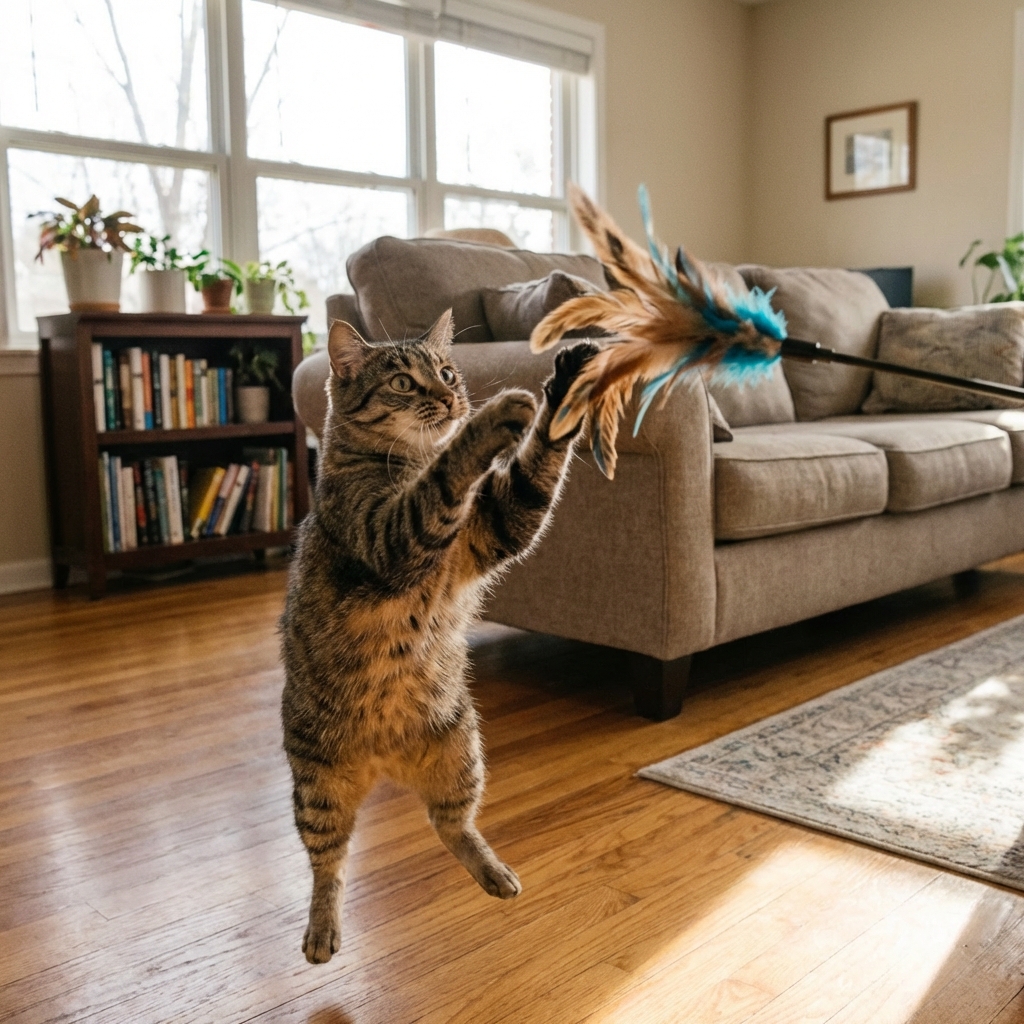
- Increase play. Short, frequent interactive play sessions can help burn nervous energy.
- Offer comfort. Extra cuddles, brushing, or a warm, cozy bed can help some cats settle.
- Try gentle enrichment. Food puzzles, catnip (if she responds well), and a quiet room at night can reduce overstimulation.
- Do not punish vocalizing. She is not being “bad.” She is responding to hormones.
A note on medications and home remedies: Avoid giving any human medicines. Also be cautious with over-the-counter calming supplements. Some are fine, but quality varies, so check with your veterinarian first.
When to call the vet
Heat itself causes behavior changes, not illness. Call your veterinarian if you notice any of the following:
- Straining to urinate, frequent trips to the litter box, or crying in the box
- Blood in urine, strong odor, or accidents outside the box that are new
- Lethargy, fever, vomiting, or refusal to eat for more than 24 hours
- Any vaginal bleeding or discharge, especially if it looks pus-like or has a foul smell
Those signs can point to urinary tract issues or, in unspayed females, more serious reproductive infections.
The long-term fix: spaying
If you are not planning to breed your cat, spaying is the most reliable way to stop heat cycles. It also helps prevent unwanted litters and significantly reduces the risk of certain reproductive diseases.
If your cat is currently in heat, some clinics will still spay, while others may recommend scheduling soon after the cycle ends. During heat, the tissues can be more vascular, which may increase bleeding and make surgery a bit more complex, although it is still a routine procedure for many practices. Your veterinarian can guide you based on your cat’s age, health, and what their surgical team prefers.
FAQ
Can my cat be in heat for two weeks?
Yes. While many cats are in heat around 4 to 7 days, some can show signs for about 10 to 14 days, and occasionally longer.
Do cats bleed when in heat?
Typically, no. Noticeable bleeding is uncommon in cats and should be checked by a veterinarian.
Can a cat get pregnant during her first heat?
Yes. Cats can become pregnant very young, which is why early spay planning and strict indoor safety matter.
If your home feels like it has turned into a 2:00 a.m. concert, you are not alone. Heat behaviors are intense, but they are also a strong sign it is time to talk with your veterinarian about spaying and safety.