Wondering how old your cat is in human years? Use the 15/24/+4 rule, bookmark the conversion table, and learn feline life stages, aging signs, and vet visit ...
Article
•
Designer Mixes
How Fast Do Cats Age?

Shari Shidate
Designer Mixes contributor
If you have ever looked at your cat and thought, “Wait, how are you already a grown-up?” you are not imagining it. Cats develop incredibly quickly in their first two years, then changes tend to become more gradual and incremental. Understanding this timeline helps you choose the right food, schedule the right wellness care, and spot changes early.

The quick answer
Cats age fast early on, then more steadily as adults. Many veterinarians and pet health organizations use a simple rule of thumb:
- 1 cat year ≈ 15 human years
- 2 cat years ≈ 24 human years
- After that, add about 4 human years for each additional cat year
Keep in mind: different charts exist, and aging is not perfectly linear. These numbers are a helpful estimate, not a medical diagnosis. Your cat’s “real” aging depends on genetics, diet, dental health, activity, stress, and whether they live indoors or outdoors.
Cat age chart
Use this to ballpark your cat’s stage of life and what to focus on next.
- 6 months: like a 10-year-old kid (big energy, still growing)
- 1 year: about 15 (physically mature, still learning)
- 2 years: about 24 (young adult)
- 5 years: about 36 (adult prime)
- 8 years: about 48 (mature adult)
- 10 years: about 56 (senior for many cats)
- 12 years: about 64 (senior)
- 15 years: about 76 (geriatric)
- 18 years: about 88 (super-senior)
Many clinics start thinking in terms of senior somewhere around 7 to 10 years and geriatric around 15. The “right” label depends on how your individual cat is doing.
Helpful context: many indoor cats live into their mid-teens (and beyond), while outdoor access can lower life expectancy due to higher risks. Individual variation is huge.
Why the first two years feel so fast
In the first 24 months, cats go through a huge amount of growth and development:
- Rapid physical growth (especially muscle and bone early on)
- Immune system development supported by vaccination and safe exposure to the world
- A changing immunity window as maternal antibodies fade and kittens build their own protection (one reason early vaccines and boosters matter)
- Hormonal maturity (which is why spay and neuter timing matters)
- Behavioral changes like confidence, play style, and territorial habits
After age two, most cats are more “set,” and the focus shifts from growing up to maintaining health and catching small changes early.
What changes with age
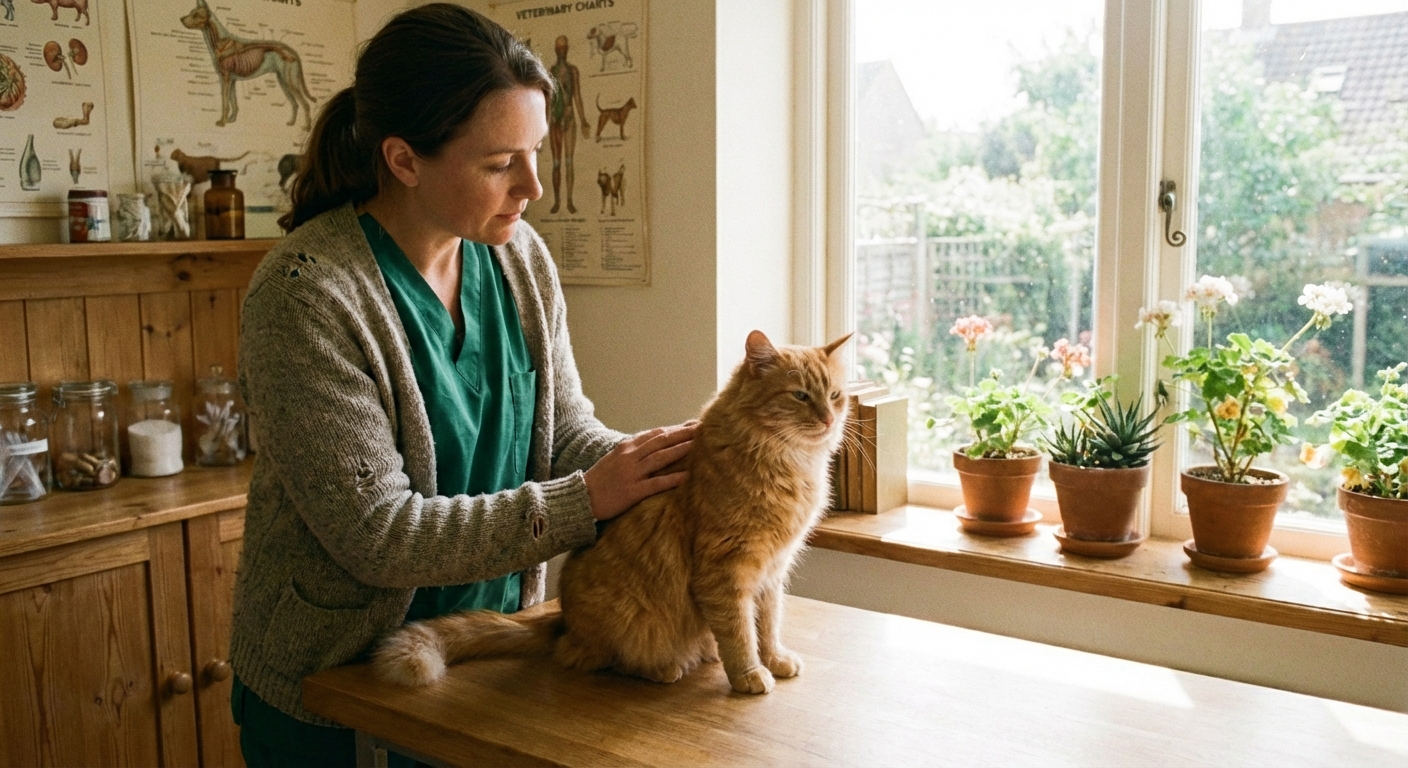
Some changes are common with age. But many are also early signs of treatable conditions. If something shifts, it is always worth a check-in with your veterinarian.
Common age-related shifts
- Sleeping more and playing less
- Subtle weight gain in adulthood, then weight loss in later senior years
- Less tolerance for changes in routine
- Stiffer movement after naps
Red flags to take seriously
- Weight loss even though appetite is normal or increased (think thyroid disease, diabetes, kidney disease)
- Drinking more and bigger urine clumps (kidney disease, diabetes)
- Bad breath, drooling, or pawing at the mouth (dental disease is extremely common and may affect overall health)
- Recurrent vomiting (for example, more than your cat’s normal pattern, or happening weekly or more) or chronic soft stool
- Changes in litter box habits (pain, urinary issues, stress, arthritis)
- Hiding more or acting “grumpy” when touched (pain is often missed in cats)
Tips by life stage
Kitten (0 to 12 months)
- Feed for growth: kittens need higher calories and a specific nutrient balance. Use a diet formulated for kittens.
- Build handling skills: gentle paw, ear, and mouth touches now make vet care easier later.
- Schedule core care: vaccines, deworming guidance, microchip, spay or neuter planning.
- Talk timing: spay and neuter timing can vary by cat and lifestyle, so ask your veterinarian what makes sense for yours.
Young adult (1 to 6 years)
- Protect teeth early: start brushing if possible, or use vet-approved dental supports. Dental disease can be painful and may impact overall health.
- Prevent weight creep: measure meals and track body condition, not just the number on the scale.
- Enrichment counts: daily play reduces stress and keeps joints and muscles healthier long-term.
- Keep prevention consistent: parasite prevention needs vary by region and lifestyle, so align your plan with your vet.
Mature adult (7 to 10 years)
- Ask about baseline labs: many clinics start routine screening here, especially if your cat is changing weight or thirst.
- Watch mobility: arthritis in cats is underdiagnosed. Look for less jumping, hesitating at stairs, or avoiding favorite perches.
- Re-evaluate diet: some cats benefit from higher protein, more wet food for hydration, or calorie adjustments.
Senior and geriatric (10+ years)
- Consider twice-yearly checkups: health changes can happen quickly in older cats.
- Hydration is a big deal: many senior cats do better with more moisture in the diet. Talk with your vet if kidney values are a concern.
- Keep the home senior-friendly: low-sided litter boxes, rugs for traction, steps to favorite spots, and warm resting areas.
- Individualize dental care: home routines and professional cleanings should be tailored to your cat’s mouth and health history.
Indoor vs outdoor
Yes, lifestyle can affect both life expectancy and what a cat’s body goes through.
- Indoor cats often live longer and have fewer risks like trauma, parasites, and infectious disease exposure.
- Outdoor cats may face more wear and tear from injuries, toxins, heat stress, and infections.
That said, an indoor cat still needs exercise, mental stimulation, and preventive care. “Safe” does not automatically mean “healthy.”
Simple habits that help
If you do nothing else, these four habits are the ones I wish every cat family would start today:
- Track weight monthly, or at least every 1 to 3 months if your cat hates the scale, and take note of appetite and thirst.
- Prioritize dental health (home care if possible, and professional cleanings when recommended).
- Feed a balanced, life-stage appropriate diet and avoid frequent unbalanced “people food” extras.
- Make play a daily routine: even five minutes twice a day helps joints, mood, and metabolism.
Warm reminder: cats are masters at hiding discomfort. Subtle changes are often your earliest clue that something is going on.
When to call your vet
Reach out promptly if you notice sudden behavior changes, repeated vomiting or diarrhea, significant appetite changes, breathing changes, straining in the litter box, or any rapid weight loss. Early care is not just kinder, it is often more affordable and more effective.
Sources and further reading
- American Association of Feline Practitioners (AAFP)
- American Animal Hospital Association (AAHA)
- Cornell Feline Health Center