Understand how long a dog stays in heat (typically 2–3 weeks), the proestrus/estrus stages, when pregnancy is most likely, and vet-backed tips for hygiene,...
Article
•
Designer Mixes
How Dogs Act When in Heat

Shari Shidate
Designer Mixes contributor
What “in heat” means
When a female dog is “in heat,” she is in the active phase of her estrous cycle. You may also hear people say she is “in season.” From a veterinary assistant perspective, the biggest takeaway is this: the heat period affects hormones, behavior, and the reproductive tract, so what you see at home can range from subtle clinginess to very obvious discharge and intense interest from male dogs.
A quick terminology note (because it gets confusing fast): estrous cycle is the overall reproductive cycle, while estrus is the specific fertile stage when a female is receptive to mating. In everyday conversation, “in heat” usually means the whole heat period (proestrus plus estrus).
Most dogs have their first heat between about 6 and 18 plus months (smaller breeds often earlier, larger and giant breeds often later). After that, many dogs cycle about every 6 months, but there is plenty of normal variation by breed and individual. For example, some breeds (like Basenjis and some Nordic breeds) may cycle only once a year.
Heat cycle stages
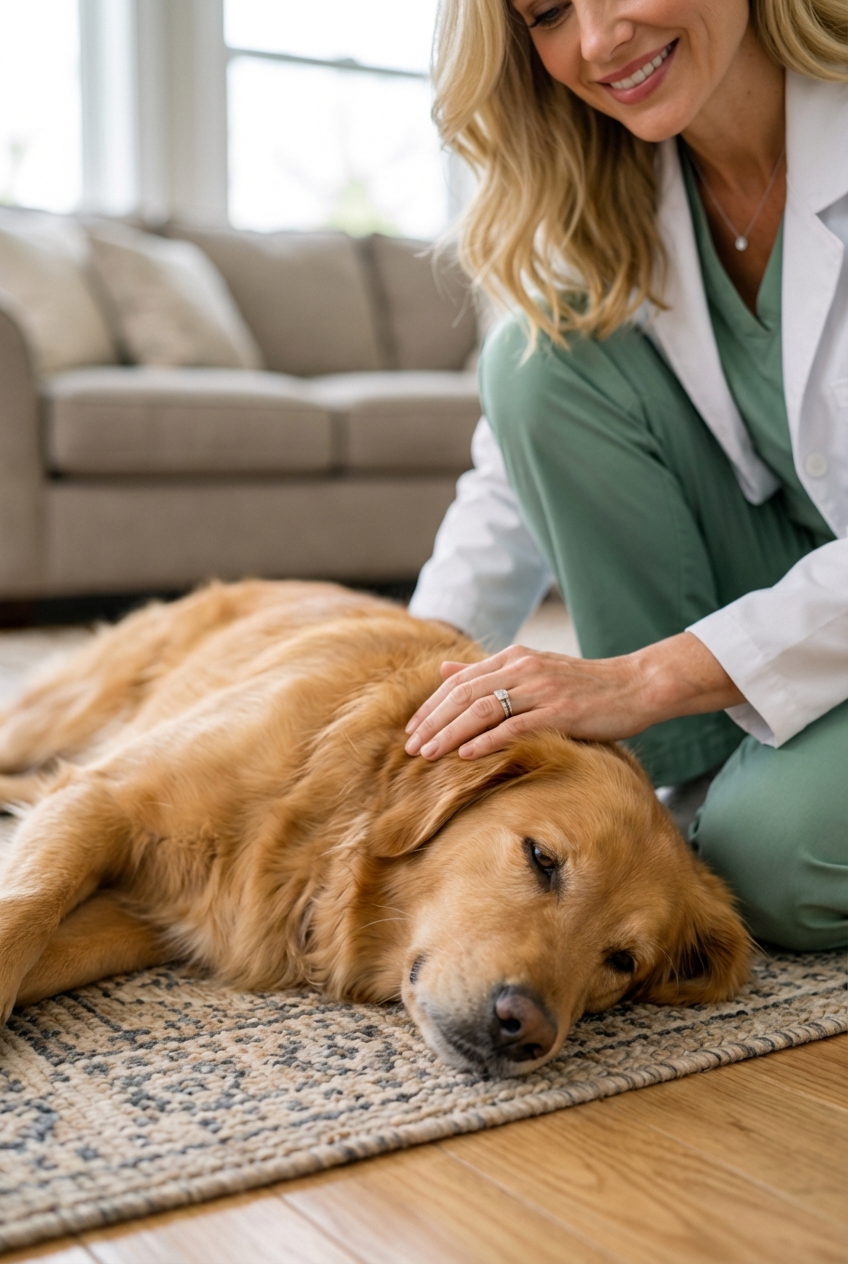
Dog heat cycles are commonly described in four stages. For most owners, “in heat” refers to the first two stages (proestrus and estrus), when signs are most noticeable.
Proestrus (early heat)
This is often when people first realize something is going on.
- Vulvar swelling and bloody discharge are common.
- Behavior changes: more clingy, more restless, sometimes moody or sensitive about being touched near the rear.
- Male dogs become very interested, but many females will not allow mating yet and may tuck their tail, sit down, or even snap to keep males away.
- Increased licking of the genital area is typical, which can make the discharge seem lighter than it is.
Timing: often about 7 to 10 days, but shorter or longer cycles can be normal. Some dogs also have a “silent heat,” where outward signs (especially discharge) are minimal.
Estrus (fertile stage)
This is the fertile stage of the heat cycle, meaning pregnancy can happen.
- Discharge often changes from bright red to a watery, pink, or straw-colored look, though it varies.
- “Flagging”: she may move her tail to the side when touched near the hindquarters.
- Actively seeking males: many females become more determined to get outside, roam, or slip past doors.
- Different social behavior: she may act “flirty” or playful, such as offering a play bow, or stand still and brace when approached.
Timing: commonly 5 to 10 days, but it can vary widely.
Diestrus (after heat)
Hormones shift again and the outward signs usually calm down.
- Swelling and discharge taper and then stop.
- Behavior normalizes for many dogs.
- False pregnancy can occur in some dogs, even if they were not bred. This happens because hormonally, diestrus looks very similar to pregnancy in a dog’s body, which is why nesting, mothering toys, or mammary changes can show up.
Timing: roughly 2 months.
Anestrus (resting phase)
This is the “quiet time” between cycles where the reproductive tract is resting. Behavior is usually baseline.
Timing: often 3 to 5 months, sometimes longer.
Common behaviors
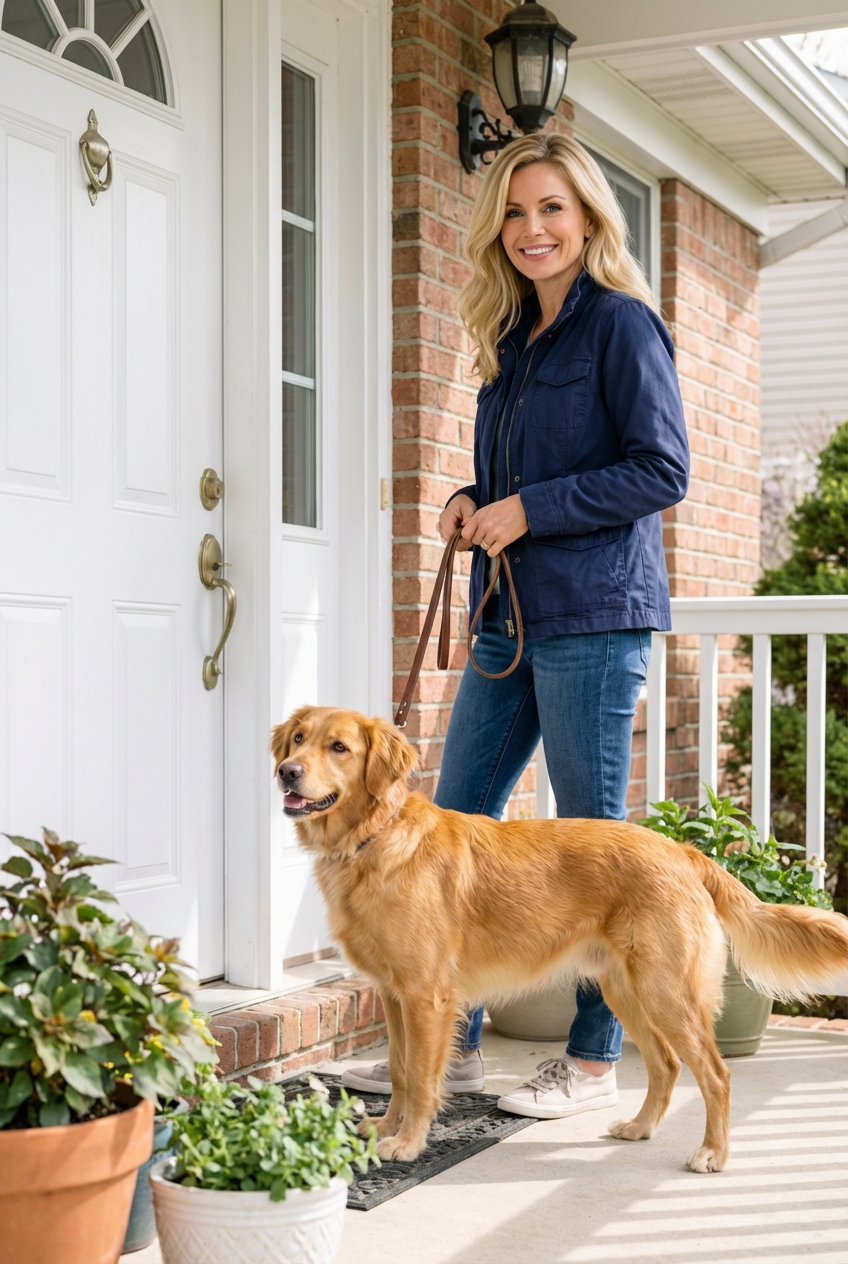
Not every dog shows every sign. Some are very obvious, while others are surprisingly subtle, especially if they groom themselves frequently or have a lighter discharge.
1) Clinginess, anxiety, or restlessness
Many dogs want more reassurance. You might notice pacing, following you room to room, or wanting to sleep closer than usual.
2) More vocalizing
Whining, whimpering, and attention-seeking barks can increase, especially if male dogs are nearby.
3) Increased urination and “marking”
Females in heat may urinate more often and leave small amounts. This is partly communication: urine carries pheromones that signal her reproductive status.
4) Tail positioning and body language shifts
In estrus, you may see tail held to the side, hindquarters presented, or a still posture when approached.
5) Escape behaviors
This one is important for safety. Hormones can override training, and even normally reliable dogs may bolt through doors, dig under fences, or jump barriers.
6) Changes in appetite
Some dogs eat less, others eat more. Mild appetite changes can be normal, but a complete refusal to eat for more than a day or two deserves a call to your veterinarian.
7) Grooming and licking
Frequent licking can make bleeding seem lighter than it is. It can also irritate skin if excessive.
Summary of signs
- Vulvar swelling (often one of the earliest clues).
- Vaginal discharge that changes across the heat period.
- Increased licking of the genital area.
- More frequent urination and small “marks.”
- Strong attraction of male dogs (sometimes from surprisingly far away).
- Small blood spots on bedding or floors, though some dogs keep themselves very clean.
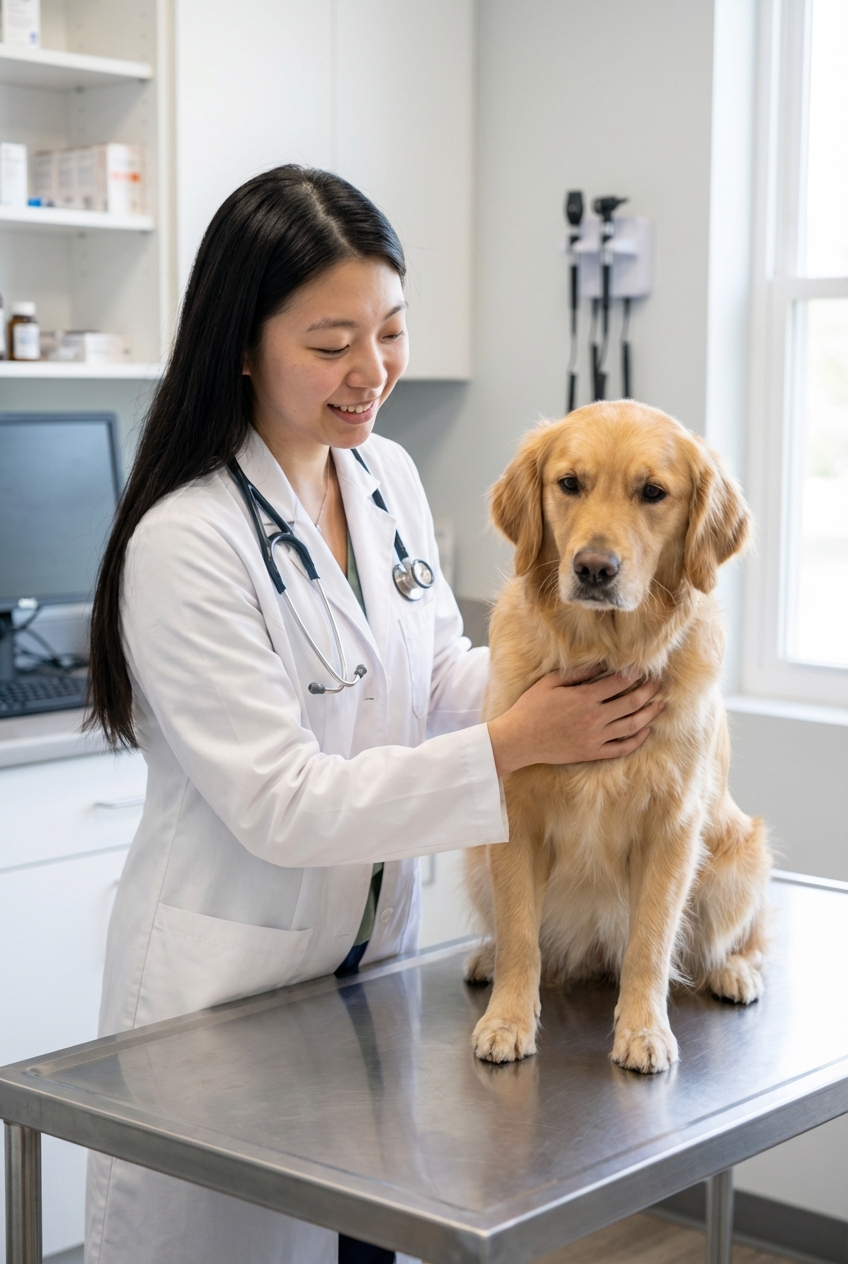
If you are unsure whether your dog is in heat versus having a urinary issue or vaginal infection, it is always reasonable to check in with your vet. A quick exam can save a lot of worry. If breeding timing truly matters, your veterinarian can confirm where she is in the cycle with tools like vaginal cytology and progesterone testing.
How long it lasts
Most owners experience a noticeable heat period of about 2 to 4 weeks from first signs to “back to normal.” The fertile window is not the entire time, but because ovulation timing varies and discharge is not a perfect calendar, it is safest to assume she can become pregnant for much of the heat period.
Practical rule: keep your dog strictly separated from intact males for about 3 weeks from the start of discharge (or as advised by your veterinarian). Even if she “won’t stand” at first, things can change quickly once estrus begins, and mating can happen in seconds.
Home care
Prevent pregnancy first
- No off-leash time outside, even in a fenced yard if there is any chance a male dog could enter.
- Leash walks only, and consider walking at quieter times.
- Keep doors secured and supervise patio time.
- Avoid dog parks, daycare, and most boarding situations during heat. Even well-managed intact males can become frustrated, fixated, or reactive around a female in heat.
Manage the mess kindly
- Washable dog heat pants can protect furniture. Change them often and let skin breathe.
- Do not leave heat pants on for long stretches unsupervised. Moisture and friction can irritate skin, especially if they are soiled.
- Use soft bedding you can launder.
- Wipe the area gently with a fragrance-free pet wipe if needed.
Support comfort and behavior
- Offer enrichment like food puzzles, sniff games, and short training sessions.
- Keep routines steady. Predictability helps anxious dogs.
- If she seems sore or crampy, ask your veterinarian before giving any medication. Many human pain relievers are dangerous for dogs.
If your dog is trying to escape, that is not “bad behavior.” It is biology. Your job is to put safety barriers in place until her hormones settle.
When to call the vet
Most heat cycles are normal and manageable at home. Still, there are red flags you should never ignore:
- Foul-smelling discharge, pus-like discharge, or discharge that seems abnormal for her.
- Heavy bleeding that soaks through diapers or heat pants quickly, creates large puddles, or seems like continuous dripping.
- Lethargy, fever, vomiting, loss of appetite, or acting very ill.
- Excessive drinking and urination alongside discharge or illness signs.
- Swollen abdomen, pain, or sudden weakness.
One serious condition we worry about in unspayed females is pyometra, a uterine infection that can happen after a heat cycle. It can be life-threatening and needs urgent veterinary care.
Spaying and FAQs
Should I spay my dog?
Spaying prevents pregnancy and eliminates heat cycles. It also reduces the risk of certain reproductive diseases. The best timing depends on your dog’s breed, size, health, and lifestyle, so it is a perfect conversation to have with your veterinarian.
Can I spay while she is in heat?
Sometimes it can be done, but it may carry increased surgical complexity because tissues can be more vascular. Many clinics prefer to spay when she is out of heat unless there is a compelling reason to do it sooner.
Do dogs have “period cramps”?
Dogs do not menstruate the way humans do. The bleeding you see is related to reproductive tract changes during the heat period. Some dogs do seem uncomfortable or restless, but obvious pain should be evaluated by a veterinarian.
Quick checklist
- Expect behavior changes like clinginess, restlessness, marking, and escape attempts.
- Plan for about 2 to 4 weeks of management.
- Keep her strictly separated from intact males for about 3 weeks from the start of discharge.
- Skip dog parks, daycare, and most boarding until she is back to baseline.
- Use washable heat pants if needed, and change them often to prevent skin irritation.
- Call your vet for foul odor, heavy bleeding, lethargy, vomiting, fever, or any sign she seems truly unwell.
With the right plan, most dogs get through heat cycles just fine. Your calm routine, good boundaries, and a little extra comfort go a long way.