If your dog is jumping the fence, I want you to hear this first: it is not a “bad dog” problem. It is a safety problem. As a veterinary assistant here in Frisco, Texas, I have seen too many heartbreaking injuries from escape attempts, including lacerations, broken nails, torn dewclaws, and hit-by-car emergencies.
The good news is that fence-jumping is usually very fixable once you address two things at the same time:
- Opportunity (Can your dog physically do it?)
- Motivation (Does your dog feel a strong reason to try?)
Below are practical, humane steps you can take right away, plus longer-term solutions if your dog is a committed climber or jumper.
Start with safety today
Before you spend money on fence changes, put a short-term safety plan in place. This prevents your dog from practicing the behavior while you fix the setup.
- Supervise all yard time. If you cannot actively watch, bring your dog inside.
- Use a long line (15 to 30 feet) attached to a well-fitted harness, not a collar, to reduce neck injury risk.
- Create a “no access zone” near the fence using temporary garden fencing, exercise pens (x-pens), or patio furniture rearranged as a barrier.
- Check ID right now: microchip registration, collar tag, and a current phone number.
Management is not failure. It is how you keep your dog safe while you build a solution that lasts.
Why dogs jump fences
Most fence jumpers fall into one or more of these categories:
1) The fence is jumpable
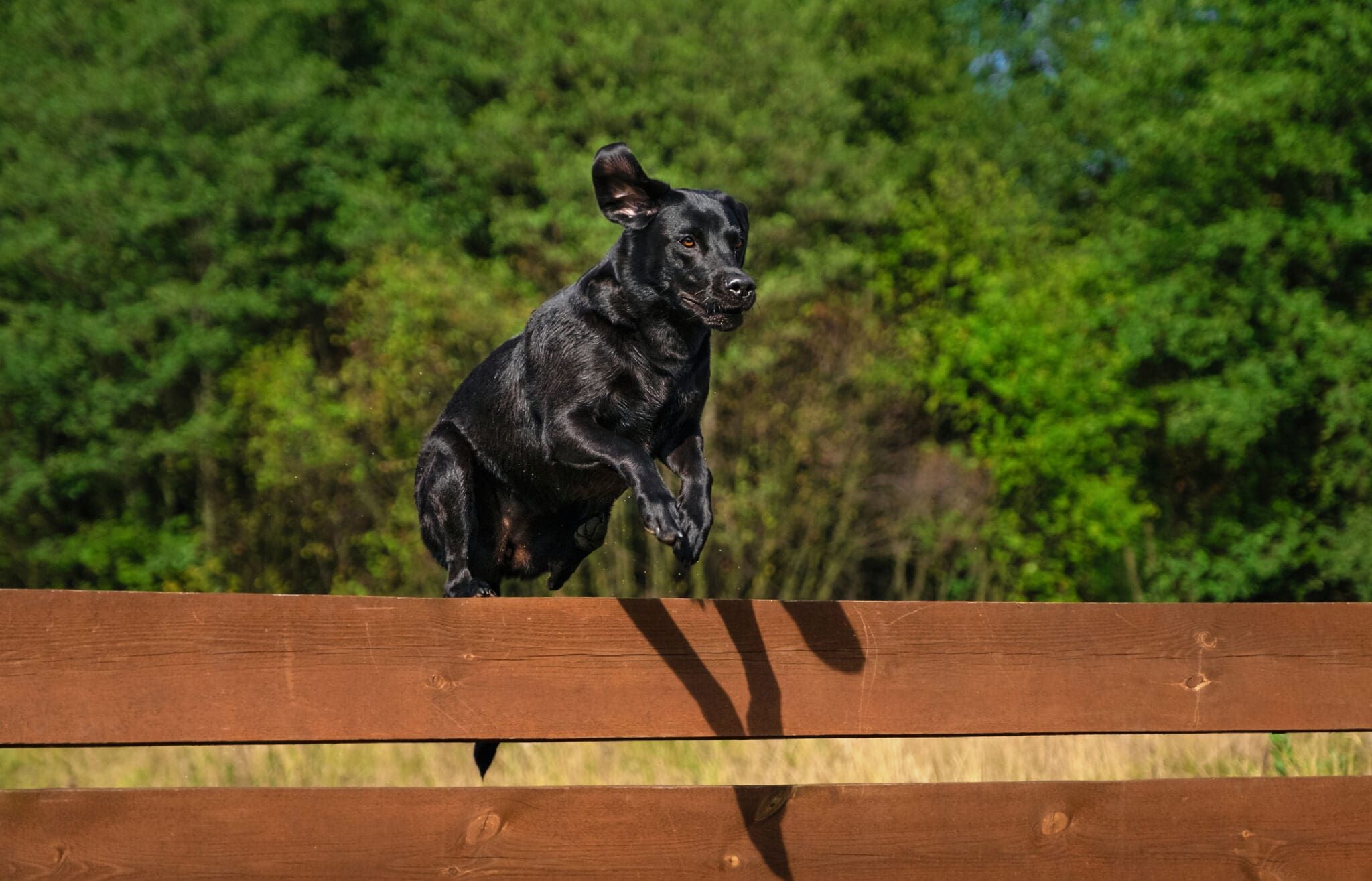
Many dogs do not clear a tall fence from a standstill. They usually use help: a slope, a deck, a stacked planter, a recycling bin, patio furniture, or packed-down dirt that gives them traction.
2) Chasing a trigger
Squirrels, rabbits, stray cats, joggers, skateboarders, delivery drivers, and neighborhood dogs can trigger prey drive or barrier frustration. If your dog runs the fence line barking, then vaults, this is a huge clue.
3) Boredom and low stimulation
High-energy and adolescent dogs are especially likely to turn the yard into their personal obstacle course when they need more structured activity.
4) Social reasons or distress
Some dogs jump to find their people or follow a family member who left. Others panic when left alone outside and attempt escape. If your dog is also destructive, drooling excessively, or frantic when alone, you may be dealing with distress, not “naughtiness.”
5) Natural escape artists
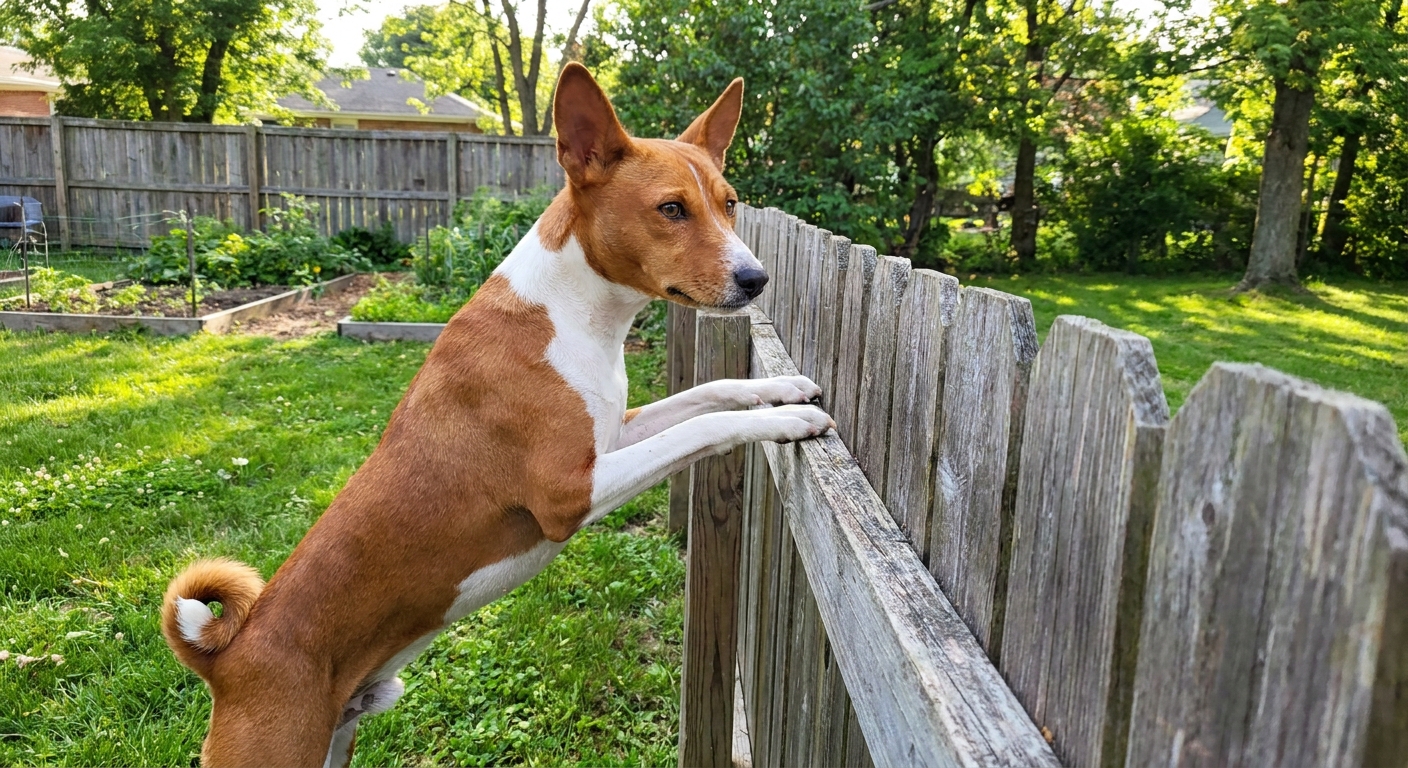
Hounds, terriers, northern breeds, herding dogs, and athletic mixes can be surprisingly capable. Basenji-type dogs, for example, are known for climbing and creative problem-solving. For these dogs, a taller fence alone is often not enough.
Fix the yard setup
If you do nothing else, do this section. These changes reduce the dog’s ability to build speed, get traction, and launch.
Remove launch points
- Move planters, woodpiles, storage bins, grills, patio chairs, and kids’ play equipment at least 4 to 6 feet away from the fence.
- Trim tree branches that hang near the fence line.
- Check for snow piles or mulch mounds that create extra height (seasonal but common).
Fix slopes and “runways”
A sloped yard can turn a 6-foot fence into a much shorter fence from your dog’s takeoff point. If the ground rises toward the fence, consider landscaping changes or add a secondary barrier inside the yard on that high side.
Improve traction
Dogs can injure themselves badly when they slip while jumping or climbing. If your dog is scrambling on a slick area near the fence (mud, worn grass, wet concrete), add traction using:
- Mulch or decomposed granite (in dog-safe areas)
- Outdoor turf designed for pets
- Strategically placed pavers to prevent ruts and mud pits
Adjust the fence top
Once the “launch pad” problem is solved, the next step is making the top of the fence harder to clear or grip.
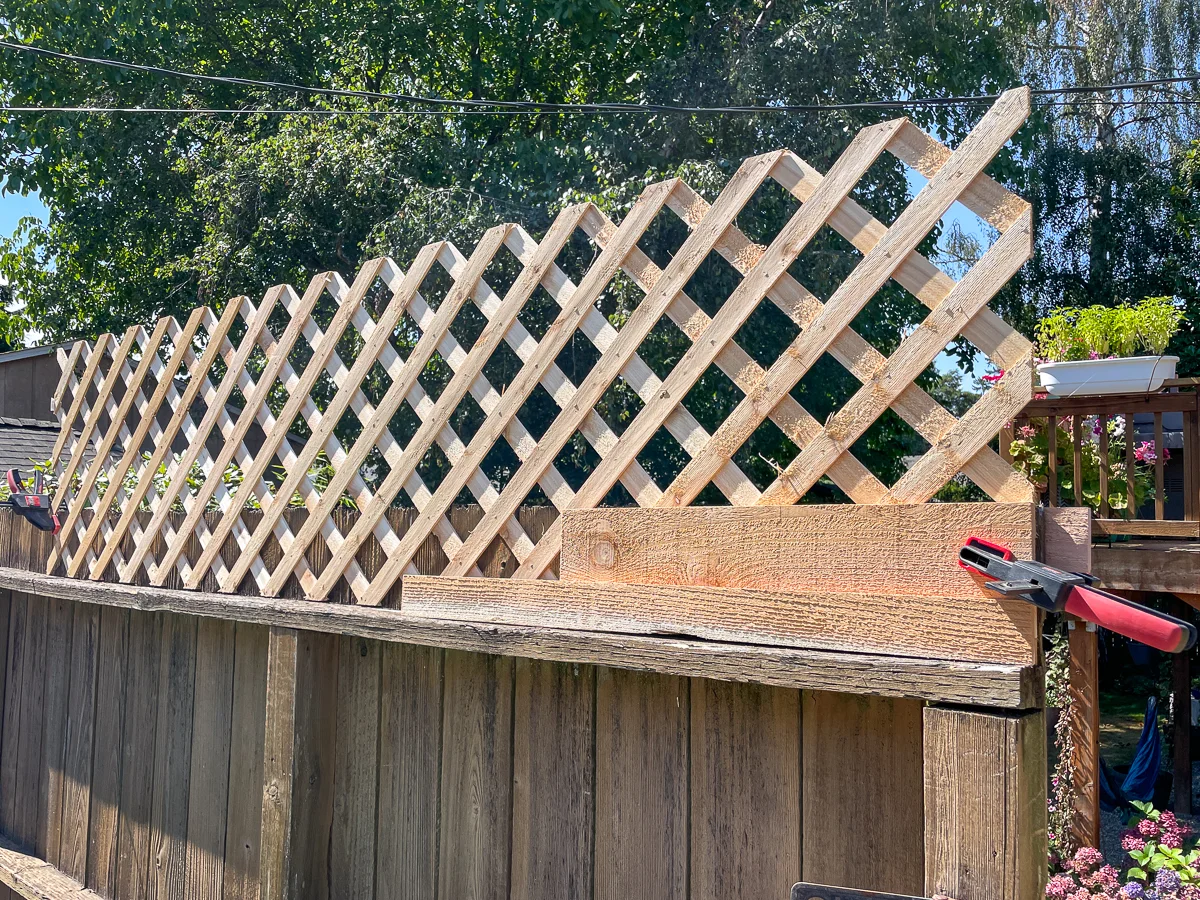
Add a lean-in
A lean-in is one of the most effective and humane upgrades for jumpers and climbers. It changes the geometry so the dog cannot get their body over the top even if they reach it.
- Angle is commonly around 45 degrees inward, but it can vary by dog and fence design
- Extension height is often 12 to 24 inches, depending on what you are trying to prevent
- Works well on wood and some chain-link setups
If your neighborhood has an HOA, check rules before you build. It is also smart to confirm property lines and any local fence ordinances before making structural changes.
Consider coyote rollers
Rollers make the top edge spin when a dog tries to grab it, which prevents climbing. They can be a great option for determined climbers, especially on wood or block walls where dogs get a good grip.
Height helps, but not alone
Some athletic dogs can clear a 6-foot fence, and a small number can clear even higher. But if motivation stays high, many dogs keep trying and either succeed or get hurt.
Use height increases as part of a plan, not the entire plan. If your dog is already clearing the fence, you will typically get better results from a lean-in plus trigger control plus enrichment than from height alone.
Reduce triggers
For many dogs, what they see beyond the fence is the biggest driver.
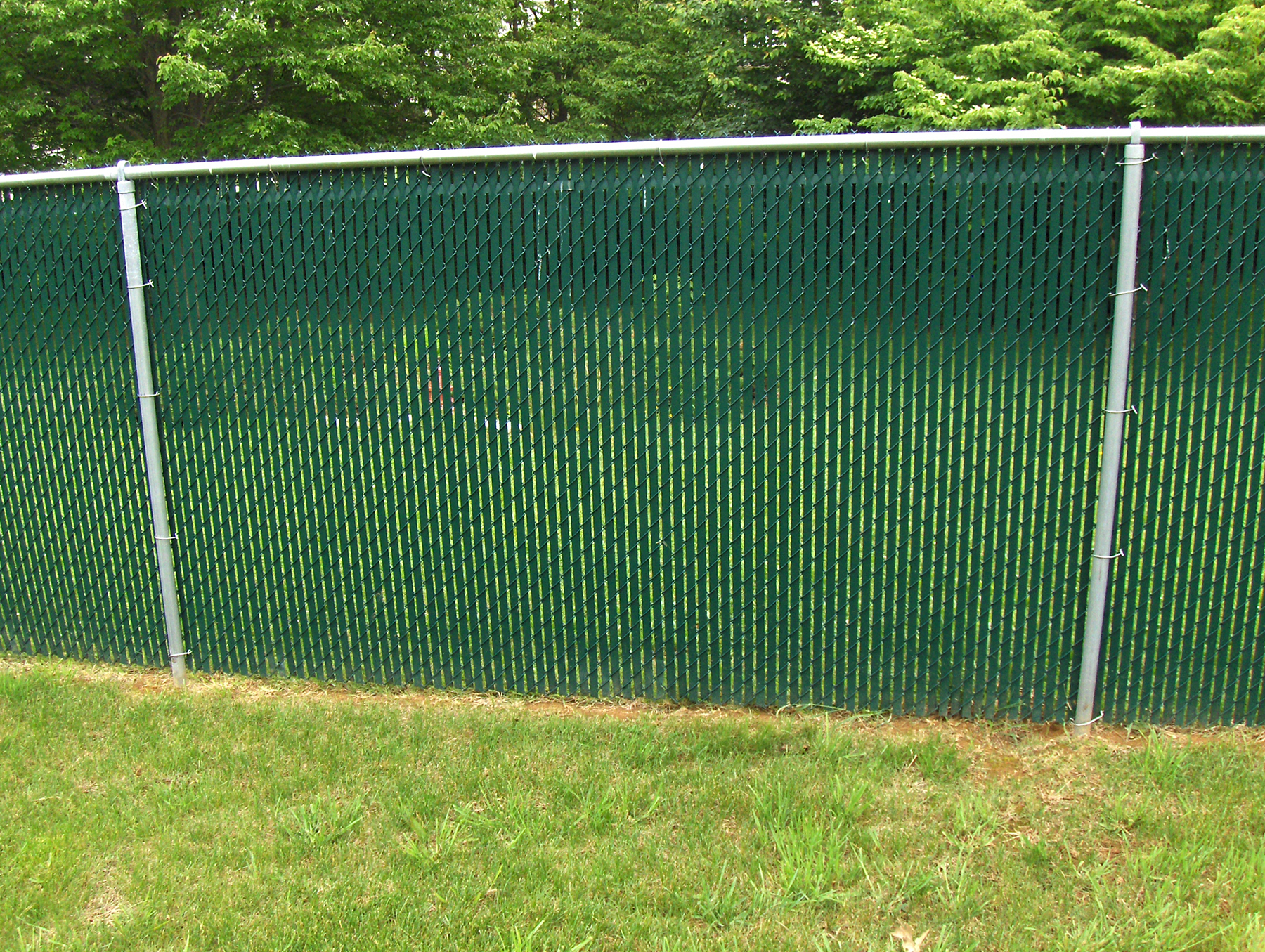
Add visual barriers
- Privacy slats for chain-link fences
- Outdoor screening fabric (secured tightly so it does not flap)
- Strategic landscaping like tall shrubs to block sightlines
When the world outside is less stimulating, fence-running and jump attempts often drop quickly.
Reduce wildlife invitations
- Do not leave pet food outside.
- Secure trash and compost.
- Use motion lights if nighttime critters are a big trigger.
Meet needs with enrichment
A fenced yard is not exercise for most dogs. It is just a place. If your dog is athletic, young, or working-breed-ish, they often need structured outlets that make the fence less interesting.
Build a routine that works
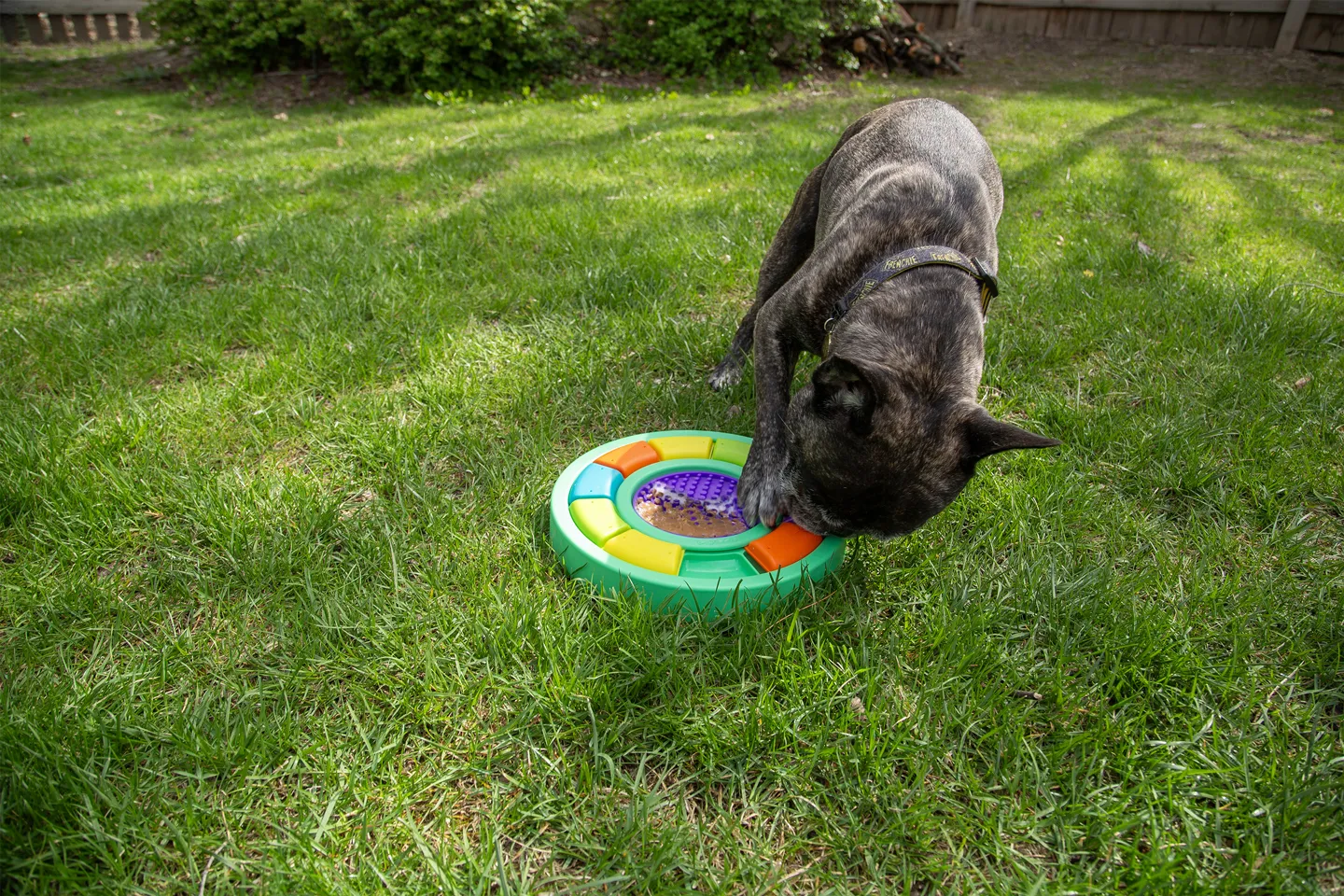
- Sniff walks (longer leash, slower pace, lots of sniffing)
- Food puzzles and scatter feeding in grass
- Fetch with rules (for example: ask for a sit before each throw, do 3 to 5 reps, then take a calm break)
- Tug with a release cue
- Training games like “find it” around the house and yard
When a dog’s needs are met, the urge to patrol the fence line often drops dramatically.
If your dog also digs
Fence-jumping and fence-digging often show up together, especially along corners and high-traffic fence lines. If you are seeing digging too, treat it like the same two-part problem: opportunity and motivation.
- Block access to favorite digging spots with an interior barrier until training and yard changes kick in.
- Add a legal dig zone (a sandbox or a specific mulch area) and reward your dog for using it.
- Reinforce enrichment because digging is often boredom plus a scent trail.
- Check the fence base for gaps and soft soil that makes escaping easier.
Avoid unsafe deterrents
When people are desperate, they understandably look for fast fixes. Please skip anything that can injure your dog or increase panic and aggression.
- Avoid barbed wire and other sharp toppers.
- Be cautious with electrified fence add-ons and shock-based systems. Even when they “work,” they can increase anxiety and reactivity in some dogs.
- If you are unsure, a qualified positive-reinforcement trainer can help you choose an option that is effective and humane.
When a secure run helps
Some dogs are such determined escape artists that the safest solution is not asking your fence to do all the work.
A secure run can be a humane, practical way to keep your dog safe while still enjoying the outdoors, especially if:
- Your dog jumps or climbs despite multiple fence changes
- Your yard backs up to busy streets, open fields, or wildlife-heavy areas
- Your dog bolts as soon as they are out, putting them at immediate risk
- You cannot supervise yard time consistently
Look for a run setup that prevents both jumping and climbing, with sturdy materials, shade, water access, and enrichment. Avoid leaving a dog in a run for long stretches without activity and interaction. It is a safety tool, not a lifestyle.
When to call a pro
Please do not wait until there is a close call. Get professional help if:
- Your dog’s fence-jumping is paired with panic, self-injury, or extreme distress when alone
- Your dog is redirecting their arousal onto people or other pets when they cannot reach a trigger
- Your dog is escaping to fight with neighborhood dogs
- You have tried management and fence changes and your dog is still attempting daily
In these cases, the problem is not “needs a taller fence.” You need a full plan that addresses emotional state, safety, and the environment. A qualified positive-reinforcement trainer or veterinary behaviorist can be life-changing here.
Vet red flags
Sometimes escape behavior ramps up because something changed physically or medically. Consider a veterinary check if you notice:
- Sudden restlessness or agitation out of character
- New night waking or pacing
- Increased reactivity or startle responses
- Signs of pain (limping, stiffness, reluctance to sit or lie down)
- Cognitive changes in seniors (confusion, staring, altered sleep cycles)
And if your dog has already jumped and come home with any limp, puncture, swelling, torn nail, or belly scrape, get them checked. What looks minor can hide infection or deeper injury.
Quick FAQ
Will a taller fence stop my dog from jumping out?
Sometimes, but not reliably. Many dogs use speed and footholds. You usually get better results by removing launch points, adding a lean-in or rollers, and blocking visual triggers.
My dog only jumps when I am not outside. What does that mean?
It often points to boredom, loneliness, or a trigger that is more intense when the yard is quiet. Management plus enrichment is key, and it may be worth screening for separation-related distress.
Is an invisible fence a solution for a fence jumper?
I am cautious with these for jumpers. A dog can blow through the boundary when motivated, then some dogs hesitate to return, leaving them loose and unprotected. These systems also do not keep other animals out of your yard. If you are considering one, talk through the risks with a trainer who can evaluate your dog’s temperament and your neighborhood hazards.
What is the fastest thing I can do today?
Supervise, use a long line and harness, remove objects near the fence, and block the most tempting sightline. Preventing practice is what stops the habit from getting stronger.
Bottom line
To stop fence-jumping, you want to lower the urge and remove the opportunity. That means: eliminate launch pads, change the top of the fence with a lean-in or rollers, block visual triggers, and meet your dog’s mental and physical needs. And if your dog is a determined escape artist, it is perfectly okay to decide that a secure run or professional behavior support is the safer route than chasing a never-ending fence upgrade.
Your dog deserves a yard that feels like a safe “yes,” not a constant temptation to break out.