Cats hide illness. Learn subtle warning signs—appetite shifts, litter box changes, grooming and behavior clues—plus urgent “call now” symptoms and ea...
Article
•
Designer Mixes
How Do I Know My Cat Is Sick?

Shari Shidate
Designer Mixes contributor
Cats are masters at hiding illness. In the clinic, I have seen many quiet kitties who looked fine at home, but their bodies were working overtime to cope. The good news is that you do not have to guess. If you know what to watch for and you trust your instincts, you can catch problems earlier and get your cat help faster.

Below are the most reliable signs your cat may be sick, what they can mean, and when it is time to call your veterinarian right away.
Fast check: what changed today?
If you only remember one thing, remember this: changes are often the first clue. Cats thrive on routine, so a small shift can be meaningful.
- Appetite: eating less, refusing food, eating more than usual, begging unexpectedly
- Water intake: drinking more than usual or suddenly drinking less
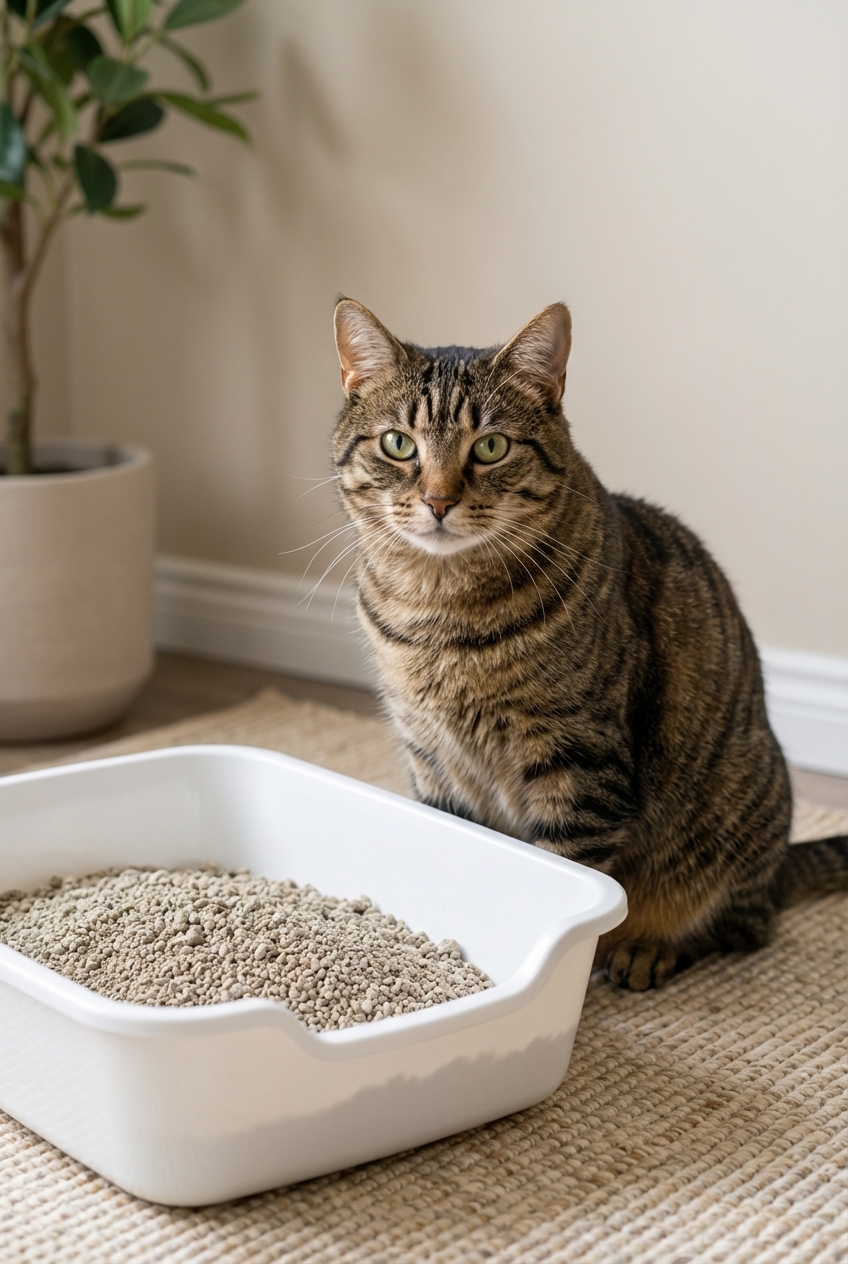
- Litter box: peeing more or less, straining, crying, accidents outside the box, diarrhea, constipation, blood
- Energy and behavior: hiding, sleeping more, irritability, clinginess, confusion, restlessness at night
- Grooming: matted coat, dandruff, greasy fur, overgrooming spots, not grooming at all
Any one change might be mild. Several changes together are a stronger signal that your cat needs a checkup.
Extra caution: kittens, seniors, and cats with chronic disease can worsen faster. If you are on the fence, call sooner.
Common signs your cat is sick
1) Eating less or not eating
In cats, poor appetite is never something to ignore. It can be caused by dental pain, nausea, kidney disease, liver disease, pancreatitis, infection, stress, or many other issues.
Call your vet within 24 hours if your adult cat has eaten little to nothing for a full day. Call the same day (or sooner) for kittens, seniors, cats with diabetes or kidney disease, or any cat that is also lethargic, vomiting, or hiding.
Do not wait multiple days. Cats can develop a serious liver condition called hepatic lipidosis (fatty liver), and the risk rises quickly when a cat goes without adequate calories, especially if they are overweight. In some cats, this can become a major concern in as little as 2 to 3 days of not eating.
2) Vomiting, gagging, or hairballs that are too frequent
An occasional hairball can happen, but repeated vomiting is not normal. Watch for:
- Vomiting more than once in 24 hours
- Repeated unproductive retching or gagging (trying to bring something up but nothing comes out)
- Retching, drooling, lip smacking, or hiding after meals
- Blood in vomit or material that looks like coffee grounds
Vomiting can point to dietary intolerance, parasites, inflammatory bowel disease, pancreatitis, toxin exposure, or an intestinal blockage.
Important: coughing can look like hairball retching. If your cat is repeatedly hunched and “trying to get something up,” especially with fast breathing or weakness, call your vet.
Go in urgently if your cat has repeated unproductive retching, a painful belly, severe lethargy, or cannot keep water down. Those signs can fit an obstruction.
3) Diarrhea, constipation, or straining
Digestive issues are common, but the details matter. Diarrhea lasting more than 24 to 48 hours, black tarry stool, or visible blood deserve prompt attention.
Call sooner if your cat is a kitten, seems dehydrated, has large-volume watery diarrhea, is vomiting, or is acting tired or painful.
Straining in the litter box is an emergency sign because it can look like constipation but actually be a urinary blockage, especially in male cats.
4) Changes in urination
Urinary tract issues are one of the most time-sensitive problems we see. Keep an eye out for:
- Frequent trips to the box with little or no urine
- Crying, yowling, or licking the genital area
- Blood in urine
- Urinating outside the box
- Sudden increased drinking and peeing (possible diabetes or kidney disease)

If your cat cannot pass urine or seems painful, go to an emergency clinic immediately.
5) Breathing changes
Healthy cats breathe quietly. Red flags include open-mouth breathing, heavy abdominal effort, wheezing, or breathing that looks labored.
A helpful at-home metric is resting respiratory rate while your cat is asleep or calmly resting. Many healthy cats are around 20 to 30 breaths per minute at rest (some are a bit lower).
Call your vet urgently if the resting rate is consistently over 30 to 35, or if you see any effort. Open-mouth breathing is an emergency.
6) Pain signs (often subtle)
Cats rarely tell on themselves like dogs do. Pain may look like:
- Hiding, growling, or swatting when approached
- Not jumping up like usual
- Stiff walk or limping
- Hunched posture
- Squinting eyes, flattened ears, or a tense face
- Sudden litter box avoidance due to painful positioning
7) Weight loss, pot belly, or muscle loss
Weight loss can be easy to miss under fur. Regular weigh-ins are one of the best early detection tools you can do at home. Unexplained weight loss is commonly linked with hyperthyroidism, diabetes, kidney disease, dental disease, or cancer.
8) Coat and skin changes
The coat is like a health report card. Watch for dullness, dandruff, bald spots, scabs, a strong odor, or overgrooming. These can be tied to allergies, fleas, pain, stress, thyroid problems, or skin infection.
9) Eyes, ears, nose, and mouth symptoms
- Eyes: squinting, cloudiness, redness, discharge, unequal pupils
- Ears: head shaking, scratching, odor, dark debris
- Nose: sneezing, thick discharge, noisy breathing
- Mouth: drooling, bad breath, pawing at the mouth, dropping food, chewing on one side
Upper respiratory infections are common, but eye problems can escalate fast, especially if your cat is squinting or keeping one eye closed. Mouth pain is also commonly missed at home and can look like picky eating.
10) Behavioral and mental changes
Sudden aggression, disorientation, wobbly walking, head tilt, or seizures are urgent. In older cats, increased vocalizing at night, aimless wandering, or confusion may suggest cognitive changes, high blood pressure, thyroid disease, or other medical issues.
11) Fever and color changes
You usually cannot confirm a fever without a thermometer, and hot ears are not reliable. Still, lethargy plus not eating, shivering, or feeling unusually warm are good reasons to call.
Yellow gums, yellow whites of the eyes, or yellow ear skin can signal jaundice and should be evaluated promptly. Pale gums can indicate anemia or shock and may be an emergency, especially if paired with weakness or fast breathing.
Urgent vs emergency: know the difference
Use this as a quick guide, but trust your gut. If your cat looks worse by the hour, go in.
Emergency: go now
- Cannot urinate, repeated straining, or crying in the litter box
- Open-mouth breathing, blue gums, very pale gums, or severe breathing effort
- Collapse, extreme weakness, unresponsiveness
- Seizure, sudden paralysis, or severe wobbliness
- Suspected toxin exposure (lilies, human medications, rodent bait, antifreeze)
- Profuse bleeding, trauma, or a fall with changes in breathing or behavior
- Repeated vomiting with inability to keep water down
- Bloated abdomen with distress
- Repeated unproductive retching or gagging (possible obstruction)
Urgent: call today
- Adult cat not eating for 24 hours, or eating much less than normal
- Vomiting more than once in 24 hours
- Diarrhea lasting over 24 to 48 hours, or any blood in stool
- Resting respiratory rate consistently over 30 to 35 breaths per minute
- New limp, obvious pain, or sudden behavior change
- Eye squinting or holding an eye closed
If you are unsure, call your veterinarian or an emergency clinic and describe exactly what you are seeing. It is always better to be cautious with cats.
At-home steps that help
Use a simple daily checklist
- Did they eat normally?
- Did they drink normally?
- Any vomiting or gagging?
- Normal pee and poop?
- Normal energy and interaction?
Check the litter box like a health log
Scooping daily is not just cleanliness. It is early detection. If you have multiple cats, consider temporarily separating boxes if someone is acting off so you can track outputs.
Take short videos for your vet
Record sneezing, coughing, breathing effort, limping, gagging, or odd behavior. A 15-second clip can be incredibly helpful for diagnosis.
Avoid risky home treatments
Please do not give human medications unless your veterinarian specifically instructed you. Common pain relievers like acetaminophen and ibuprofen can be toxic to cats.
What to tell your veterinarian
When you call or come in, these details speed up care:
- When the signs started and whether they are getting better or worse
- Appetite and water intake changes
- Vomiting or diarrhea frequency and what it looked like
- Litter box changes, including straining or accidents
- Diet details and any recent changes (new treats, new food, new plants)
- Any possible toxin exposure (especially lilies)
- Medications or supplements currently given
Prevention: catch illness early
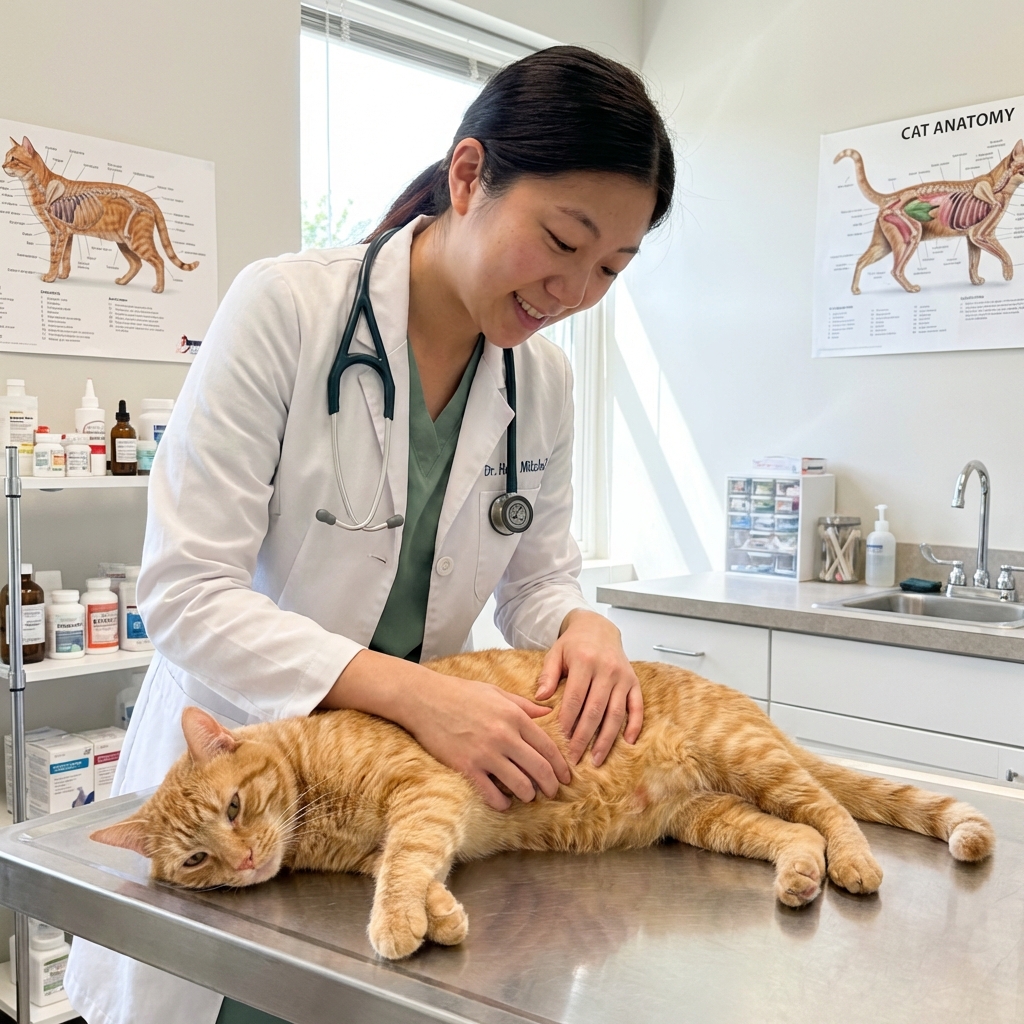
- Annual exams for adult cats, and every 6 months for seniors are ideal for early detection.
- Ask your vet about baseline senior screening (often bloodwork and urinalysis) to catch kidney disease, thyroid disease, diabetes, and other common issues earlier.
- Dental care matters. Dental pain can look like picky eating or just getting older.
- Track weight monthly at home if possible.
- Keep routine consistent and reduce stress where you can, especially in multi-cat homes.
If you feel something is off, you are probably picking up on a real change. Trust that instinct and reach out for help.