Dog UTI symptoms can mimic stones or other issues. Learn the full treatment plan: urinalysis and culture, correct antibiotics, pain control, hydration, home ...
Article
•
Designer Mixes
How Do I Know If My Dog Has a UTI?

Shari Shidate
Designer Mixes contributor
When your dog suddenly has accidents, asks to go out very frequently, or seems uncomfortable while peeing, it is natural to wonder: is this a urinary tract infection (UTI)? Lower urinary tract signs are common in dogs, and a UTI is one possible cause. The key is catching urinary problems early, because several conditions can look similar and need different care.
As a veterinary assistant, I always tell families the same thing: trust your observations. If your dog’s bathroom habits feel “off,” you are probably picking up on something real.
What a UTI is, in plain language
A UTI usually means bacteria have moved up into the urinary tract and caused inflammation. In dogs, infections often involve the bladder (also called cystitis). In some cases, infection can travel up toward the kidneys, which is more serious.
UTIs can happen to any dog, but they tend to be more common in:
- Female dogs (shorter urethra)
- Senior dogs
- Dogs with diabetes, Cushing’s disease, kidney disease, or immune suppression
- Dogs with bladder stones or certain anatomical issues
- Dogs on certain medications (your vet can advise)
One quick note: true bacterial UTIs are often less common in male dogs than in females. When a male dog does get a UTI, veterinarians tend to take it seriously and look for underlying causes.
Common signs your dog may have a UTI
Many UTIs look like “bathroom behavior changes.” Here are the most common signs pet parents notice:
- Frequent urination, with only small amounts coming out
- Straining to urinate or taking longer than usual to start
- Accidents in the house in a dog who is normally house trained
- Urgency, like they cannot hold it
- Blood in the urine (pink, red, or rusty tones)
- Strong or unusual urine odor (nonspecific, but can be a clue)
- Licking the genital area more than normal
- Discomfort, restlessness, or seeming “off”
Some dogs also show reduced appetite or lower energy, especially if the problem is more advanced or involves the kidneys.
UTI or something else?
Here is the tricky part: many urinary issues share symptoms. A dog can strain, pee frequently, or have accidents for reasons other than a simple UTI.
Bladder stones
Stones can irritate the bladder lining and cause blood, frequent urination, and pain. Some stones also increase the risk of infection.
Urinary obstruction (especially in male dogs)
This is an emergency. A blockage can prevent urine from passing at all. Male dogs straining to pee are sometimes mistaken for constipation. When in doubt, treat it as urgent.
Constipation or anal gland discomfort
Straining is not always a urinary problem. Some dogs strain because they are constipated or uncomfortable around the rectum, and it can look a lot like trying to pee.
Vaginitis, vulvar skin irritation, or allergies
These can cause licking and discomfort that looks like a urinary problem.
Incontinence
Especially common in spayed females and senior dogs. This is often leakage, not straining.
Kidney infection or kidney disease
May cause increased drinking and urination, appetite changes, and lethargy.
Endocrine disease (diabetes or Cushing’s)
Increased thirst and increased urination can be a sign of hormonal disease. These conditions can also make UTIs more likely, so your vet may recommend bloodwork if those signs are present.
Stress or behavior changes
Stress can increase urgency or lead to accidents, but it should be a diagnosis after medical causes are ruled out.
Red flags: seek urgent care
Some signs mean you should call your veterinarian right away or go to an emergency clinic:
- Cannot urinate or only a few drops come out after repeated attempts
- Vomiting, severe lethargy, or collapse
- Bloated abdomen or obvious pain
- High fever (your clinic can guide you if you suspect this)
- Male dog straining with little to no urine output
A urinary blockage can become life-threatening quickly, so it is always better to be “too cautious” than too late.
How vets diagnose a UTI
The most reliable way to confirm a UTI is by testing urine. Your vet may recommend:
- Urinalysis: checks for blood, white blood cells, bacteria, crystals, urine concentration, and more
- Urine culture and sensitivity: identifies the bacteria and the best antibiotic, especially for recurrent or complicated cases
- Imaging (X-rays or ultrasound): if stones, anatomical issues, tumors, or recurrent infections are suspected
- Bloodwork: if your vet is concerned about kidney involvement or underlying disease (like diabetes or Cushing’s)
Many clinics prefer collecting urine with a sterile needle directly from the bladder (called cystocentesis) because it reduces contamination and gives the clearest results. That said, not every dog is a candidate for cystocentesis, and some clinics may use a clean “free-catch” sample or catheter collection depending on the situation.
What treatment usually looks like
For an uncomplicated bladder infection, treatment often includes:
- Antibiotics (based on urinalysis and ideally culture results)
- Pain relief or anti-inflammatory medication when appropriate
- Hydration support and encouraging regular bathroom breaks
It is important to give medication exactly as prescribed and finish the course unless your veterinarian tells you otherwise. Stopping early can lead to recurrence and antibiotic resistance.
If UTIs keep coming back, your vet will likely look deeper for an underlying cause, like stones, diabetes, Cushing’s disease, or anatomical factors. In recurrent or complicated cases, your vet may also recommend a recheck urinalysis and sometimes a follow-up culture to confirm the infection is truly cleared.
What you can do at home now
While you are arranging a vet visit, these practical steps can help your dog feel better and may prevent worsening:
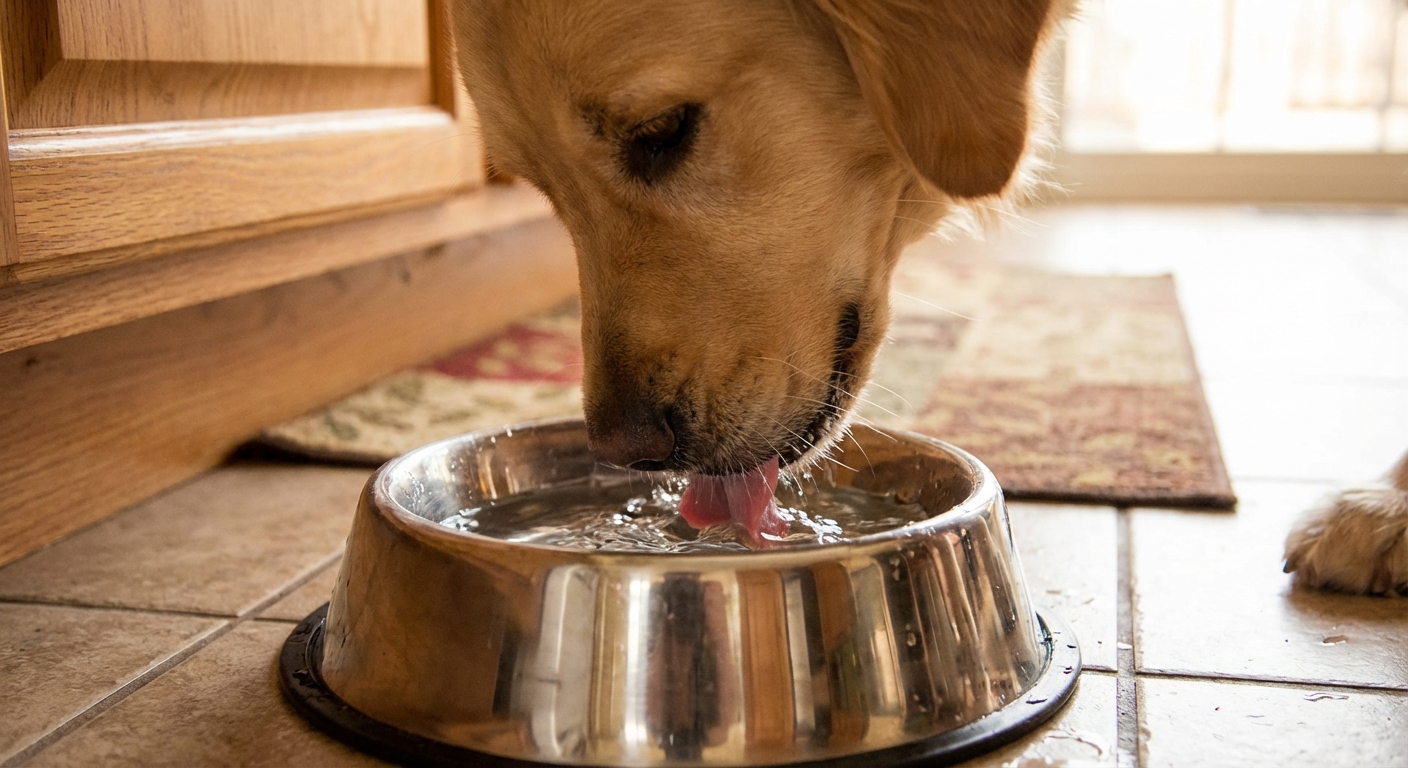
- Provide plenty of fresh water and keep bowls clean (good hydration supports bladder health and helps dilute urine, but it does not “cure” an infection)
- Offer more potty breaks, especially before bed and first thing in the morning (this mainly reduces discomfort and accidents)
- Keep the genital area clean and dry, especially for long-coated dogs
- Track symptoms: frequency, accidents, straining, blood, and any appetite or energy changes
- Bring a urine sample if your clinic requests it (ask first, because sterile collection matters)
Important: Do not give leftover antibiotics or human medications. And avoid assuming it is “just a UTI,” because stones and blockages need different treatment.
What not to do
- Do not punish accidents. Your dog is not being stubborn, they may be uncomfortable.
- Do not delay care if blood, straining, or frequent attempts to pee persist.
- Avoid supplements like cranberry unless your vet approves. They can be unnecessary, and in some dogs with urinary crystals or stones, the wrong product is not helpful.
Prevention tips that help
You cannot prevent every UTI, but you can lower risk and catch problems earlier.
Support hydration
More water may help support bladder health and dilute urine. Many dogs drink more when you:
- Add a little water or low-sodium broth to meals
- Use a pet fountain
- Offer wet food or moisture-rich toppers (vet-approved for your dog)
Prioritize bathroom access
Regular potty breaks can help keep your dog more comfortable and support overall bladder health, especially for small dogs and seniors.
Manage weight and underlying disease
Obesity and diseases like diabetes can increase risk. Routine veterinary checkups and lab work can catch early changes before they become chronic issues.
Nutrition matters
If your dog has bladder stones or recurrent UTIs, diet may be part of the plan. Some dogs need prescription diets to manage urine pH or reduce crystal formation. If you feed homemade or mixed diets, it is worth partnering with your veterinarian or a board-certified veterinary nutritionist so you can support the urinary tract while still feeding high-quality ingredients.
Quick checklist
If you answer “yes” to any of these, schedule a veterinary visit soon:
- My dog is asking to go out more than usual
- My dog strains or seems uncomfortable while peeing
- There is blood in the urine
- There are new accidents in the house
- My dog is licking their genital area more than normal
- My dog is drinking much more water than usual
If your dog is repeatedly trying to pee and nothing (or almost nothing) comes out, treat that as urgent.
If something changes fast with urination, it is worth getting checked promptly. UTIs are common, but they are not the only cause, and the right test is what keeps your dog safe.