Cats hide illness well. Learn the most reliable signs your cat may be sick—appetite, vomiting, litter box, breathing, pain, and behavior—plus urgent vs e...
Article
•
Designer Mixes
How Do I Know If My Cat Is Sick?

Shari Shidate
Designer Mixes contributor
Cats are masters at hiding illness. In the veterinary world, we sometimes call them “subtle strugglers” because many cats keep eating, grooming, and acting fairly normal until they simply cannot anymore. The good news is that your cat’s body gives small clues long before a crisis happens, if you know where to look.
Below are practical, evidence-based signs to watch for, plus a simple plan for what to do next.
Quick rule: changes matter
If you remember only one thing, make it this: a change from your cat’s normal routine is often the earliest sign of sickness. Some issues can be safely watched for a short time, but others need same-day care. When in doubt, call your veterinary clinic for triage.
- One odd day can happen.
- A pattern is your clue.
- Rapid decline is urgent.
Extra note: kittens, seniors, and cats with chronic conditions can deteriorate faster, so your threshold for calling should be lower.
Common signs your cat may be sick
1) Appetite and drinking changes
Cats should not go long without eating. Going without food can put cats at risk for hepatic lipidosis (fatty liver disease), especially in overweight cats.
- Not eating or barely eating (call your vet if your adult cat eats nothing for about 24 hours, and sooner for kittens, seniors, or cats who are already ill)
- Sudden picky behavior in a previously food-motivated cat
- Increased thirst or frequent trips to the water bowl (can be seen with kidney disease, diabetes, hyperthyroidism)
- Decreased drinking, especially with vomiting or diarrhea (risk of dehydration)
2) Litter box changes
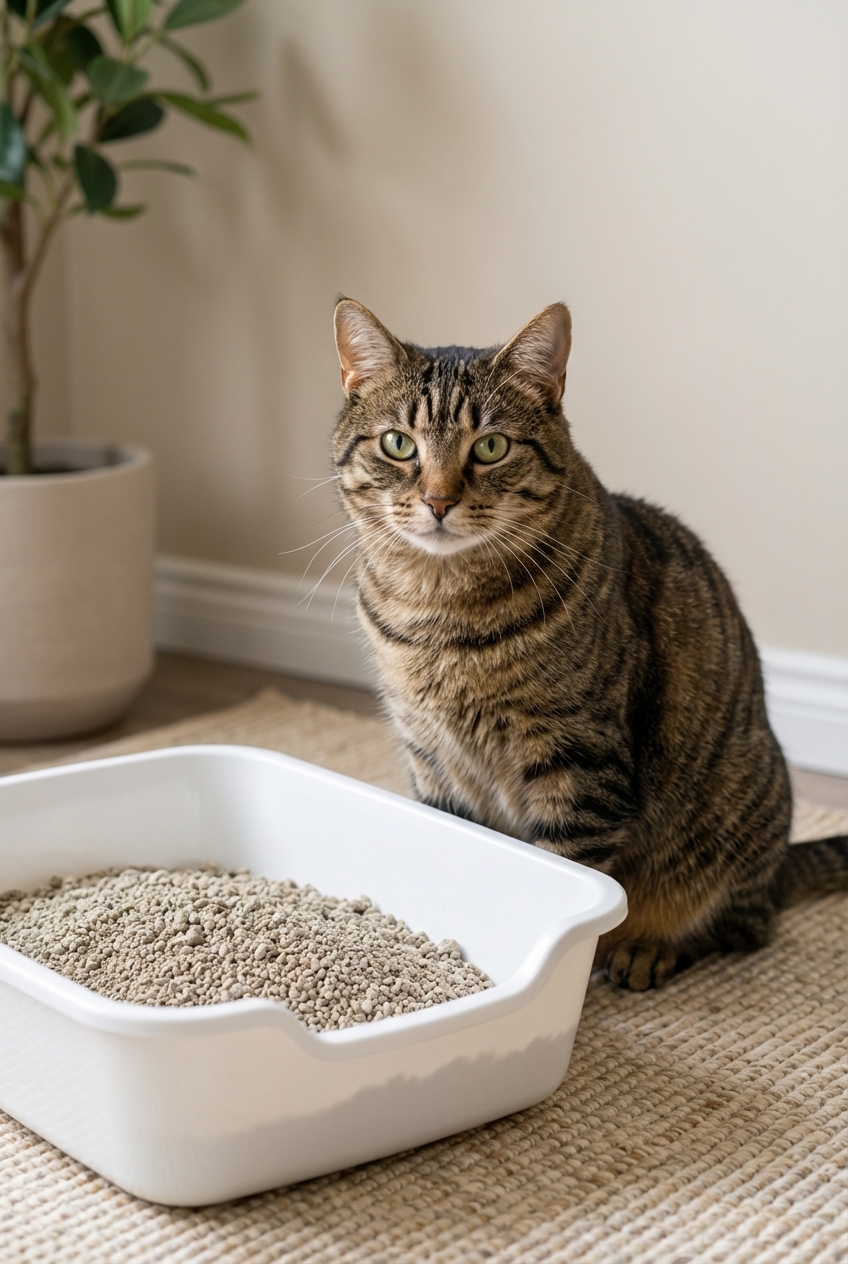
The litter box is one of your best health “reports.” What you scoop tells a story.
- Straining to urinate, crying, frequent small urinations, or no urine produced (especially in male cats) can indicate a urinary blockage and is an emergency.
- Peeing outside the box can be medical, not behavioral. Urinary tract issues, pain, and stress can all be involved.
- Diarrhea that lasts more than 24 to 48 hours, or any diarrhea with lethargy, dehydration, vomiting, black stool, or blood
- Constipation, hard stools, or repeated trips with little output
3) Energy and behavior shifts
Because cats hide discomfort, behavior is often the first hint that something feels off.
- Hiding more than usual or staying in one place
- Less social, less tolerant of touch, or sudden irritability
- Restlessness, pacing, or not settling
- Sleeping much more or seeming weak when jumping
4) Vomiting and hairballs
An occasional hairball can happen, but frequent vomiting is not “normal for cats.” Repeated vomiting can quickly lead to dehydration and electrolyte imbalance.
- More than once in 24 hours, or ongoing episodes for several days
- Vomiting with lethargy, refusal to eat, or obvious abdominal discomfort
- Blood in vomit or dark, coffee-ground material
5) Coat, skin, and grooming changes
A healthy coat usually means a healthy routine. When grooming changes, it can signal pain, arthritis, dental disease, obesity, allergies, or systemic illness.
- Dull coat, dandruff, or oily fur
- Matting, especially in older cats
- Overgrooming or bald spots
- New lumps, scabs, or sores

More signs to watch
These clues are easy to miss because they can start quietly.
- Bad breath (dental disease is extremely common in cats)
- Drooling or pawing at the mouth (mouth pain, dental issues, nausea, toxin exposure)
- Weight loss even if appetite seems fine (often seen with hyperthyroidism and other illness)
- Changes in meow or vocalization patterns
- Stiffness, hesitating to jump up, missing jumps, or moving differently (arthritis is more common than many people realize)
- Pain posture like hunching, guarding the belly, reluctance to be handled, or a “tight” facial expression
- Eyes and nose changes such as squinting, discharge, redness, sneezing, coughing, or a visible third eyelid
- Breathing changes, like breathing faster at rest or open-mouth breathing (urgent)
When to get emergency care
If you see any of the signs below, do not wait and see. Call an emergency vet or urgent care clinic right away.
- Difficulty breathing, open-mouth breathing, or blue or very pale gums
- Very fast resting breathing that is persistent (many clinics consider a resting rate over about 30 to 35 breaths per minute concerning, especially if your cat is working harder to breathe). Count when your cat is asleep or truly resting.
- Possible urinary blockage: straining in the litter box, crying, frequent tiny urinations, or no urine
- Seizures, collapse, extreme weakness, or sudden inability to walk
- Repeated vomiting with inability to keep water down
- Suspected toxin exposure (including lilies, certain human medications, and dog-only flea and tick products that contain permethrins or pyrethroids)
- Severe pain, a distended belly, or nonstop vocalizing
- Yellow gums or yellow whites of the eyes (jaundice)
- Trauma such as a fall, dog attack, or being hit by a car
If you are ever unsure, it is safer to call. In my experience as a veterinary assistant, quick questions can prevent a difficult situation from escalating later.
What to do next at home
Step 1: Observe without guessing
Before you call the vet, jot down a few details. It helps your clinic triage appropriately and helps you feel more grounded.
- When did this start?
- Is your cat eating? Drinking?
- Any vomiting or diarrhea? How many times?
- Normal urination and bowel movements?
- Any new foods, treats, plants, medications, flea products, cleaners, or stressors?
- Indoor-only or outdoor access?
Step 2: Check a few basics
- Gums: healthy gums are typically pink and moist. Pale, white, blue, yellow, or tacky gums are concerning.
- Breathing: your cat should breathe comfortably at rest. Struggling, wheezing, or open-mouth breathing is urgent.
- Hydration: look for tacky gums, sunken-looking eyes, and ongoing vomiting or diarrhea. Skin-tent tests can be unreliable in cats, so if you are worried about dehydration, it is best to call.
- Temperature: warm ears are not a reliable sign of fever. Do not take a rectal temperature unless you have been shown how to do it safely.
Step 3: Call with specific info
Instead of “my cat is acting weird,” try: “My cat has eaten half their normal amount for two days, vomited twice today, and is hiding. Urination looks normal.” Clear details help your care team guide you quickly.
Catch illness earlier
You do not need to hover. You just need a few simple routines that make changes obvious.
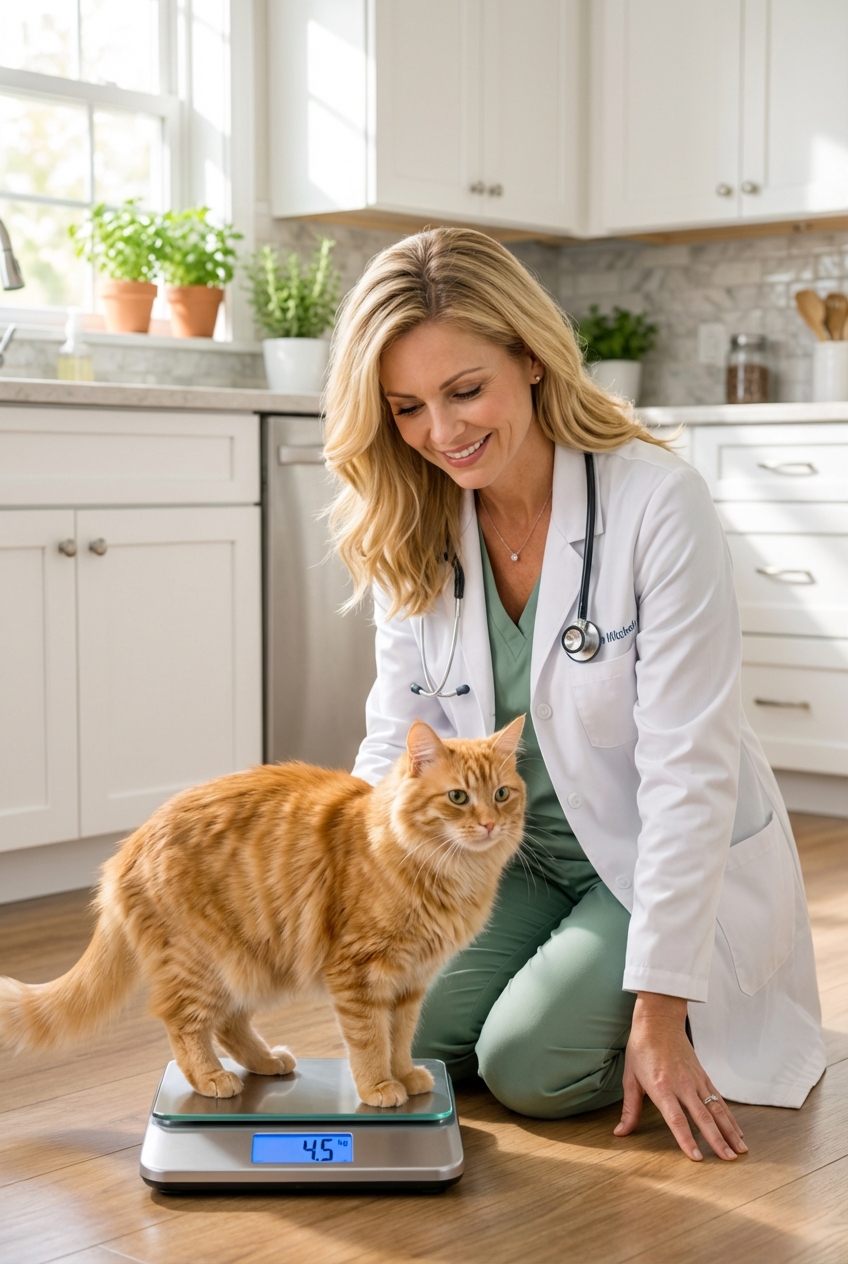
- Weigh monthly if you can. Weight loss is often one of the earliest signs of chronic illness.
- Watch the litter box daily. Use a consistent setup that makes urine and stool changes easy to notice.
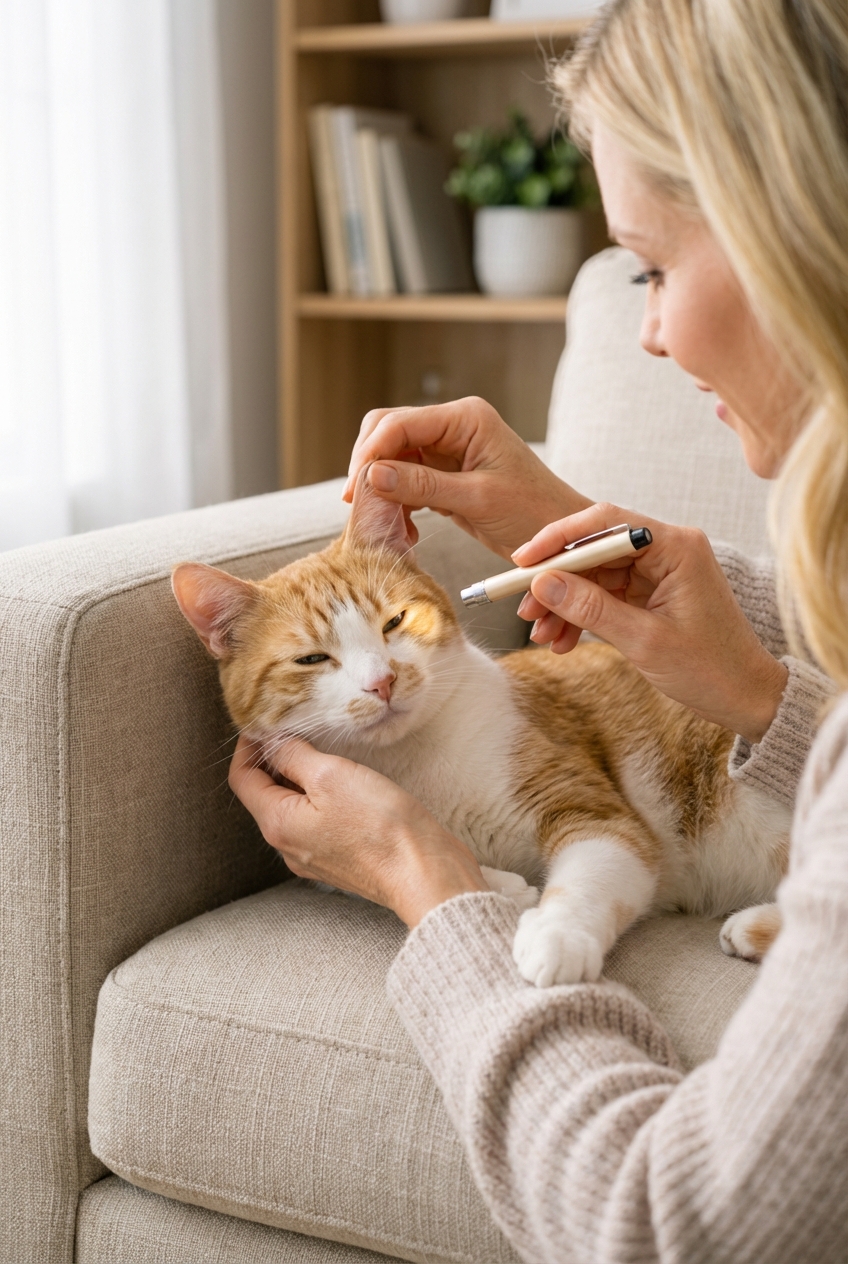
- Do weekly hands-on checks: feel for new lumps, check coat condition, and look at the mouth if your cat allows it.
- Keep regular wellness visits. Many conditions, like kidney disease and thyroid disease, can show up in labs before symptoms are dramatic.
Multi-cat tip: if you cannot tell who is eating, drinking, peeing, or pooping, separate your cat briefly with their own food, water, and litter box to track changes.
What these symptoms can mean
Many different conditions can look similar at home. That is why your veterinarian may recommend an exam, bloodwork, urine testing, or imaging even when the signs seem mild.
- Dental disease: decreased appetite, drooling, bad breath
- Kidney disease: increased thirst, weight loss, poor appetite, vomiting
- Hyperthyroidism: weight loss with good appetite, vocalizing, restlessness
- Urinary disease: straining, frequent trips, accidents outside the box
- GI upset or parasites: vomiting, diarrhea, weight changes
- Pain or arthritis: hiding, reduced jumping, irritability
- Upper respiratory infection: sneezing, eye or nasal discharge, reduced appetite
The goal is not for you to diagnose at home. The goal is to notice early and act.
Bottom line
You know your cat best. If something feels different, trust that instinct and take notes. Early care is often simpler, less stressful, and more affordable than waiting until symptoms are severe.
If you are calling your clinic, bring your notes and a short video of any unusual breathing, coughing, limping, or behavior changes. That kind of detail can be surprisingly helpful.