Cats hide pain well. Learn the most common vet-recognized signs—behavior shifts, posture and movement changes, grooming and appetite issues, litter box red...
Article
•
Designer Mixes
How Do Cats Show Pain?

Shari Shidate
Designer Mixes contributor
Cats often hide pain. In the clinic, I have seen sweet, social cats quietly “go inward” when something hurts, and their families often feel blindsided because there was no obvious limping or crying. That is not your fault. It is feline instinct, and it also varies from cat to cat.
This guide will help you spot the subtle signals, understand what they might mean, and know when to call your veterinarian. If you take away one thing, let it be this: behavior changes are one of the biggest clues that a cat is uncomfortable.
Why cats hide pain
In the wild, showing weakness can make an animal a target. Even indoor cats keep that wiring. So instead of dramatic signs, pain often shows up as quieter changes in posture, habits, and personality.
Some cats may still purr when they hurt. Purring can be self-soothing during stress or discomfort, but it is also seen when cats are relaxed. In other words, purring is not a reliable sign that everything is okay.
Common signs of pain in cats
Pain can look different depending on the cause, but these are some of the most common clues pet owners notice at home.
Body language and posture
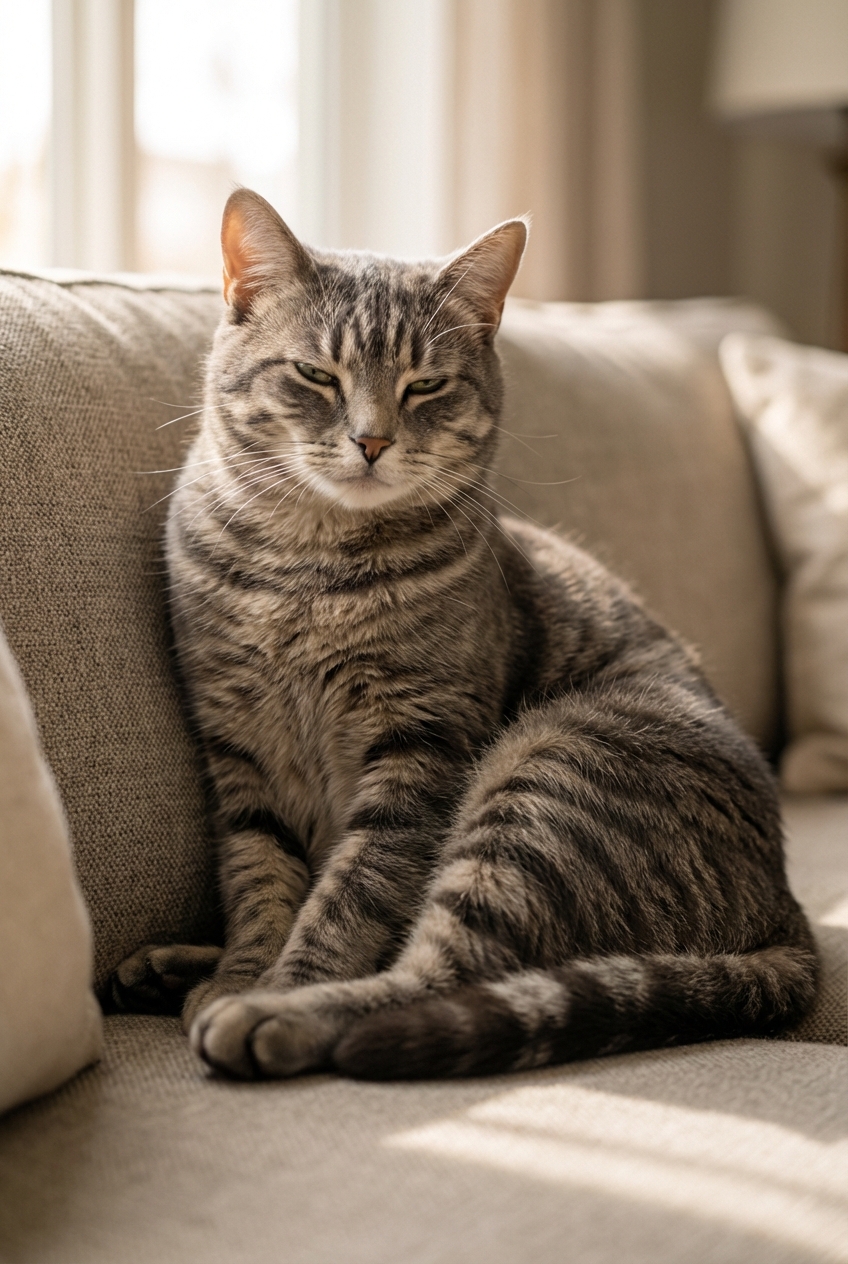
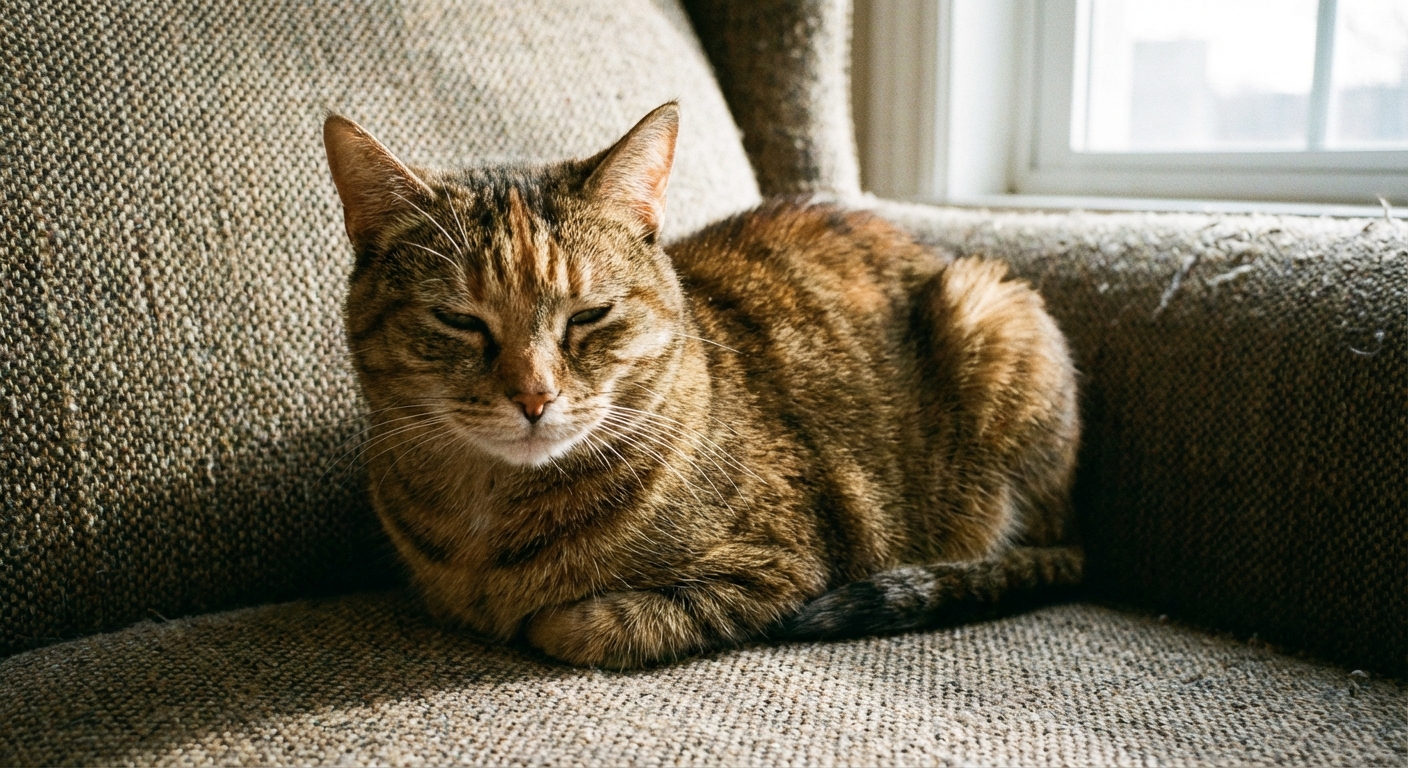
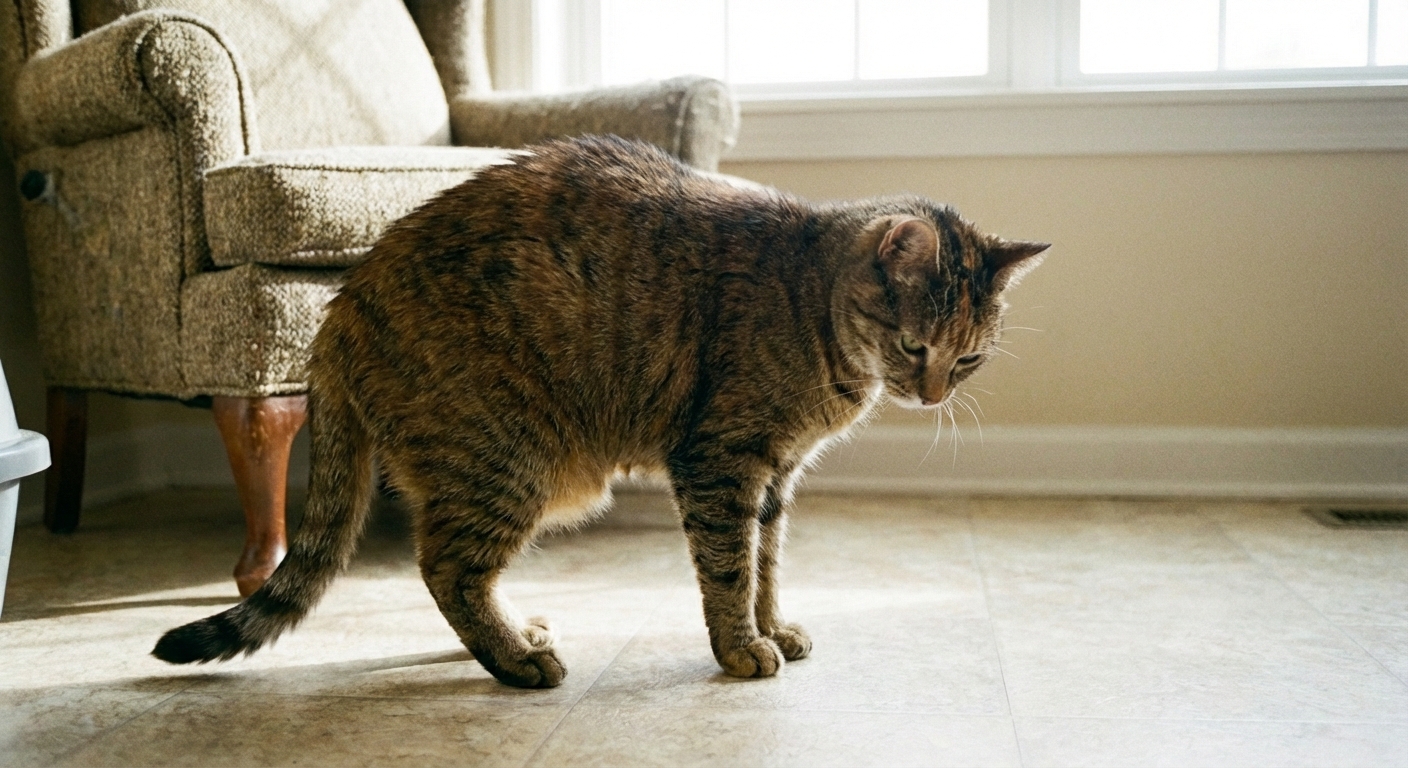
- Hunched posture or loaf posture (paws tucked tightly under the body).
- Guarding one area of the body or moving stiffly.
- Head held low or reluctance to stretch out and relax.
- Tense belly or flinching when you gently touch the abdomen. Avoid repeated pressing or “poking” if your cat seems painful.
- Tail held close to the body, or tail flicking more than usual, especially when touched or approached.
Face and eyes
- Squinting or keeping the eyes partially closed.
- Dilated pupils in normal lighting.
- Flattened ears or ears rotated outward.
- Change in facial expression that seems “worried” or withdrawn. (Veterinarians often assess facial cues using tools like the Feline Grimace Scale.)
Behavior and mood
- Hiding more often or choosing hard-to-reach spots.
- Less social or affectionate, or avoiding being held.
- Sudden irritability, swatting, or growling when approached.
- Restlessness, pacing, or difficulty getting comfortable.
Eating, drinking, and grooming
- Reduced appetite or eating more slowly than normal.
- Drooling, dropping food, or chewing on one side (possible dental pain).
- Not grooming or looking unkempt, greasy, or matted.
- Overgrooming one spot, sometimes leading to thinning fur or skin irritation.
Litter box clues
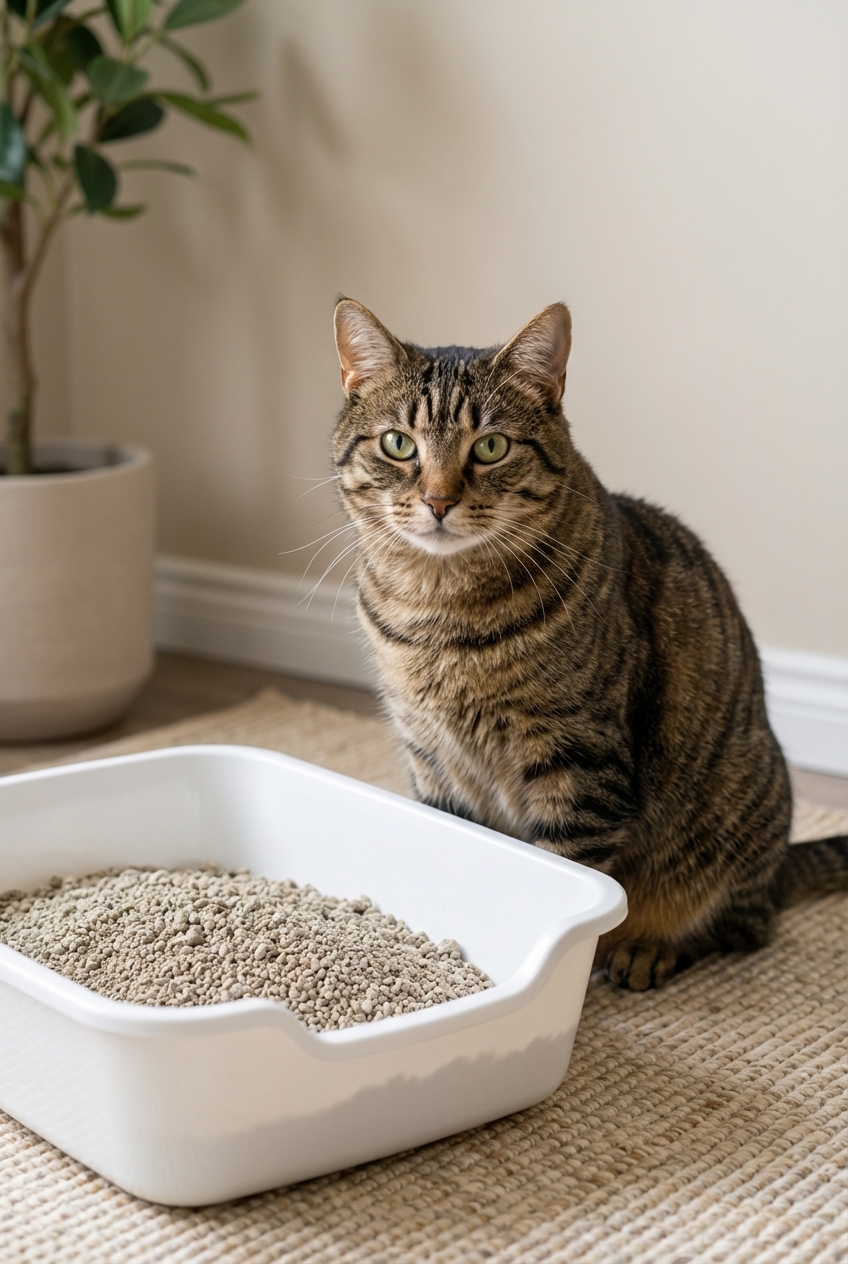
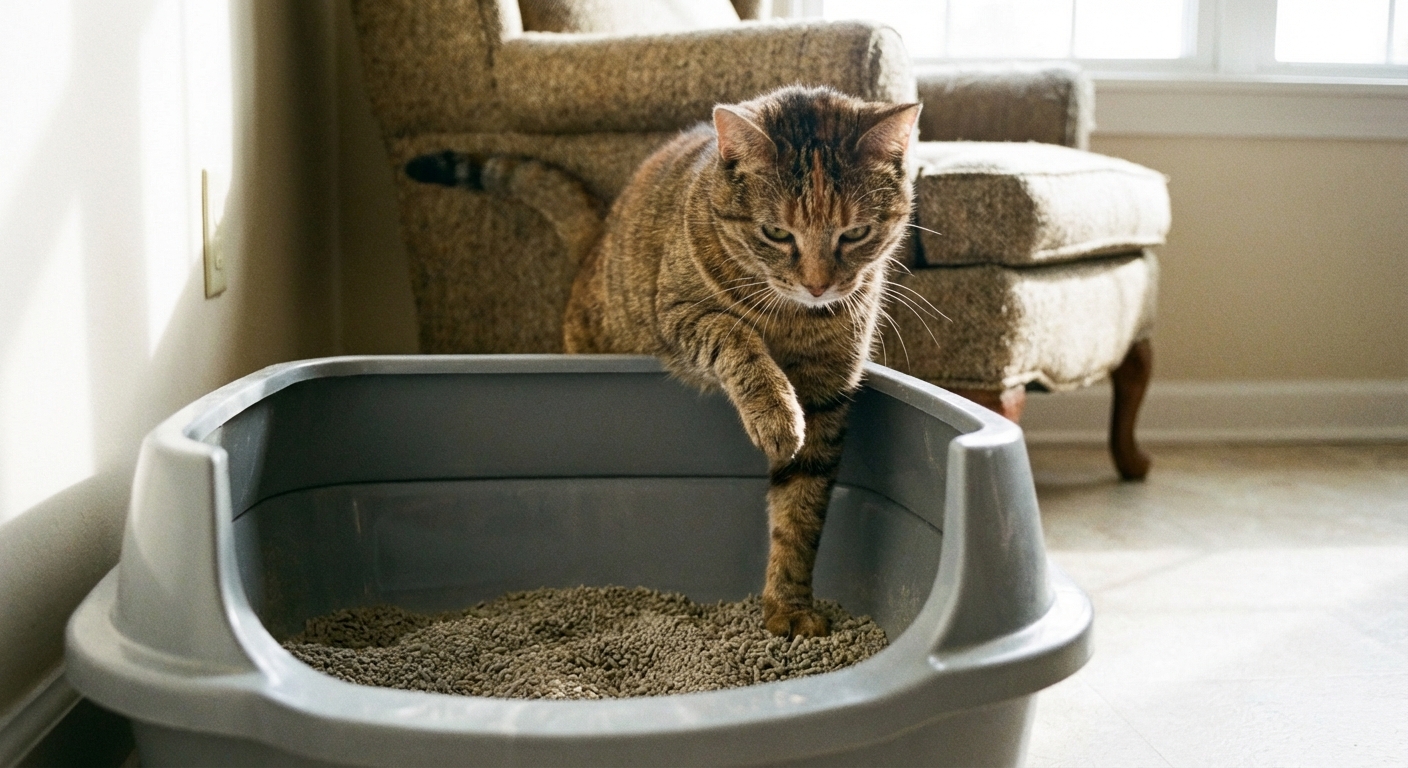
- Urinating outside the box, especially if the box is hard to climb into.
- Straining, frequent trips, or crying in the litter box.
- Constipation or small, hard stools.
- Stool stuck to fur due to difficulty squatting or grooming.
Movement and mobility
- Reluctance to jump onto beds, couches, or windowsills.
- Using stairs differently, moving slowly, or pausing before stepping down.
- “Bunny hopping” with the back legs or a stiff rear end, which can be seen with hind-end pain (including arthritis).
- Limping, toe-touching, or shifting weight.
If your cat seems “lazy” all of a sudden, consider pain as a possibility, especially in adults and seniors. Arthritis is very common in older cats, and it is often missed because the signs can be so subtle.
Patterns that can help your vet
You cannot diagnose pain at home, but patterns can help you know what to mention to your vet. Many signs of pain overlap with stress, nausea, cognitive changes, or other illnesses, which is why an exam matters.
Dental or mouth pain
- Bad breath, pawing at the mouth, dropping kibble, preference for soft food.
- Chewing on one side, yowling while eating, or sudden food refusal.
Arthritis or joint pain
- Less jumping, stiffness after naps, messy litter box habits from painful squatting.
- Overgrown nails from reduced activity and less scratching.
Urinary pain
- Frequent attempts to urinate, licking the genital area, accidents outside the box.
- Small urine spots, blood-tinged urine, or vocalizing in the box.
Abdominal pain
- Hunched posture, front end down with rear end up, or tension when the belly is touched.
- Vomiting, reduced appetite, or sudden hiding.
When pain is an emergency
Some situations should be treated as urgent. If you see any of the signs below, contact an emergency veterinary hospital right away.
- Straining to urinate with little or no urine produced, especially in male cats. This can be a urinary blockage, and waiting can be fatal.
- Open-mouth breathing, severe lethargy, or collapse.
- Uncontrolled bleeding, suspected toxin exposure, or major trauma (fall, hit by car).
- Crying out in pain, sudden inability to walk, or dragging a limb.
- Swollen abdomen with distress, repeated vomiting, or pale gums.
Trust your instincts. If your cat looks “not right,” it is always okay to call.
How to check your cat at home
You do not need to do a full exam. Your goal is to observe, gather details, and keep everyone safe.
- Watch first, touch second. Note posture, breathing, and movement before handling.
- Use gentle petting only. If your cat tenses, growls, or tries to leave, stop.
- Check eating, drinking, and litter box output. These daily habits are powerful clues.
- Take a short video. A 10 to 20 second clip of walking, jumping, or litter box behavior helps your vet.
- Track timing. When did it start? Is it worse after naps, after meals, or at night?
If your cat may bite due to pain, do not attempt to restrain them. Call your veterinary team for guidance.
What to do if you suspect pain
1) Call your veterinarian with specifics
Instead of “she is acting weird,” try: “She stopped jumping onto the bed, is sleeping more, and growled when I touched her lower back.” Specifics help the team triage and plan next steps.
2) Skip human pain meds
This is so important. Many human medications are dangerous to cats, even in small doses. Only give medications prescribed specifically for your cat and for the current issue.
3) Avoid common mistakes
- Do not force exercise or stretching. Rest is often safer until your cat is evaluated.
- Do not apply essential oils or topical products (including menthol or lidocaine) unless your veterinarian tells you to. Some can be toxic if licked.
- Do not delay urinary signs. Straining with little or no urine is an emergency.
4) Make home more comfortable
- Provide a low-entry litter box or add a second box in an easy location.
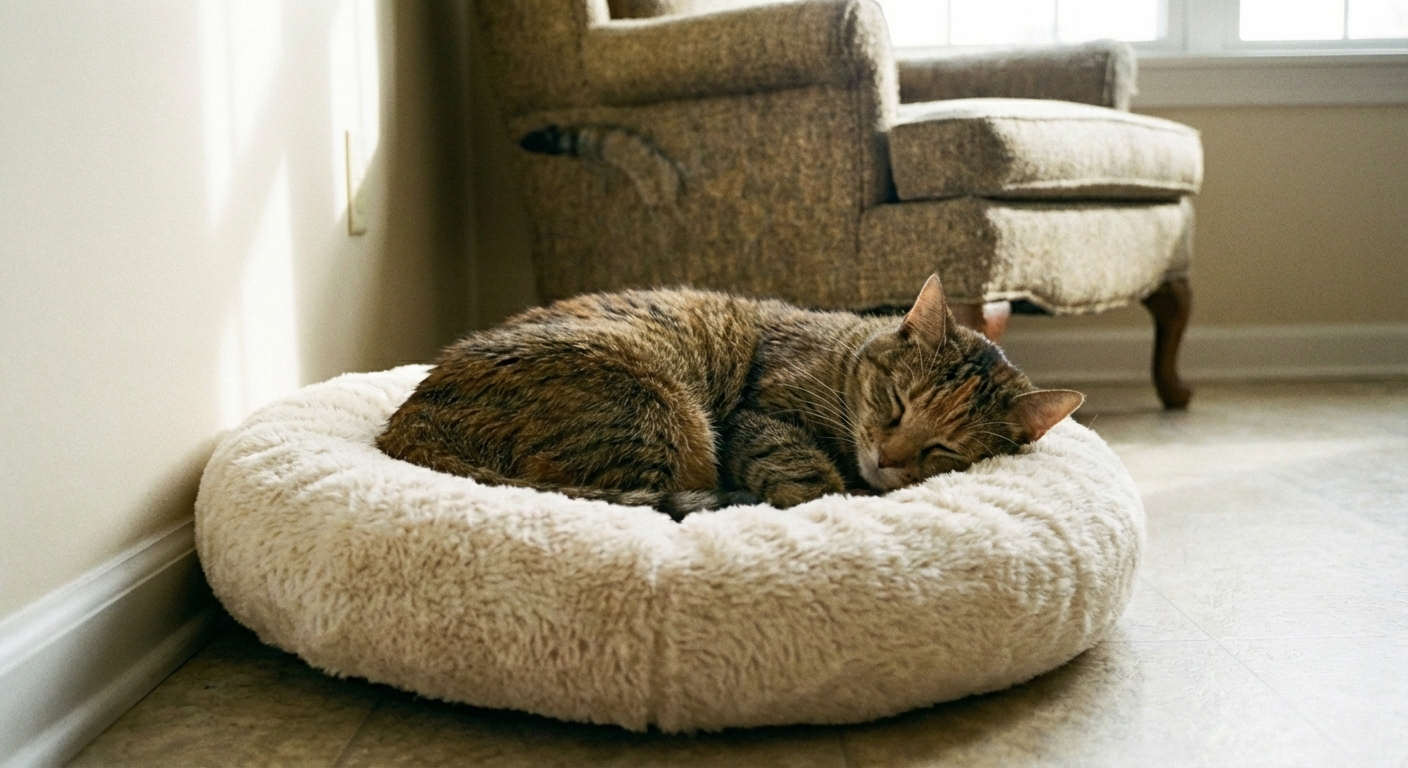
- Use soft bedding in a quiet, warm spot.
- Offer food and water nearby so they do not have to travel far.
- Add pet steps to favorite resting spots if mobility seems painful.
5) Follow the treatment plan
Pain control in cats often involves a combination of tools: targeted medications, dental care if needed, weight management, environmental changes, and sometimes physical rehabilitation. Your vet will tailor a plan based on your cat’s age, health history, and exam findings.
Prevention and early detection
- Schedule regular veterinary visits. Subtle pain is easier to catch with routine exams.
- Monitor weight. Extra pounds strain joints and can worsen arthritis.
- Prioritize dental care. Dental disease is a common, underrecognized source of chronic pain.
- Keep a baseline. If you know what “normal” looks like for your cat, you will spot changes faster.
When it comes to cats, “quiet changes” are often the loudest message. You do not have to be 100% sure your cat is in pain to ask for help.
If you are worried, reach out to your veterinarian. You are your cat’s best advocate, and noticing the small things truly matters.