Cold snaps can harm dogs fast. Learn safe temperature guidelines, hypothermia and frostbite warning signs, paw protection, coats, ice melt safety, and when t...
Article
•
Designer Mixes
How Cold Is Too Cold for Dogs? A Temperature Safety Guide

Shari Shidate
Designer Mixes contributor
Cold weather can be refreshing for some dogs and risky for others. I always remind pet parents that “too cold” is not one magic number. It depends on your dog’s size, coat, age, health, and what they are doing outdoors. Use this guide to make quick, confident decisions and keep winter walks safe and enjoyable.
Quick answer: temperature ranges to know
These ranges are practical guidelines for most healthy dogs. Wind, wet fur, and low body fat can make cold feel much more intense.
- 45°F to 32°F (7°C to 0°C): Usually safe for many dogs, but small, short-haired, senior, and very young dogs may need a sweater or shorter outings.
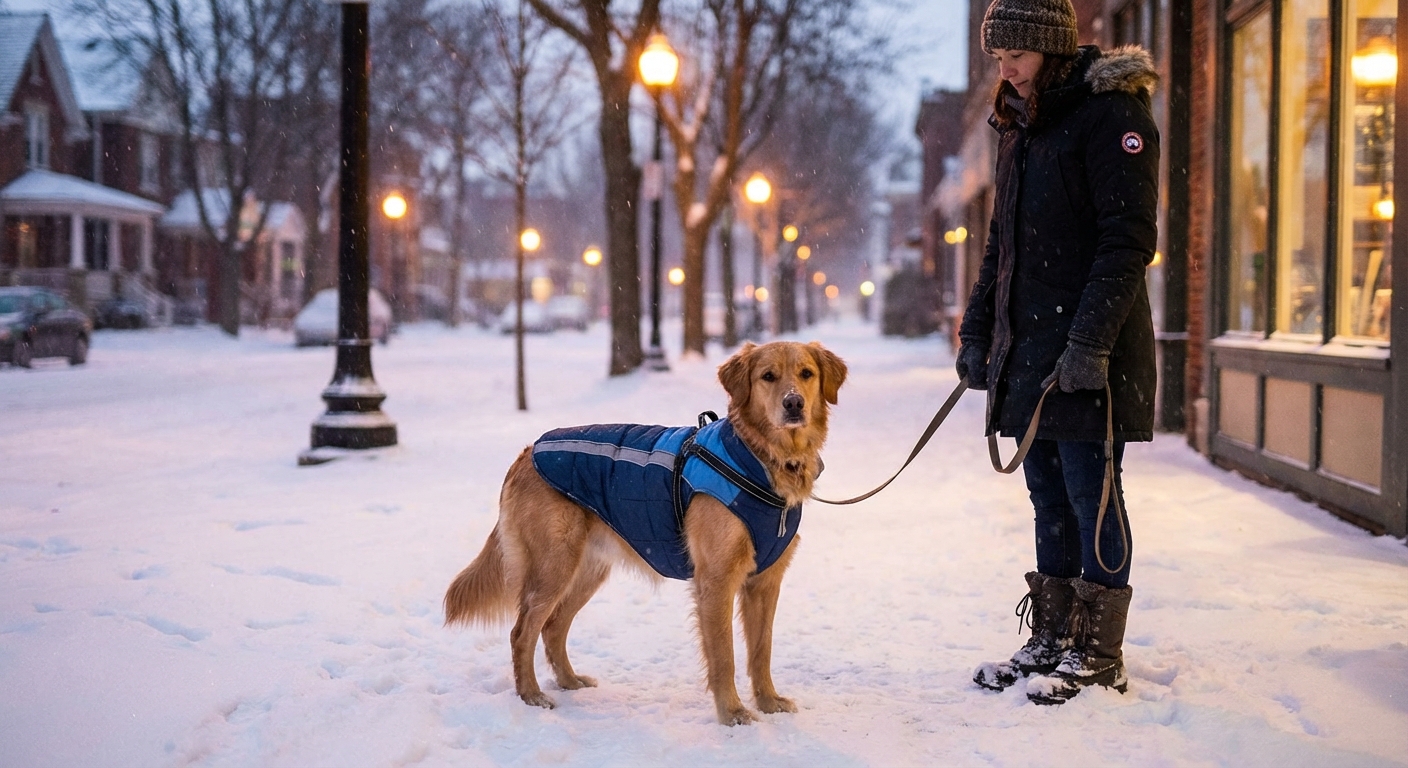
- 32°F to 20°F (0°C to -7°C): Caution zone. Many dogs can still go out briefly, but watch closely for discomfort. Consider a coat for most dogs and booties if there is ice or salt.
- 20°F to 0°F (-7°C to -18°C): Higher risk. Limit time outside, keep moving, and protect paws. Toy breeds and short-coated dogs may struggle quickly.
- Below 0°F (-18°C): Generally too cold for extended outdoor time for most dogs. Keep bathroom breaks very short and prioritize indoor enrichment.
Important: If your dog is wet, the “too cold” threshold rises fast. A damp coat plus wind can chill the body far sooner than dry cold air.
Why some dogs handle cold better than others
Two dogs can stand side by side in the same weather and have completely different experiences. Here are the biggest factors.
Coat type and body size
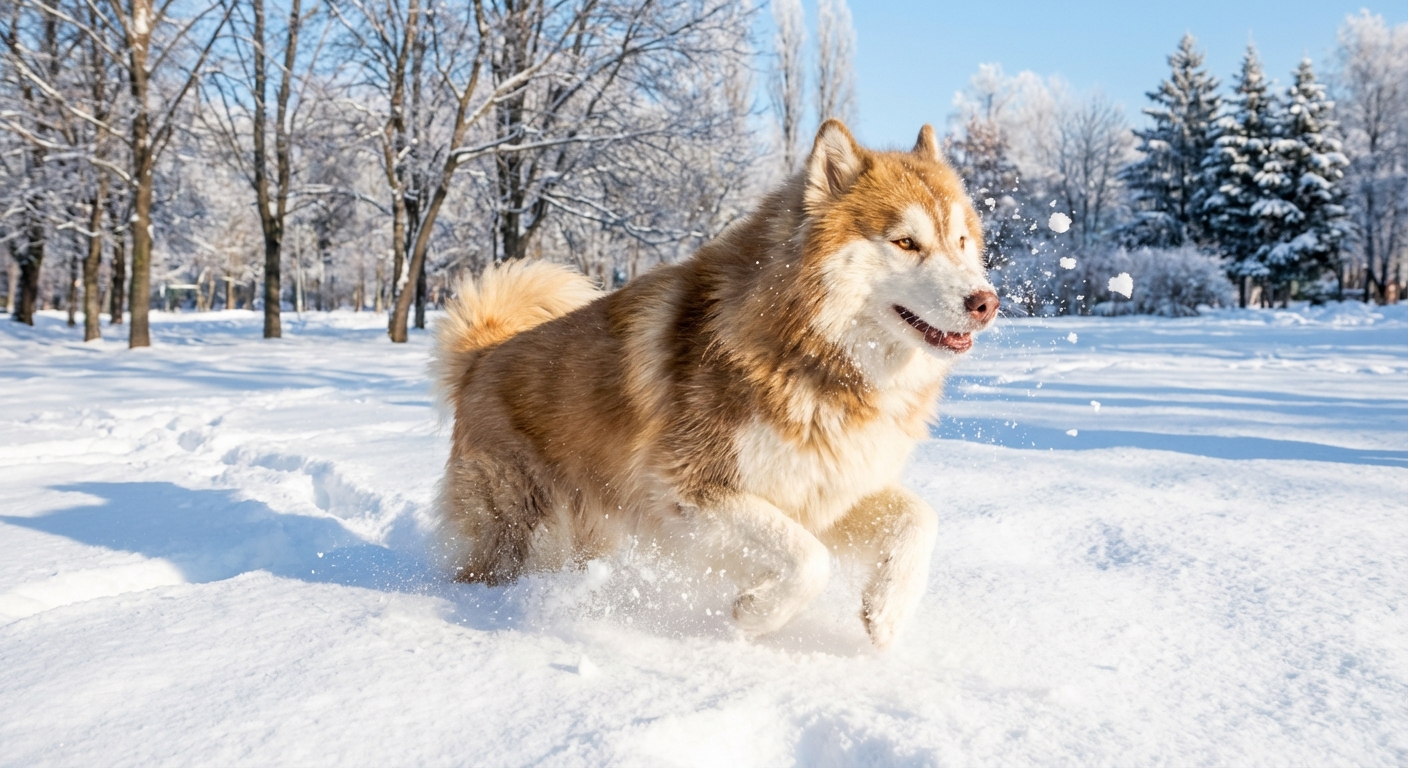
- More cold tolerant: Double-coated breeds (like Huskies, Malamutes, Samoyeds), larger dogs, and dogs with a thicker natural coat.
- Less cold tolerant: Short-haired breeds (like Greyhounds, Boxers), small dogs, and dogs with little body fat.
Age and health
- Puppies lose heat faster and have less ability to regulate body temperature.
- Seniors often have reduced circulation and may have arthritis that flares in cold weather.
- Medical conditions (heart disease, kidney disease, diabetes, hormonal disorders like hypothyroidism) can reduce cold tolerance.
Acclimation and activity
A dog that is used to cold weather and actively walking may do fine at temperatures that would be uncomfortable during a slow stroll. Standing still, waiting at intersections, or playing in wet snow can drop body temperature quickly.
Wind chill, wet fur, and ice: the hidden dangers
Air temperature is only part of the story. These three factors often explain why a dog suddenly wants to turn around.
- Wind: Wind strips away the thin layer of warmth around the body and accelerates heat loss.
- Wetness: Rain, slush, and wet snow flatten fur and reduce insulation. Wet paws also chill faster.
- Ice and chemicals: Ice can cut paw pads. De-icers and road salt can burn paws and cause stomach upset if licked off.
If it is windy or wet, treat the day as colder than the thermometer suggests.
Signs your dog is too cold
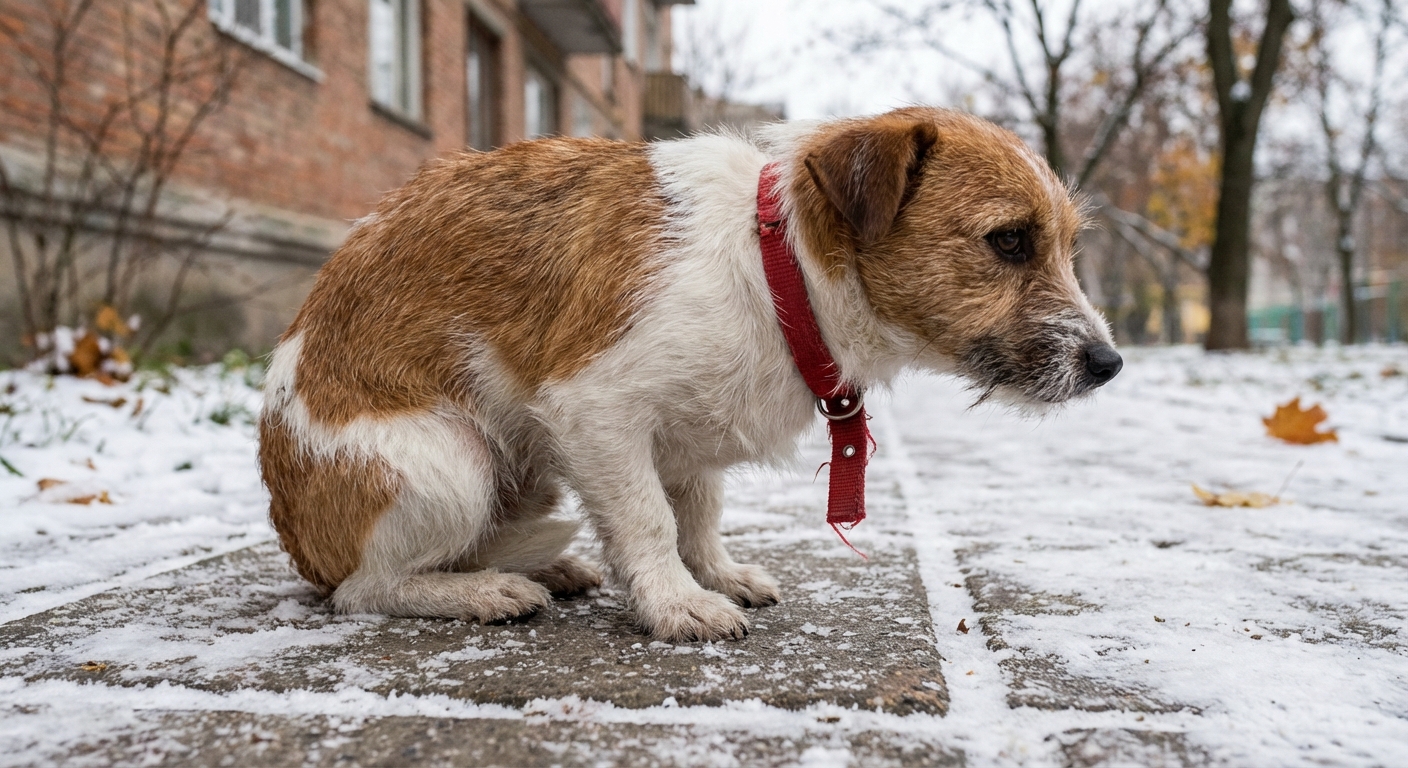
Dogs rarely “tough it out” safely. Many will show subtle signs before they become truly hypothermic. If you notice these, head indoors right away.
- Shivering or trembling
- Lifting paws, limping, or repeatedly stopping
- Tucking the tail, hunching the body, or trying to curl up
- Whining, anxiety, or repeatedly looking back toward home
- Cold ears and paws to the touch
- Slowed movement, weakness, or seeming “spacey”
Emergency signs: persistent shivering that stops (can indicate worsening hypothermia), pale gums, confusion, or collapse. Warm your dog gradually and contact a veterinarian immediately.
How long can a dog stay outside in the cold?
There is no perfect universal time limit, but you can use a simple approach.
- Above 32°F (0°C): Many healthy dogs can manage a normal walk, but small and short-haired dogs may do best with 15 to 30 minutes.
- 20°F to 32°F (-7°C to 0°C): Aim for shorter outings, often 10 to 20 minutes depending on the dog and conditions.
- Below 20°F (-7°C): Think “quick in and out” for many dogs, often 5 to 10 minutes, especially if windy or wet.
When in doubt, do multiple short bathroom breaks and shift exercise indoors.
Winter walking safety checklist
Small steps make a big difference in cold weather. Here is what I recommend most families keep in mind.
Before you go out
- Dress for your dog: A well-fitted coat for short-haired, small, senior, or thin dogs. Consider a waterproof layer if it is wet.
- Protect paws: Booties are ideal. If your dog refuses them, use a pet-safe paw balm and keep walks shorter.
- Plan the route: Choose sidewalks that are cleared and avoid heavily salted areas when possible.
During the walk
- Keep moving: Standing still cools the body quickly.
- Watch body language: Your dog will tell you when it is time to head back.
- Avoid frozen ponds: Ice thickness is unpredictable and dangerous.
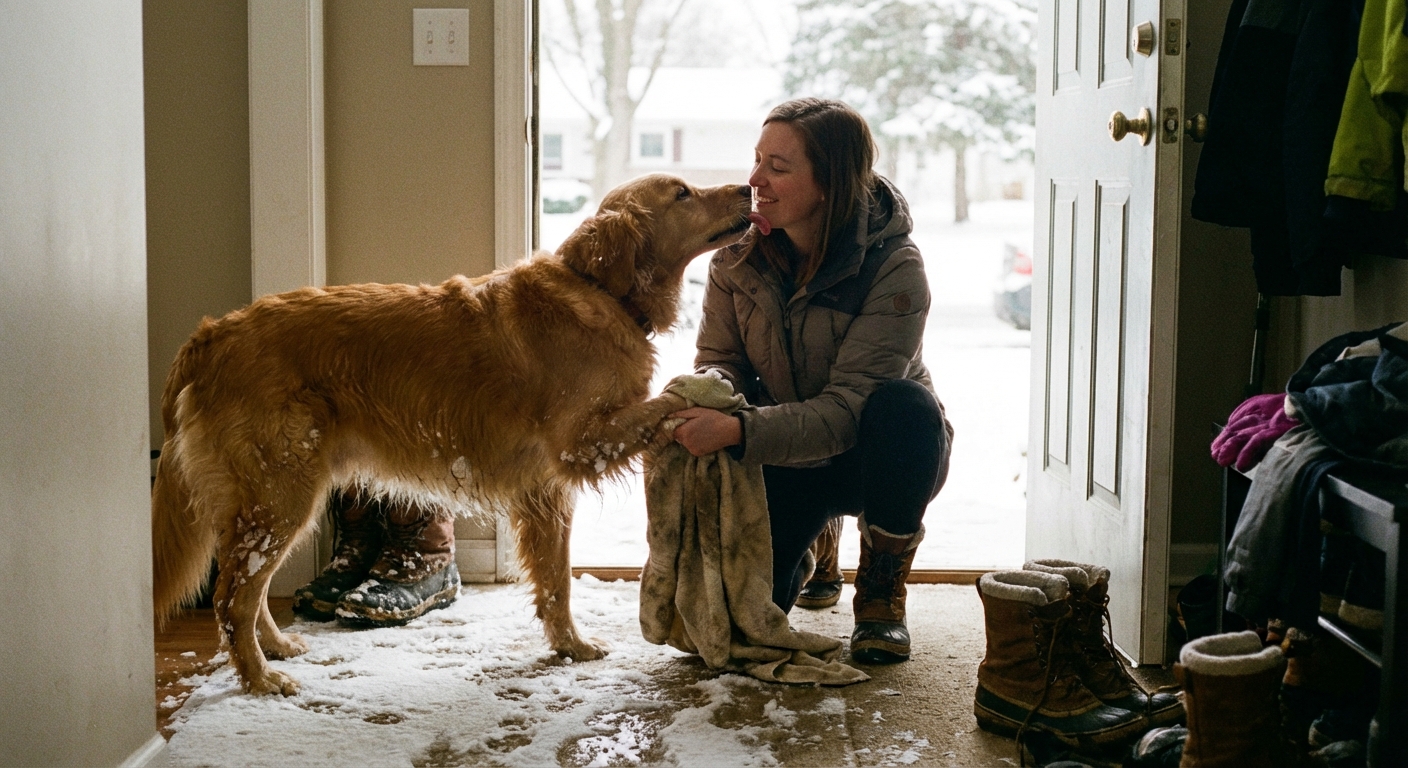
After the walk
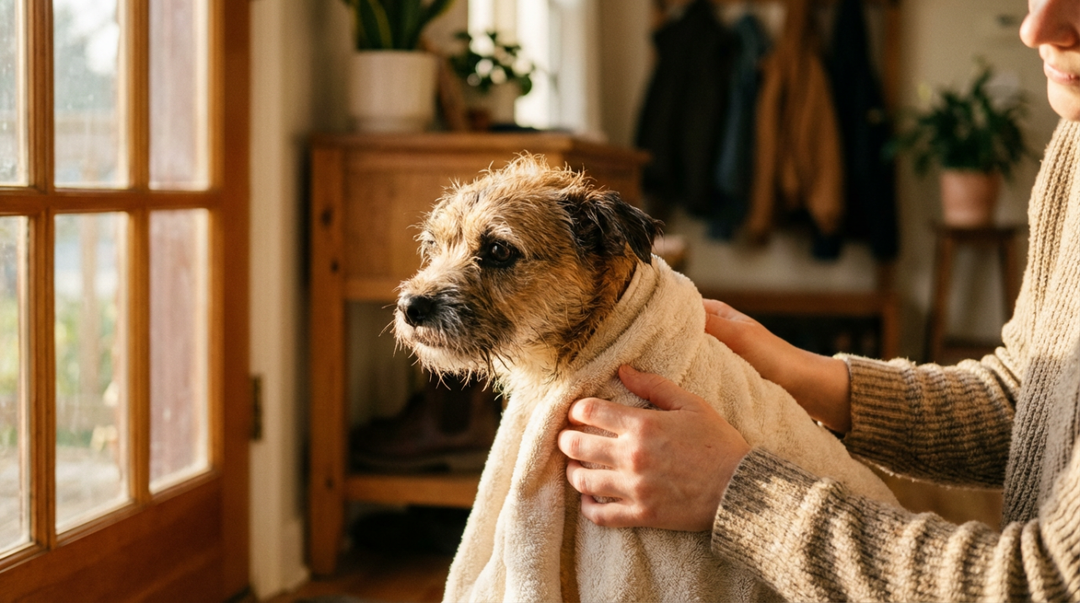
- Dry thoroughly: Especially paws, belly, and under the tail.
- Rinse and wipe paws: Remove salt and chemicals to prevent irritation and licking.
- Check for cracking: Look for redness between toes or small cuts.
Special considerations by dog type
Small and toy breeds
Small dogs lose heat quickly because they have more surface area relative to body mass. Many need a coat below 45°F (7°C), and short bathroom trips are often best below freezing.
Short-haired and low body fat dogs
These dogs often benefit from layered warmth: a sweater for insulation and a wind-resistant coat on top when conditions are harsh.
Senior dogs and dogs with arthritis
Cold can stiffen joints and reduce traction on icy surfaces. Shorter walks, warm booties, and indoor mobility exercises can help. If pain increases, check in with your veterinarian.
Brachycephalic breeds
Dogs with short muzzles can struggle to regulate breathing efficiently in extreme weather. Cold air can be irritating, and heavy exertion may not be comfortable.
Double-coated dogs
These dogs can enjoy cold weather, but they are not invincible. Ice balls in fur, wet undercoats, and paw injuries are still common. Keep an eye on paws and belly fur.
Indoor alternatives when it is too cold
When outdoor time needs to be limited, you can still meet your dog’s movement and mental enrichment needs.
- Food puzzles or scatter feeding for sniffing and problem-solving
- Short training sessions (sit, down, stay, place, leash skills)
- Indoor fetch in a hallway using a soft toy
- Sniff games like hiding treats in towels or around one room
- Tug with clear start and stop cues
Five to ten minutes of focused mental work can be surprisingly tiring for many dogs.
When to call your vet
Contact your veterinarian promptly if your dog has any of the following after cold exposure:
- Ongoing shivering, lethargy, or weakness
- Pale or blue-tinged gums
- Confusion, stumbling, or collapse
- Swollen, blistered, or very red paw pads
- Suspected frostbite (skin that looks pale, gray, or unusually cold and hard)
Keep this in mind: If you are uncomfortable standing outside in your current clothes, your dog may need extra protection or a shorter outing.
Bottom line
Most healthy dogs can enjoy winter weather in the right conditions, but below freezing is where you should start paying close attention, and below 20°F (-7°C) is where many dogs need shorter outings and added protection. Watch your dog’s body language, account for wind and wetness, protect paws, and shift exercise indoors when needed. Small, consistent safety habits add up to a much more comfortable winter for both of you.