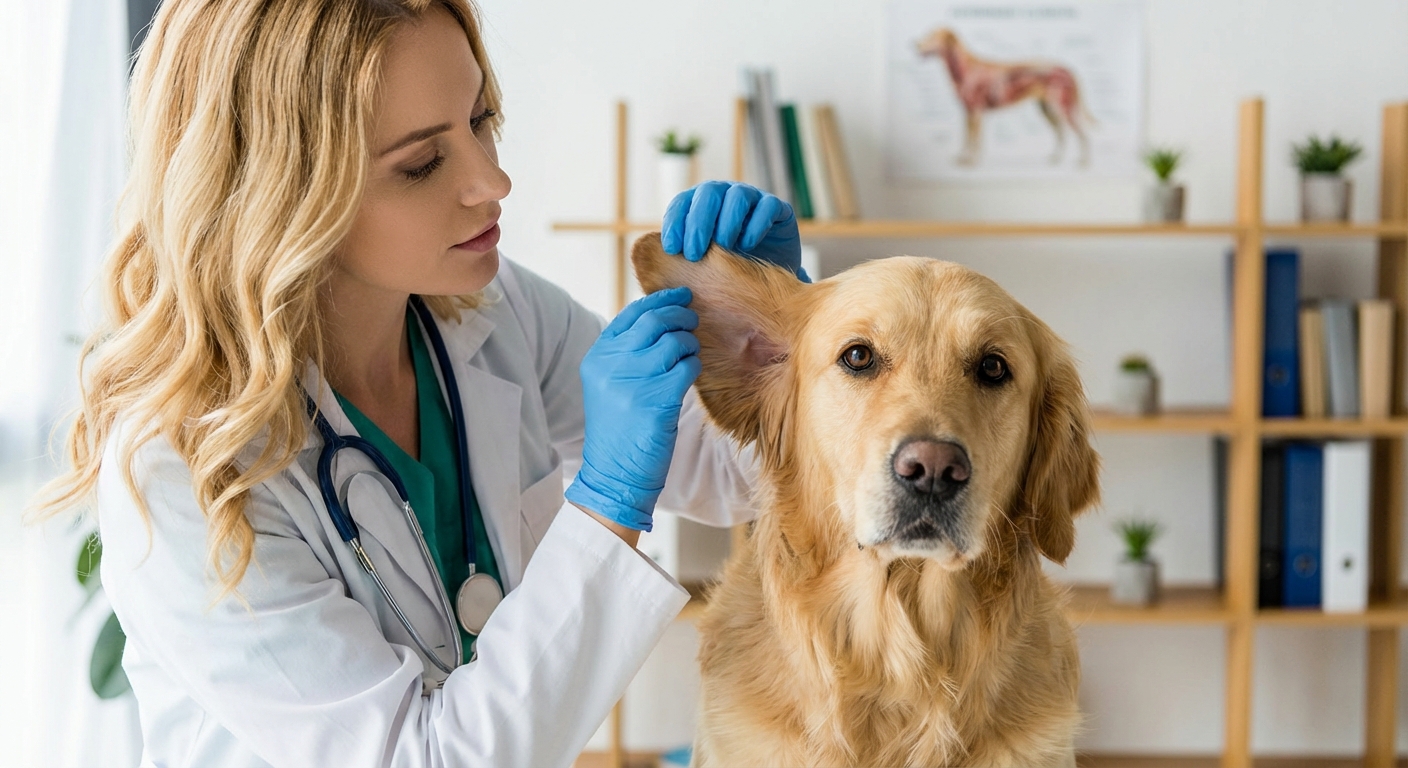
Learn what causes hot spots in dogs and how to treat mild cases at home: prevent licking, clip for airflow, clean and dry well, use pet-safe antiseptics, and...
Article
•
Designer Mixes
Hot Spots on Dogs: Treatment Facts

Shari Shidate
Designer Mixes contributor
As a veterinary assistant here in Frisco, Texas, I talk with a lot of owners about hot spots, those sudden patches of irritated, inflamed skin (the veterinary term is acute moist dermatitis). They can look minor at first, but they often spread fast and feel miserable for your dog.
The good news is that hot spots are treatable, and most dogs do very well when we combine quick skin care with smart prevention. Below are the key treatment facts every owner should know, plus clear “when to call the vet” signs that can save you time, money, and stress.
What a hot spot is (and why it spreads)
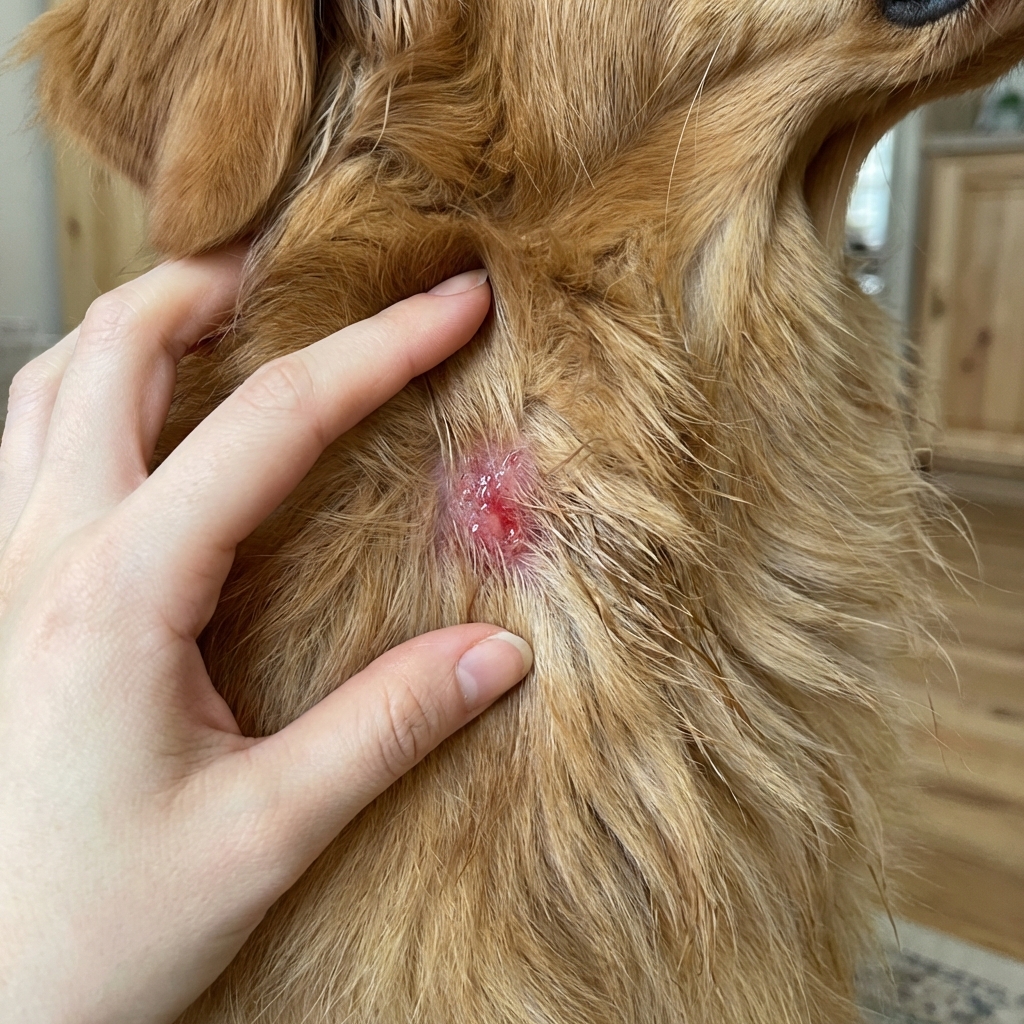
A hot spot is a localized, inflamed skin lesion that is often complicated by infection. It usually starts after something triggers itching. Your dog scratches, chews, or licks, which damages the skin barrier. Moisture gets trapped under the coat, bacteria can overgrow, and the area can expand in a matter of hours.
Common triggers
- Allergies (environmental or food-related)
- Flea bites or other parasites
- Ear infections (dogs scratch the ear, then the skin nearby breaks down)
- Moisture from swimming, baths, rain, or humid weather
- Matting that traps moisture and irritates skin
- Underlying skin conditions like atopy or seborrhea
If you only treat the surface but never address the trigger, hot spots tend to come back.
How to spot one early
Early hot spots can be easy to miss under fur, especially in thick-coated mixes. Watch for behavior changes first.
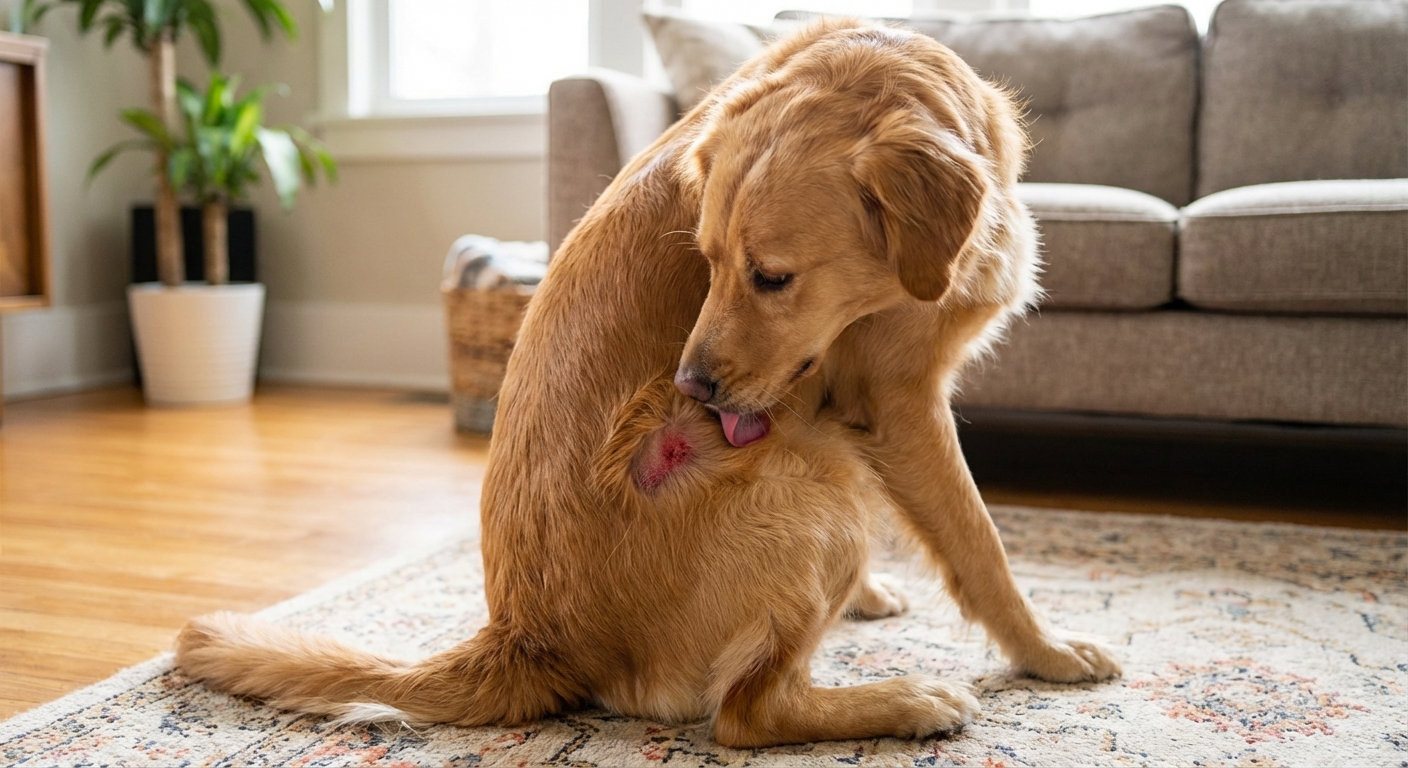
- Sudden intense licking or chewing in one area
- Restlessness, difficulty settling, or whining when touched
- A damp patch of fur that looks clumped
- Red, raw skin that may ooze or smell “yeasty” or sour
- Hair loss around the spot
Home care vs the vet
Some very small, early hot spots can improve with prompt at-home care. But it is important to be honest about what you are seeing. If the area is already large, very painful, or producing a lot of discharge, your dog likely needs prescription treatment.
Call your vet promptly if
- The hot spot is larger than a few inches or growing quickly
- It is on the face, near the eyes, genitals, or feet
- Your dog seems very painful, or you cannot safely examine the area
- There is thick discharge, a strong odor, or the skin looks dark, swollen, or ulcerated
- Your dog has repeating episodes or hot spots that keep returning
- Your dog has fever, lethargy, poor appetite, or seems “off”
- Your dog is a puppy, senior, or immunocompromised
Hot spots can sometimes involve deeper infection, and they are often the tip of the iceberg for allergies, fleas, or ear disease.
Safe first aid at home
If your dog is comfortable enough to handle and the area is small, here is what we typically recommend as a safe starting point while you arrange care.
1) Stop the licking
This is the make-or-break step. If your dog keeps licking, the spot keeps expanding.
- Use an e-collar (cone) or a properly fitted recovery collar
- Consider a dog T-shirt for body areas, if it truly prevents access
2) Handle safely
If your dog is in pain, even the sweetest dog can snap. If you think you might get bitten, stop and call your vet or an urgent care clinic instead of trying to clean it yourself.
3) Part the fur and assess
If the coat is thick, you may not see the true size. If you cannot see the skin, you cannot treat it.
4) Gently clean
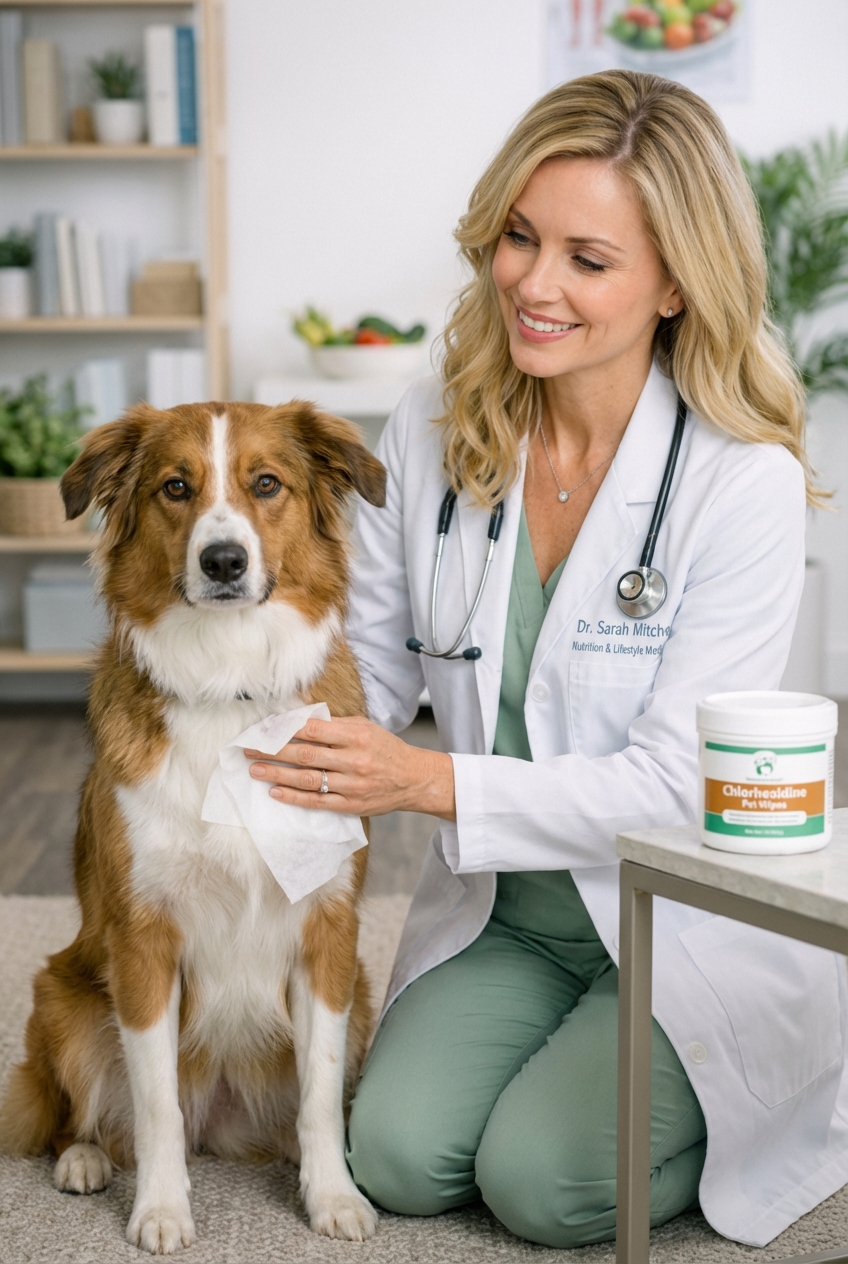
- Use a veterinary antiseptic (commonly chlorhexidine-based wipes or solution) if you have it.
- If you do not, use saline (sterile wound wash is ideal).
- Pat dry with clean gauze or a soft towel.
Avoid hydrogen peroxide and rubbing alcohol. They can damage tissue and delay healing. Also avoid essential oils on broken skin, since dogs can lick them and some are toxic (tea tree oil is a common example).
5) Keep it dry
Moisture is fuel for hot spots. After cleaning, keep the area as dry and aired-out as you can.
6) Do not tightly bandage
Bandages can trap moisture and worsen infection unless your vet specifically instructs you to wrap the area.
What treatment at the clinic includes
If you come into the clinic, treatment is aimed at rapid relief and stopping the cycle.
Clipping and cleaning
We often clip the fur around the lesion so the skin can dry and medication can reach the area. This can look dramatic, but it speeds healing and lets you monitor progress at home. Most owners should not try to cut or shave the area at home with scissors or clippers, because it is easy to nick painful, inflamed skin.
Topical therapy
Common options include prescription sprays, ointments, or medicated wipes. Chlorhexidine and other antiseptics are frequently used.
Anti-itch and anti-inflammatory meds
Your vet may prescribe medication to reduce itching and inflammation. This is crucial because itch drives the cycle.
Antibiotics (sometimes)
Not every hot spot needs oral antibiotics, but if infection is deeper, widespread, or not improving quickly, your vet may prescribe them. In some cases, a culture is recommended, especially for recurrent infections.
Pain control
Hot spots can sting. If your dog is painful, your vet can offer safe pain relief options that are appropriate for pets.
If your dog seems better after one day, still finish any prescribed medications exactly as directed. Stopping early is a common reason infections rebound.
How long healing takes
With appropriate treatment, many hot spots look noticeably improved within 48 to 72 hours. Full healing often takes 7 to 14 days, sometimes longer if the lesion is severe or if allergies or moisture continue to irritate the skin.
Hair regrowth often takes several weeks, depending on breed and coat type.
Prevention checklist
Prevention is really about controlling the trigger and keeping the skin barrier healthy.
Parasite protection
Flea allergy dermatitis is a common driver of hot spots. Use reliable, veterinarian-recommended flea control, especially during warm months in Texas.
Dry the coat well
- After swimming or bathing, towel dry and consider a cool-setting blow dry.
- Pay attention to dense areas like the neck ruff, behind ears, armpits, and hips.
Address ear issues early
Recurring ear infections often lead to scratching around the head and neck. If you notice odor, redness, head shaking, or wax buildup, schedule an exam.
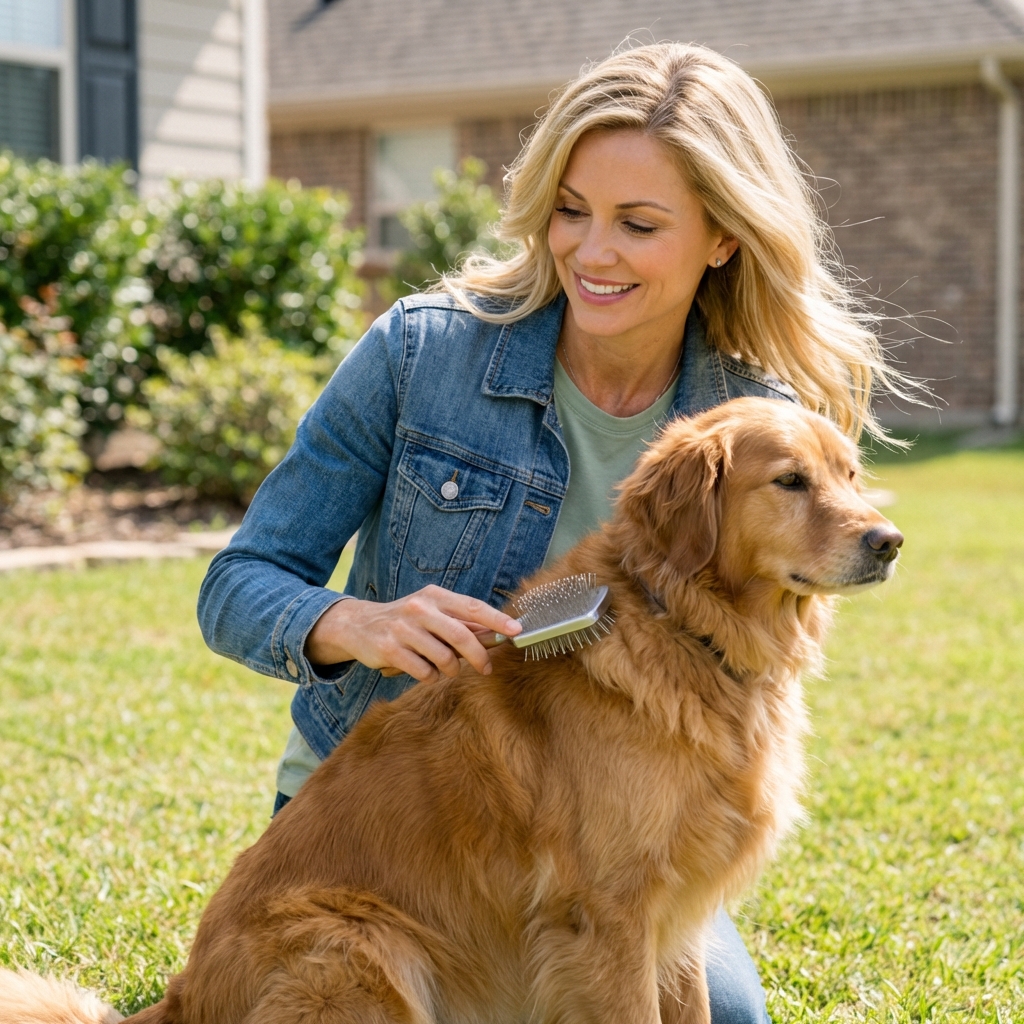
Brush out mats
Mats trap moisture and bacteria. Regular brushing is not just cosmetic, it is skin health.
Support skin from the inside
Nutrition plays a real role in skin resilience. Talk with your veterinarian about a balanced diet and whether omega-3 fatty acids (like EPA and DHA from fish oil) are appropriate for your dog’s specific needs.
Myths and facts
Myth: “It will dry out on its own.”
Fact: Hot spots often worsen quickly because the itch-inflammation-moisture cycle feeds itself.
Myth: “I should let my dog lick it clean.”
Fact: Licking introduces more bacteria and keeps the skin wet. Preventing licking is one of the most effective steps you can take.
Myth: “Any human cream is fine.”
Fact: Some human products are unsafe if licked, and others trap moisture. Products that contain “-caine” numbing agents, zinc oxide, or certain steroids can be risky for dogs. Always check with your vet before applying medication not made for pets.
Myth: “Grain-free diets prevent skin issues.”
Fact: Most itchy skin is tied to environmental allergies or parasites, not grains. If food allergy is suspected, your vet will typically recommend a structured diet trial, not a marketing trend.
Quick action plan
- Today: Prevent licking, gently clean with a pet-safe antiseptic or saline, keep it dry, and take a photo to track changes.
- Within 24 hours: If it is spreading, painful, smelly, or larger than a few inches, schedule a veterinary visit.
- This week: Review flea prevention, grooming routines, and any allergy signs like paw licking, ear issues, or recurring redness.
If you take one thing from this article, let it be this: hot spots are not just skin-deep. Treat the lesion, yes, but also ask “what started the itch?” That is how you keep your dog comfortable long-term.
Note: This article is for general education and cannot diagnose your pet online. If you are worried about your dog’s skin, your veterinarian is the best next step.