Learn why lean turkey is a smart protein for dogs, plus an easy base recipe, mix-and-match bowl ideas, transition steps, calcium guidance, and food-safety tips.
Article
•
Designer Mixes
Hot Spots on Dogs: Treatment and Care

Shari Shidate
Designer Mixes contributor
Hot spots can look like they appear overnight, and in a way, they often do. One minute your dog is a little itchy, and the next you notice a red, wet, angry-looking patch of skin that seems to spread fast. As a veterinary assistant here in Frisco, Texas, I have seen how stressful hot spots can be for pet owners. The good news is that with quick action, most dogs feel better within days.
This guide explains what hot spots are, why they happen, what you can safely do at home, and when it is time to involve your veterinarian.
What is a hot spot?
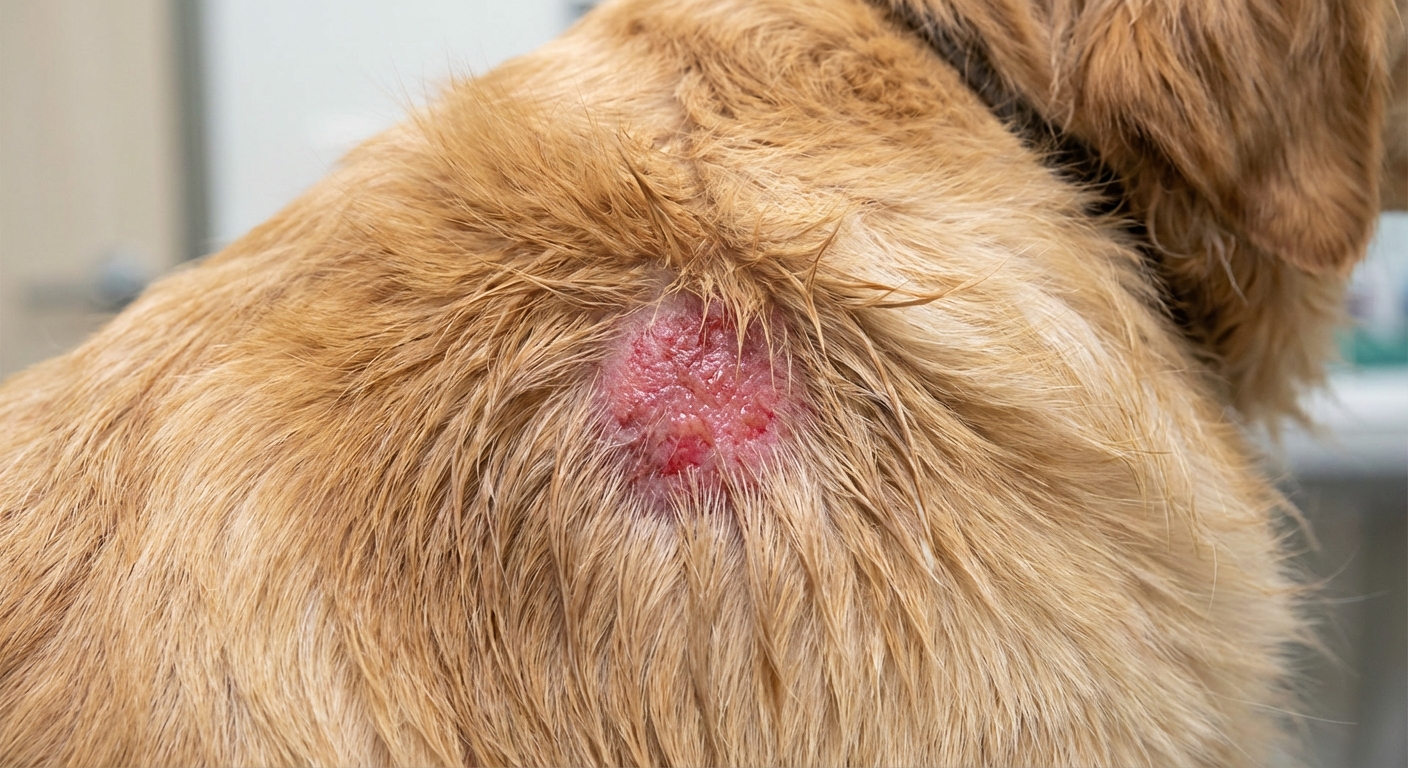
A hot spot is the common name for acute moist dermatitis. It is a localized area of skin inflammation that often develops a secondary bacterial infection. It typically starts with itching. Your dog scratches, licks, or chews the area, which damages the skin barrier. Once the skin is broken and moist, bacteria can multiply quickly and the lesion can expand.
Hot spots are often:
- Red, raw, and painful
- Moist or oozing
- Warm to the touch
- Surrounded by matted hair
- Very itchy, so the dog cannot leave it alone
Why hot spots happen
Hot spots are rarely “random.” They are usually a symptom of an underlying trigger that causes itch and inflammation. Common causes include:
- Fleas and flea allergy dermatitis (even one bite can set off intense itching in sensitive dogs)
- Seasonal or environmental allergies (pollen, grass, mold, dust mites)
- Food sensitivities (less common than environmental allergies, but possible)
- Ear infections (dogs may scratch and create hot spots behind the ears or on the neck)
- Moisture trapped in the coat after swimming or bathing, especially in thick-coated dogs
- Skin irritation from grooming, mats, insect bites, or contact irritation
- Stress and boredom licking (compulsive licking can start the cycle)
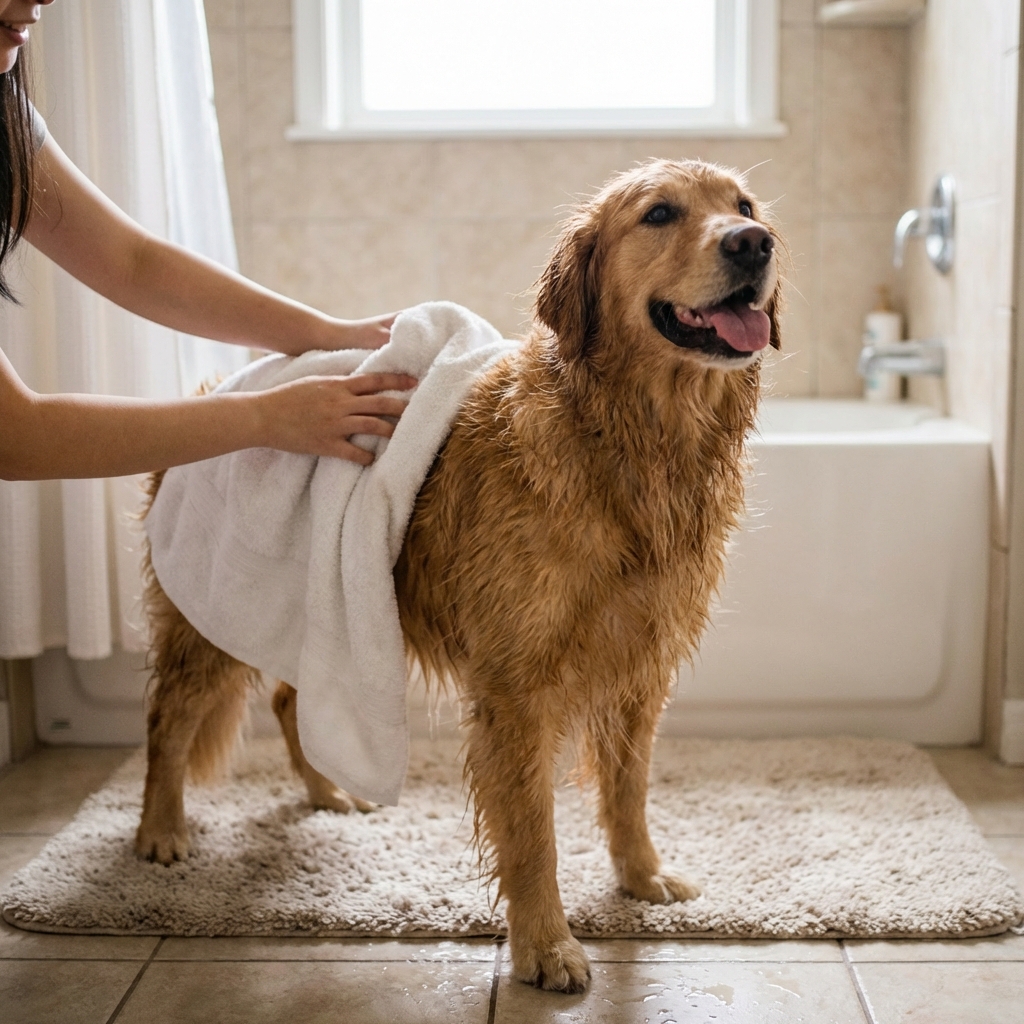
Heads up: hot spots are especially common in humid weather and in dogs with thick coats or double coats because moisture and heat can get trapped close to the skin.
If your dog gets hot spots repeatedly, treating the sore is not enough. The long-term solution is identifying and controlling the trigger.
Look-alikes to know
Not every red or crusty patch is a hot spot. Some conditions can look similar and need different treatment, such as:
- Ringworm (a contagious fungal infection)
- Mites (mange)
- Deep skin infections or abscesses
- Cuts, burns, or bite wounds
- Lick granuloma (a firm, chronic lick lesion)
- Skin growths or tumors that have become irritated
If you are not sure what you are seeing, or the area looks unusual (very swollen, bleeding, or forming a lump), it is safest to have your vet take a look.
First aid: what to do right away
The goal in the first 24 hours is simple: stop the self-trauma, dry the area, and reduce bacterial overgrowth.
1) Prevent licking and chewing
If your dog can reach the hot spot, it will likely get worse. Use:
- E-collar (cone) or inflatable collar
- Recovery suit or dog T-shirt if the spot is on the body and covering it does not trap moisture
Stopping the licking is often the biggest turning point in healing.
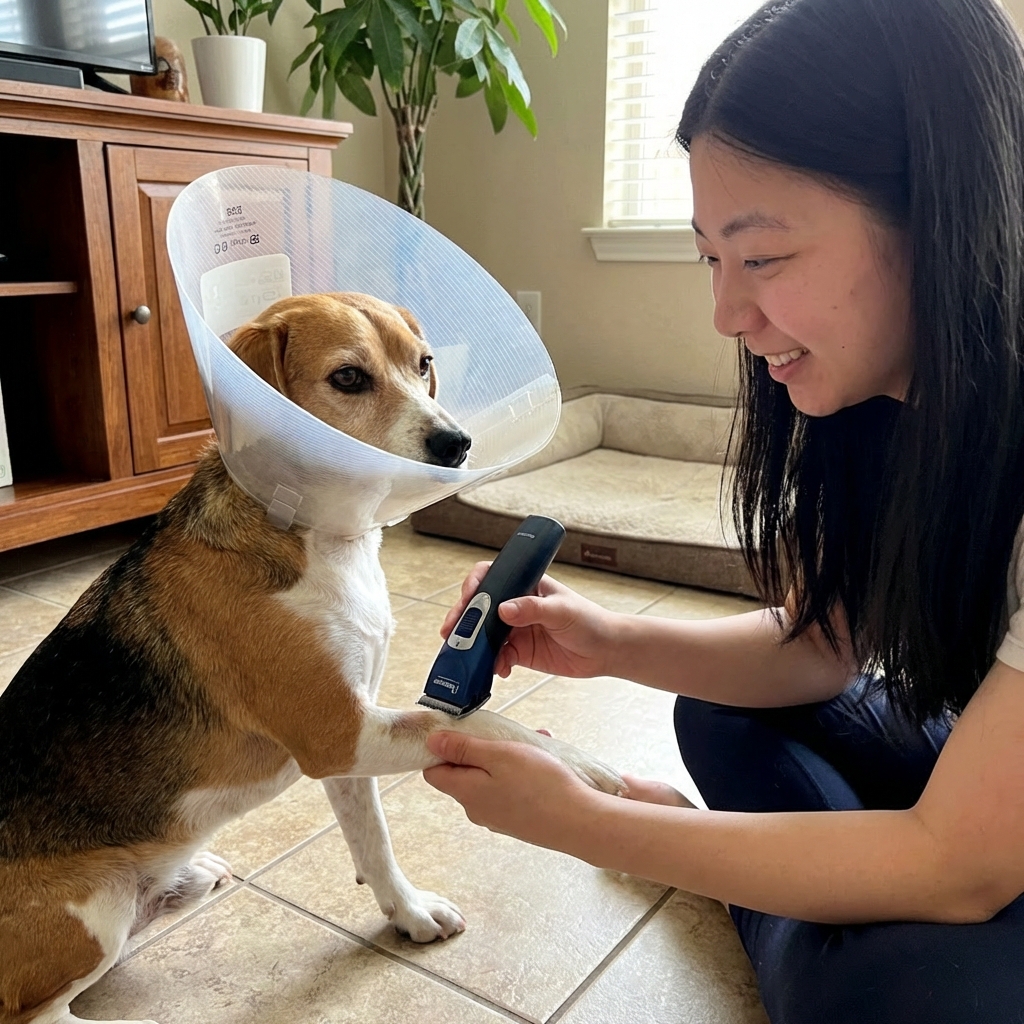
2) Clip the hair around the lesion only if it is safe
Airflow helps the skin dry and heal, and clipped hair allows cleaning products to reach the skin. If your dog is painful, wiggly, or the spot is large, skip this and let your veterinary team handle it. Safety comes first.
Tip: If you clip at home, use clippers, not scissors. Scissors can accidentally cut thin, inflamed skin.
Also skip at-home clipping if the lesion is near the eyes, inside the ear flap, near the genitals, or between the toes. Those areas are easy to injure and can be very painful.
Bite risk note: Even the sweetest dog may snap when painful. If your dog is tense, growling, or you are worried about getting bitten, stop and call your vet.
3) Clean the area gently
Use a pet-safe antiseptic such as:
- Pet-labeled chlorhexidine solution or wipes (use per label or your veterinarian’s directions)
- Dilute povidone-iodine (should look like weak tea, not dark brown)
Apply with gauze or cotton rounds, then pat dry. Cleaning 1 to 2 times daily is usually enough.
Avoid: hydrogen peroxide, rubbing alcohol, and harsh soaps. These can damage healing tissue and increase irritation.
4) Keep it dry
Moisture feeds the problem. After cleaning, pat dry thoroughly. If your dog swims often, pause swimming until healed.
5) Skip bandages unless your vet tells you to use one
It is tempting to wrap a hot spot, but bandages often trap moisture and heat, which can make it worse. If your vet recommends a bandage for a specific location, follow their instructions closely and keep it clean and dry.
At-home care that can help (and what to skip)
Helpful home steps
- Cool compress for 5 to 10 minutes can reduce heat and itch (do not leave moisture sitting on the skin afterward)
- Flea control if your dog is not on a reliable vet-recommended preventive
- Bathing and coat care to reduce allergens, using a gentle dog shampoo, followed by thorough drying
- Omega-3 fatty acids (EPA and DHA) may support skin barrier and reduce inflammation over time. Ask your vet for dosing and a quality brand.
What to skip
- Essential oils applied directly to skin. Many are irritating or toxic to pets.
- Thick ointments that trap moisture unless directed by your veterinarian.
- Human anti-itch creams unless your veterinarian says they are safe for your dog. Some ingredients are not pet-friendly, and licking is a real risk.
If you are ever unsure, take a clear photo and call your veterinary clinic. A quick check-in can save you from accidentally making it worse.
When to see the vet
Some hot spots truly need prescription help, especially when pain and infection are significant. Contact your veterinarian promptly if:
- The hot spot is larger than a couple of inches or spreading quickly
- It seems to be getting noticeably bigger over hours to a day, not slowly over a week
- Your dog seems painful, lethargic, or feverish
- There is thick discharge, a foul odor, or heavy crusting
- The lesion is on the face, near the eyes, genitals, or between toes
- Your dog cannot stop licking even with a cone
- No improvement after 24 to 48 hours of gentle cleaning and preventing licking
- Your dog has frequent or recurrent hot spots
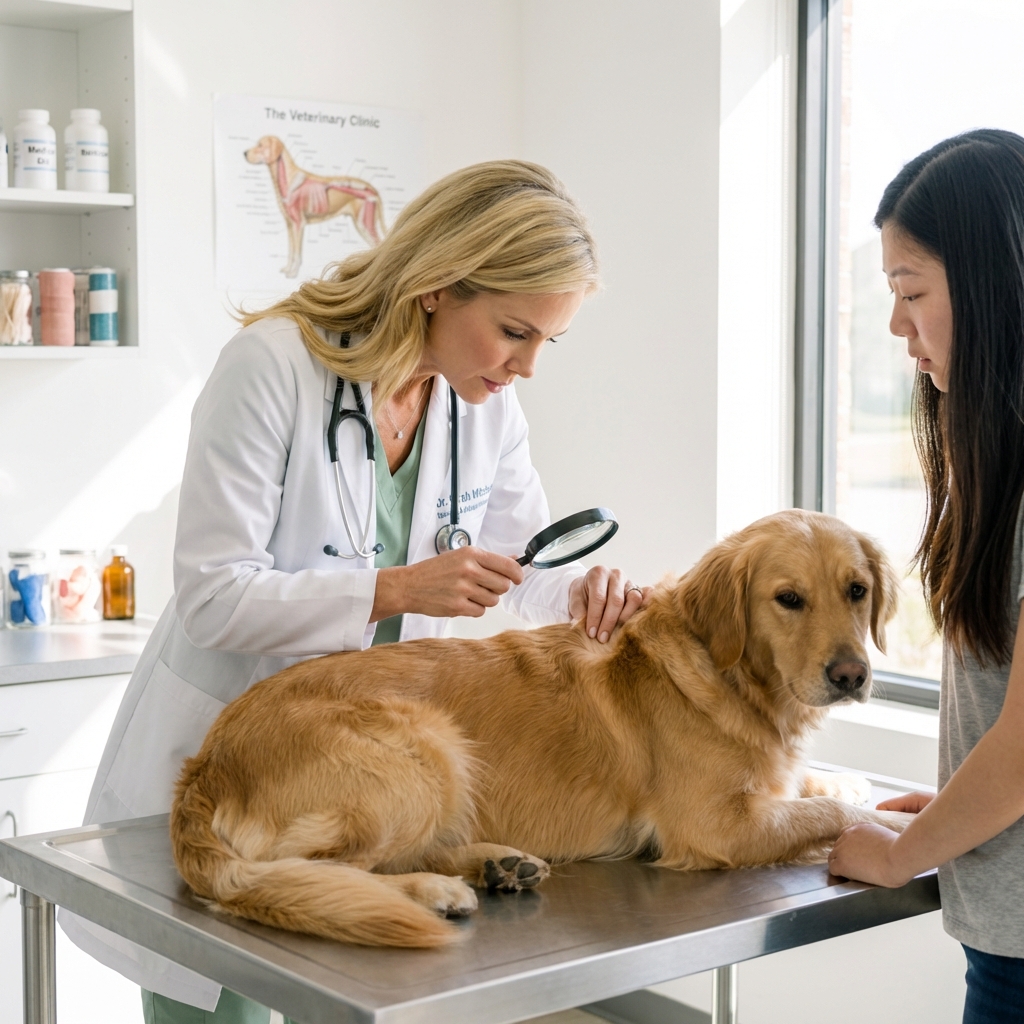
Veterinary treatment may include clipping and deep cleaning, topical medication, and anti-itch medication to break the scratch-lick cycle. Antibiotics are sometimes needed, especially if the infection is deep, spreading, or not responding to topical care. If allergies are suspected, your vet may also discuss long-term management options.
How long do hot spots take to heal?
With early care and the licking stopped, many mild to moderate hot spots start looking less angry within 48 to 72 hours and continue to improve over 7 to 14 days. Severe, deep, or long-standing lesions can take longer and may need prescription treatment.
The biggest reasons healing gets delayed are ongoing licking, trapped moisture, and untreated underlying causes like fleas or allergies.
Preventing hot spots
Prevention is about itch control, coat management, and catching irritation early.
- Use consistent flea prevention year-round, especially in Texas where fleas can be persistent.
- Dry thoroughly after swimming and baths, especially under the collar, behind the ears, armpits, and groin.
- Brush regularly to prevent mats that trap moisture and irritate skin.
- Address ear issues quickly. Head shaking and scratching can start hot spots fast.
- Talk to your vet about allergies if itching is frequent. The best hot spot prevention is controlling the itch at the source.
- Check the skin weekly, especially during allergy season. Early redness is much easier to manage than a full hot spot.
And one more gentle reminder: hot spots are common, and they are not a sign you have done something wrong. They are a sign your dog is uncomfortable and needs support. With quick, calm action, most pups bounce back beautifully.
Quick checklist
- Put on a cone to stop licking
- Clip hair safely or let your vet do it
- Clean with pet-safe chlorhexidine or dilute povidone-iodine
- Pat dry and keep dry
- Avoid bandaging unless your vet instructs you to
- Call the vet if it is large, painful, smelly, spreading fast, near sensitive areas, or not improving within 1 to 2 days