Hotspots can appear overnight. Learn the most common causes (allergies, fleas, moisture, mats, ear infections), who’s at risk, when it’s urgent, and how ...
Article
•
Designer Mixes
Hot Spots on Dogs: Causes, Prevention, and What to Do

Shari Shidate
Designer Mixes contributor
Hot spots are one of those skin issues that can seem to appear out of nowhere. One day your dog is fine, and the next you notice a moist, red, angry-looking patch that your dog cannot stop licking, chewing, or scratching. As a veterinary assistant here in Frisco, Texas, I see this a lot, especially during allergy season and humid months.
The good news is that hot spots are very treatable once you understand why they started. The not-so-good news is that if you only treat the skin and do not address the underlying trigger, hot spots can keep coming back.
What Is a Hot Spot?
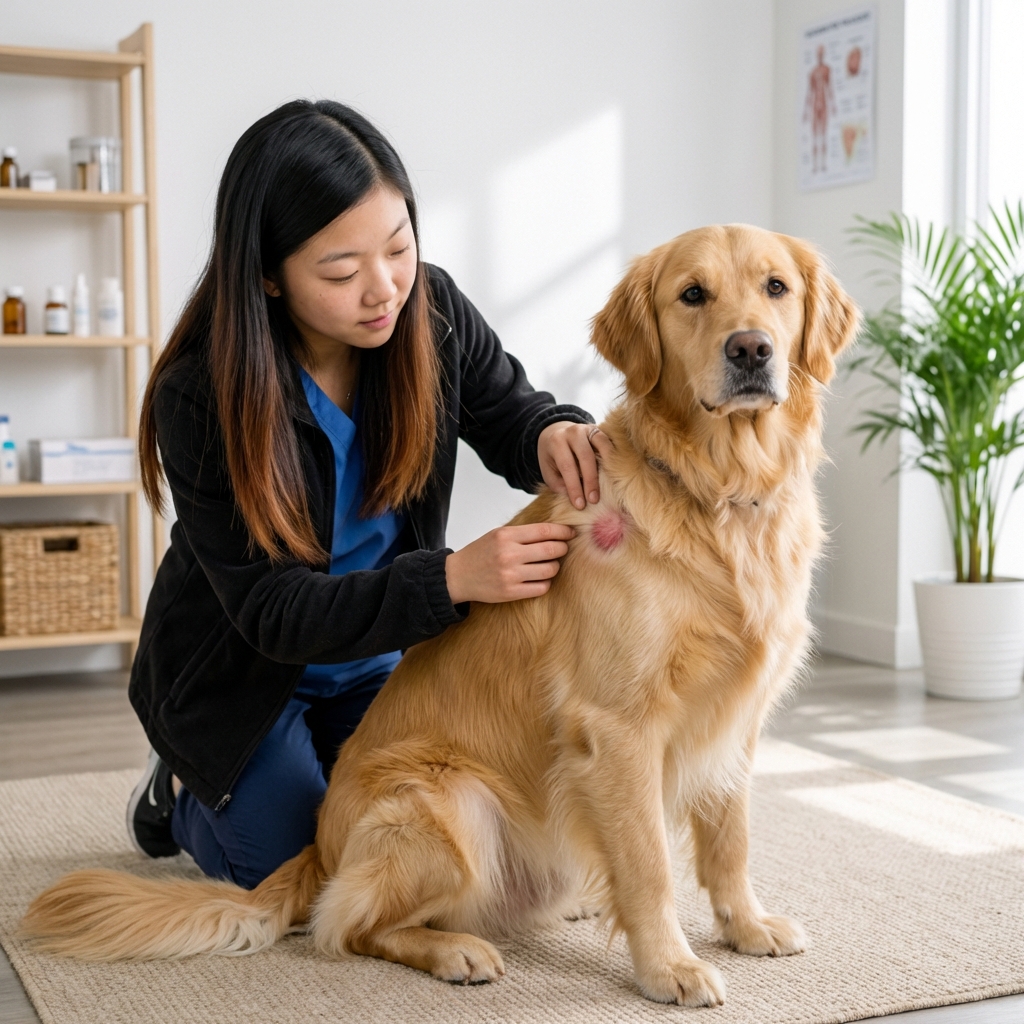
A hot spot is the common name for acute moist dermatitis, also called pyotraumatic dermatitis. It is a fast-developing, self-trauma-driven skin lesion that can become infected.
In practical terms, it is a localized area of inflammation (and often a secondary bacterial overgrowth) that spreads quickly because the skin stays wet and irritated from licking, chewing, scratching, and trapped moisture in the coat.
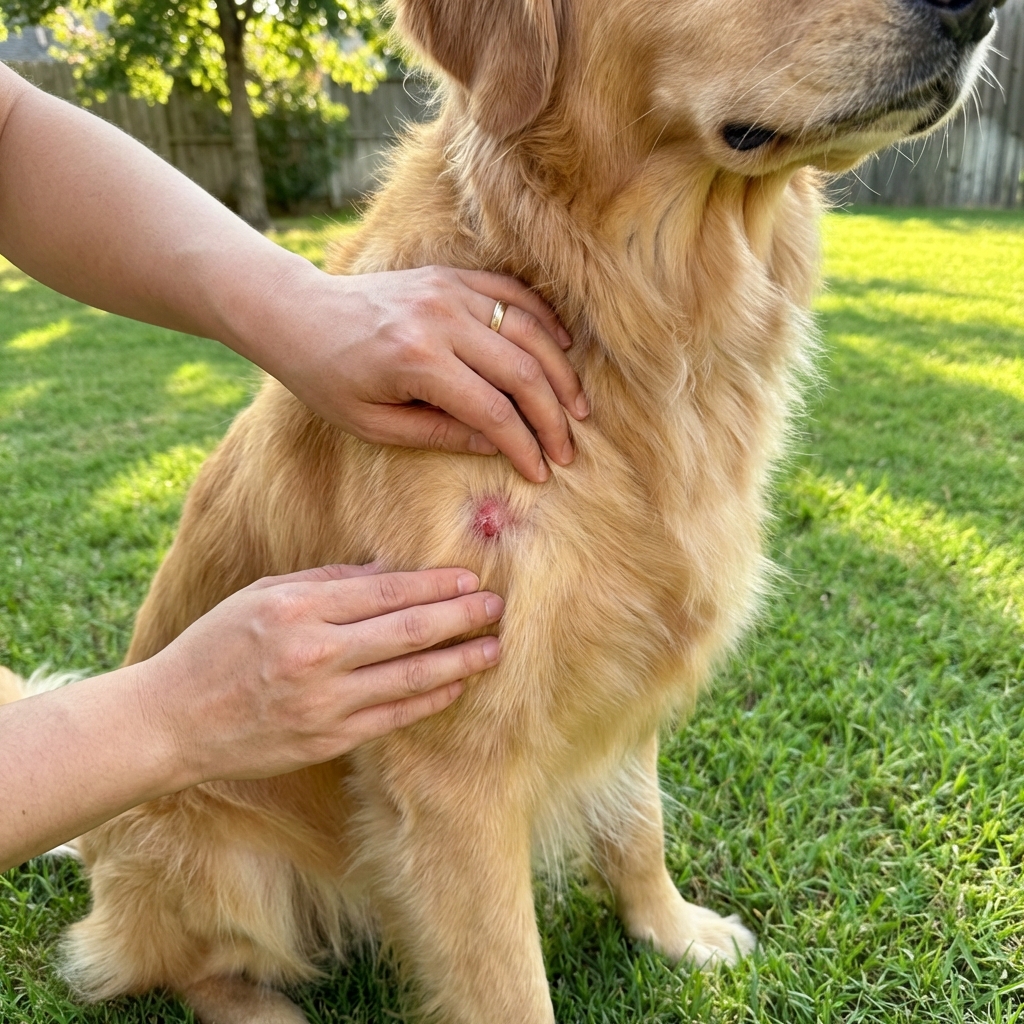
Hot spots often look like:
- A red, raw, wet patch of skin
- Oozing or crusting
- Hair loss around the area
- A strong odor in some cases
- Significant itchiness or pain
They commonly show up on the cheeks, neck, hips, thighs, and near the base of the tail, but they can occur anywhere.
Why Hot Spots Happen
Hot spots are usually not a single-cause problem. Think of them as a chain reaction: something triggers itch or moisture, your dog responds by licking or scratching, and bacteria take advantage of the broken skin barrier.
1) Allergies (a very common driver)
Allergies create itchy skin, and itchy skin sets the stage for hot spots. The main categories include:
- Environmental allergies (atopy): pollen, grasses, molds, dust mites
- Food allergies: often proteins like chicken, beef, dairy, or eggs, but any ingredient can be a trigger
- Contact allergies: certain shampoos, sprays, detergents, or plants
If your dog gets recurring hot spots seasonally, allergies are high on the suspect list.
2) Fleas and other parasites
One flea bite can set off intense itching in sensitive dogs, especially those with flea allergy dermatitis. Other bitey pests can contribute too, and mites can cause significant itch (although they often create more widespread skin patterns than a single classic hot spot).
A key clue is a hot spot near the base of the tail or along the back.
3) Moisture trapped in the coat
Moisture is fuel for hot spots. Common scenarios:
- Swimming or frequent baths without thorough drying
- Rainy weather and damp undercoats
- Thick-coated dogs that stay humid close to the skin
In Texas heat and humidity, this is a big one. Even a small damp area under a collar, harness, or mat can trigger a flare.
4) Ear infections and scratching
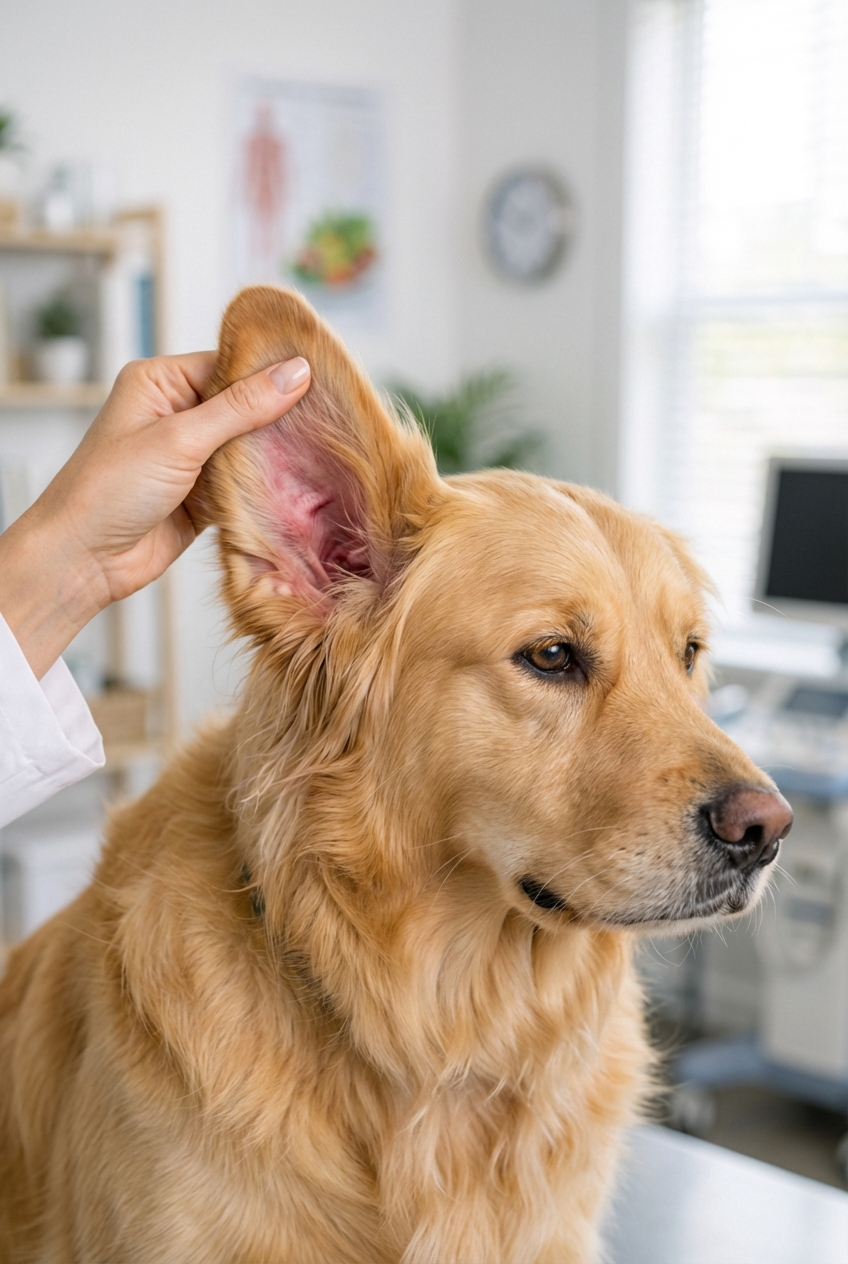
Dogs with ear infections often scratch at the ear and rub their face or neck. That self-trauma can irritate the surrounding skin and lead to a hot spot on the cheek or neck. In many cases, the hot spot is the visible problem, but the ear issue is the original trigger.
5) Anal gland issues
If your dog is licking, chewing, or scooting, anal gland discomfort may be the original itch. That constant attention can create hot spots near the tail base or rear thighs.
6) Underlying skin infections (bacterial or yeast)
Some dogs already have a broader skin imbalance, such as pyoderma (bacterial infection) or yeast overgrowth, and then a hot spot pops up as the most dramatic lesion.
Odor can be a clue (musty, “yeasty,” or even that “corn chip” smell people talk about), but smell alone is not diagnostic. Your veterinarian can confirm what is going on with simple tests like skin cytology.
7) Matted fur and friction
Mats pull at the skin, trap moisture, and reduce airflow. Add friction from movement or a collar, and you have an ideal setup for a hot spot. Matting behind the ears, in armpits, or around the rump is especially common.
8) Stress and boredom licking
Some dogs lick as a coping behavior. Over time, repetitive licking breaks the skin barrier and can lead to moist dermatitis. If your dog’s hot spots appear during changes at home, reduced exercise, or long stretches alone, stress may be contributing.
9) Small wounds that get over-licked
A tiny scrape, insect bite, or grooming nick can turn into a large hot spot when your dog keeps licking it. Dogs heal best when they can leave the area alone, which is why e-collars are often so important.
Dogs at Higher Risk
Any dog can develop a hot spot, but risk increases with:
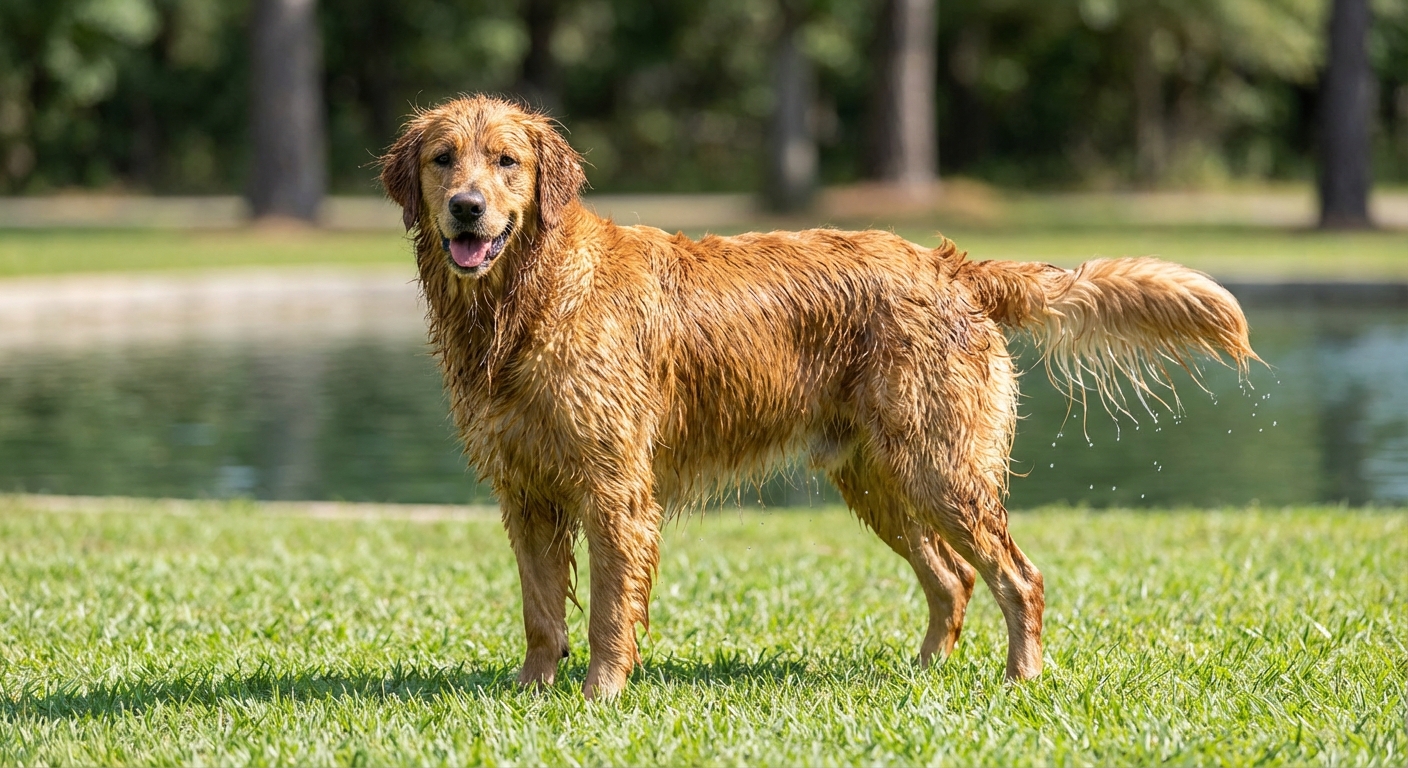
- Thick or double coats (Golden Retrievers, Labs, German Shepherds)
- Dogs with floppy ears and chronic ear issues
- Dogs with allergies or recurring skin infections
- Dogs who swim often
When to See the Vet
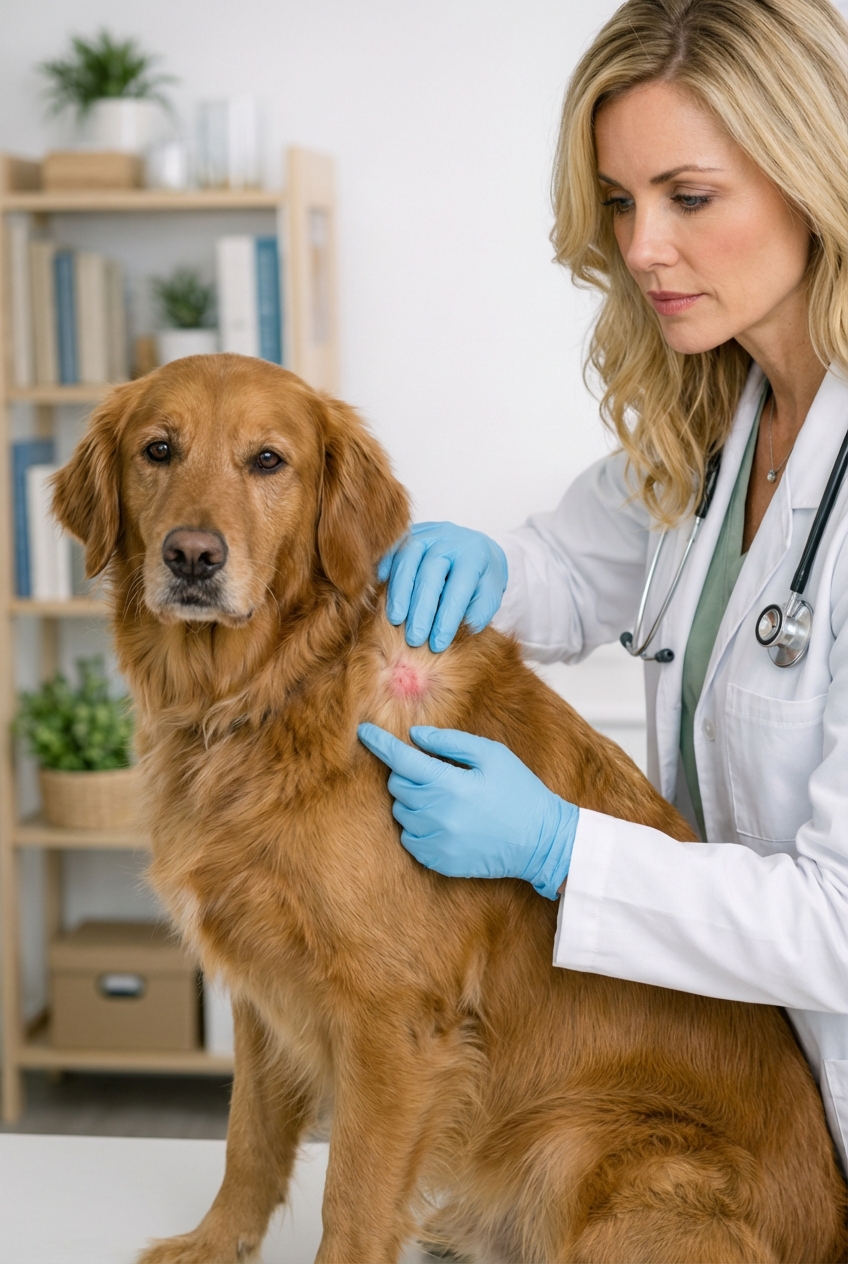
Some hot spots can look minor but worsen fast. Call your veterinarian promptly if:
- The area is spreading over hours or a day
- Your dog seems painful, lethargic, or has a fever
- There is heavy oozing, pus, or a strong foul odor
- The hot spot is near the eye or ear
- Your dog has multiple lesions
- You have tried basic care for 24 hours and it is not improving
Many hot spots require clipping the hair around the lesion, prescription topical therapy, and sometimes oral antibiotics. Your veterinarian may also recommend itch and pain control (often the key to stopping self-trauma). If yeast is suspected or confirmed, your vet may add an antifungal approach as well.
If hot spots keep recurring, your veterinarian may recommend diagnostics like skin cytology, an ear exam with cytology if ears are involved, a flea prevention review, and an allergy workup plan.
What You Can Do at Home
If your dog is otherwise acting normal and the spot is small, you can take these immediate steps while you arrange care as needed.
Step 1: Stop licking and chewing
This is the fastest way to stop the hot spot from expanding. Use an e-collar (cone), inflatable collar, or a recovery suit depending on location. Without this step, treatment often fails.
Step 2: Clip and dry (only if it is safe)
If your dog tolerates it safely, gently trim hair around the lesion to let air in. Do not shave aggressively over broken skin. Keep it dry and clean.
Safety note: If your dog is painful, snapping, or you cannot safely handle the area, do not attempt clipping or deep cleaning at home. A quick vet visit is safer for everyone.
Step 3: Clean with a vet-approved antiseptic
Many veterinarians recommend chlorhexidine-based cleansers or wipes. Avoid harsh products like hydrogen peroxide or alcohol, which can damage healing tissue and sting.
Step 4: Keep it clean and let it breathe
Hot spots do better with airflow. Bandaging can trap moisture unless specifically directed by your veterinarian.
Quick “do not” list
- Do not use essential oils (many are irritating or toxic to pets).
- Do not apply human steroid creams or leftover prescription creams unless your veterinarian approves them.
- Do not wrap or tightly bandage the area unless your veterinarian instructs you to.
- Do not let your dog keep licking “just a little,” because that is how hot spots spread.
Hot spot rule of thumb: less moisture, less self-trauma, faster healing.
Important: Do not use human creams or leftover medications unless your vet specifically approves them. Dogs can ingest topical products when licking, and some ingredients are not pet-safe.
How to Prevent Repeat Hot Spots
Prevention is all about identifying your dog’s personal triggers and creating a simple routine that keeps skin calm and dry.
Allergy support
- Wipe paws and belly after outdoor time during high pollen days
- Ask your vet about allergy testing, prescription itch control options, or immunotherapy if symptoms are persistent
- If food allergy is suspected, do a vet-guided elimination diet trial rather than switching foods repeatedly
Parasite protection
- Use consistent flea and tick prevention, even indoors
- Check for fleas with a flea comb, especially if your dog is suddenly itchy
Grooming and coat care
- Brush regularly to prevent mats and improve airflow
- Dry thoroughly after baths or swims, especially in dense coats
- Keep fur around ears and tail base clean and well maintained
Ear and skin check routine
Once a week, take 2 minutes to check ears, under collars, armpits, and tail base. Catching redness early can prevent a full-blown hot spot.
Support skin from the inside
Nutrition matters for skin barrier health. Many dogs benefit from vet-approved omega-3 fatty acids (EPA and DHA) and a balanced diet that supports gut and immune function. If you are changing diets, do it slowly and thoughtfully, especially for dogs with sensitive digestion.
FAQ
Do hot spots mean my dog has fleas?
Not always. Fleas are a common cause, but allergies, moisture, and infections are also frequent triggers. Still, it is smart to rule fleas out early because they are easy to miss.
Are hot spots contagious?
Hot spots themselves are not usually contagious. It is uncommon for healthy pets to “catch” a hot spot from another pet, but basic hygiene still matters. Avoid sharing grooming tools, wash bedding, and wash your hands after handling the area.
How long do hot spots take to heal?
With proper treatment and preventing licking, many improve noticeably within 48 to 72 hours and heal within 1 to 2 weeks. Large or deep infections can take longer.
Can I bathe my dog if they have a hot spot?
Sometimes yes, but only if you can dry thoroughly and use a vet-recommended product. In many cases, targeted cleansing of the lesion is better than a full bath.
Final Takeaway
Hot spots are not just a surface problem. They are often a sign that something deeper is going on, like allergies, fleas, ear infections, or trapped moisture in the coat. If you focus on two things, you will be ahead of the game: stop the licking and find the trigger.
If you are seeing repeat hot spots, partner with your veterinarian to build a prevention plan. Your dog’s skin can absolutely get back to calm, comfortable, and healthy.