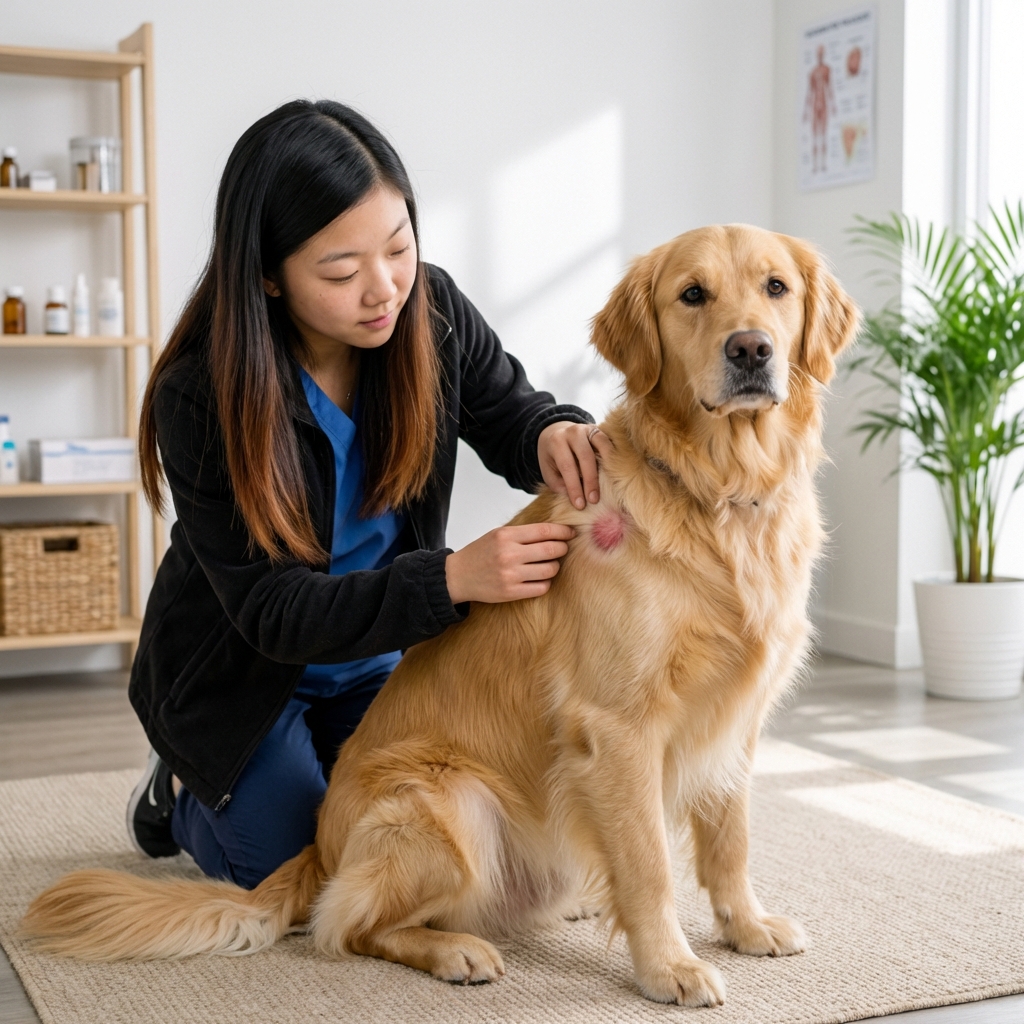
Hotspots can appear overnight. Learn the most common causes (allergies, fleas, moisture, mats, ear infections), who’s at risk, when it’s urgent, and how ...
Article
•
Designer Mixes
Hot Spots on Dogs

Shari Shidate
Designer Mixes contributor
Hot spots can show up fast, look scary, and make even the calmest dog absolutely miserable. In the veterinary world we often call them acute moist dermatitis, and many veterinarians also use the term pyotraumatic dermatitis. Both names describe what you are seeing: a sudden, wet, inflamed patch of skin that spreads because your dog is licking, chewing, or scratching nonstop.
As a veterinary assistant here in Frisco, Texas, I have seen hot spots happen after a swim, during allergy season, and even after a simple grooming tangle. The good news is that most hot spots are very treatable. The key is knowing what they are, why they happen, and when you need a veterinarian.
What a hot spot is
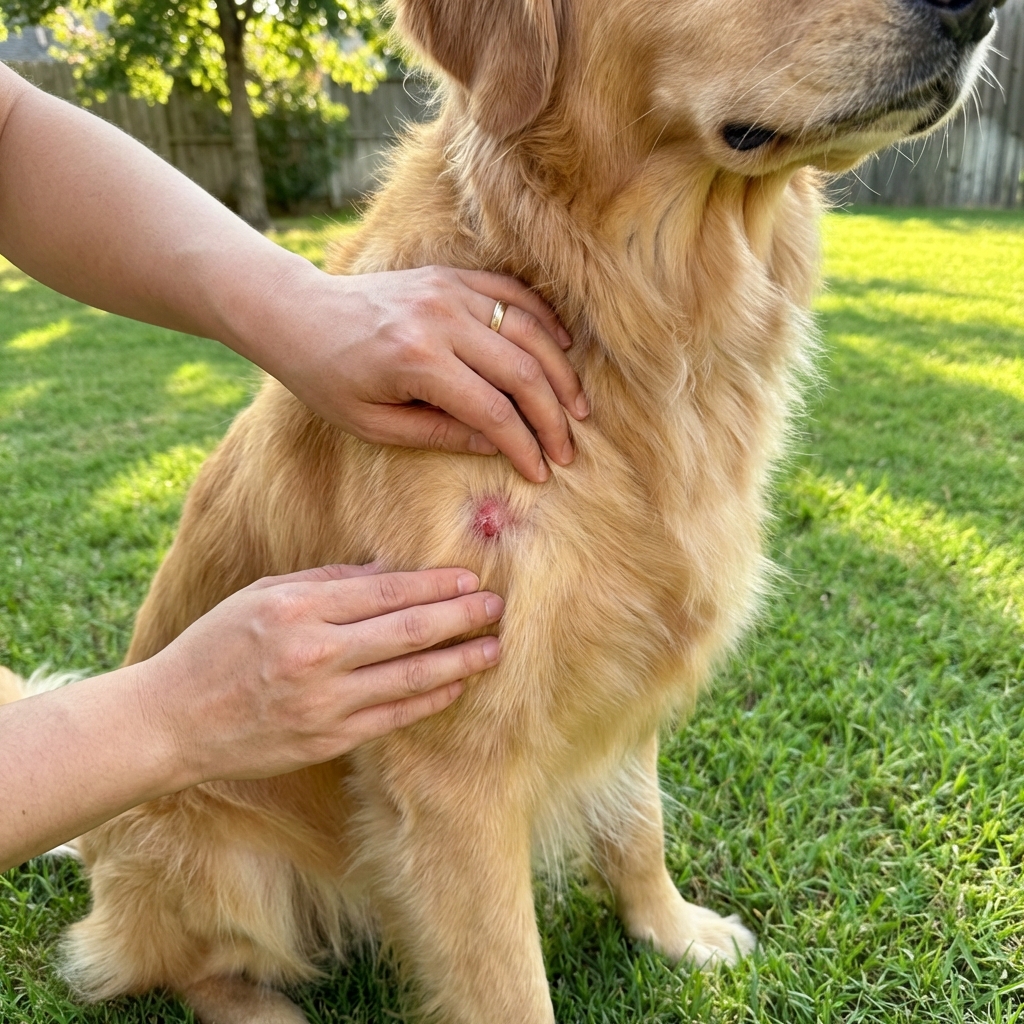
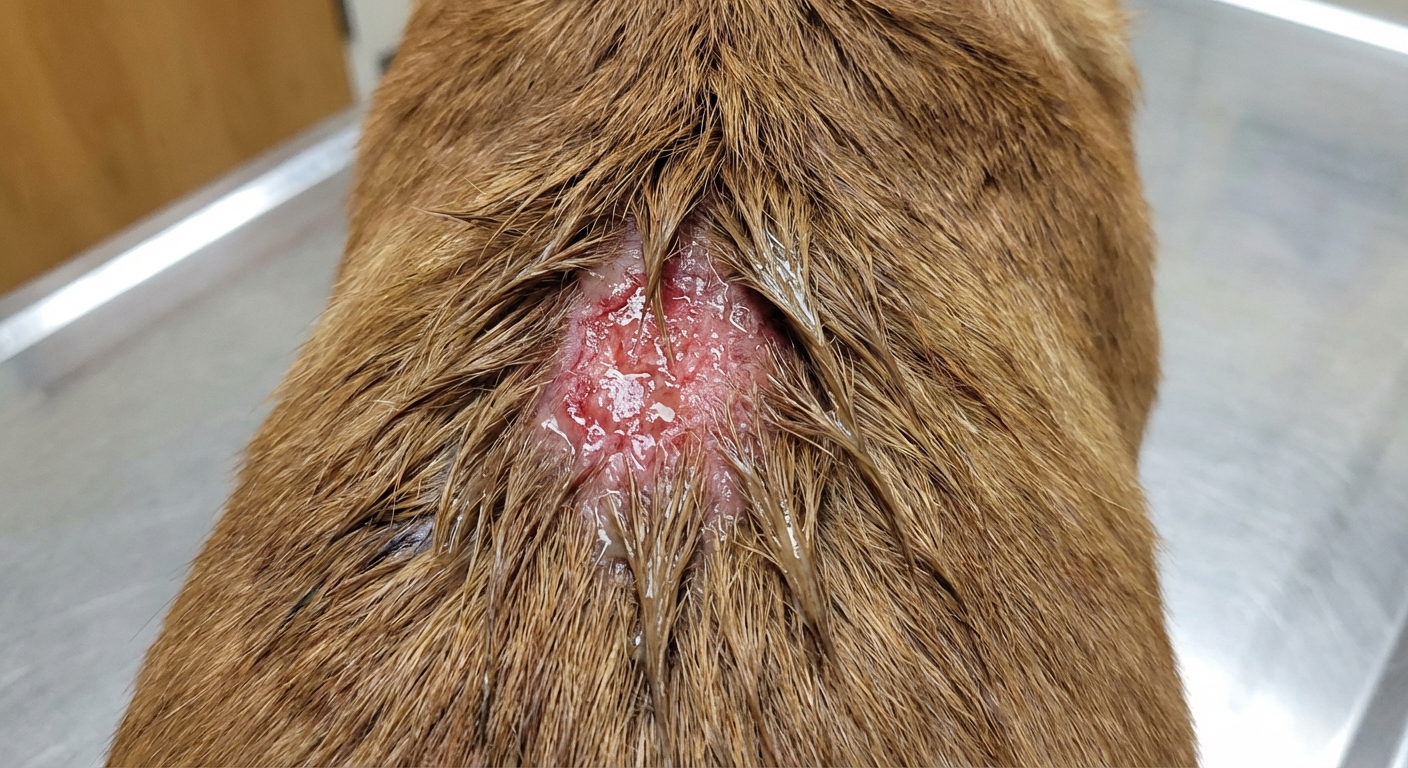
A hot spot is a localized, intensely inflamed skin lesion that is often secondarily infected. It usually starts with irritation and quickly becomes a self-perpetuating cycle:
- Something itches or hurts (allergies, flea bite, trapped moisture, ear infection, etc.).
- Your dog licks or scratches, breaking the skin barrier.
- Bacteria on the skin surface multiply in the warm, damp environment (and sometimes yeast can overgrow too).
- More inflammation and itching leads to more licking, and the spot expands.
Many hot spots are superficial at first, but they can become deeper infections if they go untreated.
How to recognize hot spots
Hot spots often appear suddenly, sometimes seemingly overnight. Common signs include:
- A red, raw, moist patch of skin, sometimes oozing
- Matted fur or a “wet” area that will not dry
- Bad odor from the skin
- Pain or sensitivity when touched
- Constant licking, chewing, or scratching in one area
Many dogs act more tired or grumpy simply because the spot is painful and itchy.
Where hot spots show up
Hot spots can happen anywhere, but these are very common locations:
- Behind the ears and on the neck (often linked to ear infections or allergies)
- Cheeks and chin (face rubbing, saliva irritation)
- Hips and rump (fleas, seasonal allergies)
- Under collars or harnesses (friction and trapped moisture)
- Between skin folds (humidity, yeast/bacterial overgrowth)
Why hot spots happen
1) Allergies (environmental or food)
Allergies are one of the biggest drivers of hot spots. Pollens, grasses, dust mites, and mold can make dogs itchy, especially in warm months. Some dogs also react to ingredients in food, which can show up as year-round itching, recurrent ear infections, and skin flare-ups.
2) Fleas and other parasites
One flea bite can kick off intense itching in sensitive dogs. Even if you do not see fleas, they can still be the trigger. Tick bites and mites can also irritate skin.
3) Moisture trapped in the coat
Swimming, bathing, rain, and humidity can keep the skin damp, especially in thick-coated dogs. Moisture plus warmth is the perfect setup for bacterial overgrowth.
4) Ear infections
Dogs with ear infections often scratch near the ear and neck until they create a hot spot. If your dog has head shaking, odor, or dark discharge in the ears, that needs veterinary attention.
5) Grooming issues and matting
Mats pull on the skin and trap moisture and bacteria. A tight mat can start a hot spot under it, and you may not see it until the area is shaved or the mat loosens.

Are hot spots contagious?
Hot spots are generally not considered contagious like kennel cough. While bacteria live on skin and can be shared in close-contact environments, a hot spot typically does not “spread” to another pet unless that pet also has an underlying trigger and skin damage.
The more practical issue in multi-pet homes is shared parasites (fleas and mites) or shared environmental allergies. If one dog has a hot spot, it is smart to check other pets for fleas or itchiness and keep everyone on a veterinarian-recommended parasite prevention plan.
At-home care
If the area is small and your dog is otherwise acting normal, you can take immediate steps to reduce spreading and discomfort. The goal is to stop self-trauma, dry the area, and reduce bacterial load.
Quick note: Home care is first aid for mild cases. It is not a substitute for a veterinary diagnosis, especially if you are unsure what you are looking at.
Step 1: Stop licking and chewing
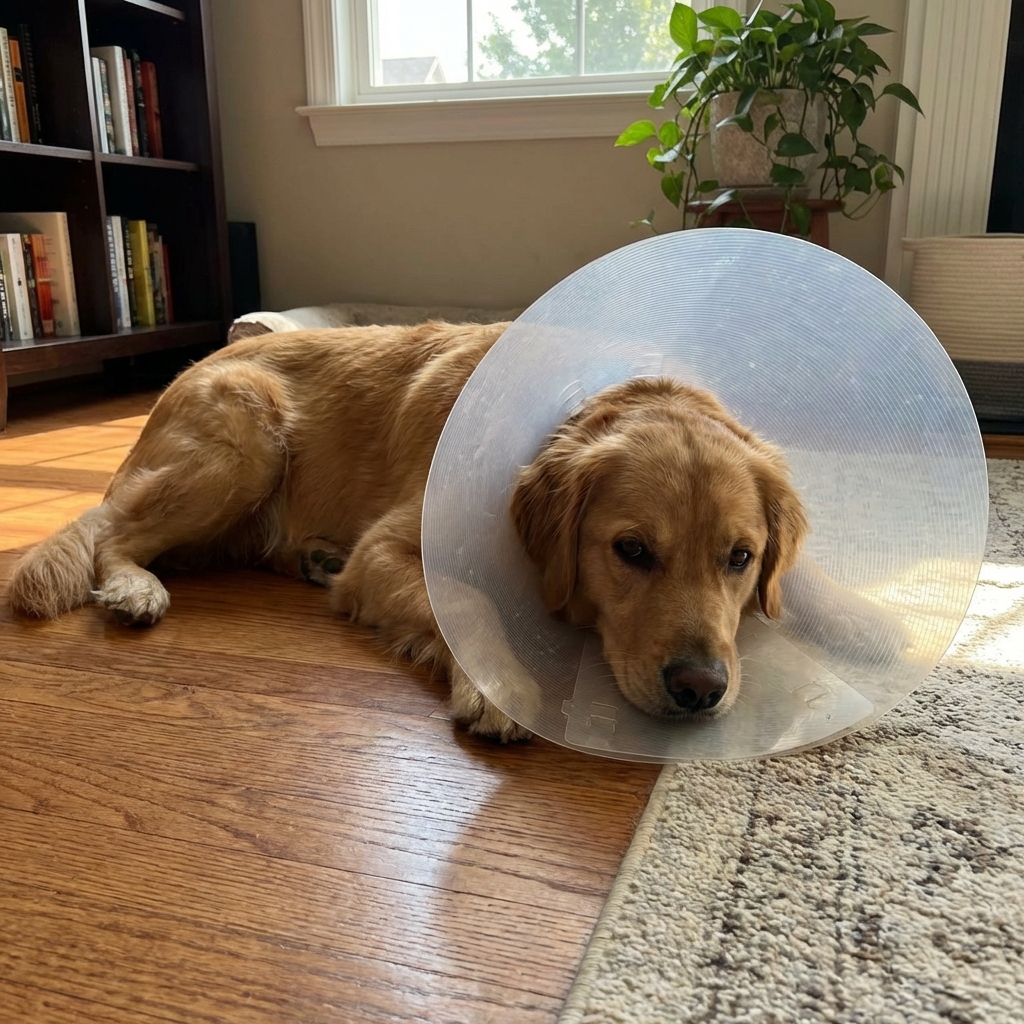
- Use an E-collar (cone) or a recovery collar.
- Covering the area rarely works well because it traps moisture.
Step 2: Clip fur if it is safe
Hot spots hide under fur. Carefully clipping the hair allows airflow and lets you see the true size. If your dog is painful, wiggly, or the spot is near the face, eyes, genitals, or deep skin folds, skip this and call your veterinarian. Cuts from scissors can make things much worse, very quickly.
Step 3: Clean gently
Use a veterinarian-approved antiseptic cleanser such as chlorhexidine or dilute povidone-iodine (it should look like weak tea). Pat dry. Do not scrub hard.
Step 4: Keep it dry and watch closely
With strict cone use and gentle cleaning, some hot spots start to look less angry within 24 to 48 hours. However, it is also common for hot spots to need prescription anti-itch or anti-inflammatory medication to truly break the itch cycle. If you are not seeing clear improvement, that is not you failing. It is a sign your dog likely needs veterinary help.
What to avoid
- Hydrogen peroxide or rubbing alcohol (damages healing tissue and stings)
- Essential oils on the wound (many are irritating or toxic to pets)
- Human creams without veterinary guidance, especially anything with steroids, lidocaine, or zinc oxide, because dogs lick
- Bandaging unless your veterinarian directs it, since it often traps moisture
Important: even good at-home care can fail if the underlying trigger is not addressed, like allergies, fleas, or an ear infection.
When to see the vet
Hot spots can escalate quickly, and many dogs need prescription help to break the itch-inflammation-infection cycle. Please contact your veterinarian promptly if:
- The hot spot is larger than a couple of inches or expanding
- It is on the face, near the eye, or near the genitals
- Your dog seems painful, lethargic, feverish, or is not eating
- There is thick pus, heavy odor, or a lot of oozing
- Your dog cannot stop licking, even with a cone
- It is a repeat problem (hot spots keep coming back)
- You are not sure it is a hot spot
In-clinic, treatment commonly includes clipping and cleaning, topical therapy, and often anti-itch and anti-inflammatory medication (this is a big part of stopping the cycle). Some dogs also need oral antibiotics for secondary bacterial infection. If yeast is involved, your veterinarian may add antifungal treatment based on what they find.
Look-alikes to know
Hot spots can resemble other skin problems that need different treatment. If you are unsure, a veterinary exam is the safest route. Common look-alikes include:
- Ringworm (fungal, can be contagious)
- Mange (mites)
- Allergic dermatitis without infection
- Pressure sores (especially over elbows)
- Abscesses or bite wounds (can look like a wet, painful patch at first)
What healing looks like
With the right care, most hot spots improve quickly. Typically you will see:
- Day 1 to 3: less licking, less moisture, reduced redness
- Day 3 to 7: scabbing or drying, less pain and itch
- Week 1 to 2: skin looks calmer, hair starts growing back
If it looks worse after 24 to 48 hours, your dog seems more uncomfortable, or you cannot keep them from licking, it is time for a veterinary exam.
Preventing hot spots
Stay ahead of parasites
Use consistent flea and tick prevention that your veterinarian recommends. For many dogs, this one step alone prevents recurring hot spots.
Dry the coat well
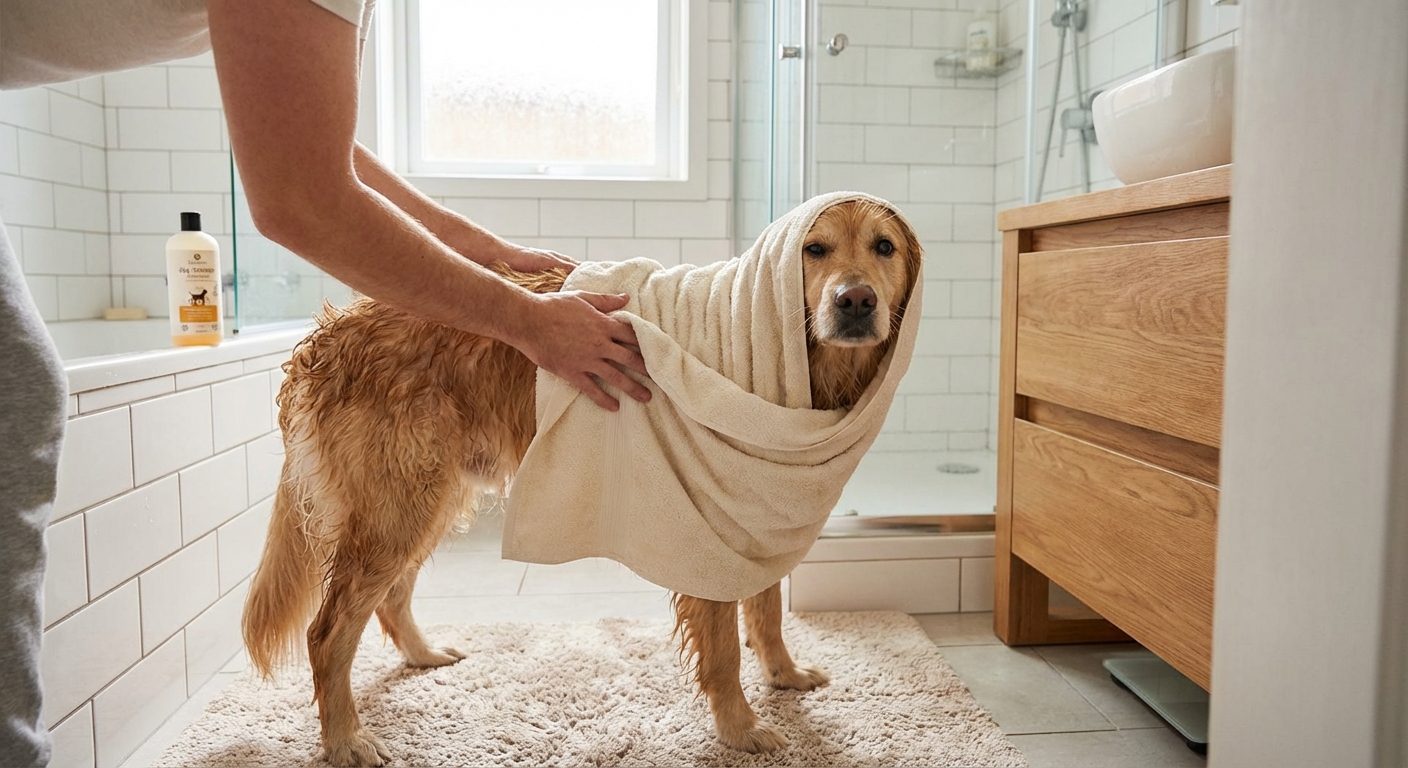
After swimming or bathing, dry down to the skin, especially for double-coated and curly-coated dogs. Pay attention to the neck, behind the ears, armpits, and groin.
Grooming and mat control
- Brush routinely based on coat type.
- Address mats early. Mats trap moisture and bacteria.
- Keep hair under collars and harnesses clean and dry.
Support skin health
Nutrition matters for the skin barrier. Ask your veterinarian whether your dog would benefit from:
- Omega-3 fatty acids (fish oil) for inflammation support
- A diet that is appropriate for allergies if food sensitivity is suspected
- Probiotics for dogs with chronic skin and gut issues, when appropriate
Have an allergy plan
If your dog gets seasonal flare-ups, talk with your vet about a proactive plan. That might include regular medicated baths, wipe-downs after outdoor play, allergy medications, immunotherapy, or ear maintenance.
Hot spots are not just a skin problem. They are often a clue that something deeper is driving the itch, like fleas, allergies, moisture, or ear infections. Once you identify the trigger, prevention becomes much easier.
Quick FAQ
Do hot spots go away on their own?
Some mild ones can dry up, but many get worse because dogs keep licking. Early action matters.
Can I put Neosporin on my dog’s hot spot?
It is not my first choice because dogs lick it off, and it can trap moisture. Some dogs can also react to triple-antibiotic ointments, and swallowing it is not ideal. It is much safer to use a pet-specific antiseptic and to involve your veterinarian if the spot is active and moist.
Is a hot spot the same as ringworm?
No. Ringworm is a fungal infection that often causes circular hair loss and can be contagious to people and pets. Hot spots are typically driven by inflammation with secondary bacterial overgrowth. If you are unsure, your vet can test.
Why does my dog get hot spots every summer?
Common culprits include seasonal allergies, fleas, swimming moisture, and increased humidity. Recurring hot spots are a strong reason to pursue an allergy and parasite prevention plan with your veterinarian.
Bottom line
Hot spots are common, painful, and fast-moving. If you remember one thing, let it be this: stop the licking first, keep the area clean and dry, and contact your veterinarian if it is spreading, smelly, or not improving within a day or two. Your dog will feel relief so much faster when you break the itch cycle early.