Hookworms can cause anemia fast, especially in puppies. Learn the vet-backed plan: confirm with a fecal test, use the right dewormer with repeat dosing, impr...
Article
•
Designer Mixes
Hookworm in Dogs: Symptoms & Care

Shari Shidate
Designer Mixes contributor
Hookworms are tiny intestinal parasites, but they can cause big problems for dogs, especially puppies. As a veterinary assistant here in Frisco, Texas, I see a lot of concerned pet parents who just want to know two things: what symptoms to watch for and what to do next. The good news is that hookworms are treatable, and prevention is very doable once you know how they spread.

What hookworms are (and why they matter)
Hookworms are small worms that live in a dog’s small intestine and feed on blood. That blood-feeding is the reason hookworms can be more serious than some other common parasites. In heavy infections, dogs can develop anemia, weakness, and poor growth. Puppies are at the highest risk because they have less blood volume to spare.
Even healthy adult dogs can carry hookworms with mild symptoms, so it is possible for an infection to go unnoticed until a dog is stressed, sick, or heavily exposed.
How dogs get hookworms
Dogs can be infected in several ways, which is why hookworms are so common:
- Ingesting larvae from contaminated soil or feces (sniffing and licking the ground counts).
- Skin penetration, where larvae enter through the paws or belly after contact with contaminated ground.
- Nursing puppies can become infected through their mother’s milk (this is common with some canine hookworm species).
- Eating prey like rodents that carry hookworm larvae (less common, but possible).
One quick clarification for pet parents: hookworms are not typically spread to puppies through the placenta the way roundworms can be. The bigger “from mom to pups” risk is usually through nursing and early environmental exposure.
Warm, moist environments help larvae survive, especially shaded soil, but infections can occur anywhere dogs share yards, parks, trails, and kennel spaces.

Hookworm symptoms in dogs
Symptoms vary by age, overall health, and parasite load. Some dogs show subtle signs at first, so it helps to know the classic patterns.
Common signs
- Diarrhea (sometimes recurring)
- Dark, tarry stool or visible blood in stool
- Weight loss or failure to gain weight (especially in puppies)
- Poor appetite
- Dull coat and reduced energy
Signs of anemia (more urgent)
- Pale gums
- Weakness, fatigue, or exercise intolerance
- Rapid breathing or increased heart rate
- Collapse in severe cases
Puppies can decline quickly. If your puppy seems suddenly weak, has dark stool, or has pale gums, call your vet promptly.
When to call the vet
Reach out to your veterinarian as soon as you notice symptoms, and treat this as more urgent if your dog is very young, elderly, pregnant, or has other health conditions.
- Puppy with diarrhea, lethargy, or poor growth
- Any dog with black, tarry stool or blood in stool
- Pale gums or noticeable weakness
- Vomiting plus diarrhea, dehydration, or refusal to eat
These signs can also happen with other problems (parvovirus, giardia, or hemorrhagic diarrhea syndrome), so it is worth getting checked rather than trying to guess at home.
If you can, bring a fresh stool sample to the appointment. It helps your vet confirm the diagnosis quickly.
Diagnosis: how hookworms are confirmed
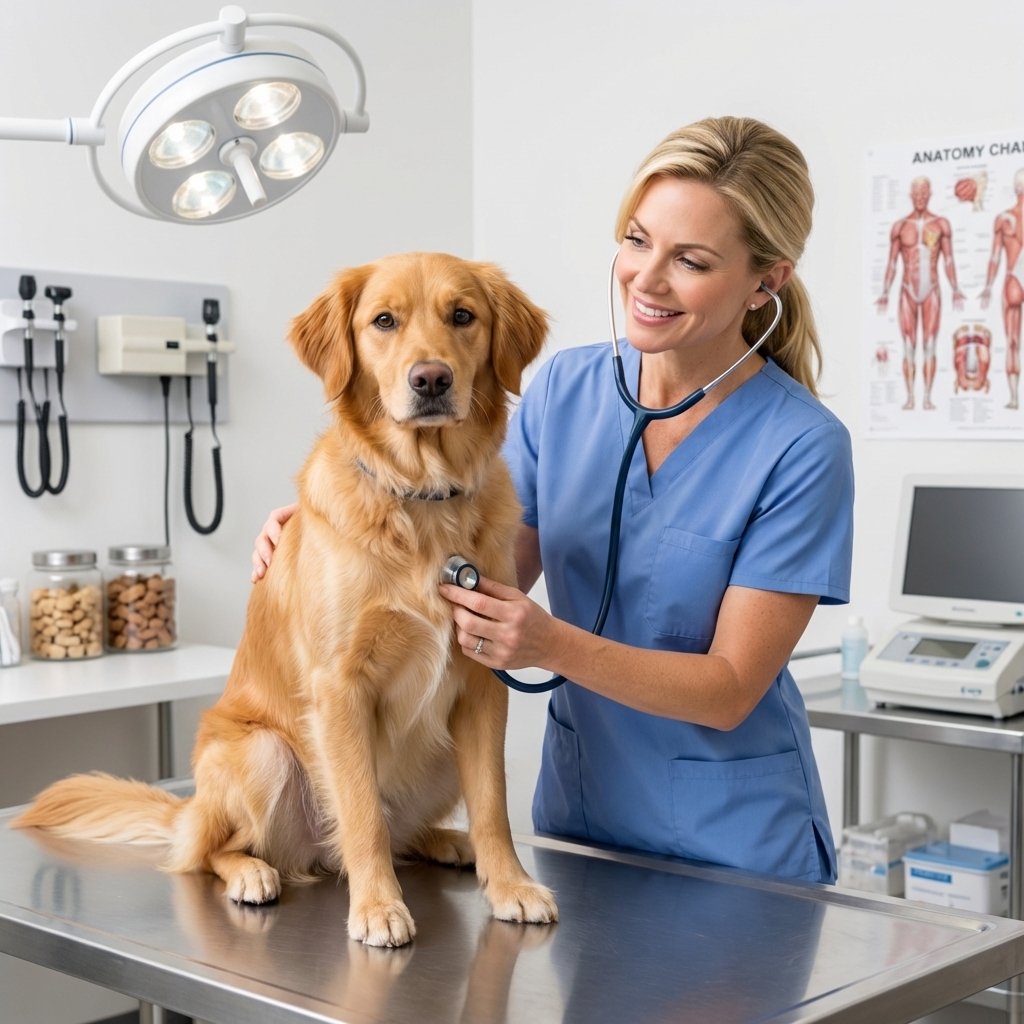
Most commonly, veterinarians diagnose hookworms with a fecal test, usually a fecal flotation that looks for eggs under the microscope. Some clinics may also use in-house panels or other tests depending on the situation.
A note that surprises many pet parents: very young puppies can be sick before eggs show up in the stool. That is one reason vets often recommend routine deworming schedules for puppies even when they look fine.
Treatment and care
Treatment is typically straightforward, but it needs to be done correctly to prevent re-infection and to protect your dog’s recovery.
1) Deworming medication
Your vet will prescribe a dewormer that targets hookworms. Many dewormers are most effective against adult worms in the intestine, while immature or migrating stages may survive. That is why repeat doses are often needed to catch newly maturing parasites.
2) Supportive care (when needed)
Dogs with dehydration, significant diarrhea, or anemia may need additional support such as fluids, GI support medications, or in severe cases more intensive care.
3) What to expect at the vet
- A stool test (and sometimes additional tests if your dog is very young or very sick)
- Deworming medication given in clinic or sent home
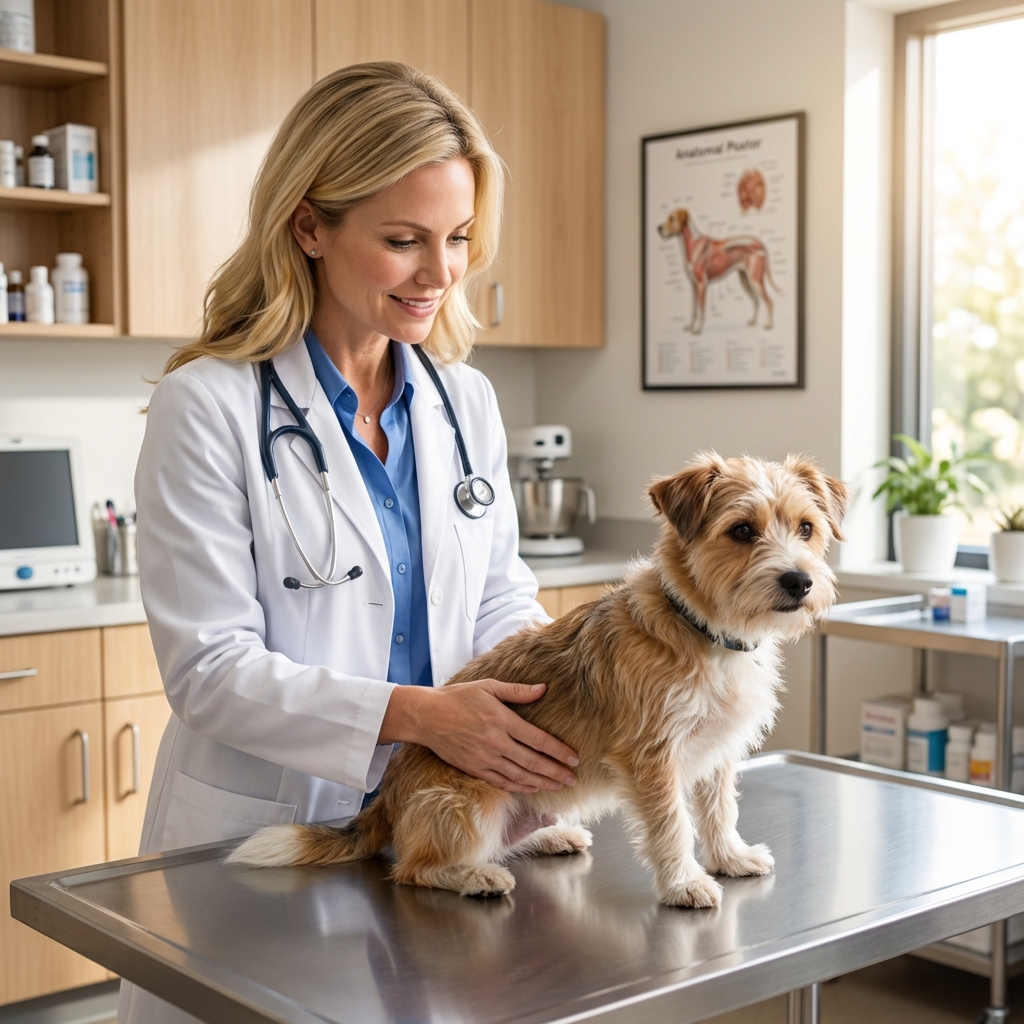
- A plan for repeat dosing and a recheck fecal, often in about 2 to 4 weeks (timing varies by clinic and product)
4) Clean-up to reduce reinfection
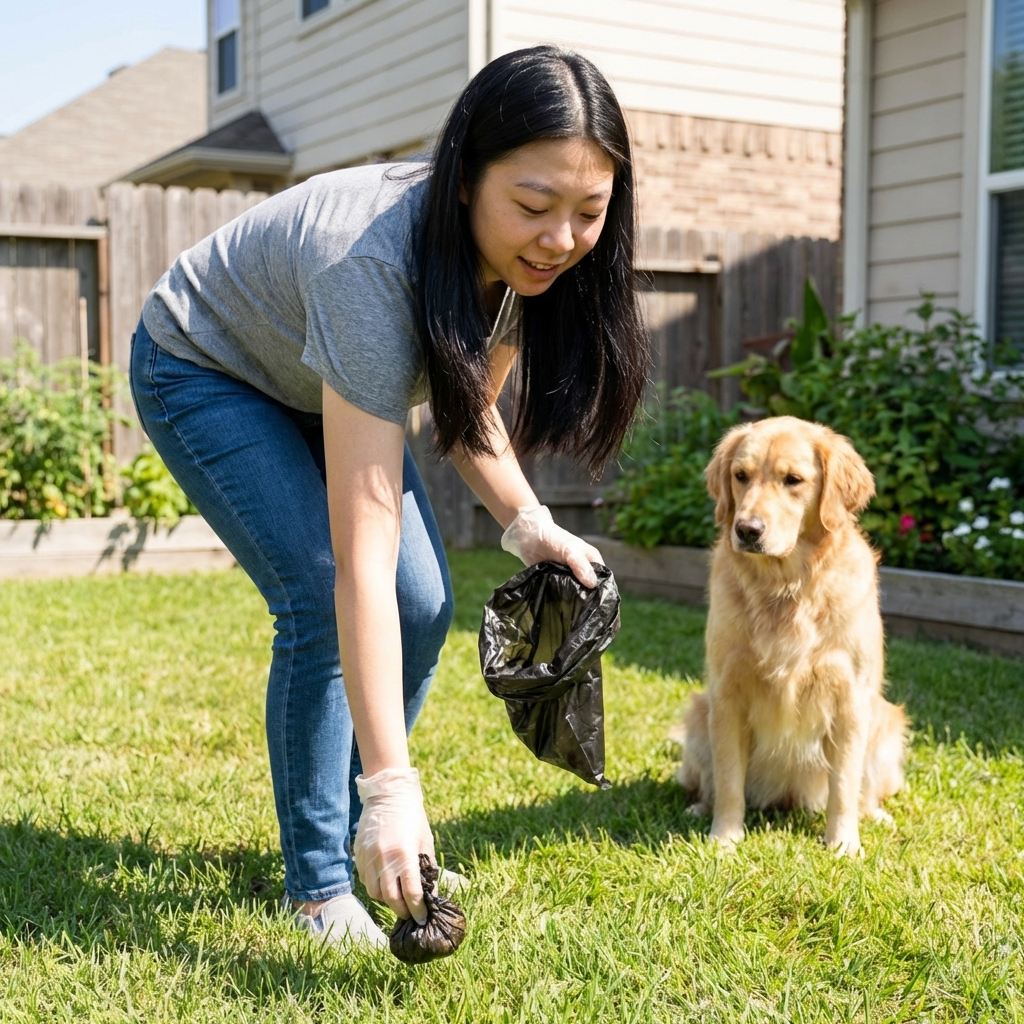
- Pick up poop daily in your yard, and immediately on walks.
- Dispose of waste securely and wash hands afterward.
- Keep dogs away from areas with visible feces or high dog traffic if you can.
- If your dog had diarrhea indoors, clean and disinfect the area promptly to remove fecal contamination.
One realistic note: hookworm larvae in soil are hard to eliminate with household disinfectants. For yards, the most effective approach is prompt feces removal, limiting access to contaminated spots, and reducing warm, damp, shaded areas when possible.
Prevention: what works best
Prevention is where you can make the biggest long-term difference, and it does not have to be complicated.
- Year-round parasite prevention: Some monthly heartworm preventives also treat or control hookworms, but not all products do. Ask your veterinarian which option fits your dog’s age and lifestyle.
- Routine fecal testing: Many clinics recommend at least once or twice yearly for adult dogs, and more often for puppies or dogs with frequent exposure.
- Puppy deworming schedules: Puppies are commonly dewormed in a series because infection is so common and can occur early in life.
- Yard hygiene: Prompt feces removal reduces contamination dramatically. Keeping your yard drier and allowing sunlight into shaded areas can also make it less friendly to larvae.
- Smart outdoor habits: Try not to let dogs linger or lie down in high-traffic dog areas with moist soil.
Can humans catch hookworms from dogs?
Yes, some hookworm larvae can affect people. The most common issue is a skin condition called cutaneous larva migrans, which can happen when larvae penetrate human skin, often through bare feet on contaminated sand or soil.
Simple steps reduce risk a lot: wear shoes outdoors, pick up dog waste promptly, prevent dogs from using children’s sandboxes, and wash hands after yard work or handling stool.
Recovery: practical support
Medication is what clears hookworms, but good care at home supports healing.
- Hydration matters: Diarrhea can dehydrate dogs quickly. Follow your vet’s guidance, especially for small dogs and puppies.
- Use a gentle diet if recommended: If your vet suggests a bland or GI diet, transition back to normal food gradually.
- Finish the full plan: Repeat doses and any recheck testing are how we prevent the cycle of reinfection.
Pet parent encouragement: hookworms can feel scary because the symptoms look intense. With prompt treatment and a solid prevention plan, most dogs bounce back beautifully.
Quick checklist
- Watch for diarrhea, dark stool, weight loss, and low energy.
- Check gums if your dog seems weak. Pale gums are a red flag.
- Call your vet and bring a fresh stool sample if possible.
- Expect repeat deworming doses and ask about recheck timing.
- Pick up waste daily and use the right monthly prevention to reduce reinfection.