Worried about giardia in dogs? Learn common symptoms, how dogs get infected, why vet testing matters, treatment basics, and the best home hygiene steps to pr...
Article
•
Designer Mixes
Hookworm in Dogs

Shari Shidate
Designer Mixes contributor
Hookworms are tiny parasites that can cause surprisingly big problems for dogs, especially puppies and dogs with heavy parasite burdens or poor body condition. As a veterinary assistant here in Frisco, Texas, I have seen how quickly hookworms can turn a playful pup into a tired, pale, upset-stomach patient. The good news is that hookworms are very treatable, and with a few practical habits you can dramatically lower the risk of reinfection.
This article walks you through what hookworms are, how dogs get them, what to watch for, how vets diagnose and treat them, and the everyday steps that actually work at home.

What hookworms are and why they matter
Hookworms are intestinal parasites (most commonly Ancylostoma caninum in dogs) that attach to the lining of the small intestine and feed on blood. Because of that, they can cause anemia, weakness, and poor growth, particularly in puppies.
One detail many people do not realize is that hookworms can keep causing blood loss even after they detach and move to a new spot. So a dog can look “just a little off” at first, then go downhill faster than you would expect.
How dogs get hookworms
Hookworms are sneaky because dogs can be infected several ways, depending on age and environment.
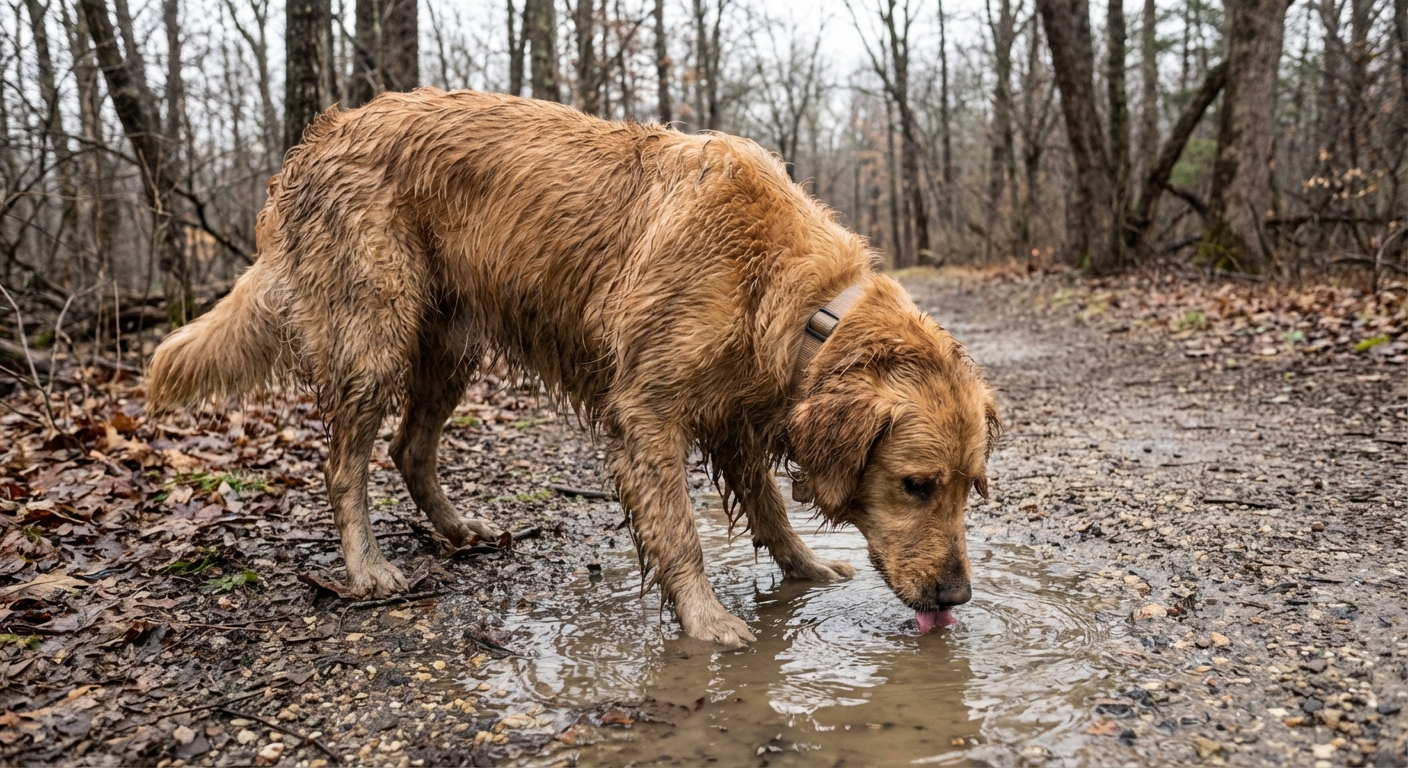
- Swallowing infective larvae: Dogs can ingest larvae from contaminated soil, mud, or anything that touched it (including paws and toys).
- Skin penetration: Larvae can burrow through the skin, commonly through the paw pads or belly when dogs lie on contaminated ground.
- From mom to puppies: Puppies can be infected through the mother (most commonly through the milk in dogs, and in some cases via prenatal exposure). This is a major reason puppies need routine deworming even if their stool looks normal.
- Eating prey: Some dogs are exposed by eating rodents or other small animals that act as paratenic hosts (they carry larvae in their tissues).
Hookworm eggs are passed in stool. In warm, moist conditions, eggs hatch and develop into infective larvae in the environment. Fresh stool is typically not immediately infectious, it usually takes a few days for larvae to develop. That is why prompt pickup works so well. It beats the biological clock.
This is also why yards, dog parks, and shared potty areas can become repeat exposure zones if poop is not picked up promptly.
Signs of hookworms in dogs
Some dogs have no obvious symptoms at first. Others show gastrointestinal signs, anemia, or both. Contact your veterinarian promptly if you notice any of the following.
Common symptoms
- Diarrhea (may be watery)
- Dark, tarry stool (can indicate digested blood)
- Weight loss or trouble gaining weight
- Decreased appetite
- Low energy, weakness, or “just not themselves”
- Pale gums (a clue for anemia)
- Dull coat
More urgent red flags
- Puppy that is suddenly very weak or collapsing
- Very pale or white gums
- Bloody diarrhea
- Rapid breathing, fast heart rate, or extreme lethargy
Puppies are at higher risk of severe anemia because they have less blood volume to spare. If you have a puppy with suspected parasites and they look weak, do not wait it out at home.
Can humans get hookworms from dogs?
Yes, some dog hookworms can affect people, but not in the same way they affect dogs. Most commonly, larvae can penetrate human skin and cause cutaneous larva migrans, an itchy, winding rash often picked up from contaminated sand or soil.
More rarely, certain species (including A. caninum) have been associated with gastrointestinal disease in people, such as eosinophilic enteritis. This is uncommon, but it is another reason prevention and hygiene matter.
Practical takeaway: pick up stool quickly, wash hands after yard work, and encourage kids to wear shoes outdoors. If someone develops an intensely itchy rash after contact with soil or sand, it is worth a call to a medical provider.

Diagnosis: how veterinarians confirm hookworms
Most of the time, veterinarians diagnose hookworms with a fecal test that looks for parasite eggs. Your clinic may use a fecal flotation test, a centrifuge method, or an antigen test depending on what is available and what your dog’s symptoms suggest.
Two important notes:
- Puppies can be infected before eggs show up. So a negative fecal test does not always mean “no hookworms” in a very young puppy.
- Intermittent shedding happens. Some dogs do not shed eggs consistently, which is why follow-up testing is so valuable.
Treatment: what works (and why repeats matter)
Hookworms are typically treated with a dewormer prescribed by your veterinarian. Common classes include medications like pyrantel pamoate, fenbendazole, or milbemycin-based preventives. The best choice depends on your dog’s age, weight, health status, and what other parasites are a concern in your area.
Why your vet may treat more than once
Many dewormers are excellent at killing adult hookworms in the intestines, but they may not kill every immature stage or tissue-migrating larva all at once. That is why your veterinarian may recommend repeat dosing (often in 2 to 3 weeks) and a recheck fecal.
Another reason rechecks matter is that some hookworm strains can be stubborn, and resistance to certain dewormers has been reported in some areas. Follow-up testing helps confirm the plan worked.
If anemia is present
Dogs with significant anemia may need additional supportive care such as:
- Iron support or diet adjustments, as directed by your vet
- Fluids if dehydrated from diarrhea
- In severe cases, hospitalization and possibly a blood transfusion
Please do not use leftover dewormers without guidance. Correct dosing matters, and some products are not safe for very young puppies or certain medical conditions.
Home care during treatment
Medication is only one piece of the plan. Environmental cleanup and smart routines reduce reinfection and help your dog recover comfortably.
What to do at home
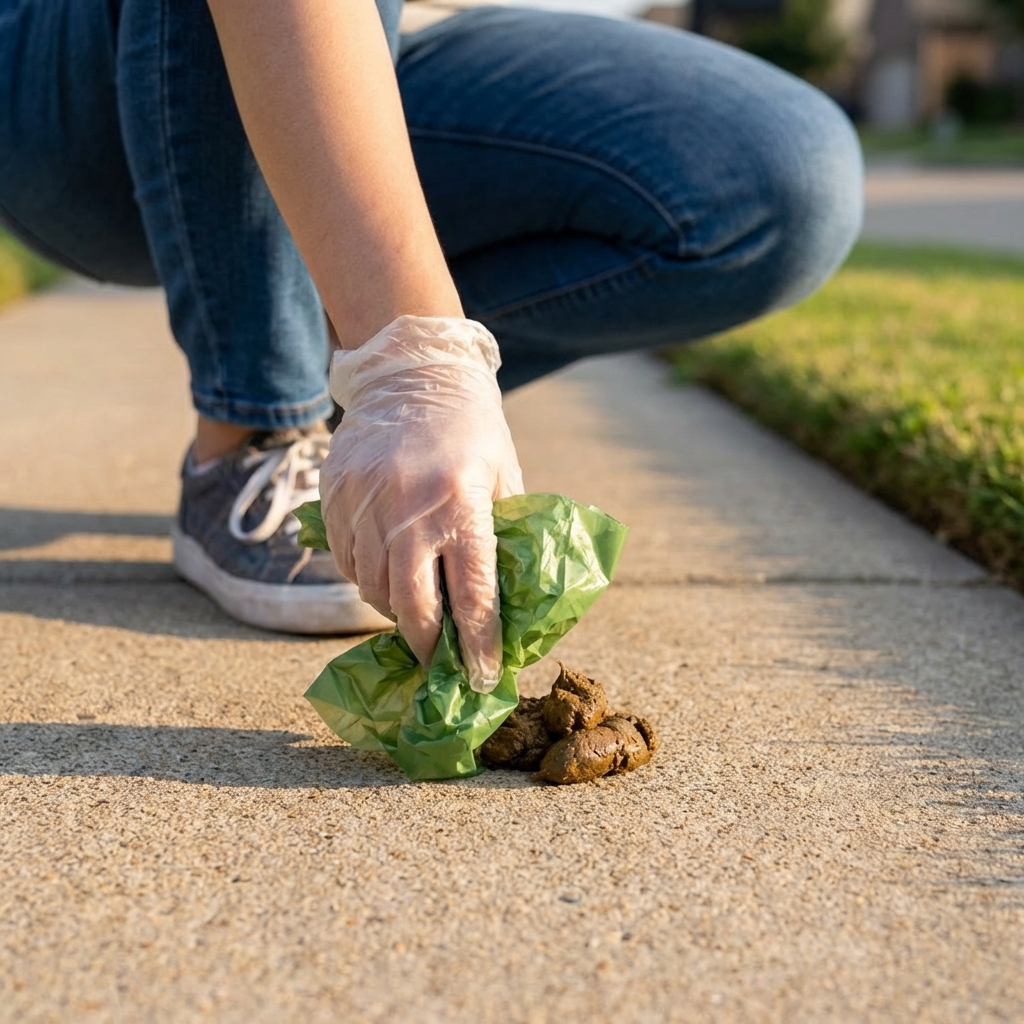
- Pick up stool immediately: daily at minimum, ideally right away.
- Clean paws after muddy yard time: a quick rinse or pet wipe helps remove contaminated soil.
- Wash bedding in hot water weekly during treatment.
- Support hydration: diarrhea can dehydrate dogs quickly. Offer fresh water and ask your vet if an electrolyte solution is appropriate.
- Feed a gentle diet if needed: if your dog has diarrhea, ask your vet whether a bland diet is appropriate and for how long.
Yard and outdoor areas
Hookworm larvae like warmth and moisture. While no yard is ever “sterile,” you can lower exposure with consistent poop pickup and by keeping high-traffic areas as dry and sunny as possible. Shaded, damp corners tend to be the worst spots.
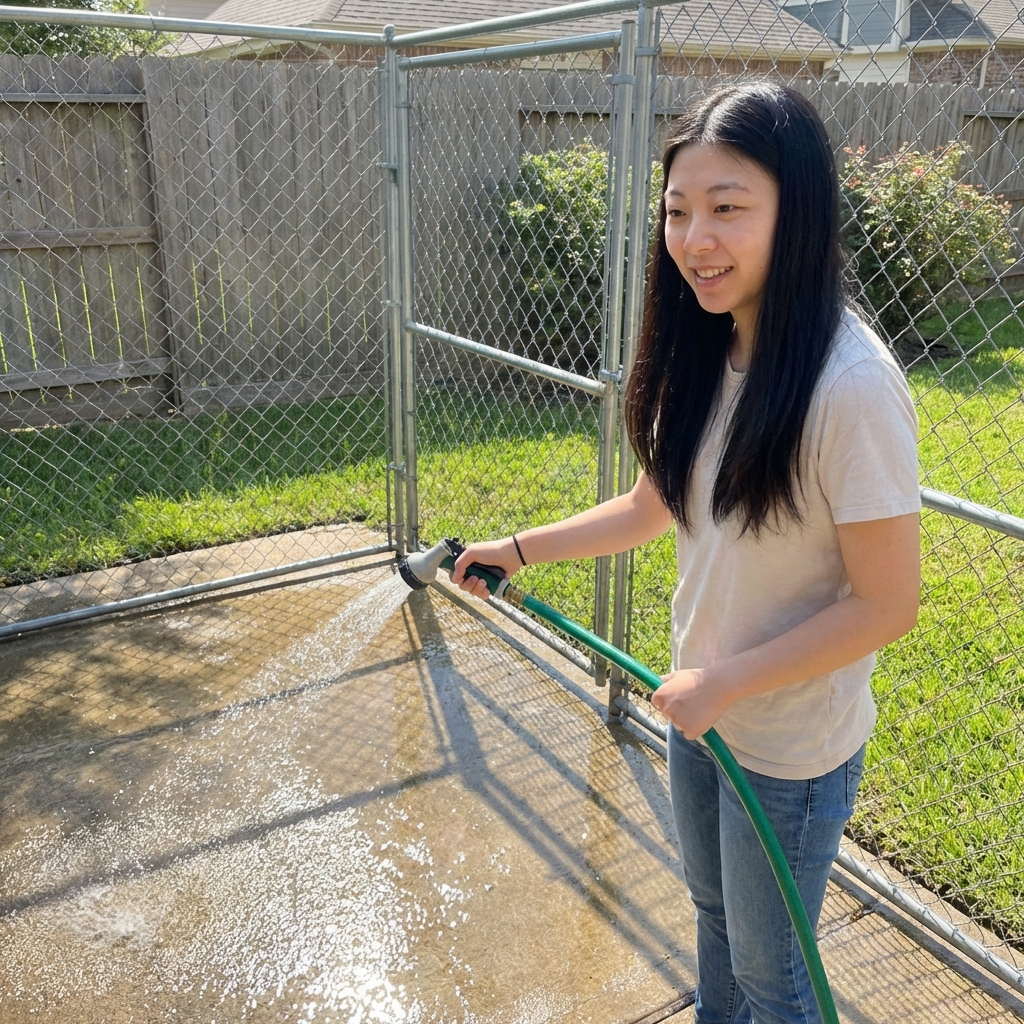
For hard surfaces like patios or kennel runs, cleaning and rinsing can help remove contamination, but water alone does not “disinfect” soil. With dirt and grass, removal of stool, drying, and limiting access to heavily contaminated spots are usually the most practical tools.
Prevention that holds up
Prevention is where families win. Here are the habits I see make the biggest difference.
1) Use a monthly parasite preventive
Many heartworm preventives also protect against intestinal parasites like hookworms, but not all products cover the same parasites. Your veterinarian can recommend the right product based on your dog’s lifestyle and local risk, and confirm what is on the label.
2) Keep up with fecal testing
For many adult dogs, an annual fecal test is common. Puppies often need more frequent testing and deworming. Dogs that visit dog parks, daycare, grooming, or shared potty areas may benefit from more frequent screening.
3) Treat all pets in the household when recommended
If one dog has hookworms, talk to your veterinarian about whether other pets should be tested or treated. Reinfection can ping-pong in multi-pet homes.
4) Practice poop hygiene like it is part of the walk
Prompt stool pickup is one of the most powerful prevention tools. It protects your dog, your neighbors, and your community spaces.
Puppies and hookworms
Puppies are the group I worry about most. They can acquire hookworms from their mother, and they can become anemic quickly.
- Follow the deworming schedule your veterinarian provides, even if the puppy looks fine. Many clinics start deworming very young puppies and repeat doses every couple of weeks for a period of time, but your vet will tailor it to your puppy and risk level.
- Watch gum color: healthy gums are typically bubblegum pink. Pale gums need prompt attention.
- Bring a stool sample to puppy visits whenever possible. Fresh is best.
If you recently adopted, fostered, or rescued a puppy, it is very normal for parasites to show up. This is not a moral failing. It is a biology and exposure issue. With treatment and prevention, most puppies bounce back beautifully.
FAQs
How long does it take to get rid of hookworms?
Many dogs feel better within days of treatment, but clearing the infection and preventing reinfection often requires repeat dosing and environmental cleanup over several weeks. Your veterinarian may recommend a recheck fecal test (often a few weeks after treatment) to confirm.
Can my dog get hookworms again?
Yes. Reinfection is common when dogs return to contaminated environments, especially if stool is not picked up promptly. Monthly preventives and poop hygiene are key.
Do I need to disinfect my whole house?
Hookworm transmission risk is usually highest outdoors in soil. Indoors, focus on washing bedding, cleaning accidents properly, and good hand hygiene. If your dog had diarrhea indoors, clean thoroughly and wash hands after handling soiled items.
Is over-the-counter dewormer enough?
Sometimes OTC products can help, but they may not cover all parasites, and they are not always used correctly. A vet-guided plan is safer, especially for puppies, seniors, or dogs with anemia or other health concerns.
When to call your veterinarian
If your dog has diarrhea that lasts more than a day, any signs of blood in stool, low energy, pale gums, or weight loss, please call your veterinary clinic. Bring a fresh stool sample if you can. If it is after hours and your dog seems weak, collapses, or has very pale gums, treat it like an emergency.
Warm reminder from the clinic side of things: parasites are common and treatable. The sooner we test and treat, the easier it is on your dog’s body and your wallet.