Making homemade cat food? Avoid nutrient gaps. Learn the core supplements cats need—taurine, calcium balance, vitamin/mineral premix, omega-3s, vitamin E, ...
Article
•
Designer Mixes
Homemade Turkey Cat Food for Sensitive Cats

Shari Shidate
Designer Mixes contributor
If your cat has a sensitive stomach, itchy skin, or unpredictable litter box days, you are definitely not alone. In the clinic, I see many cats who struggle with certain diets, and some seem to do better when ingredients are simplified and changes are made slowly and consistently. A gently cooked turkey base can be a helpful starting point because it is a lean protein many cats tolerate well and it lets you control every ingredient that goes into the bowl.
That said, homemade cat food has one non-negotiable rule: cats need complete and balanced nutrition. Turkey alone is not enough long term. In this article, I will show you how to use turkey as the base while still meeting the key nutrient needs that sensitive cats cannot afford to miss.
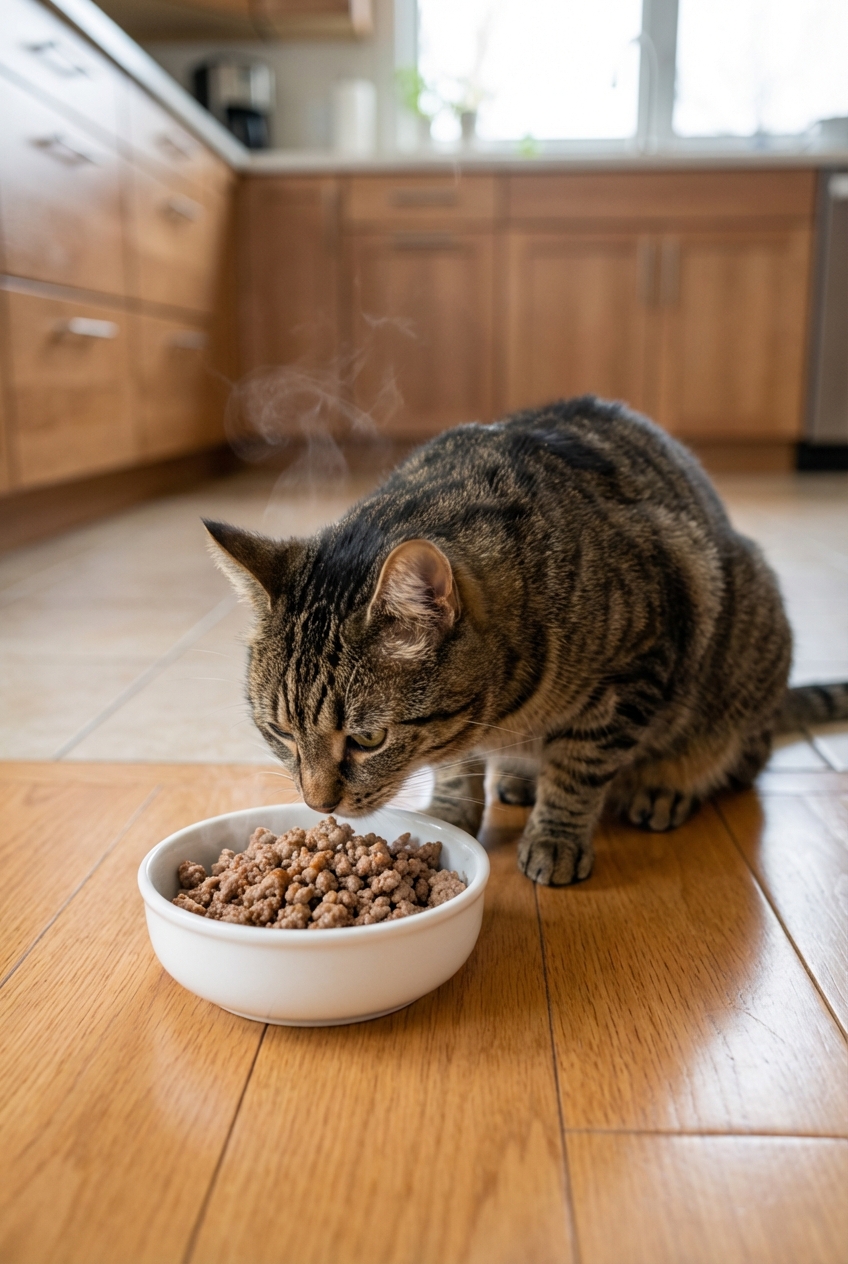
Why turkey can help
For many sensitive cats, the goal is to simplify. Turkey can work well because it is:
- Single-protein and straightforward, which can help when you are trying to identify triggers.
- Often leaner than richer meats, which may be easier for cats who get loose stool with high-fat meals.
- Easy to source in plain ground form, making it practical for batch cooking.
Two important notes: true food allergy in cats is most often triggered by proteins, and tolerance is individual. Turkey is not inherently “hypoallergenic,” and cross-reactivity can occur among poultry proteins. If your cat has a known chicken allergy or has reacted to poultry before, talk with your veterinarian before trialing turkey.
Signs your cat may need a simpler diet
Many issues look like “food sensitivity” but can also be caused by parasites, inflammatory bowel disease, pancreatitis, dental disease, stress, or hairballs. Consider a vet check if you notice:
- Vomiting more than once a week
- Chronic soft stool or diarrhea
- Gas, belly gurgling, or straining
- Itchy skin, overgrooming, or recurring ear debris
- Weight loss, poor appetite, or hiding
Any weight loss, blood in stool, repeated vomiting, or dehydration warrants prompt veterinary care.
What turkey alone is missing
Cats are obligate carnivores with very specific requirements. This is where many well-meaning homemade diets fall short. To keep a turkey-based plan safe for long-term feeding, pay attention to these core nutrients:
- Taurine: essential for heart and eye health. Taurine can be lost during cooking, especially if juices are discarded. This is one reason supplementation is commonly needed in cooked homemade diets.
- Calcium to phosphorus balance: meat is high in phosphorus and low in calcium. Without a calcium source, cats can develop serious bone and metabolic issues over time.
- Vitamin A and vitamin D: cats cannot convert beta-carotene into vitamin A efficiently like we can.
- Essential fatty acids: many cats benefit from appropriate omega-3 support, especially if skin is part of the issue.
- B vitamins and trace minerals: needed for energy metabolism, immune support, and healthy skin and coat.
My evidence-based take as a veterinary assistant: if you want homemade to be more than a short bland diet phase, use a veterinarian-formulated recipe or a reputable completer supplement designed for cooked cat food. It is the simplest way to be both gentle and nutritionally complete. When in doubt, confirm your plan with your veterinarian or a board-certified veterinary nutritionist.
Turkey recipe options
Option A: Bland turkey reset (1 to 3 days)
This is for mild tummy upset while you are arranging a vet visit or transitioning back to a balanced diet. It is not complete and should not be fed long term.
- Lean ground turkey (cooked)
- Optional: a small amount of plain, unsweetened pumpkin puree for stool support (some cats tolerate it well, others get diarrhea or constipation)
- Water or low-sodium, onion-free broth to increase moisture
Important: do not add onions, garlic, chives, or seasonings. If your cat is not keeping food down, call your veterinarian.
Option B: Complete turkey meal with a completer
This is the approach I recommend for sensitive cats when owners want homemade but also want peace of mind. Use a supplement specifically labeled to balance cooked meat diets for cats, and follow the label exactly. These products are designed to supply taurine, calcium, vitamins, and minerals in the correct proportions.
What is a “completer”? It is a powdered or capsule-style vitamin and mineral mix made to be added to plain cooked meat. Some are formulated for adult cats only, while others have separate directions or formulas for kittens, pregnancy, or medical conditions. Choose one that matches your cat’s life stage, and ask your veterinarian if you are unsure.
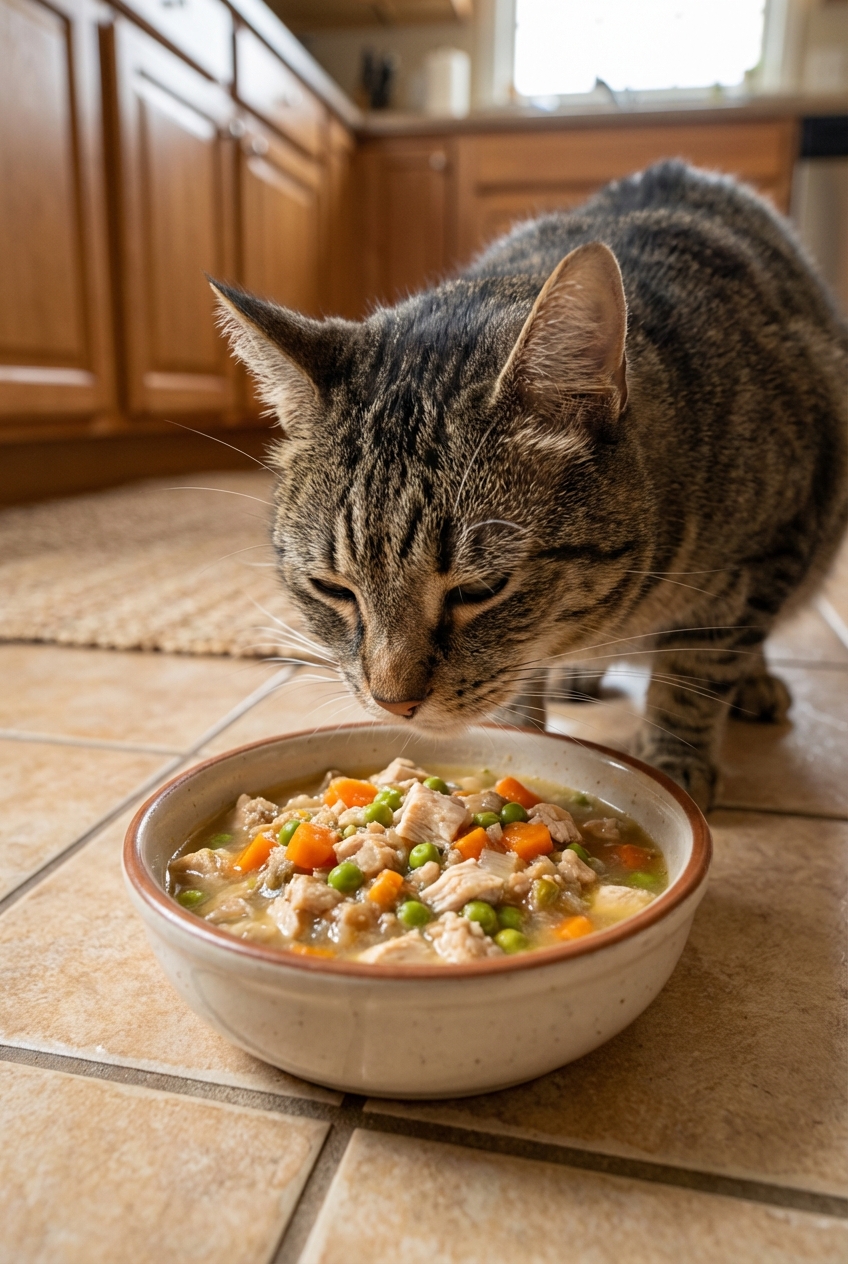
How it typically works: you cook turkey, let it cool, then mix in the measured completer plus water. Some also allow adding a small amount of liver or egg yolk, depending on the formula. Always follow the brand instructions because they are not interchangeable.
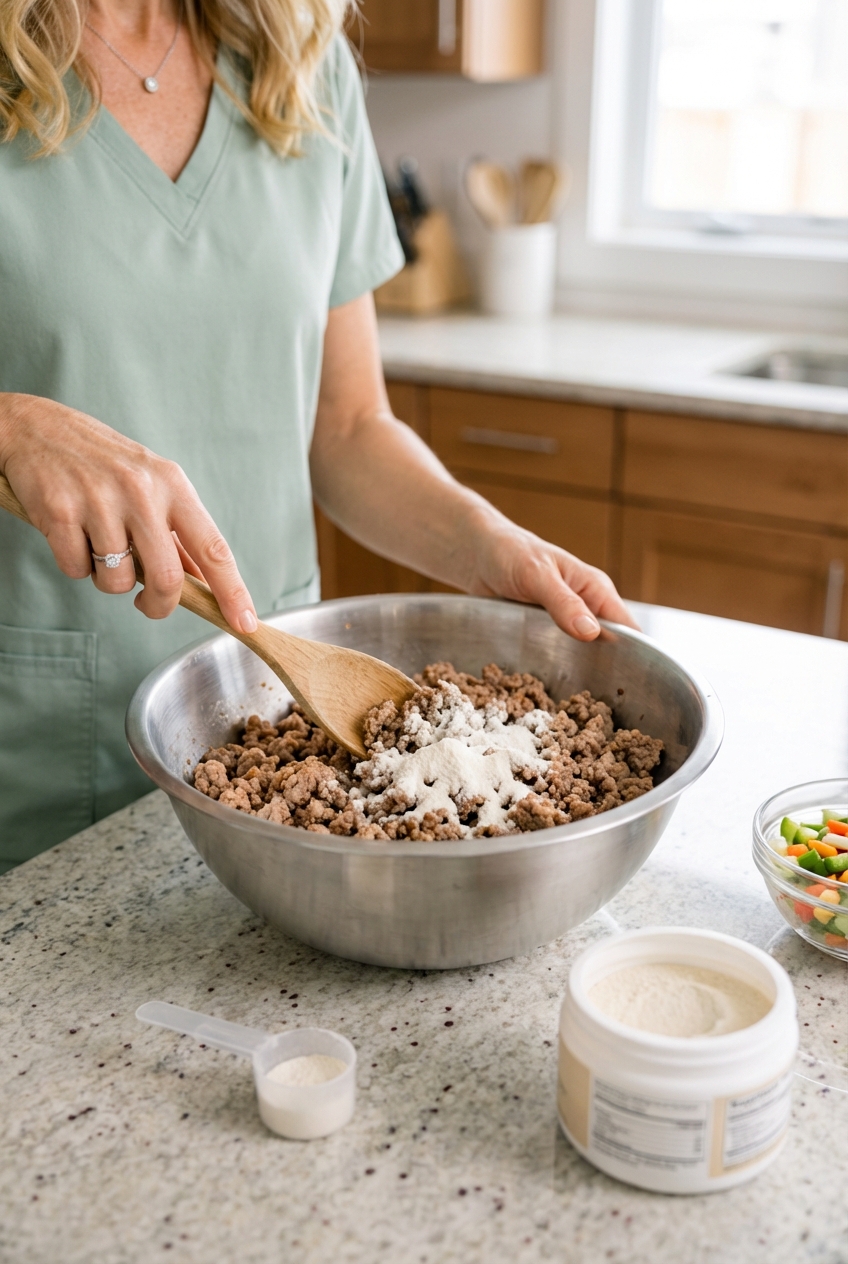
Step-by-step turkey base
- Choose the turkey: use fresh, lean ground turkey with no added seasoning or flavoring. Avoid turkey sausage products.
- Cook thoroughly: cook in a clean pan until no pink remains. Break into small crumbles to help digestion.
- Keep the juices when you can: if your cat tolerates it, save the cooking juices and mix them back in after cooling. This helps moisture and can reduce nutrient loss (including taurine). If the batch is very greasy or your cat is sensitive to fat, you can skim or drain some fat and add water back for moisture.
- Cool before adding supplements: many vitamins can degrade with high heat. Mix supplements once the food is warm, not hot.
- Add moisture: cats do best with higher-moisture diets. Add warm water to reach a soft, pate-like texture.
- Portion and store safely: refrigerate 2 to 3 days worth and freeze the rest in meal-size portions.
Food safety tip: this refers to food left at room temperature. Toss leftovers that have sat out longer than 2 hours (less if your kitchen is warm). Wash bowls daily to reduce bacterial buildup.
Batch size and portions
Sample batch size: Many owners find it easiest to start with 1 lb (about 450 g) of ground turkey so you can see how your cat tolerates it before making larger batches.
How much to feed: portion needs depend on your cat’s calorie requirements, age, activity level, and health status. Because homemade diets can vary in calorie density, I recommend asking your veterinarian for a daily calorie target and using your cat’s weight and body condition score to fine-tune portions. Monitor weight weekly at first, and adjust if your cat is gaining or losing.
Transition slowly
Sensitive cats do best with gradual change. A fast switch can cause vomiting or diarrhea even if the new food is high quality.
- Days 1 to 3: 25% new food, 75% current food
- Days 4 to 6: 50% new food, 50% current food
- Days 7 to 9: 75% new food, 25% current food
- Days 10 to 14: 100% new food
If stools loosen or vomiting starts, slow down the transition and check in with your veterinarian.
Do not wait too long if your cat stops eating: if your cat will not eat for around 24 hours (or sooner if they are sick, overweight, or acting “off”), contact your veterinarian. Cats can be at risk for hepatic lipidosis when they go without adequate calories.
Diet trial timing
If you are using turkey as part of a controlled diet trial for suspected food sensitivity, consistency matters. True elimination diet trials are typically done under veterinary guidance and often take 6 to 8 weeks or longer to evaluate skin and GI improvement. Avoid adding treats, flavored medications, or extra proteins during the trial unless your veterinarian says it is OK.
What to avoid
- Onion, garlic, chives, leek: can damage red blood cells in cats.
- Cooked bones: splinter risk and can cause obstruction.
- Too much liver: excess vitamin A can be harmful. Only use liver if your balanced recipe calls for it.
- Unbalanced meat-only feeding: high risk for calcium deficiency and taurine deficiency.
- Too many add-ins at once: for sensitive cats, simplicity is your friend.
When to ask for help
If your cat’s sensitivity is ongoing, I strongly recommend partnering with your veterinarian or a board-certified veterinary nutritionist. This is especially important if your cat is:
- A kitten, senior, or pregnant
- Diagnosed with kidney disease, diabetes, hyperthyroidism, pancreatitis, or IBD
- Experiencing weight loss or repeated vomiting
A professional can help you choose the right turkey fat level, run an appropriate diet trial, identify trigger ingredients, and ensure the diet stays complete and balanced.
Simple reassurance
Homemade food can be a wonderful tool for sensitive cats, especially when you keep it simple and prioritize nutritional balance. Turkey is a gentle starting point for many cats, and with the right formulation, it can be more than a temporary fix. Start slow, track stool, coat, and energy, and do not hesitate to bring your vet into the plan. You and your kitty deserve a calm, confident feeding routine.