Turkey can be a gentle protein for sensitive cats, but meat alone isn’t complete. Learn what nutrients are missing, how to use a completer, portions, stora...
Article
•
Designer Mixes
Homemade Low-Iodine Cat Food for Hyperthyroidism

Shari Shidate
Designer Mixes contributor
When a cat is diagnosed with hyperthyroidism, it can feel like everything changes overnight. Increased hunger, weight loss, yowling, restlessness, vomiting, and a racing heart can all show up at once, especially in older cats. The good news is that nutrition can be a meaningful part of support for some cats, and a low-iodine diet is one of the most talked about options.
As a veterinary assistant in Frisco, Texas, I want to be very clear and very kind here. Do not start a homemade low-iodine plan without your veterinarian’s guidance. Hyperthyroid cats have special needs, and homemade diets can accidentally become deficient in taurine, calcium, certain vitamins, and essential fatty acids. Also, iodine targets are hard to hit reliably at home because iodine content is not listed on most meats and varies widely.
This article will help you understand the “why,” what to watch out for, and how to approach homemade food safely if your vet says it is appropriate for your cat.
How low iodine helps
The thyroid gland uses iodine to make thyroid hormones (T3 and T4). In feline hyperthyroidism, the thyroid is overactive and produces too much hormone. One management strategy used in veterinary medicine is to limit iodine intake so the body has less building material available to make excess thyroid hormone.
A therapeutic low-iodine diet can reduce circulating thyroid hormone levels in some cats. It is not a cure for the underlying thyroid change (commonly benign thyroid adenoma or hyperplasia), but it can help manage the condition in certain cases.
It is also worth knowing that dietary iodine restriction is generally considered a management option, and long-term outcome data is more limited than for definitive therapies like radioactive iodine (I-131). Your veterinarian can help you decide what makes sense for your cat’s age, other conditions, and lifestyle.
Key cautions
- Low iodine works best when it is consistent and exclusive. Even small “extras” like fish treats, seafood toppers, table food, or iodine-containing supplements can reduce effectiveness. How much it affects control varies by cat and by the iodine content of the extra item.
- It is not the best fit for every cat. Cats with chronic kidney disease, diabetes, significant heart disease, or very picky eating may need a different plan. Also, as thyroid levels normalize, underlying kidney disease can become more apparent, so monitoring matters.
- Homemade low-iodine is hard to balance. Iodine is only one nutrient. If we restrict iodine but accidentally short taurine or calcium, we trade one serious problem for another.
Bottom line: A low-iodine diet can help some cats, but it must be consistent and nutritionally complete.
Talk to your vet first
Please schedule a conversation with your veterinarian before you start. Ask specifically:
- Is a low-iodine strategy appropriate for my cat’s overall health and lab work?
- Should we pursue medication (methimazole), radioactive iodine (I-131), surgery, or diet as primary therapy?
- If we use diet, should we use a commercial therapeutic low-iodine diet with a defined iodine target, or is a nutritionist-formulated homemade diet appropriate?
- How often should we recheck T4, weight, blood pressure, and kidney values after the diet change?
- If my cat is on methimazole (or starting it), do we need closer rechecks during a diet change? Thyroid levels can shift quickly when treatments overlap.
- Can you refer me to a board-certified veterinary nutritionist (ACVN) to balance a homemade recipe?
If you try a low-iodine diet at home, consistency is everything. “Just a little” fish or seafood-flavored treats can interfere more than you think.
Urgent warning signs
Hyperthyroidism can stress the heart and body. Contact your veterinarian urgently (or seek emergency care) if you see:
- Open-mouth breathing, heavy breathing, or blue or gray gums
- Collapse, extreme weakness, or sudden severe lethargy
- Not eating for 24 hours (or a fast decline in appetite in a fragile senior)
- Repeated vomiting or diarrhea, or signs of dehydration
- A very fast heart rate, fainting, or obvious distress
Where iodine hides
Iodine is naturally present in many foods, but it is especially concentrated in marine ingredients and in foods that include iodized salt or seaweed-based additives. For homemade cat food, the biggest “surprise” sources tend to be:
- Fish and seafood (including seafood-based treats, toppers, and broths)
- Seaweed or kelp (kelp powder can be extremely high in iodine)
- Iodized salt (and foods seasoned with it)
- Egg yolks (moderate iodine, varies by sourcing and feed)
- Dairy (variable)
- Some supplements that include seaweed, kelp, or “marine minerals”
About organ meats: organ meats are not always a major iodine source, and iodine can vary widely. The bigger reason to be cautious is that organ meats can quickly throw off vitamin A and other nutrient levels if used heavily, which makes balancing a diet harder.
About fish oil: many fish oils contain very little iodine, but some marine oils and supplements (especially those containing seaweed or less refined marine ingredients) may contribute iodine. Ask your veterinarian for a vetted product if omega-3s are needed.
What about grocery-store meats?
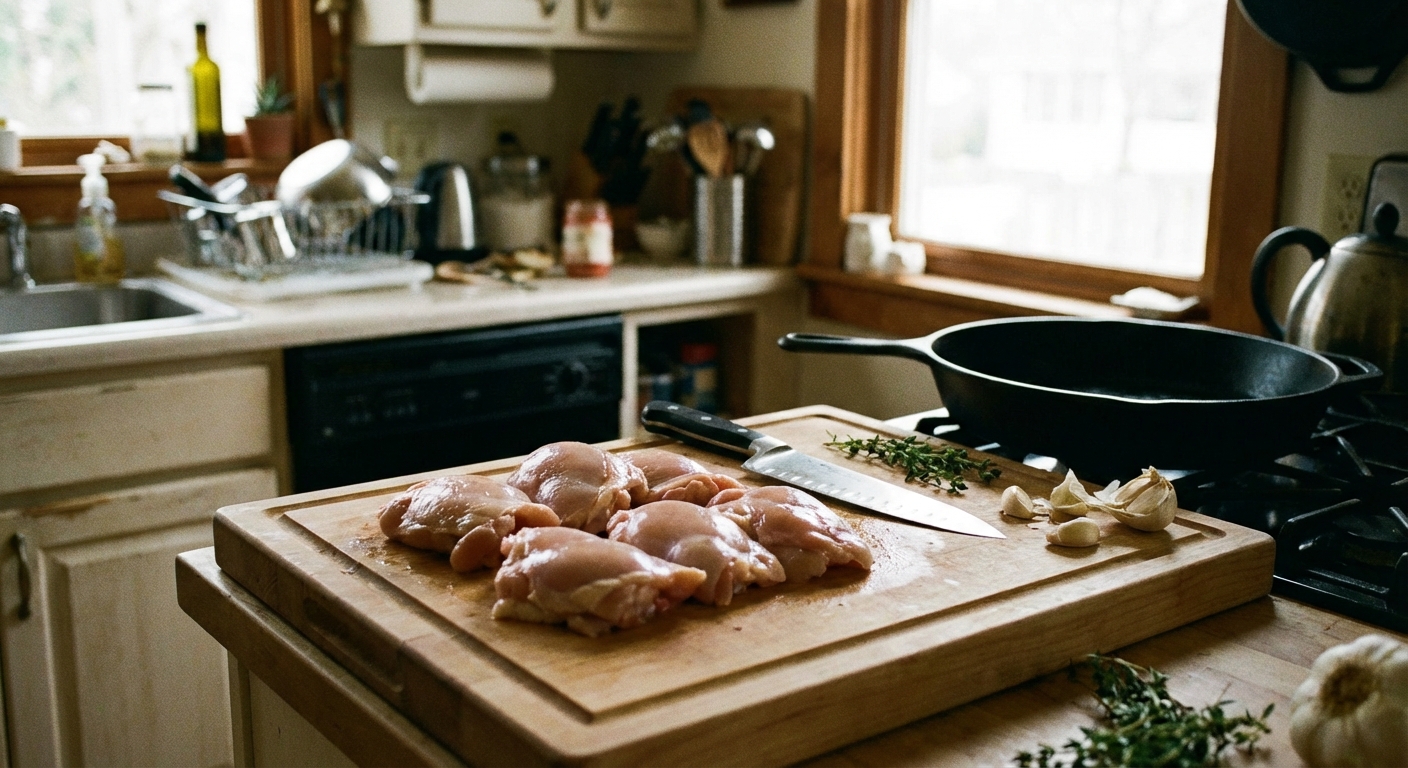
Plain grocery-store meats like chicken and turkey generally trend lower in iodine than fish. But the exact iodine level still varies based on farming, processing, and added solutions, and it is not something most households can measure or control precisely.
Iodine in proteins
Iodine content varies by brand, region, and processing, so think of this as general trends, not a precise ranking. If your cat needs a strict iodine target, a commercial therapeutic diet or a nutritionist-formulated plan is usually more reliable than “best guesses” at home.
Usually higher
- Fish and shellfish (salmon, tuna, sardines, cod, shrimp)
- Seaweed or kelp-based ingredients
- Seafood broths and fish-flavored toppers
Often moderate
- Eggs (especially yolk)
- Dairy (yogurt, milk, cheese)
- Some mixed or processed meats, especially those with added solutions or flavorings
Often lower
- Chicken
- Turkey
- Rabbit (if accessible)
- Pork (plain, unseasoned)
- Some lean beef cuts (varies)
Tip: Choose plain, unseasoned meats without injected “broth solutions” when possible. Added solutions can contain salts and flavorings that complicate mineral control.
Homemade must-haves
Cats are true carnivores, and they have non-negotiable nutrient requirements. The biggest homemade diet mistakes I see families make are well-intentioned, but risky.
Key nutrients to plan for
- Taurine: essential for heart and eye health. Heat and storage can reduce taurine, so supplementation is often needed in cooked diets.
- Calcium to phosphorus balance: meat is high in phosphorus and low in calcium. Cats need the right calcium source and the right amount.
- Vitamin A, D, E, B vitamins: easy to underdose or overdose without a formulated plan.
- Essential fatty acids: omega-3 needs and sources should be discussed with your vet, especially if iodine restriction is part of the plan.
- Iodine balance: too much iodine can interfere with control, but overly aggressive restriction also risks iodine deficiency over time. This is another reason DIY low-iodine is tricky.
That is why for hyperthyroid cats, I strongly prefer that homemade diets be built with either:
- a recipe formulated by a veterinary nutritionist, or
- a veterinary-approved complete and balanced “base mix” designed for homemade cat diets, with clear iodine guidance.
Homemade templates
Because iodine content and micronutrient balance are so critical here, the safest way to share recipes online is as templates to take to your veterinarian or nutritionist for final formulation.
Do not feed these templates as-is. They are not complete diets, they do not meet AAFCO or NRC nutrient standards on their own, and they do not include serving sizes. A professional must calculate nutrients and portions, including a defined iodine target if your cat needs one.
Template 1: Turkey and pumpkin
Why it can work: turkey often trends lower in iodine than fish, pumpkin can be gentle for some stomachs, and it is easy to batch prep.
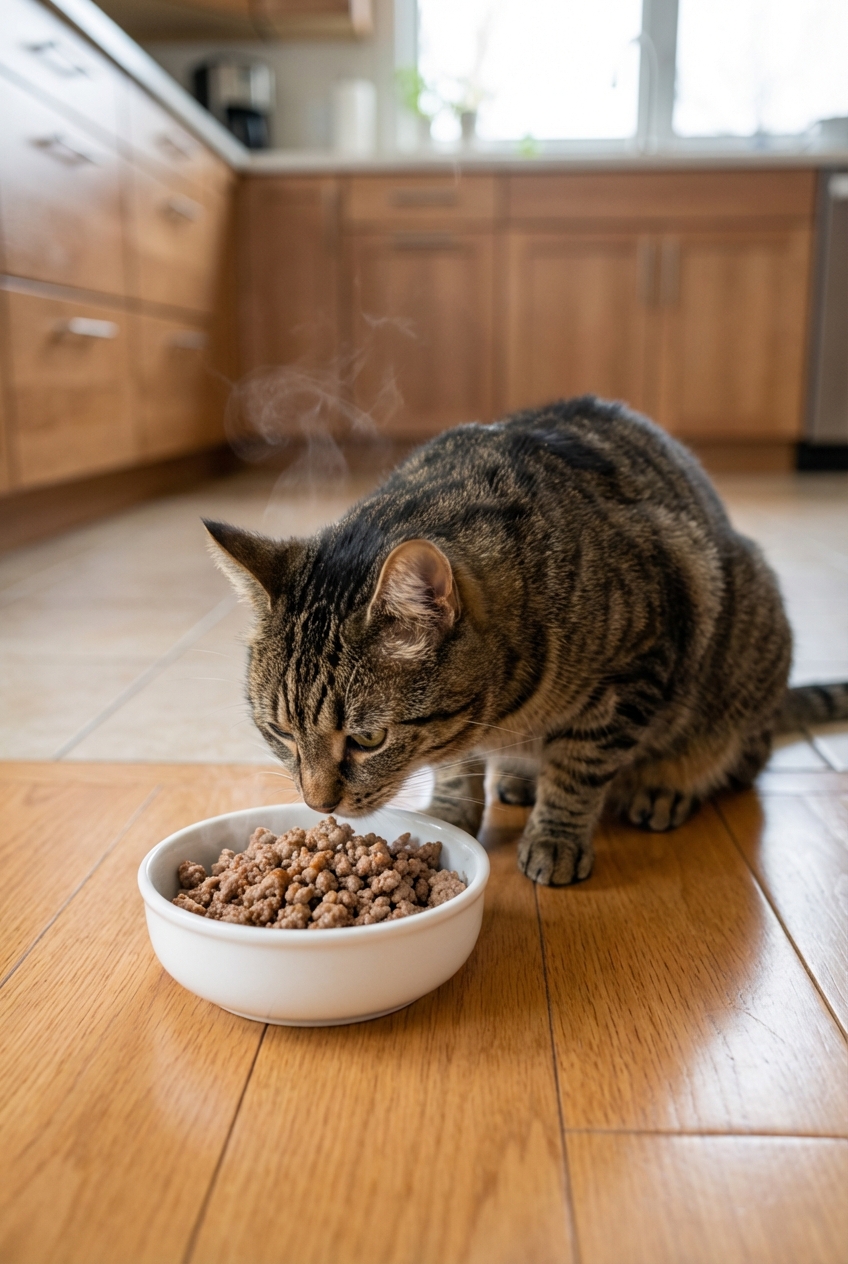
- Protein: cooked ground turkey (plain, no seasoning)
- Fiber option: plain pumpkin puree (small amount)
- Moisture: water or unsalted homemade poultry broth (no salt, no onion, no garlic)
- Required add-ons to discuss with your vet: taurine, calcium source, a complete feline vitamin and mineral supplement, and an omega-3 plan appropriate for iodine restriction (if needed)
Template 2: Chicken thigh and zucchini
Why it can work: chicken thigh adds more natural fat for calories, which many hyperthyroid cats need while they regain weight.
- Protein: cooked boneless chicken thighs, chopped
- Optional veggie: cooked zucchini, finely minced (tiny portion for texture and hydration)
- Moisture: warm water stirred in before serving
- Required add-ons to discuss with your vet: taurine, calcium, and a balanced supplement plan
Template 3: Rabbit and rice
Why it can work: rabbit can be a lower iodine, novel protein for sensitive cats. Rice is not “necessary” for cats, but small amounts are sometimes used short-term for calories and stool support under veterinary direction.
- Protein: cooked rabbit (boneless)
- Carb option: well-cooked white rice (small portion, short-term use only if your vet approves)
- Moisture: water
- Required add-ons to discuss with your vet: taurine, calcium, and a full supplement profile
Important: These templates are only a starting point for a veterinary professional to turn into a complete and balanced plan.
Meal prep tips
1) Keep it simple
- Do not use iodized salt, seaweed, kelp powders, seafood stock, or fish toppers unless your veterinarian explicitly approves them.
- Avoid seasonings that are unsafe for cats such as onion and garlic, including many store-bought broths.
2) Prioritize calories and acceptance
- Hyperthyroid cats are often underweight. Any diet change should keep your cat eating well enough to maintain or gain weight.
- If your cat refuses the food, stop and call your veterinarian. A perfect plan does not help if a cat will not eat it.
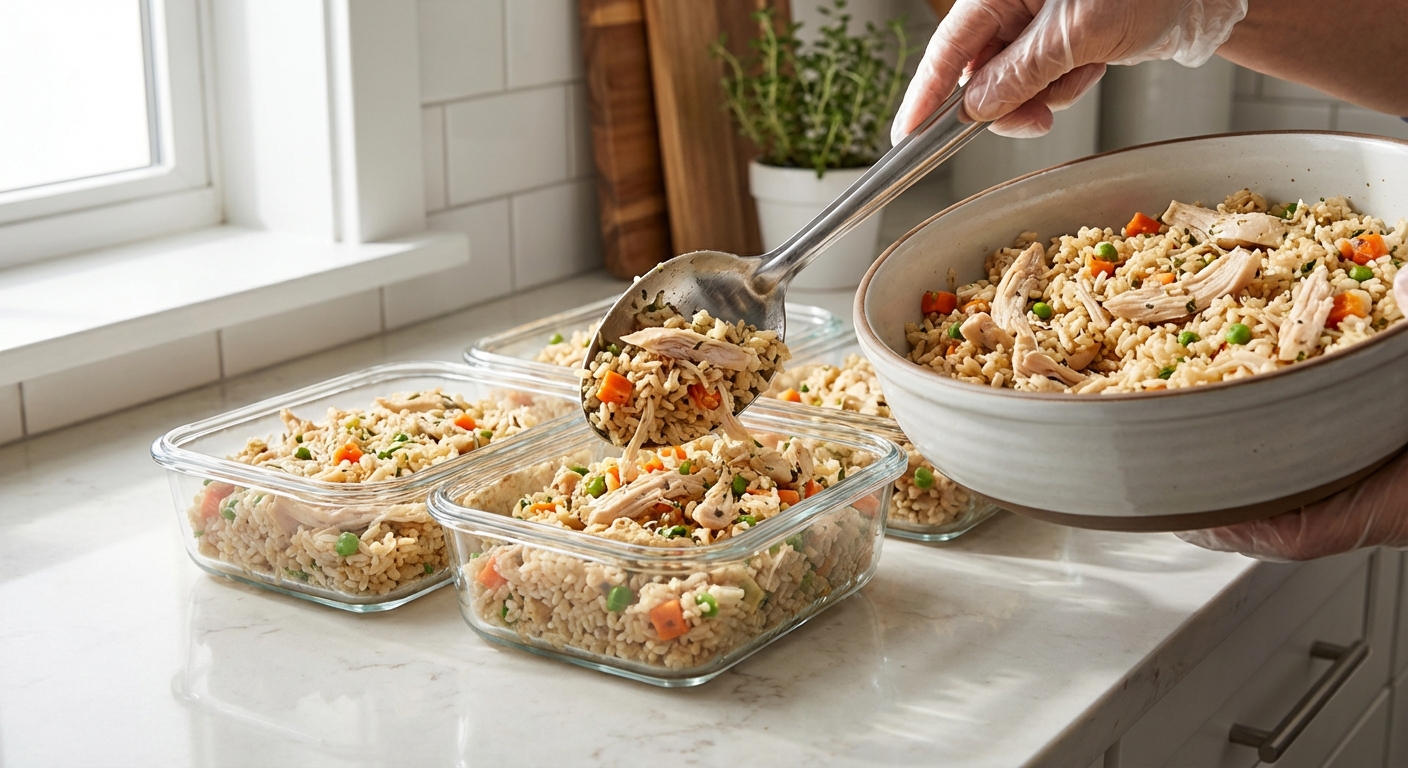
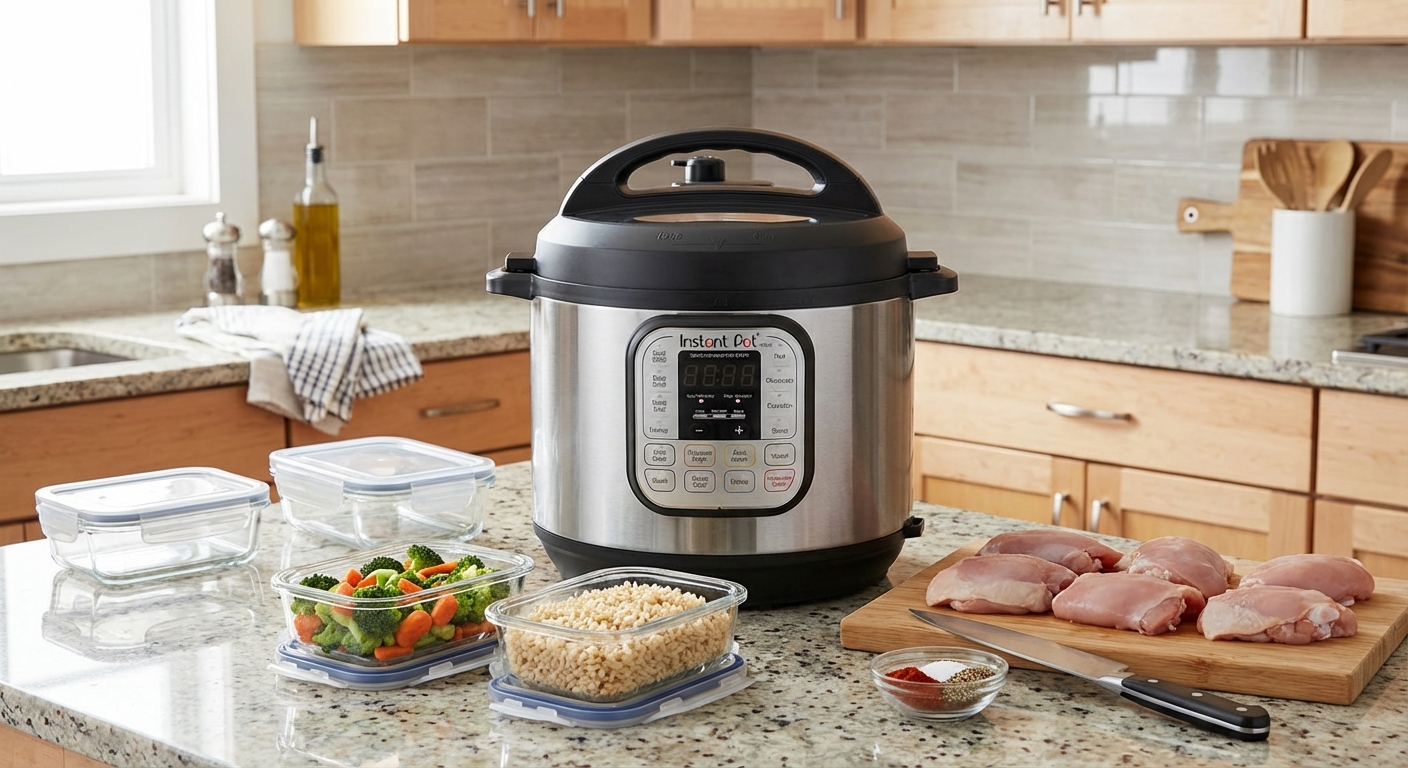
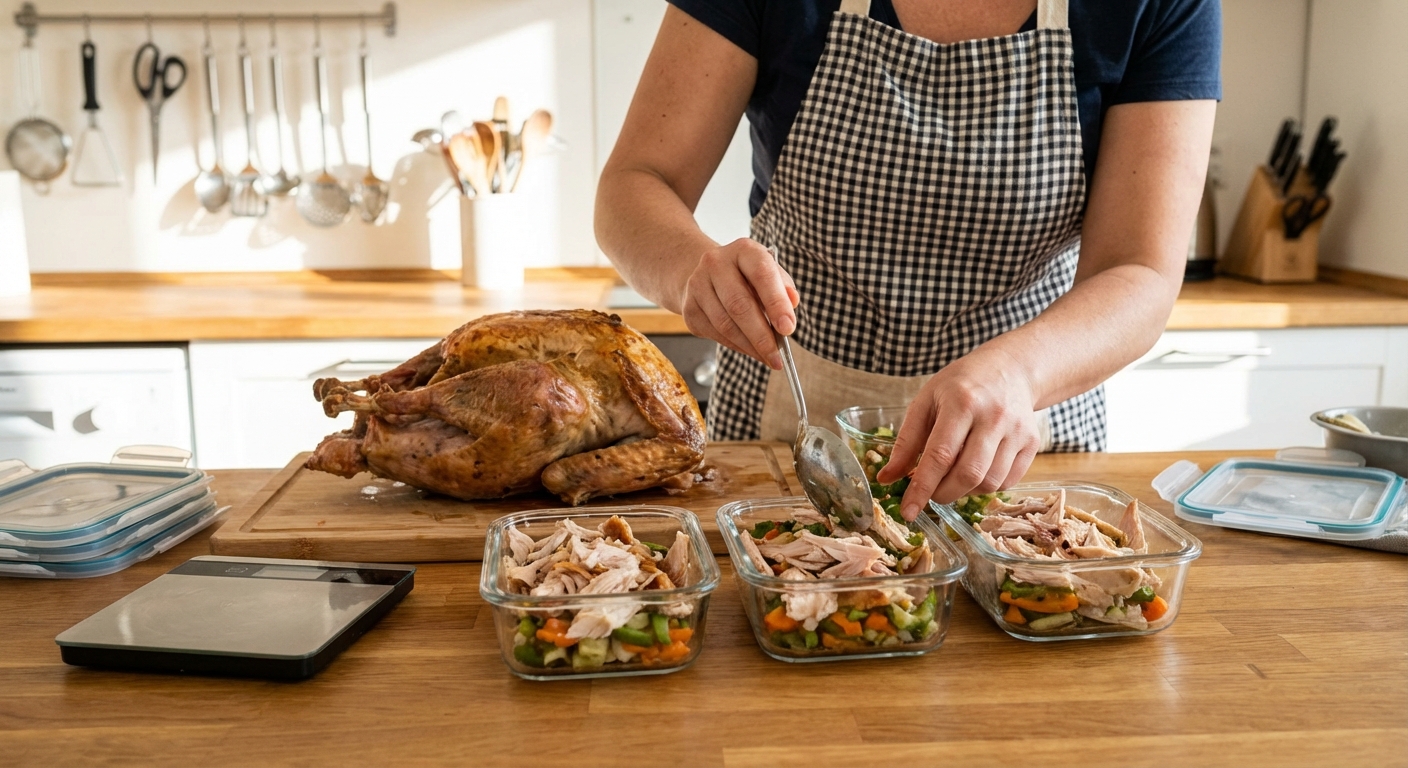
3) Batch cook for consistency
- Cook 2 to 3 days at a time if your cat is new to the diet.
- Once your cat is stable and eating well, you can prep 5 to 7 days and freeze portions.
4) Store safely
- Refrigerate promptly in shallow containers.
- Freeze single-meal portions to reduce waste and keep nutrients more stable.
- Thaw in the refrigerator, not on the counter.
5) Make meals enticing without fish
- Warm the food slightly. Many cats prefer it around body temperature.
- Add warm water for aroma and hydration.
- Use tiny amounts of low-iodine-friendly toppers your veterinarian approves, such as a spoonful of the same meat cooking juices.
What to monitor
Hyperthyroid cats can change quickly, especially once treatment starts working. Keep a simple notebook for:
- Weight: weekly weigh-ins are ideal.
- Appetite and thirst: note increases or decreases.
- Vomiting or diarrhea: track frequency and triggers.
- Energy and vocalization: many cats become calmer once controlled.
- Breathing and comfort: seek help fast if breathing seems labored.
Plan for recheck labs on the schedule your veterinarian recommends, often within a few weeks of a diet or medication change. This is especially important if your cat is on methimazole and you are also changing diet, because thyroid levels can shift and kidney values may change as control improves.
Common questions
Can I feed only chicken?
Chicken alone can trend lower in iodine than fish, but it is not a complete diet. Cats need taurine, calcium, vitamins, and fatty acids in the right amounts. A meat-only plan can cause serious deficiencies over time.
Is homemade better than a therapeutic diet?
Not automatically. Commercial therapeutic low-iodine diets are formulated to be complete and to meet a specific iodine target. Homemade can be wonderful, but only when it is formulated correctly, followed consistently, and monitored with recheck labs.
Do I have to stop treats?
If your cat is using iodine restriction to help control thyroid hormone, treats should be tightly controlled and approved by your veterinarian. Some extras may be fine, but others can interfere with control.
Takeaway
A low-iodine diet can be one helpful tool for managing feline hyperthyroidism, but it has to be done with care. If your vet agrees that a low-iodine approach fits your cat, focus on consistency, avoid seafood and kelp-based ingredients, and prioritize a recipe that is complete and balanced, not just “low iodine.”
If you would like, tell me your cat’s age, current diet, other diagnoses (like kidney disease), and whether you are using methimazole or considering I-131. I can help you make a list of vet questions and a safe transition plan.