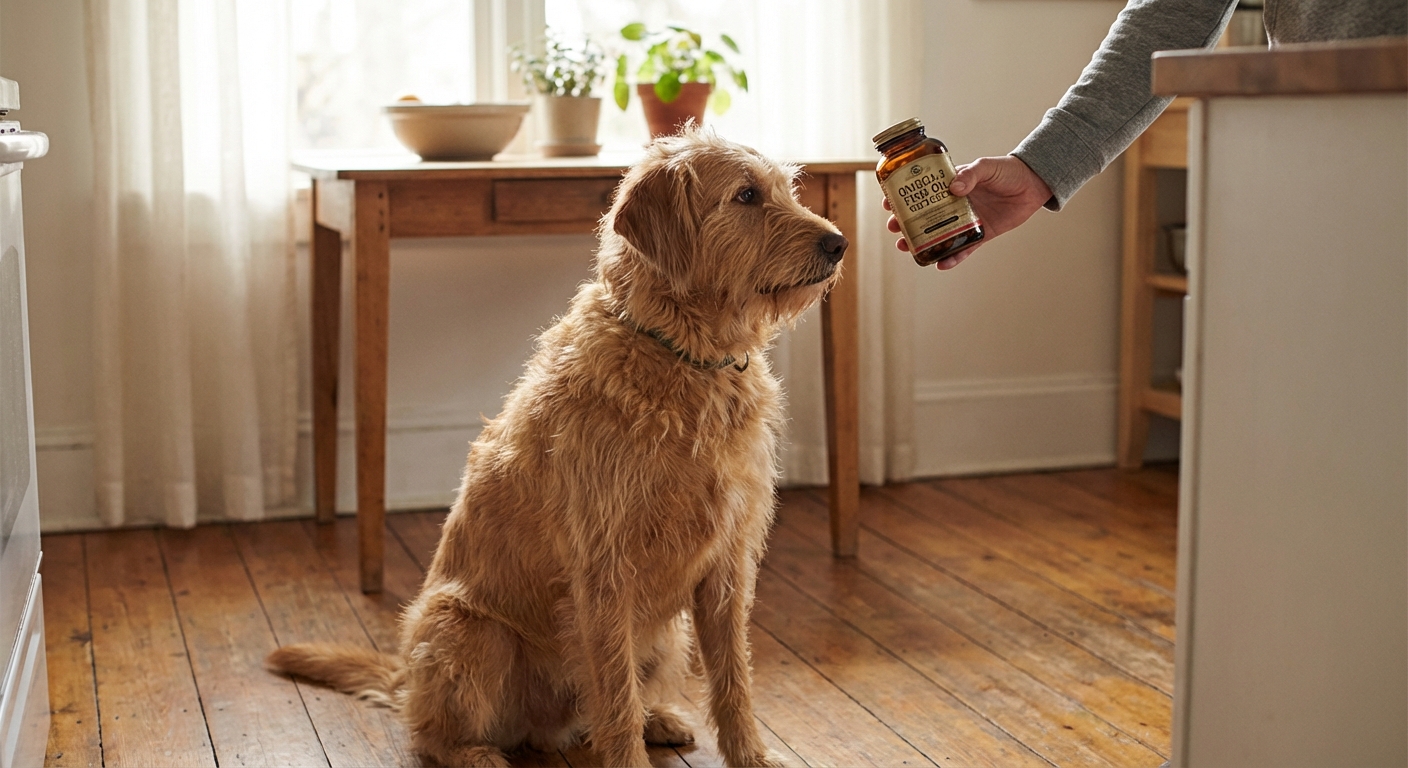
Make meals more tempting and nutritious with simple dog food toppers: bone broth, cooked eggs, sardines, pumpkin, and steamed veggies—plus portions, storag...
Article
•
Designer Mixes
Homemade Fish Dog Food for Skin Health

Shari Shidate
Designer Mixes contributor
If your dog is dealing with itchy skin, dandruff, a dull coat, or seasonal “scratchy” flare-ups, food is one of the most practical places to start. In my work as a veterinary assistant here in Frisco, Texas, I have seen how often skin concerns connect back to diet, especially when a dog is eating an unbalanced homemade diet, has trouble absorbing nutrients, or is reacting to a specific ingredient.
Fish can be a wonderful homemade option because it is naturally rich in omega-3 fatty acids, which may support the skin barrier and can help some dogs with inflammatory itch, especially as an add-on for allergic skin disease. The key is doing it safely, choosing the right fish, and balancing the overall diet so your dog gets complete nutrition over time.

Why fish can help skin
Healthy skin is not just “surface level.” Your dog’s skin barrier is a living organ that depends on fats, protein, vitamins, and minerals to stay resilient. When the barrier is weak, it is easier for allergens and irritants to trigger itching, redness, and secondary infections.
What fish brings to the bowl
- Omega-3s (EPA and DHA): These are the headline nutrients in fatty fish. They can help regulate inflammation and support skin barrier moisture. Results vary, and omega-3s work best as part of an overall allergy and skin plan, not as a solo fix.
- High-quality protein: Protein provides the building blocks for skin repair and coat growth.
- Micronutrients: Many fish provide selenium, B vitamins, and vitamin D, which play supporting roles in immune function and skin health.
Important note: Fish can support skin health, but it is not a cure-all. Dogs with persistent itching may have environmental allergies, parasites, infections, endocrine conditions, or food sensitivities that need veterinary diagnosis and treatment.
Best fish for homemade feeding
Not all fish are equal. For regular feeding, I recommend options that are nutrient-dense and generally lower in mercury.
Great options
- Salmon (cooked): Excellent omega-3 source. Wild and farmed differ in fat levels, so choose based on your dog’s needs. For dogs who need lower fat, consider trimming the skin and choosing a leaner cut.
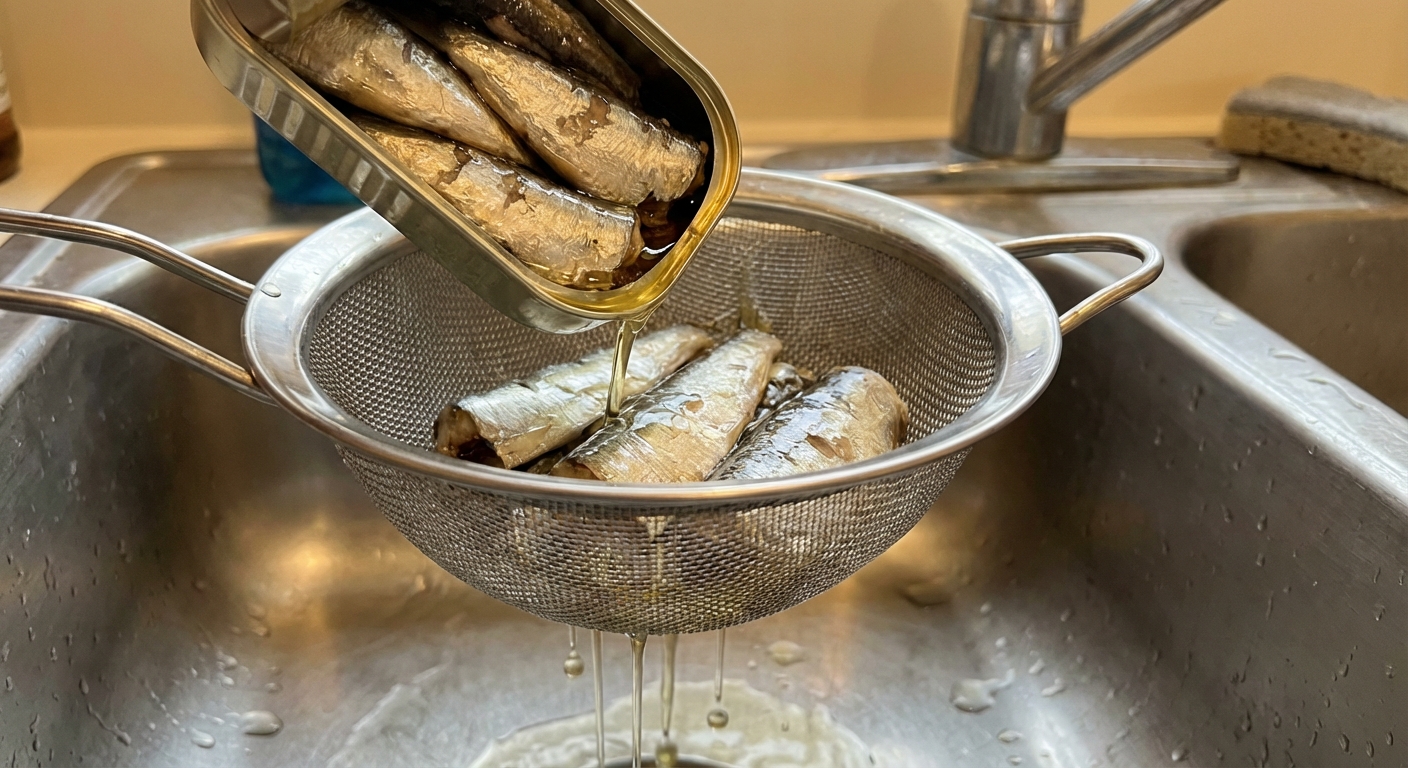
- Sardines (packed in water, no salt added): Small fish tend to be lower in mercury and high in omega-3s. Easy, budget-friendly option.
- Anchovies (water-packed, low sodium): Many anchovies are sold in oil and salt. Look for water-packed options or rinse well to reduce sodium.
- Pollock or cod (cooked): Leaner fish. Great for dogs who need lower fat, but you may need to add a controlled fat source if your overall diet is low in fat.
Use with more caution
- Tuna: Higher mercury risk. If you use it, make it occasional, not a staple.
- Smoked, cured, or heavily seasoned fish: Skip these. Too much sodium and often contains spices that do not belong in dog food.
A hard “no”
- Raw salmon or raw trout: Raw salmonids can carry parasites and bacteria that can cause serious illness. Salmon poisoning disease is a known risk in certain regions (especially the Pacific Northwest) when fish carry a specific organism via flukes. Freezing is not a reliable safety step. Thorough cooking is the safer choice.
- Cooked fish bones: Cooked bones can splinter and cause injury. Avoid them.
About canned sardine bones: The tiny bones in canned sardines are usually soft and often tolerated by many dogs, especially when mashed. Still, introduce slowly and supervise your individual dog.
Build a balanced fish meal
One of the biggest misconceptions about homemade dog food is that it has to be complicated. It does not. But if you are feeding homemade as more than an occasional topper, it needs to be complete and balanced for your dog’s life stage.
A simple structure
- Protein (fish): the foundation
- Cooked vegetables: for fiber and phytonutrients
- Carbohydrate (optional): for energy and gentle fiber support
- Healthy fat: sometimes fish provides enough, sometimes you add a small amount
- Calcium source: essential when feeding boneless meats or fish
Calcium is not optional. If you feed boneless fish (which most of us do), you must add a calcium source to help balance the calcium-to-phosphorus ratio.
Safe calcium options to ask your vet about: a veterinary-formulated calcium supplement or plain calcium carbonate. Some people use finely ground eggshell powder, but dosing matters and needs veterinary guidance. Too little calcium is harmful, and too much calcium is also harmful, especially for growing puppies (particularly large-breed puppies).
Veggies that support skin
- Sweet potato: gentle fiber and beta-carotene
- Carrots: beta-carotene
- Spinach or kale (in moderation): antioxidants and vitamin K support
- Zucchini: easy on digestion
Lightly cook or steam vegetables and chop or puree them. Dogs often do not break down raw plant cell walls as efficiently, so cooking can improve digestibility and nutrient access.
Two easy fish recipes
These are starter ideas and whole-food toppers. Unless a recipe is formulated to AAFCO standards (or made with guidance from your veterinarian or a board-certified veterinary nutritionist), it is not complete and balanced for long-term, full-time feeding.
Recipe 1: Gentle salmon bowl
Use as a topper or occasional meal only unless formulated.
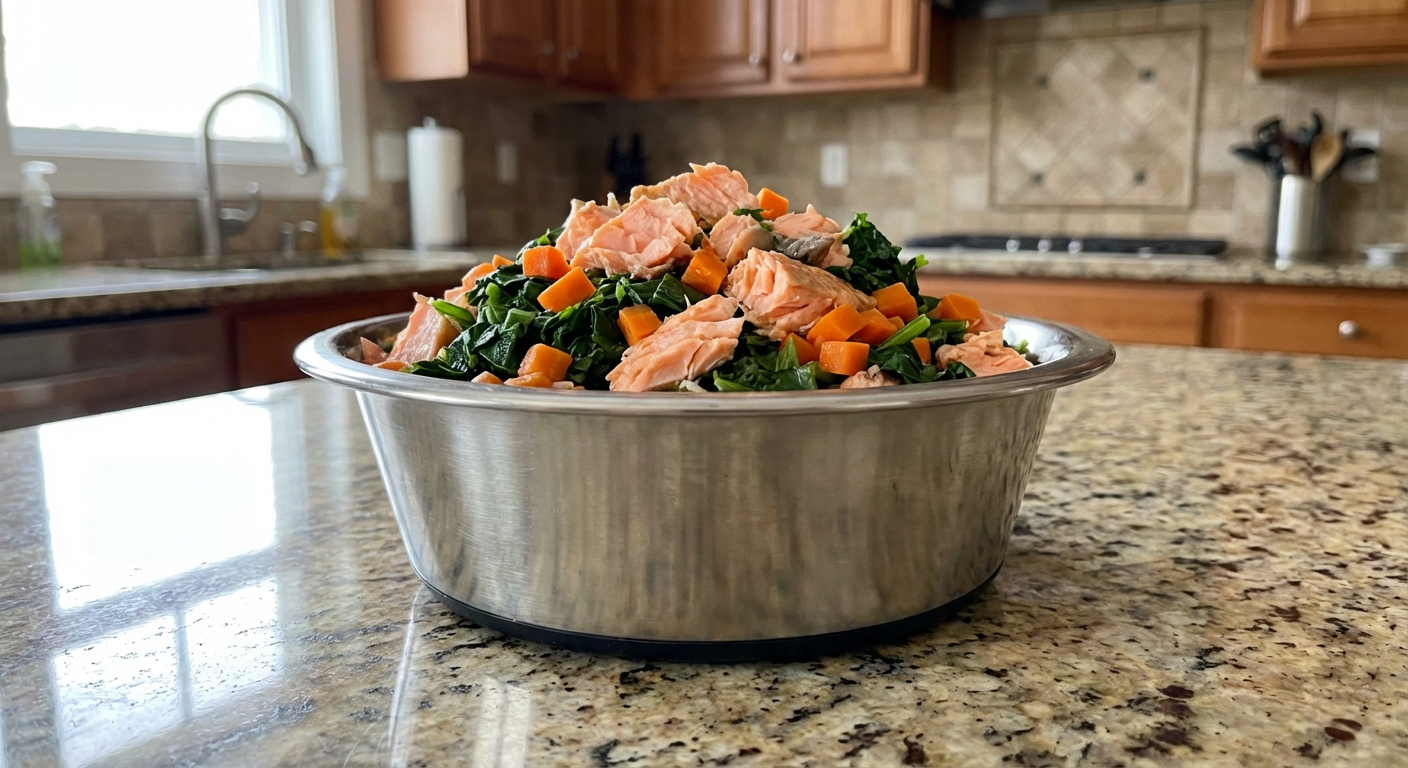
- Cooked salmon (baked or poached, no seasoning). For lower fat, remove skin and pour off any rendered fat.
- Steamed kale (finely chopped)
- Cooked carrots (diced or mashed)
- Cooked brown rice or quinoa (optional)
- Calcium source as directed by your vet or nutritionist
Tip: Poach salmon in plain water. Skip broths unless you are 100 percent sure they contain no onion, garlic, xylitol, or heavy sodium. Use a splash of the cooking liquid to moisten the bowl for picky eaters, then cool fully before serving.
Recipe 2: Sardine skin-support topper
- 1 to 2 spoonfuls of sardines in water (no salt added if available)
- Mashed pumpkin (plain canned pumpkin, not pie filling)
- Steamed zucchini (chopped small)
Mix and serve as a topper over your dog’s regular balanced food. This is a great “start slow” approach if you are nervous about changing too much at once.
How much fish to feed
The best amount depends on your dog’s size, calorie needs, medical history, and what else they eat. For safety, I like this simple rule for most healthy dogs:
- Keep toppers at 10 percent or less of daily calories unless your dog’s diet is specifically formulated for more.
In real-life terms, that is often a few bites for small dogs and a few spoonfuls for medium to large dogs, depending on the rest of the meal.
- As a topper: small amounts, several times per week.
- As a protein rotation: replacing another protein occasionally, especially for dogs who do better with novel or lighter proteins.
If your dog has a pancreatitis history, sensitive digestion, or needs a lower-fat diet, choose lean fish like cod or pollock and avoid salmon skin and added oils. Work with your veterinarian on fat levels.
If your dog has kidney disease, urinary issues, heart disease, or needs sodium or phosphorus management, get veterinary guidance before adding frequent fish meals. Some fish and many canned fish products can be higher in phosphorus and sodium.
Transition tips
Even healthy foods can cause stomach upset if you move too fast. I like a slow and gentle approach:
- Days 1 to 3: add a small spoonful of cooked fish to the current food
- Days 4 to 6: increase to a slightly larger portion if stools are normal
- Week 2: consider fish toppers a few times weekly, depending on your plan
Watch stool quality, itch levels, ear wax buildup, and overall energy. Those clues matter.
Safety notes
- Cook fish thoroughly. Aim for an internal temperature of 145 F (63 C), then cool before serving.
- Avoid raw fish. Beyond parasites, some raw fish can contain thiaminase (an enzyme that can contribute to vitamin B1 deficiency). Cooking reduces this risk.
- Keep it plain: avoid oils, butter, garlic, onion, spice blends, and salty sauces.
- Check for bones carefully, even in fillets. Avoid cooked bones that can splinter.
- Go easy on salt, especially with canned fish. Choose water-packed, no-salt-added when possible, and consider rinsing.
- Mercury matters: favor smaller fish like sardines and anchovies for frequent use.
- All dogs are individuals: if itching worsens after fish, stop and talk with your vet. Fish can be an allergen for some dogs.
When to call your vet
Homemade fish additions can support skin health beautifully, but please do not try to “food your way through” serious symptoms. Contact your veterinarian if you notice:
- Hot spots, open sores, or strong odor
- Recurring ear infections
- Hair loss or thickened, dark skin
- Persistent itching that disrupts sleep
- Vomiting, diarrhea, or sudden weight loss
Sometimes the fastest path to relief is a combined plan: medical treatment plus a smart nutrition upgrade.
Bottom line
Fish is one of my favorite whole foods for supporting skin and coat health because it brings natural omega-3s and high-quality protein to the bowl. Start simple, keep it plain, go slow, and keep toppers modest unless a full recipe is properly formulated. Even adding fish a few times a week as a small topper can be a meaningful step toward a healthier coat and a more comfortable dog.