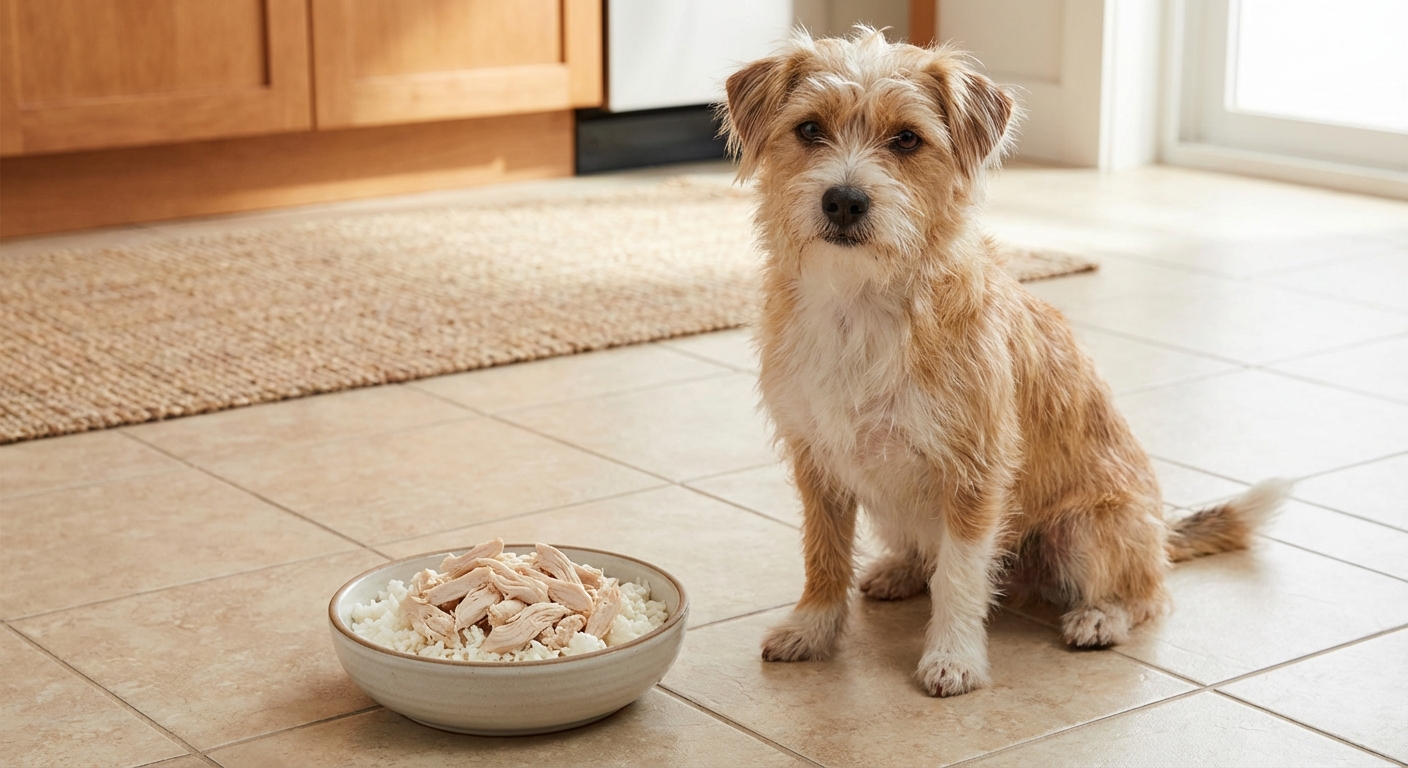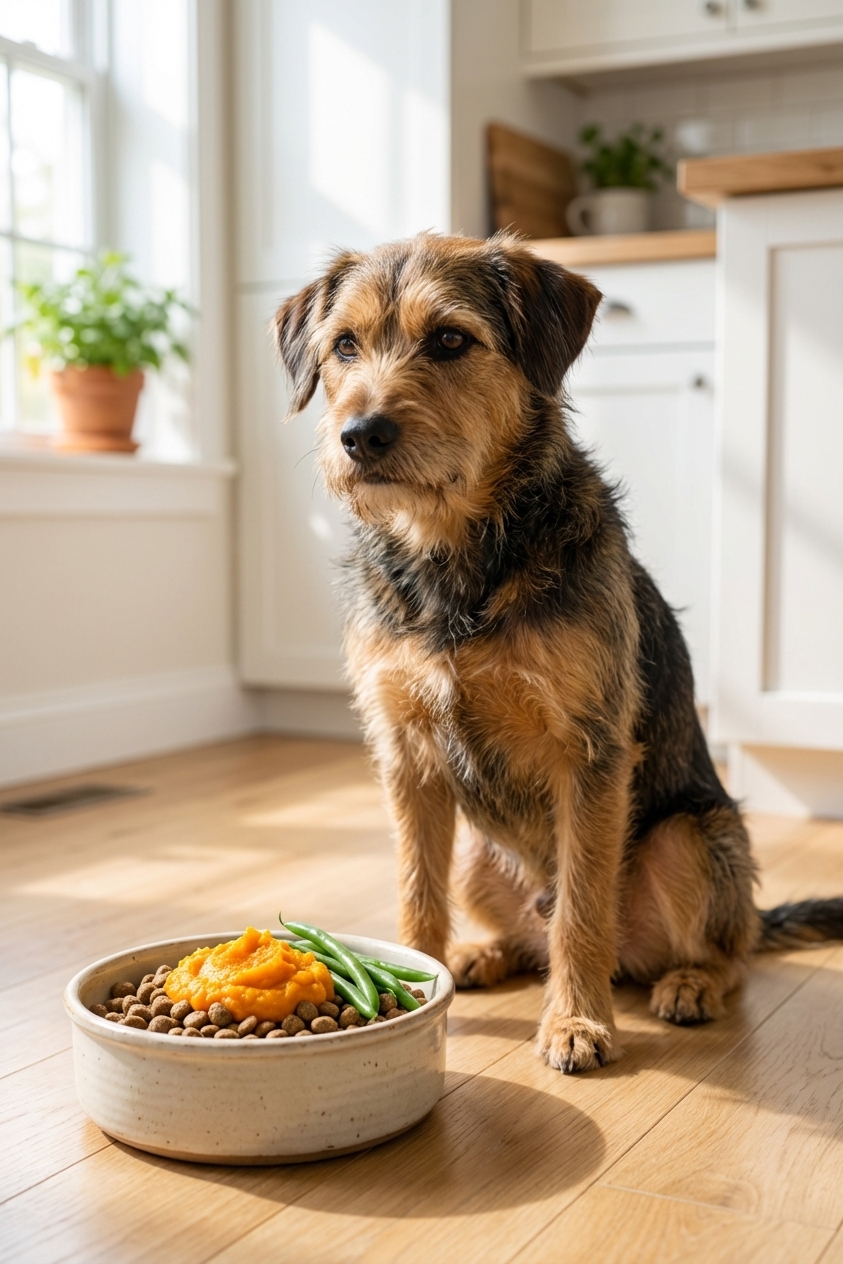
Make meals more tempting and nutritious with simple dog food toppers: bone broth, cooked eggs, sardines, pumpkin, and steamed veggies—plus portions, storag...
Article
•
Designer Mixes
Homemade Dog Food with Pumpkin Benefits

Shari Shidate
Designer Mixes contributor
If you have ever opened a can of plain pumpkin and watched your dog suddenly appear in the kitchen like magic, you are not alone. Pumpkin is one of my favorite whole-food add-ins because it is gentle, affordable, and genuinely useful for digestion. When used the right way, it can make homemade meals easier on sensitive stomachs and help you fine-tune stool quality during diet transitions.
That said, pumpkin is not a complete meal by itself. Think of it as a helpful supporting ingredient in a balanced homemade diet, not the main event. Below, I will walk you through practical benefits, safe serving tips, and simple meal ideas you can use right away.
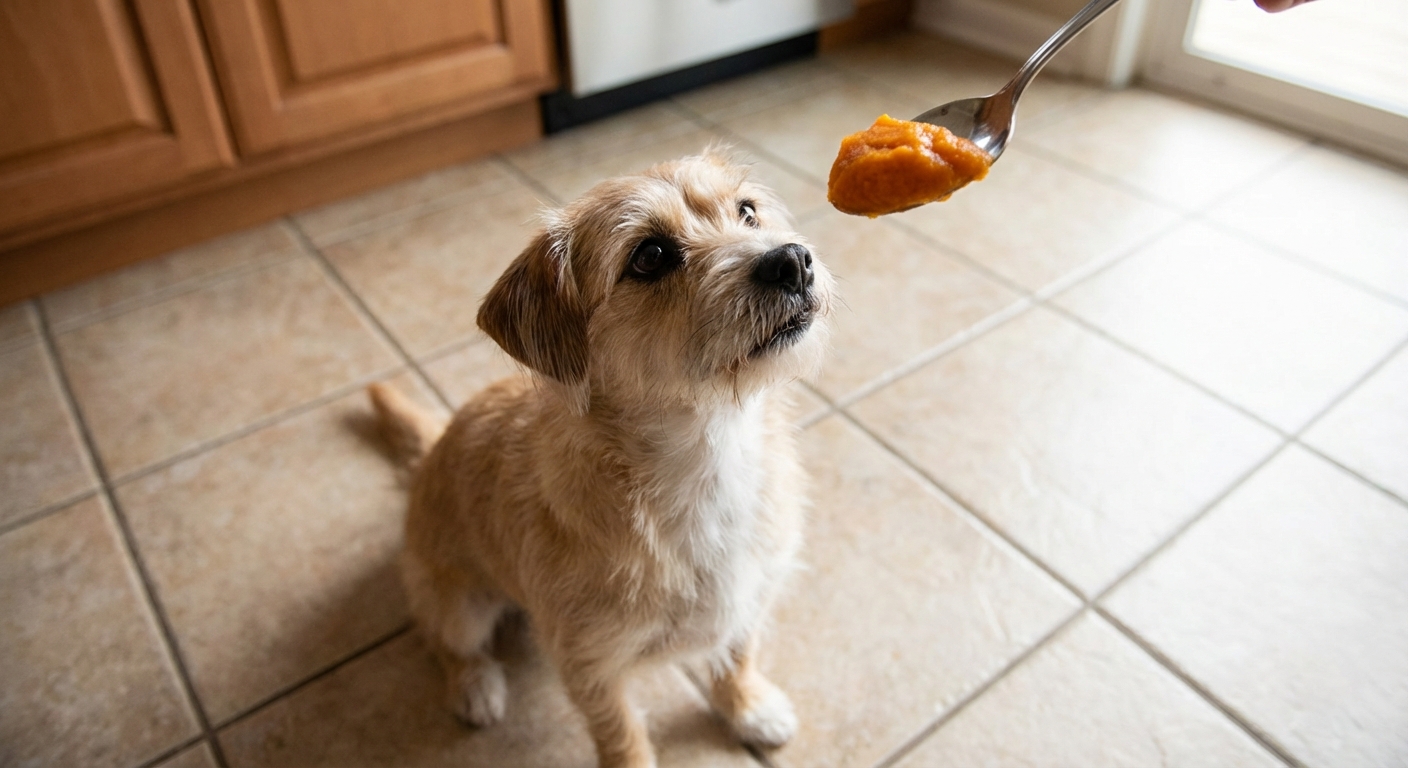
What pumpkin does for dogs
Plain pumpkin (the kind that is only pumpkin, not pie filling) is commonly used for digestive support. Its fiber and water content can help some dogs with mild, uncomplicated stool changes, especially during food transitions or routine disruptions. If your dog is sick, painful, or getting worse, skip the pumpkin and call your veterinarian.
1) Supports stool consistency
Pumpkin contains a mix of soluble and insoluble fiber. Soluble fiber can help hold water in the gut, which may help with loose stools. Insoluble fiber adds bulk and can help move things along when stools are too firm. In real life, I see pumpkin work best for mild issues, not severe diarrhea or ongoing constipation.
2) Helps with satiety
Because pumpkin is relatively low in calories and high in fiber and moisture, it can help some dogs feel fuller. This can be useful if your vet has recommended a calorie reduction plan, or you are swapping higher-calorie extras for something lighter.
3) Adds a few micronutrients
Pumpkin contributes beta-carotene (a precursor to vitamin A) and small amounts of potassium and vitamin E. These are supportive, but they do not replace the need for a properly balanced diet with adequate protein, calcium, essential fatty acids, and a vitamin and mineral plan.
References for a deeper dive: For vet-reviewed guidance on fiber and bland diet add-ins, see resources like VCA Hospitals and similar veterinary hospital education pages. You can also look to veterinary nutrition references such as the Merck Veterinary Manual for general diet and GI health overviews. If your dog is on a prescription diet, confirm any add-ins with your veterinarian.
Pumpkin safety basics
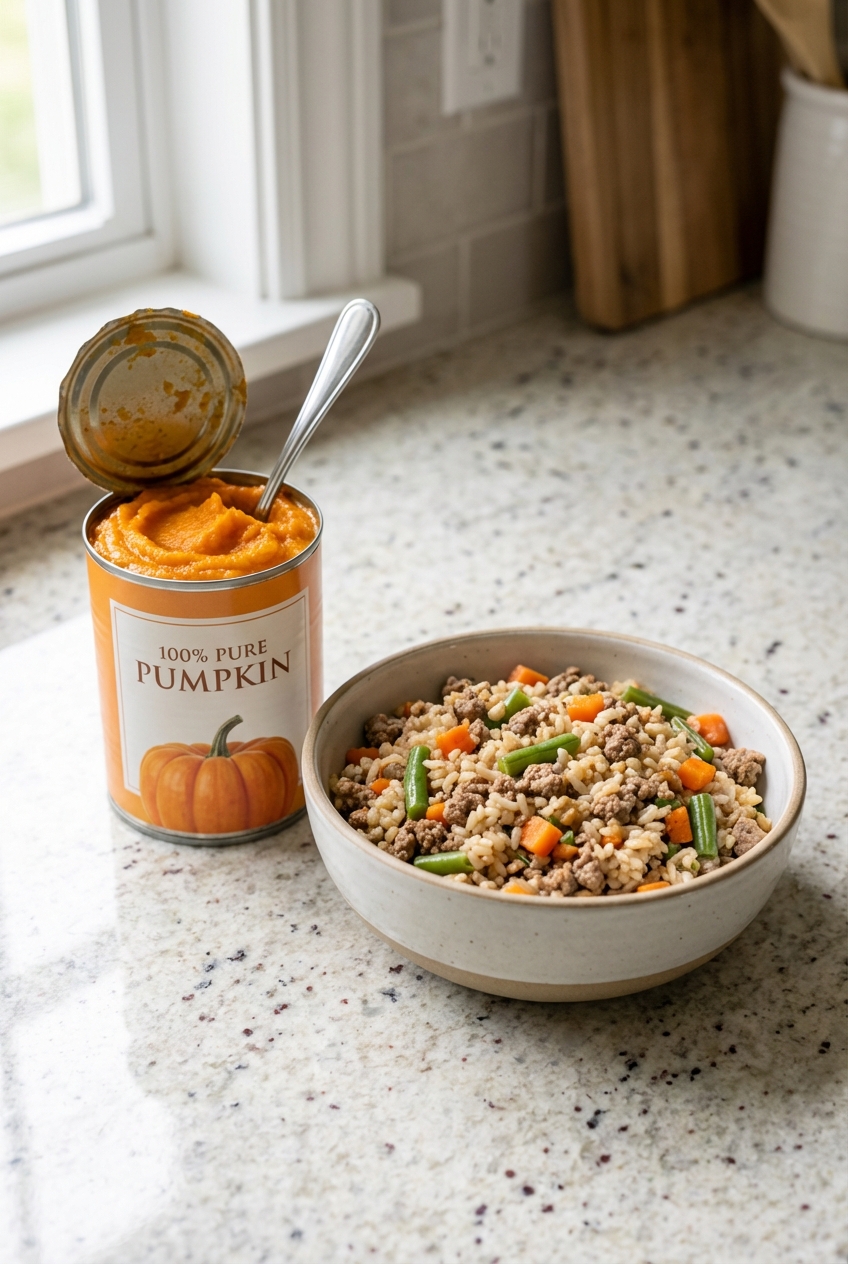
Buy the right pumpkin
- Choose: 100% pumpkin (canned) or cooked, mashed pumpkin with no seasoning.
- Labels can be confusing: Some brands say “pumpkin puree” but still contain only pumpkin. Flip the can and check the ingredients list. It should say pumpkin and nothing else.
- Avoid: pumpkin pie filling, sweetened pumpkin, and pumpkin with spices like nutmeg.
- Also avoid: any sweetened “pumpkin” products that could contain xylitol (sometimes labeled birch sugar). It is toxic to dogs.
Stick to plain flesh
Cooked plain pumpkin flesh or plain canned pumpkin is what you want. Skip roasted, salted, or spiced pumpkin. Do not use pumpkin seeds or seed products as a substitute for pumpkin puree.
Start small
Even healthy fiber can cause gas or softer stool if you add too much too fast. Start with a small amount and watch stool quality for 24 to 48 hours before increasing.
How much pumpkin should I give?
Every dog is different, and your dog’s full diet matters. Use this as general guidance, then adjust based on stool and your veterinarian’s advice.
- Weight-based starting point: about 1 teaspoon per 10 pounds of body weight per day.
- Typical daily range: 1 teaspoon to 4 tablespoons total, depending on dog size and tolerance.
Practical examples:
- 10 lb dog: start around 1 teaspoon per day
- 30 lb dog: start around 1 tablespoon per day
- 60 lb dog: start around 2 tablespoons per day
Keep it a small part of the diet: As a rule of thumb, pumpkin works best as a small add-in, not a large portion of daily calories. If you find yourself needing large amounts to get results, that is a sign to pause and talk with your vet about the bigger picture.
Storage
After opening a can, refrigerate it in a covered container. Use it within about 5 to 7 days, or freeze portions in an ice cube tray for easy serving.
When to call your vet
Pumpkin is not a “wait it out” tool if your dog has red-flag symptoms. Contact your veterinarian promptly for:
- Vomiting repeatedly or inability to keep water down
- Blood in stool, black tar-like stool, or significant mucus
- Lethargy, abdominal pain, or a bloated belly
- Diarrhea lasting more than 24 to 48 hours (sooner for puppies, toy breeds, seniors, or if there are signs of dehydration)
- Puppies, seniors, or dogs with chronic conditions (like pancreatitis, IBD, or kidney disease)
Constipation warning
If your dog is straining with little or no stool, seems painful, has a swollen belly, or is vomiting, do not add fiber and hope for the best. Those signs can overlap with obstruction or other urgent problems. Call your veterinarian.
Pumpkin in a balanced homemade diet
The biggest mistake I see is treating pumpkin as a main ingredient instead of a small add-in. A balanced homemade diet usually centers on:
- Protein: the foundation of the meal (chicken, turkey, beef, sardines, eggs, and more)
- Healthy fats: to support skin, coat, and energy (often with guidance for dogs prone to pancreatitis)
- Vegetables: lightly cooked or pureed for better digestibility
- Carbs: dogs can digest and use carbohydrates, and they can be helpful depending on the dog and the recipe (for energy, stool quality, and variety)
- Calcium source: essential when feeding homemade meals, especially if you are not feeding raw meaty bones
- Vitamin and mineral plan: often needed for long-term homemade feeding
Pumpkin fits best as part of the vegetable or fiber portion of the meal. It pairs beautifully with lean proteins and gentle carbs like rice or oats.
Easy meals with pumpkin
Important: The recipes below are simple “example meals” for short-term use, transition periods, or as inspiration. They are not complete and balanced for long-term feeding unless formulated with a veterinary nutritionist and paired with the right calcium and vitamin and mineral plan.
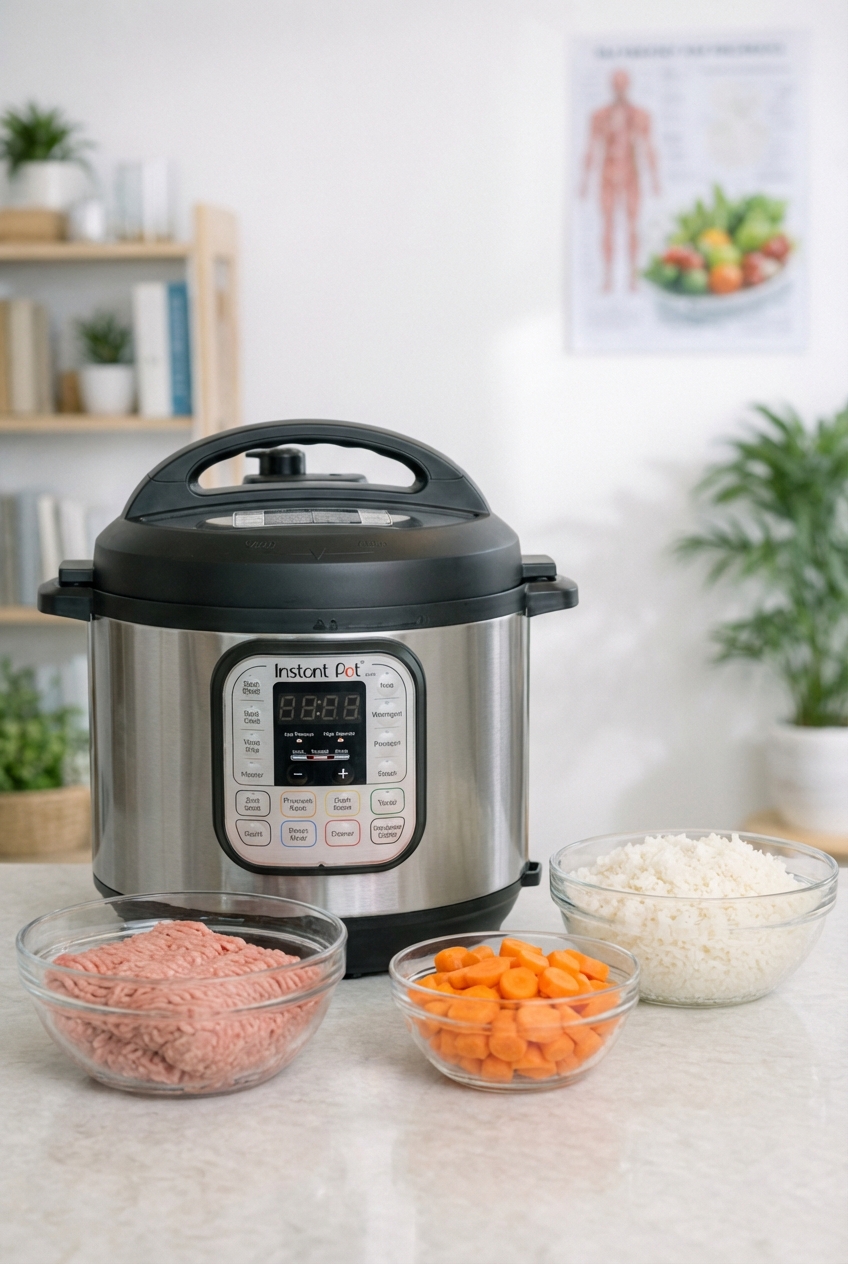
Recipe 1: Turkey, pumpkin, and rice bowl
- Cooked lean ground turkey
- Cooked white or brown rice
- Plain pumpkin puree (mixed in after cooking)
- Lightly steamed spinach or kale, chopped
Serving tip: Start with a small spoonful of pumpkin per meal and adjust based on stool quality.
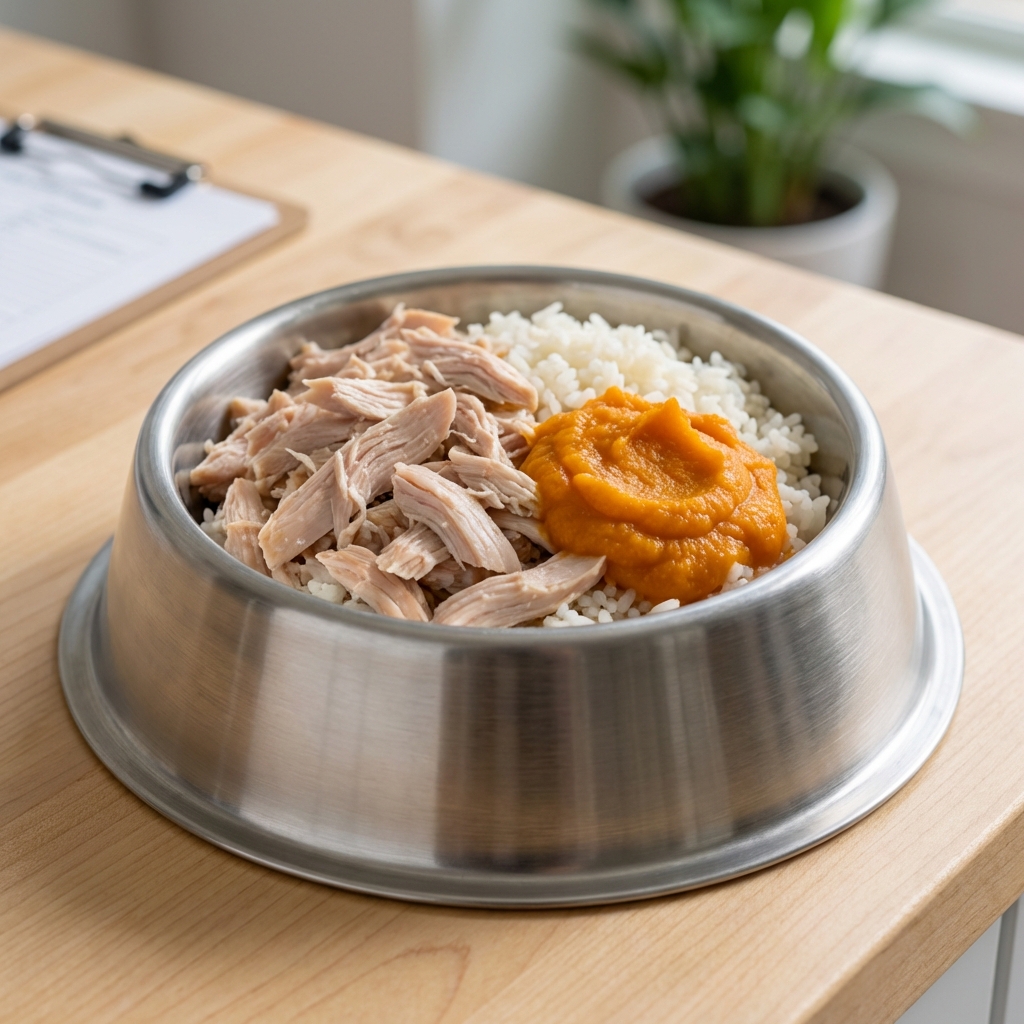
Recipe 2: Chicken, pumpkin, and carrot meal
- Boiled or baked chicken (no seasoning)
- Steamed carrots, mashed or finely chopped
- Plain pumpkin puree
- Optional: a small amount of chicken broth (no onion or garlic) to warm and moisten
Why it works: This is soft, simple, and usually well tolerated during transitions.
Recipe 3: Pumpkin topper for picky eaters
If your dog is skeptical about new foods, try using pumpkin as a topper first.
- Mix a small amount into the existing meal (start around 1 teaspoon per 10 pounds of body weight per day)
- Warm slightly to bring out aroma
- Increase homemade portions gradually over 7 to 14 days
Transitioning to homemade with pumpkin
If you are moving from commercial food to homemade, go slow. Pumpkin can help some dogs during transitions, but the most important factor is changing proportions gradually.
- Days 1 to 3: 25% homemade, 75% current diet
- Days 4 to 6: 50% homemade, 50% current diet
- Days 7 to 9: 75% homemade, 25% current diet
- Days 10 to 14: 100% homemade if your dog is doing well
Watch your dog’s energy, skin, coat, and especially stool. If stools get too soft, reduce the amount of new food and slow down. If stools get too firm, small increases in moisture and fiber can help.
FAQs
Can dogs eat raw pumpkin?
Small amounts may be tolerated, but most dogs digest cooked and pureed pumpkin more easily. For homemade meals, I prefer cooked or canned plain puree.
Is pumpkin good for anal gland issues?
Sometimes. Firmer, well-formed stools can help naturally express anal glands in some dogs, and fiber may help with stool quality. If your dog is scooting, licking, or seems painful, do not assume it is just glands. Your vet should check for infection, impaction, allergies, or parasites.
Can I use pumpkin every day?
Many healthy dogs can have small amounts daily, but it should not crowd out nutrient-dense foods like protein. If you need daily pumpkin to manage stool, that is a good reason to talk with your veterinarian about the underlying cause and the overall diet balance.
My best practical tips
- Keep it plain: 100% pumpkin only, no pie filling.
- Check labels: ingredients should list only pumpkin.
- Freeze in portions: spoon pumpkin into an ice cube tray, freeze, then store cubes in a bag for easy serving.
- Use it as a tool: pumpkin often helps mild digestive hiccups, but it is not a cure-all.
- Balance matters: for long-term homemade feeding, work with your veterinarian or a veterinary nutritionist to ensure complete nutrition.
If you are adding pumpkin to a dog with medical issues, a puppy, or a dog on a prescription diet, use these ranges as a starting point and confirm the plan with your veterinarian.