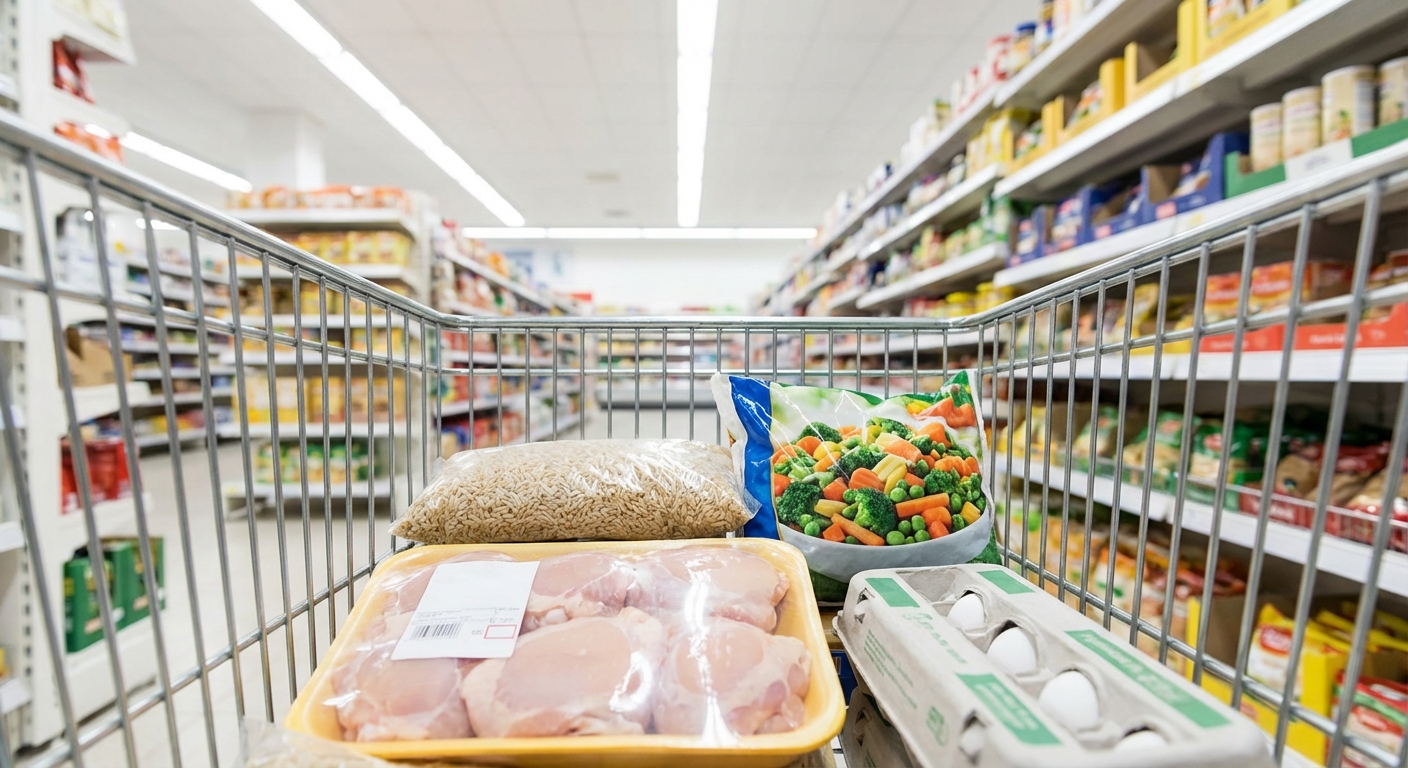
Build affordable homemade dog meals with a simple formula and a budget shopping list of proteins, organ meats, frozen veggies, grains, healthy fats, and the ...
Article
•
Designer Mixes
Homemade Dog Food with Organ Meats Done Right

Shari Shidate
Designer Mixes contributor
Organ meats can be one of the most powerful upgrades you can make to a homemade dog food plan when they are used thoughtfully. In the veterinary world, we often call organs “nature’s multivitamin” because they pack nutrients that are harder to get from plain muscle meat alone. The goal is not to feed a bowl of liver. The goal is to use small, consistent amounts of the right organs to support long-term health.
In this article, I’ll walk you through what organ meats do, how much to use, how to choose and prepare them safely, and simple ways to add them to your dog’s meals without upsetting their stomach.

What counts as an organ meat?
People use “organ meat” as a catch-all term, but it helps to split organs into two groups because they are used differently in balanced diets.
1) Secreting organs
These are the nutrient-dense organs that act like a vitamin and mineral concentrate. They are the ones you want to measure carefully.
- Liver (beef, chicken, turkey, lamb, pork): high in vitamin A, several B vitamins, iron, copper
- Kidney: rich in B vitamins, selenium, and other trace minerals
- Spleen: can be high in iron and other minerals
- Pancreas: a secreting organ sometimes used in rotation
2) Muscle organs
These are nutritionally valuable, but they behave more like muscle meat in the diet.
- Heart: lean protein, CoQ10, and a good natural source of taurine
- Gizzards (poultry): tough, chewy muscle, great for protein variety
- Tongue: muscle meat, often higher in fat
Quick note: “Tripe” is stomach tissue (usually from cows). Green tripe (unbleached) is the one most dog people mean. It is not a secreting organ like liver, but it can be a helpful add-in for picky eaters. Some people also use it for “digestive support,” but evidence in dogs is limited, so I treat it as a palatability and variety tool rather than a must-have.
Why organs help (and when they cause problems)
When used in the right amounts, organ meats can improve diet quality fast. Many dogs show benefits like better energy, improved coat, and more consistent stool.
Benefits you can realistically expect
- Better micronutrient coverage in homemade diets, especially for vitamin A, B vitamins, iron, copper, selenium, and zinc
- Support for skin and coat through nutrients involved in cell turnover and immune function
- Appetite boost for some dogs, because organs are naturally aromatic and palatable
Common “too much organ” issues
- Loose stool or urgent bowel movements, especially with liver
- Vitamin A excess risk if liver is fed too frequently or in large amounts over time (this is typically a chronic overfeeding issue)
- Mineral imbalance if organs replace the core of the diet instead of being a measured portion
Organ meats are powerful. In homemade feeding, “powerful” always means “measure it.”
Complete and balanced reminder
One important note before we talk numbers: organ meat can help fill nutrient gaps, but it does not make a homemade diet automatically “complete and balanced.” Dogs still need the right overall calories, protein, fatty acids, and a correct calcium to phosphorus balance, plus vitamins and minerals that often require a formulated recipe or targeted supplementation.
If your goal is an AAFCO or FEDIAF-aligned diet, the safest path is to follow a recipe formulated by a veterinary nutritionist (DACVN or ECVCN) or a recipe that is explicitly designed to meet those nutrient standards.
How much organ meat should dogs get?
A commonly used guideline in raw and cooked homemade feeding circles is:
- About 5% liver of the total diet
- About 5% other secreting organ (kidney, spleen, pancreas)
That means around 10% secreting organs total. Heart can be used as part of your protein portion (it is not counted in that 10% the same way liver and kidney are).
Important context: This ratio is a starting point for many homemade models, not a guarantee that a diet meets AAFCO or FEDIAF requirements. Nutrient levels also vary by species and by organ (for example, vitamin A content in liver can differ between animals).
Easy math (weekly approach)
Many families find it easier to balance organs over a week rather than stressing over every single bowl.
- If your dog eats 10 pounds of food per week, aim for about 0.5 lb liver and 0.5 lb other secreting organ per week.
- If your dog eats 5 pounds per week, aim for about 0.25 lb liver and 0.25 lb other secreting organ per week.
Important: Puppies, seniors, and dogs with health conditions (especially liver disease, kidney disease, pancreatitis, copper-associated liver issues, or a history of bladder stones) should have organ amounts tailored with your veterinarian or a veterinary nutritionist.
Choosing organs safely
Organs have specialized jobs in the body and can be very nutrient-dense, so quality and handling matter. The goal is clean sourcing and good storage, not fear about “toxins.”
What to look for
- Human-grade sources when possible (reputable butcher, grocery store, trusted farm co-op)
- Fresh smell and color: organs should smell “meaty,” not sour or chemical
- Clear labeling: you should know the species (beef, chicken, lamb) and the organ type
What to avoid
- Organs with an off odor, slimy texture beyond normal, or questionable storage history
- Seasoned organ products (salt, onion, garlic, spice blends), since seasoning blends can be unsafe
- Very fatty organ mixes for dogs prone to pancreatitis
Cooked or raw? Both can work.
Families ask me this all the time. The honest answer is that both cooked and raw organ meats can be used, but your comfort level and your dog’s medical history matter.
If you choose cooked
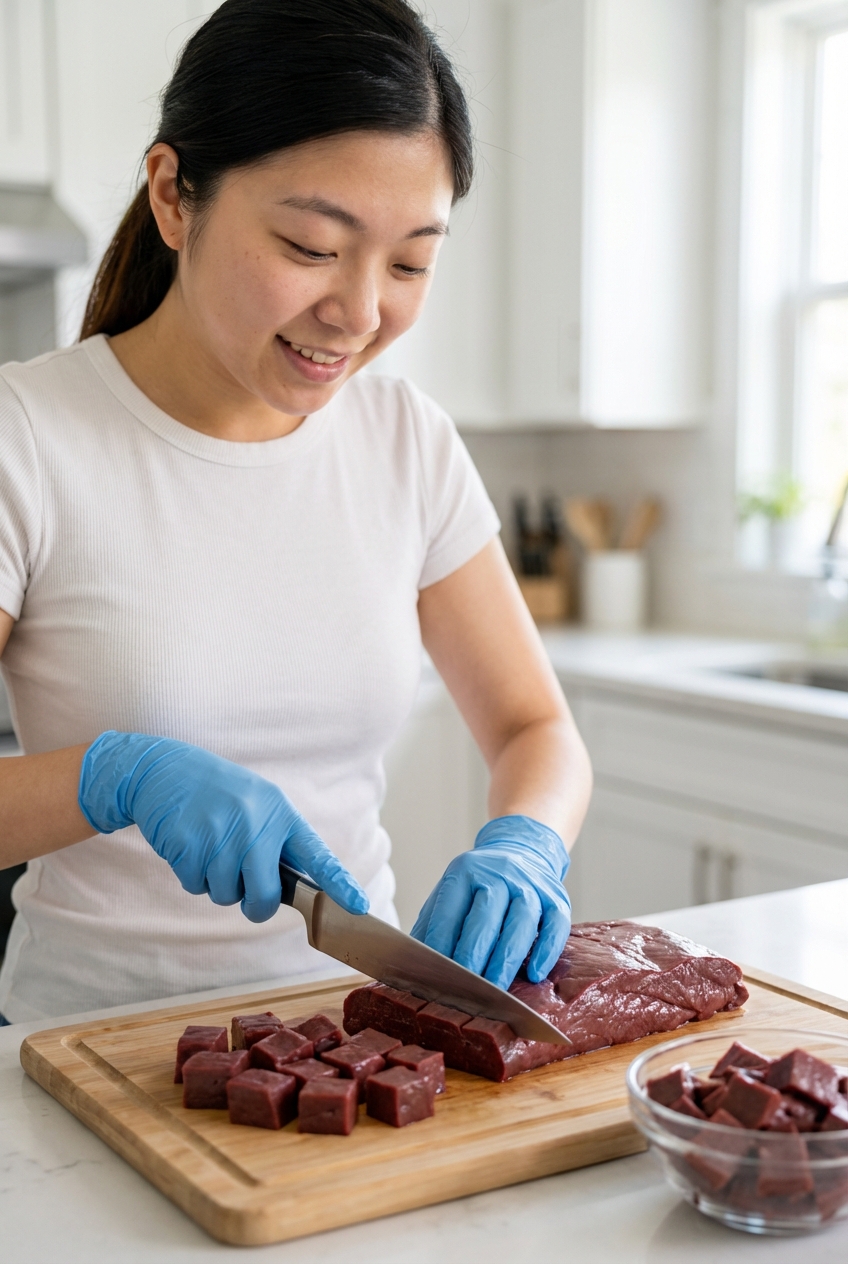
- Lightly cook (gentle sauté, simmer, bake) to reduce pathogen risk
- Do not add onions, chives, or heavy salt
- Save the cooking juices and mix a spoonful into meals for picky eaters
If you choose raw
- Use only high-quality sourcing and excellent hygiene
- Consider extra caution in households with young kids, elderly adults, pregnant people, or immunocompromised family members
- Discuss raw feeding with your veterinarian if your dog is on immune-suppressing medication or has chronic GI disease
Storage basics
- Refrigerate and use within 1 to 2 days when possible
- Freeze meal-sized portions if you will not use them quickly
- Thaw in the refrigerator, not on the counter
- Wash hands and sanitize surfaces after prep
How to add organs without tummy trouble
Organ meats are rich. Even dogs with “iron stomachs” can get loose stool if you jump in too fast.
Gentle transition plan
- Start with tiny amounts, like a pea-sized portion of liver mixed into a full meal
- Increase every few days as long as stools stay formed
- Rotate organs rather than feeding large liver portions all at once
Tip for sensitive dogs
Many sensitive dogs do better with more frequent, smaller organ servings (for example, 4 times per week) instead of one big “organ day.”
Simple ways to use organs
You do not need complicated recipes. You just need consistency and balance.
Option 1: Mini organ “ice cubes”
Blend liver with a little water or unsalted broth, pour into a silicone tray, freeze, then pop one cube into meals as needed. This is a lifesaver for portion control.
Option 2: Pan-seared liver crumbles
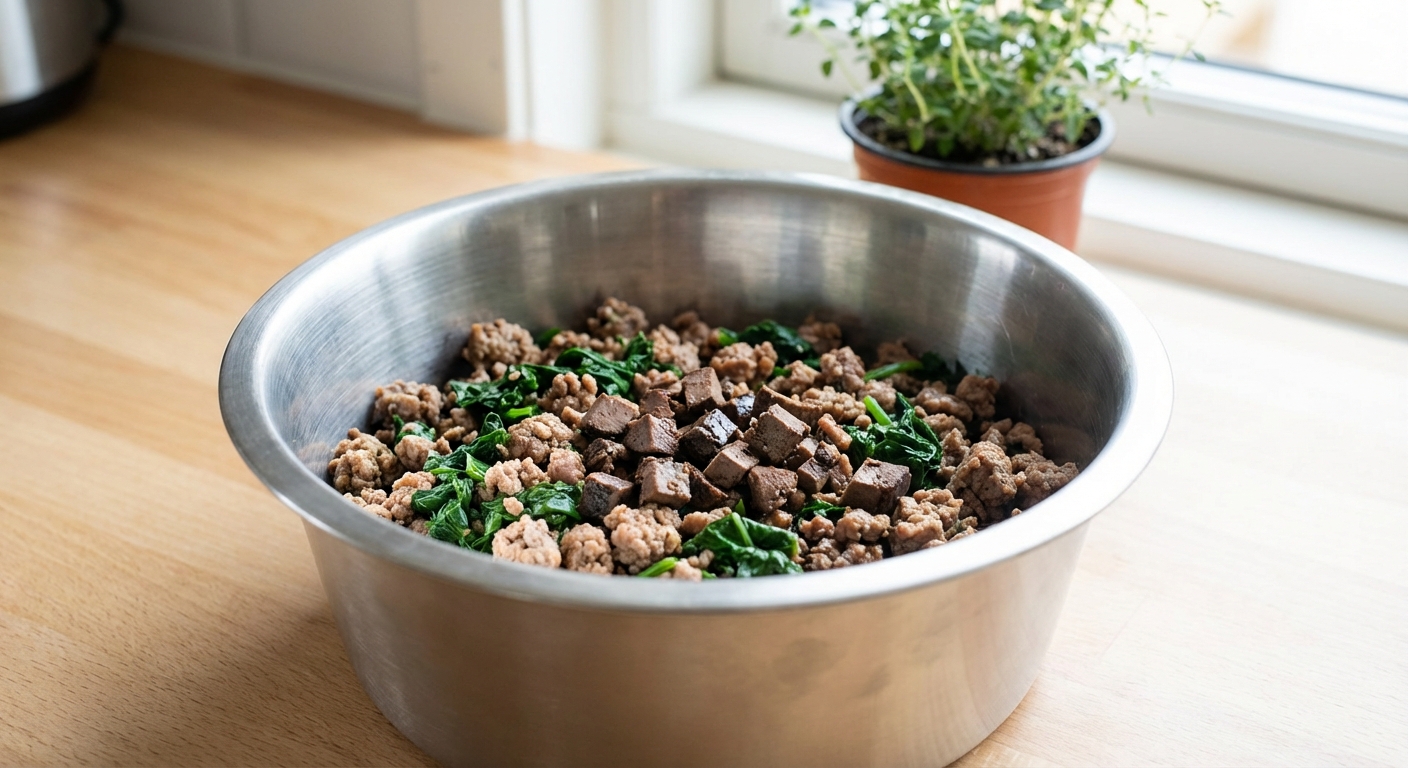
Lightly cook liver, chop finely, and mix a small amount into your dog’s protein and veggie base. Freeze in small baggies so you can grab and go.
Option 3: Heart as a protein rotation
Use diced beef heart or turkey heart as part of the protein portion once or twice a week. It is lean, affordable, and many dogs love it.
Common questions I hear in clinic
Is liver really necessary?
In many homemade diets, liver is the easiest whole-food way to cover certain vitamins and minerals, especially vitamin A and copper. If you skip liver entirely, you usually need a well-formulated supplement plan to fill gaps.
What if my dog refuses organ meats?
Try tiny amounts mixed into a favorite food, lightly cooked for a milder smell, or the frozen “organ cube” method. Sometimes it is just a texture issue.
Can I use organ meat treats instead?
Freeze-dried liver treats are convenient, but they can make it easy to accidentally overdo liver. Treats can contribute, but for long-term balance, measured food portions are more reliable.
When to talk to your vet first
Homemade feeding is absolutely doable, but it should always be individualized. Please get veterinary guidance before adding organs if your dog has:
- Kidney disease or elevated kidney values
- Liver disease or elevated liver enzymes
- Pancreatitis history or needs a low-fat diet
- Recurring bladder stones
- Diagnosed food allergies that limit protein choices
- A growth-stage puppy diet (nutrient balance matters a lot here)
If you want the safest path, consider a consult with a board-certified veterinary nutritionist (DACVN) who can formulate a complete recipe for your dog’s weight, age, and health goals.
Bottom line
Organ meats can be one of the best “small changes” you make in homemade dog food. Keep it simple: choose high-quality organs, measure them, introduce them slowly, and aim for balance over time. If your dog has medical concerns, partner with your vet so you can feel confident that “homemade” also means “complete and safe.”