Learn a simple Instant Pot batch method for homemade dog food: protein, carbs, veggies, and the must-have calcium and micronutrients. Includes portioning, st...
Article
•
Designer Mixes
Homemade Dog Food With Lean Turkey

Shari Shidate
Designer Mixes contributor
If you are ready to add more real, human-grade food to your dog’s bowl, lean turkey is one of the easiest places to start. It is widely available, usually gentle on the stomach, and it pairs well with simple carbs and cooked vegetables. You can begin slowly with a 25% homemade mix and work up from there. Even a 50/50 approach can make a meaningful difference in energy, stool quality, and overall vitality.
Why lean turkey is a smart protein
Turkey is a high-quality animal protein that provides essential amino acids to support muscle, immune function, and healthy skin and coat. Choosing lean turkey helps you manage calories and fat, which is especially helpful for dogs that gain weight easily or have a history of pancreatitis. Many dogs also find turkey highly palatable, which is a win for picky eaters.
Evidence-based note: when you cook at home, the biggest nutritional risk is not the turkey. It is missing vitamins and minerals over time if meals are not balanced. A complete and balanced diet matters most for long-term feeding, especially for puppies, pregnant dogs, and seniors.
Before you start
- Talk with your veterinarian before major diet changes, particularly if your dog has kidney disease, pancreatitis, food allergies, bladder stones, diabetes, or GI disease.
- Cook the turkey thoroughly to reduce foodborne pathogen risk. Avoid feeding cooked bones.
- Avoid toxic add-ins: no onions, chives, grapes, raisins, macadamia nuts, or xylitol.
- Go easy on salt and seasonings. Dogs do not need spicy or salty food.
- Calcium is not optional. Plain meat and rice are low in calcium. For more than occasional meals, you typically need a veterinarian-approved calcium source or a complete canine vitamin-mineral mix.
- Note on spinach: spinach is higher in oxalates, so feed it in moderation. If your dog has a history of calcium oxalate bladder stones, skip spinach and stick with lower-oxalate options like green beans, zucchini, or carrots.
Simple lean turkey base recipe
This is a gentle, approachable starter batch you can adjust with different vegetables and carbs. For many healthy adult dogs, a practical homemade bowl follows this rough pattern: protein as the foundation, plus cooked vegetables, plus an easy-to-digest carb, plus a healthy fat. Then you balance the micronutrients with a supplement plan.
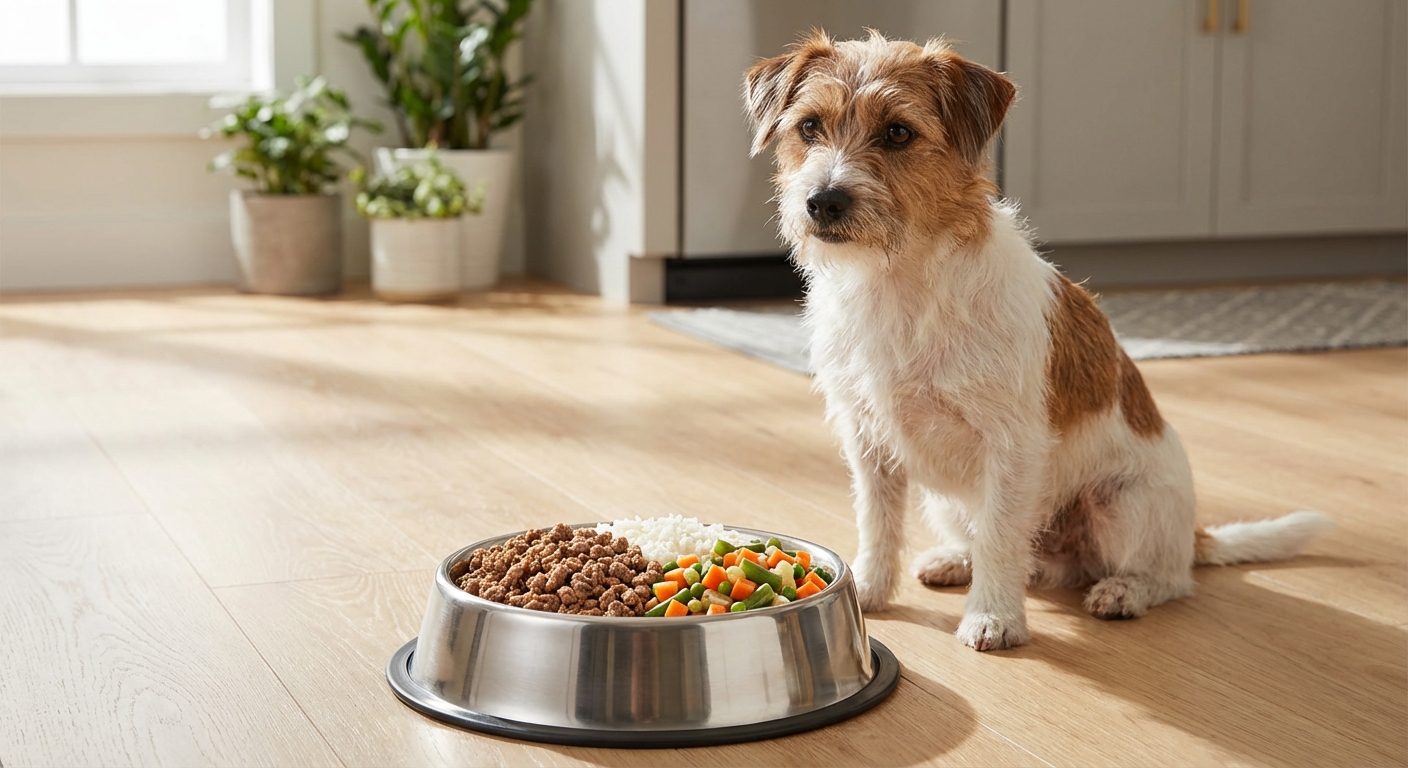
Quick ratios (by volume)
- 50% protein (cooked lean turkey)
- 25% cooked carb (rice, quinoa, sweet potato)
- 25% cooked vegetables (green beans, carrots, zucchini, broccoli)
These ratios are a helpful starting point for a topper or partial homemade plan. If you are feeding homemade as the primary diet long term, use a complete and balanced recipe formulated for your dog.
Sample batch (makes about 8 to 10 cups)
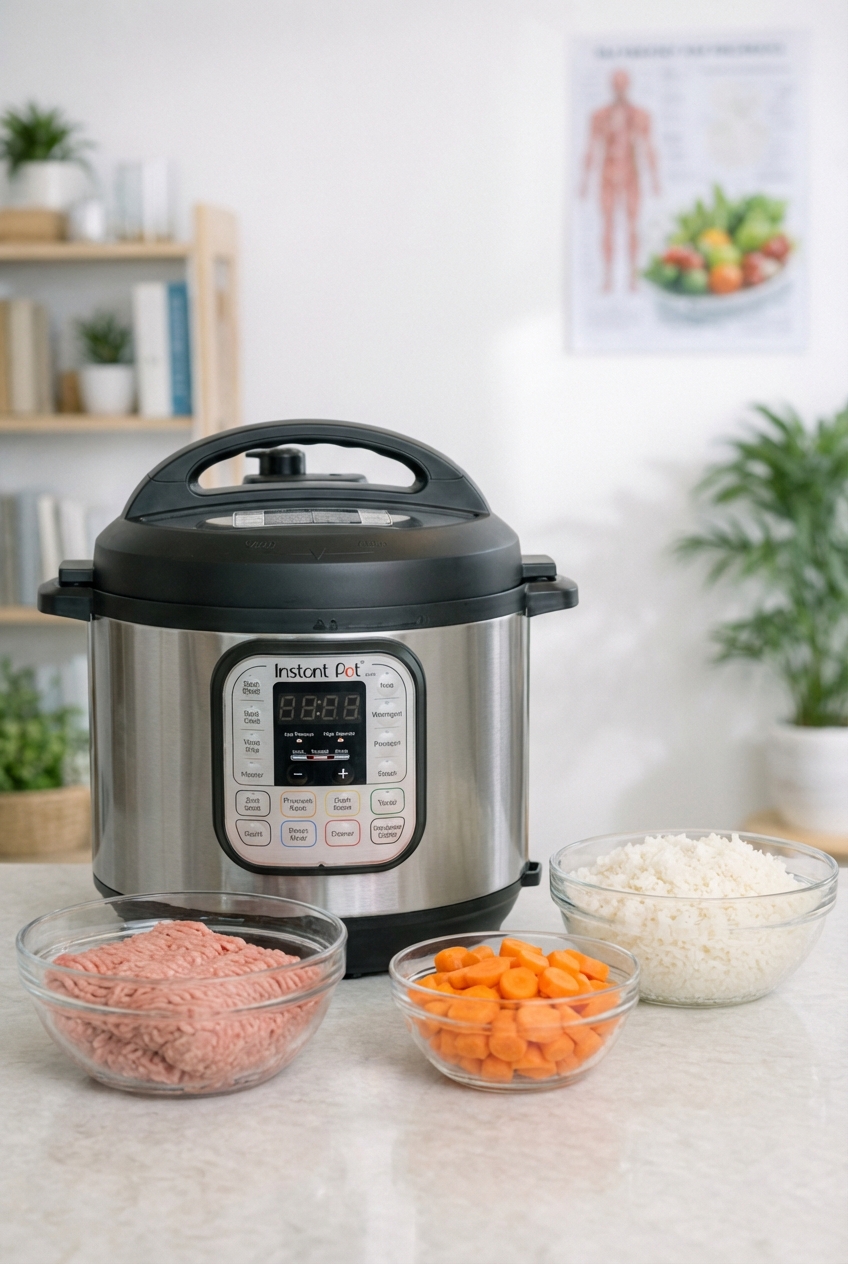
- 2 lb lean ground turkey (93% lean or leaner)
- 3 cups cooked white rice (or cooked quinoa), loosely packed
- 3 cups cooked mixed vegetables (for example: 1 cup carrots + 1 cup green beans + 1 cup zucchini)
- 1 to 2 tsp salmon oil or 1 tsp olive oil per day of feeding, split between meals (optional but helpful)
- Calcium and micronutrient support: use a veterinarian-recommended calcium source and a canine vitamin-mineral balancer if this will be fed as a primary diet
How to make it
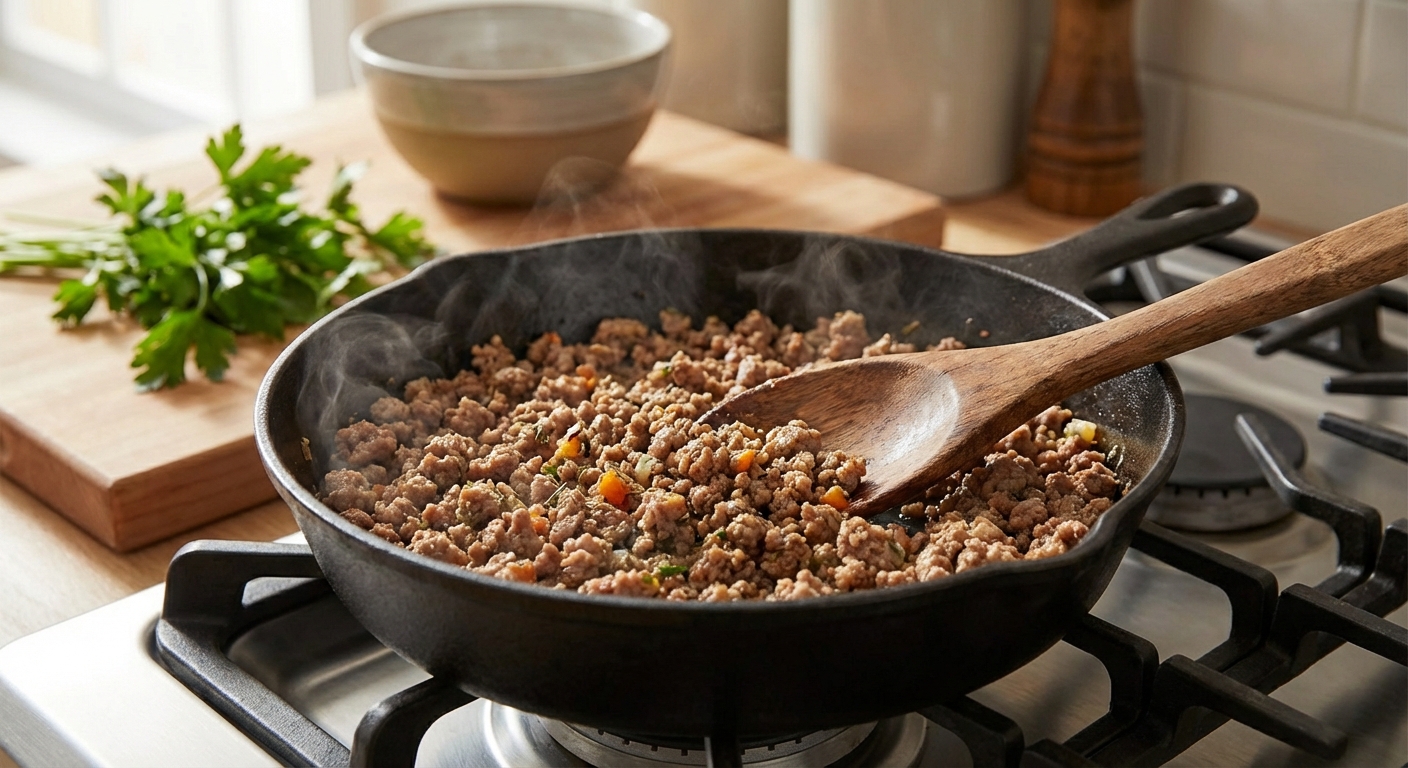
- Cook ground turkey in a skillet over medium heat until fully done. Drain excess fat if needed.
- Cook your carb fully. If using sweet potato, bake it and mash.
- Lightly steam or sauté vegetables until tender. Dogs digest cooked vegetables better than raw.
- Combine turkey, carb, and veggies. Add a small amount of water or unsalted broth for moisture.
- Cool fully before serving. Portion and refrigerate for up to 3 days, or freeze for longer storage.
Portion reminder: daily calorie needs vary widely by size and activity. A reliable way to avoid overfeeding is to calculate your dog’s daily calorie target (your veterinarian can provide this, or you can use a trusted pet calorie calculator) and measure portions by calories, not just by eyeballing the bowl. When in doubt, keep homemade as 10% to 25% of daily calories until you have a balanced plan in place.
Lean turkey recipe ideas
One of the best parts of homemade food is variety. Rotating ingredients helps broaden nutrients and reduces boredom. Below are simple combinations that many dogs do well with.
1) Turkey, pumpkin, and white rice
- Lean turkey
- Plain canned pumpkin (not pie filling)
- White rice
- Optional: a spoonful of plain unsweetened yogurt if your dog tolerates dairy
2) Turkey and quinoa bowl
- Lean turkey
- Quinoa (fully cooked and rinsed)
- Steamed carrots and green beans (or zucchini)
- Optional: a little salmon oil for omega-3s
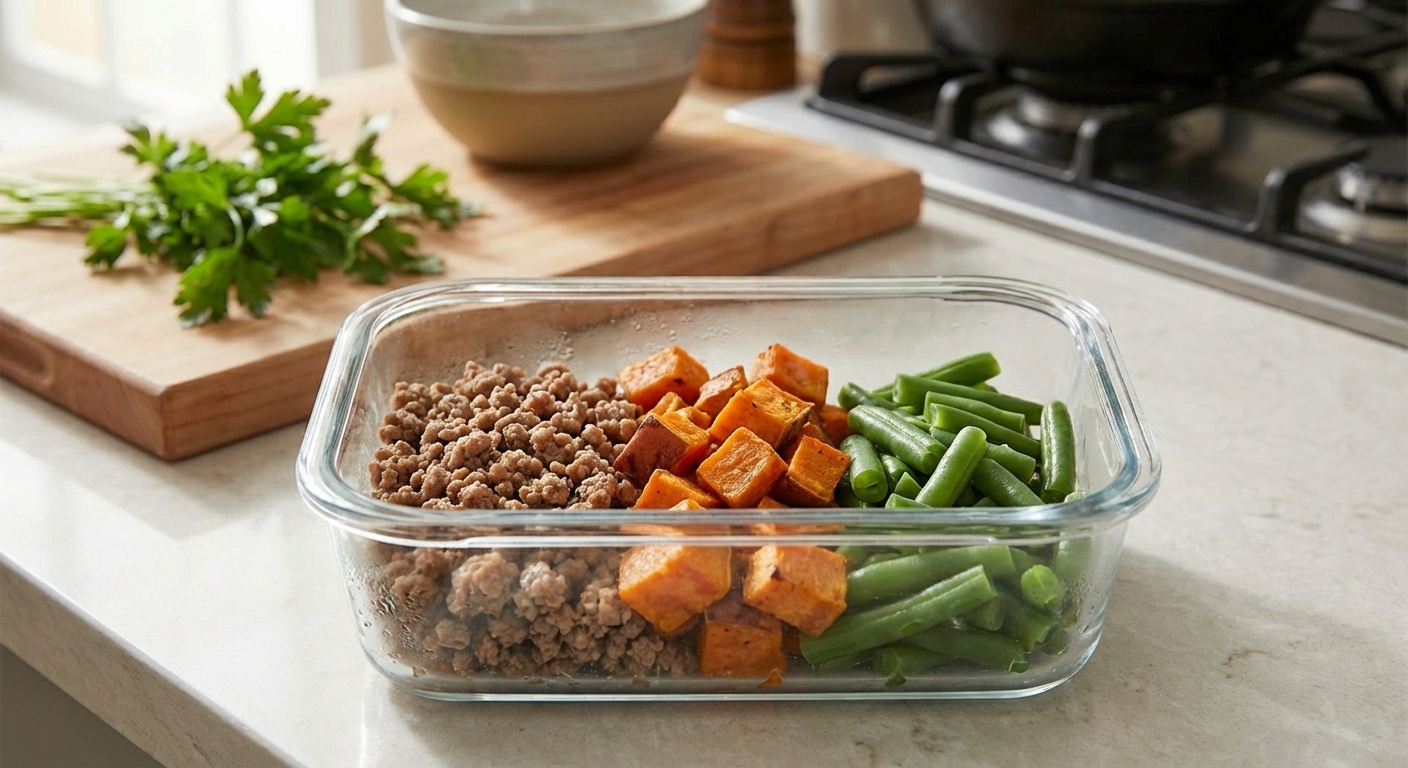
3) Turkey, sweet potato, and green beans
- Lean turkey
- Baked sweet potato
- Steamed green beans
4) Turkey meatball topper
Mix cooked lean ground turkey with a little mashed sweet potato and an egg, form small meatballs, bake until fully cooked, and use as a topper. This is a gentle way to upgrade a commercial diet without changing everything overnight.
How to transition
Most digestive issues happen because we move too fast. A slow transition is kinder to your dog’s gut microbiome.
- Days 1 to 3: 25% homemade, 75% current diet
- Days 4 to 6: 50% homemade, 50% current diet
- Days 7 to 9: 75% homemade, 25% current diet
- Days 10 to 14: 100% homemade (if that is your goal)
Watch stool consistency, gas, itching, and energy. If stools soften, pause at the current ratio for a few days, or temporarily simplify the recipe (turkey plus rice plus a small amount of pumpkin often helps).
Common mistakes
- Skipping calcium: muscle meat alone does not provide the calcium dogs need for bones, nerves, and muscles.
- Too much fat: turkey skin, drippings, and very fatty ground turkey can trigger GI upset in sensitive dogs.
- Too many new ingredients at once: introduce one new food every few days so you can identify what works.
- Overdoing liver or supplements: organ meats and supplements are powerful. Use them with guidance.
- Not balancing long term: “meat, rice, and veggies” can be a fine short-term bland diet, but it is not complete as a daily plan without balancing.
Storage and food safety
I love batch cooking because it makes homemade feel doable. Cook once or twice a week, portion, and freeze.
- Cool quickly: spread food out in shallow containers before refrigerating.
- Refrigerate: use within 3 days for best freshness.
- Freeze: portion into meal-sized containers and thaw in the fridge.
- Reheat gently: warm slightly if your dog prefers it, but avoid hot spots.
When to get help
If you want to feed homemade as your dog’s primary diet, consider working with a board-certified veterinary nutritionist or your veterinarian using a complete recipe formulation. This is especially important for:
- Puppies and large-breed puppies
- Pregnant or nursing dogs
- Dogs with chronic disease (kidney, heart, liver, pancreatitis)
- Dogs with recurring skin or ear issues where food sensitivity is suspected
The goal is simple: real food that is also truly balanced, so your dog can thrive for years.