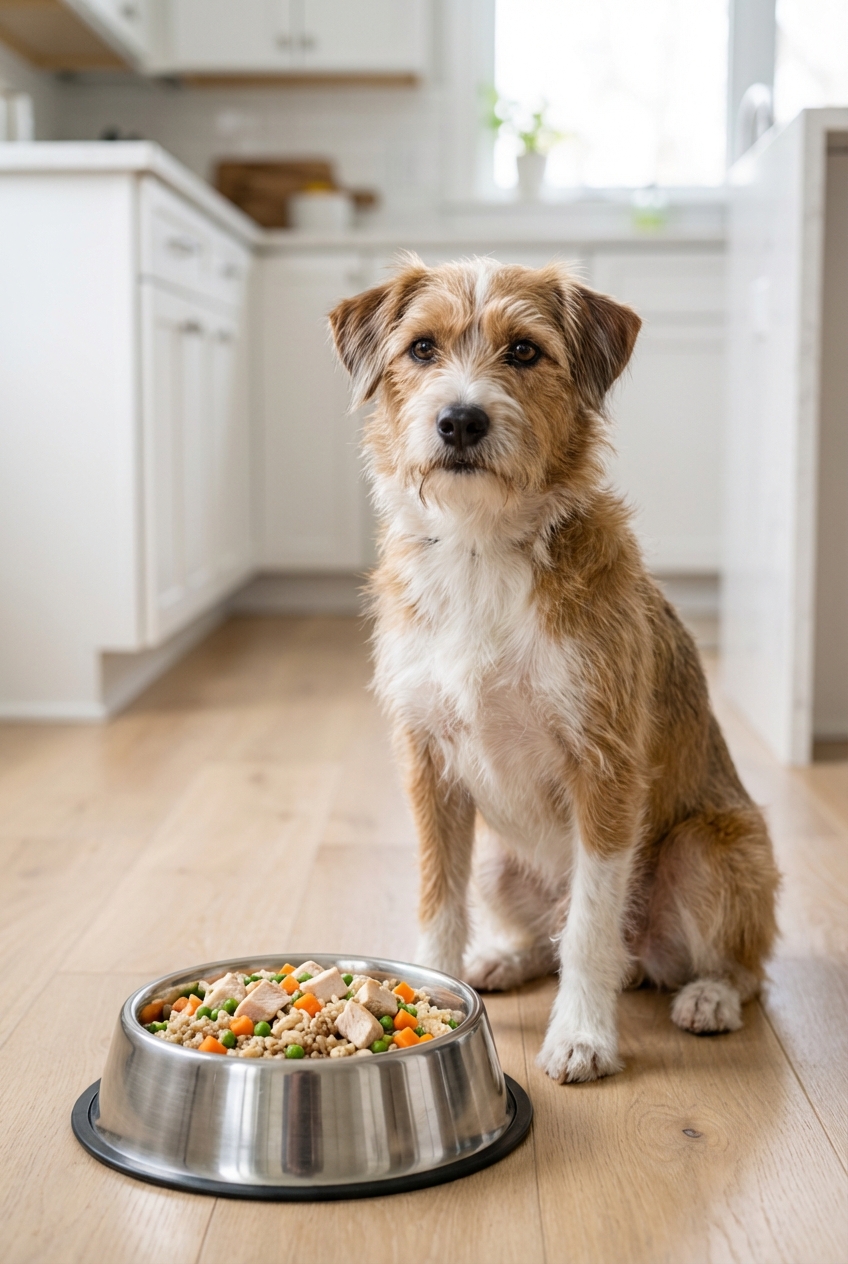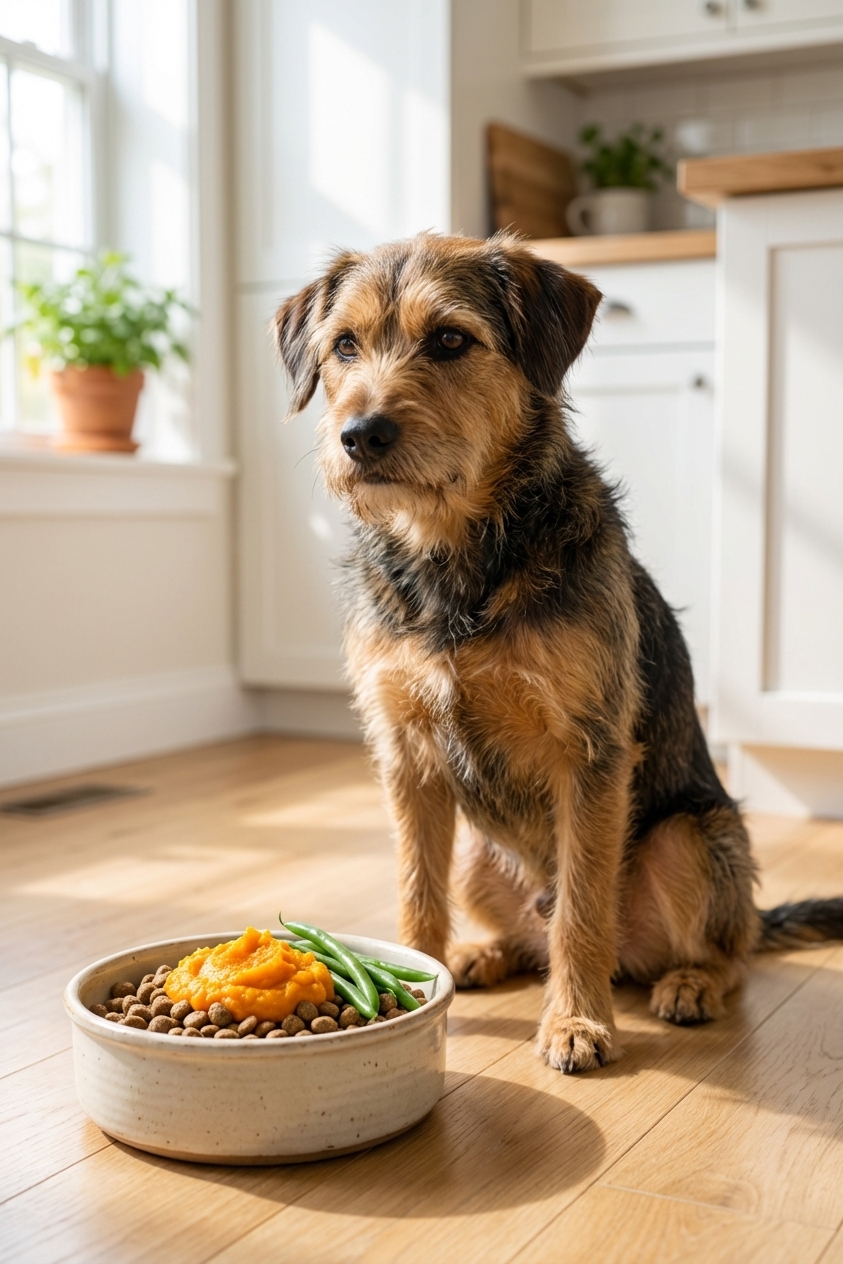
Make meals more tempting and nutritious with simple dog food toppers: bone broth, cooked eggs, sardines, pumpkin, and steamed veggies—plus portions, storag...
Article
•
Designer Mixes
Homemade Dog Food With Eggs: Safe Serving Tips

Shari Shidate
Designer Mixes contributor
Eggs can be a wonderful, budget-friendly way to add high-quality protein and key nutrients to your dog’s homemade meals. I often describe eggs as a “small food with a big nutrition payoff” when they are prepared safely and served in the right portions.
Below you’ll find practical, evidence-based tips for feeding eggs to dogs, plus simple ways to include them in homemade dog food without upsetting your pup’s stomach or throwing off nutrition balance.
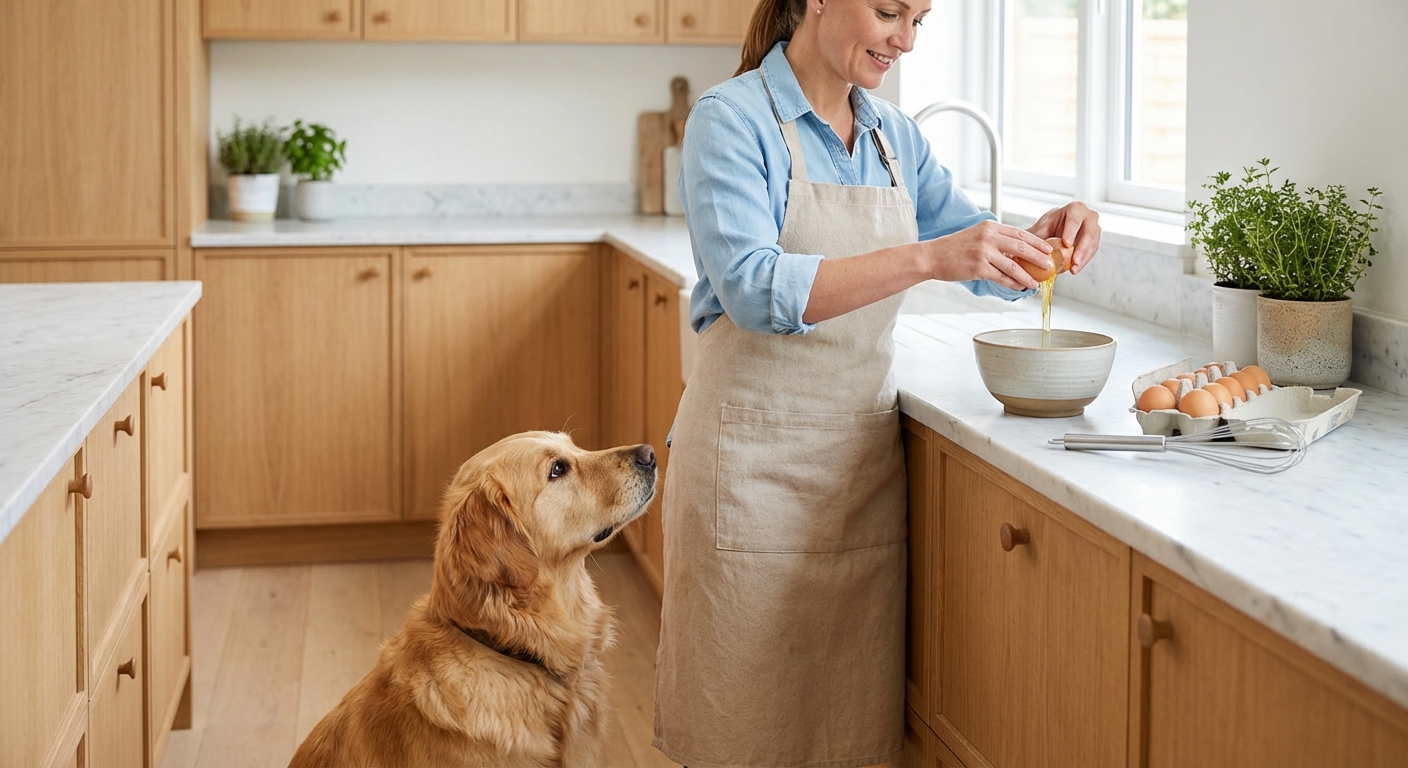
Are eggs safe for dogs?
For most healthy dogs, cooked eggs are safe and can be a nutritious add-on to meals. Eggs provide complete amino acids (protein building blocks), and they also contain nutrients like vitamin A, several B vitamins, selenium, and choline.
Important: Eggs are a helpful addition, but they are not a complete diet on their own. If you feed homemade meals often, the full recipe still needs to be complete and balanced for long-term health.
Safety depends on how you serve eggs, how much you feed, and your dog’s individual health needs.
Check with your veterinarian first
- Pancreatitis history, hyperlipidemia, or very sensitive digestion (fat content can matter).
- Food allergies or chronic skin and ear issues (eggs can be an allergen for some dogs).
- Kidney disease or other conditions requiring a specific protein, phosphorus, or calorie plan.
- Puppies, seniors, and toy breeds with higher risk of GI upset if changes are too sudden.
Cooked vs. raw eggs
For homemade feeding, I recommend cooking eggs instead of feeding them raw. Here’s why:
- Lower risk of foodborne illness: Raw eggs can carry bacteria like Salmonella. Dogs may show fewer symptoms than humans, but they can still get sick and can also shed bacteria in the home.
- Better nutrient reliability: Raw egg whites contain avidin, a protein that can bind biotin (a B vitamin). Cooking denatures avidin, which reduces this concern.
If you feed raw eggs as part of a specific plan, talk with your veterinarian or a board-certified veterinary nutritionist about sourcing and handling. This matters even more if anyone in the household is immunocompromised, elderly, pregnant, or a young child.
How to cook eggs for dogs
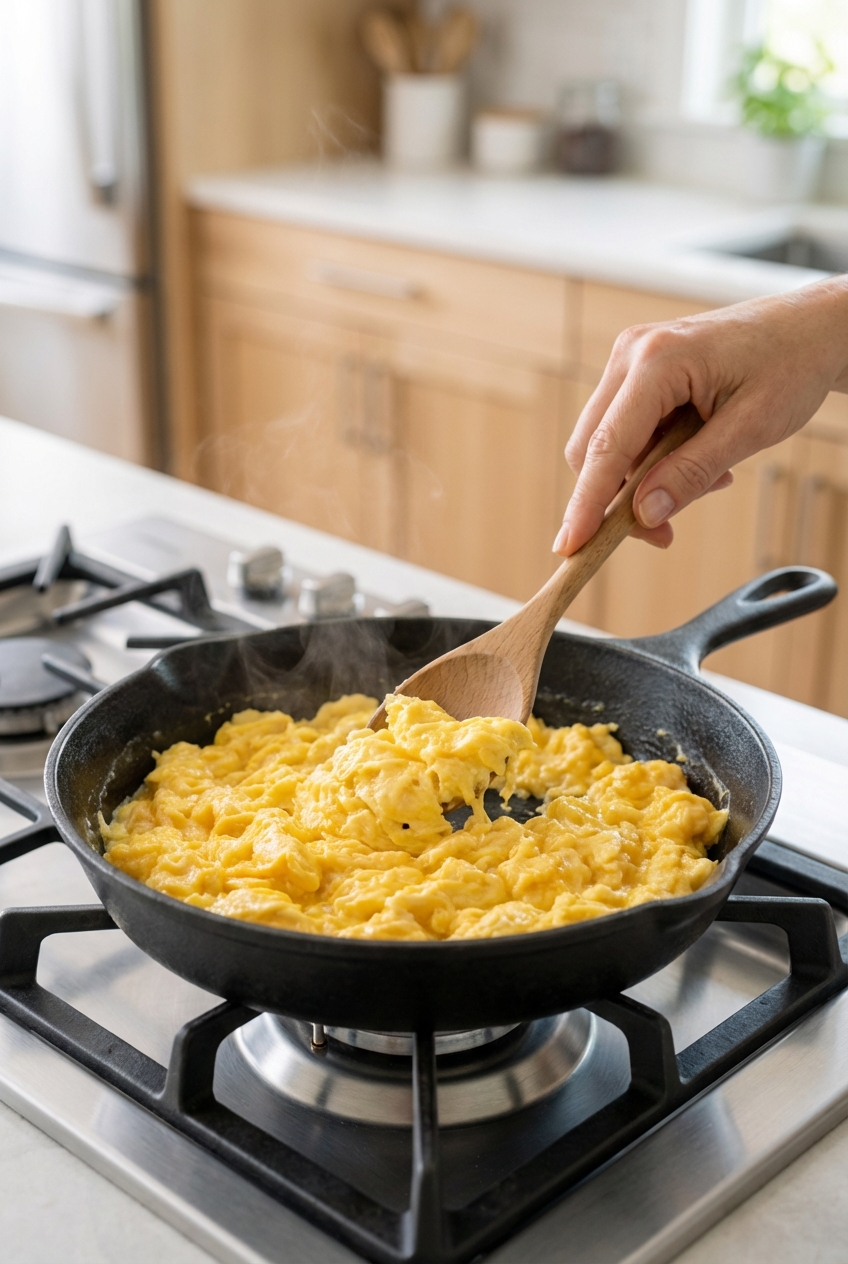
Keep it simple. Dogs do best with eggs that are cooked thoroughly and served plain.
Good cooking methods
- Hard-boiled: Easy to batch cook, slice, and portion.
- Scrambled: Cook in a pan with no butter, or use a tiny splash of water to prevent sticking.
- Omelet style: Plain egg, fully cooked through, cut into bite-size strips.
What to avoid
- Salt, pepper, spice blends, and seasoning salts
- Butter, bacon grease, and heavy oils (extra fat can trigger diarrhea, and for some dogs it can raise pancreatitis risk)
- Onion, chives, and onion powder (toxic to dogs)
- Garlic (also in the Allium family and can be harmful in sufficient amounts, so it is safest to avoid)
Also note: If you serve a whole cooked egg, remove the shell unless you are using a properly prepared, finely ground eggshell powder (details below).
How much egg can a dog have?
Portion size depends on your dog’s size, calorie needs, and what else is in the meal. As a gentle starting point for cooked egg as a topper:
- Small dogs (under 20 lb): 1 to 2 teaspoons up to 1/4 egg
- Medium dogs (20 to 50 lb): 1/4 to 1/2 egg
- Large dogs (over 50 lb): 1/2 to 1 egg
Calorie guardrail: One large egg is roughly 70 calories. As a general rule, toppers and treats should stay around 10% or less of your dog’s daily calories unless a veterinarian has formulated the diet to include them.
For many dogs, eggs are best used a few times per week rather than as a major daily protein source, unless a nutrition professional has built the recipe to be complete and balanced.
Tip: If you add egg on top of a fully portioned meal, consider slightly reducing another protein portion to keep calories steady, especially for dogs who gain weight easily.
Lower-fat option
If your dog needs a lower-fat approach (for example, a history of pancreatitis), ask your vet if cooked egg whites are a better fit than whole eggs.
Eggshells and calcium
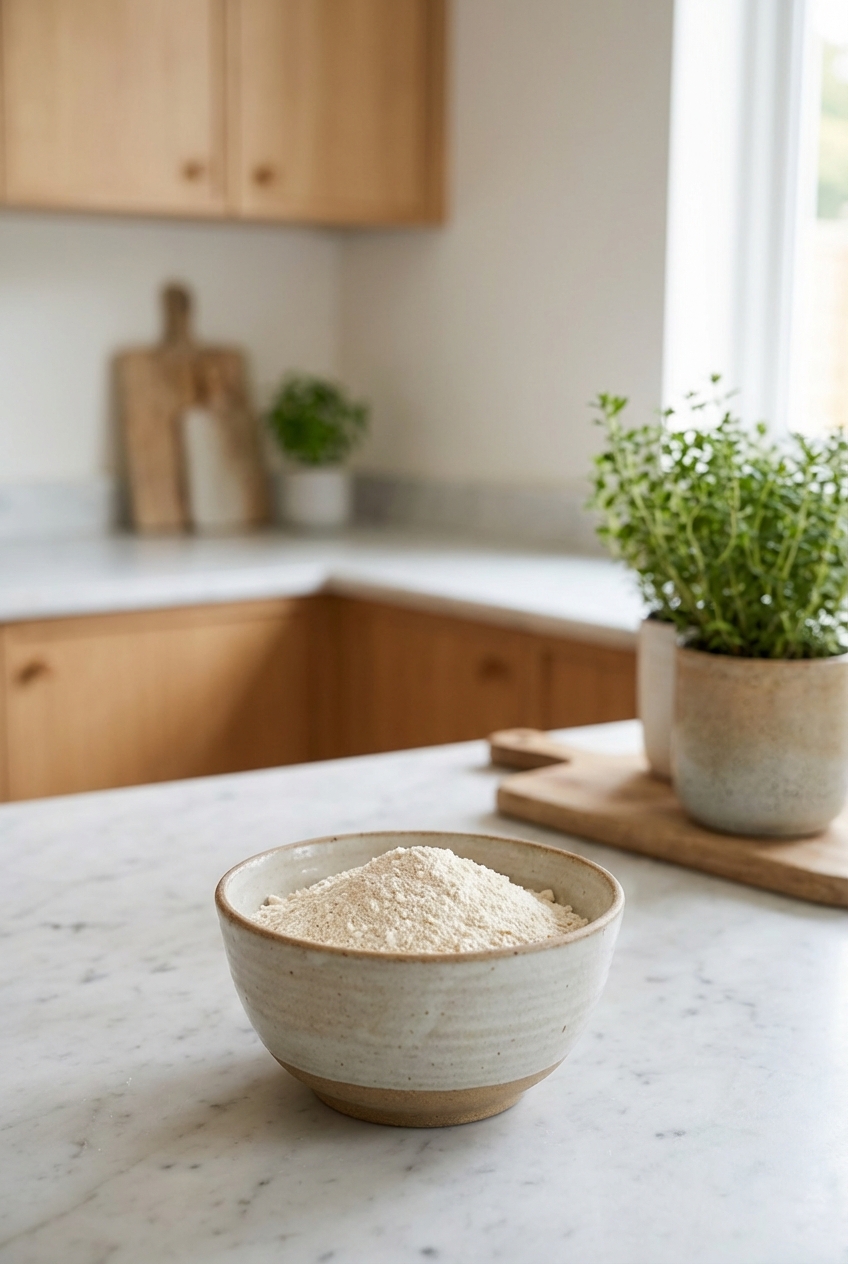
Eggshells are mostly calcium carbonate, and some homemade feeders use finely ground eggshell powder as a calcium source. This can be helpful, but it is also easy to get wrong.
Safe eggshell guidelines
- Only use clean shells from eggs you trust. Bake shells briefly to dry them if desired, then grind to a fine powder.
- Never feed large shell pieces (choking and GI irritation risk).
- Do not guess calcium if your dog eats homemade meals regularly. Calcium-to-phosphorus balance is one of the most common nutrition mistakes in home-prepared diets.
Helpful reference: A common estimate is that 1 teaspoon of finely ground eggshell powder contains about 1,800 to 2,200 mg of calcium. That range is exactly why dosing should be individualized.
If eggshell is your intended calcium source for a frequent homemade diet, it is worth having a veterinarian or veterinary nutritionist review the recipe for exact dosing.
Easy ways to add egg
Egg pairs beautifully with simple, whole-food meals. These options keep portions predictable and gentle for most dogs.
1) Scrambled egg boost bowl
- Egg amount: Small 1 to 2 tsp, Medium 1/4 egg, Large 1/2 egg
- Plain scrambled egg (fully cooked)
- Lean cooked turkey or chicken
- Steamed spinach or kale (chopped or pureed)
- A small scoop of cooked rice or quinoa if your dog tolerates grains
2) Hard-boiled egg topper
- Egg amount: Small 1 to 2 small crumbles, Medium 1 to 2 slices, Large 2 to 4 slices
- Slice or crumble hard-boiled egg over your dog’s regular meal
- Add a spoon of warm broth (no onion, low sodium) for aroma and hydration
3) Egg and pumpkin mix
- Egg amount: Small 1 tsp, Medium 1 to 2 tbsp, Large 2 to 3 tbsp
- Small portion of cooked egg
- Plain canned pumpkin (not pie filling)
- Mix into the protein portion of the meal
Whenever you add a new food, start small for 2 to 3 days and watch stool quality, itchiness, and overall comfort.
Signs egg is not a good fit
Even healthy foods can be a “no” for a particular dog. Pause eggs and check in with your veterinarian if you notice:
- Repeated vomiting or diarrhea after eating egg
- New itchiness, hives, ear inflammation, or excessive paw licking
- Gas and stomach gurgling that does not resolve with smaller portions
If symptoms are severe, or your dog seems lethargic or painful, seek veterinary care promptly.
Food safety and storage
- Cook eggs fully and refrigerate promptly.
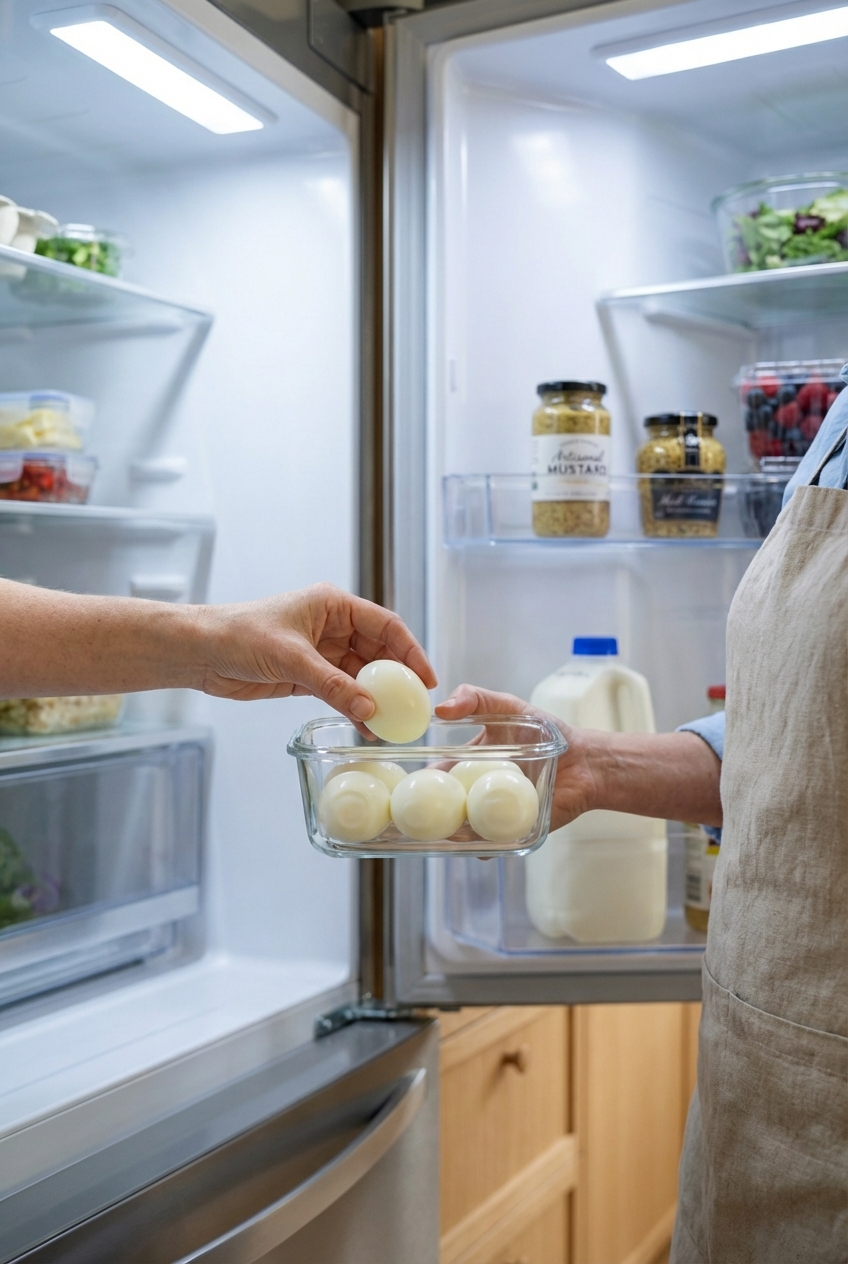
- Store cooked egg in a sealed container and use within 3 to 4 days.
- Wash hands and surfaces after handling raw egg to protect everyone in the household.
Batch cooking can be a lifesaver. Hard-boiled eggs are especially convenient because you can portion them quickly and consistently.
The takeaway
Eggs can be a safe, nourishing addition to homemade dog food when they are cooked, plain, and served in sensible portions. Think of egg as a helpful tool in your homemade routine, not the entire foundation of the diet.
If your dog eats homemade meals often, the most loving step you can take is to make sure the overall recipe is complete and balanced for the long term. Your pup deserves both the joy of real food and the confidence of sound nutrition.