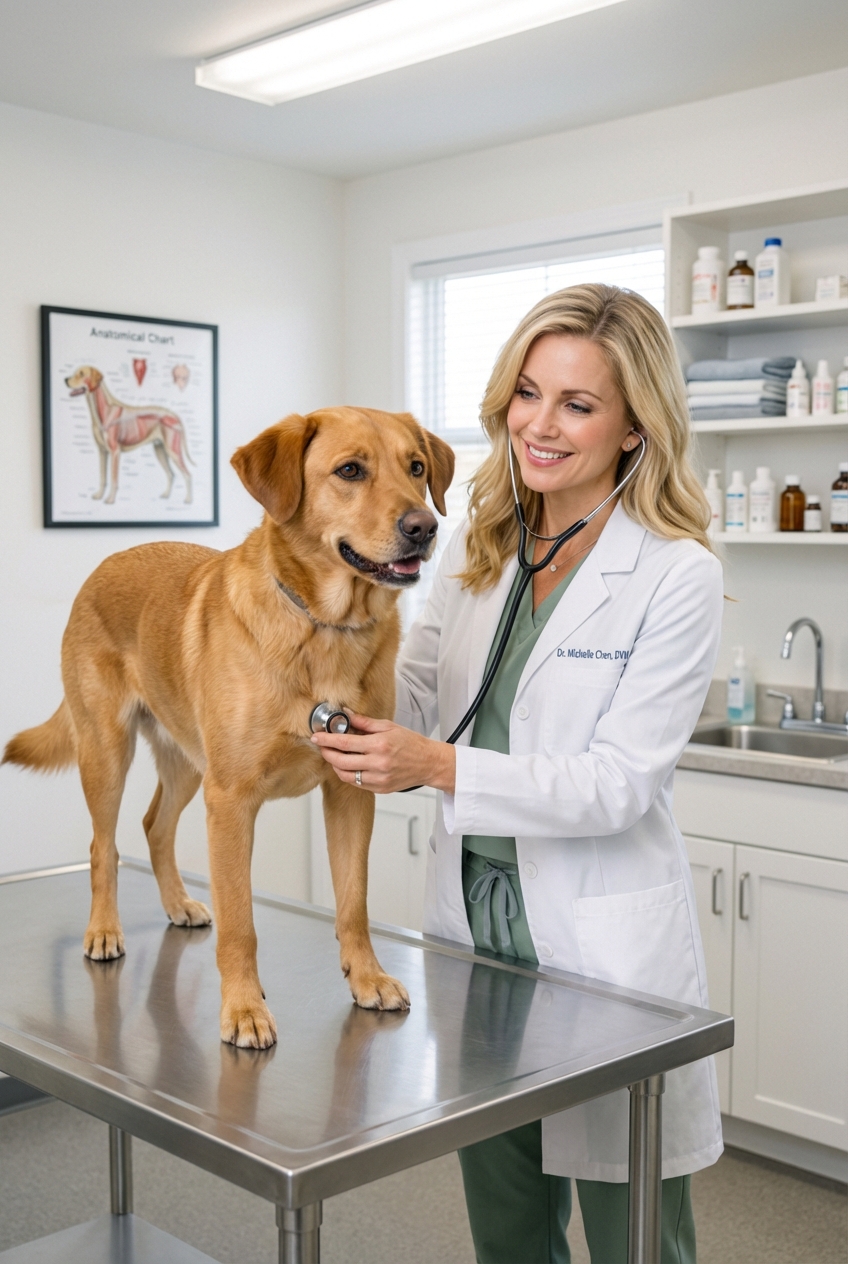
Homemade dog food often lacks calcium, throwing off the calcium-to-phosphorus ratio. Learn safe calcium sources like eggshell and supplements, plus practical...
Article
•
Designer Mixes
Homemade Dog Food Vitamins: What to Add

Shari Shidate
Designer Mixes contributor
Homemade dog food can be one of the kindest upgrades you make for your dog’s health. But here is the honest catch: “homemade” does not automatically mean “complete and balanced.” Dogs need specific vitamins and minerals in specific amounts, and a simple rotation of chicken, rice, and veggies can fall short over time.
As a veterinary assistant in Frisco, Texas, I love seeing pet parents cook with care. I also see what happens when well-meaning recipes miss key nutrients. The goal is not perfection overnight. The goal is to cover the must-have nutrients consistently so your dog thrives long term.
Quick note: This is general education, not a personalized diet plan. Portions and supplement doses vary by your dog’s weight, life stage, and health conditions. If you want a truly balanced homemade diet, work with your veterinarian or a board-certified veterinary nutritionist.

First, the non-negotiable
In veterinary nutrition, “complete and balanced” means the diet meets a dog’s needs for essential nutrients, including calcium, phosphorus, trace minerals, and fat-soluble vitamins. The most common homemade pitfall is not “missing a veggie.” It is mineral imbalance, especially calcium and iodine.
If you take one thing away from this article, make it this: protein plus vegetables is not enough. You need a plan for vitamins and minerals, and that plan should change based on life stage (adult maintenance vs growth or reproduction) and medical needs.
Most-missed nutrients
Below are the nutrients I’m most focused on when someone tells me, “I cook for my dog.” These are the areas where gaps show up quickly, especially when a recipe is repeated week after week.
1) Calcium (and calcium-to-phosphorus balance)
This is the big one. Meat is high in phosphorus and low in calcium. If you do not add calcium, the body can pull calcium from bones to keep blood levels steady. Over time, that imbalance can contribute to skeletal and dental issues, and the risk is especially serious in puppies and long-term feeding.
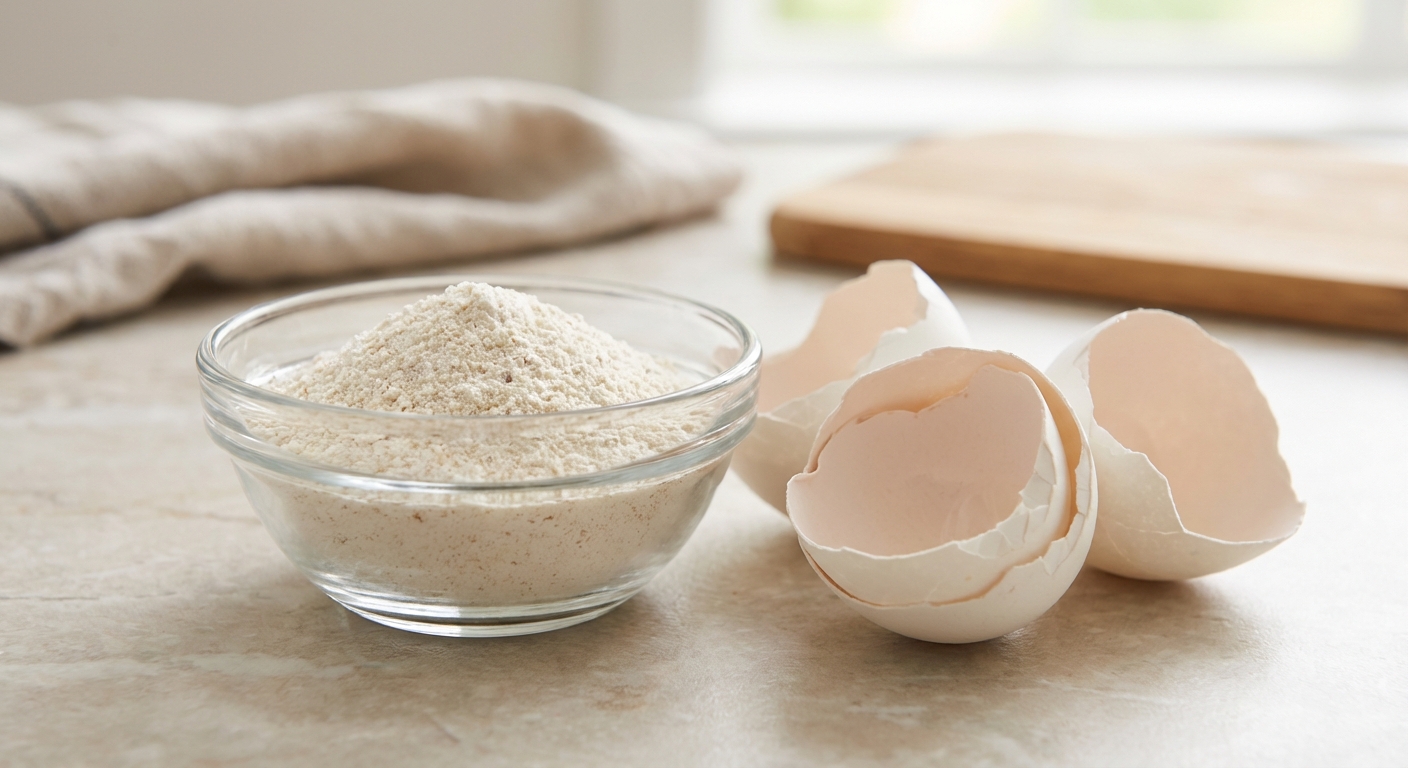
- What to add: a measured calcium source such as finely ground eggshell powder (food-safe), calcium carbonate, or a veterinarian-recommended supplement.
- What not to rely on: a “splash” of milk or a spoonful of yogurt. Those foods can be healthy, but they rarely provide enough calcium to balance a meat-based diet.
- Practical tip: calcium is not “a pinch.” It is math. Use a recipe that already calculates calcium, or use a veterinary-formulated base mix that tells you exactly how much to add.
2) Iodine
Iodine supports thyroid health. Homemade diets often contain little to no iodine unless you intentionally include it.
- Best option: an all-in-one vitamin and mineral mix designed to balance homemade dog food (this is the easiest way to cover iodine plus trace minerals reliably).
- If you use kelp: be careful. Kelp and seaweed powders can vary a lot in iodine content between brands and batches. Choose products with a guaranteed analysis and measure precisely, or skip kelp and use a veterinary-formulated mix instead.
- Important note: iodine is a “small amount matters” nutrient. Too little is a problem, and too much can also be a problem. Do not guess, and do not start adding iodized salt unless your veterinarian specifically directs you.
3) Vitamin D
Dogs make far less vitamin D from sunlight than people do, so diet matters. Vitamin D supports calcium absorption and bone health, plus immune function.
- What to add: commonly through formulated supplements or carefully chosen ingredients like certain fish, depending on your recipe and your dog’s needs.
- Caution: vitamin D is fat-soluble and can be toxic in excess. Avoid stacking multiple supplements unless your veterinarian directs it.
4) Vitamin E
Vitamin E helps protect cells from oxidative damage. Needs can increase when you add oils (like fish oil) because fats can oxidize.
- What to add: vitamin E in a balanced supplement, or a veterinarian-directed standalone vitamin E when using fish oil regularly.
5) Zinc, copper, manganese, and selenium
These trace minerals are required in tiny amounts, but they matter for skin, coat, immune function, wound healing, and healthy metabolism. Homemade diets may be inconsistent here unless they are properly formulated.
- What to add: the most reliable approach is a complete vitamin-mineral mix designed for homemade dog diets or a recipe formulated by a board-certified veterinary nutritionist.
6) Essential fatty acids (especially omega-3s)
Dogs need healthy fats for skin, coat, brain health, and inflammation control. Many homemade diets are heavy on omega-6 and light on omega-3.
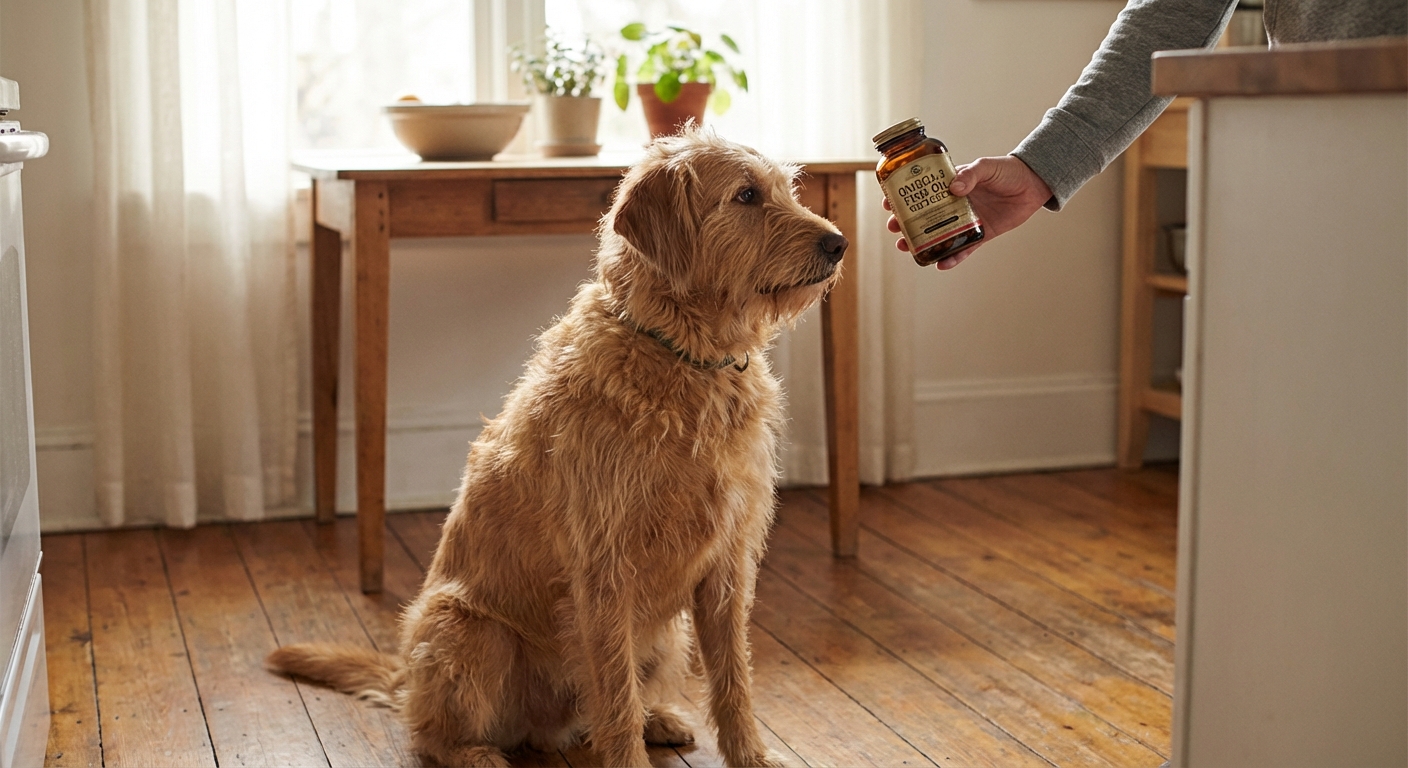
- What to add: fish oil or algae-based omega-3s (a great option for dogs who do not tolerate fish well).
- Tip: store oils properly, watch expiration dates, and consider vitamin E support when using fish oil.

Do you need a multivitamin?
Most of the time, yes. Not necessarily a human multivitamin, and not necessarily a random pet store “daily vitamin.” What you want is a supplement that is designed specifically to balance a homemade diet.
Best option: use a recipe formulated to AAFCO or NRC nutrient targets, or use a veterinary nutritionist-approved base mix that tells you exactly what to add (meat amount, oil amount, and the supplement amount) for your dog’s weight and life stage.
Be careful with:
- “Just add liver” as a catch-all vitamin solution. Liver is nutritious, but it can also oversupply vitamin A if overused.
- “A little of everything” without measuring. Some nutrients have narrow safe ranges.
- Puppies, pregnant dogs, and large-breed growth, where calcium balance is especially critical.
A simple meal framework
If you like to cook without turning your kitchen into a lab, here is a framework that keeps your dog safer than “meat plus rice” while you work toward a fully balanced routine.
Step 1: Pick a primary protein
Chicken, turkey, beef, pork, eggs, or fish. Rotate proteins if your dog tolerates variety. If your dog has a medical condition (like pancreatitis) or a suspected food allergy, choose proteins with your vet’s guidance.
Step 2: Add cooked vegetables
Dog-friendly staples include carrots, green beans, zucchini, pumpkin, and broccoli. Leafy greens like spinach and kale can be used, but keep them in moderation and rotate rather than piling them on daily. Dogs generally do better with cooked, chopped, or pureed vegetables.
Step 3: Add an energy source if needed
Some dogs do great with grains like oats or quinoa. Others do better with sweet potato or regular potato. Always cook potatoes fully, and avoid raw or green potatoes (they can contain solanine). Your dog’s activity level and stool quality will guide you. Increase fiber slowly if your dog is not used to it.
Step 4: Add the missing nutrients on purpose
This is the “must add” part:
- Calcium source (measured)
- Vitamin-mineral mix designed for homemade diets (often the easiest way to cover iodine and trace minerals)
- Omega-3 source (measured)
- Vitamin E support when appropriate
What this can look like
In real life, many balanced homemade plans look like: a primary protein plus a carb or starch (if needed) plus a few vegetables, then a diet completer that supplies the vitamins and minerals. The exact amounts depend on your dog, so use a formulated recipe or a base mix with clear directions.
Common supplement mistakes
- Doubling up supplements: for example, a complete vitamin-mineral mix plus a multivitamin plus fortified treats. More is not always better.
- Using human products without guidance: doses and forms can differ, and some human supplements include sweeteners like xylitol that are dangerous for dogs.
- Guessing calcium: calcium needs are not “a pinch.” They are math.
- Relying on bone broth for minerals: most typical bone broths are not a consistent, measurable calcium source. Even long-simmered broth varies widely unless the mineral content is lab-tested, which is not practical for most households.
Basic food safety
- Skip toxic add-ins: onion, garlic, grapes, raisins, and xylitol are common hazards.
- Cook and store safely: refrigerate promptly, portion and freeze what you will not use in a few days, and reheat as needed.
- Go slow with changes: transition gradually to reduce stomach upset, especially if your dog has a sensitive gut.
When to talk to your vet
Please loop in your veterinarian or a board-certified veterinary nutritionist if your dog is:
- A puppy (especially a large-breed puppy)
- Pregnant or nursing
- Diagnosed with kidney disease, liver disease, pancreatitis, heart disease, or urinary crystal issues
- On a prescription diet
- Dealing with chronic diarrhea, vomiting, itching, or recurring ear infections
Homemade can still be an option in many cases, but it needs to be formulated with your dog’s medical history in mind.
Bottom line
Homemade dog food is a wonderful way to nourish your dog, but vitamins and minerals are where homemade diets either shine or quietly fail.
The must-add items for most homemade diets are: a measured calcium source, iodine coverage (often through a formulated mix), trace minerals, vitamin D and E support as needed, and a reliable omega-3 source.
If you want to start slowly, begin with a 25 percent homemade transition while you choose a balanced supplement plan. Your dog does not need perfection in a day. They need consistency over time.