Bone broth can support hydration, appetite, and comfort for picky, senior, or recovering dogs. Get a plain, dog-safe recipe, serving amounts, storage tips, a...
Article
•
Designer Mixes
Homemade Dog Food Toppers

Shari Shidate
Designer Mixes contributor
If your dog is turning their nose up at dinner, you are not alone. As a veterinary assistant here in Frisco, Texas, I see picky eating all the time, especially with stress, aging, dental discomfort, or after a food change. The good news is that the right homemade dog food toppers can make meals more appealing while adding real, whole-food variety.
Think of toppers as small, targeted add-ins. They are not meant to replace a complete and balanced diet. They are meant to enhance palatability and add variety without unbalancing the bowl. You can start with as little as 1 to 2 teaspoons and build from there while watching stool quality, itchiness, and overall energy.
Quick safety notes first
- Go slow: Introduce one new topper at a time for 3 to 5 days so you can spot tummy upset or allergies.
- Keep toppers small: As a general rule, keep toppers to 10% or less of daily calories unless your veterinarian has you using a therapeutic plan. (If weight creeps up, reduce the main food a bit to make room for the topper.)
- Watch the salt and seasonings: Dogs do not need added salt, onion, heavy spice blends, or sugary sauces.
- Pancreatitis risk: If your dog has a history of pancreatitis or needs a low-fat diet, avoid oily fish, fatty broths, and rich add-ins unless your veterinarian approves.
- Heart or kidney disease: Dogs with heart disease, kidney disease, or on sodium-restricted diets may need extra limits on salty foods (broth, fish). If that is your dog, check with your veterinarian before adding toppers.
- When to call your veterinarian: Repeated vomiting, bloody stool, marked lethargy, signs of dehydration, refusing food for more than a day, or diarrhea that is persistent (often >24 to 48 hours) deserve a medical check. Be extra cautious with puppies, seniors, and dogs with chronic conditions.
Best homemade dog food toppers
Below are my favorite commonly recommended options that are easy to make at home. I am including practical portion ranges, plus what each topper tends to help with: picky eating, joints, coat, digestion, and more.
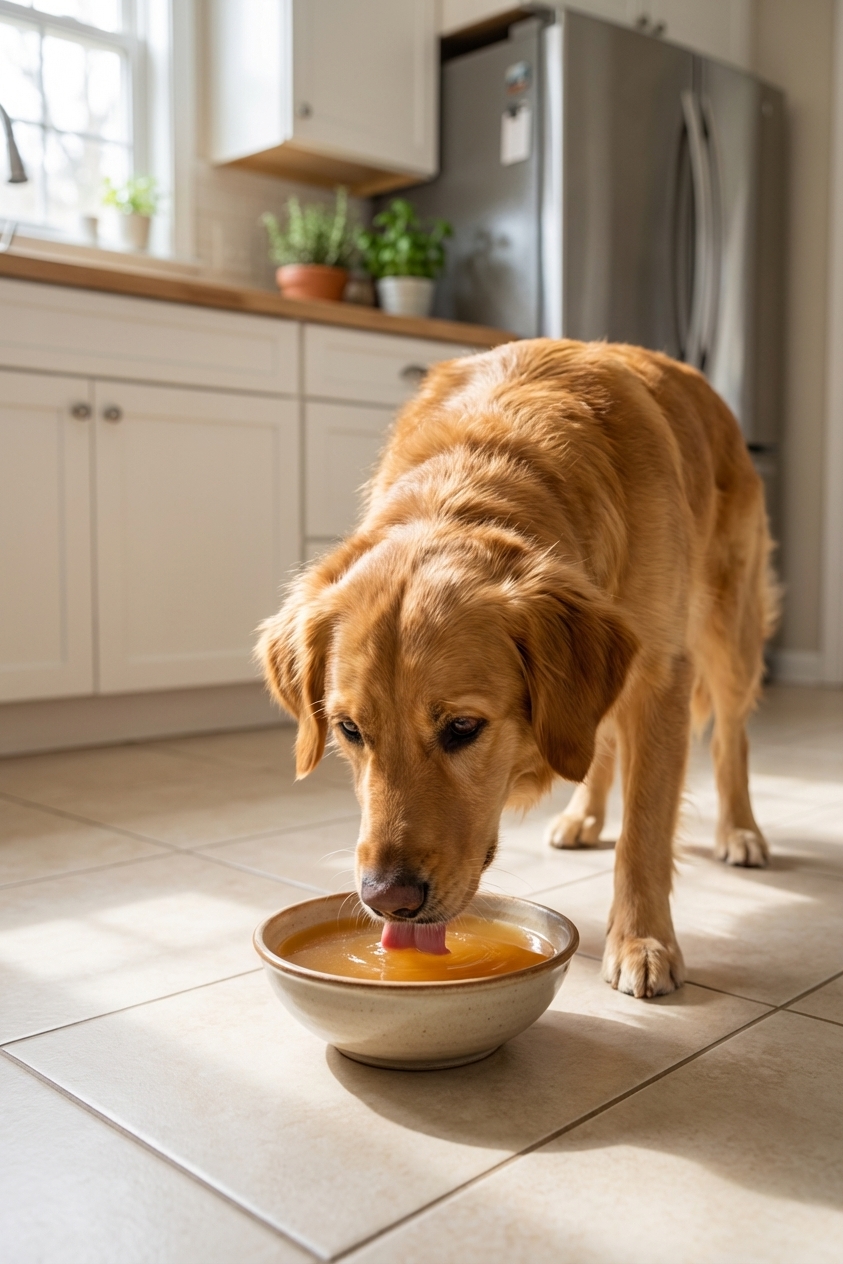
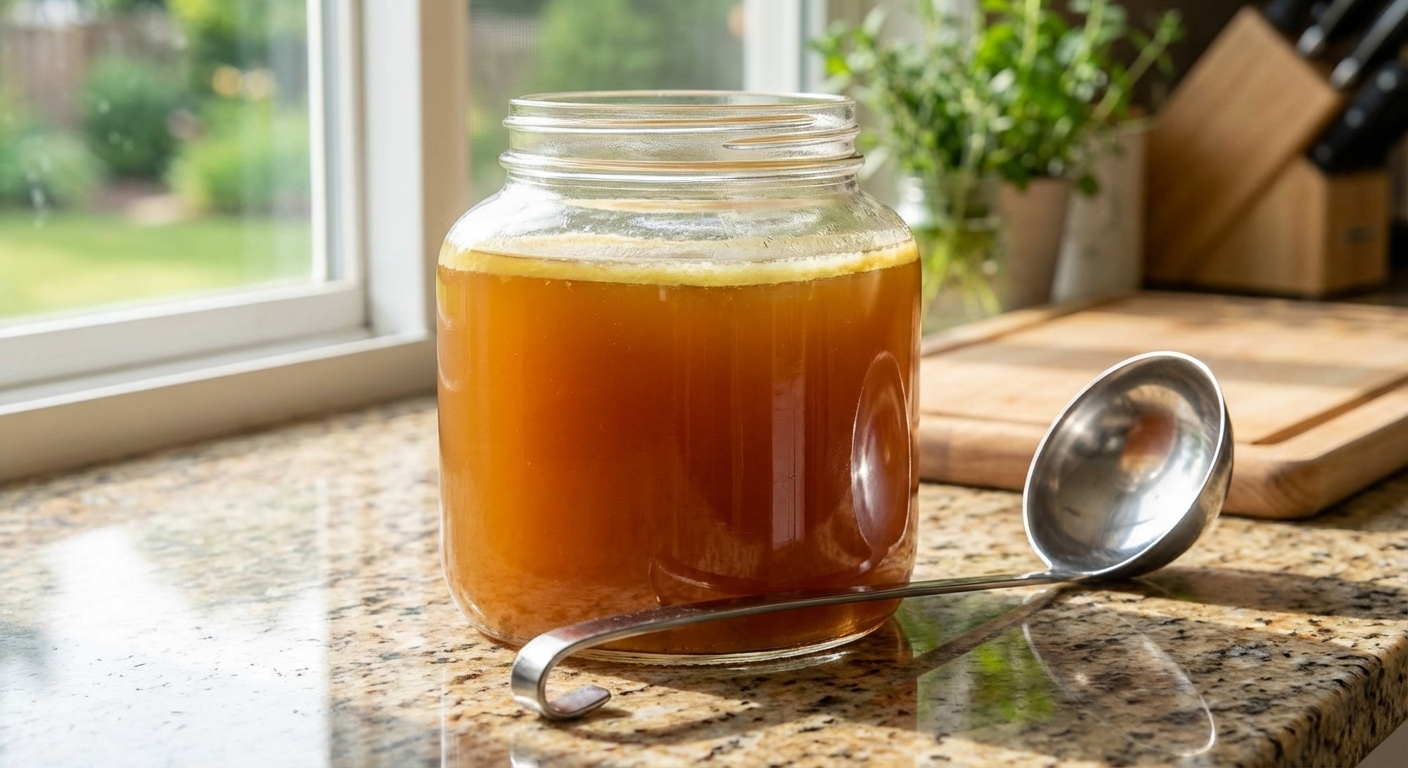
1) Bone broth (or simple meat broth)
Why it helps: Warm broth is one of the best toppers for picky eaters because it boosts aroma and softens kibble. It also increases moisture intake, which can help dogs that do not drink much water.
Portion guide (approximate):
- Small dogs (under 20 lbs): 1 to 2 tablespoons per meal
- Medium dogs (20 to 50 lbs): 2 to 4 tablespoons per meal
- Large dogs (50+ lbs): 1/4 to 1/2 cup per meal
Quick prep: Simmer bones (or plain meat) in water for several hours, then strain well and chill. Skim off the hardened fat cap before serving. Use no onion, no garlic, and no added salt in the pot.
Extra safety note: Broth is fine, but do not feed cooked bones (including bones from pressure cookers). They can splinter and cause serious injury.
Best for: Picky eating, hydration, gentle support during transitions.
Good to know: Many store broths contain onion and excess sodium, so read labels carefully if you are buying instead of making.
Storage: Refrigerate and use within 3 to 4 days, or freeze in ice cube trays for easy portions.
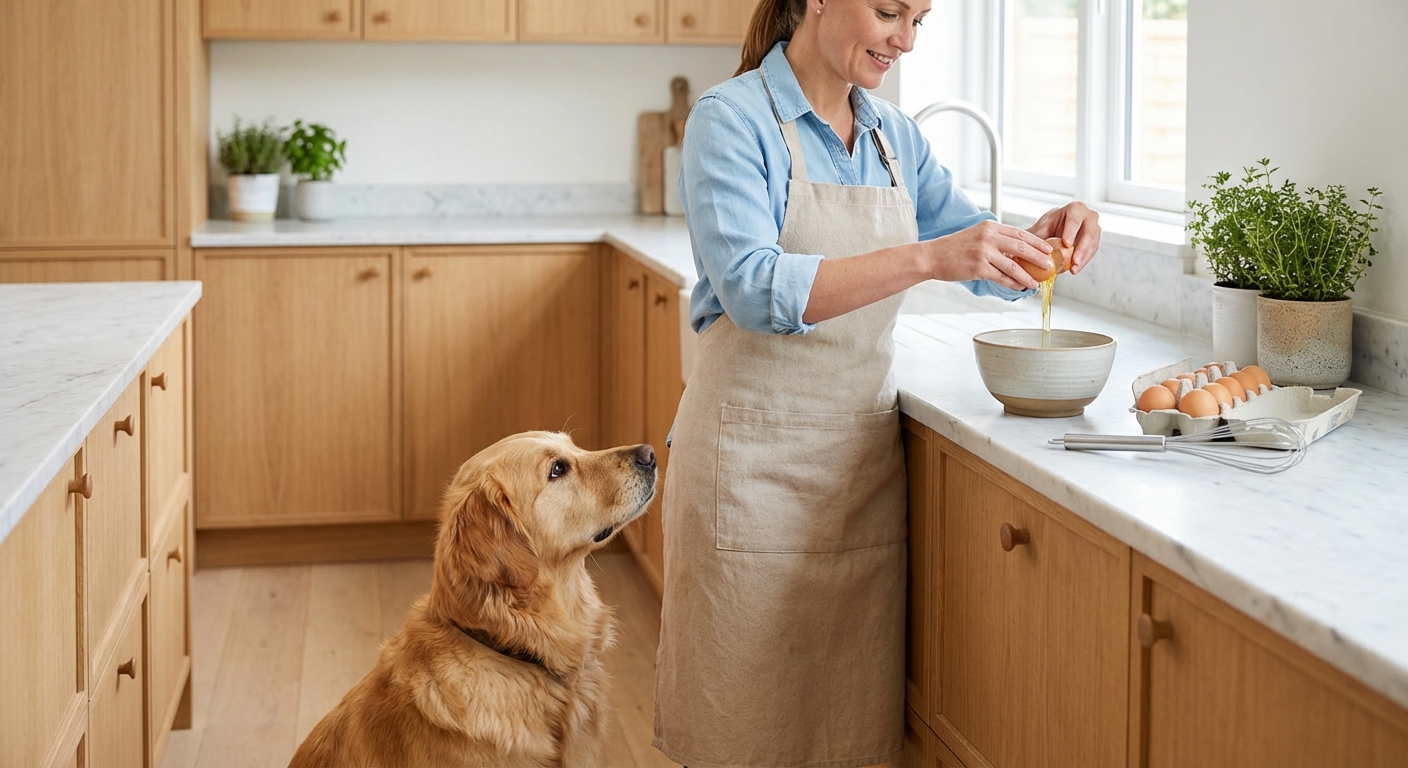
2) Cooked eggs (scrambled or hard-boiled)
Why it helps: Eggs are a very digestible protein source with nutrients that support skin and coat quality. They are also very palatable, so they can help when your dog is being picky.
Portion guide (approximate):
- Small dogs (under 20 lbs): 1 to 2 teaspoons scrambled egg, or 1/4 hard-boiled egg
- Medium dogs (20 to 50 lbs): 1 to 2 tablespoons, or 1/2 hard-boiled egg
- Large dogs (50+ lbs): up to 1 egg as a topper (not daily for every dog)
Quick prep: Scramble in a nonstick pan with a splash of water, not butter. Or hard-boil, cool, and chop. Avoid salt and seasoning.
Important: Keep eggs fully cooked. I do not recommend raw egg as a topper due to foodborne illness risk and because raw egg whites can interfere with biotin when fed repeatedly.
Best for: Picky eating, lean protein boost, coat support.
What to watch: Some dogs get soft stool from too much egg at once. Start small.
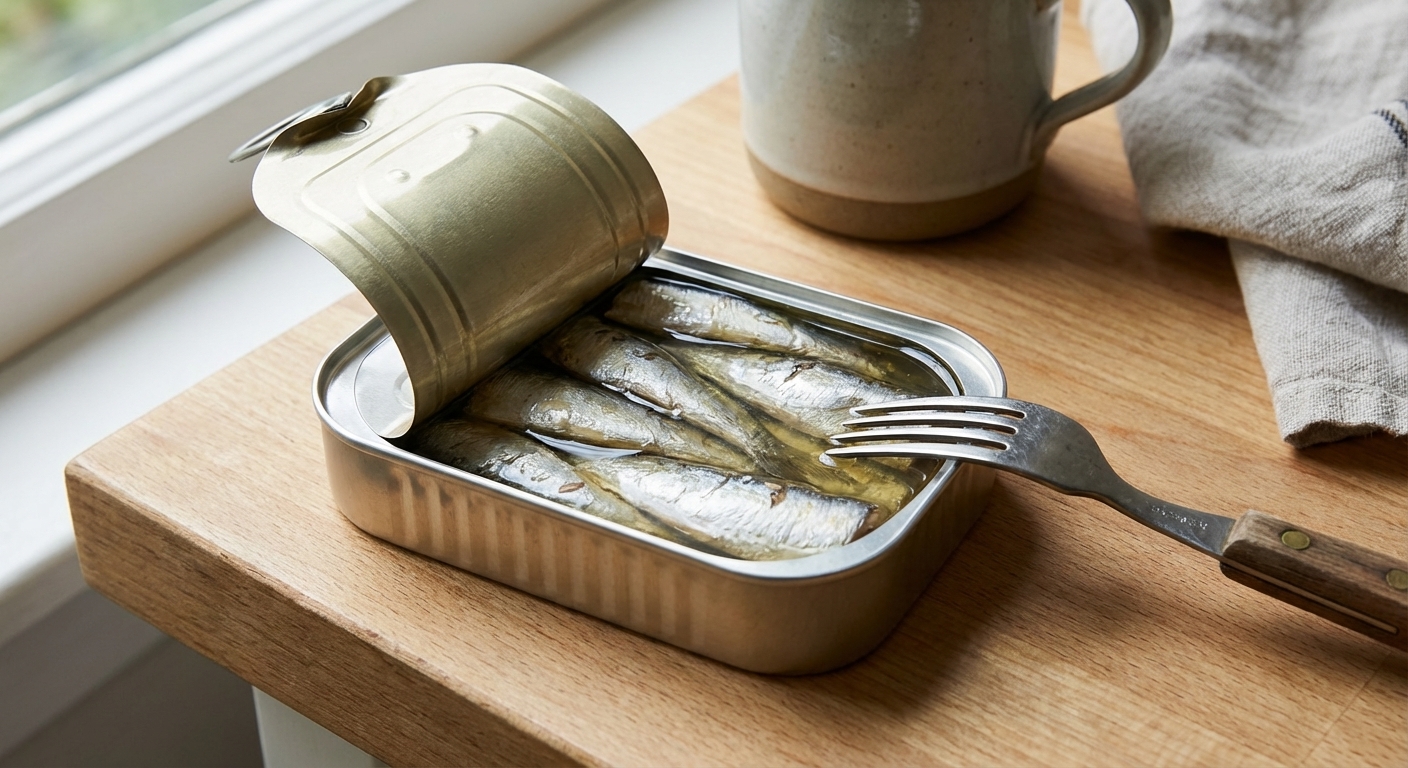
3) Sardines (in water, no salt added)
Why it helps: Sardines are naturally rich in omega-3 fatty acids (EPA and DHA), which are commonly used to support skin and coat and to help with inflammatory discomfort (including joint wear and tear).
Portion guide (approximate): Start low because fish is rich.
- Small dogs (under 20 lbs): 1/4 to 1/2 sardine, 2 to 3 times per week
- Medium dogs (20 to 50 lbs): 1 sardine, 2 to 3 times per week
- Large dogs (50+ lbs): 1 to 2 sardines, 2 to 3 times per week
Quick prep: Mash sardines with a fork and mix into the meal. Choose sardines packed in water with no added salt when possible.
Label check: Sodium can vary a lot by brand. If your dog has heart or kidney disease, ask your veterinarian before adding fish toppers.
Best for: Coat quality, flaky skin, seasonal itching support, joint support.
What to avoid: Sardines in spicy sauces or heavy oil. Also, if your dog is on a fat-restricted diet, ask your veterinarian first.
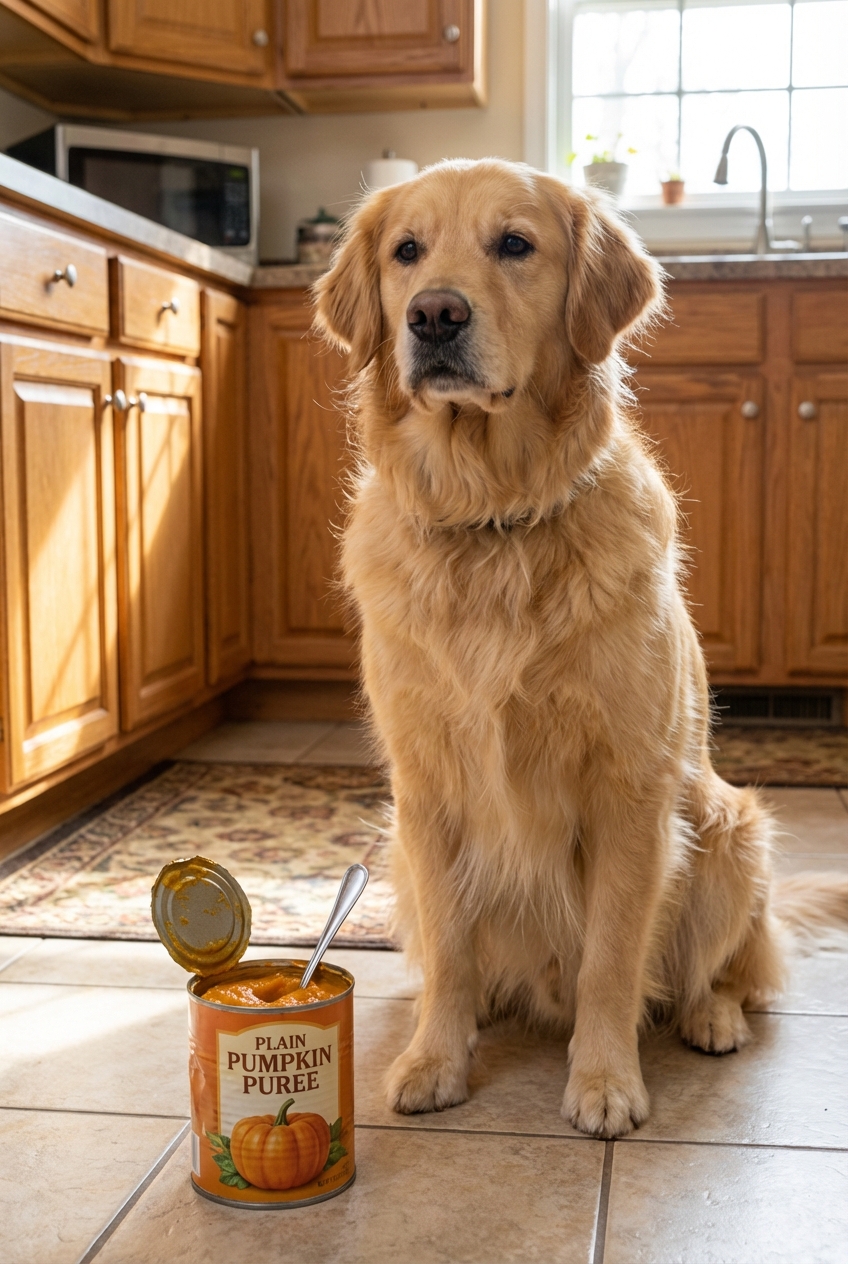
4) Pumpkin puree (plain)
Why it helps: Pumpkin is a gentle fiber source. In many dogs, it can help firm up loose stools and support regularity during food transitions. It is not a cure-all though, and in some dogs (especially if overused) it can worsen diarrhea.
Portion guide (approximate):
- Small dogs (under 20 lbs): 1 to 2 teaspoons per meal
- Medium dogs (20 to 50 lbs): 1 tablespoon per meal
- Large dogs (50+ lbs): 1 to 2 tablespoons per meal
Quick prep: Use canned 100% pumpkin or cook and puree fresh pumpkin. Refrigerate after opening and use within a few days, or freeze in spoon-sized portions.
Best for: Stool quality support, sensitive stomachs, transitions.
What to avoid: Pumpkin pie filling, which usually contains sugar and spices.
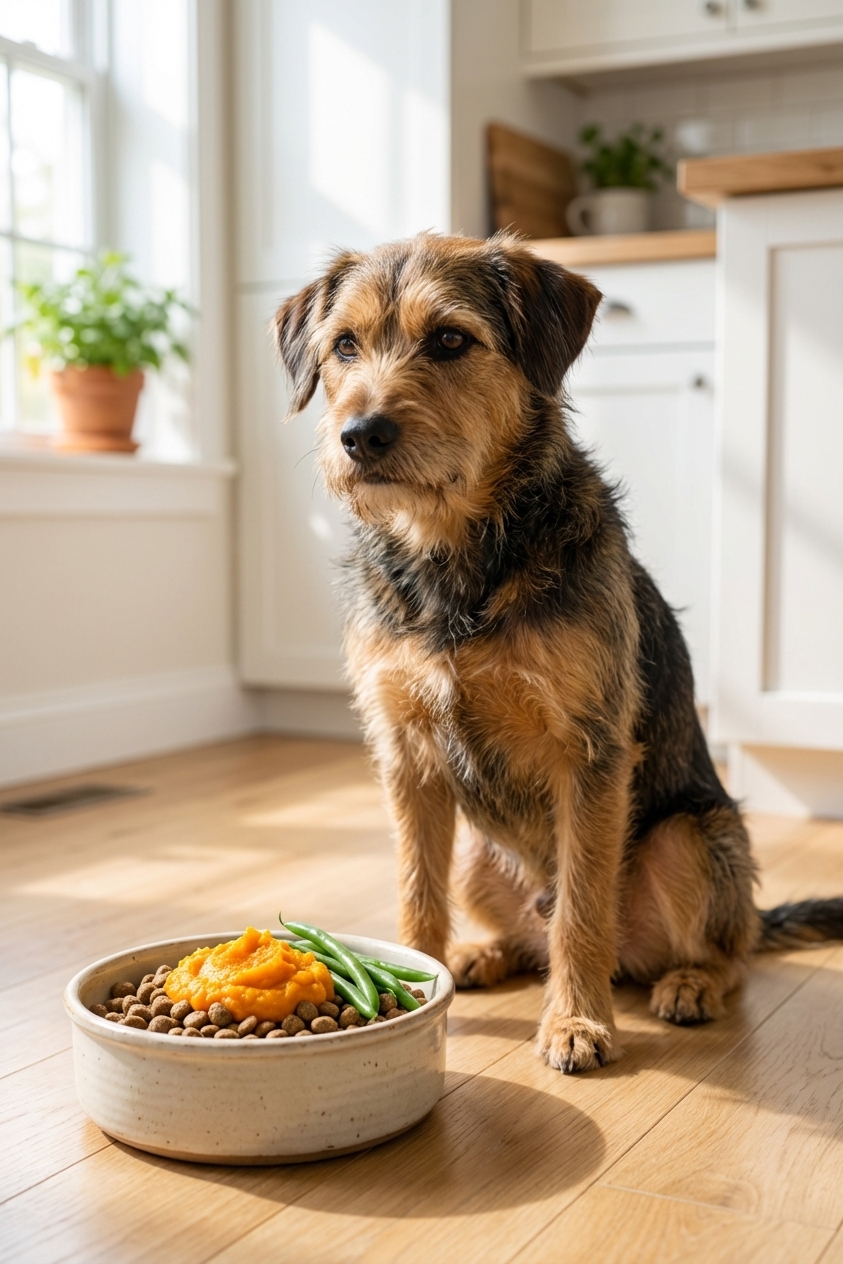
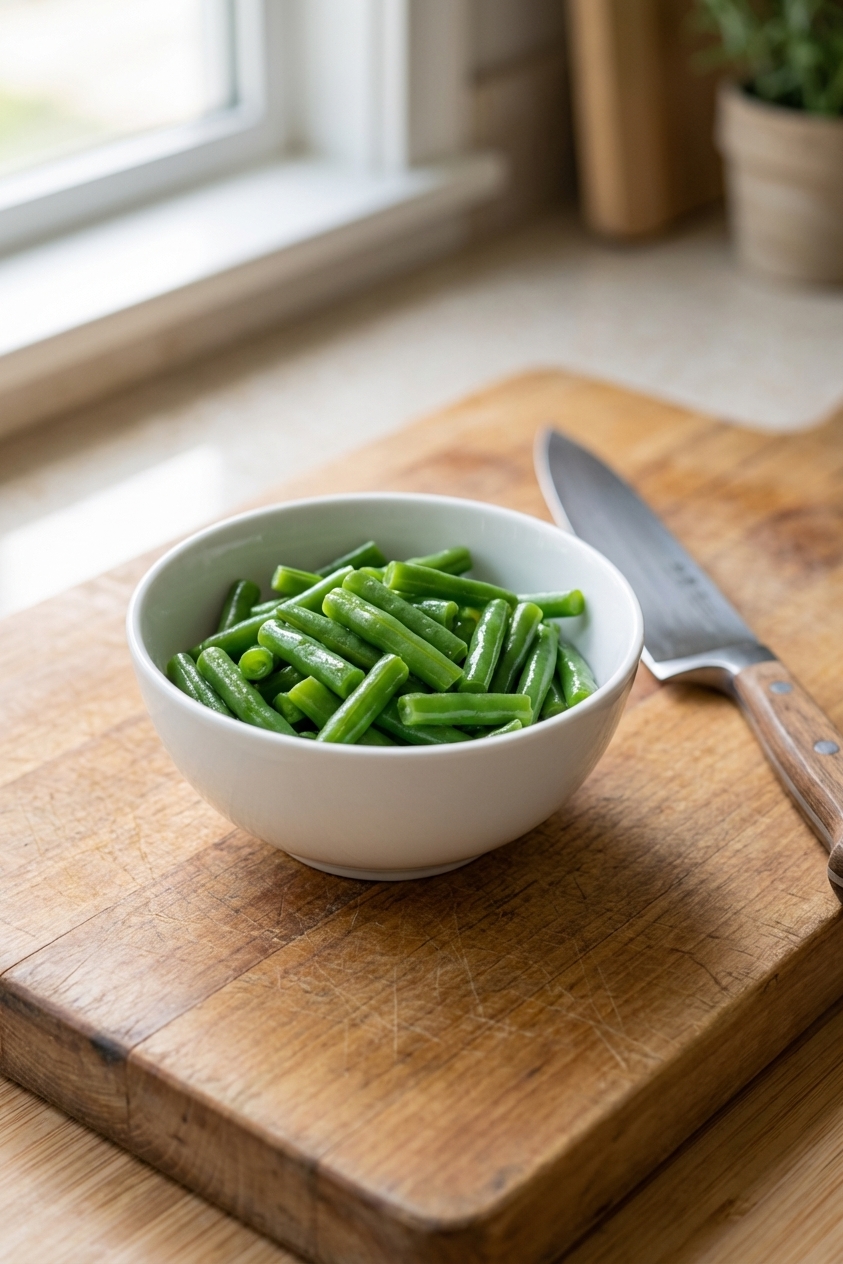
5) Steamed vegetables (lightly cooked)
Why it helps: Lightly cooked veggies add fiber, antioxidants, and micronutrients. Many dogs digest lightly cooked vegetables better than raw. Think of veggies as a small but powerful add-in, not the main event.
Great options: Green beans, carrots, zucchini, broccoli (small amounts), cauliflower (small amounts), spinach (small amounts), and sweet potato (cooked, plain).
Portion guide (approximate):
- Small dogs (under 20 lbs): 1 to 2 teaspoons
- Medium dogs (20 to 50 lbs): 1 to 2 tablespoons
- Large dogs (50+ lbs): 2 to 4 tablespoons
Quick prep: Steam until fork-tender, then chop finely or mash. For picky dogs, warm the veggies and add a splash of broth for aroma.
Best for: Weight management support (low-calorie bulk), digestion, overall micronutrient variety.
What to watch: Too much cruciferous veg can cause gas. Start with green beans or carrots if your dog has a sensitive belly.
Storage: Refrigerate cooked veggies and use within 3 to 4 days, or freeze in small portions.
Choose a topper by goal
Picky eating
- Warm broth to boost smell and soften food
- Scrambled egg for a high-value flavor
- A small amount of mashed sardine if your dog loves fish (start tiny)
Joint comfort support
- Sardines 2 to 3 times per week for omega-3s
- Low-fat broth for hydration and mealtime consistency, especially for seniors
If your dog already takes a joint supplement, sardines can still fit in, but keep total calories (and total fat) in mind.
Coat and itchy skin support
- Sardines are my top whole-food pick for omega-3s
- Egg in small amounts can support skin and coat
Digestive and stool support
- Pumpkin puree for gentle fiber (works well for many dogs, but not all)
- Steamed veggies in small portions for regularity
Easy prep routine
If you want toppers without making life complicated, here is a simple routine many pet parents can keep up with.
- Once a week: Steam a tray of green beans and carrots. Chop and refrigerate for up to 3 to 4 days, or freeze in small containers.
- Twice a week: Hard-boil 4 to 6 eggs. Keep refrigerated and use within 1 week.
- Monthly: Make a pot of plain broth, strain, chill, skim fat, then freeze in ice cube trays.
- Pantry staple: Keep a can of 100% pumpkin and a few cans of sardines in water on hand.
Food safety reminder: When in doubt, throw it out. If a topper smells “off,” looks questionable, or was left out at room temp too long, do not risk it.
What to avoid
- Onion, leeks, chives: toxic to dogs even in cooked form.
- Grapes and raisins: can cause kidney injury.
- Xylitol: common in sugar-free products, extremely dangerous.
- Cooked bones: splinter risk. Use broth only, not cooked bones as a topper.
- High-salt broths and deli meats: can add excessive sodium.
- Too much fat: bacon grease, heavy oils, and fatty drippings can trigger GI upset and pancreatitis in prone dogs.
- Spicy or seasoned human foods: especially anything with onion powder or garlic powder.
Note on garlic: You will see mixed opinions online. In my clinic experience, the biggest real-world risk is accidental overdoing it or using garlic in heavily seasoned foods. For toppers, I recommend keeping it simple and skipping garlic unless you are working with a veterinarian who knows your dog’s full health picture.
How to use toppers well
Toppers are meant to be small. If toppers start becoming “half the bowl,” it is time to switch strategies and choose a complete and balanced food (commercial or properly formulated homemade) rather than relying on add-ons.
A simple rule that works for many families is this:
- Use 1 topper at a time for 3 to 5 days.
- Keep it to about 10% of daily calories from toppers (less for dogs that gain weight easily).
- Adjust the main food slightly if your dog gains weight, even if the topper is “healthy.”
Simple topper combos
- For picky eaters: warm broth + a small spoon of scrambled egg
- For coat support: mashed sardine + a spoon of pumpkin (tiny portions)
- For sensitive stomach days: pumpkin + a little broth
- For weight management support: steamed green beans + broth to boost volume and aroma
If you want to start today, pick just one: plain pumpkin or warm broth are usually the gentlest first steps.
Quick FAQ
Can I use toppers every day?
Many dogs can, as long as portions stay small and your base diet remains complete and balanced. Rotate toppers for variety and to reduce the chance of creating a “won’t eat without it” situation.
Should I warm toppers?
Warming can make food smell stronger, which helps picky eaters. Warm is fine. Hot is not. Always stir and test temperature before serving.
What if my dog refuses food unless I add a topper?
This is common. Start by using a tiny amount, then slowly taper down. If appetite is suddenly worse, your dog skips meals, or you notice signs like bad breath, drooling, pawing at the mouth, vomiting, or weight loss, check in with your veterinarian to rule out pain, dental disease, nausea, or illness.