Build healthier homemade dog meals with a simple cooked-food ratio, plus tips to avoid common gaps like calcium, omega-3s, and key vitamins/minerals. Include...
Article
•
Designer Mixes
Homemade Dog Food for Weight Loss

Shari Shidate
Designer Mixes contributor
If your dog needs to lose a few pounds, you are not alone. In the U.S., surveys commonly cited by groups like the Association for Pet Obesity Prevention (APOP) have found that over half of pet dogs are overweight or obese (estimates vary by year and study). Extra weight can raise the risk of arthritis pain, diabetes, breathing issues, and a shorter lifespan. The encouraging part is that weight loss is very achievable when you match the right calories with the right nutrition.
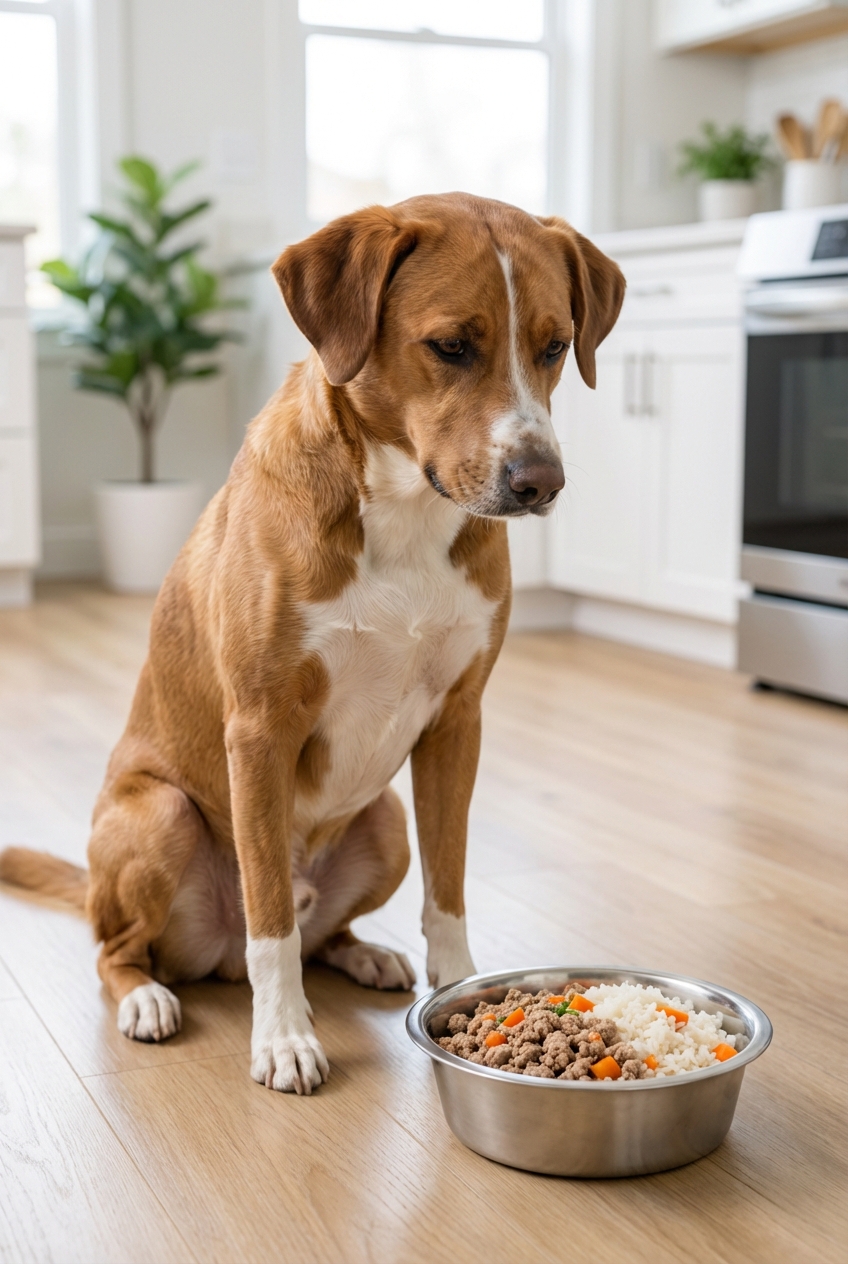
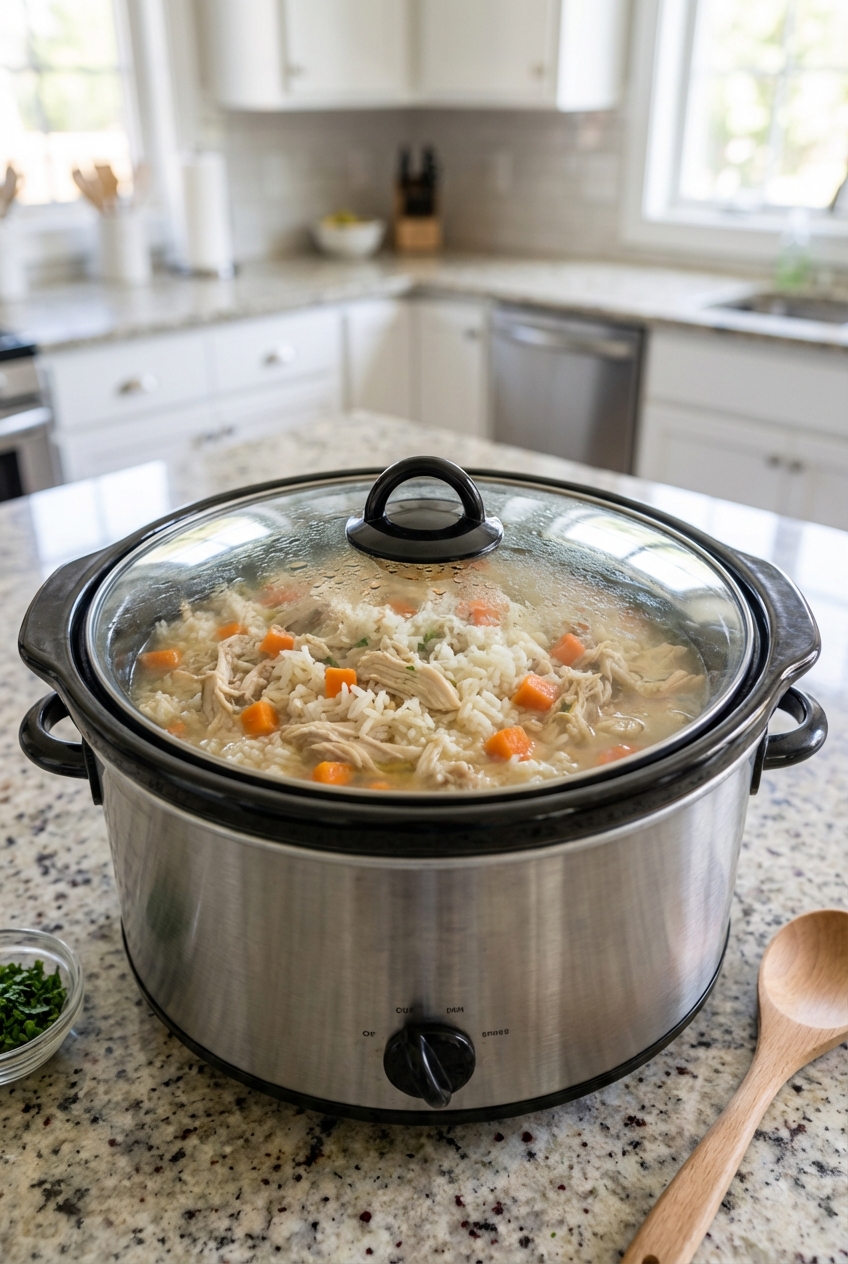
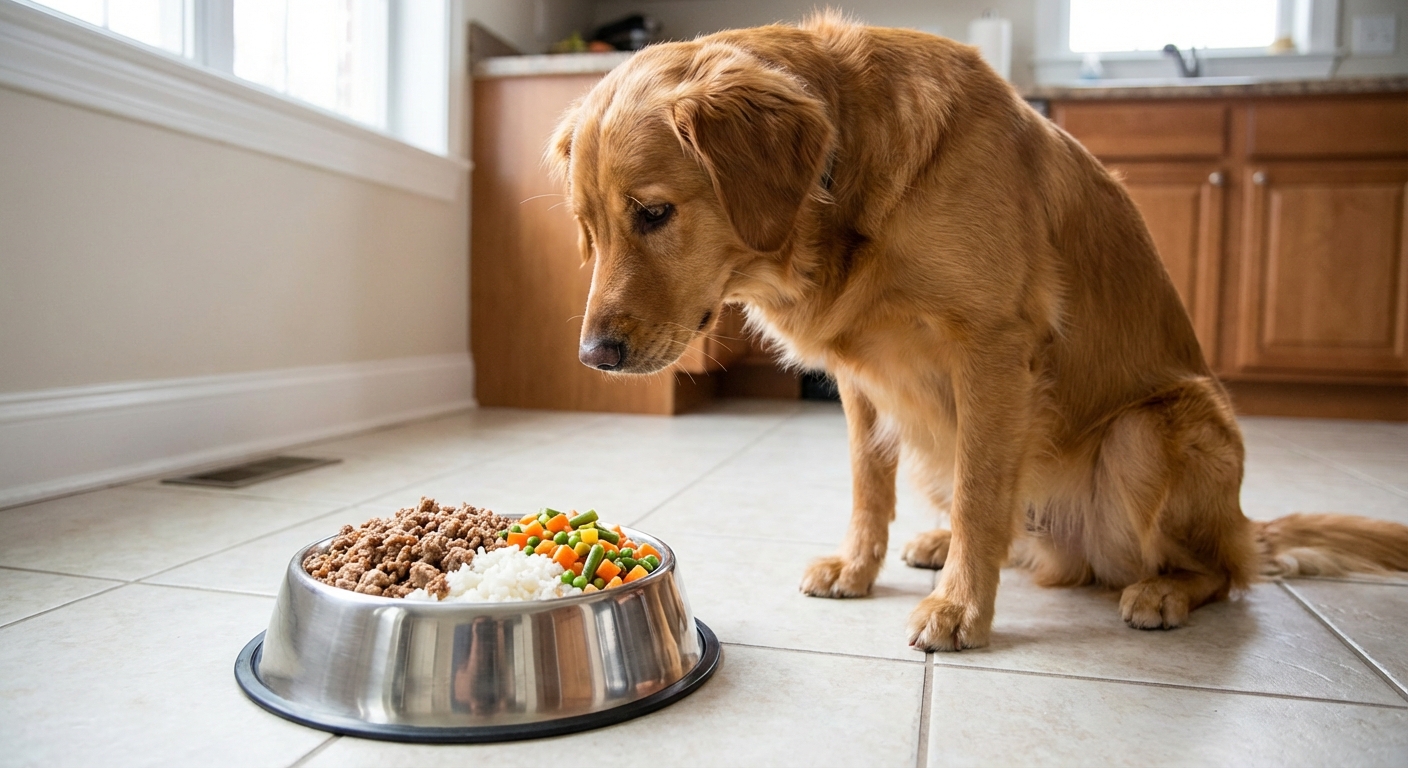
Homemade dog food can be a wonderful tool because you control the ingredients, portions, and calorie density (how many calories are packed into each bite). You can build meals that keep your dog feeling full while still meeting their nutritional needs.
Why homemade food can help
From my veterinary assistant perspective, weight loss is rarely about “willpower.” Most dogs gain weight because calorie intake quietly creeps higher than their needs, often from extra treats, large portions, high-fat foods, or free-feeding.
Homemade meals can support weight loss because they let you:
- Control calorie density: You can use lean proteins and high-fiber vegetables that deliver more volume per calorie.
- Measure portions precisely: Homemade makes it easier to weigh food and stick to a consistent plan.
- Limit ultra-processed extras: Many commercial foods and treats are designed to be highly palatable, which can lead to overeating.
- Increase protein quality: Adequate protein helps preserve lean muscle during weight loss, which supports metabolism and mobility.
Important note: “Homemade” is not automatically balanced. Weight loss should never come at the expense of essential nutrients like calcium, essential fatty acids, and key vitamins. When in doubt, work with your veterinarian or a board-certified veterinary nutritionist.
Before you start
Before changing your dog’s diet, it helps to do a quick health and lifestyle check. This keeps weight loss safe and prevents common mistakes.
Talk with your veterinarian if your dog has:
- Diabetes, kidney disease, liver disease, pancreatitis, or a history of bladder stones
- Arthritis or mobility issues
- Unexplained weight gain or sudden hunger changes (thyroid and hormonal conditions can play a role)
Set a realistic goal
Healthy weight loss is typically gradual. A common veterinary target range is about 1% to 2% of body weight per week, but your veterinarian can personalize this based on your dog’s body condition, muscle condition, and medical history.
Get a starting point
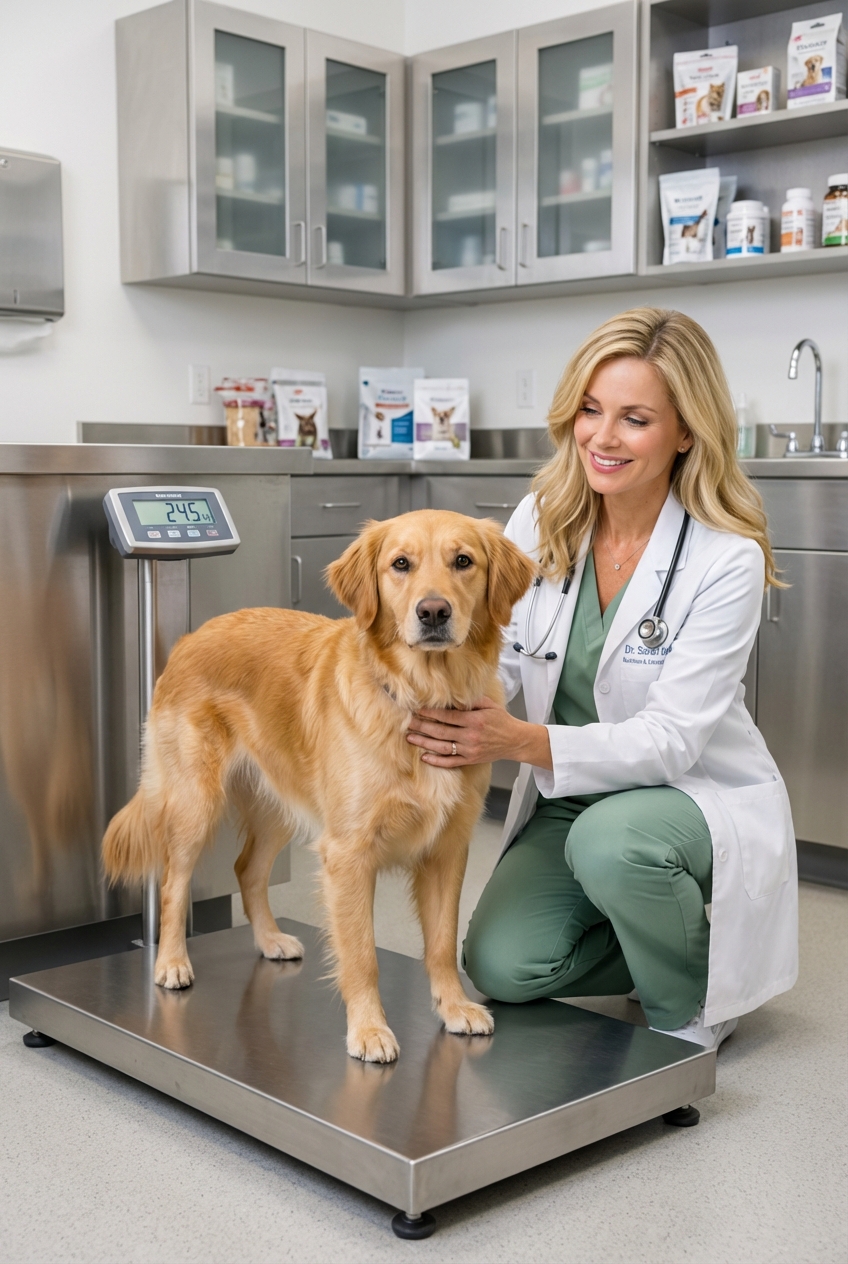
- Weigh your dog weekly or every two weeks on the same scale.
- Use a body condition score: You should be able to feel ribs with a light layer of fat, and your dog should have a visible waist from above.
- Track treats: Treat calories often make or break the plan.
The weight loss plate
For weight loss meals, I like an approach that is straightforward, filling, and easy to repeat. Think in “parts” rather than complicated recipes.
Basic proportions (starting point)
- Lean protein: about 50% of the meal
- Cooked non-starchy vegetables: about 25% to 35% of the meal
- Healthy carbohydrate (optional): about 0% to 20% of the meal, depending on your dog
- Healthy fats: small amounts, because fats are calorie-dense
How to use these percentages: These “parts” are easiest to visualize by volume, but if you want the most accurate and repeatable results, measure ingredients by weight on a kitchen scale. Calories matter most, so you may still need to adjust amounts based on your dog’s progress.
Many overweight dogs do well with a slightly higher-protein, higher-fiber plan. Vegetables add volume and fiber, which helps dogs feel satisfied.
Lean proteins
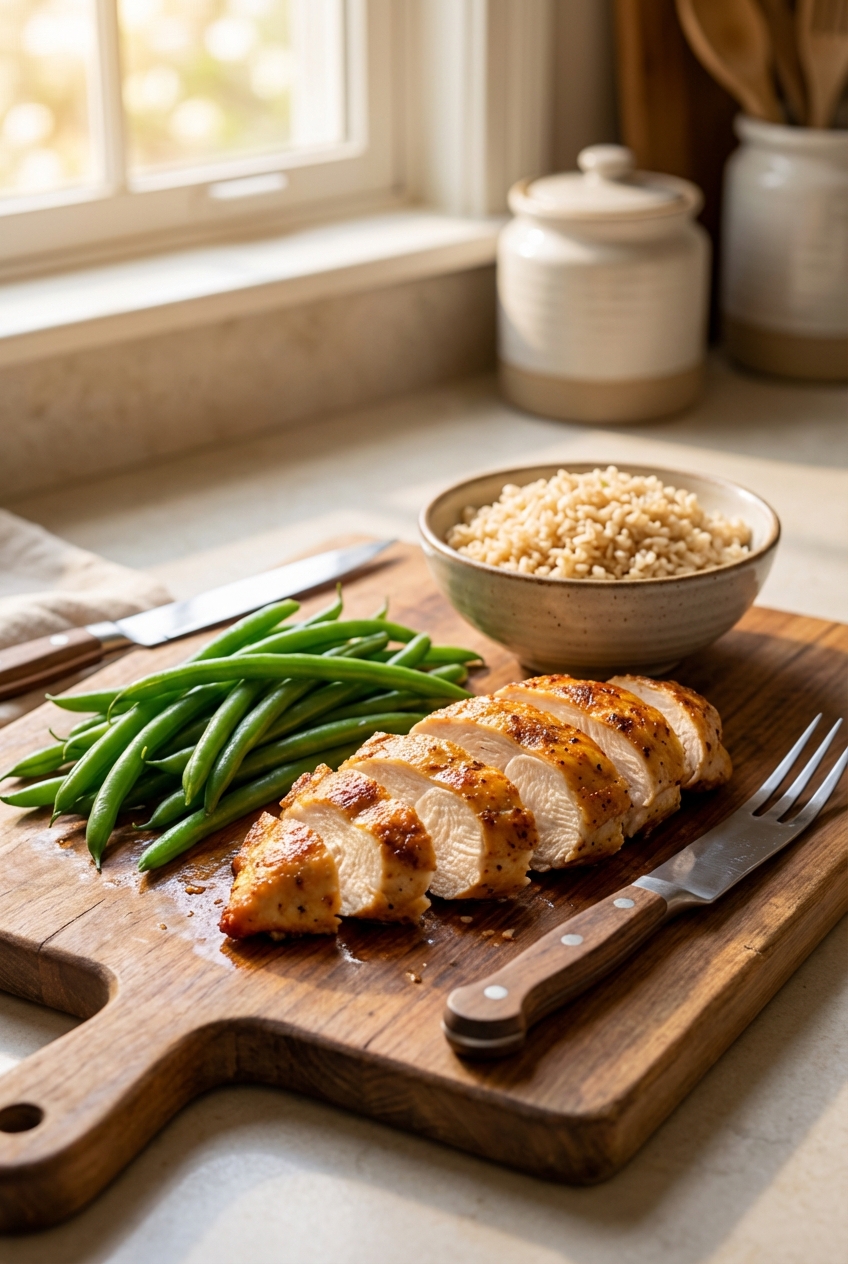
- Skinless chicken or turkey breast
- Extra-lean ground turkey or beef (drained well)
- White fish (like cod)
- Eggs or egg whites (egg whites are lower calorie)
- Salmon (healthy, but higher fat and calories, so use smaller portions than white fish)
Cooked vegetables
- Green beans, zucchini, broccoli, cauliflower, carrots
- Spinach or kale in moderate amounts
- Pumpkin (plain, not pie filling) for fiber
Many dogs digest vegetables better when they are lightly cooked, steamed, or pureed, compared with raw.
Carbs, when they help
Some dogs do well with a small portion of complex carbs for energy and stool consistency. Options include:
- Brown rice or white rice (white can be gentler for sensitive stomachs)
- Oats
- Quinoa
- Sweet potato (baked or cooked)
If your dog gains easily, carbs are often the first area to reduce, not protein.
Nutrition and balance
This is where homemade diets can either shine or cause problems. Dogs need the right balance of calcium and phosphorus, plus vitamins and trace minerals. If you simply feed meat and vegetables without a plan, deficiencies can develop over time.
Calcium matters
Meat is high in phosphorus and low in calcium. Most meat-forward homemade diets require a calcium source to help balance the calcium to phosphorus ratio. Adult dogs generally do best with a calcium to phosphorus ratio in the neighborhood of about 1:1 to 2:1, but exact needs vary, and puppies have different requirements than adult dogs.
Common options include a veterinary-formulated calcium supplement or a complete and balanced homemade diet supplement designed for dog meals.
Please do not guess on calcium. Too little or too much can be harmful, especially long term.
Omega-3s in small, smart amounts
Omega-3s can support joint health and inflammation control, which is especially helpful for overweight dogs. Fish oil is common, but dosing should be based on your dog’s size and health needs. Ask your vet for a safe amount.
Use a complete plan for long-term feeding
If you want to feed homemade as the main diet (not just as a topper), use recipes formulated to meet AAFCO nutrient profiles or created by a board-certified veterinary nutritionist (ACVIM Nutrition in the U.S., or ECVCN in Europe). This is especially important for long-term feeding because nutrients beyond calcium matter too, including iodine, zinc, copper, vitamin D, and vitamin E.
Portion control
Even the healthiest ingredients can lead to weight gain if portions are too large. This is the part most families underestimate, and it is also the part that changes everything once you get it right.
Tips that help
- Weigh food with a kitchen scale instead of eyeballing cups.
- Feed measured meals rather than free-feeding.
- Split daily food into 2 to 3 meals to help your dog feel satisfied.
- Use low-calorie “bonus bites” like green beans, cucumber, or a few blueberries (as tolerated).
Treat rules
A good guideline is to keep treats to under 10% of daily calories. Better yet, use part of your dog’s daily meal as training treats so calories stay consistent.
Set a calorie target
If you like having a simple framework, veterinarians often start with a resting energy requirement (RER) estimate:
- RER (kcal/day) = 70 × (body weight in kg)0.75
For weight loss, many plans start somewhere around about 80% of RER based on the goal weight, then adjust based on results. This is only a starting point, not a promise, since age, activity, neuter status, and medical conditions can all change calorie needs. Your veterinarian can help you choose a safe target and adjust it if weight loss stalls.
Example
A dog with a goal weight of 18 kg (about 40 lb) has an RER of roughly 610 kcal/day. A common weight-loss starting point might be about 490 kcal/day, then adjusted up or down depending on weekly progress and how your dog feels.
Starter topper recipe
If you are new to homemade, start slowly. For many dogs, using homemade as 25% to 50% of the bowl can still support better satiety and help you cut excess calories.
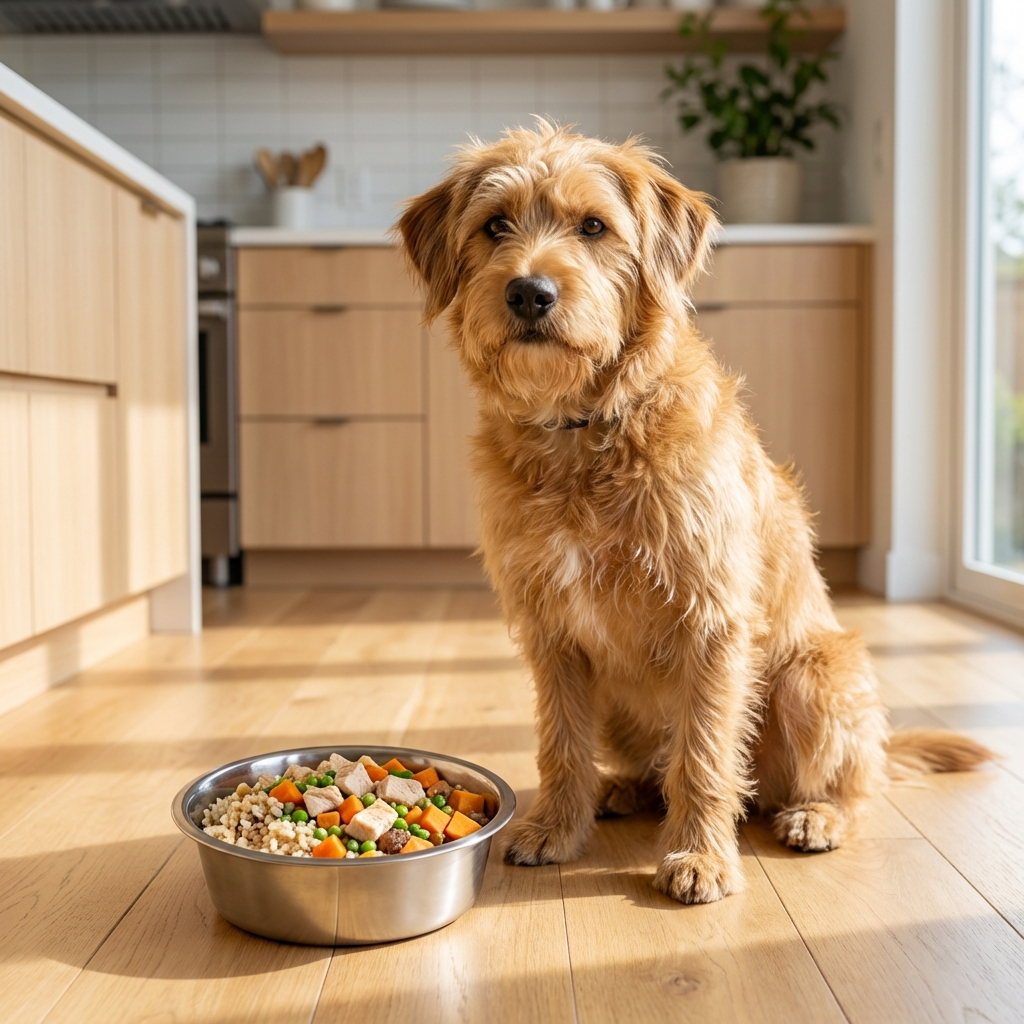
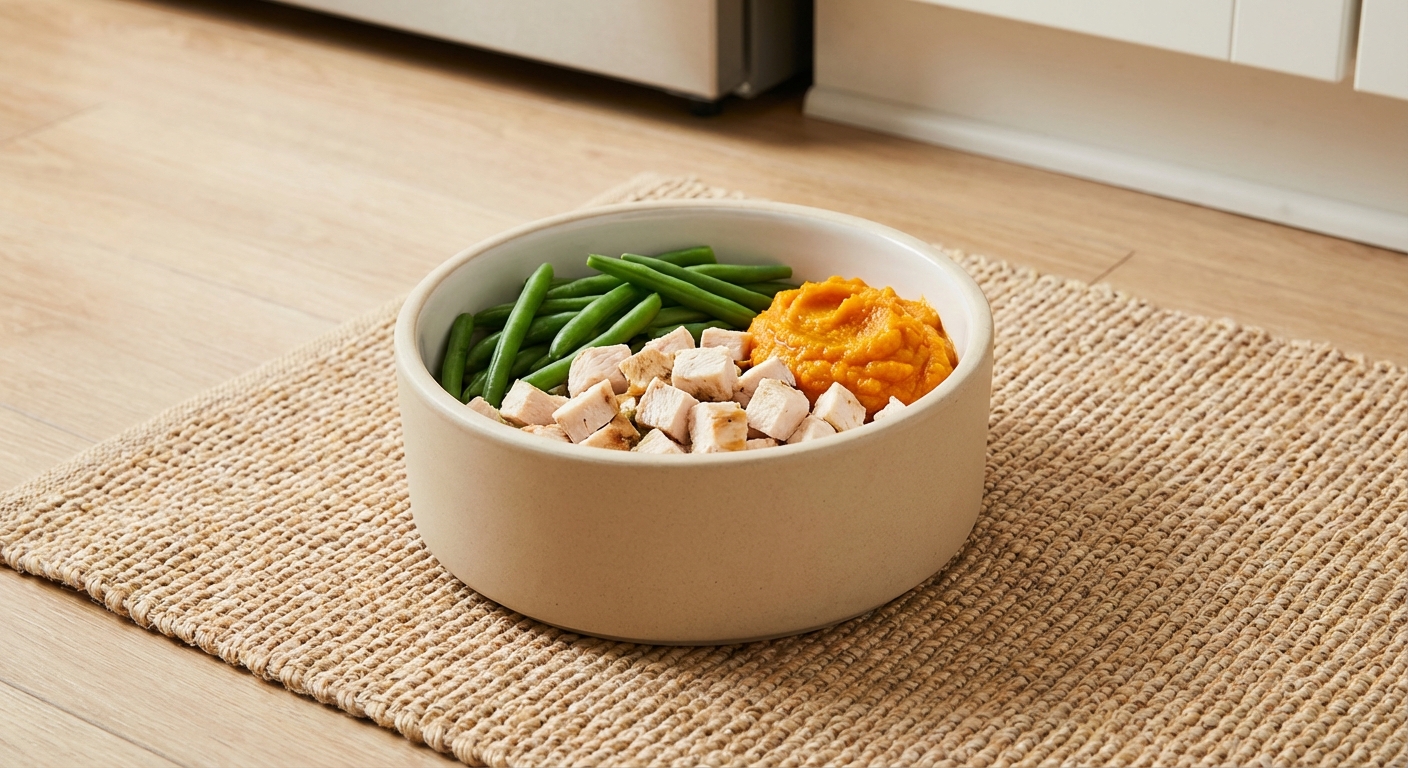
Lean Chicken and Green Bean Bowl
- Cooked skinless chicken breast, chopped
- Steamed green beans, chopped
- Small spoonful of cooked rice or pumpkin (optional)
- Warm water to add moisture, or dog-safe low-sodium broth
Broth tip: Many broths contain onion or garlic, which are not safe for dogs. Always check labels, or stick with warm water.
How to use it: Mix into your current food and reduce the kibble portion so total calories go down. If you need help estimating an appropriate starting portion, your veterinarian can calculate a daily calorie target.
Reminder: This is not a complete long-term diet by itself. It is a gentle starting point for transition and calorie control.
Transition slowly
Even healthy changes can cause diarrhea if introduced too quickly. A slow transition is kinder to your dog’s gut.
- Days 1 to 3: 25% homemade, 75% current food
- Days 4 to 6: 50% homemade, 50% current food
- Days 7 to 9: 75% homemade, 25% current food
- Days 10 to 14: 100% of the new plan, if it is complete and balanced
If your dog has a sensitive stomach, go slower. Watch stool consistency, appetite, energy, and itching or ear flare-ups if food sensitivities are a concern.
Foods to avoid
When you are cooking for your dog, safety matters as much as calories. Avoid:
- Onion, garlic, chives, leeks
- Grapes and raisins
- Xylitol (common in sugar-free gum and some peanut butters)
- Cooked bones
- Excess salt, fatty table scraps, and heavily seasoned foods
Common mistakes
- Too much fat: Oils, skin-on poultry, and high-fat ground meats can quietly double calories.
- “Healthy” extras add up: Cheese, peanut butter, and coconut oil are very calorie-dense.
- Portions not measured: A little extra at each meal becomes a lot over a month.
- No activity plan: Diet drives weight loss, but gentle movement supports joints, muscle, and long-term success.
- Not enough protein: Over-restricting food without enough protein can reduce lean muscle.
- Only watching the scale: Keep an eye on body condition and muscle condition, not just pounds lost.
Movement matters
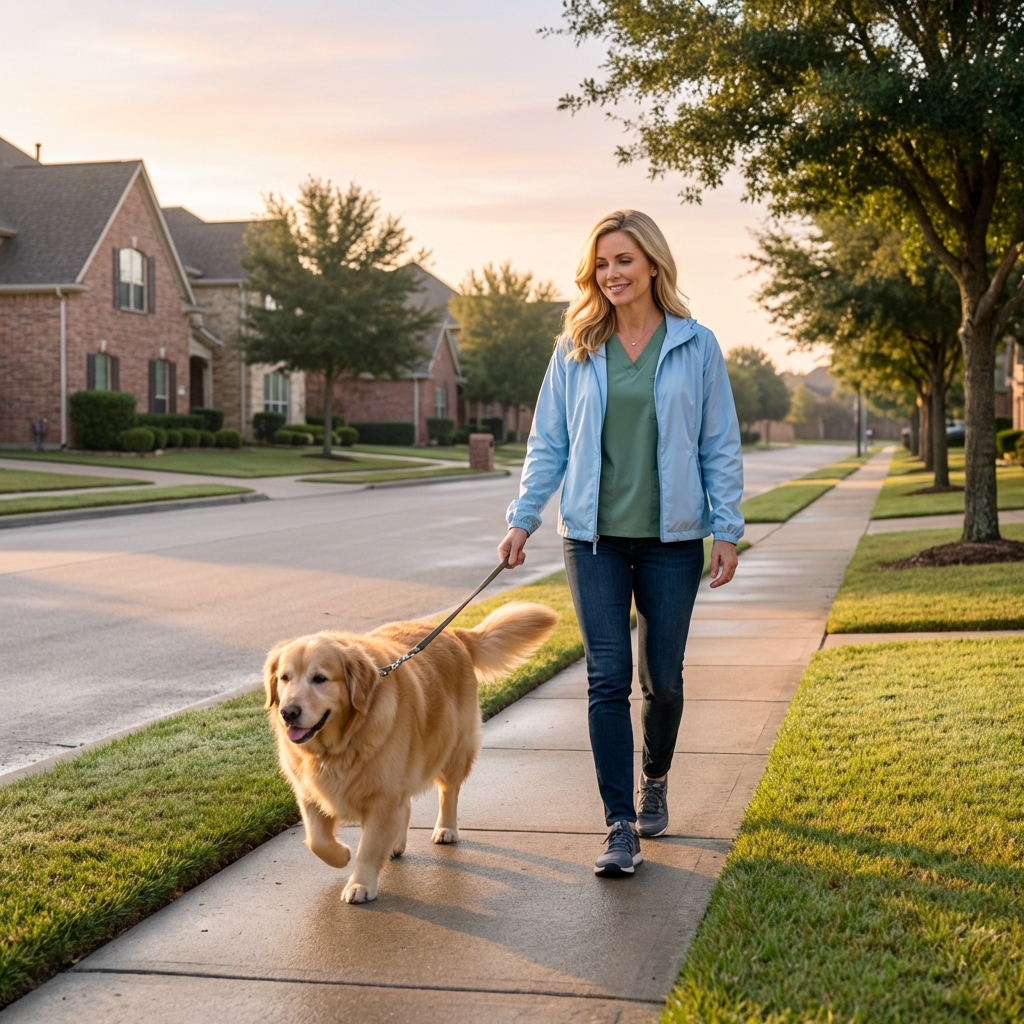
Weight loss is primarily about calories, but movement helps your dog feel better and maintain muscle. If your dog is significantly overweight or arthritic, start with short, frequent walks and build gradually.
- Two to three short walks per day
- Slow sniffy walks for mental enrichment without overexertion
- Gentle indoor games like “find it” with a few pieces of their meal
If your dog seems painful, slows down, or limps, pause and talk to your veterinarian. Comfort comes first.
When to get extra help
If the scale is not moving after 3 to 4 weeks, that is not a failure. It simply means the plan needs adjusting. Your veterinarian can:
- Calculate a precise daily calorie goal
- Recommend a balanced homemade recipe or a veterinary therapeutic weight-loss diet
- Rule out medical issues that make weight loss harder
Small changes done consistently win. A measured bowl, smarter treats, and a balanced homemade plan can make weight loss feel doable for you and comfortable for your dog.
Educational note: This article is for general education and is not a substitute for veterinary advice. If you want a customized homemade plan, your veterinarian can help, and they can refer you to a board-certified veterinary nutritionist if needed.