Hands-off slow cooker dog food for busy owners: 3 easy recipes (chicken/rice, turkey/sweet potato, beef/pumpkin) plus calcium guidance, safe ingredients, por...
Article
•
Designer Mixes
Homemade Dog Food for Senior Dogs With Arthritis

Shari Shidate
Designer Mixes contributor
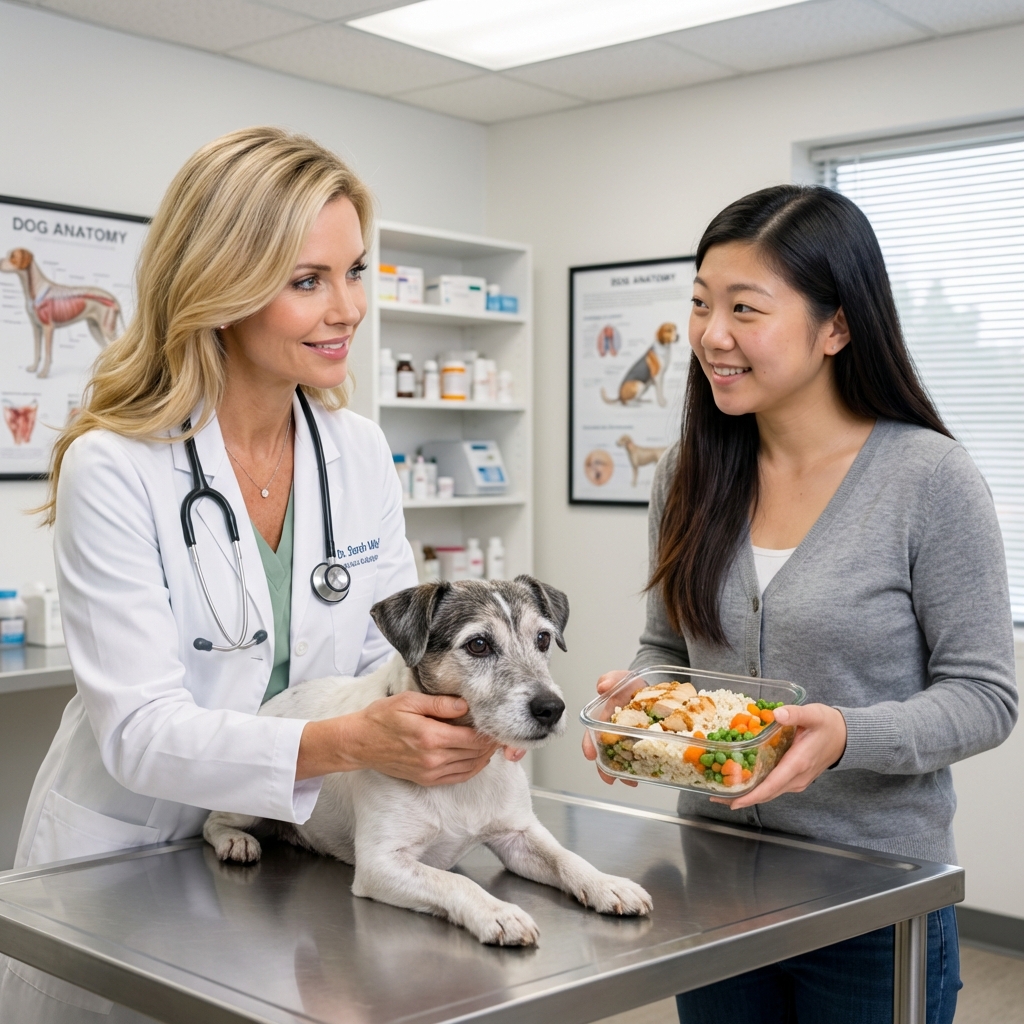
When a dog starts to slow down, hesitate on stairs, or limp after a nap, arthritis is often part of the story. As a veterinary assistant here in Frisco, Texas, I have seen how much comfort we can support through simple daily choices, especially nutrition. Homemade food is not a cure for arthritis, but it can help you manage weight, support joints, and keep your senior dog excited about meals again.
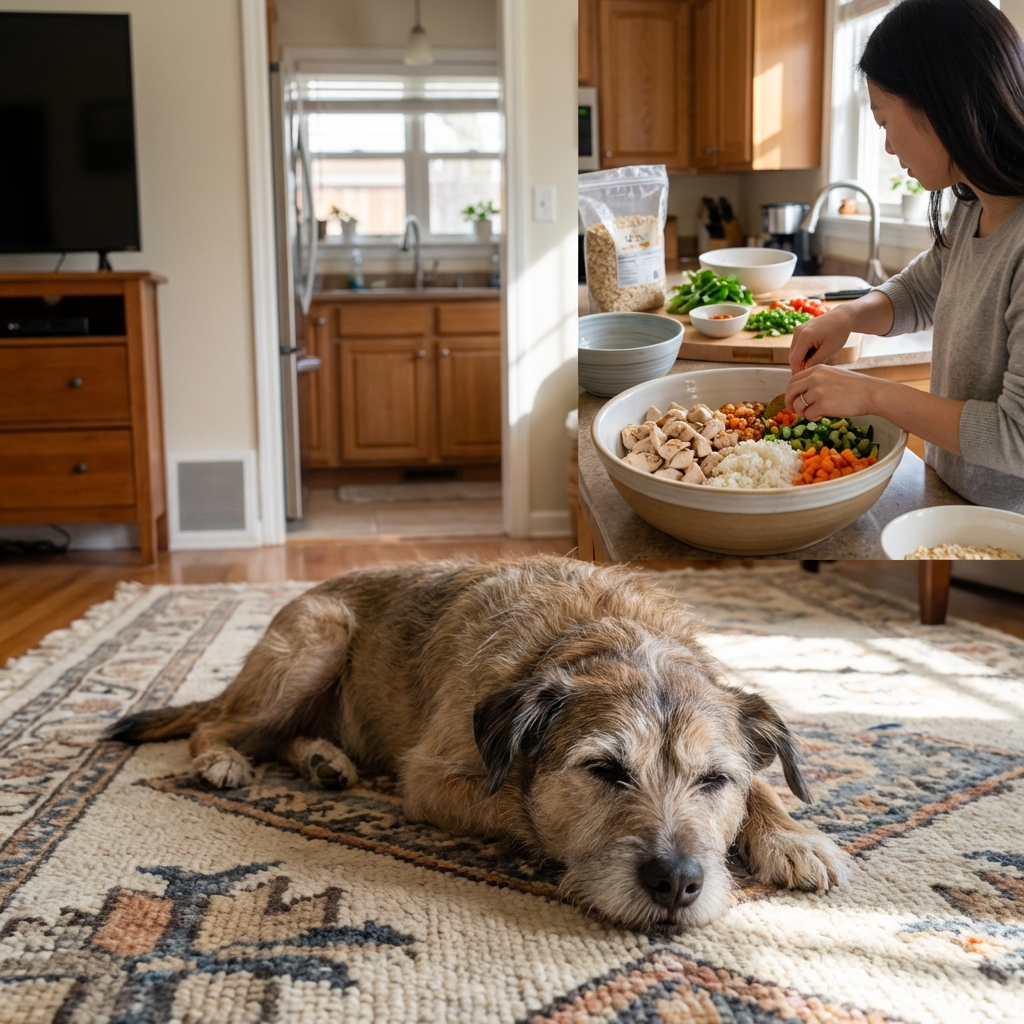
Before you change your dog’s diet, check in with your veterinarian, especially if your dog takes arthritis medications (like NSAIDs), has kidney disease, pancreatitis, diabetes, a history of bladder stones, or has had bloat (GDV). Those details affect which ingredients and supplements are safest.
How food can help arthritis in senior dogs
Most “senior dog arthritis” is osteoarthritis (degenerative joint disease). That means there is gradual cartilage wear plus inflammation in and around the joint. Food cannot reverse that wear, but it can support comfort and mobility in a few well-supported ways:
- Weight management: Even a small amount of extra weight increases joint load. Research shows that weight loss in overweight dogs can improve lameness and pain scores, and lifelong leanness is linked with better mobility in later years.
- Omega-3 support: Diets with enough marine omega-3s (EPA and DHA) may help reduce inflammatory signaling and improve function in osteoarthritis. Dosing matters, so I recommend vet-guided amounts.
- Muscle support: Senior dogs lose muscle more easily. Adequate, high-quality protein helps preserve lean mass that stabilizes joints.
- Gut health: The gut microbiome may play a role in immune balance and inflammation, but research in canine osteoarthritis is still evolving. Think of gut support as a promising add-on, not a primary treatment.
What an arthritic senior needs in homemade food
The best homemade plan is balanced, consistent, and easy on digestion. Here are the pillars I focus on with older arthritic dogs:
1) High-quality protein
Protein supports muscle, tissue repair, and immune health. Most seniors do well with:
- Skinless chicken or turkey
- Lean ground beef or sirloin
- Sardines or salmon (watch calories and fat)
- Eggs (fully cooked)
If your dog has kidney disease, protein targets may differ, so this is a must-discuss with your vet.
2) Anti-inflammatory fats (omega-3s)
For arthritis support, omega-3s (EPA and DHA) are the stars. Food options include:
- Oily fish like sardines or salmon (cooked, boneless)
- Fish oil supplements made for dogs (high-quality, tested for purity)
Plant sources like flax and chia provide ALA, but dogs convert ALA to EPA and DHA inefficiently. They can be healthy add-ons, but fish-based omega-3s are usually more effective for joint inflammation.
Omega-3 dosing note: Effective EPA + DHA targets are typically given in mg per kg of body weight and vary by product and medical history. Ask your veterinarian for a specific mg/kg dose. Too much fish oil can cause diarrhea, add unwanted calories, and may be risky for dogs prone to pancreatitis. Use caution if your dog is on blood thinners or has a bleeding disorder.
3) Smart carbohydrates
Many senior dogs do best with moderate, easy-to-digest carbs that help maintain weight and energy:
- Sweet potato
- Pumpkin
- Oats
- Brown rice or quinoa (if tolerated)
If your dog is overweight, we often reduce carb portions and increase non-starchy vegetables for volume without extra calories.
4) Vegetables for fiber and protective nutrients
Lightly cooked vegetables add fiber and antioxidants and can support a healthier gut. Great senior-friendly options include:
- Broccoli, cauliflower (small amounts)
- Carrots
- Green beans
- Spinach or kale (cooked, moderate amounts)
- Zucchini
Tip: Seniors often digest vegetables better when they are steamed and then chopped finely or pureed.
5) Vitamin and mineral balance (non-negotiable)
This is where many homemade diets go wrong. Dogs need the right calcium-to-phosphorus balance, especially when feeding mostly meat. Adding “a little yogurt” is usually not enough to balance a meat-based recipe.
Just as important, long-term homemade diets commonly come up short in nutrients like iodine, zinc, copper, selenium, vitamin D, and vitamin E if you are not using a complete plan.
Common balanced options include:
- Ground eggshell powder measured accurately (for calcium only, not a complete vitamin and mineral plan)
- Veterinary-formulated calcium supplement designed for homemade diets
- A complete canine vitamin-mineral mix intended for home-cooked food
If you want to feed 100% homemade long-term, consider using recipes formulated by a board-certified veterinary nutritionist (ACVN in the US) or a recipe tool backed by veterinary nutritionists.
Ingredients that often help
- Omega-3s (EPA/DHA): Typically from fish oil or oily fish, and one of the best-supported nutrition tools for osteoarthritis comfort when dosed appropriately.
- Glucosamine and chondroitin: Evidence is mixed, but many dogs do well, and it is commonly used in veterinary practice. Choose reputable brands and correct dosing.
- Green-lipped mussel: Some research supports benefits for mobility and comfort in dogs.
- Turmeric (curcumin): May help inflammation in some dogs, but quality and absorption vary widely. It can have potential interactions and may not be appropriate for dogs with bleeding risk, gallbladder disease, or those on certain medications. Use only with veterinary guidance.
- Collagen or gelatin: Can be a helpful protein add-on, but it should not replace balanced nutrition.
Always introduce one new supplement at a time so you can spot tummy upset or changes in stool.
Simple starter base (needs a supplement)
This is a gentle, senior-friendly base that many dogs love. It is not complete and balanced on its own. To feed it as a primary diet, you must add a veterinary-approved vitamin-mineral plan made for homemade diets (and follow label directions based on your dog’s weight and calories).
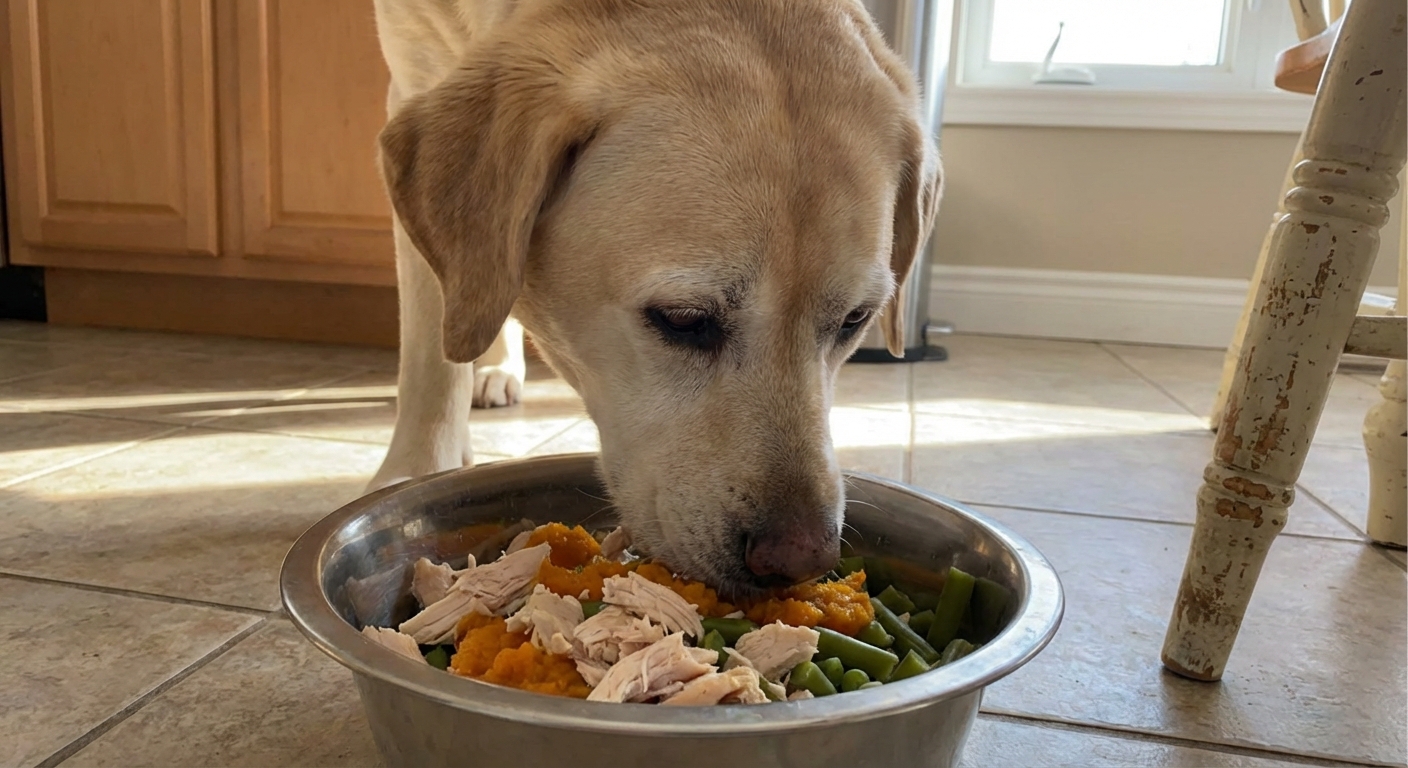
Chicken, pumpkin, and greens bowl
Suggested starting proportions by weight (cooked):
- 50% cooked skinless chicken thigh or breast, shredded
- 25% plain pumpkin (not pumpkin pie filling) or cooked sweet potato
- 25% steamed green beans or zucchini, finely chopped or pureed
Optional add-on: a small amount of sardines (in water, no salt added) or fish oil only at your veterinarian’s recommended EPA + DHA dose.
Required for long-term feeding: a complete canine vitamin-mineral supplement (and calcium plan) designed for home-cooked diets.
Serving tip: Warm the food slightly (not hot) to boost aroma. Senior dogs often have a reduced sense of smell, and warmth makes meals more appealing.
Portion tip: Track your dog’s weight and body condition. Homemade food can be more calorie-dense than it looks, especially with oils and fatty fish. Your vet team can help you estimate a daily calorie target and portion size.
How to transition safely
Senior digestive systems can be sensitive. Go slow and let your dog’s stool be your guide.
- Days 1 to 3: 25% homemade, 75% current food
- Days 4 to 6: 50% homemade, 50% current food
- Days 7 to 9: 75% homemade, 25% current food
- Days 10 to 14: 100% homemade (only if stools and appetite are steady)
Call your vet if you see vomiting, ongoing diarrhea, refusal to eat, black or bloody stool, sudden weakness, or if pain seems worse.
If your dog is on NSAIDs, let your veterinarian know about diet changes. NSAIDs can increase the risk of GI irritation and ulcers, especially in seniors, and your vet may recommend monitoring or additional stomach support based on your dog’s risk factors.
Foods to avoid
Some ingredients are risky for seniors, especially those with arthritis and common age-related conditions.
- High-fat meals: Can trigger pancreatitis in susceptible dogs. Avoid heavy butter, greasy meats, and large amounts of skin.
- Cooked bones: Can splinter and cause serious injury.
- Onions: Toxic to dogs.
- Grapes and raisins: Toxic and can cause kidney injury.
- Xylitol: Dangerous sweetener found in many sugar-free products.
- Too much sodium: Especially important if your senior has heart disease or kidney disease.
Make meals joint-friendly
Nutrition helps most when it is part of an arthritis-support plan. A few practical tweaks can make eating easier and more comfortable:
- Non-slip bowls: Prevent sliding and awkward posture.
- Raised bowls: Helpful for some dogs with neck or shoulder stiffness, but not every dog. For large, deep-chested dogs or dogs with bloat (GDV) risk, ask your vet before using a raised feeder.
- Consistent meal schedule: Helps with medication timing and digestion.
- Short, steady exercise: Gentle walks maintain muscle and lubricate joints. Movement is medicine, when done safely.
- Smarter treats: Treat calories count. If your dog needs to slim down, use low-calorie options like green beans, cucumber, or a few bites of their regular balanced food instead of high-fat treats.
A loving homemade diet is not about perfection overnight. Start simple, go slow, and build a routine that keeps your senior dog comfortable and thriving.
Storage and food safety
Home-cooked food is still food safety. This matters even more for seniors and dogs on medications.
- Refrigerate promptly in shallow containers.
- Use within 3 to 4 days, or freeze single-meal portions.
- Reheat gently and discard food left out for extended periods.
- Wash hands, bowls, and prep surfaces to avoid cross-contamination.
When to get a custom recipe
If your senior dog has arthritis plus another condition like kidney disease, heart disease, pancreatitis history, food allergies, frequent GI upset, or if weight loss is a major goal, a custom plan is worth it. Ask your veterinarian for a referral to a board-certified veterinary nutritionist. You will get a recipe designed for your dog’s exact weight, labs, medications, and mobility goals.