Make meals more tempting and nutritious with simple dog food toppers: bone broth, cooked eggs, sardines, pumpkin, and steamed veggies—plus portions, storag...
Article
•
Designer Mixes
Homemade Dog Food for Senior Dogs Joint Support

Shari Shidate
Designer Mixes contributor
As dogs age, stiff joints, slower “get up and go,” and soreness after naps can become part of everyday life. The encouraging news is that nutrition can be a powerful support tool. As a veterinary assistant, I have seen seniors perk up when their meals become more intentional: fewer empty-calorie treats and table scraps, fewer highly processed add-ins, a better omega-6 to omega-3 balance, more high-quality protein, targeted fats, and the right micronutrients.
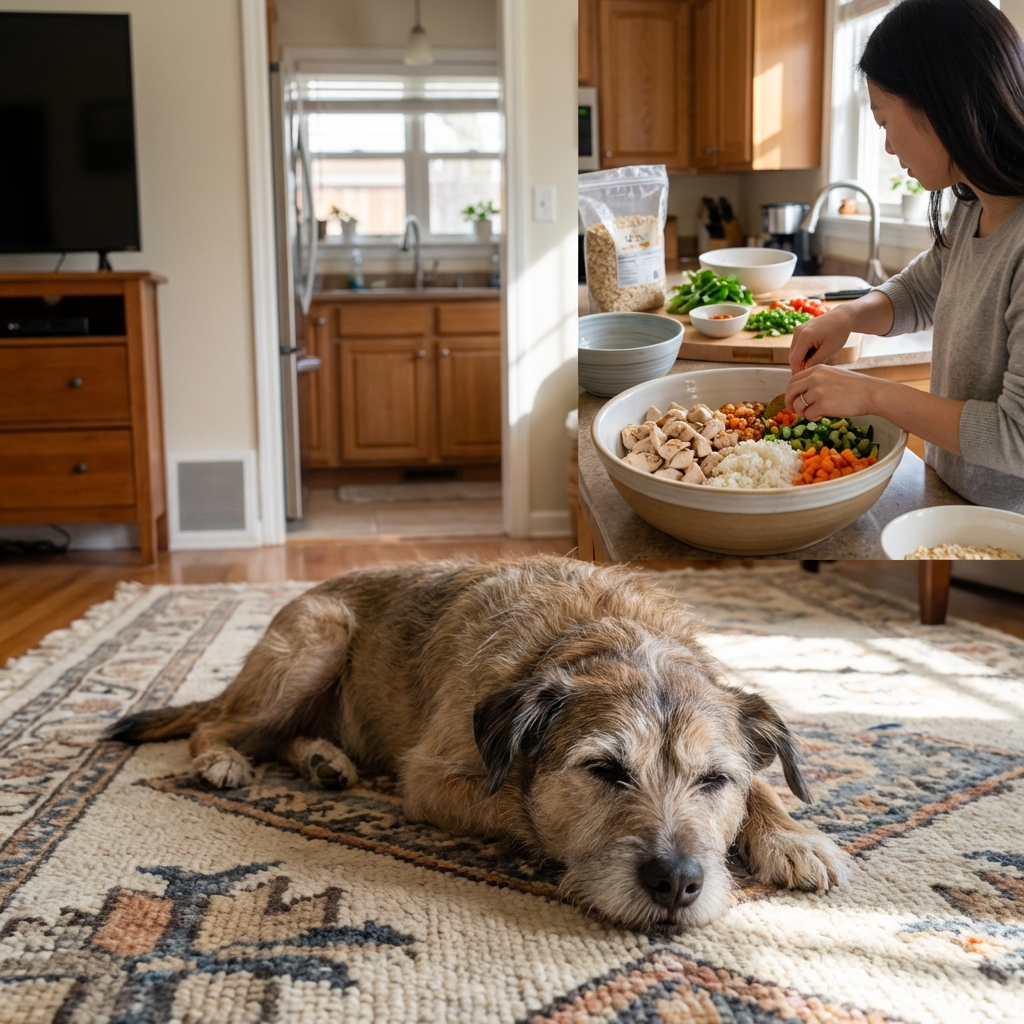
Homemade dog food is not about being perfect. It is about being thoughtful. Even switching to a 50/50 approach, half balanced homemade and half a quality commercial food, can help some dogs, but results vary. The homemade portion still needs to be sensible and safe for your dog’s health conditions.
Why joint support starts in the bowl
Joint discomfort in senior dogs is often influenced by a few big factors: inflammation, muscle loss, excess body weight, and underlying conditions like arthritis. Food cannot “cure” arthritis, but it can support joint comfort by helping reduce excess inflammation, maintaining lean muscle, and keeping weight in a healthier range.
3 nutrition goals for senior joints
- Maintain a healthy weight: Every extra pound increases stress on hips, knees, elbows, and the spine.
- Protect lean muscle: Seniors tend to lose muscle mass. Muscle supports joints like a natural brace.
- Support normal inflammation response: The right fats and antioxidants can help the body manage everyday wear and tear.
Also worth saying out loud: joint care is usually best as a team approach. Nutrition, vet-directed pain control, and gentle movement or physical therapy often work better together than any one tool alone.
Key nutrients for senior dog joint support
If you want your homemade diet to truly support joints, focus less on trendy ingredients and more on the nutrients those ingredients provide.
Omega-3 fats (EPA and DHA)
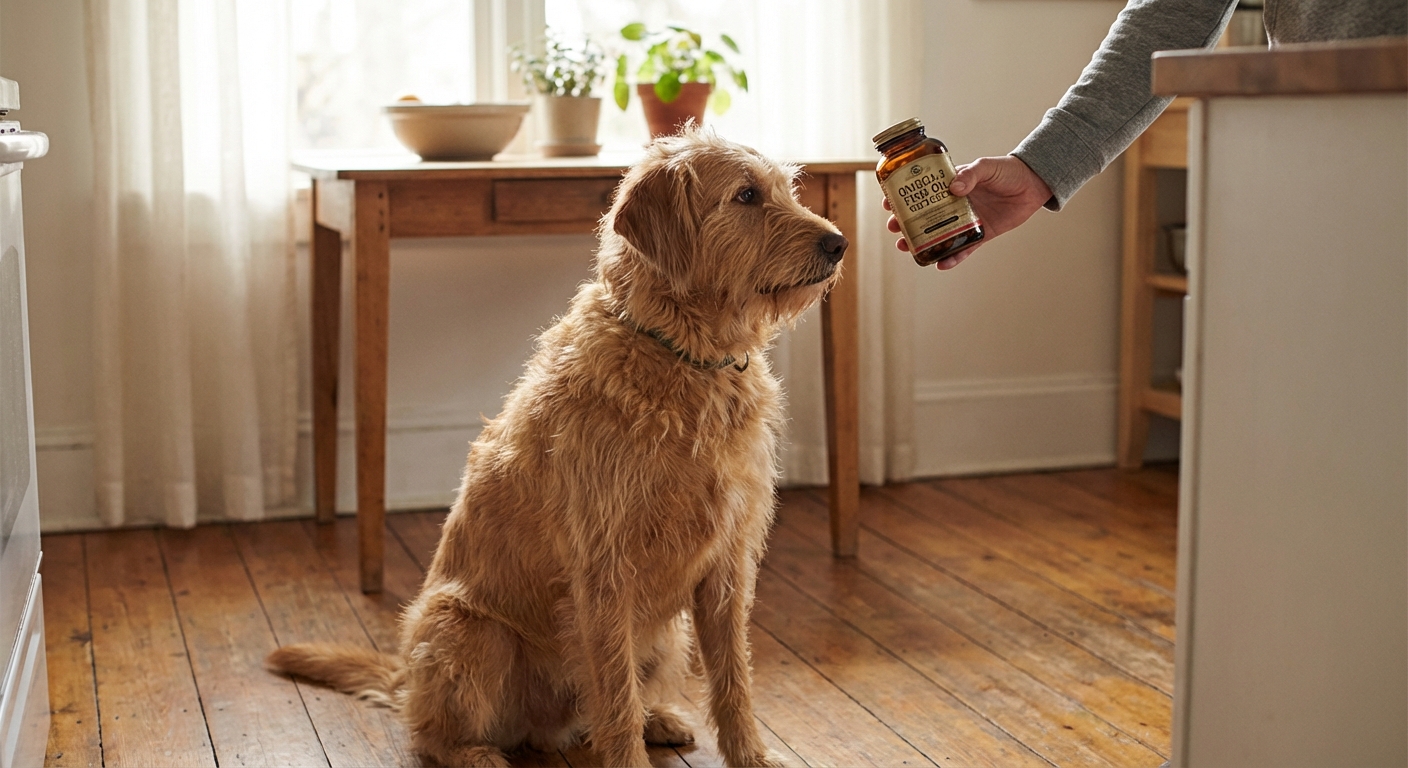
Omega-3s from marine sources are among the most evidence-supported nutrition tools for joint comfort and mobility in dogs. EPA and DHA help support a healthier inflammatory balance.
- Best sources: small oily fish like sardines and anchovies (cooked, no bones), salmon (cooked), or a veterinary quality fish oil.
- Mercury note: some larger fish can be higher in mercury. Small oily fish are often a better everyday staple.
- Safety basics: avoid raw fish, cook thoroughly, remove bones, and skip fish packed with added salt, oils, or spicy sauces.
- Tip: Fish oil can go rancid. Choose a brand that lists EPA and DHA amounts and has an expiration date. Store it away from heat and light.
Quality protein (for muscle and repair)
Many healthy senior dogs need more high-quality protein, not less, unless your veterinarian has restricted protein for a medical reason. Protein supports muscle, and muscle supports joints.
- Great options: turkey, chicken, lean beef, eggs, low-fat cottage cheese, plain Greek yogurt (in moderation).
- Organ meats: can be helpful, but keep them limited. As a simple guideline, organ meats should generally stay at about 5% to 10% of the overall diet, with liver on the lower end. Too much liver can contribute to vitamin A excess. If you want to use liver regularly, ask your vet or a veterinary nutritionist for a dog-specific amount.
Antioxidants (cell support)
Colorful vegetables and a little fruit provide antioxidants that support healthy aging. Dogs do better with vegetables that are cooked, lightly steamed, or pureed for digestibility.
- Good senior-friendly veggies: broccoli, spinach, kale, zucchini, carrots, green beans, pumpkin.
- Easy fruit add-ins: blueberries, strawberries, small slices of apple (no seeds).
Joint-building micronutrients
Cartilage, connective tissue, and bone all rely on vitamins and minerals. Homemade diets can fall short if we do not plan.
- Calcium and phosphorus balance: essential for skeletal health. If you do not feed edible bone, you typically need a calcium source.
- Vitamin D, zinc, manganese: important for bone and connective tissue function.
Important: Calcium needs are not optional. If you are feeding a homemade diet as the main food, ask your veterinarian about a complete-and-balanced supplement designed to balance homemade diets, or a recipe formulated by a board-certified veterinary nutritionist.
Ingredients that work well
Think in building blocks: a protein base, fiber-rich vegetables, a gentle carb if needed, and supportive fats.
Protein base ideas
- Lean ground turkey with a small amount of sardines mixed in
- Shredded chicken thighs (more flavorful than breast) with an omega-3 topper
- Lean beef with a spoon of plain Greek yogurt for extra protein
Vegetables to prioritize
- Pumpkin: gentle fiber support for seniors prone to constipation or loose stool
- Green beans: low-calorie bulk for weight management
- Carrots and leafy greens: antioxidant support
Carbs, if your dog does well with them
Some seniors do great with a moderate amount of carbs, especially if it helps them maintain weight and energy without upsetting digestion.
- Good options: oatmeal, quinoa, brown rice, sweet potato.
- Portion idea: start small and individualize. For some dogs, carbs might land around 10% to 25% of the meal, but there is no one perfect number. Weight goals, activity level, medical history, and the rest of the recipe all matter.
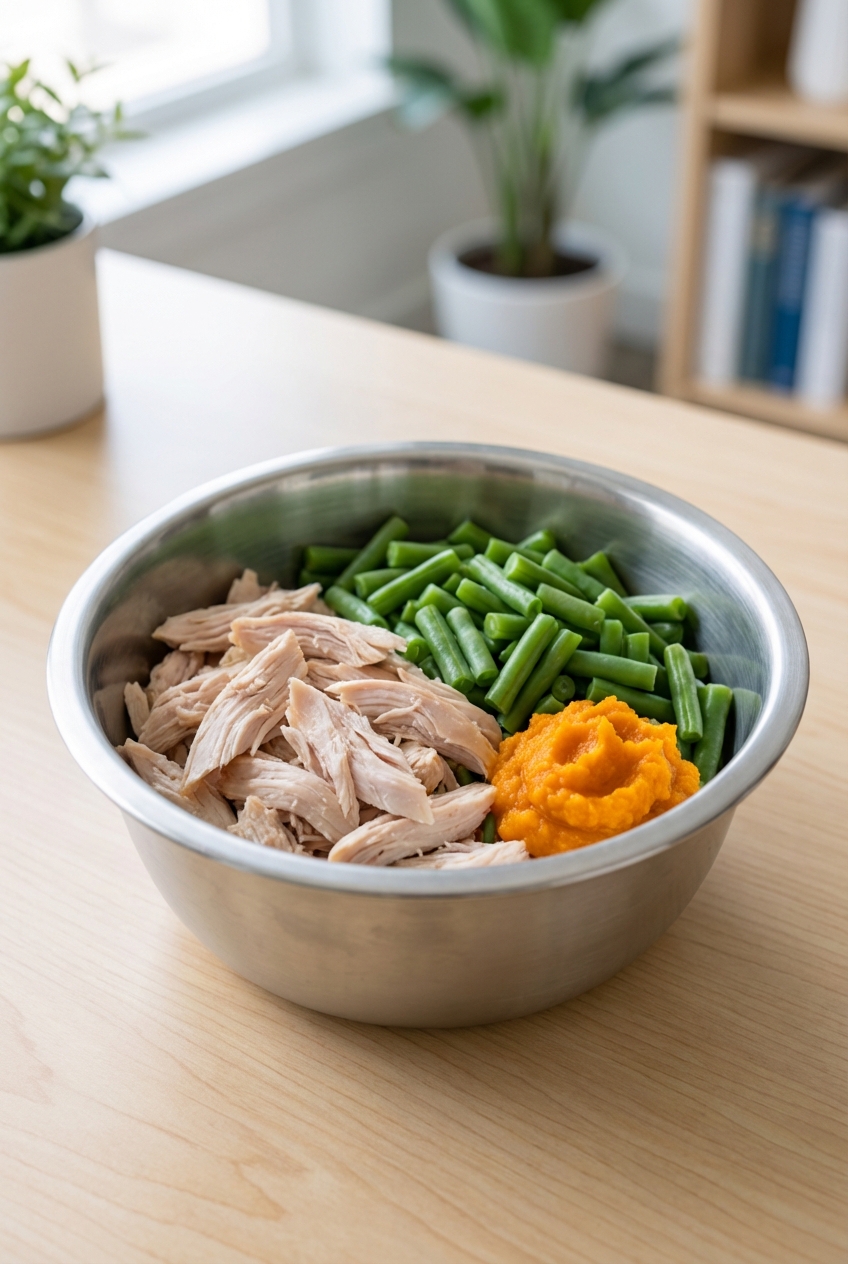
Simple topper recipe
Not complete and balanced: This recipe is meant as an occasional topper or a partial home-fed meal. If you want to feed it as most or all of your dog’s diet, you will need to balance calcium and micronutrients with a veterinary-formulated recipe or a complete-and-balanced supplement made for homemade diets.
Turkey, pumpkin, and greens bowl
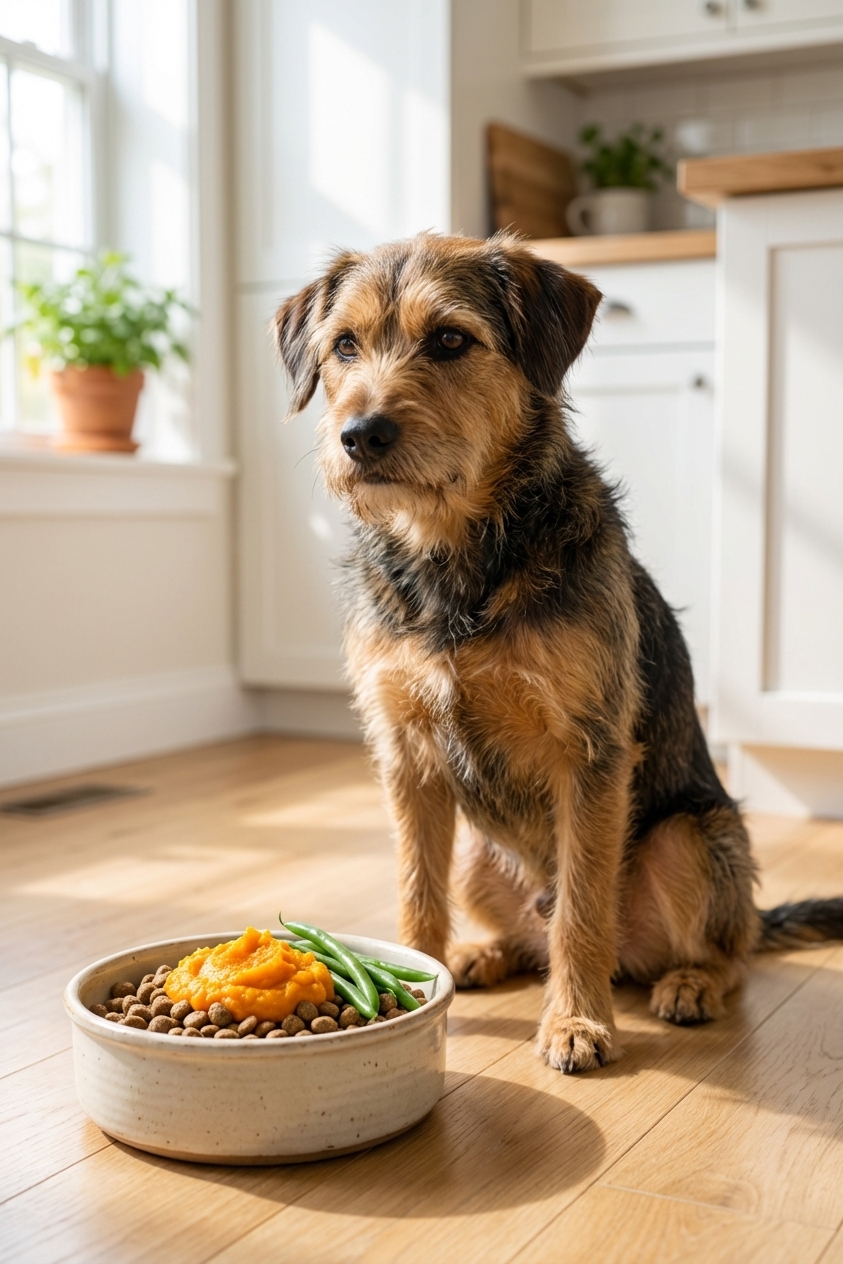
Basic ratio (by volume): about 2 parts cooked lean turkey, 1 part chopped steamed green beans plus a pinch of spinach, and 1 part plain pumpkin puree. This keeps protein front and center while limiting excessive fiber.
Example topper amount (start here and adjust): replace about 10% to 20% of your dog’s usual meal with this mixture for 2 to 3 days, then adjust based on stool and appetite. If stool softens, cut the pumpkin in half or step back to a smaller topper amount.
- Protein: cooked lean ground turkey
- Veg: steamed green beans (chopped) and a small amount of chopped spinach
- Fiber: plain pumpkin puree (not pie filling)
- Fat support: fish oil added after cooling (per label dose)
How to serve: Mix the ingredients, let the food cool, then add fish oil. Start with small portions mixed into your dog’s current food.
Smart add-ons
Add-ons that may help
- Fish oil (EPA/DHA): strong evidence base for joint comfort support.
- Green-lipped mussel: promising support in some dogs, often used in joint supplements.
- Glucosamine and chondroitin: mixed evidence. They may help some dogs, and others show little change.
- Collagen or gelatin: can be a gentle protein add-in, but not a complete solution.
Be careful with these
- Too much fat: can trigger digestive upset and may increase pancreatitis risk in sensitive dogs.
- High-sodium broths: choose low-sodium or make your own.
- Turmeric: can cause GI upset and may not be appropriate with certain medications, including some blood thinners. Check with your veterinarian first.
If your senior takes pain medications, anti-inflammatories, or blood thinners, always run supplements by your veterinarian first.
Foods to avoid
These come up often when people start cooking at home. Keep them off the menu:
- Onion, garlic, chives, and leeks
- Grapes and raisins
- Xylitol (common in sugar-free gum and some peanut butters)
- Macadamia nuts
- Alcohol, caffeine
- Very fatty scraps and fried foods (especially for pancreatitis-prone dogs)
- Excess salt and heavily seasoned foods
Transition tips
Seniors often have more sensitive digestion, so slow and steady wins.
- Days 1 to 3: 25% homemade, 75% current food
- Days 4 to 6: 50% homemade, 50% current food
- Days 7 to 9: 75% homemade, 25% current food
- Days 10 to 14: 100% homemade (only if the diet is balanced for long-term feeding)
Watch stool quality, appetite, itchiness, and energy. If stool softens, pause at the current step for a few extra days, or go back to the previous ratio. And yes, watch the scale. Weight management is one of the kindest joint-support gifts you can give a senior dog.
When to talk to your vet first
Homemade feeding is not “one size fits all,” especially for seniors. Please check in with your veterinarian before major changes if your dog has:
- kidney disease, heart disease, pancreatitis history, diabetes, or liver disease
- multiple medications or chronic pain management needs
- significant weight gain or weight loss
- difficulty chewing, dental pain, or reduced appetite
A veterinary nutritionist can formulate a complete recipe that matches your dog’s age, weight, activity level, and medical history. That is the gold standard, and it is worth it if you want homemade as a primary diet.
Food is not just calories. For senior dogs, it is comfort, mobility, and quality of life served one bowl at a time.