
Learn how to feed homemade puppy food safely: what “balanced for growth” means, calcium and phosphorus risks (especially for large breeds), meal frequenc...
Article
•
Designer Mixes
Homemade Dog Food for Puppies Growth Basics

Shari Shidate
Designer Mixes contributor
Puppies grow fast, and their nutrition has a bigger job than an adult dog’s diet. We are not just feeding energy for playtime. We are building bone, muscle, brain, immune strength, and a healthy gut that can last a lifetime. Homemade food can be a wonderful option, but it needs to be done thoughtfully because puppies have tighter nutrient requirements than adults.
As a veterinary assistant in Frisco, Texas, I love seeing families cook for their dogs, and I love it even more when they do it safely. This guide will walk you through the growth basics so you can feel confident and calm while you build your puppy’s bowl.
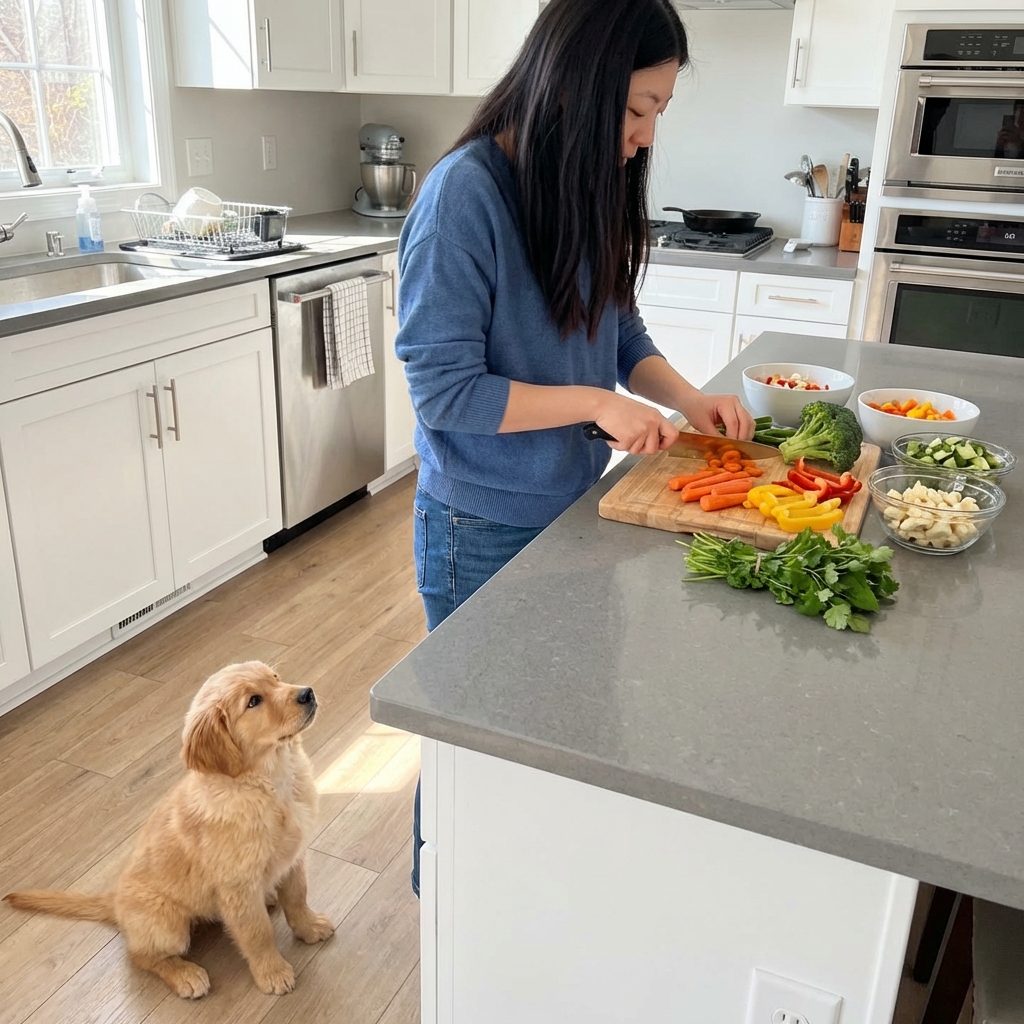
Why puppy nutrition is different
Puppies are in a rapid growth phase, especially in the first year. Many small breeds finish growing earlier, and many large and giant breeds keep growing beyond 12 months. That means their diet must be more precise than a typical adult maintenance diet.
- They need more calories per pound than adult dogs, but excess calories can lead to too much weight gain and can increase orthopedic risk, especially in large breeds.
- They need the right mineral balance, especially calcium and phosphorus, to support healthy skeletal development.
- They need complete, consistent nutrition because deficiencies during growth can affect development in ways that are hard to fix later.
Extra caution for large and giant breed puppies: Nutrition mistakes are more likely to contribute to orthopedic problems in fast-growing, big-boned pups. For these dogs, getting calories and calcium right is especially important, and choosing a plan that meets “large-breed growth” standards matters.
What “complete and balanced” means
When veterinarians say a puppy diet must be complete and balanced, we mean it should meet recognized growth standards such as AAFCO (in the U.S.) or FEDIAF (in Europe). In real life, most homemade puppy diets need a vitamin and mineral premix formulated for growth or a recipe built by a board-certified veterinary nutritionist to reliably hit those targets.
Practical takeaway: “Meat and veggies” can be wholesome, but it is usually not complete for growth without a growth-specific supplement plan.
The non-negotiables for growth
1) Calcium and phosphorus
Puppies need enough calcium to build bone, but more is not better. Large-breed puppies are especially sensitive to excess calcium, and oversupplementing can increase the risk of abnormal bone development.
What to do: Aim for a diet that meets AAFCO or FEDIAF growth standards (and large-breed growth standards when applicable). If you are feeding homemade long-term, use a recipe formulated for growth by a board-certified veterinary nutritionist (DACVN) or a tool your veterinarian recommends and supervises (for example, a platform like Balance It, when appropriate). “Add a calcium supplement” is not specific enough for puppies without a full recipe framework.
2) Protein and amino acids
Puppies need protein for muscle, tissue repair, and immune development. Quality matters. A puppy diet should rely on animal-based proteins such as chicken, turkey, beef, lamb, eggs, or fish.
What to do: Make protein the foundation of the meal, not the side. Protein rotation can be optional. It may add variety, but it is not required for completeness if the diet is properly formulated. If your puppy has a sensitive stomach or you are troubleshooting itching or ear infections, staying with one protein at a time often makes life easier.
3) Essential fatty acids (DHA)
DHA (an omega-3 fatty acid) supports brain and eye development. It is especially important during puppyhood.
What to do: Ask your veterinarian about an appropriate DHA source for your puppy, commonly fish oil formulated for pets. The dose should be based on your puppy’s size and the product’s concentration.
4) Energy and growth pace
It is tempting to feed extra because puppies act hungry. But overfeeding can lead to excess weight gain and rapid body growth, which can stress developing joints. Genetics drives much of skeletal growth, but keeping puppies lean is one of the best ways to support healthy development.
What to do: Use a body condition score with your vet and aim for a lean puppy with a visible waist and ribs that are easy to feel under a thin fat layer.
Homemade wins and risks
Homemade food can be a beautiful way to give your puppy higher-quality ingredients and more variety. It can also support picky eaters and help you avoid ingredients your puppy does not tolerate.
The most common issue I see is this: well-meaning families create meals that look healthy but are not complete for growth. Puppies can develop problems quietly if key nutrients are missing or unbalanced.
Homemade puppy food is absolutely possible, but “balanced” matters more than “fresh.”
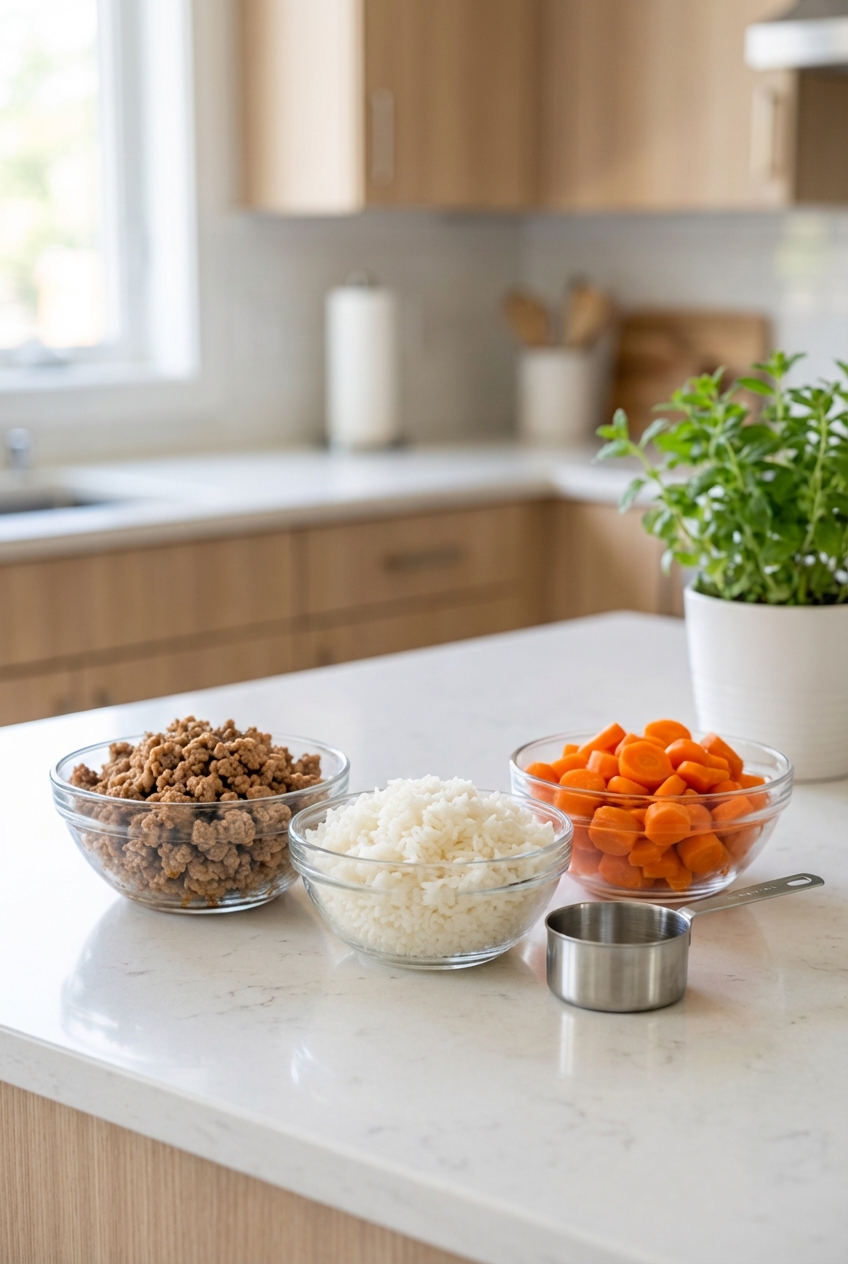
Common homemade mistakes for puppies:
- Feeding “meat + rice + veggies” as the full-time diet without a growth-formulated vitamin and mineral plan.
- Adding calcium randomly (or skipping it entirely).
- Using human multivitamins as a substitute for a canine growth supplement.
- Relying heavily on grain-free or legume-heavy recipes without professional guidance.
- Too many treats and chews that unbalance daily calories.
Nutrients people often miss
These are common gaps in homemade puppy bowls when there is no growth-specific recipe and supplement plan:
- Calcium and phosphorus (amount and ratio)
- Vitamin D and vitamin E
- Iodine
- Zinc and copper
- Omega-3s (including DHA)
This is why most long-term homemade puppy diets need a premix formulated for growth or a recipe created by a veterinary nutritionist.
A simple bowl framework
This framework is meant to help you understand priorities. It is not a complete recipe for long-term feeding by itself because puppies usually need precise supplementation to meet growth standards.
Foundation: animal protein
- Cooked lean meats (chicken, turkey, beef, lamb)
- Eggs (fully cooked)
- Sardines or salmon (cooked, no bones), as advised by your veterinarian
Support: carbs and fiber (optional)
Many puppies do well with digestible carbs in reasonable amounts. They can support energy needs and make meals easier on the stomach.
- White or brown rice
- Oats
- Quinoa
- Sweet potato (cooked)
Micronutrients: vegetables (cooked)
Puppies do best with vegetables lightly cooked, steamed, or pureed. This improves digestibility and nutrient availability.
- Carrots
- Green beans
- Spinach (small amounts)
- Broccoli (small amounts)
- Pumpkin
Fats: be intentional
Fat is important for growth and energy, but too much can trigger loose stool. In dogs with risk factors, higher-fat diets may increase pancreatitis risk, so moderation matters.
- Use the natural fat in meats plus a veterinarian-approved omega-3 plan if needed.
Key takeaway: The framework gets you started, but puppies need a complete plan that includes minerals and vitamins in the correct amounts for growth.
Homemade is not always raw
Some people hear “homemade” and assume it means raw. For puppies, raw diets can carry higher pathogen risk, and puppies are still developing their immune defenses. Many veterinarians recommend avoiding raw feeding during puppyhood, especially in households with young kids, seniors, or immunocompromised family members.
If you are considering raw, talk with your veterinarian first so you can make an informed decision based on your puppy and your home.
How to transition
Puppy tummies can be sensitive. The biggest transition mistake is going too fast.
- Days 1 to 3: 25% new food, 75% current food
- Days 4 to 6: 50% new food, 50% current food
- Days 7 to 9: 75% new food, 25% current food
- Days 10 to 14: 100% new food if stool and appetite are stable
Watch the stool: Soft stool, mucus, or straining means slow down. If you see vomiting, diarrhea that lasts more than a day, lethargy, or blood, call your veterinarian.
Meals and portions
Puppies typically do best with smaller, more frequent meals.
- 8 to 12 weeks: 3 to 4 meals per day
- 3 to 6 months: 3 meals per day
- 6 to 12 months: 2 meals per day (some dogs stay on 3)
Because energy needs vary by breed and activity level, ask your veterinarian for a target daily calorie range. That makes portioning homemade food much easier and more consistent. This is especially helpful for large-breed puppies where controlled calories support joint health.
Food safety basics
- Cook proteins thoroughly to reduce bacterial risk.
- Avoid cooked bones (splintering hazard).
- Keep foods puppy-safe: no onions, garlic, grapes, raisins, macadamia nuts, or xylitol.
- Refrigerate promptly: get leftovers into the fridge within 2 hours (sooner if your kitchen is warm).
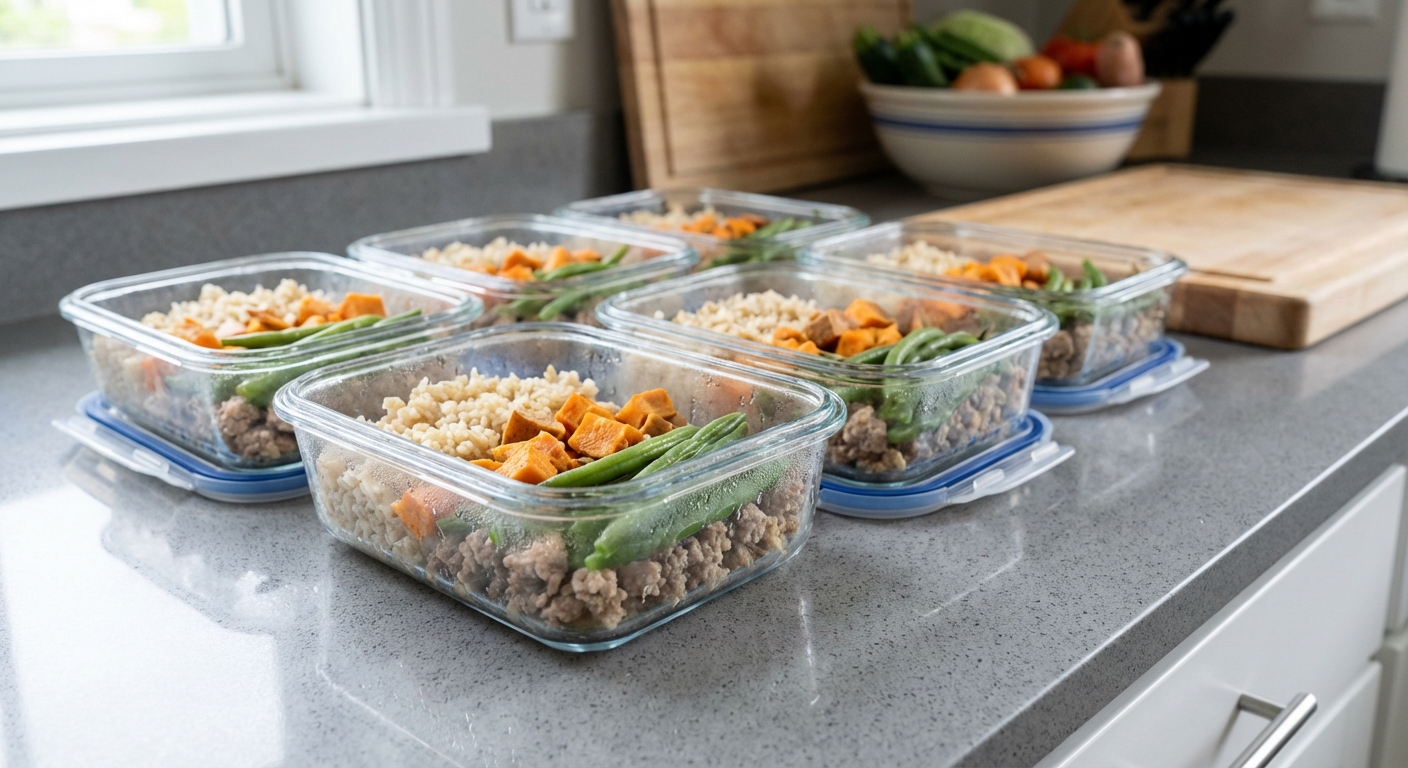
- Storage basics: use refrigerated portions within about 3 to 4 days, and freeze extra portions in meal-sized containers for longer storage.
- Introduce new foods one at a time so you can spot sensitivities.
When to use a nutritionist
If your puppy is a large breed, has GI issues, has skin allergies, or you want to feed homemade food as the main diet long-term, a veterinary nutritionist is worth it. A balanced growth recipe is not guesswork. It is math, biology, and a little common sense, all working together.
Good candidates for professional formulation:
- Large and giant breed puppies
- Puppies with chronic loose stool or suspected food sensitivities
- Puppies with medical conditions
- Families committed to 100% homemade as the long-term plan
Quick checklist
- Schedule a puppy checkup and discuss your plan to feed homemade.
- Decide whether you want 50/50 (homemade plus a quality commercial puppy food) or 100% homemade.
- Use a growth-formulated recipe that meets AAFCO or FEDIAF standards, plus large-breed growth standards when needed.
- Do not use human multivitamins in place of a canine growth supplement.
- Plan a slow transition and monitor stool, weight, and energy.
- Recheck body condition monthly during growth.
If you take one thing from this article, let it be this: homemade can be amazing for puppies, but growth nutrition must be complete and balanced. Fresh food plus the right nutrients is where the magic happens.