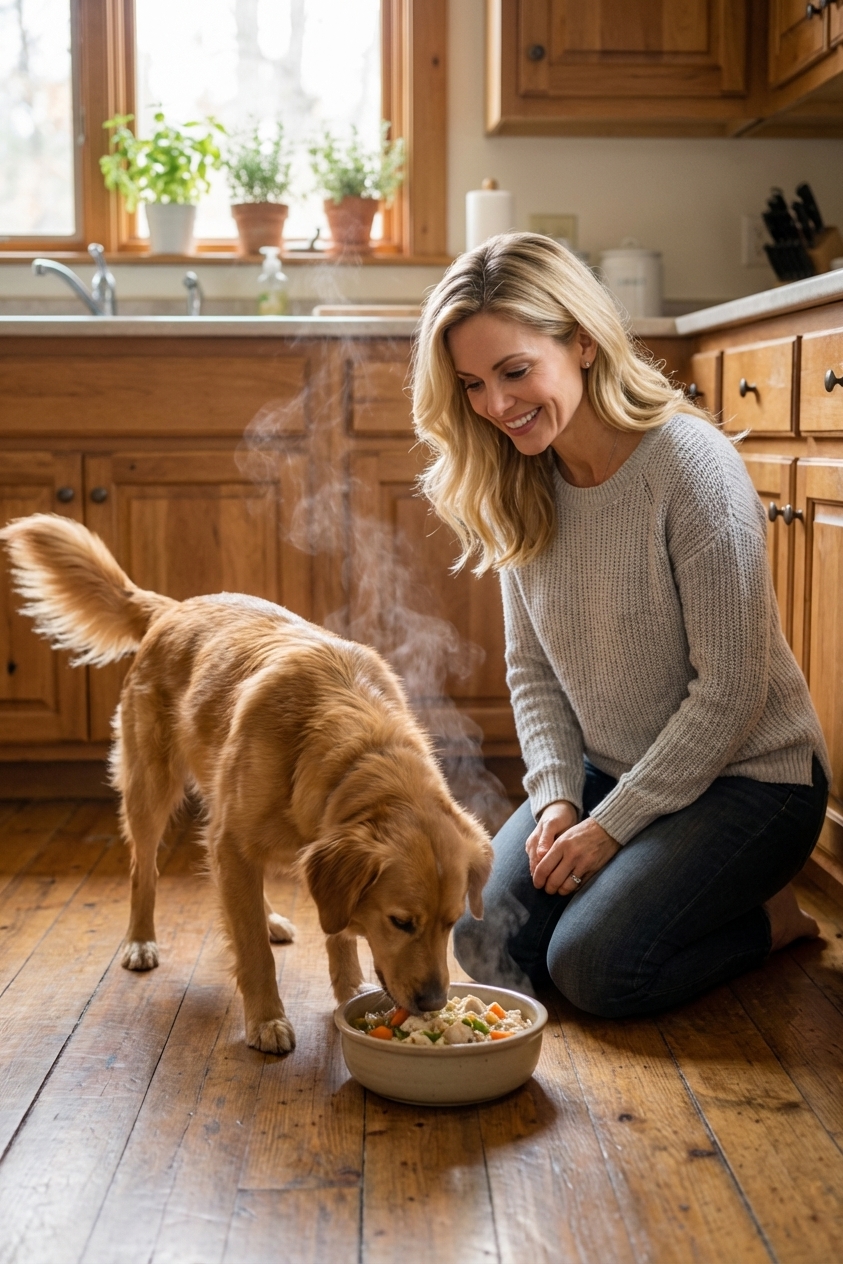
Homemade Dog Food for Picky Eaters

If your dog turns their nose up at kibble or only eats when they feel like it, you are definitely not alone. As a veterinary assistant here in Frisco, Texas, I see picky eating all the time. The good news is that many “picky” dogs are not being stubborn at all. They are reacting to aroma, texture, stress, or a diet that simply is not working for their body.
In this article, I will share common, vet-recognized reasons dogs refuse food, simple flavor boosters that make meals more tempting, and several very palatable homemade meal ideas designed to help you get calories in. We will also cover when picky eating is a red flag that needs a vet visit.
Quick note from the clinic: This is general education, not a diagnosis. If you are worried about your dog, or something feels “off,” call your veterinarian.
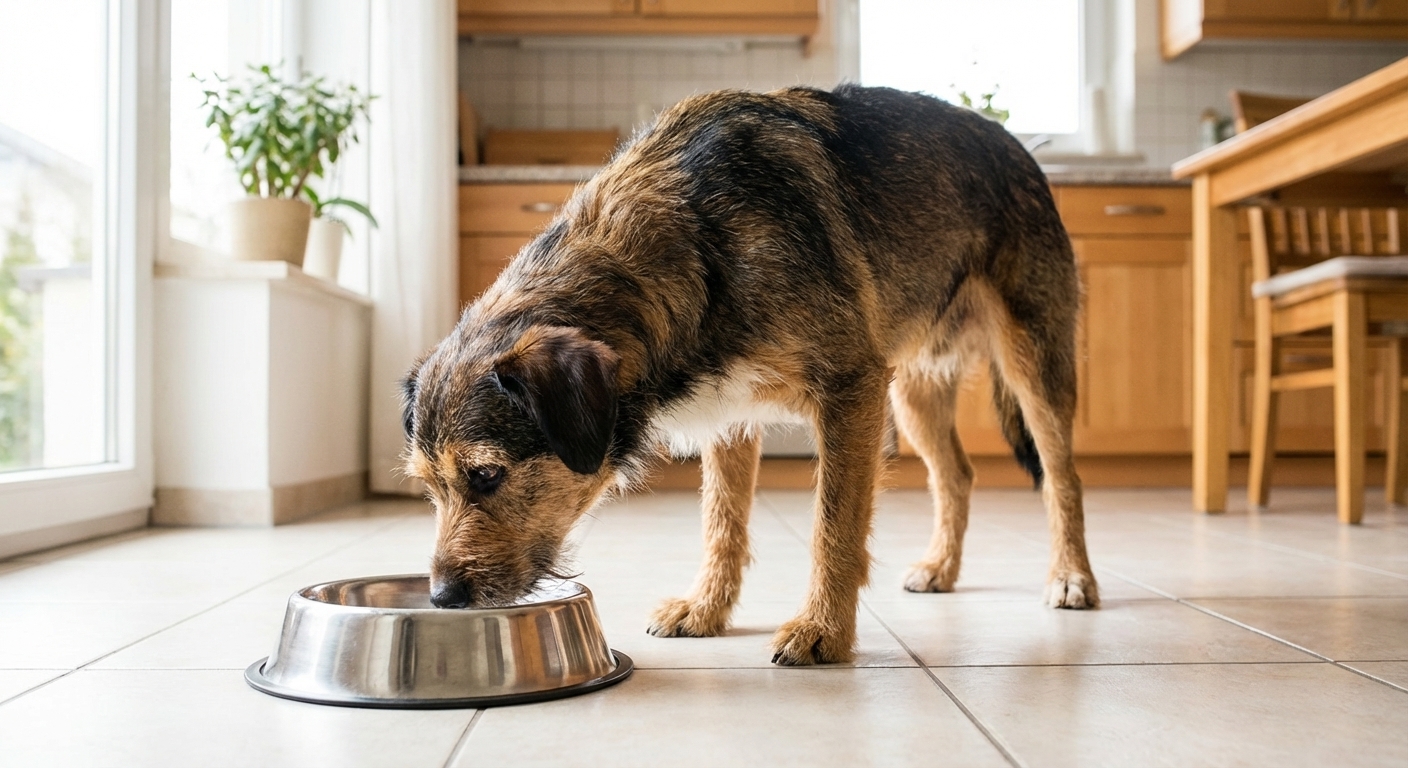
When picky eating is a health problem
Before we talk recipes, please take picky eating seriously if it is new, sudden, or paired with other symptoms. Appetite is a key health indicator in pets.
Call your veterinarian promptly if you notice
- Refusing all food for 24 hours (puppies and small dogs can get into trouble sooner)
- Vomiting, diarrhea, straining to poop, or black or bloody stool
- Drooling, pawing at the mouth, bad breath that is new, or chewing on one side (dental pain is a big cause)
- Weight loss, lethargy, increased thirst or urination
- Coughing, gagging, or trouble swallowing
- Sudden behavior changes, hiding, or signs of pain
Extra caution: Some dogs should not “wait it out.” Toy breeds, puppies, diabetics, dogs with liver disease, and dogs on certain medications may need same-day advice if appetite drops. Some healthy adult dogs can skip a meal and be fine, but when in doubt, call.
Common medical reasons include dental disease, nausea from GI upset, pancreatitis, parasites, food intolerance, endocrine disease, and anxiety. If your dog is a senior or has any chronic condition, involve your vet before changing the diet.
Why picky dogs refuse food
Most picky eating comes down to one of these factors:
- Aroma: Dogs “taste” with their nose. Cold food and dry kibble are low aroma.
- Texture preference: Some dogs dislike crunchy and prefer soft, shredded, or stew-like meals.
- Learned behavior: If a dog holds out and then gets something “better,” they learn to wait you out.
- Overfeeding treats: Too many chews, table bites, or rich toppers can blunt appetite.
- Stress: Travel, guests, schedule changes, new pets, or loud environments can affect eating.
The goal is to make food appealing without turning meals into a constant negotiation.
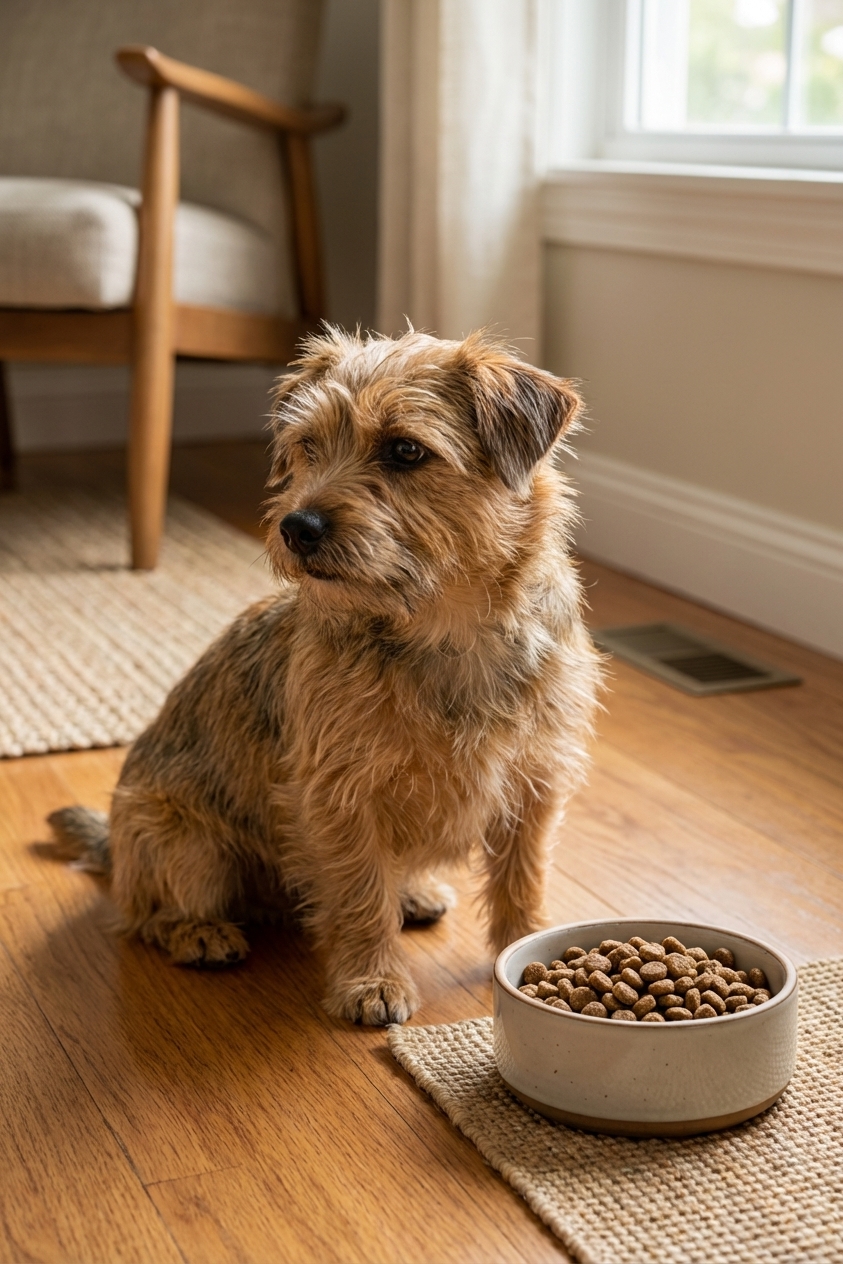
Flavor boosters picky dogs love
These are some of my favorite high value additions. Use small amounts at first, especially for dogs with sensitive stomachs. Also, give any one change a few days before you decide it “did not work.” Constantly swapping foods can create more pickiness.
1) Warmed broth (use caution)
Why it works: Warmth releases aroma, and broth coats kibble for a softer texture.
- Choose broth with no onion, garlic, or “natural flavors” that may contain onion or garlic, and keep sodium low.
- Many homemade broths are fatty. If your dog has a sensitive stomach or a history of pancreatitis, ask your vet before using it, and skim off visible fat.
- Warm to “just warm,” not hot.
- Start with 1 to 2 tablespoons for small dogs, 2 to 4 tablespoons for medium dogs, and 1/4 cup for large dogs.
2) Lightly cooked eggs
Why it works: Eggs are highly palatable and a quality protein. Scrambled eggs can also help bind chopped foods together for picky texture preferences.
- Cook fully.
- Avoid butter, oil, salt, or seasoning.
- For small dogs, start with 1 to 2 teaspoons mixed in. Medium dogs can often handle 1 to 2 tablespoons.
3) Liver as a topper (tiny amounts)
Why it works: Liver is like dog “candy” and adds powerful aroma.
- Use cooked liver or a tiny sprinkle of freeze-dried liver crumbles.
- Keep it as an occasional topper, not a daily “main ingredient.” Too much organ meat can cause loose stool and, over time, contribute to excess vitamin A intake.
4) Sardines or salmon (the smell wins)
Why it works: Strong scent plus omega-3 fats. Many picky eaters finally give in with fish.
- Use sardines packed in water with no added salt. Avoid oil-packed or heavily salted options.
- Check for bones, even in small fish.
- Salmon should be cooked, not raw. (Raw salmon can carry parasites, and in some regions like the Pacific Northwest there is a serious “salmon poisoning” risk.)
- Start with 1/4 to 1/2 sardine for small dogs, 1 sardine for medium dogs, 1 to 2 for large dogs.
5) Parmesan dust or plain Greek yogurt
Why it works: A little dairy can add aroma and a creamy mouthfeel.
- Use only a pinch of parmesan.
- Use plain, unsweetened yogurt and avoid xylitol-sweetened products.
- Lactose intolerance is common. Start with a small amount and stop if you notice gas or diarrhea.
Tip from the clinic: If your dog is truly picky, rotate flavor boosters rather than using the same one every day. Rotation helps prevent boredom and reduces the risk of creating a “single-food only” habit.
Make food more tempting
Warm it gently
- Warm wet food or homemade meals slightly to boost aroma.
- Stir well and test with your finger. It should feel warm, not hot.
Change the texture
- Shred proteins: Many picky dogs prefer shredded chicken or turkey over chunks.
- Make it stew-like: Add warm water or a little low-sodium broth so each bite is coated.
- Try a “pate” texture: Pulse cooked meat and veggies briefly with a little liquid.
Lower the pressure
- Some dogs seem to prefer a wide, shallow bowl, or a different feeding spot.
- Feed in a quiet area, away from foot traffic.
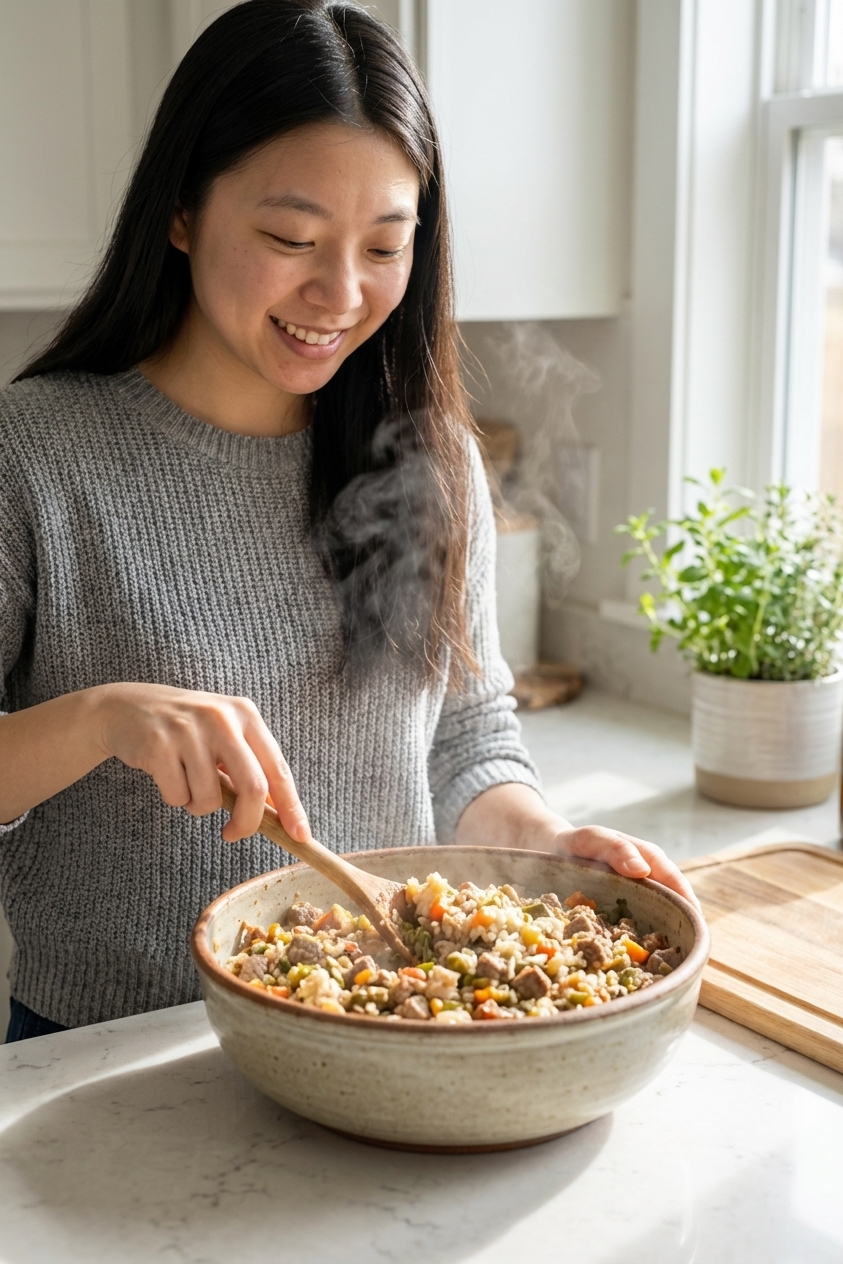
Simple toppers for kibble
If you are not ready to go fully homemade, toppers are a wonderful middle step. A little goes a long way.
Topper 1: Warm broth and egg drizzle
- 2 tablespoons warm low-sodium broth
- 1 tablespoon fully cooked scrambled egg, chopped fine
Mix into kibble and let it sit 2 to 3 minutes to soften.
Topper 2: Liver crumble sprinkle
- 1 to 2 teaspoons cooked liver, minced very fine (or a pinch of freeze-dried liver crumbles)
- 1 to 2 tablespoons warm water or broth
Stir and coat the kibble. This is especially helpful for dogs that eat only the “good pieces” first.
Topper 3: Sardine mash
- 1/2 sardine in water (small dog) or 1 sardine (medium to large)
- 1 to 2 tablespoons warm water
Mash into a paste and mix thoroughly so your dog cannot just pick around it.
Palatable homemade meals
These meals are built for palatability first, with whole-food ingredients. They are not complete and balanced (AAFCO-level) and should not be used as your dog’s only diet long-term unless your veterinarian or a board-certified veterinary nutritionist formulates the recipe and adds the right supplements. The biggest missing piece in many home recipes is calcium and mineral balance, even when the ingredients look “healthy.”
Feeding amount reminder: Portion needs vary a lot. Start small, monitor weight and stool, and adjust.
Allergy note: Chicken is a common sensitivity for some dogs. If itching, ear trouble, or chronic loose stool is part of your picky eating story, ask your vet about a diet trial and consider swapping to a different protein option listed below.
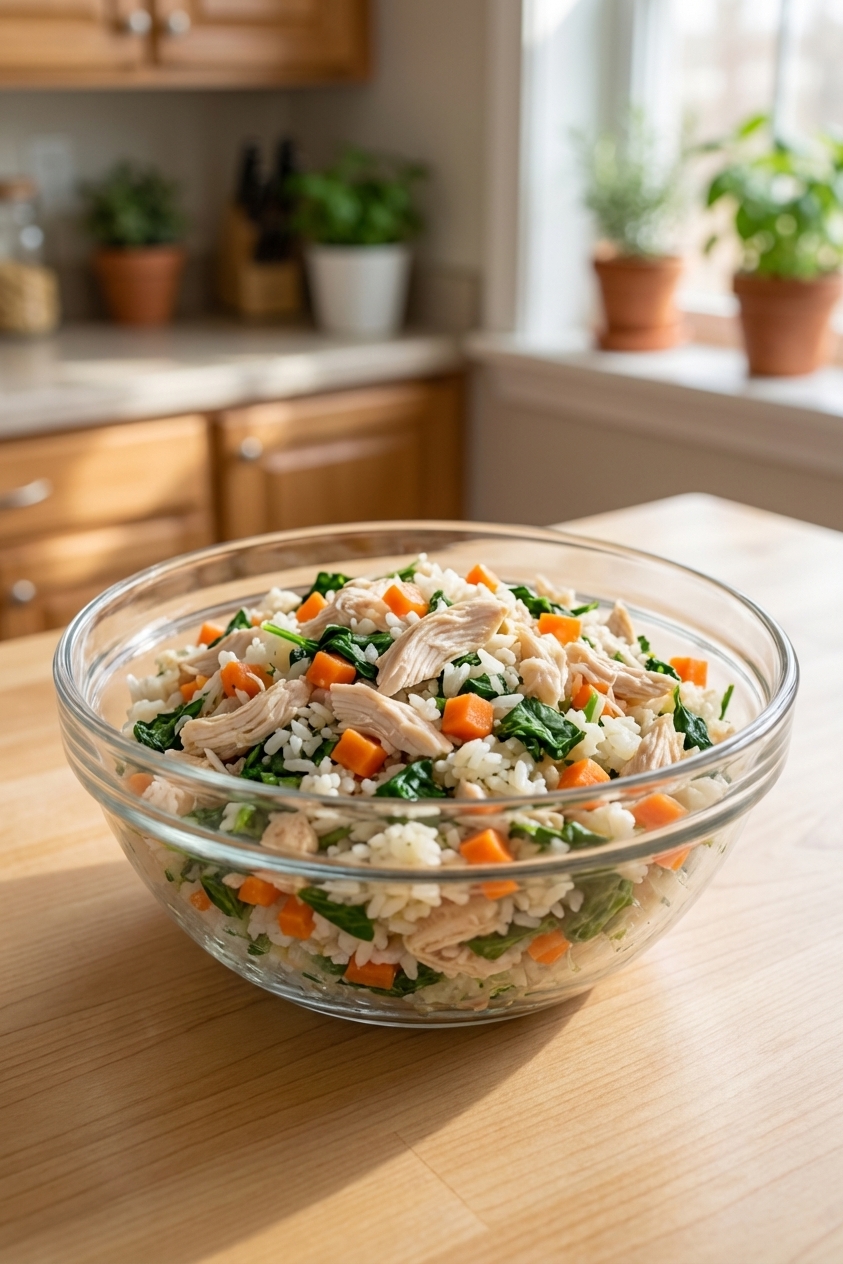
Meal 1: Chicken and rice comfort bowl
Why picky dogs love it: Warm, mild aroma, soft texture, easy to chew.
- Shredded cooked chicken thigh or breast (or use turkey if chicken does not agree with your dog)
- Cooked white rice (or brown rice if your dog tolerates it well)
- Steamed carrots, mashed
- Optional: a spoonful of warm water or low-sodium broth to make it glossy and fragrant
Quick method: Combine in a bowl, add warm liquid, mix, and serve slightly warm.
Meal 2: Turkey and sweet potato pate
Why picky dogs love it: Smooth texture, slightly sweet taste, strong savory smell.
- Cooked ground turkey (drained)
- Baked sweet potato, mashed
- Steamed spinach, chopped very fine
- Optional: 1 to 2 teaspoons plain Greek yogurt for creaminess
Quick method: Pulse the mixture briefly in a food processor with a splash of warm water or broth until it is a soft mash.
Meal 3: Beef and pumpkin stew
Why picky dogs love it: Beef smell plus pumpkin’s soft texture.
- Lean ground beef or chopped cooked beef (drain grease well)
- Plain pumpkin puree (not pie filling)
- Steamed green beans, chopped
- Warm water or low-sodium broth to create a stew consistency
Quick method: Simmer beef with a little water, stir in pumpkin at the end, then mix in chopped green beans.
Meal 4: Cooked salmon and quinoa bowl
Why picky dogs love it: Strong fish aroma and healthy fats that enhance flavor.
- Baked or steamed salmon, flaked (remove all bones, and cook fully)
- Cooked quinoa
- Steamed zucchini, chopped
- Optional: tiny pinch of parmesan for extra aroma
Quick method: Mix warm quinoa with flaked salmon and zucchini. Serve warm, not hot.
Meal 5: Egg and cottage cheese breakfast bowl
Why picky dogs love it: Soft, rich, very fragrant.
- Fully cooked scrambled eggs
- Small spoonful of plain cottage cheese
- Cooked oats (thin and creamy)
- Optional: a few blueberries on top
Quick method: Stir eggs into warm oats, then add cottage cheese after it cools slightly.
Switch foods safely
Picky dogs often have sensitive stomachs, too. A slow transition is kinder and usually more successful.
- Days 1 to 3: 75% current food, 25% new homemade or topper
- Days 4 to 6: 50% current food, 50% new
- Days 7 to 9: 25% current food, 75% new
- Days 10 to 14: 100% new food if stool and appetite are steady
Watch stool quality closely. If you see loose stool, back up a step and go slower. Some sensitive dogs need a slower transition, even 3 to 4 weeks.
Rules that prevent bad habits
- Keep set meal times: Offer food for 15 to 20 minutes, then pick it up.
- Limit treats: Treats should generally stay under 10% of daily calories.
- Do not upgrade the meal mid-refusal: Adding new “better” food while they are refusing is how picky eating becomes trained behavior.
- Mix toppers thoroughly: So your dog cannot eat only the topper and ignore the base.
- Measure portions: Free-feeding often worsens pickiness.
How long to try a strategy: If your dog is otherwise healthy and your vet has no concerns, give one approach 3 to 5 days before changing to a new one.
Homemade food safety
- Refrigerate leftovers promptly and use within 3 to 4 days.
- Freeze extra portions for up to 2 to 3 months for best quality.
- Do not leave wet or homemade food out for more than 1 to 2 hours (less in hot weather).
- Reheat gently and stir well. Test temperature before serving.
- When in doubt, throw it out. Spoiled food can cause GI upset fast.
Ingredients to avoid
- Onion, garlic powder, chives, leeks
- Grapes and raisins
- Xylitol (common in sugar-free foods and peanut butter)
- Cooked bones (splinter risk)
- Excess fatty meats for sensitive dogs (pancreatitis risk)
- Heavy seasoning, spicy foods, high-salt broths
If you ever suspect your dog ate something toxic, call your vet or an animal poison hotline right away.
A reminder about balance
Homemade food can be wonderful for picky eaters, but nutritional balance matters, especially for puppies, seniors, and dogs with medical conditions. If you want to stay homemade long-term, ask your veterinarian about a complete recipe formulation or a veterinary-approved supplement to balance calcium, phosphorus, trace minerals, and essential fatty acids.
You can absolutely start slowly with toppers or a 50/50 approach. Even small improvements can bring big wins in energy, digestion, and overall vitality.