Learn what a liver-friendly dog diet includes: moderate high-quality protein, digestible carbs and fiber, fat balance, copper and sodium guidance, plus when ...
Article
•
Designer Mixes
Homemade Dog Food for Liver Disease

Shari Shidate
Designer Mixes contributor
If your dog has liver disease, food can become part of the treatment plan. In my work as a veterinary assistant in Frisco, I have seen how the right diet can help a dog feel brighter, eat more willingly, and maintain a healthier weight while the medical team works on the underlying cause.
The key is to support the liver without overloading it. That often means restricting copper when it is indicated, aiming for adequate-to-moderate amounts of highly digestible protein, and leaning on easy-to-digest carbohydrates, plus the right fats and supplements when your veterinarian recommends them.
Important: Liver disease has many causes, including chronic hepatitis, copper-associated liver disease, infections, toxins, and congenital issues. Homemade food is not one-size-fits-all. Please partner with your veterinarian, and ideally a board-certified veterinary nutritionist, especially if your dog has elevated liver enzymes, jaundice, ascites, vomiting, or is on medications like lactulose, SAMe, or antibiotics.
What the liver needs from food
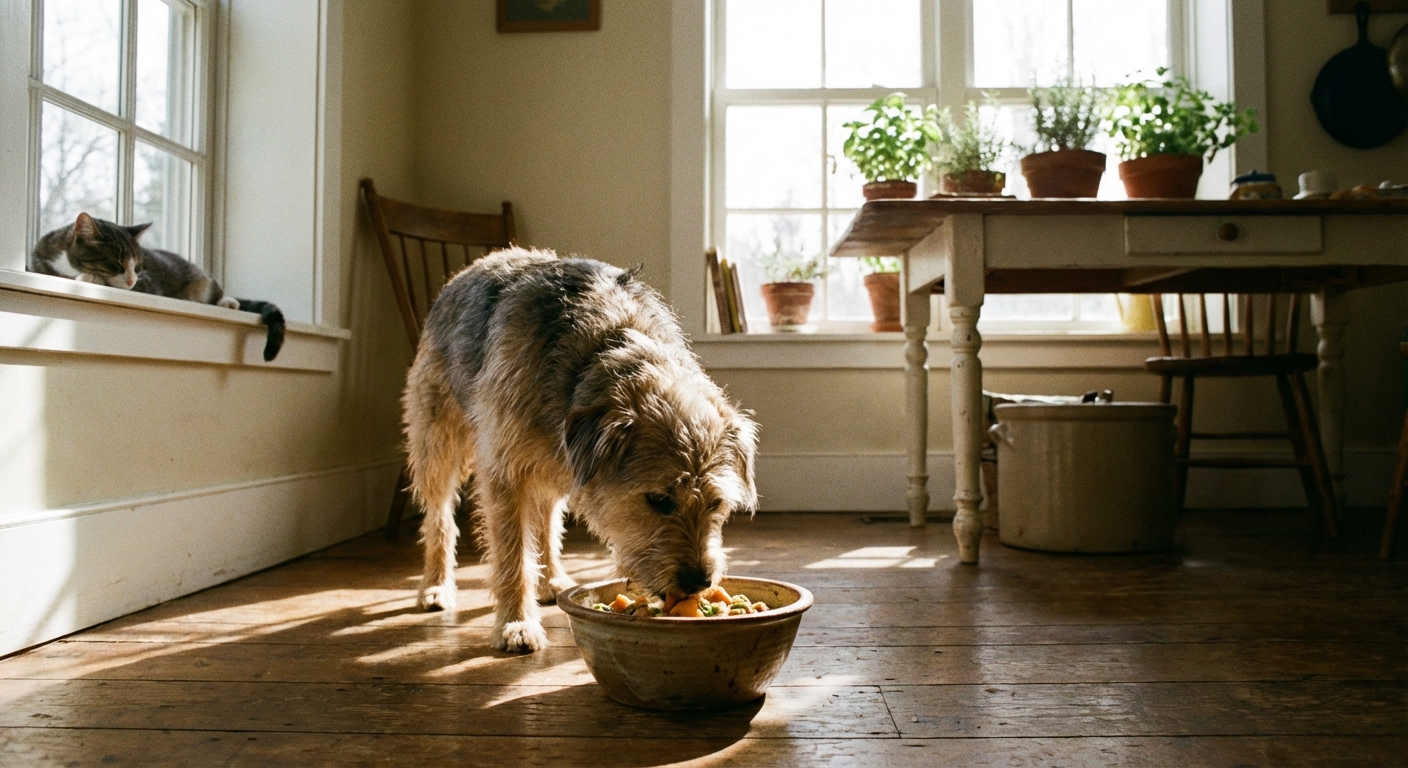
The liver is a metabolic powerhouse. When it is inflamed or not working efficiently, we try to make its workload gentler while still meeting your dog’s basic needs.
1) Copper: restrict only when needed
Many liver diets are designed to be lower in copper because copper can accumulate in the liver and worsen damage in some dogs. Copper restriction is most important when copper accumulation is confirmed or strongly suspected, which may be based on breed risk, bloodwork trends, ultrasound findings, and sometimes biopsy with copper quantification.
One extra nuance: some commercial “hepatic” diets are lower in copper, but they may not be low enough for severe copper storage cases. Your veterinarian can help you choose the right target.
2) Protein: adequate, digestible, and individualized
Most dogs with liver disease still need protein to maintain muscle mass and heal. In many stable liver cases protein restriction is not automatically required. We usually aim for adequate-to-moderate protein from high-quality, highly digestible sources, and adjust up or down based on muscle condition, appetite, labwork, and the underlying diagnosis.
If your dog has hepatic encephalopathy, your veterinarian may customize the amount and type of protein more strictly (and often pairs diet changes with medications like lactulose and antibiotics).
3) Easy carbs for steady energy
Carbohydrates like white rice, oatmeal, and potatoes are often well tolerated and can provide calories without pushing protein too high. They can be especially helpful for dogs who are underweight or nauseated.
4) Fats: the right amount for your dog
Fat is calorie-dense and can help picky dogs eat. Many liver dogs do well with moderate fat. If pancreatitis is also a concern, fat may need to be lower.
Fish oil is often used for omega-3 support, but dosing should be guided by your vet. Also note that cod liver oil is not the same as fish body oil and can add extra vitamins A and D, so avoid it unless your veterinarian specifically directs you.
5) Vitamins and minerals matter more with homemade
Homemade diets can be wonderfully nourishing, but they can also become unbalanced quickly. For liver disease, we also pay attention to zinc, vitamin E, B vitamins, choline, and overall mineral balance.
Ask your veterinarian about a complete-and-balanced canine vitamin and mineral mix or a recipe formulated by a veterinary nutritionist. If copper restriction is part of your dog’s plan, also ask what to avoid on supplement labels (some multivitamins and mineral products contain copper).
Ingredients to avoid or limit
These are common dietary “speed bumps” for liver disease. Your individual plan may vary.
High-copper foods to avoid (when copper restriction is needed)
- Organ meats (especially liver)
- Shellfish (oysters are particularly high in copper)
- Seeds and nuts (sunflower seeds, cashews, mixed nut butters)
- Cocoa and chocolate (also toxic)
- Many legumes can be higher in copper (lentils, chickpeas), so use caution
Other ingredients to limit
- High-salt foods (deli meats, bacon, sausage, salty broths). This matters even more if your dog has ascites or fluid retention.
- Very fatty meals if your dog is nausea-prone or has pancreatitis risk.
- Raw diets for medically fragile dogs and dogs with chronic disease. Foodborne bacteria are a bigger risk when the body is already stressed.
- Unverified supplements and “detox” products. Many are not tested for pets and some can harm the liver.
Common toxins to keep far away
- Xylitol (birch sugar) in gum and peanut butter
- Grapes and raisins
- Onions (and large amounts of garlic)
- Alcohol
- Acetaminophen (Tylenol) and many human medications
- Blue-green algae supplements

Core diet strategies
Pick lower-copper proteins
When copper restriction is part of the plan, these options are often well tolerated and generally lower in copper than organ meats:
- Egg whites (excellent, very digestible)
- Turkey breast
- Chicken breast
- Some white fish (like cod)
Beef can work for some dogs, but copper content varies by cut and diet history. If copper restriction is critical, ask your vet for guidance on protein choices.
Use gentle carbs
- White rice or jasmine rice
- Oatmeal (plain)
- Potatoes or sweet potatoes (cooked, peeled)
- Pasta (plain, cooked well) for picky days
Add fiber with a purpose
Some dogs benefit from soluble fiber (like pumpkin) to support stool quality. In some hepatic encephalopathy plans, your veterinarian may also use diet and fiber choices to support colonic health as part of ammonia management. For dogs on lactulose, fiber choices may need adjustment to avoid diarrhea.
Consider omega-3s and antioxidants with your vet
Omega-3 fatty acids (EPA and DHA) from fish oil and antioxidants like vitamin E are commonly used in liver-support plans. The right dose depends on your dog’s weight, medications, and lab values, so this is a great item to review with your veterinary team.
Small, frequent meals can help
Many liver dogs do better with 3 to 5 small meals a day. It can reduce nausea, stabilize energy, and make it easier to hit calorie goals.
Homemade recipes
These recipes are built around common liver-diet principles: lower copper ingredients (when indicated), highly digestible protein, and gentle carbs. They are templates, not a complete medical diet.
Safety note: These recipes are not complete and balanced on their own. They do not include a calcium source and may fall short on key nutrients (vitamins, minerals, essential fatty acids) that matter in liver disease. Do not feed these as the sole diet long-term unless your veterinarian or a board-certified veterinary nutritionist has added the appropriate vitamin and mineral mix (and calcium) and confirmed the recipe fits your dog’s diagnosis and labwork.
General prep notes:
- Cook proteins thoroughly.
- Use no added salt unless your vet specifically recommends it.
- These recipes require a vet-approved balancer (vitamin and mineral mix) and a calcium source to be safe long-term.
- Cool foods before serving.
- Introduce changes slowly over 7 to 14 days unless your vet advises otherwise.
- Storage: Refrigerate promptly in sealed containers and use within 3 to 4 days, or freeze meal portions for longer storage.
Recipe 1: Turkey, rice, and zucchini bowl
Why it can work: mild, digestible, lower copper profile, good for picky eaters.
- 1 cup cooked ground turkey (drained)
- 2 cups cooked white rice
- 1 cup zucchini, chopped and steamed until soft
- 1 tablespoon olive oil (optional, for calories)
- 1 to 2 tablespoons plain pumpkin (optional, for stool support)
Directions: Mix all ingredients well. Add warm water to create a stew texture if your dog prefers softer food.
Recipe 2: Egg white and potato skillet
Why it can work: egg whites are highly digestible and relatively low in copper compared with many meats.
- 8 egg whites (cooked fully, no seasoning)
- 2 medium potatoes, peeled and boiled, then mashed
- 1 cup carrots, steamed and finely chopped
- 1 teaspoon fish oil (only if your vet approves dosing)
Directions: Scramble egg whites in a nonstick pan. Combine with mashed potato and vegetables. Mix thoroughly.
Recipe 3: Chicken and oatmeal porridge
Why it can work: soft texture for nausea days, easy digestion, good hydration support.
- 1 cup cooked shredded chicken breast
- 1 and 1/2 cups cooked plain oatmeal
- 1 cup green beans, lightly steamed and finely chopped
- 1 to 2 cups warm water or unsalted homemade chicken broth
Directions: Stir everything together into a porridge. Adjust liquid for your dog’s preferred consistency.
Recipe 4: White fish, noodles, and green beans
Why it can work: lean protein, lower copper profile, very digestible.
- 1 cup cooked cod (flaked, check carefully for bones)
- 2 cups cooked rice noodles or well-cooked pasta
- 1 cup green beans, steamed and chopped
- 1 tablespoon safflower or canola oil (optional)
Directions: Combine and mix. Serve slightly warm or room temperature.
Portioning tip: How much your dog should eat depends on weight, muscle condition, labwork, and whether hepatic encephalopathy is present. A helpful next step is to ask your vet for a daily calorie target and protein goal, then divide that total into multiple small meals.
Simple add-ins
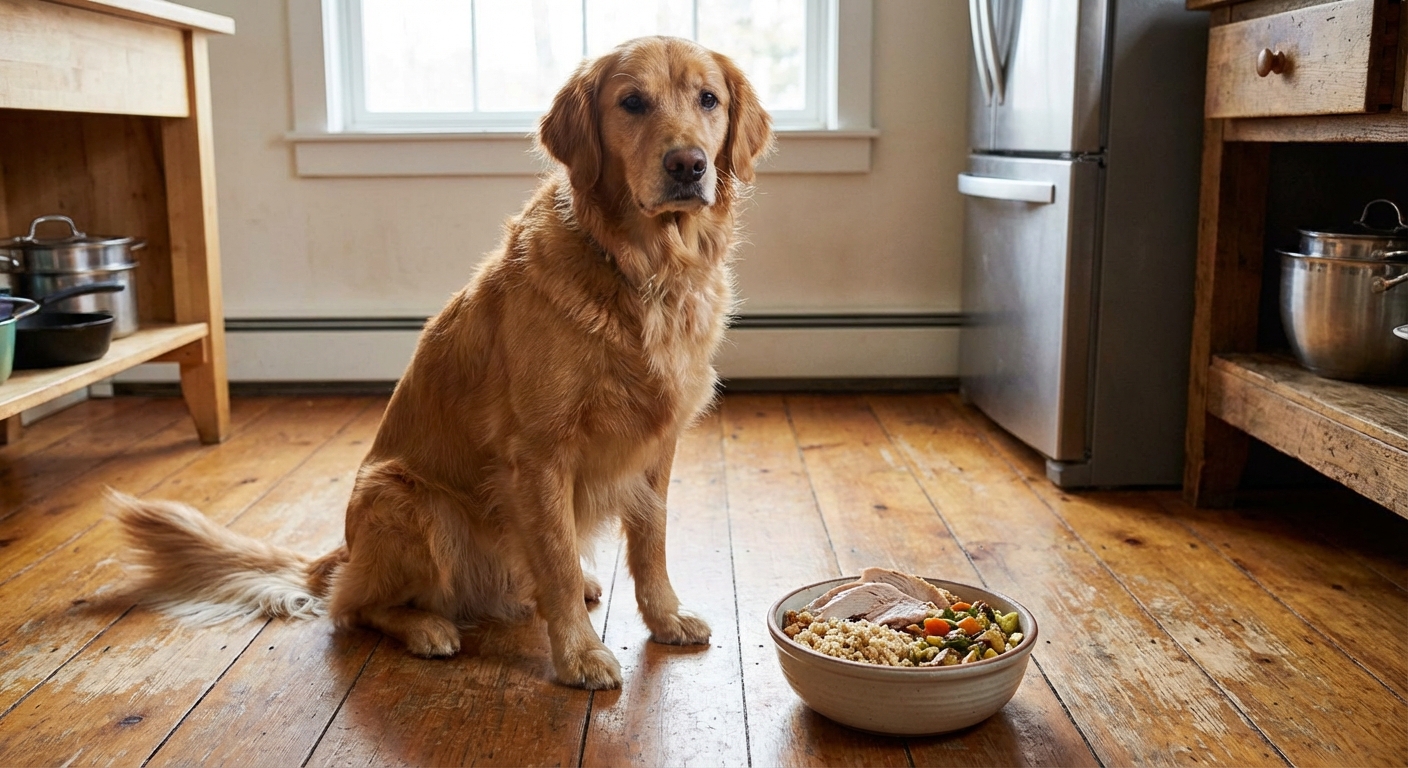
- For hydration: add warm water to meals, serve as a stew.
- For picky eaters: warm the food slightly to enhance aroma.
- For extra calories: a small amount of olive oil or an approved fat source.
- For stool support: plain pumpkin in small amounts.
- For enrichment: freeze a portion in a food toy for slow eating, if nausea is not an issue.
When to call your veterinarian
Please reach out promptly if you notice any of the following:
- Refusing food for more than 24 hours (or sooner for small dogs, seniors, or dogs with other conditions)
- Vomiting, diarrhea, or black tarry stool
- Yellow tint to gums, eyes, or skin
- Stumbling, staring spells, head pressing, confusion, or sudden behavior change
- Swollen belly or rapid weight changes
Nutrition can support the liver, but it cannot replace diagnosis and medical treatment. The best outcomes come from a team approach: your vet, your home care, and a diet that truly fits your dog’s condition.
Bottom line
Homemade food can be a gentle, nourishing option for dogs with liver disease when it is built around the right principles: restricted copper when indicated, adequate-to-moderate highly digestible protein, easy-to-digest carbs, and carefully chosen fats and supplements. Keep meals simple, use small frequent feedings when needed, and let your veterinarian guide the details so your dog gets comfort and complete nutrition at the same time.