
A vet-guided overview of kidney-friendly homemade dog food ingredients for CKD: phosphorus control, digestible proteins, carbs, veggies, omega-3s, hydration,...
Article
•
Designer Mixes
Homemade Dog Food for Kidney Support Meals

Shari Shidate
Designer Mixes contributor
If your dog has kidney disease, feeding can feel overwhelming fast. I get it. As a veterinary assistant in Frisco, Texas, I have seen how much peace of mind families gain when they understand why certain foods help, and how to put those choices into a simple routine at home.
Homemade kidney support meals can be a wonderful option, but they need to be done thoughtfully. Chronic kidney disease (CKD), recovery from a kidney infection, and a history of urinary stones are not the same thing nutritionally. Some pets with infections or stones do not need a “renal diet” at all, and when stones are involved, the type of stone matters (struvite, calcium oxalate, urate, cystine). Before you change your dog’s diet, please partner with your veterinarian and, ideally, a board-certified veterinary nutritionist. The right plan can help your dog feel better, maintain weight, and enjoy meals again.
Quick safety note: CKD is usually a long-term condition. If your dog has sudden vomiting, lethargy, not peeing, collapse, or a rapid change in thirst and urination, that can be acute kidney injury (AKI) or an emergency, and you should seek veterinary care right away.

Kidney-friendly basics
When kidneys are struggling, the goal is to reduce the kidneys’ workload while still providing enough calories and balanced nutrition. These are the big nutrition levers your vet will usually focus on:
- Phosphorus control: Higher phosphorus levels are associated with faster CKD progression in many dogs. Many renal plans focus on lowering dietary phosphorus and keeping blood phosphorus in a target range.
- Protein, but the right amount: Dogs still need protein to maintain muscle. Many kidney diets use less protein than typical maintenance diets, but the goal is not “as low as possible.” It is to meet your dog’s needs with highly digestible, high-quality protein while minimizing uremic toxin buildup. Your vet will tailor this based on stage, appetite, body condition, and labs.
- Omega-3 fats: Fish oil (EPA and DHA) is commonly recommended to support kidney health and help with inflammation.
- Hydration and sodium awareness: Many kidney dogs do better with added moisture in meals. Most renal approaches are not high sodium, and sodium restriction becomes especially important if your dog has high blood pressure, heart disease, or protein in the urine. Ask your vet what sodium goal fits your dog.
- Potassium and B vitamins: Some kidney dogs run low on potassium and water-soluble vitamins. Your vet will decide if supplementation is needed.
- Calcium and mineral balance: Homemade diets often need a specific calcium source to keep the calcium-to-phosphorus balance appropriate and to help meet calcium needs without accidentally raising phosphorus.
Important: Kidney support is not just “low protein.” The balance between phosphorus, protein, calories, and minerals is the whole story.
What to ask your vet
Homemade food for kidney support should be based on your dog’s labwork and clinical signs, not a generic recipe. Bring these questions to your next visit:
- What stage of kidney disease is my dog in (IRIS stage if applicable)?
- What are my dog’s current phosphorus and potassium levels?
- Does my dog have protein in the urine or high blood pressure?
- What is our target for dietary phosphorus, and do we need a phosphate binder?
- If stones are a concern, what type were they, and what diet goals match that stone type?
- How often should we recheck labs after changing the diet?
About phosphate binders: These are sometimes used when diet alone cannot keep phosphorus in the desired range. Do not start an over-the-counter binder without your veterinarian’s direction.
If your dog has vomiting, poor appetite, weight loss, dehydration, or sudden changes in drinking and urination, that is a “call your vet now” situation. Diet helps most when we are also addressing nausea, stomach upset, infections, and hydration support appropriately.
Many kidney dogs feel better with vet-prescribed tools such as anti-nausea medication, stomach protectants or acid reducers (when appropriate), and appetite stimulants. Your veterinarian will choose what fits your dog’s situation.
Kidney support ingredients
Proteins (often smaller portions)
Protein choices are often guided by digestibility and phosphorus content. Your vet may recommend:
- Egg whites (high-quality protein with relatively lower phosphorus)
- Chicken or turkey (often used, portion controlled)
- Lean beef (in some plans, portion controlled)
Organ meats like liver are nutrient-dense but typically higher in phosphorus and are often limited or avoided in kidney-focused meal plans unless specifically formulated.
Carbs (helpful for calories)
Carbs can provide energy without adding a lot of phosphorus compared with protein-heavy meals. Options your dog may tolerate well include:
- White rice (easy to digest for many dogs)
- Pasta
- Potatoes or sweet potatoes (potassium content matters, so use with guidance)
- Oats (may be fine in some dogs, depending on the full recipe)
Vegetables (small, consistent amounts)
Veggies add fiber and phytonutrients and can support gut health. Many dogs do best with vegetables lightly cooked and chopped or pureed.
- Green beans
- Cauliflower
- Zucchini
- Cabbage
For kidney dogs, some vegetables are used more cautiously because of potassium and phosphorus considerations. This is one reason stage and labwork matter.
Fats and calorie boosters
Maintaining weight is a major challenge for many kidney dogs. Adding the right fats can increase calories without increasing phosphorus much.
- Fish oil (EPA/DHA, dose guided by your vet)
- Olive oil (small amounts)
- Canola oil or a small amount of chicken fat (often easier to use than dairy fats)
If your dog has had pancreatitis, has a very sensitive stomach, or is on a low-fat plan for another reason, ask your vet before adding any extra fats. Even “healthy” add-ins can be too much for some dogs.

Use caution with these
These foods are not automatically “bad,” but they can work against kidney goals depending on your dog’s labs:
- High-phosphorus items: bone meal, many bones, large amounts of dairy, organ meats, many seeds and nuts
- High-sodium foods: deli meats, salty broths, heavily salted treats and toppers
- High-potassium items: bananas, some potatoes, some leafy greens, certain squashes (potassium may need to be limited or supported depending on your dog)
- Raw diets: often not recommended for many kidney dogs due to food safety risks and the difficulty of controlling minerals precisely
Also remember common dog hazards: grapes and raisins, onions and garlic, xylitol, and cooked bones should never be fed. Raw bones also carry risks (teeth fractures and bacterial exposure), so talk with your vet before offering any type of bone.
Do not DIY this
- No over-the-counter phosphate binders without your veterinarian’s direction.
- No human vitamins as a substitute for a canine-formulated vitamin and mineral mix.
- No herbal “kidney cleanse” products unless your veterinarian specifically approves them. “Natural” does not always mean safe for kidney patients.
Simple meal templates
Because kidney nutrition is so individualized, the safest approach is to use templates you can take to your vet or nutritionist, then adjust quantities and supplements to meet your dog’s targets.
Template 1: Egg white and rice bowl
- Protein: cooked egg whites
- Carb: cooked white rice
- Veg: cooked green beans (chopped)
- Fat: small drizzle of olive oil or vet-recommended fish oil
- Moisture: add warm water to make it stew-like
This is a common base concept for kidney support because egg whites offer high-quality protein with a more kidney-friendly mineral profile than many meats.
Template 2: Turkey and pasta meal
- Protein: cooked lean ground turkey (portion controlled)
- Carb: cooked pasta
- Veg: cooked cauliflower (finely chopped)
- Fat: vet-approved fish oil
- Optional: a small amount of pumpkin for stool support if your dog tolerates it
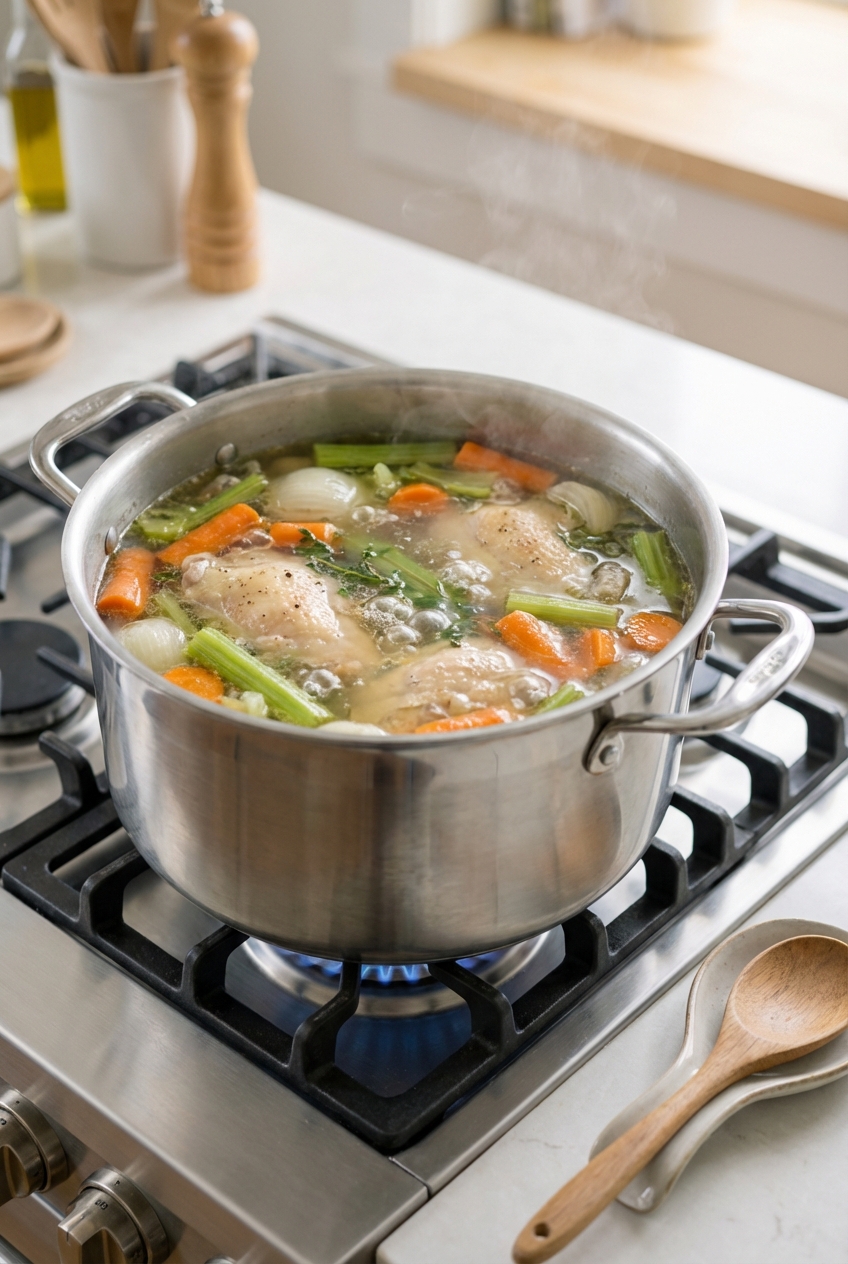
Template 3: Chicken and potato stew
- Protein: cooked chicken thigh or breast (portion controlled)
- Carb: cooked potato or sweet potato (amount based on potassium needs)
- Veg: zucchini (cooked)
- Moisture: warm water or a low-sodium, vet-approved broth
Very important: Homemade kidney diets must be complete and balanced, meaning they meet AAFCO and NRC nutrient targets for dogs. Most homemade kidney plans require specific supplements (often including a calcium source and a veterinary-formulated vitamin and mineral mix) to be safe long-term. Please do not rely on “add a multivitamin” as a shortcut. Many human supplements are not appropriate for dogs, and the amounts can be unsafe.
Switch foods slowly
Kidney dogs often have sensitive stomachs and nausea. Go slow and watch stool quality, appetite, and energy.
- Days 1 to 3: 25% new food, 75% current food
- Days 4 to 6: 50% new, 50% current
- Days 7 to 9: 75% new, 25% current
- Days 10 to 14: 100% new food
If your dog refuses food, drools, lip smacks, vomits, or seems “off,” pause the transition and call your vet. Kidney nausea is common and very treatable, and appetite often improves when nausea is controlled.
Make it easier at home
- Cook in batches: prepare 3 to 4 days at a time and refrigerate, or freeze individual portions.
- Add water to every meal: many kidney dogs do best with “soupy” food.
- Keep a weekly log: appetite, water intake, weight, stool, and any vomiting.
- Recheck labs: diet changes should be followed by lab monitoring so you can adjust early.
And please hear this: you do not have to be perfect to make a difference. Even moving toward fresher, more controlled ingredients with veterinary guidance can be a meaningful step for your dog’s comfort.
When homemade is not best
Homemade food is not the only caring option. Therapeutic renal diets exist for a reason, and for some families they are the safest and most sustainable route. If you want to do a “hybrid” approach, ask your veterinarian about combining a renal prescription food with carefully selected fresh add-ins that do not throw off phosphorus, sodium, and mineral targets.
Kidney support is a long game. The best diet is the one that meets your dog’s medical needs, keeps weight steady, and is realistic for you to feed consistently.