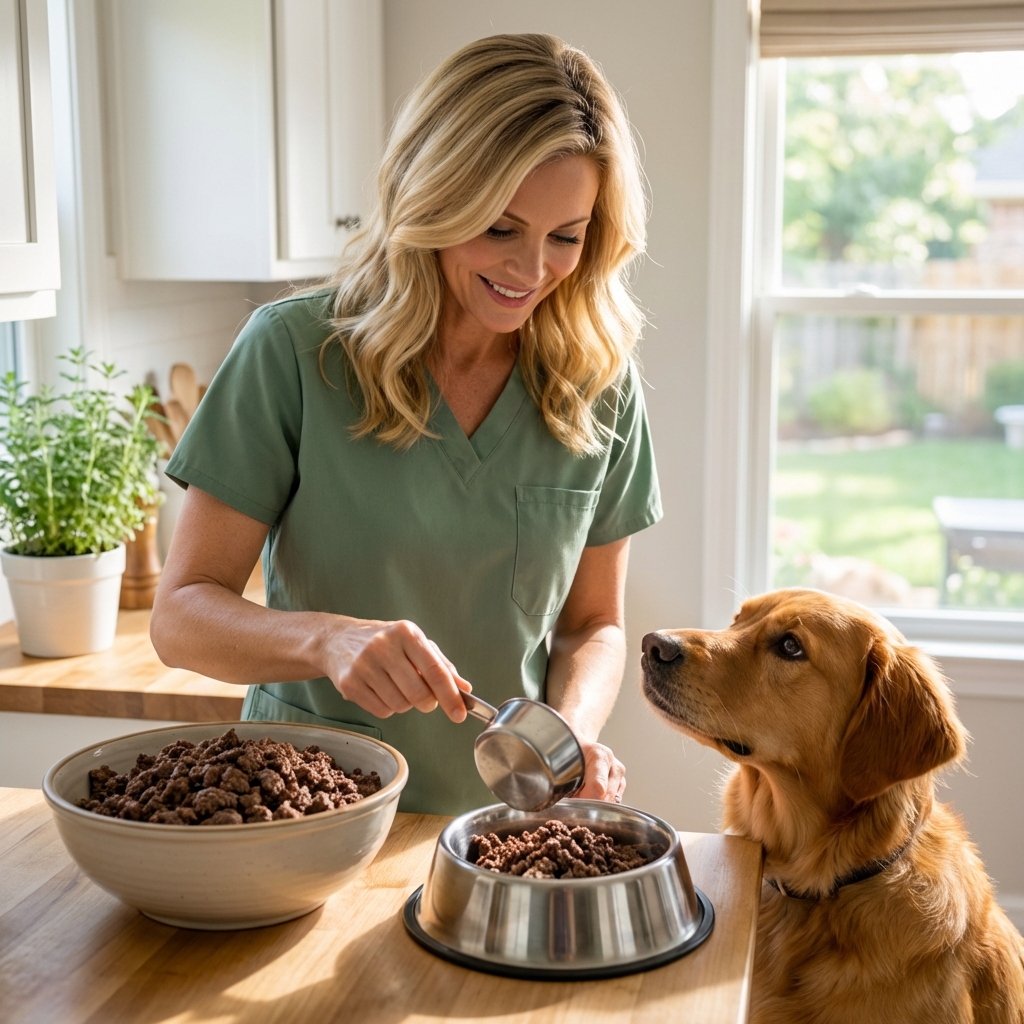
Help identify food triggers with a structured homemade elimination diet. Learn how to pick a novel protein and carb, run an 8–12 week trial, avoid hidden e...
Article
•
Designer Mixes
Homemade Dog Food for Itchy Skin Triggers

Shari Shidate
Designer Mixes contributor
If your dog is scratching, licking paws, rubbing their face, or getting recurring ear infections, food can be part of the puzzle. As a veterinary assistant here in Frisco, Texas, I have seen a common pattern: itchy skin often improves when we identify triggers and switch to a simpler, more controlled diet.
Homemade dog food can be a helpful tool because it gives you control over ingredients, reduces variables, and makes it easier to run a true elimination diet. The goal is not perfection overnight. It is careful, evidence-based experimenting so you can confidently say, “This food helps,” or “This food makes things worse.”
Quick definition: In veterinary medicine, you may hear “adverse food reaction” used as an umbrella term. It includes true food allergy (immune-mediated) and food intolerance (non-immune). The diagnostic process is often the same: an elimination trial followed by a challenge.

When food is (and is not) the issue
Dogs itch for lots of reasons, and food is only one of them. Environmental allergies, flea allergy dermatitis, and skin infections are extremely common. But food can still matter, especially when symptoms are year-round.
Clues that point to food triggers
- Itching that does not seem seasonal
- Chronic ear infections or inflamed ear canals
- Paw licking, face rubbing, belly or armpit redness
- GI signs with itching, like soft stool, gas, or vomiting
- Symptoms that flare after certain treats, chews, or flavored medications
When to see your vet first
If your dog has open sores, a strong odor, hair loss with crusting, pus, head shaking, or intense redness, your veterinarian should check for infection (bacteria or yeast), mites, and other causes. Many dogs need treatment for infection first, and many need infection control during the diet trial so you can judge the food more clearly.
Common food triggers
Most true food allergies and adverse food reactions in dogs involve protein sources. Other ingredients can be implicated too, but true carbohydrate allergy is considered uncommon.
Common protein sources implicated
- Beef
- Chicken
- Dairy (milk proteins)
- Egg
- Lamb (often used for “sensitive skin” diets, but can still be an allergen)
Other ingredients sometimes implicated
- Wheat and other grains
- Soy
One reason certain proteins show up often is simple exposure. Frequent exposure may increase the chance of sensitization in some dogs, but it is not a guarantee and it is not the only factor.
Hidden sources that sabotage progress
- Flavored treats and training bits
- Chews (especially “beef flavored” and mixed-ingredient chews)
- Table scraps
- Broths and gravies made from common proteins
- Flavored toothpaste or dental chews
- Pill pockets and flavored supplements
- Flavored heartworm and flea preventives (ask your vet about non-flavored options if needed)

Why homemade helps
When a commercial diet causes itching, it can be hard to pinpoint why. Ingredient lists can include multiple proteins, vague meals, flavorings, and additives. Homemade food gives you three advantages:
- Control: You can choose a single protein and a single carbohydrate.
- Clarity: Fewer ingredients make it easier to spot patterns.
- Consistency: You can feed the same recipe daily during a trial, which is critical.
Homemade food is not automatically “complete and balanced” unless it is formulated properly. For an elimination trial, we focus on simplicity first, then build nutrition back in thoughtfully.
Important context: Many veterinary dermatologists prefer a prescription hydrolyzed diet for diagnosis because it reduces the risk of accidental exposures and is nutritionally complete. Homemade trials can still be a valid option, but I recommend doing them with veterinary guidance so the trial stays strict and your dog stays healthy.
Elimination diet basics
The gold standard for diagnosing adverse food reaction is a strict elimination diet trial followed by a challenge. Blood, saliva, and hair tests marketed for “food sensitivity” are not considered reliable for diagnosing food allergy in dogs.
How long does it take?
Veterinary dermatology guidance commonly recommends a strict trial for 8 to 12 weeks. Some dogs show improvement earlier, but do not stop too soon. Skin takes time to calm down.
What “strict” means
- No other treats, chews, flavored toothpaste, pill pockets, or table food
- No “taste tests” or rotating proteins mid-trial
- Use the same diet every day
- Track symptoms weekly (itch score, ear wax, paw licking, stool quality)
Tip from the clinic: if your dog needs treats, bake small pieces of the trial protein and use those only. Use clean pans and utensils, and avoid shared oils or seasoning so you do not accidentally contaminate the trial.
Simple elimination framework
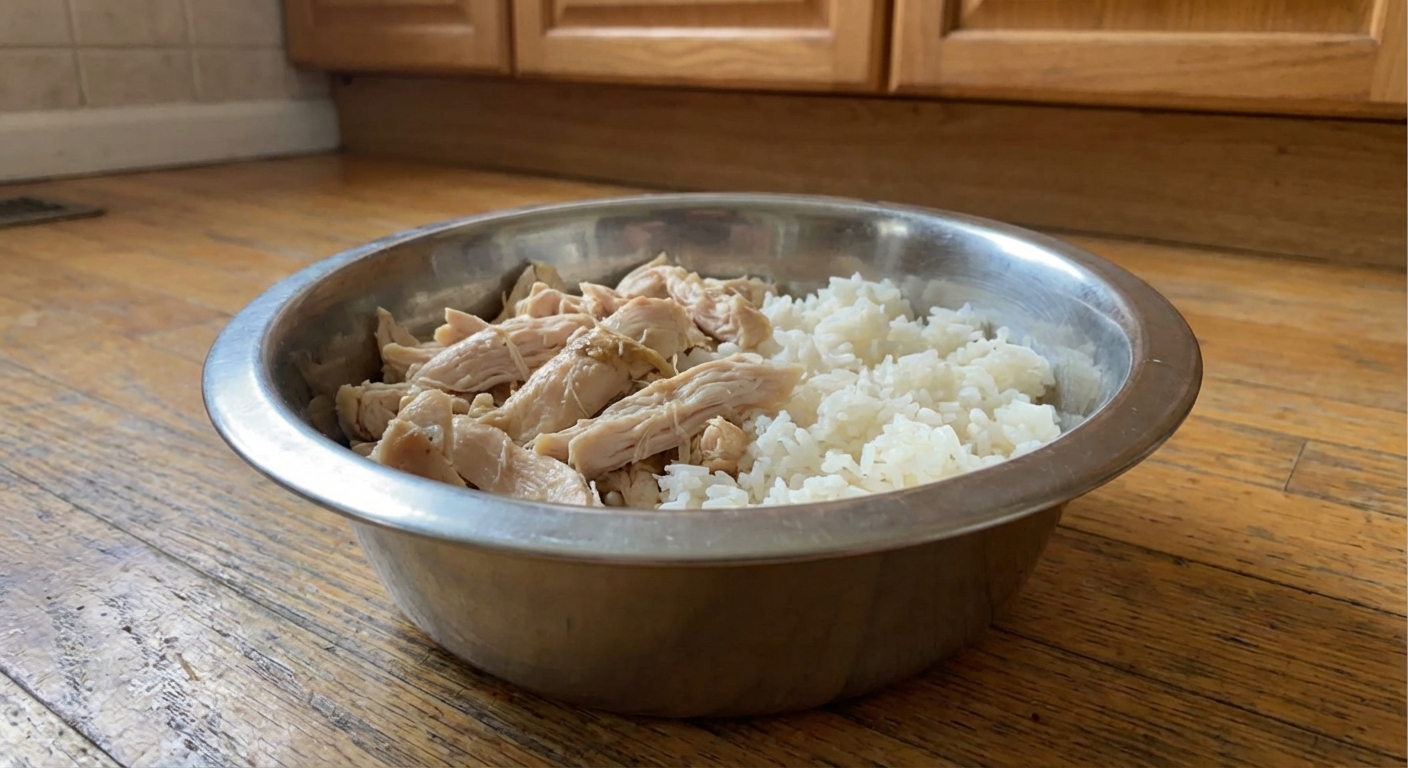
For a homemade elimination diet, we typically choose:
- One novel protein your dog has not eaten before (or has eaten very rarely)
- One simple carbohydrate your dog tolerates well
- Water, or a single-ingredient broth made from the same trial protein if you want moisture
Novel protein ideas
- Turkey (only if your dog has not eaten turkey regularly)
- Pork
- Venison
- Rabbit
- Duck
- Kangaroo (less common, but used in some veterinary diets)
Carb options
- White potato (baked or boiled, plain)
- Sweet potato
- White rice
- Oats (plain, cooked)
- Quinoa (well-rinsed and fully cooked)
Starting ratio (general)
A common starting point during a trial is about 60 to 70% cooked protein and 30 to 40% cooked carbohydrate by volume, adjusted based on stool quality and calorie needs.
Portion reminder: The ratio is not the same thing as the right amount to feed. Ask your veterinarian for a daily calorie target and a starting portion for your dog’s current weight and body condition score.
Safety note
This simple trial recipe is meant for short-term diagnostic use, not as a forever diet. If your dog is a puppy, pregnant, nursing, or has medical conditions (like kidney disease or pancreatitis), work with your veterinarian or a board-certified veterinary nutritionist before starting.
Extras: oils, veggies, supplements
Once itching improves and you are ready to expand the diet, add ingredients strategically. During the strict elimination phase, keep extras out unless your vet specifically approves them.
Omega-3s
Omega-3 fatty acids (EPA and DHA) from fish oil have evidence for reducing inflammation and supporting the skin barrier in some dogs. However, fish is a protein exposure. If you are in a strict trial, ask your vet when to introduce fish oil, and choose a quality product with testing for purity.
Vegetables
Vegetables are not common allergy triggers, but they can confuse the elimination trial if you introduce multiple new ingredients at once. If your vet wants veggies included, start with one well-cooked option like zucchini or green beans and keep it consistent.
Probiotics
The gut-skin connection is real, and some dogs with itching also have digestive upset. A veterinary probiotic may help some dogs, but introduce it only when you can clearly observe what it does for your dog.
Transitioning to the trial
Even a “good” diet can cause loose stool if you switch too fast. A gentle transition keeps your dog comfortable and helps you interpret results.
- Days 1 to 3: 25% new, 75% old
- Days 4 to 6: 50% new, 50% old
- Days 7 to 9: 75% new, 25% old
- Days 10 to 14: 100% new
Note for elimination trials: The longer the old diet stays in the mix, the longer it can take to see clean results. If it is medically safe for your dog, your veterinarian may recommend a faster transition. If your dog has a history of GI sensitivity, go slower.
If your dog is extremely itchy, talk with your veterinarian about itch control during the trial. Comfort matters, and controlling inflammation can help the skin heal while you do the food detective work.
Challenge step
This is the step many people skip, but it is how you learn what your dog truly reacts to.
- Feed the strict elimination diet until symptoms clearly improve.
- Introduce one suspected trigger (for example, chicken).
- Challenge for 3 to 14 days, or as directed by your veterinarian. Some dogs flare within days, but others take longer.
- If itching returns, remove that ingredient and go back to the safe diet until calm again.
- Repeat later with a different ingredient if you want to identify more triggers.
Write it down. It is surprisingly easy to forget the timeline when life gets busy.

Avoiding cross-contamination
Strict trials fail more often from accidental exposures than from a “bad” recipe. A few practical ways to protect your results:
- Use a dedicated container and scoop for the trial food.
- Wash bowls, pans, and utensils well, especially if you cook other proteins at home.
- Avoid shared cutting boards, shared oils, and seasoning blends.
- Tell everyone in the household, plus daycare, boarding, and groomers: no treats unless you provide them.
- Ask your vet about non-flavored medications, and avoid pill pockets unless they match the trial ingredients.
Red flags and next steps
If you are doing a strict trial and your dog is still miserable, it does not mean you failed. It often means we are dealing with an additional issue.
- No improvement after 8 to 12 weeks of strict diet control
- Strong odor, greasy skin, or recurring hotspots (possible yeast or bacterial infection)
- Flea exposure or inconsistent flea prevention
- Seasonal flares that point to environmental allergies
- Hair loss in patterns, weight changes, or behavior changes (consider endocrine issues)
Partnering with your veterinarian and possibly a veterinary dermatologist can save you time, money, and months of frustration.
Bottom line
Homemade dog food can be a powerful, gentle way to identify itchy skin food triggers because it removes a lot of guesswork. Keep it simple, keep it consistent, and give it enough time to work. If you go slow and take notes, you will be amazed how much clarity you can get about what your dog truly tolerates.
If you want to stay with homemade long-term, ask your vet about balancing the final recipe for complete nutrition. Your dog deserves skin comfort today, and the right nutrients for the long haul.