
Congestive heart failure in dogs isn’t always a crisis. Learn early warning signs, resting breathing-rate tracking, common meds, diet basics, and simple ro...
Article
•
Designer Mixes
Homemade Dog Food for Heart Disease

Shari Shidate
Designer Mixes contributor
When your dog is diagnosed with heart disease, it can feel scary and overwhelming. I get it. As a veterinary assistant in Frisco, Texas, I have seen how much peace of mind people get when they can do something practical at home. The good news is that nutrition can support overall management, especially when it is paired with your veterinarian’s medications and monitoring.
Homemade dog food is not automatically “better” for heart disease, but it can be a great option because you control sodium, ingredient quality, and overall balance. The key is to do it safely and strategically.

First, a quick safety note
Heart disease is not one single condition. Some dogs have degenerative valve disease, others have dilated cardiomyopathy (DCM), congenital disease, arrhythmias, or congestive heart failure. Diet needs can vary based on the diagnosis, stage of disease, kidney function, and medications like diuretics.
Before you switch foods, ask your veterinarian these four questions:
- What stage of heart disease is my dog in right now?
- Is sodium restriction recommended for my dog, and how strict should it be?
- Do we need to monitor potassium, magnesium, kidney values, phosphorus, or taurine?
- Should we consult a board-certified veterinary nutritionist (ACVN) for a recipe?
If your dog is in congestive heart failure, has fainting episodes, severe coughing, fluid buildup, or significant weight loss, please do not DIY a diet without veterinary guidance.
What a heart-healthy homemade diet aims to do
1) Keep sodium appropriate
Sodium affects fluid balance and can worsen fluid retention in dogs who are prone to congestive heart failure. Sodium restriction is most clearly used in dogs with active or prior congestive heart failure, but even then the right level is individualized. Some cardiologists avoid very aggressive restriction in early or symptom-free disease, so this is one to follow closely with your vet’s stage-based guidance.
Common high-sodium items to avoid or strictly limit include deli meats, bacon, sausage, cheese-heavy snacks, salty broths, packaged gravies, and most processed human foods.
2) Maintain lean muscle and a healthy weight
Many dogs with heart disease do best with a lean body condition. Extra weight can add strain to the heart and lungs. On the other end, advanced disease can contribute to muscle loss and “cardiac cachexia,” so adequate protein and calories matter too.
3) Support key nutrients linked to heart function
Depending on the dog, your vet may discuss nutrients such as taurine, L-carnitine, omega-3 fatty acids (EPA and DHA), magnesium, potassium, and antioxidants. These are not magic cures, but they can support overall cardiovascular health when used correctly.
Homemade does not mean balanced
This is the part I want you to keep front and center. A simple combo like meat plus rice plus veggies can look wholesome, but it becomes deficient surprisingly fast without the right add-ins. The most common gaps include calcium (and the calcium to phosphorus balance), iodine, vitamin D, vitamin E, and trace minerals.
If you are feeding homemade more than occasionally, ask your veterinarian or an ACVN nutritionist for a complete recipe, or for a veterinary-approved balancing plan that includes the right calcium source and a canine vitamin-mineral supplement or premix. This is one of the safest ways to do homemade long-term.
Ingredients that often fit well
Think simple, whole, and minimally processed.
Heart-smart proteins
- Skinless chicken or turkey (gently cooked)
- Lean ground beef (drain well, and rinse only if you are trying to reduce fat)
- Eggs (excellent protein and nutrient density)
- Salmon (cooked, no seasoning)
Carbs and fiber
- Cooked rice (white or brown, based on tolerance)
- Oats (plain, cooked)
- Quinoa (well-rinsed and cooked)
- Sweet potato (baked or steamed)
- Pumpkin (plain, no pie spices)
Vegetables
Lightly cook or steam vegetables to improve digestibility.
- Carrots
- Green beans
- Broccoli (small amounts if gassy)
- Zucchini
- Spinach (moderate amounts, and ask your vet if your dog also has kidney disease or a history of calcium oxalate stones)
Fats and omega-3s
- Fish oil (EPA and DHA) is commonly used for cardiovascular support and inflammation control. Dose matters, so confirm the amount with your veterinarian.
- Small amounts of olive oil can help palatability and calories for dogs who struggle to maintain weight, but use caution if your dog has a pancreatitis history or high triglycerides.
Ingredients to be cautious with
High-sodium foods
Even foods that sound healthy can be surprisingly high in sodium. Avoid seasoned meats, store-bought rotisserie chicken, and most packaged broths unless they are truly low-sodium and your vet approves.
Sardines and other canned fish
Sardines can be very high in sodium even when they are packed in water. If you use them at all, look for no-salt-added options, check the label for milligrams of sodium per serving, and consider rinsing. When in doubt, skip them and use a vet-approved fish oil instead.
Grain-free and boutique patterns
If your dog has DCM or is being evaluated for it, talk with your veterinarian about diet history. Some cases of DCM have been associated with certain dietary patterns, particularly some grain-free formulations and diets heavy in legumes or exotic proteins. This is an evolving area and association is not the same as proof of causation, but it is still worth a careful conversation with your vet or cardiologist. Homemade food can be fine, but it should be balanced and not built around trendy substitutions.
Salt substitutes
Many salt substitutes contain potassium chloride. For some dogs on certain heart medications, extra potassium can be risky. Do not use salt substitutes unless your veterinarian specifically says it is safe.
Treats and toppers
Treats can quietly undo your sodium goals. Choose fresh options like unsalted cooked chicken bits, blueberries, or small pieces of apple (no seeds).
Two simple meal ideas
These are not complete and balanced recipes by themselves. They are vet-friendly starting points you can bring to your veterinarian or a veterinary nutritionist to balance properly with calcium, essential fatty acids, and micronutrients.
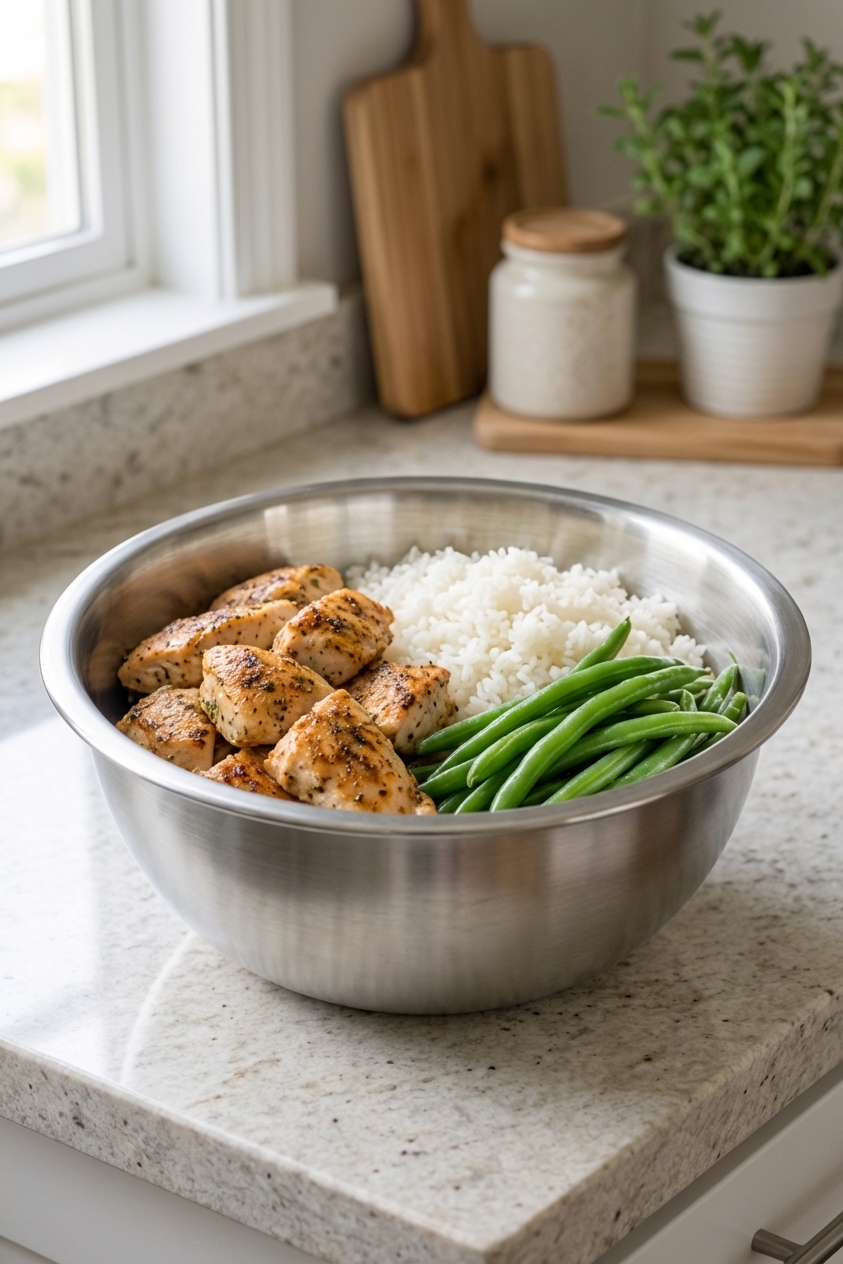
Option A: Chicken bowl
- Cooked skinless chicken thigh or breast (chopped)
- Cooked white rice or quinoa
- Steamed green beans and carrots
- Optional: fish oil (only with vet-approved dosing)
Option B: Turkey and sweet potato
- Cooked lean ground turkey
- Baked sweet potato (mashed)
- Steamed zucchini
- Optional: a small spoon of plain pumpkin for fiber
If your dog is on diuretics and has appetite changes, ask your veterinarian about strategies to keep food enticing without adding salt, like warming the meal slightly, adding a splash of warm water, or using a vet-approved low-sodium broth.
How to check sodium
If you are trying to control sodium, labels are your best friend. A few practical tips:
- Look at milligrams of sodium per serving, and compare similar products side by side.
- Check treat labels too. Jerky treats, cheese treats, and “flavor bursts” are common sodium traps.
- Ask your vet for a sodium target for your dog’s stage, then let that guide your choices.
How to transition slowly
Dogs with heart disease do not need digestive drama on top of everything else. Go slow:
- Days 1 to 3: 25% new food, 75% current food
- Days 4 to 6: 50% new food, 50% current food
- Days 7 to 9: 75% new food, 25% current food
- Days 10 to 14: 100% new food
If your dog has a sensitive stomach, extend each step by a few days.
Watch stool quality, appetite, resting breathing rate (your vet can teach you how and give you a target range), energy level, and weight. If your dog refuses food, coughs more, seems more tired, or has belly swelling, call your veterinarian.
Supplements to ask about
Some supplements are commonly discussed for canine heart disease, but they should be tailored to your dog’s diagnosis and labwork:
- Omega-3s (EPA/DHA): often used to support inflammation control and overall heart health
- Taurine and L-carnitine: may be considered in suspected diet-associated DCM or certain breeds
- CoQ10: evidence is mixed, but some cardiologists use it as an adjunct
- Magnesium and potassium: only if indicated, especially in dogs on diuretics
Please avoid adding multiple supplements “just in case.” More is not always better, especially with heart medications on board.
What success looks like
A heart-supportive homemade diet should help your dog maintain a stable weight, keep muscle, enjoy meals, and avoid excess sodium. Most importantly, it should fit into a full treatment plan that includes medications, rechecks, and sometimes imaging like chest radiographs or echocardiograms.
Food cannot replace heart meds, but the right nutrition can support your dog’s comfort, energy, and long-term resilience.

When to get a custom recipe
If your dog has congestive heart failure, kidney disease, pancreatitis history, severe picky eating, or unexplained weight loss, a custom formulation is worth it. A board-certified veterinary nutritionist can create a complete recipe that matches your dog’s sodium target, calorie needs, and any lab abnormalities (including phosphorus, if kidneys are part of the picture).
If you want to do homemade the right way, this is the safest shortcut: a professional recipe you can confidently repeat.