
A clear guide to canine seizure meds—phenobarbital, potassium bromide, levetiracetam (Keppra), and zonisamide—plus dosing ranges, side effects, bloodwork...
Article
•
Designer Mixes
Homemade Dog Food for Dogs With Epilepsy

Shari Shidate
Designer Mixes contributor
When a dog has seizures, it can feel like your whole life shrinks down to one question: What can I do to help? Medication is often the foundation of treatment, but nutrition can play a supportive role for some dogs, especially when it is planned with your veterinarian or a board-certified veterinary nutritionist.
What this article is: a practical, vet-friendly overview of evidence-aligned nutrition strategies that may help support some dogs with epilepsy.
What this article is not: a substitute for diagnosis, seizure medications, or a complete, balanced recipe for your individual dog.
In this article, I will walk you through what the research suggests about ketogenic-style diets and MCTs for canine epilepsy, which nutrients matter most for overall neurologic health, what ingredients to be cautious about, and simple meal frameworks you can bring to your vet as a starting point.

First, partner with your vet
Epilepsy is not one single condition. Seizures can be caused by idiopathic epilepsy, liver shunts, toxin exposure, brain inflammation, tumors, low blood sugar, electrolyte abnormalities, and more. That is why the best diet in the world is not a substitute for proper diagnosis and medication management.
Before changing food, ask your vet about
- Baseline bloodwork including liver values, fasting triglycerides, and sometimes bile acids, depending on your dog’s history.
- Drug and supplement interactions, especially if your dog takes phenobarbital, potassium bromide, levetiracetam, zonisamide, or other anticonvulsants.
- A safe transition plan. Large increases in dietary fat can cause diarrhea and may increase pancreatitis risk in susceptible dogs.
- What success looks like for your dog, such as fewer seizures, shorter seizures, improved recovery time, or steadier behavior between episodes. For many dogs, the goal is better control, not necessarily zero seizures.
Timing matters: If you can, introduce meaningful diet changes when your dog is relatively stable, not during a cluster period or right after a medication change. When life is chaotic, it is harder to tell what is helping and what is making things worse.
Urgent note: If your dog has cluster seizures, status epilepticus, sudden behavior changes, or seizures that are new or worsening, contact your vet or emergency clinic right away. Nutrition is supportive, but emergencies need emergency care.
If you need a refresher on immediate first aid, see: What to Do When Your Dog Has a Seizure.
What research says
Humans with certain seizure disorders sometimes benefit from ketogenic diets. In dogs, the conversation is similar but more nuanced. In available canine studies and in clinical practice, dogs may not achieve or maintain ketosis the same way humans do at the same carbohydrate thresholds. Seizure disorders also vary widely.
MCT has the best support so far
The most evidence-supported nutrition tool discussed for canine idiopathic epilepsy is medium-chain triglycerides (MCTs), usually via MCT-enriched diets that have been evaluated in clinical research. Not every dog responds, but some dogs do see fewer seizures or improved seizure control.
As for how they might help, proposed mechanisms include supporting brain energy metabolism and potentially influencing neurotransmitter activity. Those mechanisms are still being studied, so it is best to think of MCTs as a helpful adjunct for some dogs, typically alongside seizure medication, not a cure.
Keto-style diets
A strict ketogenic diet is high fat, very low carbohydrate, and moderate protein. In dogs, consistent, measurable nutritional ketosis can be challenging in real-life feeding and in the published canine work to date. Reasons include the very high fat percentage often required, palatability and gastrointestinal tolerance limits, and the fact that you often need monitoring (for example, checking ketones) to confirm it is working as intended. On top of that, very high fat intake can be risky for dogs prone to pancreatitis or with certain lipid issues.
That said, some dogs appear to do better on a lower carbohydrate, higher fat plan when the fat source is chosen carefully and introduced gradually. Most families do best aiming for a vet-guided, MCT-forward plan rather than trying to DIY a strict ketogenic diet at home.

Medication and diet notes
Diet changes can matter more when your dog is on anticonvulsants. Two quick, high-impact examples to discuss with your veterinarian:
Potassium bromide
If your dog takes potassium bromide, hydration is important, and so is consistent chloride intake (in other words, consistent salt in the diet). Changes in dietary salt can change bromide levels in the blood, which may contribute to breakthrough seizures or bromide side effects. Do not switch foods, dramatically change treats, or start a low-sodium plan without your vet’s guidance. Treats count as diet here, so treat type and quantity should stay consistent too.
Phenobarbital
If your dog takes phenobarbital, regular lab monitoring matters. Before adding liver supplements or herbal products, check with your vet first. “Natural” does not always mean safe, and some supplements can interact with medications.
Plan for rechecks
After meaningful diet changes, ask your veterinarian what monitoring they want. Depending on your dog’s medication plan and history, that may include rechecking anticonvulsant levels and or labs (such as liver values or triglycerides) after a transition period.
Nutrients to prioritize
No single nutrient cures epilepsy. Still, a complete, balanced diet supports the nervous system and overall metabolic health, which matters for seizure-prone dogs. When I help pet parents think through homemade meals, I focus on a few evidence-aligned priorities.
Omega-3s
Omega-3s support overall brain health and anti-inflammatory pathways. For dogs, the most useful forms are EPA and DHA from fish oil or marine sources. Evidence for seizure reduction in dogs is limited and mixed, but omega-3s can still be a solid, vet-approved part of a neurologic supportive plan.
- Food options: sardines in water (no added salt), salmon (cooked), trout (cooked)
- Supplement option: a purified fish oil that is third-party tested
Because omega-3 dosing depends on your dog’s weight and health history, confirm dosing with your vet.
B vitamins
B vitamins support neurotransmitter function and energy metabolism. Many dogs on long-term anticonvulsants also benefit from monitoring overall nutritional status.
- Food options: eggs, lean meats, liver in small amounts (too much liver can oversupply vitamin A)
- Note: routine high-dose B vitamin supplementation is not proven to reduce seizures without a documented need. Homemade diets often need a veterinary-formulated vitamin and mineral mix to stay balanced.
Magnesium
Magnesium plays a role in nerve signaling, but supplementing magnesium without a documented deficiency is not proven to reduce seizures. In homemade diets, the bigger risk is an unbalanced recipe rather than a true single-mineral problem.
- Food options: pumpkin seeds (ground, used in tiny amounts, calorie-dense), leafy greens (cooked and pureed), legumes if tolerated
- Important: do not supplement magnesium without guidance, since excess can cause gastrointestinal upset and may be unsafe in certain conditions
Steady energy and protein
Many seizure-prone dogs do best with stable daily routines, including consistent meal timing. Adequate, high-quality protein supports muscle and overall health, but the amount should be customized for age, activity, kidney health, and medication plan.
Ingredients to be cautious about
Seizure triggers are individual, but there are a few dietary patterns and ingredients that are worth discussing with your vet. Think of this list as “use caution and be consistent,” not a universal ban list.
Processed foods and sodium swings
Heavily processed foods (like salty deli meats, some jerky, and many packaged treats) are generally not ideal for overall health. For dogs on potassium bromide, sodium and chloride consistency is especially important because changing dietary salt can change bromide levels.
Sudden diet changes
A sudden switch can cause vomiting or diarrhea, which can contribute to stress and sleep disruption. For dogs with epilepsy, that whole cascade can matter.
Very high fat without a plan
Randomly increasing fats to “go keto” can backfire. Some dogs are prone to pancreatitis, and some develop high triglycerides. Fat changes should be gradual and monitored. Ask your vet if rechecking triglycerides after titration makes sense for your dog.
Rosemary extract
Some veterinary neurologists prefer that epilepsy dogs avoid rosemary extract, a common preservative in pet foods and treats. The evidence is not settled, and many clinicians do not consider it a universal trigger. Think of it as an “ask your specialist” item rather than a must-avoid ingredient. This is not the same issue as high-dose rosemary essential oil exposure. Here, we are talking about preservative-level inclusion in foods and treats. Because it is an easy swap for many families, it is worth asking your vet or neurologist whether they recommend avoiding it for your dog.
Known toxin foods
- Grapes and raisins
- Xylitol (birch sugar) and many sugar-free products
- Onions, garlic, chives, leeks (alliums)
- Alcohol, caffeine, chocolate
- Macadamia nuts
Possible triggers in some dogs
This is not proven, but some owners report increased seizure activity with certain extras like very sugary treats, artificial dyes, or highly processed, strongly flavored treats. If you suspect a connection, keep a simple seizure diary and review it with your vet rather than assuming a cause.

Homemade diet basics
Homemade can be wonderful, but only if it is complete and consistent. For epilepsy management, day-to-day consistency can matter more than it does for a typical healthy dog.
- Consistency matters. Aim for predictable meals rather than recipes that swing widely day to day.
- Calcium must be correct. Most home recipes are calcium-deficient unless a calcium source is intentionally added.
- Common failure points include calcium to phosphorus balance, iodine, vitamin D, and trace minerals. This is why a “balancer” is not optional if you are cooking long-term.
- Track body weight monthly. Underfeeding and overfeeding both create stress on the body.
- Keep treat calories under control. Treats should be a small percentage of daily intake, and for bromide dogs, treat salt levels should not swing day to day.
If you want the safest route, ask your vet for a referral to a board-certified veterinary nutritionist (DACVN or ECVCN) who can build a recipe that accounts for medications, lab values, and your dog’s seizure pattern.
Sample meal frameworks
These are not complete recipes with guaranteed nutrient balance, but they are helpful frameworks you can discuss with your veterinarian or nutritionist. Think “building blocks” you can assemble into a properly formulated plan.
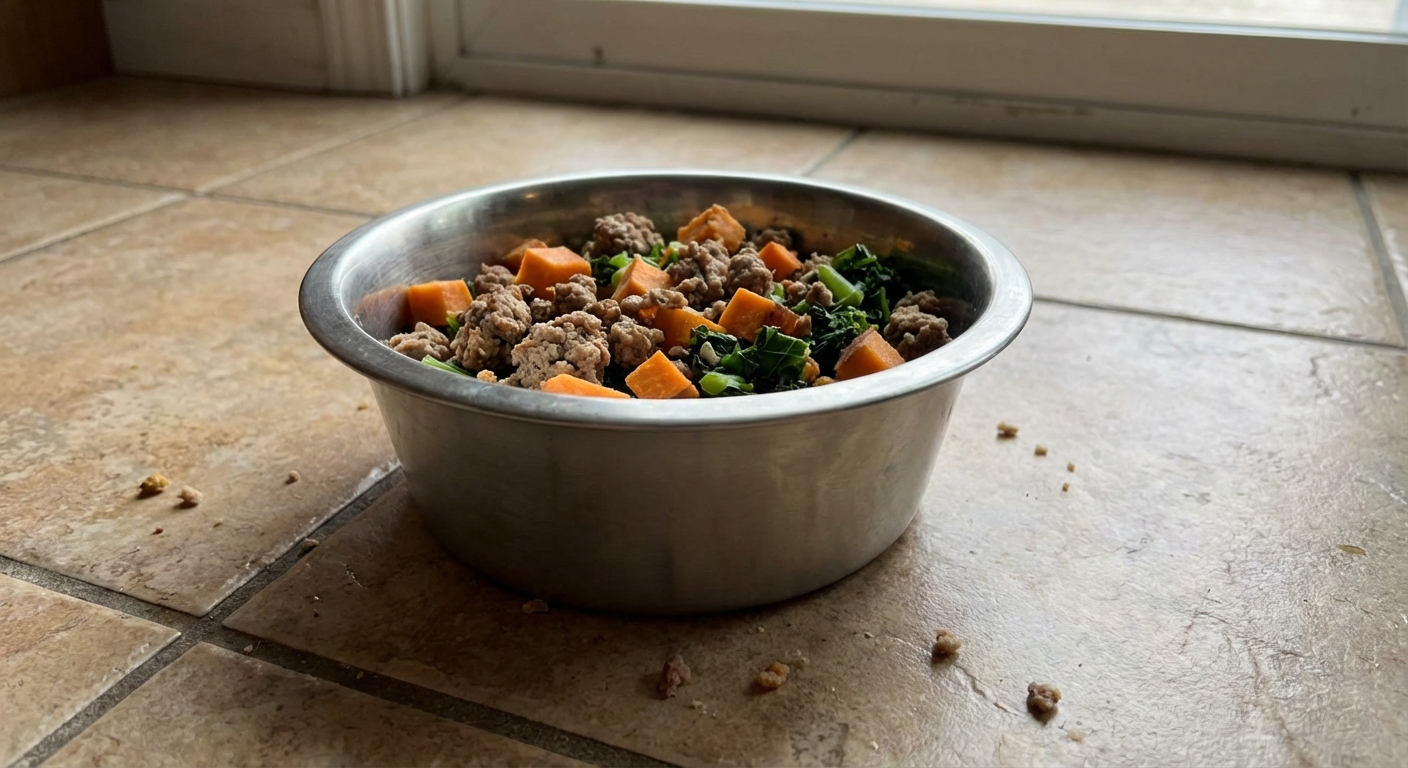
Framework 1: MCT-forward
- Protein: cooked turkey or chicken (skin removed if fat needs to stay moderate)
- Vegetables: steamed zucchini and carrots, then chopped or lightly pureed
- Carb (optional based on your vet’s plan): cooked quinoa or sweet potato
- Fat support: measured MCT oil (introduced slowly)
- Omega-3: vet-approved fish oil dose or a small portion of sardines in water
- Balancer: veterinary vitamin-mineral mix and calcium source as directed
Framework 2: Lower carb, higher fat
- Protein: cooked beef or pork loin, or a veterinary-approved novel protein if allergies are suspected
- Vegetables: cooked leafy greens (pureed) plus pumpkin for gentle fiber
- Fat: a combination of MCT oil plus a controlled amount of animal fat, based on tolerance and lab monitoring
- Micronutrients: targeted supplements to keep calcium, iodine, and trace minerals correct
Framework 3: Gentle transition
If you are switching foods and your dog has a sensitive stomach, your vet may recommend a slower change using simple, bland ingredients.
- Protein: boiled chicken
- Carb: white rice (temporary use) or cooked oats
- Fiber: plain canned pumpkin (small amount)
- Next step: gradually layer in vegetables, omega-3s, and your vet-approved vitamin-mineral plan
How to add MCT safely
MCT oil is not a “more is better” supplement. Too much, too fast can cause diarrhea, cramping, or nausea.
Safer steps
- Confirm with your vet that MCT is appropriate for your dog’s history (especially pancreatitis history or high triglycerides).
- Start with a tiny amount mixed into food once daily.
- Increase gradually every few days only if stools remain normal.
- Stop and call your vet if you see vomiting, abdominal pain, loss of appetite, or greasy stools.
If you want a concrete starting point to discuss with your vet: published study diets and clinical protocols vary, and your dog’s target depends on the full diet, body condition, and lab history. Some approaches begin very low and titrate up slowly. You may hear ranges used in some clinical protocols discussed that start around 0.1 mL per kg per day and may increase toward roughly 0.5 to 1.0 mL per kg per day, but this is not a one-size-fits-all prescription. Targets differ depending on whether MCT is delivered as added MCT oil, built into an MCT-enriched diet, or a combination. Ask your vet to define the goal in terms of total daily MCT intake, and whether they want follow-up labs (like triglycerides) after titration.
Feeding habits that help
Diet is ingredients and routine. For many seizure-prone dogs, the basics can be surprisingly powerful.
- Feed on a schedule to reduce avoidable routine disruptions and daily stress.
- Measure everything for consistency, including oils and treats.
- Keep a seizure diary tracking sleep, stress, heat, diet changes, new treats, and medication timing.
- Hydration matters, especially for dogs on potassium bromide.
- Keep salt consistent if your dog is on potassium bromide, including salty treats and table scraps.
Expectation setting helps, too. Give a new plan time, then review it with your vet. Many families track seizure frequency, severity, and recovery time for 6 to 12 weeks after a change (or whatever timeline your vet recommends) before deciding whether it is truly helping.
Other supplements
You will see a lot of discussion online about CBD, taurine, herbs, and other add-ons for seizures. Evidence is mixed, product quality varies, and interactions with anticonvulsants are possible. If you are considering any of these, bring the exact product and dose to your veterinarian or veterinary neurologist before starting.
When homemade is not best
I love real food, but I also love realistic plans. If you cannot consistently source ingredients, measure carefully, or follow a supplement plan, a therapeutic or veterinary-formulated commercial diet may be safer and more effective. Some dogs also need medical diets due to pancreatitis history, kidney disease, or severe hyperlipidemia.
You can still add a small amount of vet-approved whole foods on top, as long as it does not unbalance the diet or change salt levels unexpectedly (important for dogs on potassium bromide).
Key takeaways
- MCT oil and MCT-enriched diets have some of the best clinical research support as an adjunct for dogs with idiopathic epilepsy, though response varies and it is typically used alongside medication.
- A strict “keto” approach is not a safe DIY project for most dogs, and very high fat can be risky.
- Prioritize a complete, balanced diet and steady routines. Omega-3s may support overall neurologic health, but seizure-specific benefits for many nutrients and supplements are not guaranteed.
- If your dog takes potassium bromide, keep salt (chloride) intake consistent and avoid sudden diet and treat changes.
- Consider avoiding rosemary extract only if your veterinary team recommends it for your dog.
- After diet changes, ask your vet what rechecks they want (for example, medication levels or labs) so you can adjust safely.
If you want, tell me your dog’s age, weight, current food, medications, and seizure pattern, and I can help you draft a list of questions to bring to your veterinarian or nutritionist.