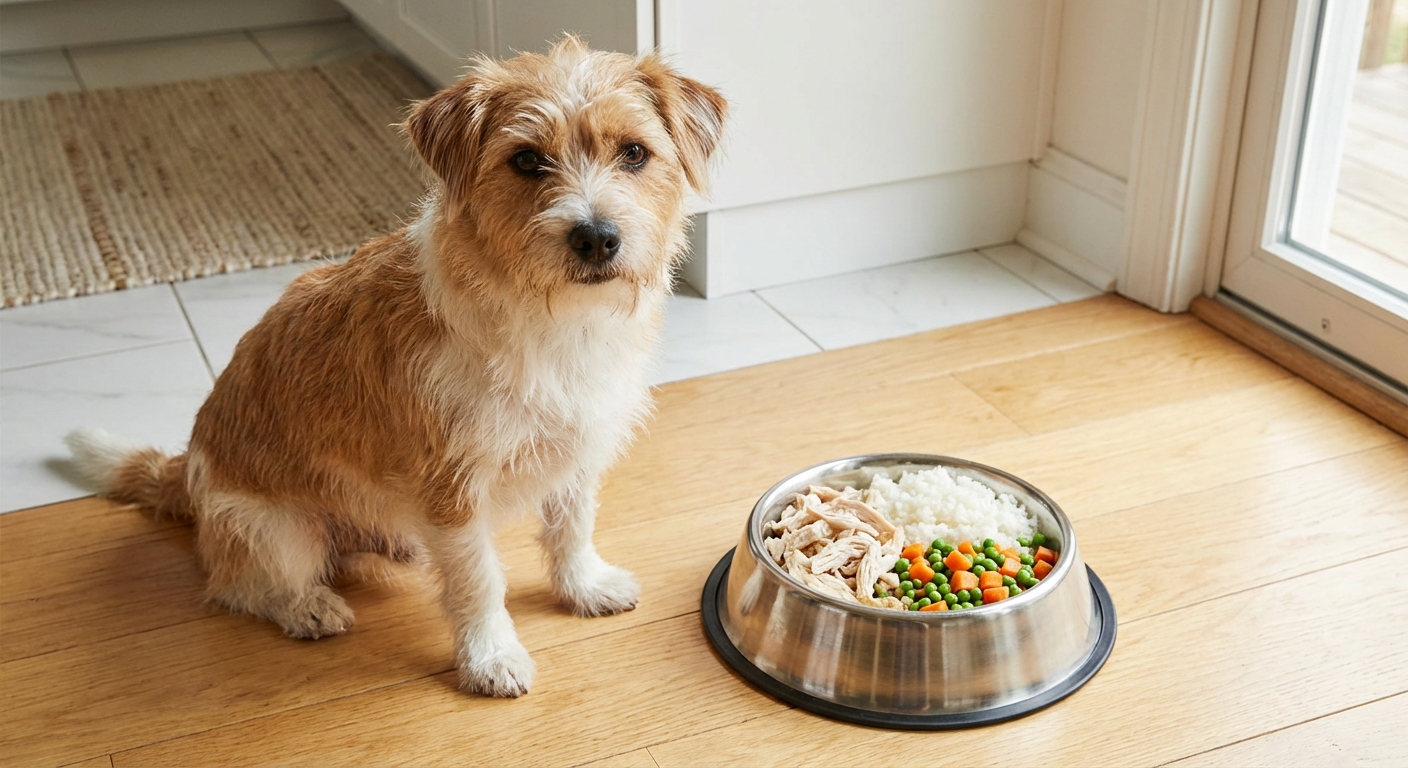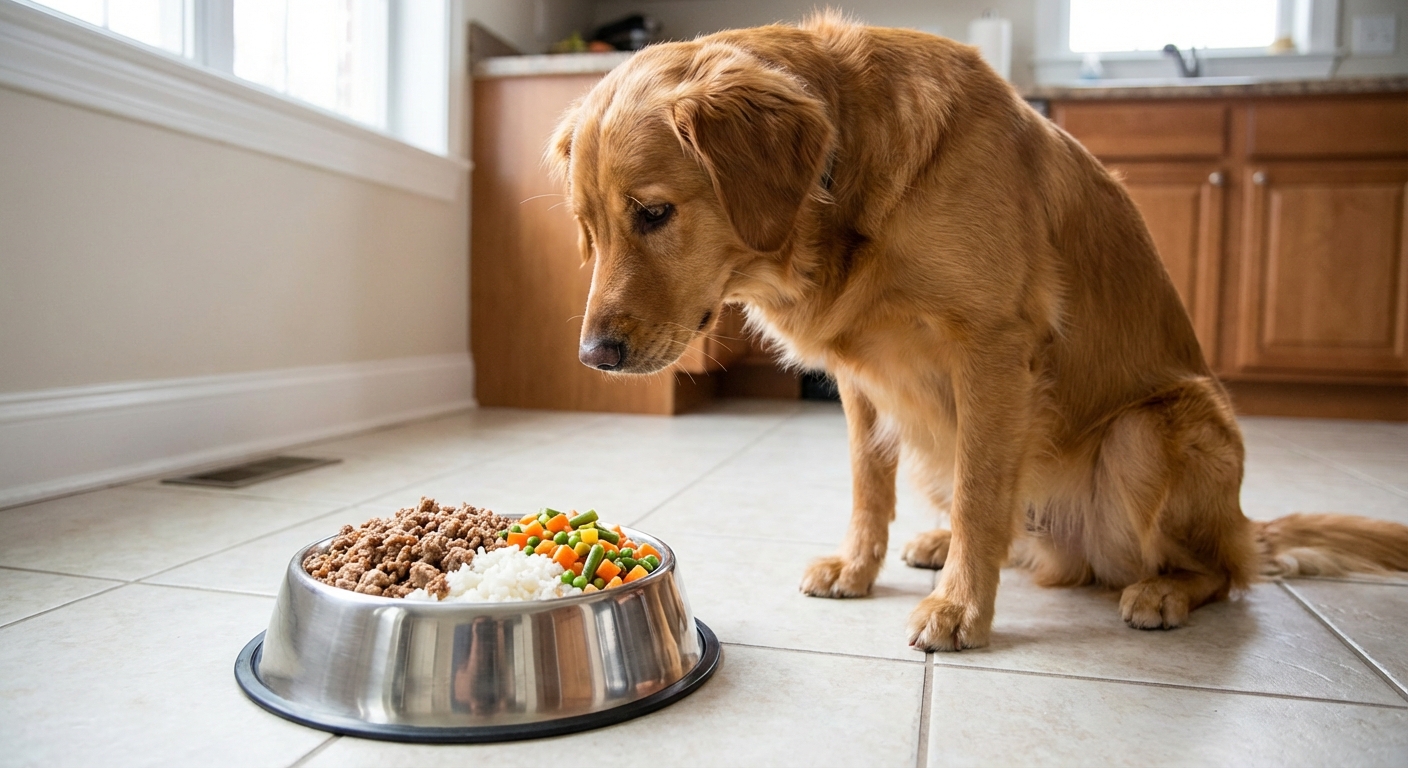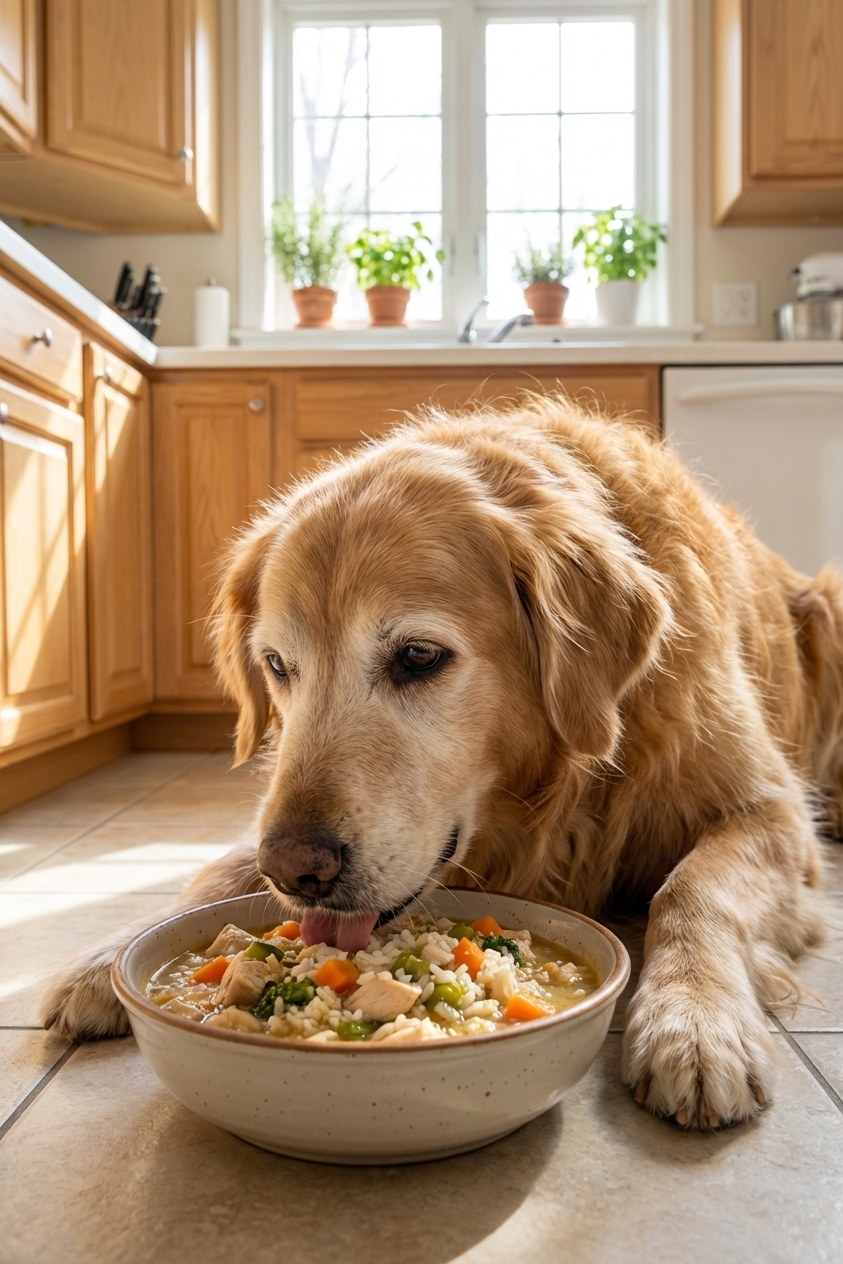
Nutrition can’t cure cancer, but it can support strength and comfort. See vet-informed foods to include, easy homemade toppers, transition tips, and what t...
Article
•
Designer Mixes
Homemade Dog Food for Dogs With Cancer

Shari Shidate
Designer Mixes contributor
When a dog is diagnosed with cancer, it can feel like the ground shifts under your feet. As a veterinary assistant here in Frisco, Texas, I have sat with families through that first wave of fear and confusion. The good news is this: nutrition is one place where you can take meaningful, loving action every single day.
Homemade food will not “cure” cancer on its own, but it can support strength, maintain weight, reduce inflammation, and improve quality of life, especially when your dog is also undergoing surgery, chemo, radiation, or palliative care.
A quick but important note: the recipes below are supportive and can be helpful short-term or as toppers. For long-term feeding, ask your veterinarian or a board-certified veterinary nutritionist to formulate a complete, balanced plan for your dog’s diagnosis, lab work, and treatment.
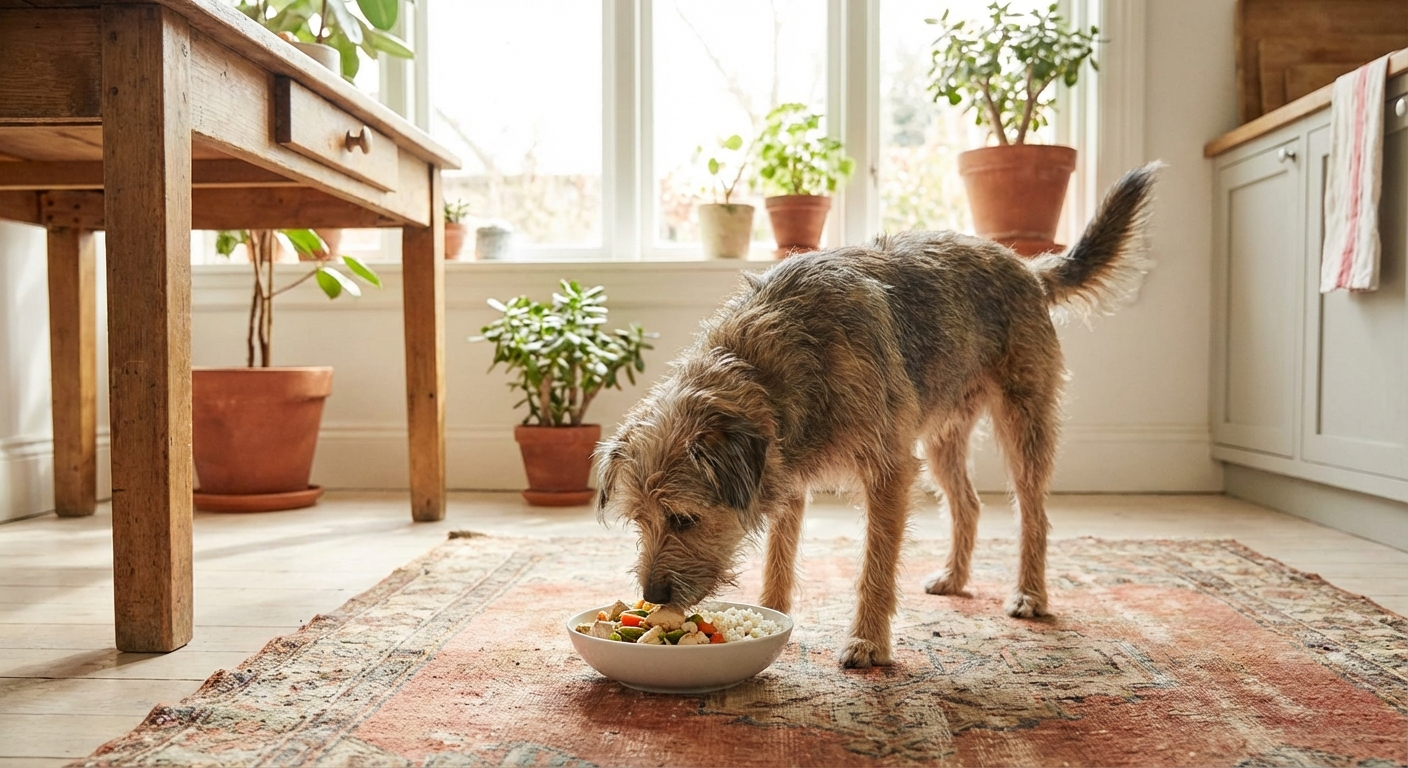
Before you start
Please loop in your veterinarian or a board-certified veterinary nutritionist, especially if your dog has lymphoma, osteosarcoma, mast cell tumors, or is on medications like prednisone, NSAIDs, or chemo drugs. Dogs with cancer can have unique needs, and some supplements can interfere with treatment.
- Transition slowly: Start with 25% homemade mixed into their current diet for 3 to 5 days, then 50/50 for 3 to 5 days, then 75/25 for 3 to 5 days, then fully homemade as tolerated. Slow down if stools soften or appetite dips.
- Watch stool and energy: Soft stool can mean the change was too fast, the fat or fiber shifted, your dog is intolerant to an ingredient, or medications are affecting digestion. If it lasts more than a day or two, or your dog seems unwell, call your vet.
- Food safety matters: Cancer patients can be more vulnerable. Cook meats, eggs, and fish thoroughly. Avoid raw diets, raw eggs, and raw fish unless your veterinary team specifically recommends otherwise. Refrigerate leftovers promptly.
Cancer-supportive nutrition goals
Many oncology nutrition discussions focus on three practical goals: high-quality protein, individualized fat levels, and avoiding excess simple carbohydrates. Here is the nuance I share with families: some tumors show a preference for glucose in lab settings, but feeding the whole dog is more complex. In practice, most cancer-supportive diets aim to protect lean muscle, keep calories steady, and avoid large swings from sugary or highly refined carbs.
1) Prioritize protein to protect lean muscle
Muscle loss is one of the biggest threats to a dog’s strength and recovery. Aim for a highly digestible, animal-based protein at most meals.
- Good options: turkey, chicken, lean beef, eggs (cooked), sardines, salmon (cooked), white fish (cooked), low-fat cottage cheese (if tolerated).
- Gentle add-ins: bone broth (onion-free), lightly scrambled eggs, or warm shredded meat.
2) Use fats thoughtfully, especially omega-3s
Omega-3 fatty acids (EPA and DHA) from marine sources have the strongest evidence for anti-inflammatory support. They may support inflammation control, body condition, and comfort for some dogs, but results are not guaranteed and dosing matters.
- Food sources: sardines in water (no salt added if possible), salmon, mackerel.
- Supplement option: fish oil, used with your vet’s dosing guidance.
- Safety note: too much fish oil can cause diarrhea and can increase bleeding risk in some dogs. Always check dosing with your veterinarian, especially before surgery or if your dog bruises easily.
3) Choose carbs carefully
Not every dog needs very low carbs, but many do better with smaller portions of slower-digesting carbs and more calories coming from protein and appropriate fats. The goal is not “zero carbs.” The goal is to avoid excess simple carbs and keep weight stable.
- Better carb choices: pumpkin, sweet potato (small portions), quinoa, oats (as tolerated).
- Limit: sugary treats, large bowls of white rice, and highly processed snacks.
4) Add vegetables in dog-friendly ways
Vegetables provide phytonutrients that support the body’s own defense systems. Dogs absorb them best when lightly cooked, steamed, or pureed.
- Excellent choices: broccoli, cauliflower, zucchini, green beans, carrots, red bell pepper.
- Also fine for many dogs in small amounts: kale and spinach. If your dog has a history of urinary stones (especially calcium oxalate stones) or other urinary issues, ask your vet before using high-oxalate greens.
- Start small: a spoonful or two for smaller dogs, then adjust.
5) Balance calcium and key nutrients
Homemade diets need calcium. Meat alone is not balanced. If you are not using a veterinary-approved recipe or supplement blend, ask your vet about a safe calcium source.
- Why this matters: calcium must be dosed to match the total amount of food and phosphorus in the recipe. Many adult dogs do best with a calcium to phosphorus ratio around 1:1 to 2:1, often near 1.2:1, but your veterinarian or nutritionist should verify what is appropriate for your dog.
- Common options: finely ground eggshell powder (measured carefully) or a veterinary calcium supplement.
- Also ask about: vitamin D, iodine, zinc, and overall caloric needs.
- Extra caution: some cancers can be associated with high blood calcium. Do not add calcium supplements without veterinary guidance if your dog has hypercalcemia or you are unsure.
Feeding challenges
Cancer can reduce appetite through nausea, pain, mouth sores, altered smell, or simply feeling unwell. Weight loss is not just a “cosmetic” issue. It can affect immunity, stamina, and healing.
Encouraging eating
- Warm the food slightly to boost aroma.
- Offer smaller, more frequent meals (3 to 5 per day).
- Change texture: some dogs prefer soft, shredded, or blended meals.
- Try toppers: sardine water (low sodium), a bit of warm broth (no onions or garlic powder), or a spoon of plain pumpkin.
- Goat milk, only if tolerated: if you use it, choose plain, pasteurized, low-fat if possible, and stop if it causes gas or diarrhea (many dogs are lactose sensitive).
- Manage nausea: ask your veterinarian about anti-nausea support if your dog turns away from food or drools, lip-licks, or vomits.
Adding calories safely
If your dog is losing weight, calories matter. Some dogs benefit from higher fat, while others need moderate or even lower fat (especially with pancreatitis risk). Your vet can help you choose the right lane for your dog.
- Add small amounts of: salmon, sardines, egg yolk, or a measured amount of fish oil.
- Choose energy-dense but gentle foods: cooked eggs, turkey, and mashed sweet potato in small portions.
Track progress
If you can, weigh your dog weekly (same scale, same time of day) and ask your clinic to check a body condition score and muscle condition score. Small changes early are easier to address than big changes later.
4 homemade recipes
These recipes are meant as supportive meals and starting points, not one-size-fits-all medical diets. Portion sizes vary widely by dog size, activity, and treatment plan. If your dog has kidney disease, pancreatitis, diabetes, heart disease, urinary issues, or high blood calcium in addition to cancer, ask your vet for a customized plan.
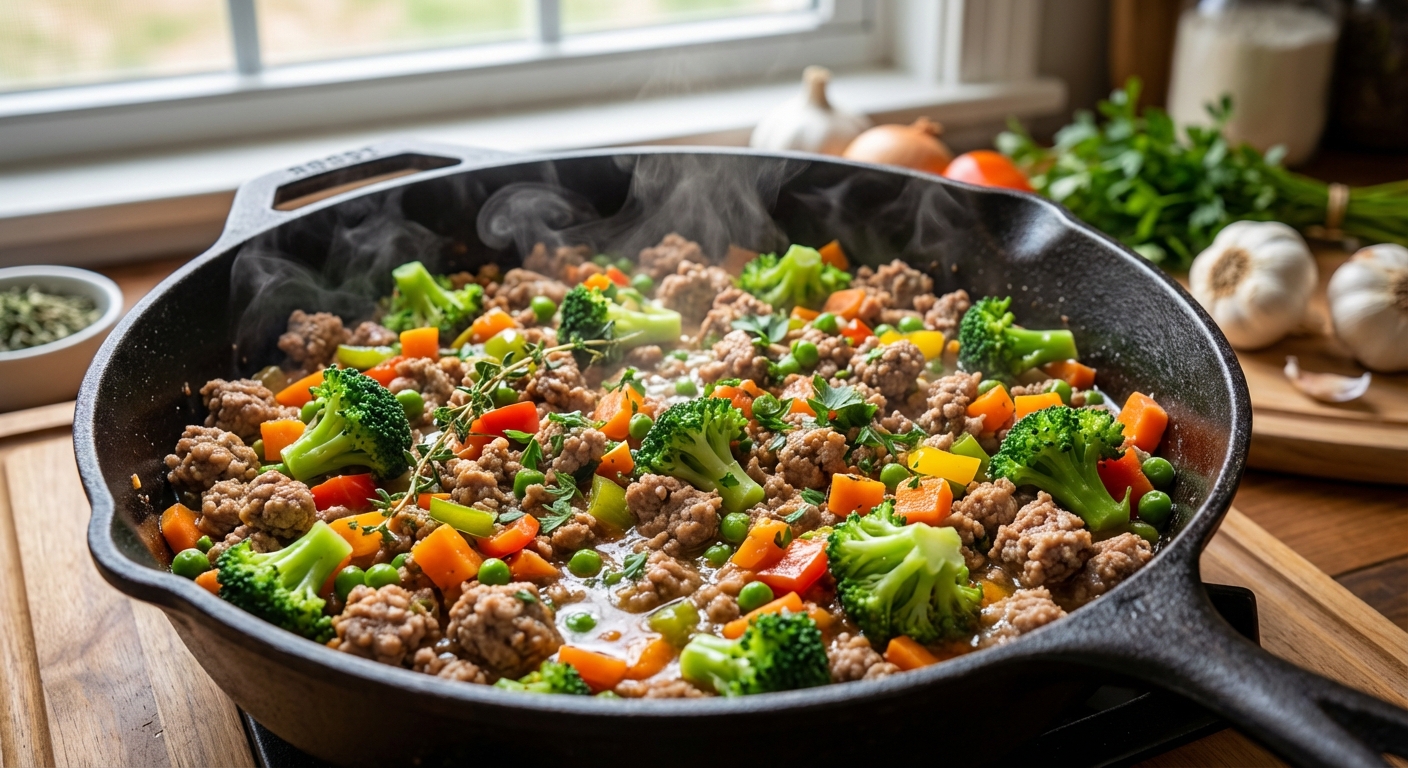
Recipe 1: Turkey and veggie bowl
Why this works: Lean protein + gentle carbs + antioxidant veggies.
- Protein: 1 lb lean ground turkey
- Veggies: 1 cup chopped broccoli florets, 1 cup chopped zucchini
- Carb (optional): 1/2 cup cooked quinoa
- Fat support: 1 to 2 tsp sardines in water (mashed) per meal portion, depending on dog size (choose low sodium if possible)
- Calcium: add a vet-approved calcium source, correctly dosed for the full batch
Directions: Brown turkey in a pan and drain excess fat if needed. Steam broccoli and zucchini until tender, then chop or lightly puree. Mix turkey, veggies, and quinoa. Cool before serving. Refrigerate up to 3 days or freeze portions.
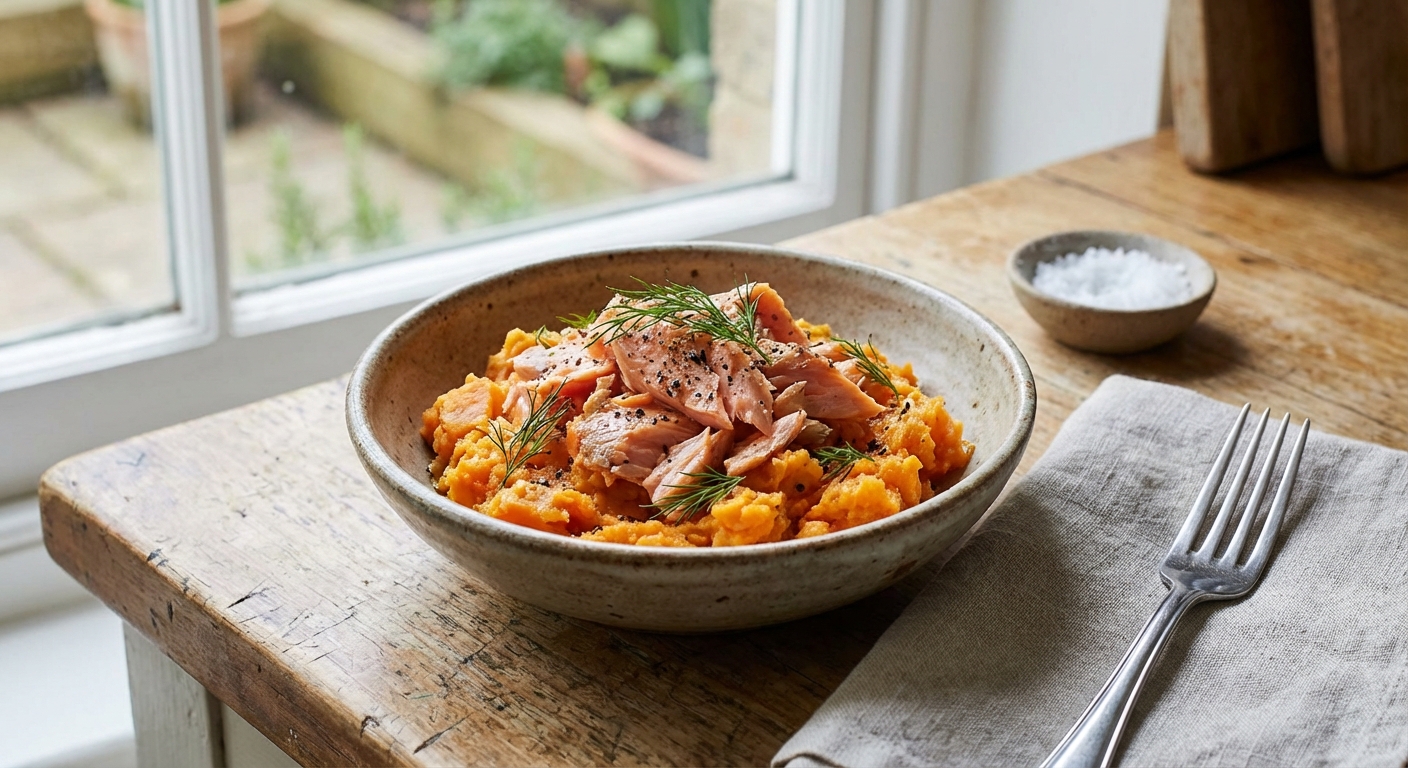
Recipe 2: Salmon, spinach, and sweet potato mash
Why this works: Omega-3 rich fish + easy-to-eat texture for picky dogs.
- Protein: 12 oz salmon (fully cooked)
- Veggies: 1 cup spinach, wilted and chopped (use less or swap for green beans if your dog has urinary stone risk)
- Carb: 1 cup cooked sweet potato (mashed)
- Optional: 1 tbsp plain pumpkin for digestion
- Calcium: add a vet-approved calcium source, correctly dosed for the full batch
Directions: Cook salmon fully, remove any bones and skin, then flake. Wilt spinach in a pan with a splash of water, then chop. Mix with mashed sweet potato (and pumpkin if using). Serve warm, not hot.
Recipe 3: Chicken, kale, and blueberry stew
Why this works: Gentle, aromatic, and easy to spoon-feed when appetite is low.
- Protein: 1 lb boneless skinless chicken thighs or breasts, cooked and shredded
- Veggies: 1 cup kale, finely chopped and steamed (use less or swap for zucchini if urinary stone risk)
- Carb (small): 1/2 cup cooked oats or brown rice (optional)
- Extras: 1/4 cup blueberries (lightly mashed)
- Liquid: 1 to 2 cups onion-free chicken broth to desired thickness (watch sodium if heart disease or high blood pressure is a concern)
- Calcium: add a vet-approved calcium source, correctly dosed for the full batch
Directions: Combine shredded chicken, steamed kale, cooked oats or rice, and broth. Simmer 5 minutes so flavors blend. Stir in blueberries after cooling slightly. For dogs that struggle to chew, blend briefly for a soft consistency.
Recipe 4: Sardine and egg bites
Why this works: High-value aroma, protein-dense, and easy to offer in small amounts.
- Protein: 2 eggs (fully cooked)
- Omega-3: 1 small can sardines in water, drained (choose low sodium if possible)
- Binder: 2 to 3 tbsp oat flour (or finely ground oats)
- Optional: 1 tbsp chopped parsley
Directions: Mash sardines. Whisk eggs and mix in sardines and oat flour. Cook as small pancakes in a nonstick pan on low, or bake at 350°F for about 10 to 12 minutes until set. Cool and refrigerate. Use as toppers or tiny snacks between meals.
Note on treats: During cancer care, treats should be “mini” and intentional. Think comfort and calories first: a bite of salmon, a spoon of pumpkin, or a blueberry or two.
Ingredients to avoid
- Toxic foods: onions, onion powder, grapes, raisins, xylitol, chocolate, macadamia nuts.
- High-fat choices (use caution): bacon, greasy table scraps, heavy cream, large amounts of coconut oil, especially if pancreatitis risk is present.
- Raw foods: often not recommended during chemotherapy or for immunocompromised pets due to infection risk. That includes raw meat, raw eggs, and raw fish. Ask your veterinarian.
- Supplement overload: more is not better. Some antioxidants and herbal supplements may not be appropriate during chemo or radiation.
- High-sodium add-ons: some broths, canned fish, and deli-style meats can be too salty for dogs with heart disease, high blood pressure, or fluid balance issues.
Simple daily plan
If you want a gentle, realistic starting point, here is a simple approach many families can manage:
- Base: cooked lean meat or fully cooked fish
- Veg: one cooked green veggie plus one orange veggie (like carrots or sweet potato)
- Omega-3: a small amount of sardines or vet-guided fish oil
- Calcium: a measured, vet-approved calcium source (and confirm it is appropriate for your dog’s labs)
- Hydration: add warm broth if your dog is not drinking well (low sodium, no onion or garlic)
And remember, any improvement is still improvement. Even moving to 50/50 homemade and high-quality commercial food can be a meaningful step for a dog fighting cancer.
My favorite goal for cancer nutrition is not perfection. It is consistency: steady meals, steady calories, steady love, and steady support.
When to call your vet
Contact your veterinarian promptly if your dog:
- Stops eating for 24 hours (or sooner for small dogs)
- Vomits repeatedly, has black stools, or has diarrhea lasting more than a day
- Seems painful while eating (lip smacking, dropping food, pawing at mouth)
- Is losing weight week to week despite calorie increases
- Seems very lethargic or dehydrated