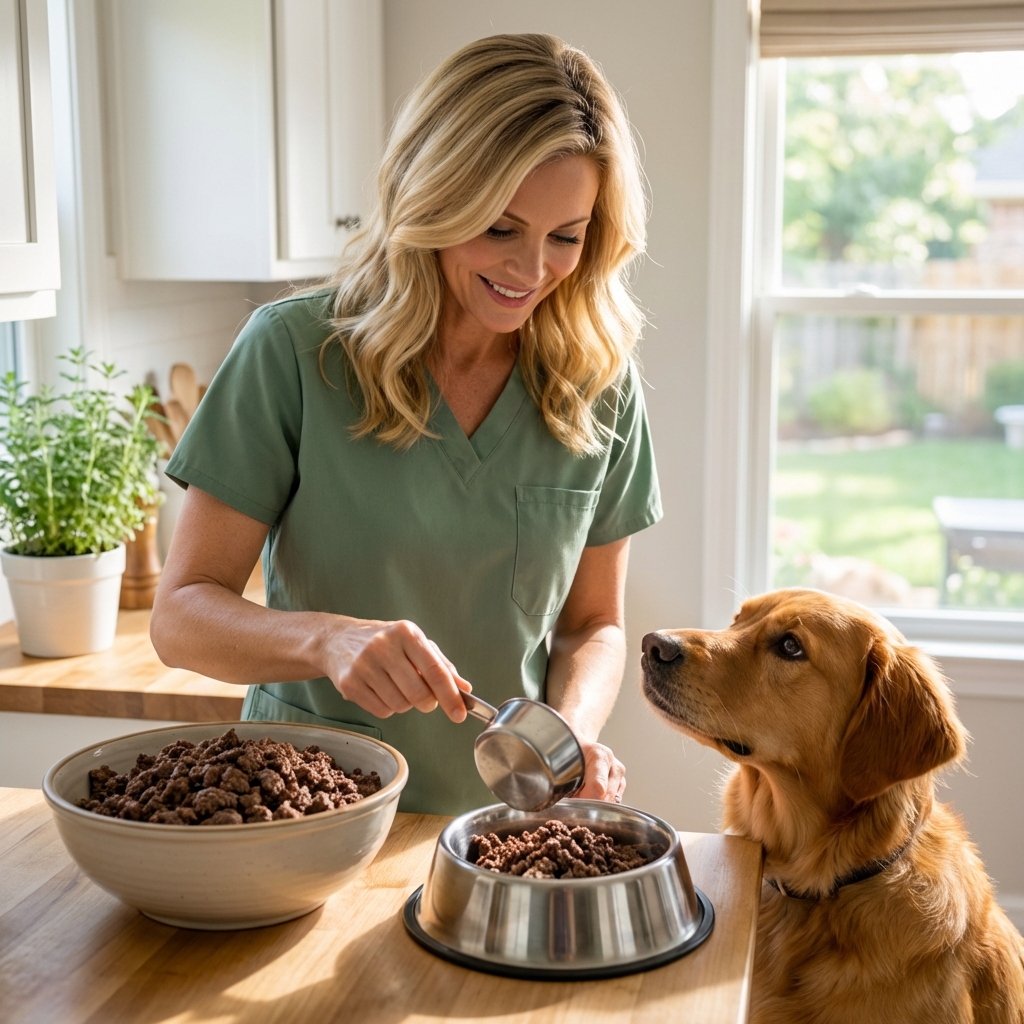
Guide to using homemade dog food for an elimination diet: pick a novel protein and single carb, keep it strict for 8–12 weeks, track symptoms, then challen...
Article
•
Designer Mixes
Homemade Dog Food for Dogs With Allergies

Shari Shidate
Designer Mixes contributor
If your dog is itchy, has recurring ear infections, licks their paws nonstop, or deals with chronic soft stool or diarrhea, you are not imagining things. In practice, those are some of the most common “allergy” complaints I see pet parents struggle with. The tricky part is that allergies can look like a lot of different issues, and food is only one piece of the puzzle.
Still, when food is involved, homemade meals can be a wonderful tool. Not because homemade is “magic,” but because it gives you control. You can pick simple ingredients, avoid suspected triggers, and build a plan that supports the gut and skin while you and your veterinarian work toward a real diagnosis.
First: Is it food?
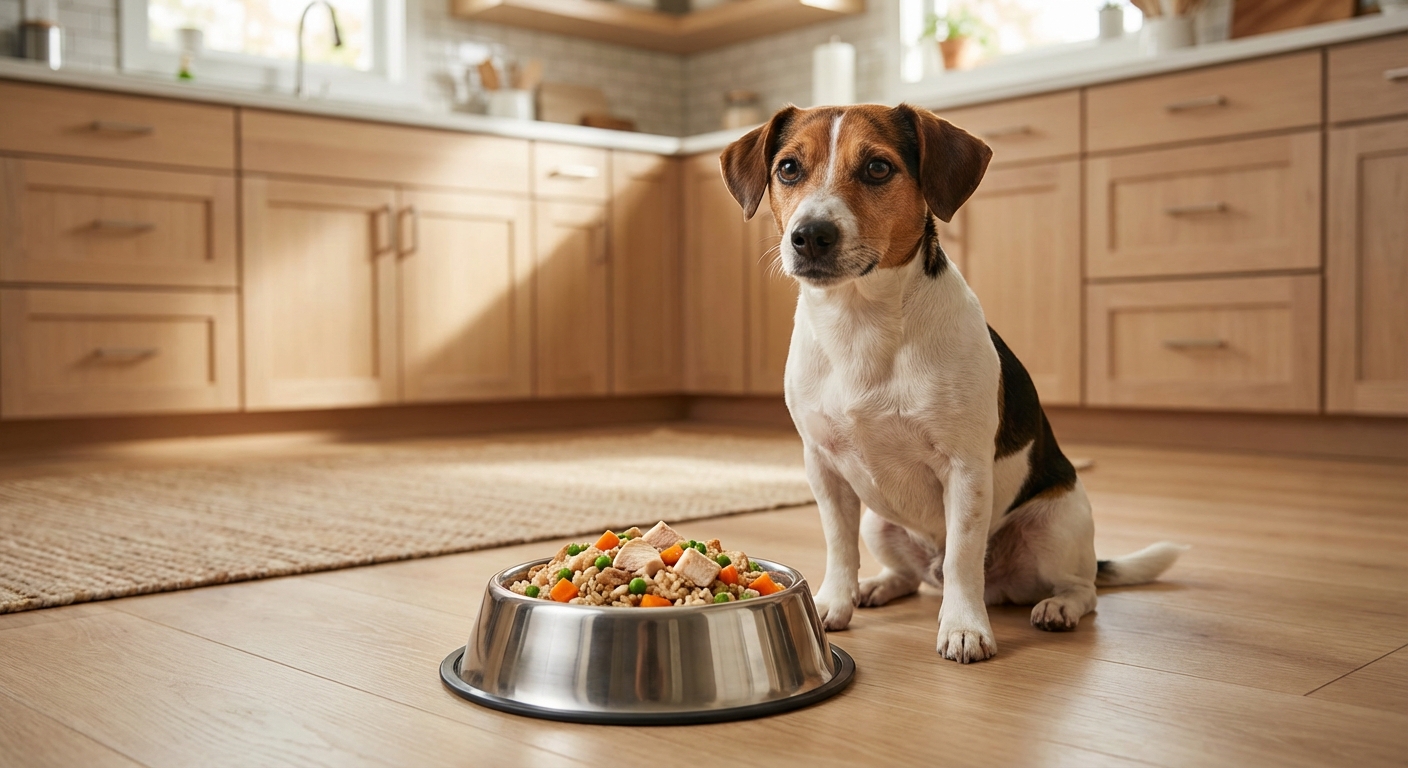
Many dogs with year-round itching actually have environmental allergies (like pollen, dust mites, or mold), fleas, or skin infections that flare because the skin barrier is compromised. Food can worsen symptoms, but it is not always the root cause.
Food allergy in dogs is most often an immune reaction to a protein (commonly reported triggers include chicken, beef, dairy, and egg), though any protein can become a trigger. More rarely, dogs can react to other components (including certain carbohydrates or additives), which is one reason a structured diet trial matters. Food intolerance is different and may show up more as digestive upset without the classic itch.
Signs that make me think food may be involved
- Itching that does not seem seasonal
- Recurrent ear infections
- Chronic paw licking or face rubbing
- Vomiting, gas, soft stool, or diarrhea that keeps returning
- Symptoms that improve when the diet is simplified
Important: The most reliable way to diagnose a food allergy is a properly done elimination diet trial, guided by your veterinarian. Confirmation typically involves a diet challenge (reintroducing the previous food or a specific ingredient after improvement) to see if signs return. Blood, saliva, and hair “food sensitivity tests” are not considered dependable for diagnosing true food allergies.
Why homemade can help
When allergies are on the table, homemade diets can be helpful because they allow for:
- Ingredient control: You know exactly what protein and carbs your dog is eating.
- Limited ingredients: Fewer moving parts makes it easier to spot triggers.
- Appeal: Home-cooked meals can be more enticing, which helps maintain intake during a trial.
- Planning: Once your dog is stable and you have clarity, your veterinarian can help you expand options safely.
The caution is that “homemade” is not automatically balanced. Dogs need adequate calcium, essential fatty acids, vitamins, and trace minerals. Also, compared with veterinary therapeutic diets, home-cooked trials can be harder to keep nutritionally complete and contamination-free. That is why many veterinarians prefer a prescription hydrolyzed or novel-protein diet for elimination trials, or they will use a short-term home-cooked plan with very specific rules.
Common trigger ingredients
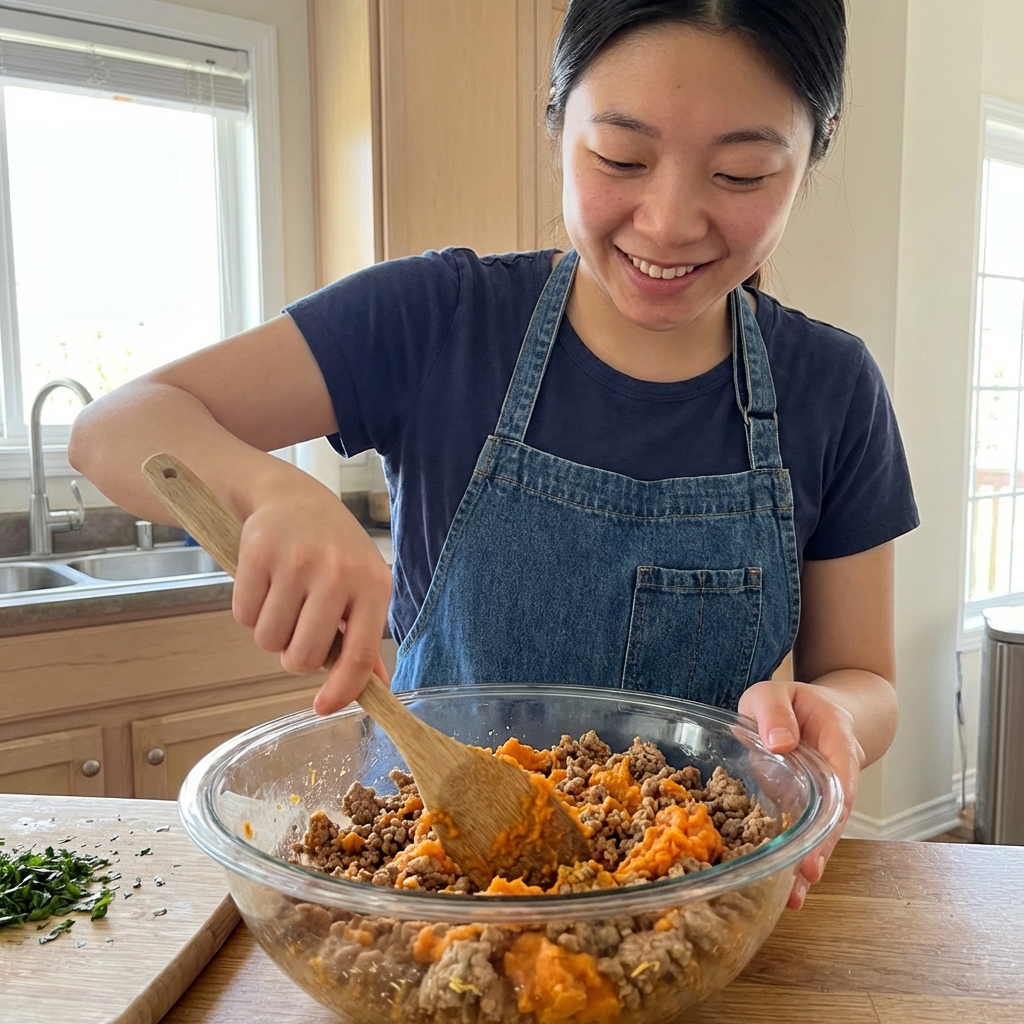
Every dog is unique, but these ingredients are frequent culprits in confirmed food allergies (and commonly reported in studies and dermatology practice):
- Chicken
- Beef
- Dairy
- Egg
- Wheat (less common than people think, but possible)
- Soy (also possible)
Also consider hidden exposures. For example, many dogs on a “new” diet still get flavored chewables, dental treats, bully sticks, or table scraps that contain the very proteins you are trying to avoid.
Homemade elimination diet
If your veterinarian agrees that a diet trial is appropriate, the goal is a simple, controlled plan for long enough to see skin and ears calm down. A common home-cooked framework is:
- One novel protein your dog has not eaten before (or a hydrolyzed veterinary diet)
- One novel carbohydrate your dog has not eaten before (or sometimes no carb, depending on the plan)
- No extras during the trial, including treats, table food, and flavored supplements
Medication note: Do not stop necessary medications. Instead, tell your veterinarian you are doing a diet trial and ask about non-flavored options or compatible products so you do not accidentally introduce a protein.
Novel protein ideas (choose one)
- Rabbit
- Venison
- Duck
- Kangaroo (less common, but sometimes used)
- White fish (in some cases)
Novel carbohydrate ideas (choose one)
- Sweet potato
- Butternut squash
- Quinoa (for dogs who tolerate grains)
- Oats (sometimes, if they are truly new to your dog)
Timing: Many veterinary dermatology sources recommend an elimination trial of about 8 to 12 weeks. Some dogs improve sooner, but many need time for the skin and ears to settle.
A big note from the clinic side of me: Home-cooked elimination diets are often used short-term for diagnosis. If your dog needs a long-term home-cooked plan, ask your veterinarian for a referral to a board-certified veterinary nutritionist, or use a reputable formulation tool your veterinarian trusts.
Also: If your dog has an active ear infection or skin infection, it still needs treatment during the trial. Otherwise, you may not get a clear read on whether food is helping.
After the trial
If your dog improves significantly during the elimination phase, your veterinarian will usually recommend a challenge to confirm the diagnosis. This often looks like:
- Reintroducing the previous diet, or a single suspected ingredient, under veterinary guidance
- Watching for a return of signs (itch, ears, GI issues) over the next days to weeks
If symptoms return, you have much stronger evidence that food is truly part of the problem. From there, the plan is usually either a veterinary therapeutic diet that your dog tolerates well, or a fully balanced home-cooked maintenance recipe formulated for your dog.
Balanced nutrition basics
Once you move beyond a short-term diagnostic trial, these are the big nutrition pieces to get right:
1) Calcium is not optional
Muscle meat is high in phosphorus and low in calcium. Over time, that imbalance can harm bone health. If you are not feeding edible bone (many dogs should not), you will need a measured calcium source that fits your vet-approved recipe.
2) Essential fats support skin
Omega-3 fats (EPA and DHA), commonly from fish oil, can support the skin barrier and help with inflammation. Your veterinarian can recommend a dose based on your dog’s weight and health history.
3) Micronutrients matter
Zinc, vitamin E, iodine, copper, selenium, and B vitamins all play a role in skin and immune health. This is where many homemade diets fall short if they are not formulated carefully.
Extra caution: Puppies, pregnant or nursing dogs, and dogs with conditions like kidney disease or pancreatitis should only do home-cooked diets with direct veterinary guidance. Their nutrient and fat requirements can be very specific.

Simple recipe ideas
Below are simple combinations many families use as a starting point for a vet-guided plan. Exact portions and supplements should be customized for your dog’s size, life stage, and medical needs.
Important: These ingredient combos are not meant to be “complete and balanced” long-term on their own. For maintenance feeding, you will need a veterinarian-approved recipe that includes the right vitamin and mineral support.
Option A: Duck and sweet potato
- Cooked duck meat (skin removed if your dog needs lower fat)
- Cooked sweet potato
- Optional: steamed zucchini (only if your veterinarian says it will not muddy trial results)
Option B: Venison and squash
- Cooked ground venison
- Cooked butternut squash
- Optional: small amount of cooked leafy greens if approved
Option C: Rabbit and quinoa
- Cooked rabbit
- Cooked quinoa (rinsed well before cooking)
- Optional: steamed carrots or spinach if approved
Remember: During a true elimination trial, “optional” ingredients may not be allowed. The simpler you keep it, the clearer your results.
Transition tips
Dogs with food-responsive disease can have GI inflammation, and a slow transition can prevent extra vomiting or diarrhea that makes everything harder to interpret.
- Days 1 to 3: 25% new food, 75% old food
- Days 4 to 6: 50% new, 50% old
- Days 7 to 9: 75% new, 25% old
- Days 10 to 14: 100% new
Diet trial note: For elimination trials, some clinicians prefer switching faster to avoid prolonging exposure to the suspected allergen. Follow your veterinarian’s preferred transition approach for your specific dog.
If your dog has a history of pancreatitis, inflammatory bowel disease, or frequent GI flare-ups, go slower and check in with your veterinarian before you change anything.
What about treats?
Treats can accidentally ruin a diet trial, even if the main meals are perfect.
Treat ideas (if approved)
- Small pieces of the same cooked protein used in the trial
- Dehydrated slices of the same protein (single-ingredient)
- Baked cubes of the same carbohydrate (like sweet potato)
Avoid mixed-ingredient biscuits, flavored toothpaste, rawhide with additives, and “mystery meat” chews during the trial.
Call your vet now
Please contact your veterinarian promptly if you notice:
- Facial swelling, hives, or sudden intense itching
- Repeated vomiting, bloody diarrhea, or black tarry stool
- Severe ear pain, head tilting, or foul discharge
- Rapid weight loss or refusal to eat
And if your dog’s itch is constant, do not suffer through it while you “wait out” the diet. Allergy dogs often need a combination approach: parasite control, infection treatment, skin support, and sometimes prescription itch control while the diet trial is running.
The bottom line
Homemade dog food can be a gentle, effective way to support dogs with suspected food allergies because it simplifies ingredients and gives you full control. The key is to treat it like a structured plan, not a guessing game: pick the right ingredients, avoid accidental exposures, and work closely with your veterinarian so your dog stays safe and truly nourished.
If you want to start today, start simple. Choose one protein, one carb, and commit to consistency. Then work with your veterinarian on the next step, which is usually a clear interpretation of the trial and, when appropriate, a challenge to confirm what you learned.