Make meals more tempting and nutritious with simple dog food toppers: bone broth, cooked eggs, sardines, pumpkin, and steamed veggies—plus portions, storag...
Article
•
Designer Mixes
Homemade Dog Food for Constipation Relief

Shari Shidate
Designer Mixes contributor
When a dog is constipated, it can feel helpless to watch them strain, squat repeatedly, or pass hard, dry stools. The encouraging news is that, in many mild cases, the right homemade foods can support hydration, improve stool texture, and get things moving again. As a veterinary assistant in Frisco, Texas, I always remind families: constipation is a symptom, not a diagnosis. Food can help, but we also want to keep an eye out for the bigger causes that need a veterinarian.
This article walks you through safe, vet-common homemade options that can help relieve constipation, plus a few common mistakes that can accidentally make it worse.
What constipation looks like in dogs
Most people think constipation is simply “not pooping,” but it can show up in a few ways:
- Straining to poop with little or no stool produced
- Hard, dry, pebble-like stools
- Pooping less often than your dog’s normal pattern
- Crying, panting, or appearing uncomfortable when trying to poop
- Small amounts of liquid stool after straining (this can be confused with diarrhea and can happen with more severe constipation)
Important safety note: Straining and squatting can also look like a dog is trying to pee. If your dog is straining and no urine is coming out, or they are producing only a few drops, that can be a urinary blockage. That is an emergency. Do not wait and do not try home remedies.
If your dog is still bright, eating, and only mildly constipated, a short-term diet tweak can be helpful. If they seem painful, lethargic, are vomiting, or have a swollen belly, skip the home steps and call your vet right away.
Why diet helps (and when it does not)
Constipation often happens when stool becomes too dry or moves too slowly through the colon. Homemade food can help most when constipation is related to:
- Low moisture intake (kibble-only diets, not drinking enough water)
- Low total fiber, and sometimes not enough fermentable fiber (the type of fiber that supports healthy gut movement)
- Temporary gut slowdown after travel, stress, or mild diet disruption
- Inactivity
Food changes may not be enough if constipation is caused by:
- Dehydration from illness
- Pain (arthritis, back pain) making it hard to posture
- Obstruction (foreign body, tumors, severe impaction)
- Pelvic injury or narrowed pelvic canal
- Neurologic disease
- Too much bone in the diet (common in some raw-fed dogs)
- Medications that slow the gut (for example, opioids and some anticholinergics)
- Underlying conditions such as hypothyroidism, enlarged prostate (male dogs), anal sac discomfort, or megacolon
First step: add moisture
Hydration is one of the most important constipation helpers. Even perfect fiber does not work well if your dog is dry.
Simple hydration boosts
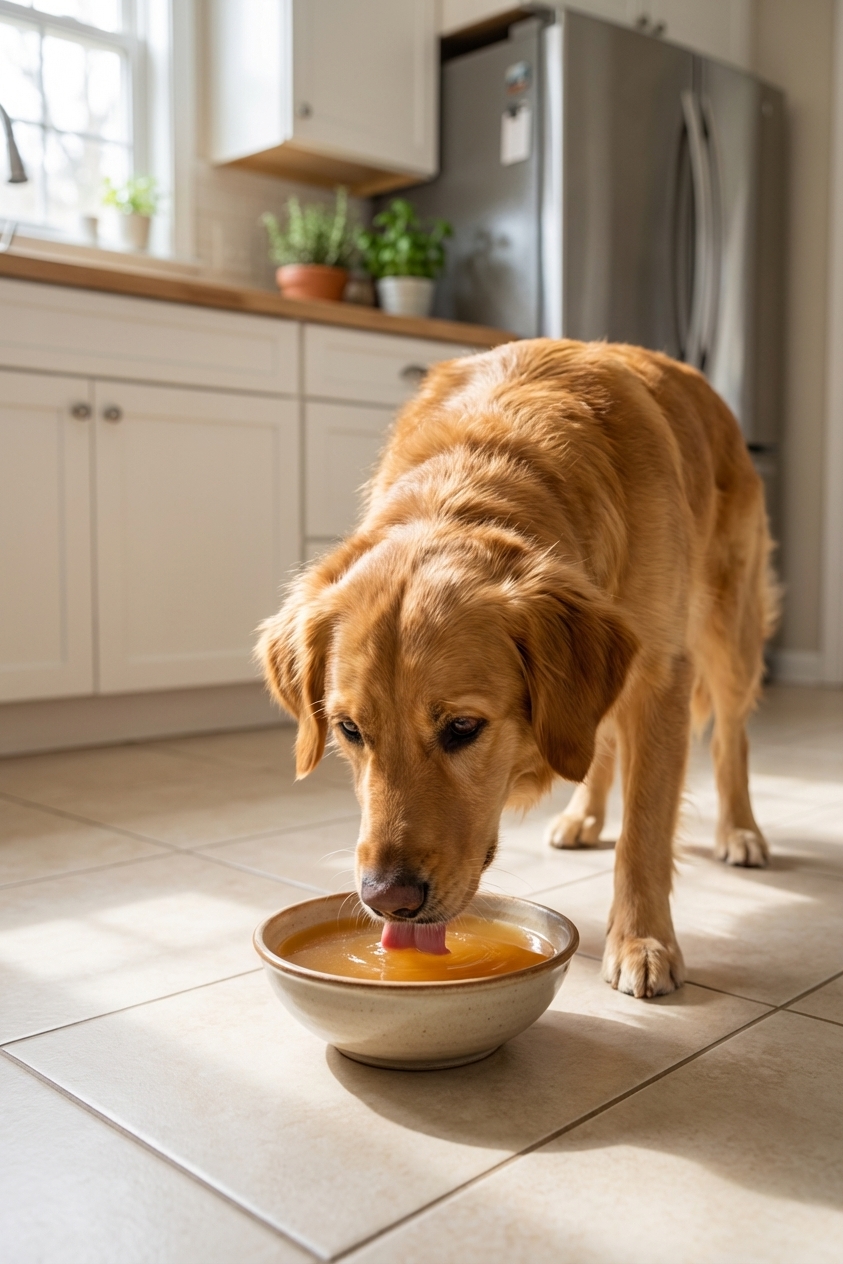
- Add warm water or low-sodium broth to meals so the food is soupy.
- Offer wet, homemade meals for 24 to 72 hours instead of dry kibble.
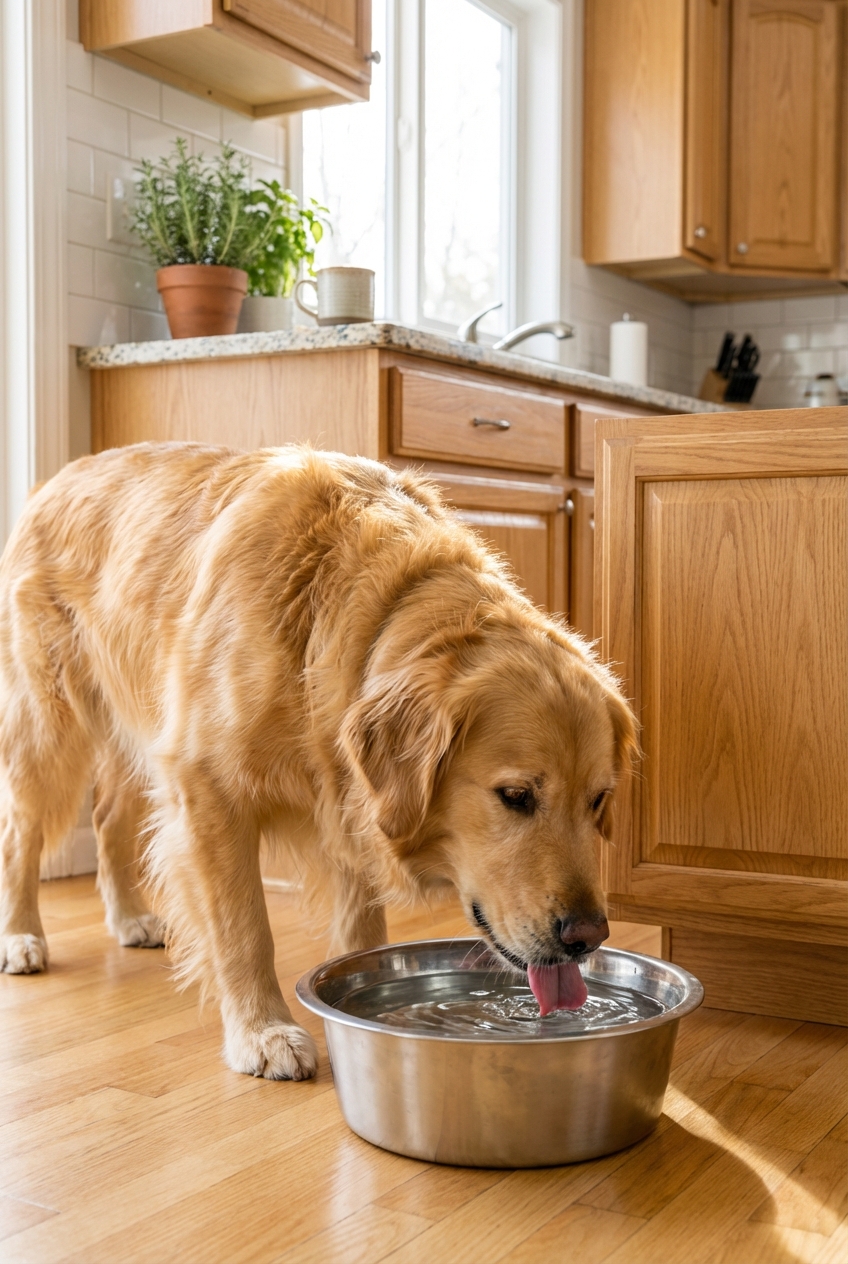
- Set out multiple water bowls in different rooms.
- Try a pet water fountain if your dog drinks more from moving water.
- Flavor water with a small splash of no-salt tuna water or a little broth, if your vet says it is okay for your dog’s health needs.
- Serve water-rich snacks like cucumber slices (in small amounts) if tolerated.
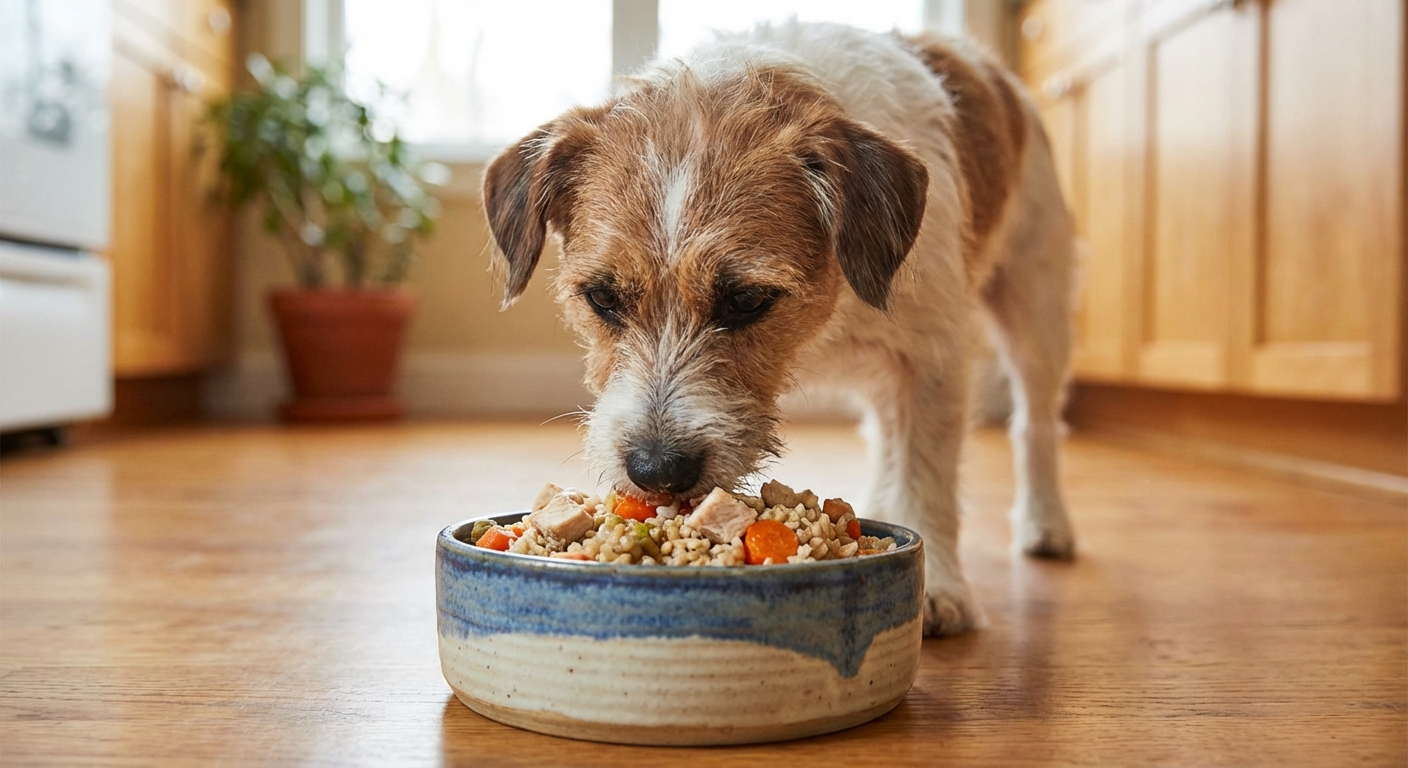
Helpful ingredients
For mild constipation, the goal is soft, formed stool. That usually means a mix of water, gentle fiber, and easy-to-digest protein.
1) Pumpkin (plain)
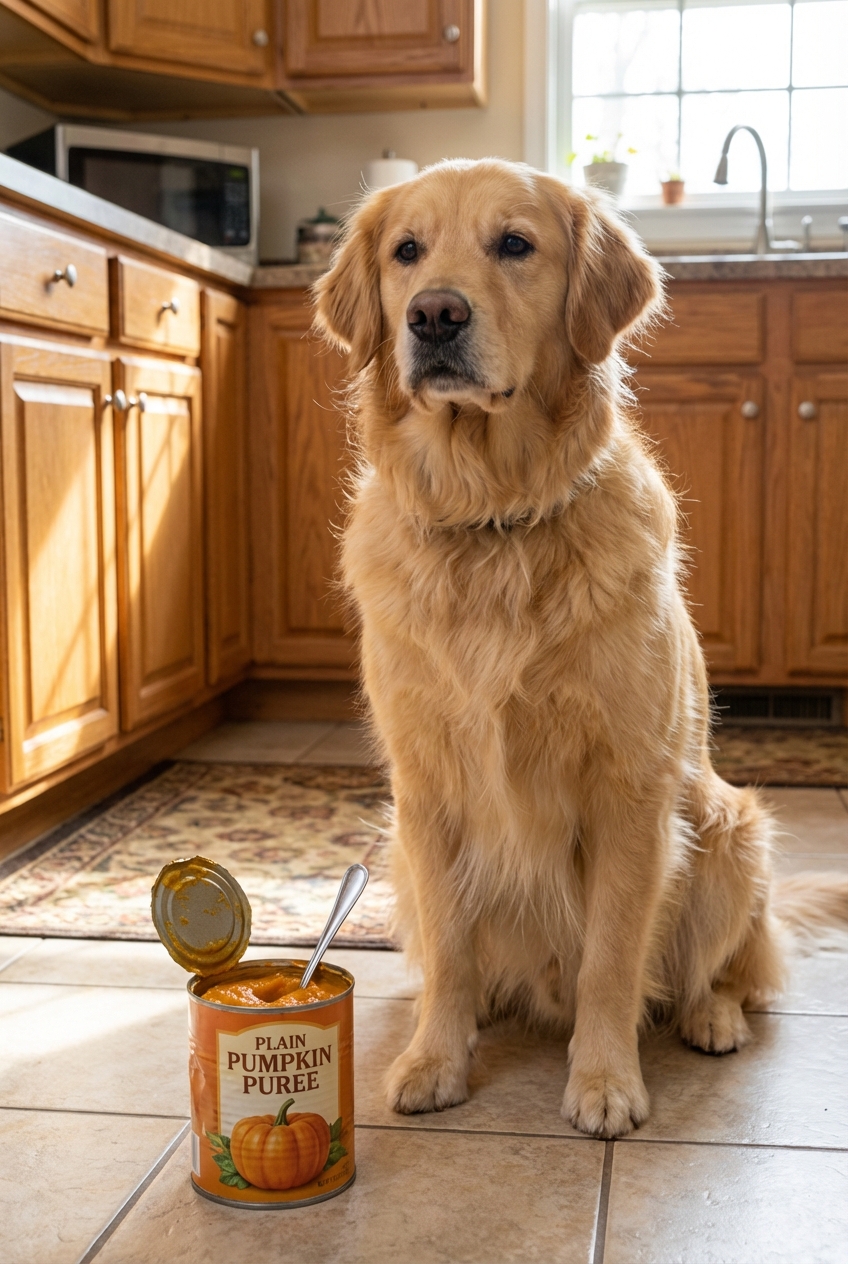
Plain canned pumpkin is a classic for a reason. It contains soluble fiber that can help regulate stool consistency. Use plain pumpkin, not pumpkin pie filling.
General guide: many vets recommend starting around 1 teaspoon per 10 pounds of body weight mixed into food once daily, then adjusting as needed. Very small dogs can be sensitive to fiber changes, so start even lower and check with your vet if you are unsure.
Start low and increase slowly. Too much fiber too fast can cause gas or loose stools.
2) Cooked sweet potato
Sweet potato provides gentle fiber and is often well tolerated when cooked until soft. Keep portions modest and avoid added butter, sugar, or spices.
3) Psyllium husk (with vet guidance)
Psyllium is a soluble fiber supplement that can help draw water into stool. It must be paired with adequate water intake.
Important: Because psyllium changes stool volume and water balance, talk with your veterinarian about dosing, especially for small dogs, dogs with heart or kidney disease, or dogs on medications.
4) Gentle vegetables (cooked and chopped)
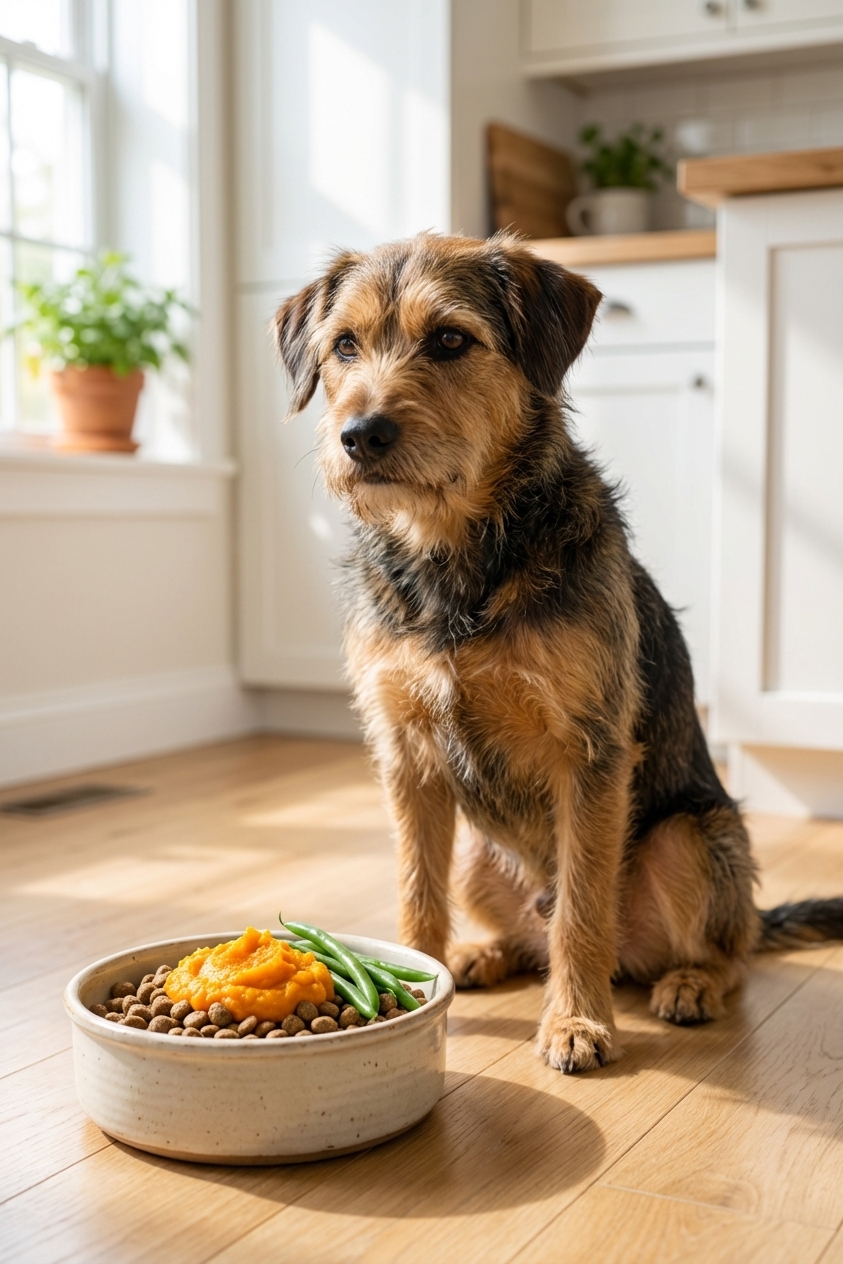
Cooked vegetables can add mild bulk. Great go-to options include green beans and zucchini. Dogs tend to digest cooked vegetables more easily than raw.
Note: Spinach is not my first pick because it is higher in oxalates. If your dog is prone to calcium-oxalate bladder stones, ask your vet before using spinach.
5) Fats and oils (optional, small amounts)
Some dogs do fine with a very small amount of oil added to food, but evidence is mixed and oils can backfire by causing diarrhea or triggering pancreatitis in susceptible dogs. If you try this, keep it conservative and stop if stools get loose.
Options include fish oil or olive oil. If your dog has had pancreatitis before, skip oils unless your veterinarian recommends them.
Gentle homemade meal
This is a simple, short-term meal you can use for 1 to 3 days for mild constipation in otherwise healthy adult dogs. It is not meant to be a perfectly balanced long-term diet, but it can be a helpful reset while you monitor your dog.
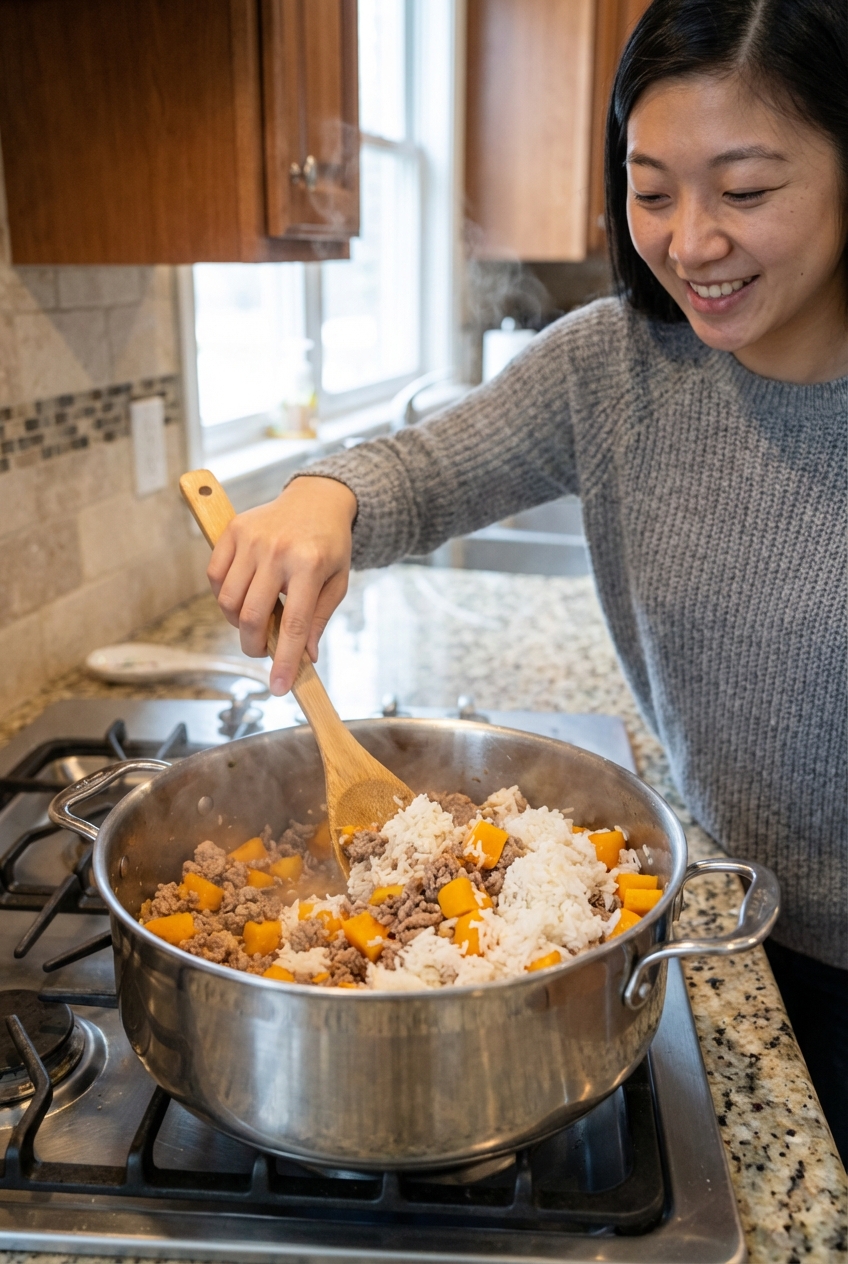
Recipe: Turkey, pumpkin, and rice bowl
- Protein: Lean ground turkey, fully cooked and drained
- Carb: Well-cooked white rice (soft and moist)
- Fiber add-in: Plain canned pumpkin
- Veg option: Cooked green beans or zucchini (chopped)
- Moisture: Warm water or low-sodium broth to make it soupy
How to serve: Feed a portion of this mixture that is roughly equivalent to the volume and calories of your dog’s regular meal. Then add pumpkin as the fiber booster, starting with a small amount. If your dog is constipated, you can split the daily food into 3 to 4 smaller meals, which can be easier on digestion and may encourage a bowel movement.
Transition tip: If your dog is currently on kibble, you can do a 50/50 mix for the first day, then increase the homemade portion if they tolerate it well. Sudden 100% switches can cause tummy upset in some dogs.
Easy toppers for regular meals
If you do not want to make a full recipe, these quick additions can help support softer stool in mild cases.
- Warm water or broth: Add enough to make the meal look like stew.
- Plain canned pumpkin: Start low and adjust slowly.
- Cooked green beans or zucchini: A few spoonfuls mixed in for gentle bulk.
- Vet-recommended probiotics: Some dogs benefit from a probiotic to support normal gut function.
What to avoid
These are common well-meaning choices that can backfire.
- Cooked bones: High risk of splintering and can worsen constipation or cause blockage.
- Too much calcium: Bone-heavy diets can create dry, chalky stool.
- High-fat greasy fixes: Large amounts of oils, bacon grease, or fatty meats can trigger diarrhea or pancreatitis.
- Milk for most dogs: Many dogs are lactose intolerant and will get gas or diarrhea.
- Human laxatives without veterinary direction: Some are unsafe for pets.
- At-home enemas: Do not use over-the-counter enemas unless your vet tells you to. Some human enemas (especially phosphate enemas) can be dangerous for dogs.
Support the routine
Food helps, but so does routine.
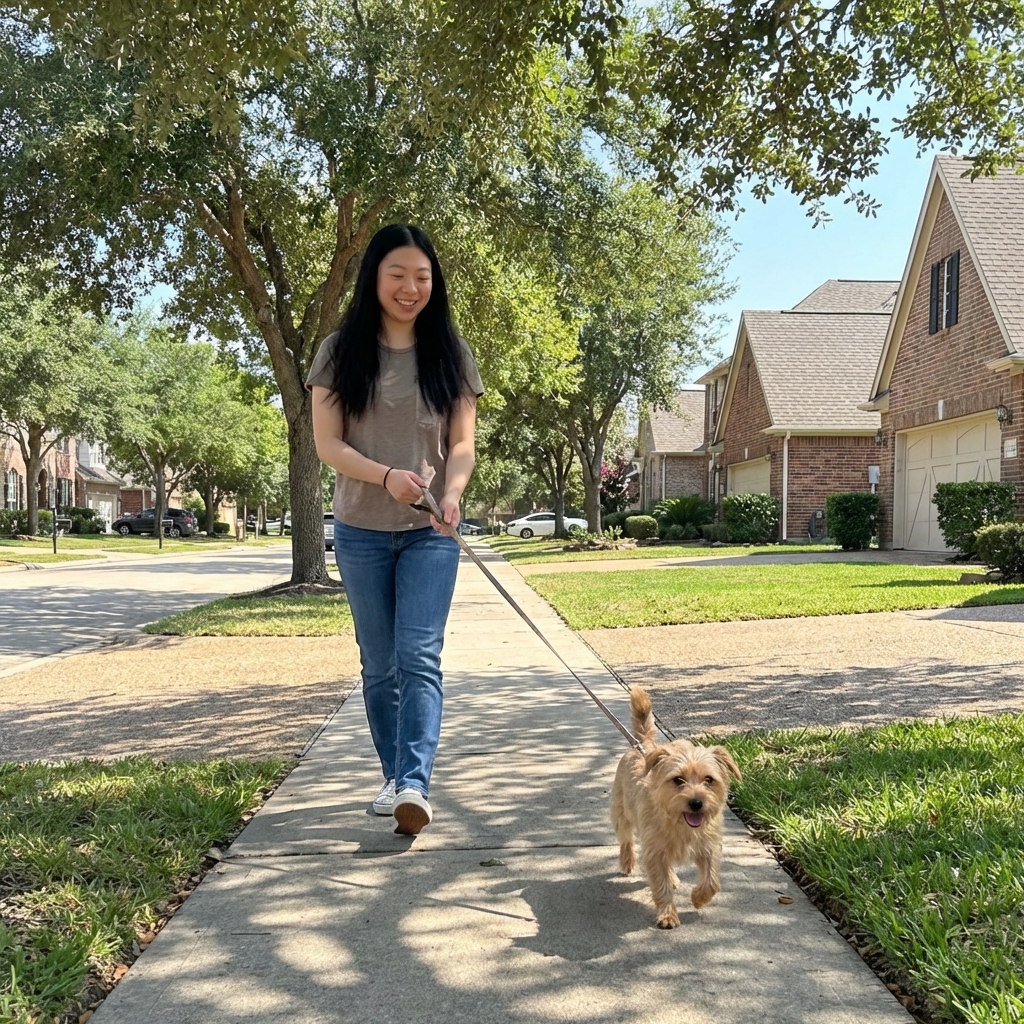
- Increase gentle exercise: Several short walks can stimulate colon movement.
- More potty opportunities: Some dogs hold it too long, especially in bad weather or stressful environments.
- Grooming for long-haired dogs: Mats or fecal buildup around the rear can make pooping uncomfortable and lead to straining.
When to call the vet
Please contact your veterinarian promptly if you notice any of the following:
- No stool for 48 hours (or sooner if your dog is uncomfortable or this is unusual for them)
- Repeated straining with little output
- Straining to pee, frequent squatting, or only a few drops of urine coming out
- Vomiting, loss of appetite, lethargy, or a painful abdomen
- Blood in the stool
- Liquid stool after straining that persists or your dog seems unwell (can be overflow around an impaction)
- A history of eating socks, toys, rocks, or other non-food items
- Known kidney disease, heart disease, diabetes, or if your dog is a senior
Constipation can become obstipation, which is a severe impaction that may require enemas, fluids, or other veterinary treatment. Early care is always kinder and usually simpler.
Bottom line
For mild constipation, homemade food can be a gentle, effective tool, especially when you focus on moisture first and add fiber slowly. Think: soupy meals, plain pumpkin, soft cooked carbs like rice or sweet potato, and easy-to-digest protein. Watch your dog closely, and if anything seems painful or off, trust your instincts and call your veterinarian.