Make meals more tempting and nutritious with simple dog food toppers: bone broth, cooked eggs, sardines, pumpkin, and steamed veggies—plus portions, storag...
Article
•
Designer Mixes
Homemade Dog Food for Bladder Stones (Low-Purine Options)

Shari Shidate
Designer Mixes contributor
If your dog has bladder stones, food can feel suddenly complicated. I get it. In the clinic, I have seen how quickly a urinary issue can go from “a little off” to painful, urgent, and expensive. The encouraging news is that diet and hydration can make a real difference, but the plan has to match the type of stone. What helps one kind can worsen another.
Before we get into recipes, one quick clarity point: crystals are microscopic and can show up on a urinalysis. Stones are larger, often seen on imaging, and can physically irritate or block the urinary tract. Dogs can have crystals without stones, stones without obvious crystals, or both. Your veterinarian uses the full picture (urinalysis, imaging, culture, and ideally stone analysis) to guide treatment.
This article will walk you through the basics of struvite vs calcium oxalate stones, how to build gentle homemade meals, which proteins tend to be lower in purines, how urine pH fits into the picture, and which foods are best avoided entirely.
Important: Always confirm the stone type with your veterinarian (urinalysis, imaging, and ideally stone analysis). Homemade diets should be reviewed by your vet or a board-certified veterinary nutritionist, especially for dogs with recurring stones or other conditions like kidney disease.
Another key safety note: The simple homemade meal ideas below are supportive “base meals,” not therapeutic dissolution diets. If your dog has an active stone (especially struvite being treated medically), do not replace a prescription urinary diet without veterinary supervision.
Stone type matters
Struvite stones
Struvite stones in dogs are most often linked to urinary tract infections (UTIs), especially in female dogs. Many form when urease-producing bacteria change urine chemistry, often making urine more alkaline. Less commonly, sterile struvite can occur, so do not assume infection without testing.
Treatment typically focuses on:
- Eradicating infection with appropriate antibiotics when a UTI is present
- Diet strategies that adjust multiple factors at once (minerals and urine environment)
- High water intake to dilute urine
Because infection is such a big driver in most cases, food alone is not usually enough if bacteria are still present.
Calcium oxalate stones
Calcium oxalate stones are different. They are not typically caused by infection and they do not dissolve with diet the way some struvite stones can. Management focuses on reducing recurrence by:
- Maximizing hydration and urine dilution
- Avoiding uncalculated calcium supplementation and keeping minerals appropriately balanced
- Avoiding overly acidic urine (over-acidification can increase risk)
A common misunderstanding is that “less calcium is always safer.” In reality, the goal is correctly balanced calcium and phosphorus for your dog’s needs. Too much calcium supplementation can be risky, and overly restricting calcium can also backfire for some dogs. This is one area where professional formulation matters.

Purines and low-purine basics
Purines are natural compounds found in many foods. When the body breaks down purines, it produces uric acid. Low-purine diets are most important for urate stones (and for certain breeds and conditions such as a portosystemic shunt), but many owners see “low purine” advice and wonder if it applies to struvite or calcium oxalate.
Here is the practical takeaway:
- Low-purine choices can be a smart “safer default” when you are building homemade meals for urinary health, especially if your dog has mixed stone history, unclear stone type, or needs gentler proteins.
- But struvite and calcium oxalate management is not primarily a purine issue. For those stone types, urine dilution, urine pH strategy (specific to stone type), sodium control, mineral balance, and infection control matter more.
Also, keep in mind that stone types are not limited to struvite and calcium oxalate. Dogs can also develop urate, cystine, calcium phosphate, and mixed stones. Management differs, which is why stone analysis is so valuable.
Hydration is non-negotiable
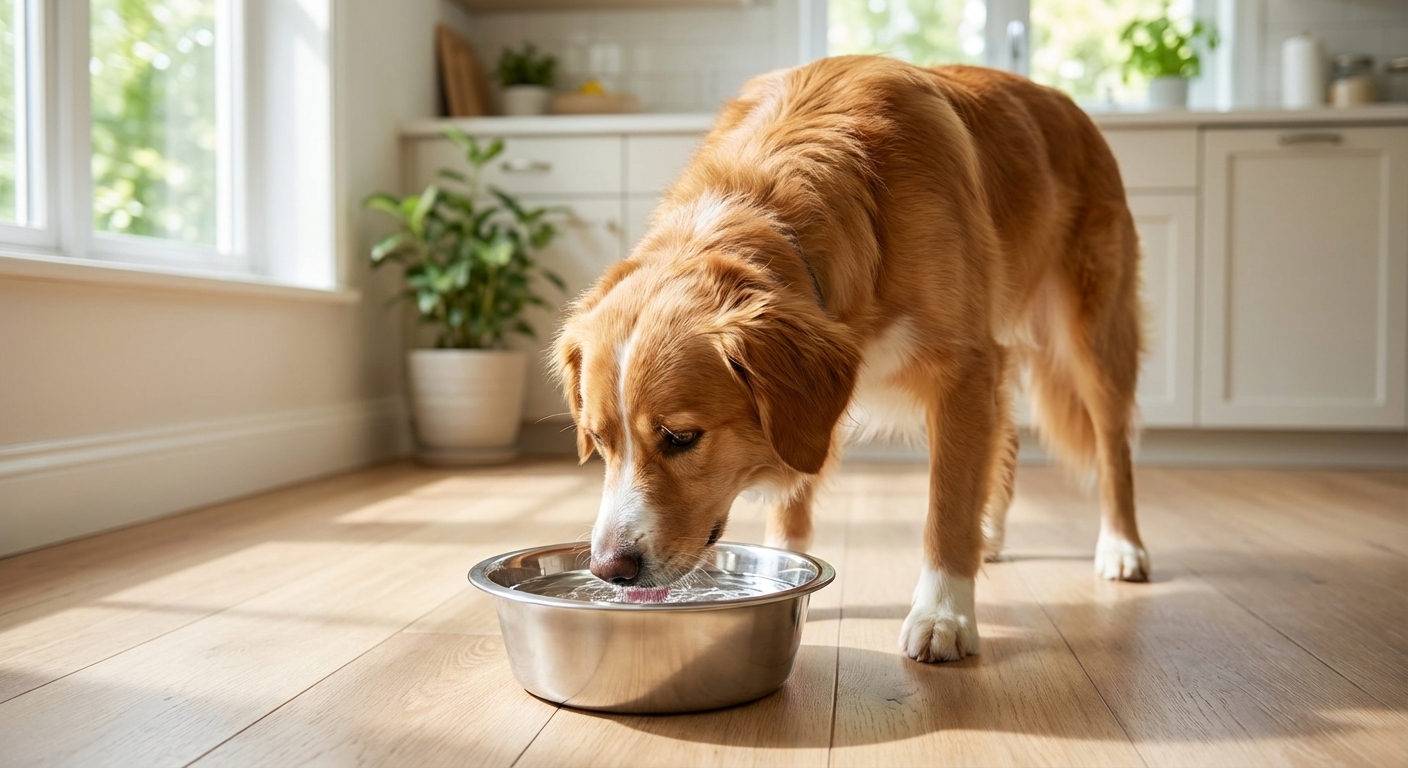
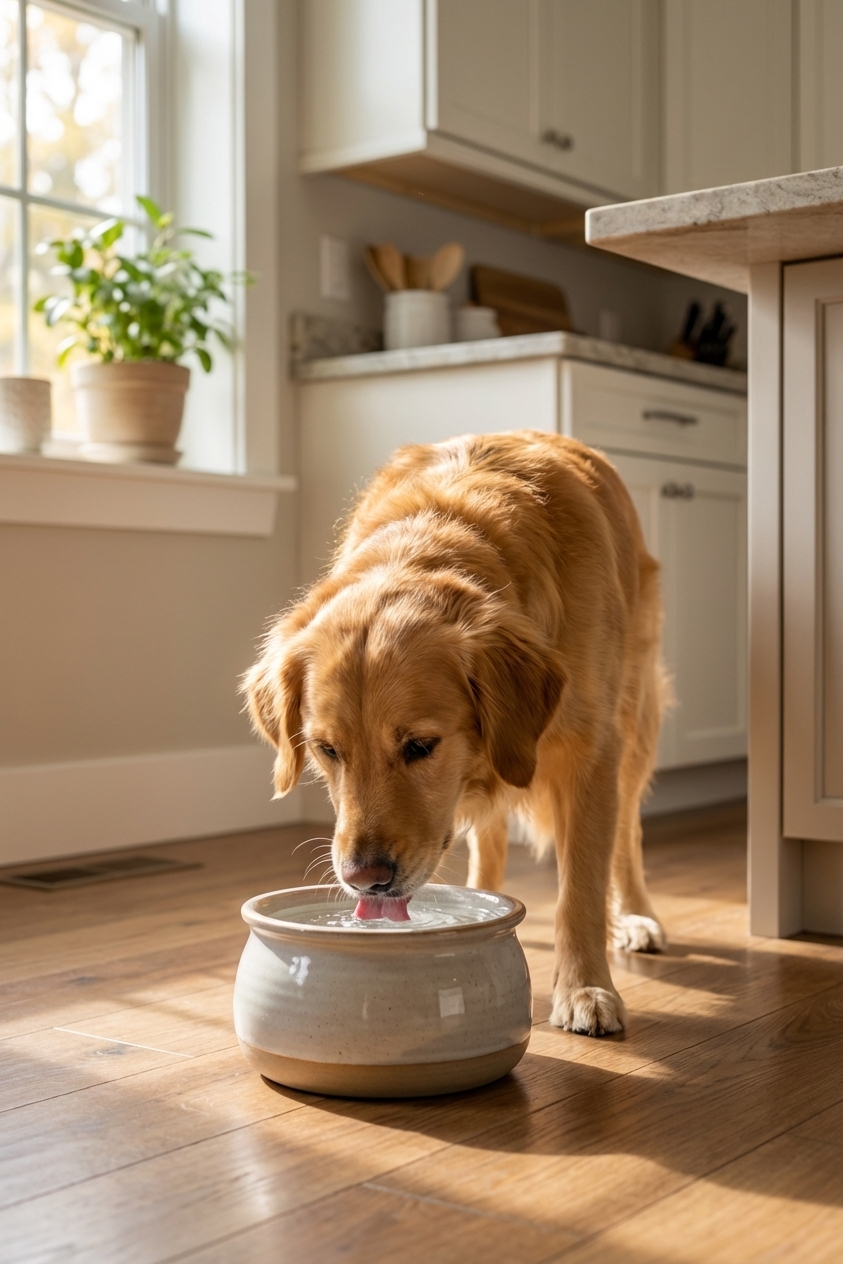
If there is one thing I want you to remember, it is this: more water means more urine, and more urine helps prevent crystal and stone formation by diluting minerals and flushing the bladder.
Easy hydration strategies
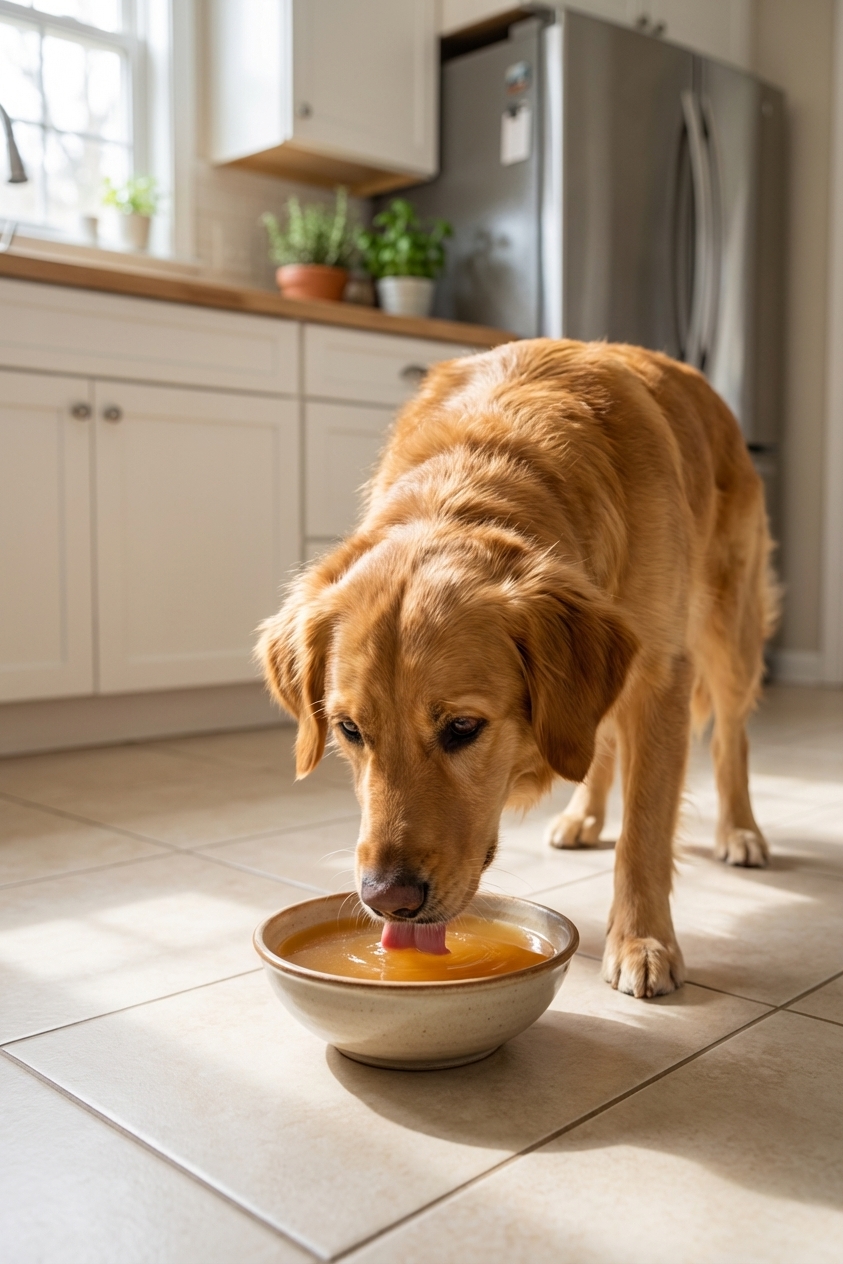
- Feed wet food: Homemade meals with a stew-like texture are ideal.
- Add water or broth: Mix in water, or a low-sodium broth. Double-check labels for onion, garlic, excessive sodium, and other additives your dog should not have.
- Use a pet water fountain: Many dogs drink more from moving water.
- Offer multiple water stations: Especially in multi-level homes.
- More potty breaks: Holding urine concentrates it. Frequent urination is protective.
Talk to your vet if your dog has heart disease or another condition where fluid and sodium need tighter control.
Protein choices (low-purine options)
When building a homemade urinary-friendly bowl, I like to start with a moderate amount of high-quality protein. For dogs where low-purine is desired, these options are typically considered lower purine than organ meats and many fish.
Often lower-purine proteins
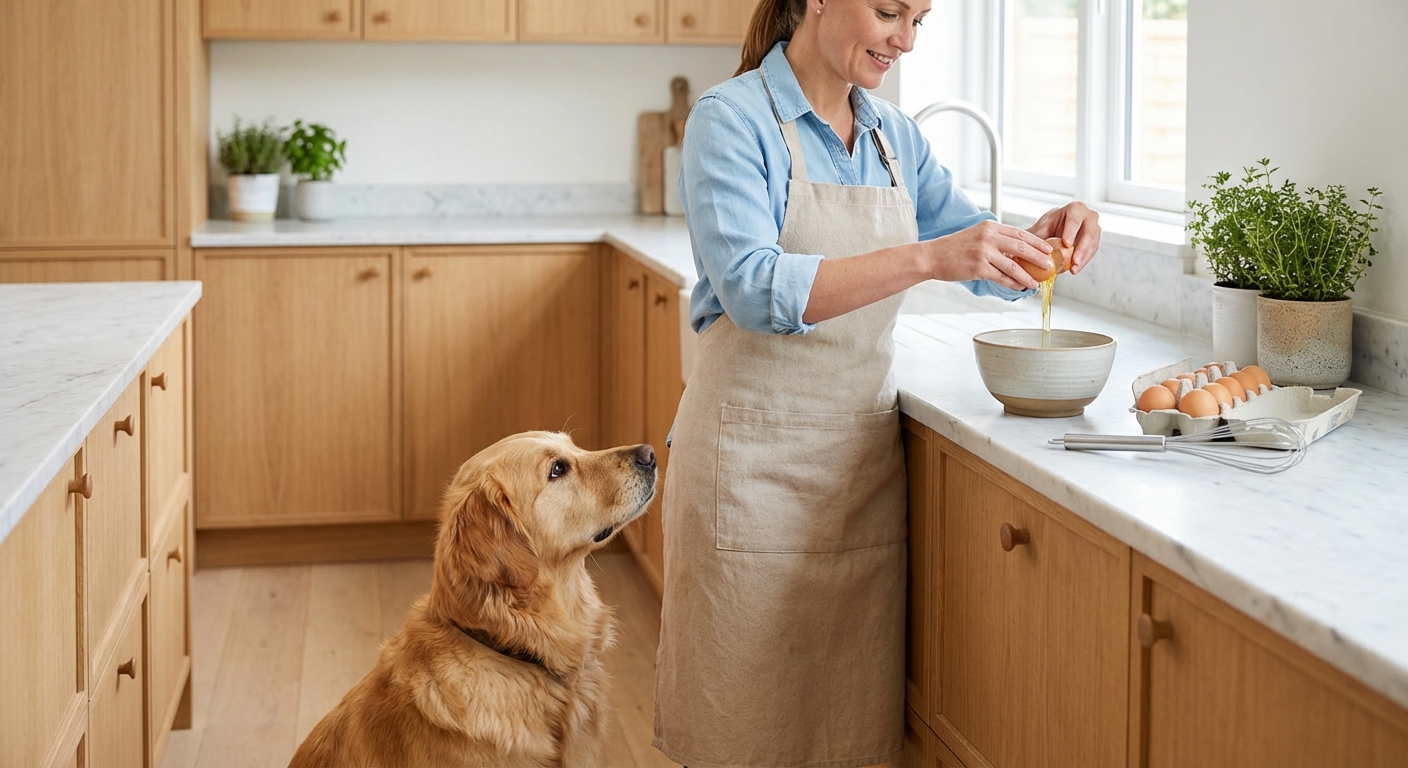
- Eggs (excellent option for many dogs)
- Dairy proteins like cottage cheese or plain yogurt (only if your dog tolerates dairy)
- Chicken (especially white meat)
- Turkey
- Lean beef in moderation (varies by cut, generally not as low as eggs and dairy)
Higher-purine proteins to limit
- Organ meats (liver, kidney, heart, tripe)
- Sardines, anchovies and many other fish products
- Game meats
- Yeast extracts
Important nuance: Many prescription urinary diets intentionally adjust protein, minerals (including magnesium and phosphorus for struvite risk), sodium, and urine pH together. If you are replacing a prescription diet with homemade, do it with professional guidance so you do not accidentally increase risk.
Urine pH and stone risk
Urine pH sounds technical, but here is the simple version: some crystals prefer alkaline urine, and others prefer acidic urine.
Struvite: often more alkaline
With struvite issues, veterinarians often aim to keep urine from staying too alkaline while also treating infection when present. Do not try to “acidify aggressively” at home with supplements unless your veterinarian instructs you to. Overdoing it can cause new problems.
Helpful at-home focus:
- Finish all antibiotics if a UTI is present
- Recheck urine culture if recommended
- Increase water intake
- Use a consistent, balanced recipe rather than constantly changing ingredients
Calcium oxalate: avoid over-acidifying
Calcium oxalate stones can be encouraged by urine that is too acidic. So if your dog has calcium oxalate history, be cautious with:
- High-dose vitamin C supplements
- “Urinary acidifier” supplements
- Extreme high-protein, very low-carb approaches that may shift urine chemistry
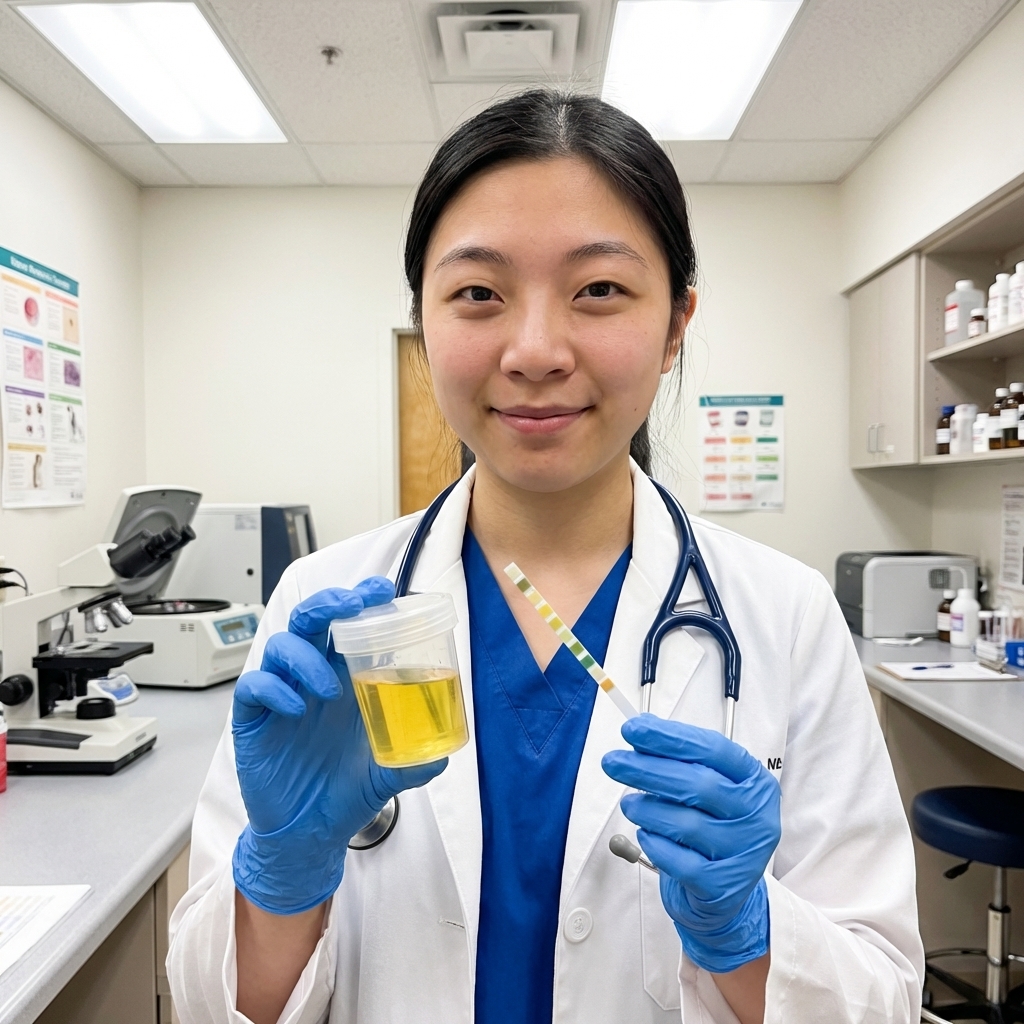
Your vet may recommend periodic urine pH checks, urine concentration checks (specific gravity), and follow-up imaging depending on your dog’s history. Ask what “good” looks like for your dog specifically.
Foods to avoid
For dogs with bladder stone history, I recommend being especially cautious with the following.
Always avoid
- Onion, garlic, chives (toxic to dogs)
- Grapes and raisins (kidney risk)
- Xylitol (very dangerous)
- High-sodium processed meats (bacon, deli meats, heavily cured items)
Often limited for stone-prone dogs
- Organ meats (higher purine)
- Fish-based treats like sardines and anchovies (higher purine)
- Very salty broths and seasoning blends (watch sodium and hidden onion or garlic)
- High-oxalate foods if your dog has calcium oxalate stones (ask your vet for a personalized list)
Big caution: Calcium supplements, bone meal, and calcium-heavy add-ins should only be used under direction. Calcium needs to be balanced correctly with phosphorus, and “a little extra” is not harmless when stones are part of the story.
Treats and chews
Treats are where I see a lot of urinary plans get unintentionally undermined. Even if meals are perfect, high-salt or organ-based treats can push urine chemistry in the wrong direction.
Often better choices
- Small pieces of cooked egg or chicken breast
- Low-sodium, simple-ingredient treats
- Water-rich options (ask your vet what fits your dog’s stone type), such as a little plain cucumber or zucchini
Often best to avoid or tightly limit
- Jerky treats (often salty)
- Bully sticks and organ-based chews
- Freeze-dried organ treats
- Fish-skin treats (can be salty and higher purine)
Low-purine meal ideas
These simple ideas are meant to be gentle starting points, not complete long-term diets by themselves. For long-term feeding, your dog needs the right balance of calcium, essential fatty acids, trace minerals, and vitamins.
Meal 1: Egg and rice porridge
- Scrambled or softly cooked egg
- Well-cooked white rice (easy on many stomachs)
- Zucchini or green beans, lightly cooked
- Extra water mixed in to make it soupy
This is a great hydration-forward meal for picky drinkers.
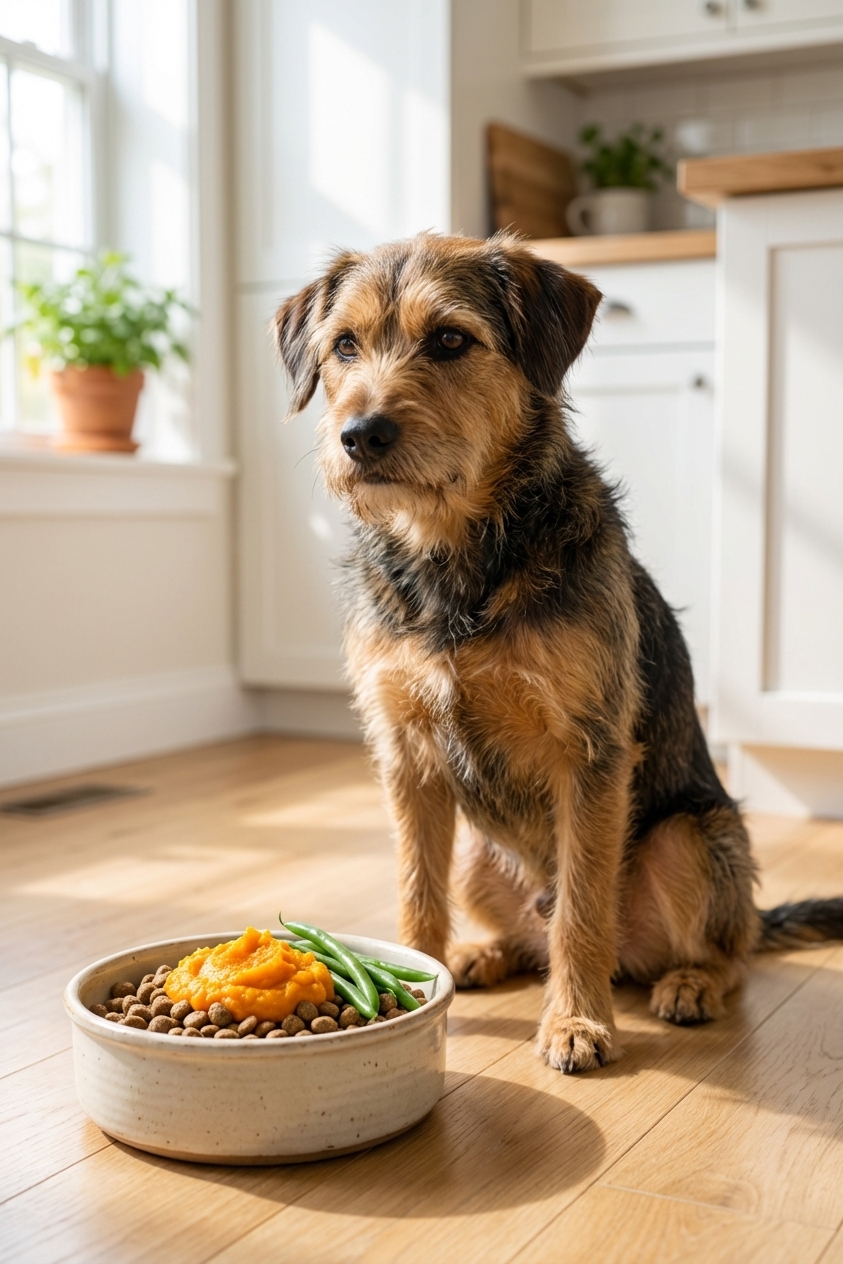
Meal 2: Turkey and pumpkin stew
- Lean ground turkey, cooked and drained
- Pumpkin (plain, not pie filling)
- Cauliflower or carrots, cooked soft
- Add water or a low-sodium, dog-safe broth
Pumpkin can help some dogs with stool quality, which matters because urinary dogs often have multiple sensitivities going on.
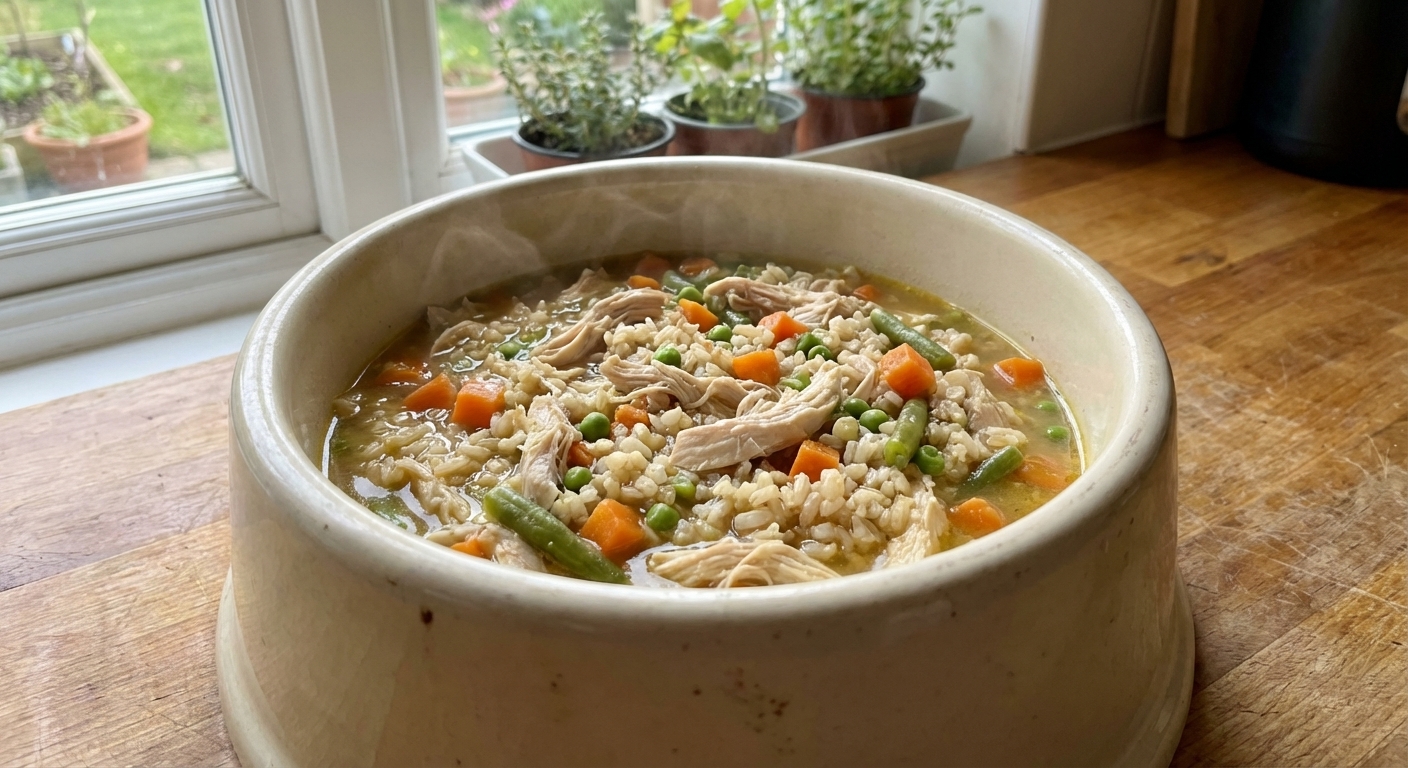
Meal 3: Chicken and pasta soup
- Shredded cooked chicken breast
- Plain cooked pasta (small shapes)
- Zucchini, green beans, or bok choy, cooked soft
- Skip spinach and beet greens (very high in oxalates, a poor fit for many calcium oxalate stone formers)
- Lots of added water
Supplements and add-ins
When owners start homemade urinary diets, supplements are where things can get messy. More is not always better.
Use caution with
- Cranberry: Evidence in dogs is mixed, and it is not a fit for every situation. It may be unhelpful for some dogs and may affect urine chemistry in ways that are not ideal for certain stone types. Ask your vet before using it.
- Vitamin C: Can acidify urine and may be a concern for calcium oxalate stone formers.
- Calcium powders: Necessary in many homemade diets, but the dose must be calculated and matched to phosphorus.
- Urinary acidifiers: Only with veterinary direction.
Often helpful, vet-approved additions
- Omega-3s (fish oil) for inflammation support, with dosing guidance
- Probiotics if your dog is on antibiotics for struvite-associated UTIs
If your dog has repeated infections, your vet may also discuss culture-guided antibiotics and addressing underlying causes (anatomy, endocrine issues, incomplete bladder emptying).
Transition safely
Even when the recipe is “healthy,” a fast switch can cause GI upset. Go slow, especially if your dog is already uncomfortable from urinary issues.
- Days 1 to 3: 25% new food, 75% current food
- Days 4 to 6: 50/50
- Days 7 to 9: 75% new food, 25% current food
- Days 10 to 14: 100% new food if stools and appetite look good
Keep a simple log of water intake, urination frequency, and stool quality. Those details help your veterinarian fine-tune the plan.
Call your vet now
Bladder stones can cause a blockage, and that can become an emergency quickly.
Seek urgent veterinary care if your dog:
- Strains to urinate with little or no urine produced
- Cries, pants, or seems painful when trying to pee
- Has a swollen belly or seems suddenly lethargic
- Vomits, stops eating, or cannot get comfortable
- Has visible blood in urine that is worsening
If your dog is male, take urinary difficulty especially seriously. Male dogs are more prone to life-threatening obstruction due to narrower anatomy.
Bottom line
For bladder stones, the “best” homemade diet is the one that matches your dog’s stone type, supports hydration and urine dilution, and stays consistent and balanced. Low-purine proteins like eggs, some dairy, and lean poultry can be a helpful foundation, but the bigger win is often simply getting more water into your dog, every single day.
To make your next veterinary visit as productive as possible, bring your dog’s breed, weight, stone type (and whether stones were analyzed), current urine culture results if a UTI is suspected, and a list of what your dog eats including treats and chews. With that information, your veterinarian or a board-certified veterinary nutritionist can help you build a plan that is both practical and medically appropriate.