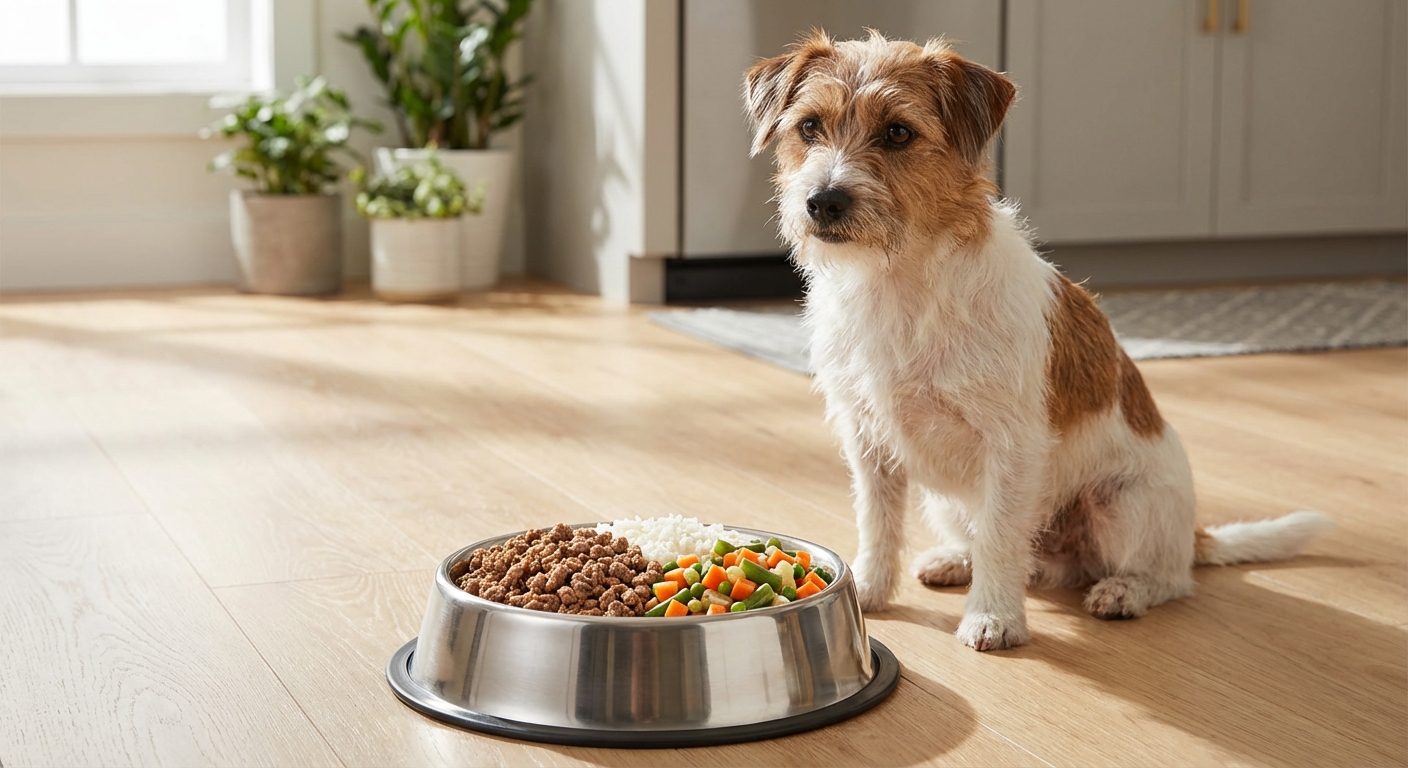
Learn why lean turkey is a smart protein for dogs, plus an easy base recipe, mix-and-match bowl ideas, transition steps, calcium guidance, and food-safety tips.
Article
•
Designer Mixes
Homemade Dog Food for Beef Allergies

Shari Shidate
Designer Mixes contributor
If your dog gets itchy skin, recurrent ear infections, upset stomach, or chronic soft stool after eating beef, you are not imagining things. Beef is one of the more commonly reported protein triggers in canine adverse food reactions. In some dogs, reactions can also develop over time after repeated exposure, even if your pup ate beef for years with no obvious issues.
The encouraging news is that you do not have to give up homemade dog food if beef is off the table. You simply need a smart plan for safe proteins, balanced nutrition, and a slow transition that keeps your dog comfortable.
Educational note: This article is for general education and is not a substitute for veterinary diagnosis or treatment.

Beef allergy vs. sensitivity
In everyday conversation, people say “allergy” for any food-related problem. In veterinary medicine, there are two common categories:
- Food allergy (immune-mediated): the immune system reacts to a specific protein. Signs often include itching, paw licking, face rubbing, ear infections, and sometimes GI issues.
- Food intolerance (non-immune): the digestive system struggles with a food. Signs are usually GI-focused, like gas, vomiting, or diarrhea.
Either way, the practical approach is similar: remove the suspected trigger, feed a simple and consistent diet, and watch symptoms closely.
Evidence-based note: The most reliable way to confirm a food allergy is a veterinarian-supervised elimination diet trial followed by a re-challenge. Blood, saliva, and hair tests marketed online are not considered reliable for diagnosing canine food allergies.
Signs beef may be a problem
Beef reactions do not always look like an immediate dramatic event. Many dogs show slow-building, nagging symptoms.
- Itchy skin, belly rash, or hives
- Frequent ear infections or head shaking
- Paw licking and chewing
- Chronic soft stool or diarrhea, mucus in stool, vomiting, or excessive gas
- Recurrent hot spots
- Anal gland issues (often secondary to chronic soft stool)
If your dog has severe symptoms like facial swelling, difficulty breathing, repeated vomiting, or collapse, treat that as an emergency and seek veterinary care right away.
Beef-free protein options
When you remove beef, your goal is not just to swap in another meat. Your goal is novel or commonly used alternative proteins your dog can eat consistently, plus enough variety long-term to cover nutrients. What works best varies by the individual dog.
Common options
- Turkey: lean, widely available, usually gentle on the stomach.
- Chicken: a common go-to, but some beef-sensitive dogs are also sensitive to chicken. It is worth a careful trial.
- Pork: can be a great alternative when cooked plainly and trimmed of excess fat.
- Lamb: higher fat than poultry, helpful for picky eaters, but introduce slowly.
- Fish (salmon, sardines): excellent omega-3 support for skin and coat. Use boneless cooked salmon or canned sardines in water with no salt added when possible. Many “in water” sardines still contain salt, so check labels. Avoid smoked, seasoned, or marinated fish (garlic, onion, heavy salt, and spices are common problems). If your dog is pancreatitis-prone or on a low-fat plan, discuss fish choices and portions with your vet.
- Duck: flavorful and often used in allergy diets, but can be rich.
- Rabbit, venison, goat: great “novel” proteins, sometimes pricier and harder to source.
- Eggs: a high-quality protein and helpful for homemade diets when tolerated.
What to avoid
- Beef broth, beef liver, beef trachea, beef collagen: these contain beef protein and can trigger reactions.
- Beef fat or tallow: pure rendered fat has very little protein, but it can still contain enough residual protein to trigger highly sensitive dogs. Avoid it during a strict elimination trial.
- “Natural flavor” and mixed-meat treats: these may contain beef-derived ingredients.
- Cross-contamination: shared cutting boards, pans, or storage containers can matter for highly sensitive dogs, especially during elimination trials.
Balanced homemade meals without beef
Homemade food can be wonderfully nourishing, but it needs structure. A common mistake I see as a veterinary assistant is well-meaning owners making meals that are too heavy on muscle meat and too light on minerals, especially calcium.
Here is a practical framework for most healthy adult dogs, assuming you are working with your veterinarian for your dog’s specific needs:
- Protein (foundation): cooked muscle meat, plus occasional organ meat if tolerated.
- Vegetables: lightly cooked, steamed, or pureed for digestibility.
- Carbs (optional but helpful for many dogs): cooked grains or starchy vegetables for energy and gut support.
- Healthy fats: to support skin, coat, and vitamin absorption.
- Calcium source: essential if you are not feeding raw meaty bones. Do not skip this.
Calcium matters
If you feed primarily boneless meats, calcium must be added to keep the calcium-to-phosphorus balance in a safe range. The risk of diet-related bone problems is highest in growing puppies, but adult dogs can also develop issues over time on poorly balanced homemade diets (including secondary nutritional hyperparathyroidism).
Common calcium options owners discuss include finely ground eggshell powder or veterinary-formulated calcium supplements. The right amount depends on your recipe and your dog’s intake, so ask your veterinarian or a board-certified veterinary nutritionist to help you calculate it.
If you plan to feed homemade long-term, consider using a veterinary-formulated supplement mix designed for home-cooked diets. It is often safer than trying to DIY micronutrients.
Three beef-free starter recipes
These are intentionally simple “starter meals” to help you identify a tolerated protein and begin the transition.
How to use these bowls: Choose one bowl and keep it consistent during the starter phase. For best clarity while you troubleshoot symptoms, avoid rotating proteins every day. Treats should be limited to the same ingredients (or the same single protein) used in the bowl, and plain water should be the only “topper.”
Portion note: Portion sizes vary widely by your dog’s size, age, and activity level. For a true plan, ask your vet for a daily calorie target and gram amounts. If you are doing an elimination trial, follow your veterinarian’s instructions exactly.
Important: These bowls are not complete and balanced as written. If you feed them for more than about 3 to 5 days, ask your veterinarian (or a board-certified veterinary nutritionist) how to add the right calcium and micronutrients for your dog.
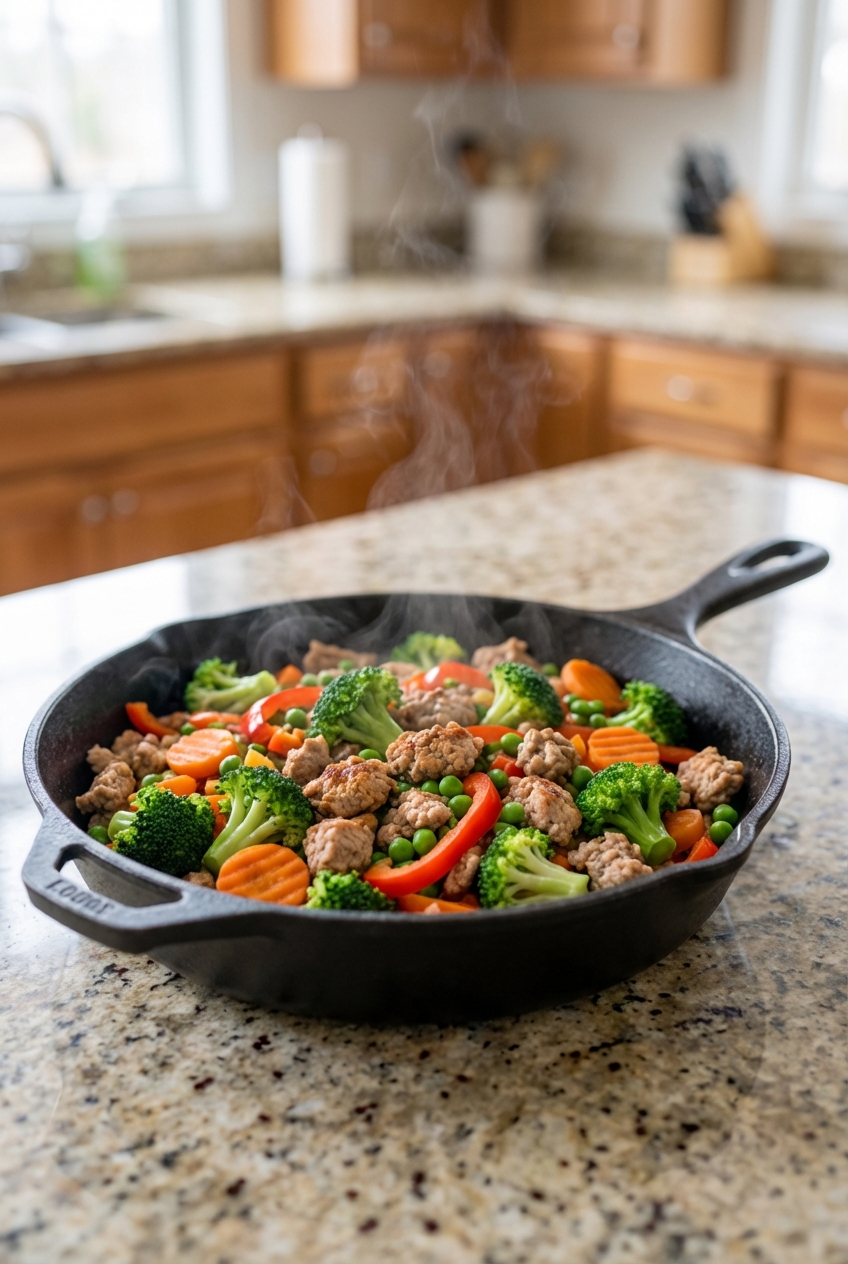
1) Turkey and pumpkin bowl
- Cooked ground turkey (drained if needed)
- Plain pumpkin puree (not pie filling)
- Steamed zucchini or green beans, chopped
- Optional: a small scoop of cooked white rice for easy digestion
- If feeding beyond a short transition: add a vet-recommended calcium source
Why it helps: Turkey is typically mild, and pumpkin can support stool quality for many dogs.
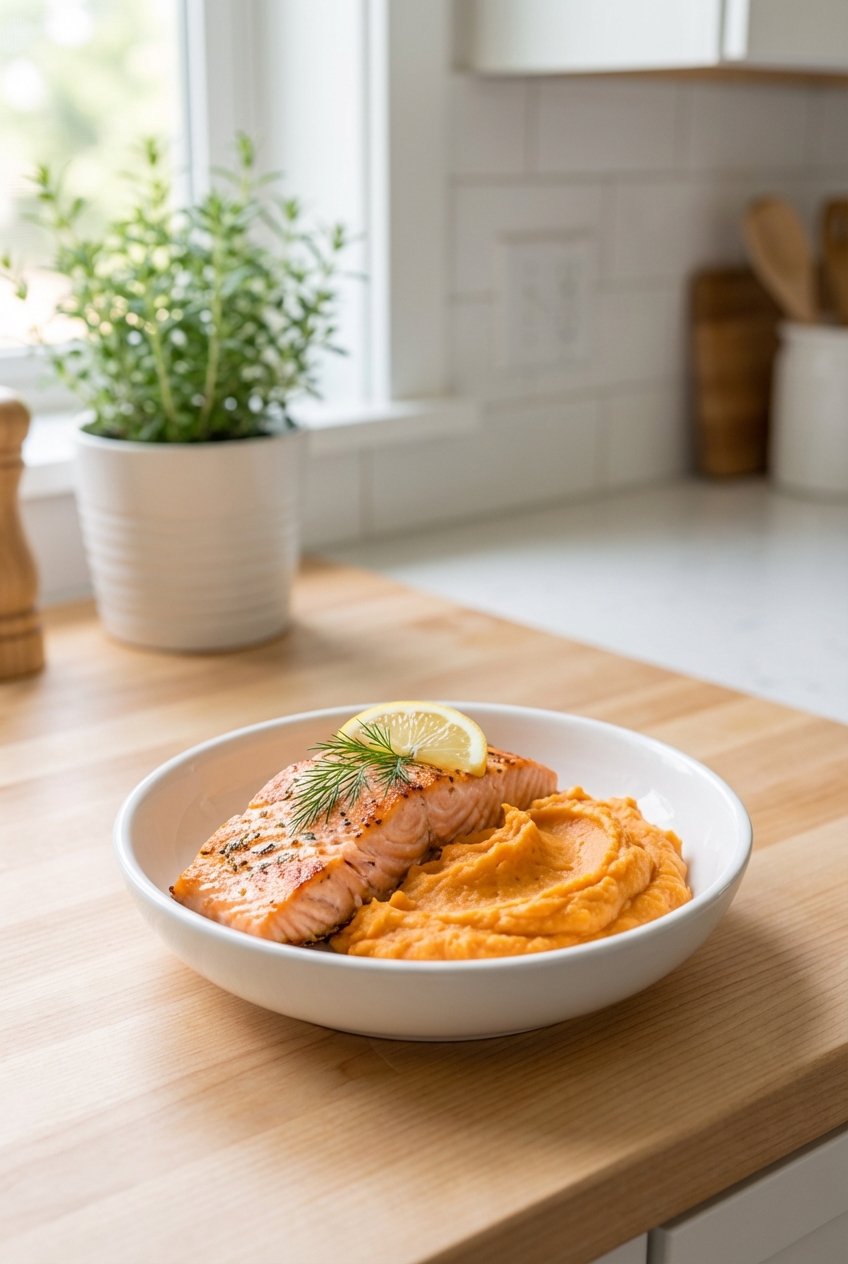
2) Salmon and sweet potato bowl
- Baked or poached boneless salmon
- Cooked sweet potato, mashed
- Lightly steamed spinach or kale, finely chopped
- If feeding beyond a short transition: add a vet-recommended calcium source
Why it helps: Omega-3 fats in fish can be supportive for itchy skin, especially when food allergies are suspected. Keep it plain (not smoked, not seasoned) and talk to your vet if your dog needs a lower-fat diet.
3) Pork and veggie bowl
- Lean pork loin, cooked and chopped
- Steamed carrots and broccoli, chopped small
- Cooked quinoa or oats (small portion)
- If feeding beyond a short transition: add a vet-recommended calcium source
Why it helps: Pork can be a useful alternative when poultry is not tolerated.
Elimination diets and vet options
If you are trying to confirm a true food allergy, your veterinarian may recommend one of two main approaches:
- Novel-protein elimination trial: one new protein and one carb source your dog has not eaten before, with strict consistency.
- Hydrolyzed-protein veterinary diet: proteins are broken down into smaller pieces to reduce immune recognition. These diets can be a useful diagnostic and management tool, especially for complicated cases.
Quick caution: During an elimination trial, flavored medications, soft chews, pill pockets, and some preventatives can accidentally introduce beef or mixed proteins and invalidate the trial. If you are unsure, ask your vet before giving them.
Timing expectations: GI signs like soft stool often improve within days to a couple of weeks. Skin and ear signs often take longer, commonly several weeks, which is why many elimination trials run about 8 weeks, sometimes 10 to 12 weeks, under veterinary guidance.
Also keep in mind that environmental allergies (atopy) can look a lot like food allergy. A careful elimination trial helps sort out what is really going on.
Transition tips
Even “healthy” food can cause digestive upset if you switch too fast. For most dogs, a gradual change is kinder to the gut microbiome.
- Days 1 to 3: 25% new, 75% old
- Days 4 to 6: 50% new, 50% old
- Days 7 to 9: 75% new, 25% old
- Days 10 to 14: 100% new
Some dogs, especially those with a sensitive stomach or a history of GI flare-ups, do better with an even slower transition over 2 to 3 weeks or longer.
During the transition, track three things:
- Skin: itching, redness, paw chewing
- Ears: odor, head shaking, debris
- Poop: frequency, firmness, mucus, straining
If symptoms flare, do not panic. Slow the transition, simplify the recipe, and speak with your veterinarian if signs persist.
Hidden beef in treats and supplements
Beef can sneak into the diet in surprising places. If you are doing an elimination trial or trying to get symptoms under control, consistency matters.
- Flavored chewables (joint supplements, probiotics)
- Dental chews and rawhide alternatives
- “Meat flavor” medications
- Bone broth products and gravy toppers
- Training treats with mixed proteins
- Flavored monthly preventatives or soft chews (ask your vet about non-flavored options if needed)
Action step: During a vet-guided elimination trial, aim for one consistent diet and keep treats in the same protein family, or use treats made from the exact trial diet. Avoid flavored chews and medications unless your veterinarian confirms they fit the trial.
When to call your vet
Homemade diets are absolutely doable, but some dogs need extra guidance.
- Puppies, seniors, pregnant or nursing dogs
- Dogs with pancreatitis history or high triglycerides (fat matters a lot)
- Kidney, liver, heart disease, or urinary stone history
- Dogs on long-term medications that interact with certain foods
If you want the gold standard for a homemade plan, ask your veterinarian for a referral to a board-certified veterinary nutritionist (DACVN). They can build a complete recipe around your dog’s beef sensitivity and any other medical needs.
Homemade is not about being perfect on day one. It is about choosing a safe protein, keeping it simple, and building balance step by step.