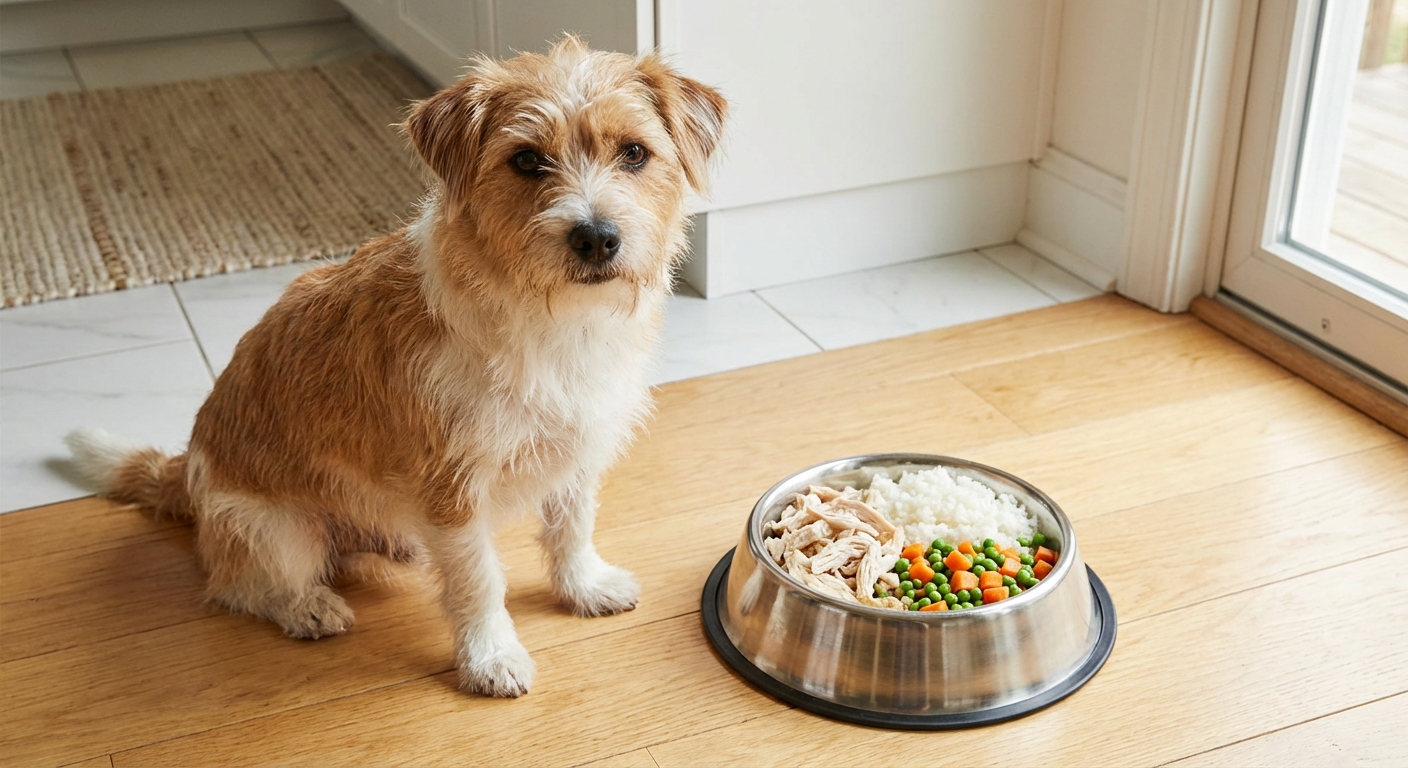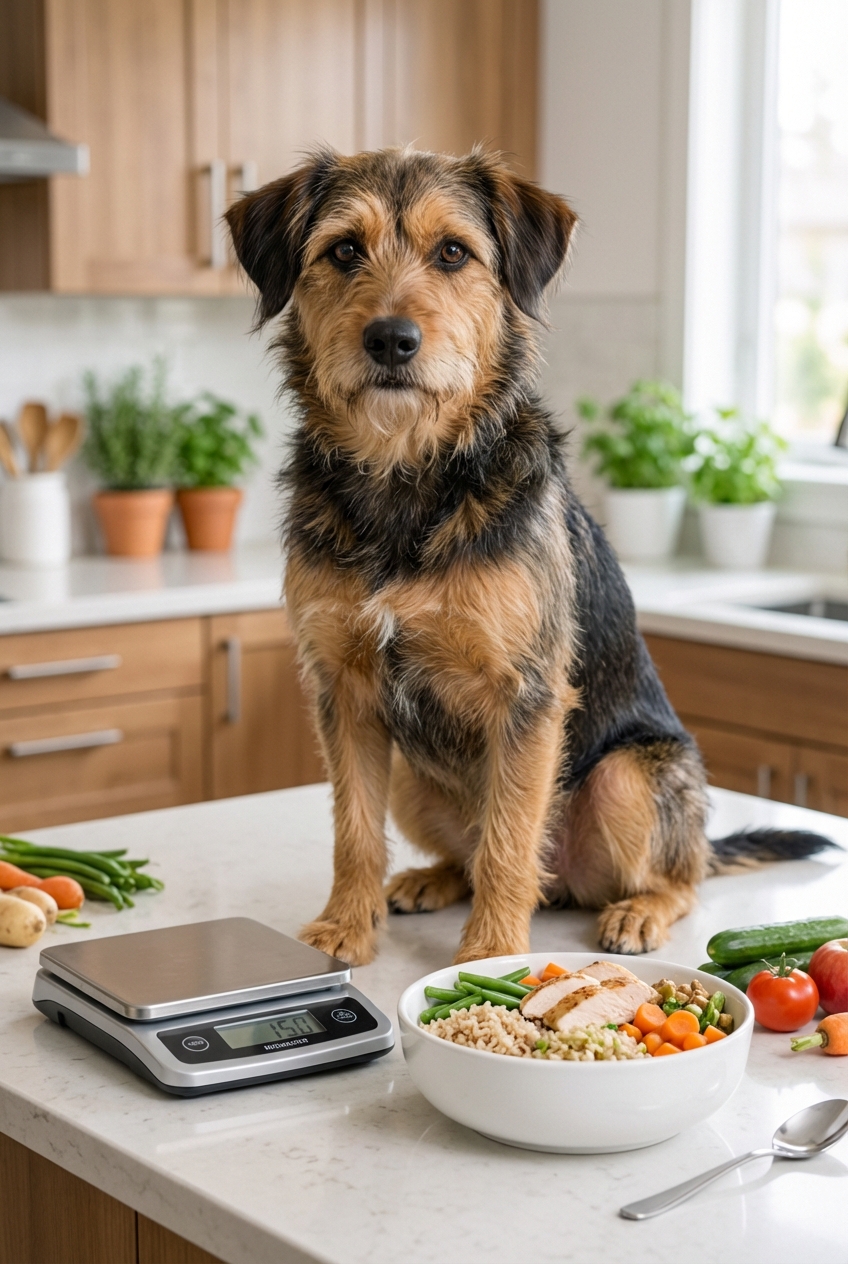
Build affordable homemade dog meals with a simple formula and a budget shopping list of proteins, organ meats, frozen veggies, grains, healthy fats, and the ...
Article
•
Designer Mixes
Homemade Dog Food Cost vs Kibble

Shari Shidate
Designer Mixes contributor
As a veterinary assistant, I hear this question all the time: “Is homemade dog food really more expensive than kibble?” The honest answer is it depends, but not in the vague way people assume. Once you compare cost per day, factor in calories and ingredient choices, and plan meals the right way, homemade can be surprisingly doable for many families.
This article will help you compare costs in a realistic way, plus share practical ways to lower your bill while still protecting nutrition.
Quick note: The cost ranges below are estimates based on common U.S. prices and typical feeding amounts. Your total will vary with region, inflation, your dog’s calorie needs, brand, and whether you include supplements.
What “cost” really means
When people compare homemade food to kibble, they often compare the cheapest kibble to the highest-end grocery ingredients. That is not an apples-to-apples comparison.
A more fair way to compare is:
- Cost per day (or cost per 1,000 calories), not cost per bag or per grocery trip
- Calories delivered (some foods are more calorie-dense, so you feed less)
- Ingredient type and processing (different protein sources, formulations, and sourcing standards)
- Waste (picky eating, stale kibble, uneaten toppers, spoilage)
- Your dog’s needs (age, activity, body condition, health conditions)
Also, homemade does not have to mean “Pinterest perfect.” A balanced plan can be simple, repeatable, and budget-aware.
Typical kibble cost per day
Kibble prices vary widely based on brand, protein source, calorie density, and whether it is a veterinary diet. Here is a realistic range many U.S. dog owners see:
- Budget kibble: often about $0.60 to $1.50 per day for a small-to-medium dog
- Mid-range kibble: often about $1.25 to $3.00 per day
- Premium kibble or specialty formulas: often about $2.50 to $6.00+ per day
Big dogs cost more simply because they eat more calories. A 70-pound active dog can easily cost double or triple the daily amount of a 20-pound dog, regardless of what you feed.
One important detail: calorie density varies by food. Two kibbles can cost the same per bag but have different calories per cup, which changes the real cost quickly.
Typical homemade cost per day
Homemade costs can be manageable if you plan around affordable proteins, buy in bulk, and cook consistently.
Many owners fall into these general ranges:
- Budget homemade (smart shopping): often about $1.50 to $3.50 per day for a small-to-medium dog
- Mid-range homemade: often about $3.00 to $6.00 per day
- Premium homemade (organic meats, lots of variety, boutique add-ons): often about $5.00 to $10.00+ per day
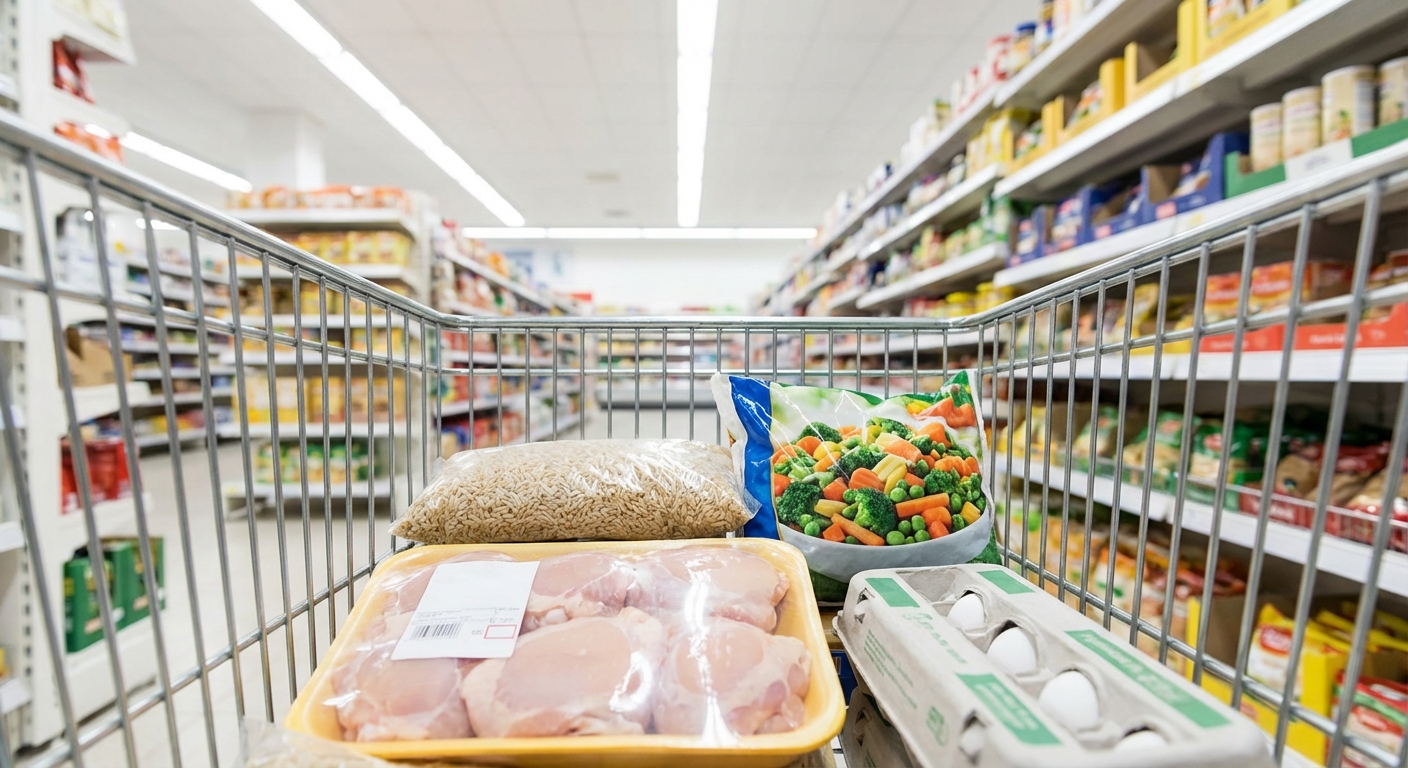
What drives cost most is protein. Chicken thighs, turkey, eggs, sardines, and lean ground beef on sale can keep homemade reasonable. Daily use of pricey cuts or specialty meats tends to push costs up fast.
Do these estimates include supplements? Sometimes yes, sometimes no. A complete home-cooked plan often needs a calcium source and may use a vitamin-mineral supplement, which can add meaningful cost depending on your dog’s size and the recipe.

Quick cost math at home
If you want a simple comparison without complicated spreadsheets, use this approach.
Step 1: Your current daily cost
- Look at the cost of the bag or case.
- Estimate how many days it lasts.
- Divide:
price ÷ days.
Step 2: Track one homemade batch
Write down exactly what you spent and how many meals you portioned out.
- Add up ingredient costs (protein, carbs, veggies, oils, plus supplements if used).
- Divide by the number of meals you made.
Optional: Compare by calories
If you want the cleanest apples-to-apples number, compare cost per 1,000 calories:
- Kibble:
bag price ÷ total bag calories × 1,000 - Homemade:
batch price ÷ total batch calories × 1,000
Worked example (simple)
Let’s say your dog eats about 900 calories per day.
- Kibble example: A $65 bag contains 30,000 calories. Cost per 1,000 calories is
65 ÷ 30,000 × 1,000 = $2.17. Your dog’s daily cost is about$2.17 × 0.9 = $1.95/day. - Homemade example: A batch costs $40 and totals 16,000 calories. Cost per 1,000 calories is
40 ÷ 16,000 × 1,000 = $2.50. Daily cost is about$2.50 × 0.9 = $2.25/day.
This gives you a real-world number based on your store, your dog, and your portions.
Hidden costs people miss
Dental care (all diets)
No diet replaces dental care. Kibble does not reliably clean teeth, and soft cooked food can still allow plaque buildup. Unless a dog is on a carefully managed dental plan (like brushing, dental chews approved by your vet, and professional cleanings as needed), dental costs can show up regardless of whether you feed kibble or homemade.
More common with kibble
- Prescription diets: If a dog develops certain conditions, specialty foods can be expensive.
- Trial and error: Some dogs need multiple formulas to find the right fit for stools, skin, or allergies.
More common with homemade
- Balancing and supplements: A complete diet often needs a calcium source and may need a vitamin-mineral supplement depending on the recipe.
- Freezer space and storage: Containers, bags, and possibly a small freezer can be a one-time cost.
- Your time: Most people batch-cook once or twice a week, but it is still time worth valuing.
Food safety and storage
Batch cooking also comes with basic food safety habits: cool cooked food quickly, refrigerate portions you will use soon, freeze the rest, and wash hands, bowls, and prep surfaces. If anything smells off or your dog refuses it suddenly, do not try to “save it.”
From a veterinary perspective, the biggest hidden cost with homemade is this: an unbalanced homemade diet can create health problems over time. The savings is never worth it if essential nutrients are missing.
Make homemade more affordable
If cost is your biggest barrier, these strategies work well for many families.
1) Try a partial approach
You do not have to go all-in on day one. Many owners start with a small fresh portion as a topper.
Important: Mixing 50 percent homemade and 50 percent commercial food can change the overall nutrient balance unless the homemade portion is a complete and balanced recipe. If your homemade portion is not fully formulated, keep it modest (your vet can help you choose a safe percentage) and transition gradually.
2) Pick budget-friendly proteins
- Chicken thighs or leg quarters
- Turkey (especially on sale)
- Eggs
- Canned sardines in water (small amounts)
- Lean ground beef when discounted
Save pricier proteins like salmon or lamb for rotation, not as the daily base.
3) Buy in bulk and batch-cook
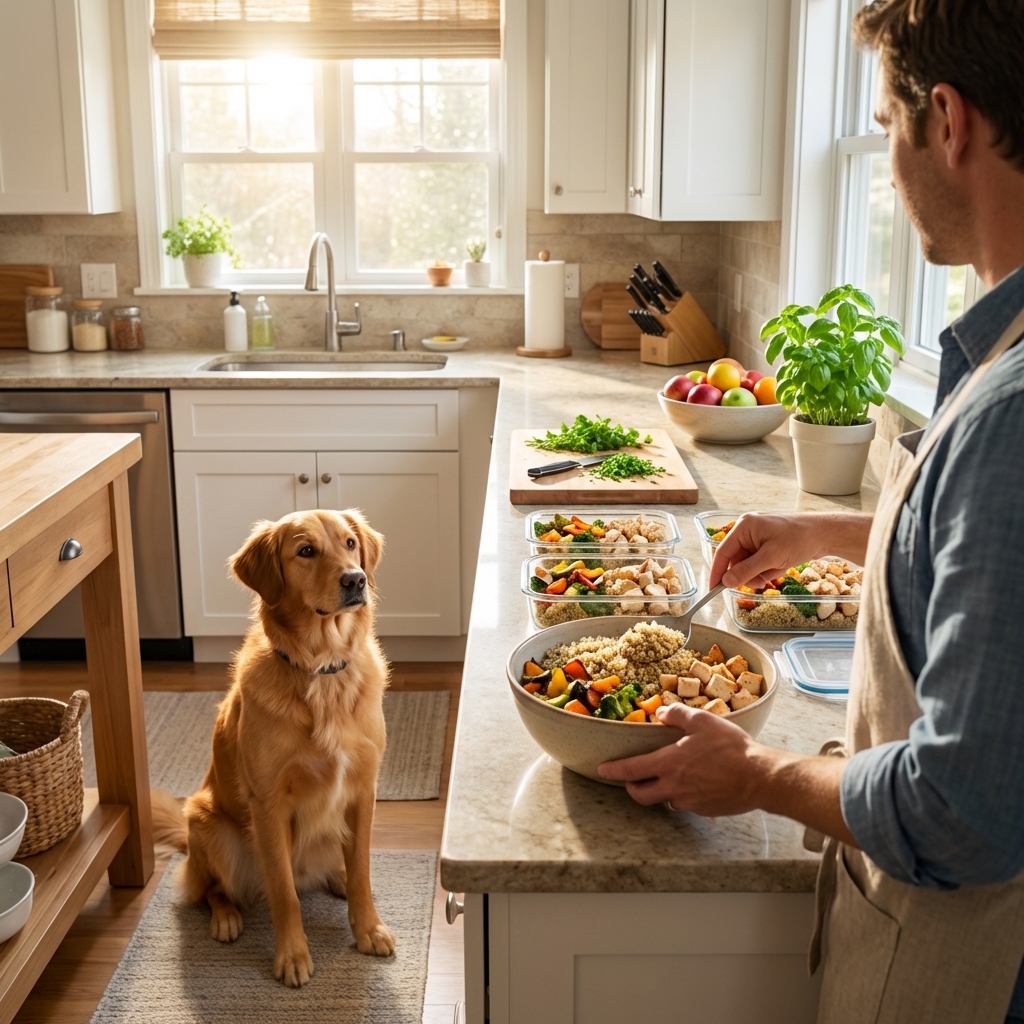
Batch cooking reduces waste and makes convenience spending less likely. Cook once, portion, freeze, and thaw as needed.
4) Use seasonal and frozen produce
Frozen vegetables are often harvested at peak ripeness and are usually cheaper. Light cooking or pureeing can improve digestibility for many dogs.
5) Skip expensive extras at first
It is easy to overspend on add-ins. Start with a simple, complete base and add extras thoughtfully.
Nutrition basics for homemade
I love encouraging owners to feed fresh food, but I want to be very clear: dogs need more than meat and rice. Long-term homemade feeding should be based on a recipe formulated to meet AAFCO or FEDIAF nutrient profiles (often with help from your veterinarian or a board-certified veterinary nutritionist). “Rotation” alone does not guarantee balance.
Key areas that commonly need attention:
- Calcium and phosphorus balance (especially if you are not feeding edible bone). Many cooked recipes use a measured calcium source like eggshell powder or bone meal, but the amount matters.
- Essential fatty acids (omega-3 sources can be helpful)
- Vitamins and trace minerals that may require a supplement or a formulated premix
For safety, talk with your veterinarian or a board-certified veterinary nutritionist if your dog is a puppy, senior, pregnant, has kidney or liver disease, has pancreatitis history, or needs a therapeutic diet.
So, is homemade cheaper?
In many households, homemade costs more than budget kibble but can be competitive with premium kibble, especially when you batch-cook, shop sales, and keep your base recipe consistent.
If you are interested but nervous about cost, start small:
- Try a small fresh topper portion for a week.
- Track what you spend and how your dog does.
- Adjust protein choices, shopping routine, and portion sizes.
Any move toward fresher food can be a meaningful step. You do not have to be perfect to make progress.