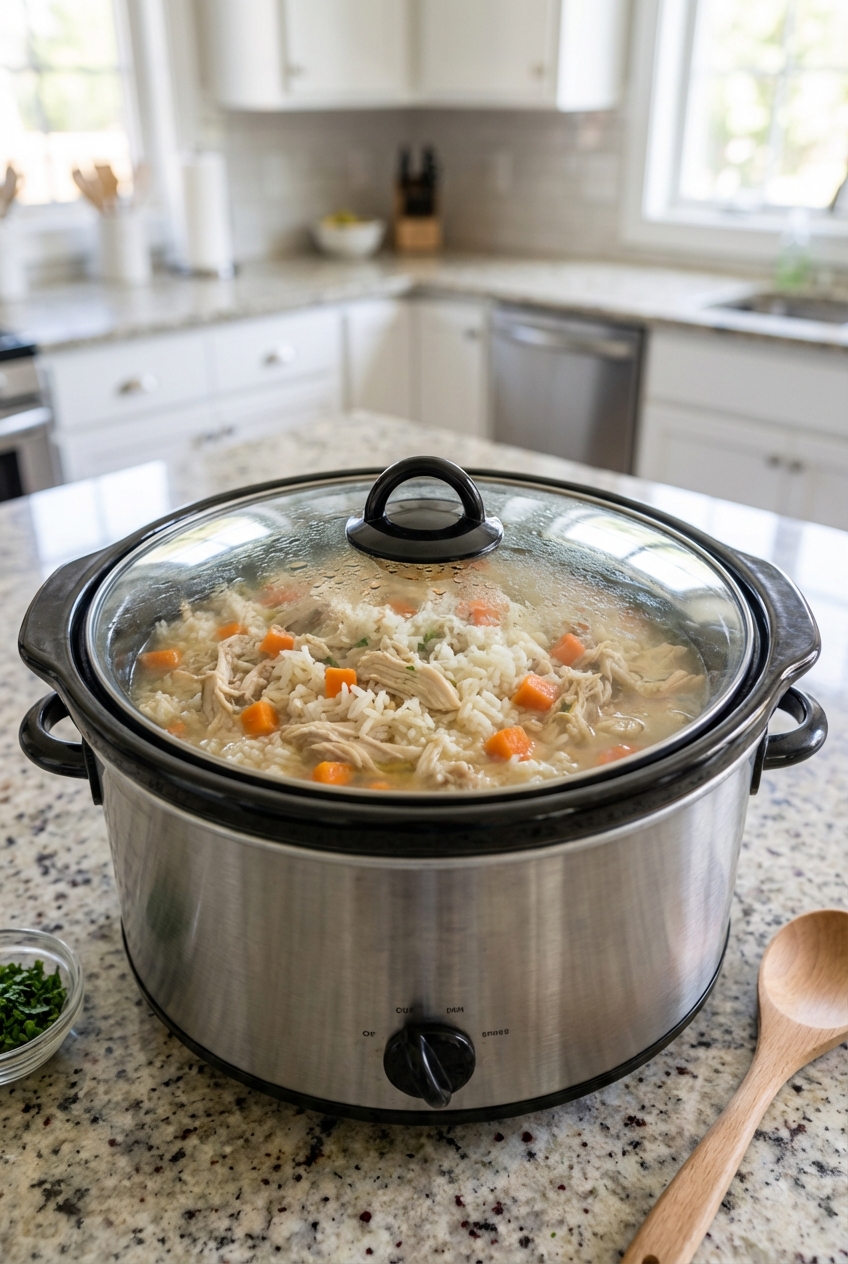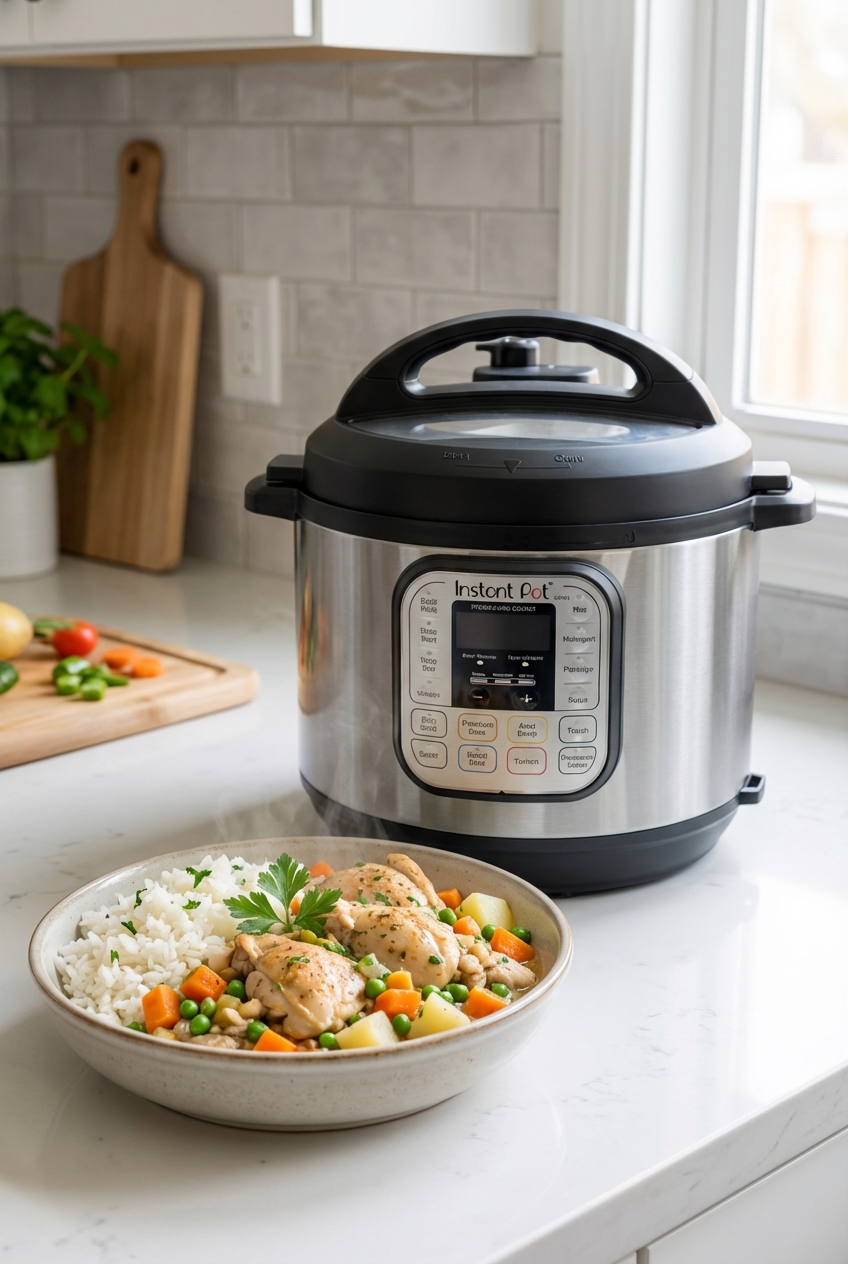
Chicken and rice can soothe mild stomach upset and help dogs transition back to normal food. Learn safe recipes, portions, how long to feed it, and when to c...
Article
•
Designer Mixes
Homemade Dog Food Carbs: What to Use

Shari Shidate
Designer Mixes contributor
When you start making homemade dog food, it is easy to obsess over protein. Protein is important, but balance matters most. Carbs deserve a thoughtful spot at the table too. The right carbohydrates can support steady energy, healthy digestion, and a happier gut microbiome. The wrong ones, or the right ones in the wrong amounts, can contribute to weight gain or loose stool, and in some dogs may worsen skin or GI symptoms.
As a veterinary assistant in Frisco, Texas, I like to keep this simple and evidence-based: carbs are not “bad” for dogs. They are a tool. Your job is choosing carb sources that are easy to digest, nutrient-dense, and appropriate for your dog’s health goals.
Important note for long-term homemade feeding: “Meat + carb + veggie” is not automatically complete. Most homemade diets need a calcium plan (to balance calcium and phosphorus) and often additional micronutrients (like iodine, vitamin D, vitamin E, zinc) depending on ingredients. For anything beyond short-term use, work from a recipe formulated by your veterinarian or a board-certified veterinary nutritionist.

Do dogs need carbs?
Dogs do not have an absolute dietary requirement for carbohydrates the way they do for certain amino acids and fatty acids. But carbs can be beneficial, especially in homemade diets, because they can:
- Provide accessible energy for active dogs.
- Add fiber to support stool quality and beneficial gut bacteria.
- Make meals more affordable while keeping them filling.
- Support certain medical goals, like some lower-fat approaches when guided by your veterinarian.
The key is balance. In many homemade approaches, a common starting heuristic is carbs making up about 10% to 25% of calories (or a small portion of the plate). This is not a formula and it is not one-size-fits-all. Dogs with specific conditions may need more or less, and therapeutic diets should be guided by your vet or a board-certified veterinary nutritionist.
Best carbs for homemade dog food
These options tend to be well tolerated, widely available, and easy to cook thoroughly. Rotate carbs over time so your dog gets a wider nutrient profile.
1) Rice (white or brown)
Why it works: Rice is gentle on many stomachs and is commonly used short-term in bland diets during mild digestive upset.
- White rice: easier to digest, lower fiber, often used short-term for sensitive stomachs.
- Brown rice: more fiber and micronutrients, can be a little harder on very sensitive guts.
Tip: Cook until very soft. Extra water and longer cooking can improve digestibility. If your dog needs rice for GI issues more than a day or two, or symptoms keep coming back, it is time to check in with your veterinarian.
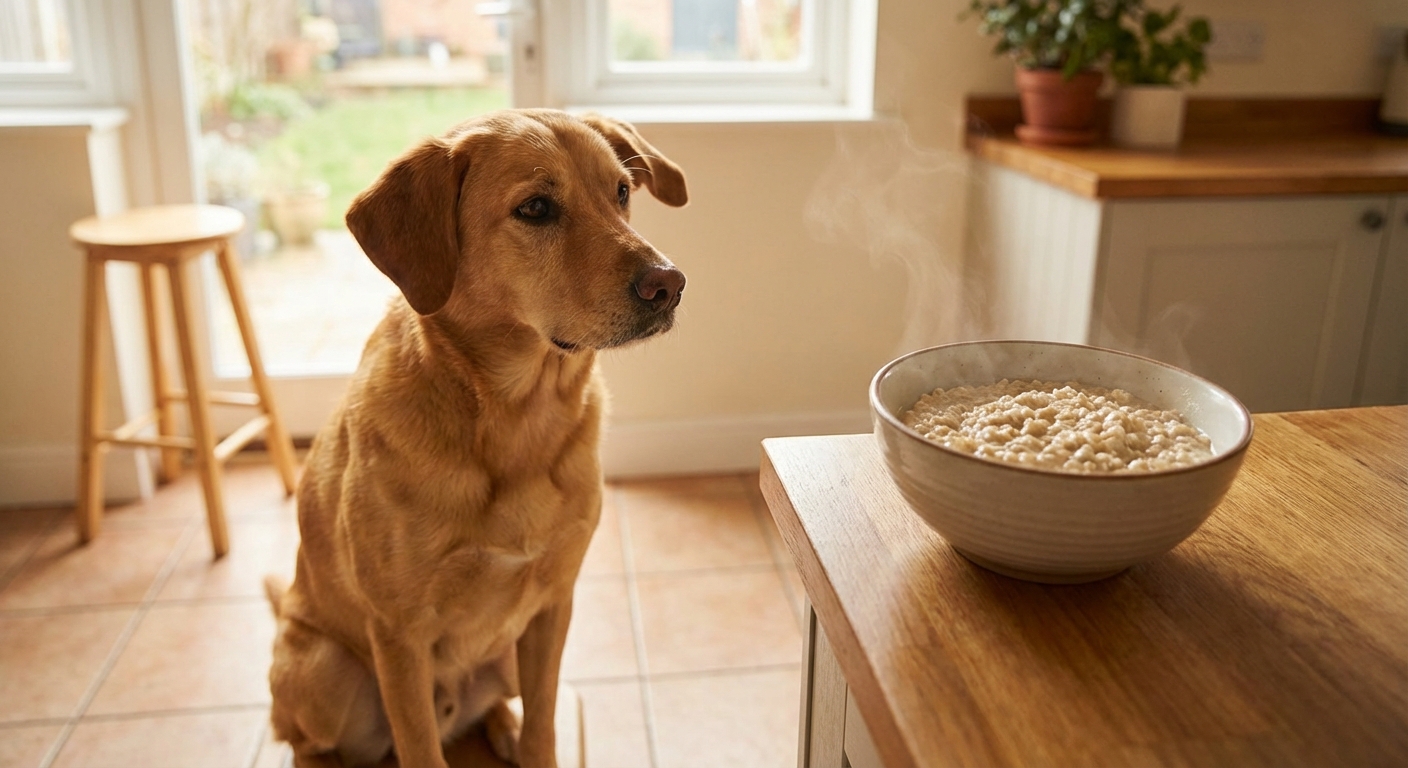
2) Oats
Why it works: Oats provide soluble fiber (helpful for stool consistency) and can be a great rotation carb.
- Use plain rolled oats or steel-cut oats.
- Avoid flavored instant packets due to sugar and additives.
Tip: Cook fully and introduce slowly if your dog is new to higher-fiber foods.
3) Quinoa
Why it works: Quinoa offers carbs plus extra protein and minerals like magnesium. It is a solid choice for variety.
Tip: Rinse well before cooking to remove bitter saponins, then cook until fluffy and soft.
4) Sweet potato
Why it works: Sweet potatoes are nutrient-dense and naturally sweet, so picky dogs often love them. They also provide fiber and beta-carotene.
Tip: Bake or steam until very soft, then mash. Start small, as too much can loosen stool in some dogs.
5) Pumpkin (plain)
Why it works: Pumpkin is more of a fiber tool than a “big calorie carb,” but it is one of my favorite add-ins for digestion support.
- Use plain canned pumpkin or cooked fresh pumpkin.
- Avoid pumpkin pie filling.
Tip: A spoonful goes a long way for many dogs. A practical starting amount is 1 to 2 teaspoons for small dogs, 1 to 2 tablespoons for medium dogs, and 2 to 4 tablespoons for large dogs, once daily. Adjust based on stool quality and your vet’s guidance.
6) Barley
Why it works: Barley provides fiber and can help with satiety, which may be useful for dogs who act hungry on homemade diets.
Tip: Cook until soft and chewy. It is best introduced gradually.
Carbs to use carefully
Not all carbs are equal. Some are fine occasionally, while others are more likely to cause digestive issues or add empty calories.
White potatoes
Cooked white potatoes can be used occasionally, but they are often higher glycemic than sweet potatoes. Sweet potatoes also tend to provide more beta-carotene and fiber. Never feed raw potato or green potato skin due to solanine risk.
Corn and wheat-heavy fillers
Some dogs do fine with corn or wheat, but if you are cooking homemade, you can usually choose more nutrient-dense options. If your dog has itchy skin or chronic ear issues, ask your vet if a structured elimination diet is appropriate before assuming “grain allergy.” True food allergies exist, but they are often misdiagnosed and environmental allergies are very common.
Legumes as the main carb (peas, lentils, chickpeas)
These can be nutritious, but I do not recommend using them as the primary carbohydrate base without professional formulation. They are high in fermentable fibers and can cause gas and loose stools in some dogs. Also, there has been ongoing veterinary discussion about diet-associated dilated cardiomyopathy (DCM) and certain ingredient patterns in some commercial foods. The research is ongoing and likely involves multiple factors (overall formulation, nutrient balance, processing, taurine status, and individual risk). If your dog is a breed with higher DCM risk or has heart concerns, talk with your veterinarian or a veterinary nutritionist before making legumes a major staple.
Bread, pasta, pastries, and sugary foods
These are “human convenience carbs” and add calories without meaningful nutrition for your dog. They can raise blood sugar quickly and can contribute to weight gain.
How much carb to add?
There is no single perfect percentage for every dog. Age, activity level, metabolism, and health conditions all matter. If you want a practical “plate method” starting point for many healthy adult dogs, think:
- Protein: the largest portion
- Vegetables: often around 10% to 20% of the plate (lightly cooked or pureed)
- Carbs: often a smaller portion, roughly 10% to 25% of calories for many dogs
- Healthy fats: added intentionally, not accidentally
If your dog is gaining weight, carbs are one of the first places to tighten up (along with treats). If your dog is very active, a bit more carb can help maintain energy and body condition.
Action step: Pick one carb your dog already tolerates, add it in a small amount for 3 to 5 days, and watch stool quality, itching, and energy before increasing or rotating.
Cooking and safety tips
- Cook carbs thoroughly. Softer is usually easier on digestion.
- Skip salt, butter, onions, and seasoning blends. Keep it simple.
- Cool and portion. Refrigerate promptly and freeze extras.
- Introduce slowly. Even healthy carbs can cause loose stool if you change too fast.
- Balance matters. For long-term homemade feeding, plan for calcium and key micronutrients. Use a veterinary-formulated recipe or a supplement designed for homemade diets, guided by your veterinarian.
Easy carb add-ins
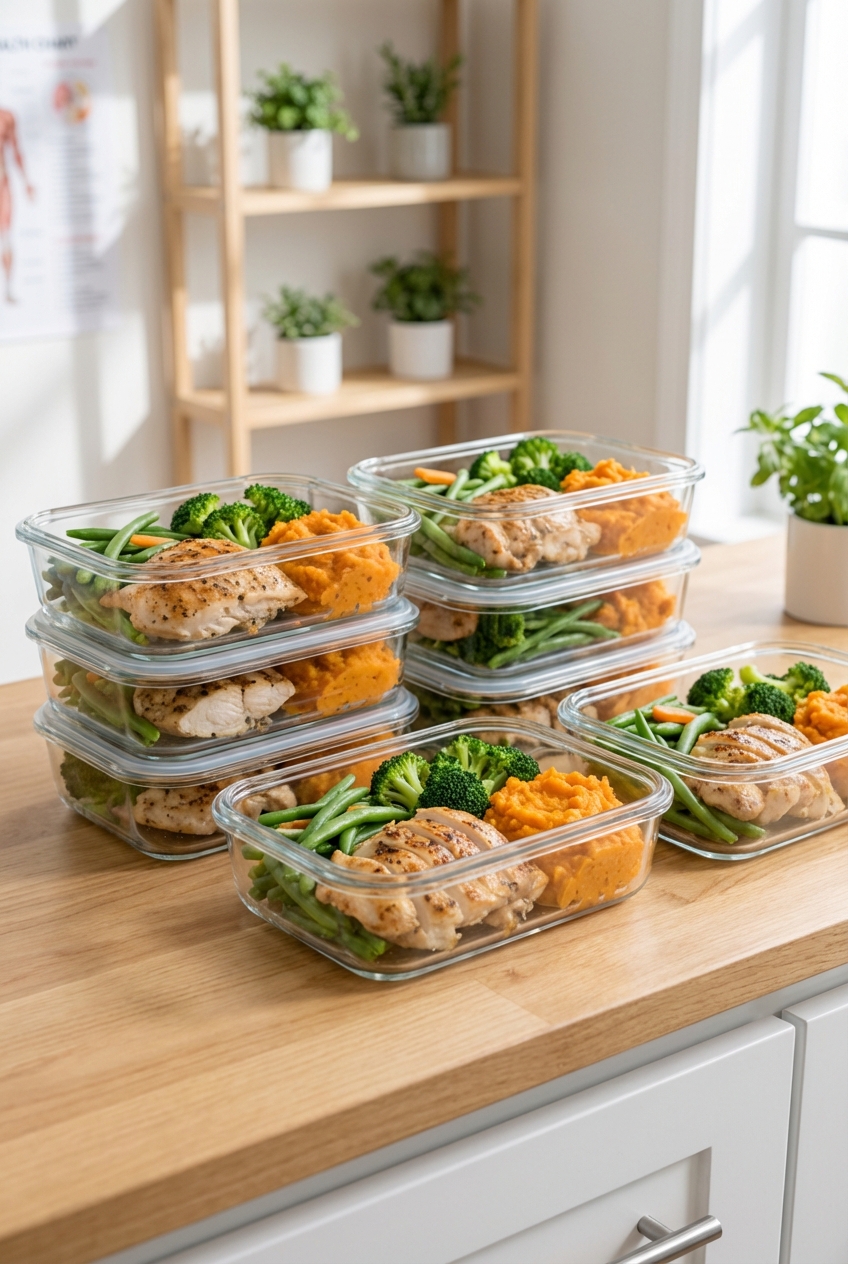
If you are just getting started, these simple combinations are usually beginner-friendly:
- Cooked chicken + white rice + steamed carrots (gentle, classic, easy to portion)
- Lean ground turkey + quinoa + steamed zucchini (nice rotation for variety)
- Beef (lean) + brown rice + chopped cooked spinach (go easy on spinach for dogs prone to calcium oxalate stones, and ask your vet if that applies)
- Sardines (in water) as a topper + oats + pumpkin (great for omega-3s and digestion support, use sardines in moderation and choose low-sodium or no-salt-added when possible)
And remember, you do not have to jump to 100% homemade overnight. Even a 25% homemade upgrade can make a meaningful difference for many dogs.
Ask your vet first
Please get guidance before major diet changes if your dog has:
- Diabetes or suspected blood sugar issues
- Pancreatitis history (fat control matters a lot, and some “add-ins” can quietly raise fat)
- Kidney disease
- Recurrent urinary stones or urinary crystals
- Chronic GI disease, IBD, or persistent diarrhea
- Heart disease concerns or a breed predisposed to DCM
Homemade feeding can be wonderful, but medical diets should be customized.