
Guide to using homemade dog food for an elimination diet: pick a novel protein and single carb, keep it strict for 8–12 weeks, track symptoms, then challen...
Article
•
Designer Mixes
Homemade Dog Food Allergy Elimination Plan

Shari Shidate
Designer Mixes contributor
When a dog is itchy, gassy, or dealing with chronic ear infections, it is natural to wonder if food is part of the problem. In the clinic, I have seen how frustrating “trial and error” can feel for families, especially when symptoms come and go. A structured homemade elimination plan can bring clarity because it strips the diet down to basics, then adds foods back one at a time so you can spot true triggers.
This article walks you through a safe, evidence-based elimination approach you can do at home, with clear steps, realistic timelines, and practical recipes. Please partner with your veterinarian, especially if your dog is a puppy (growing), senior, underweight, has GI disease, pancreatitis, kidney disease, or is on a prescription diet. For growing puppies in particular, a 2-ingredient homemade trial is not appropriate without veterinary nutrition guidance.
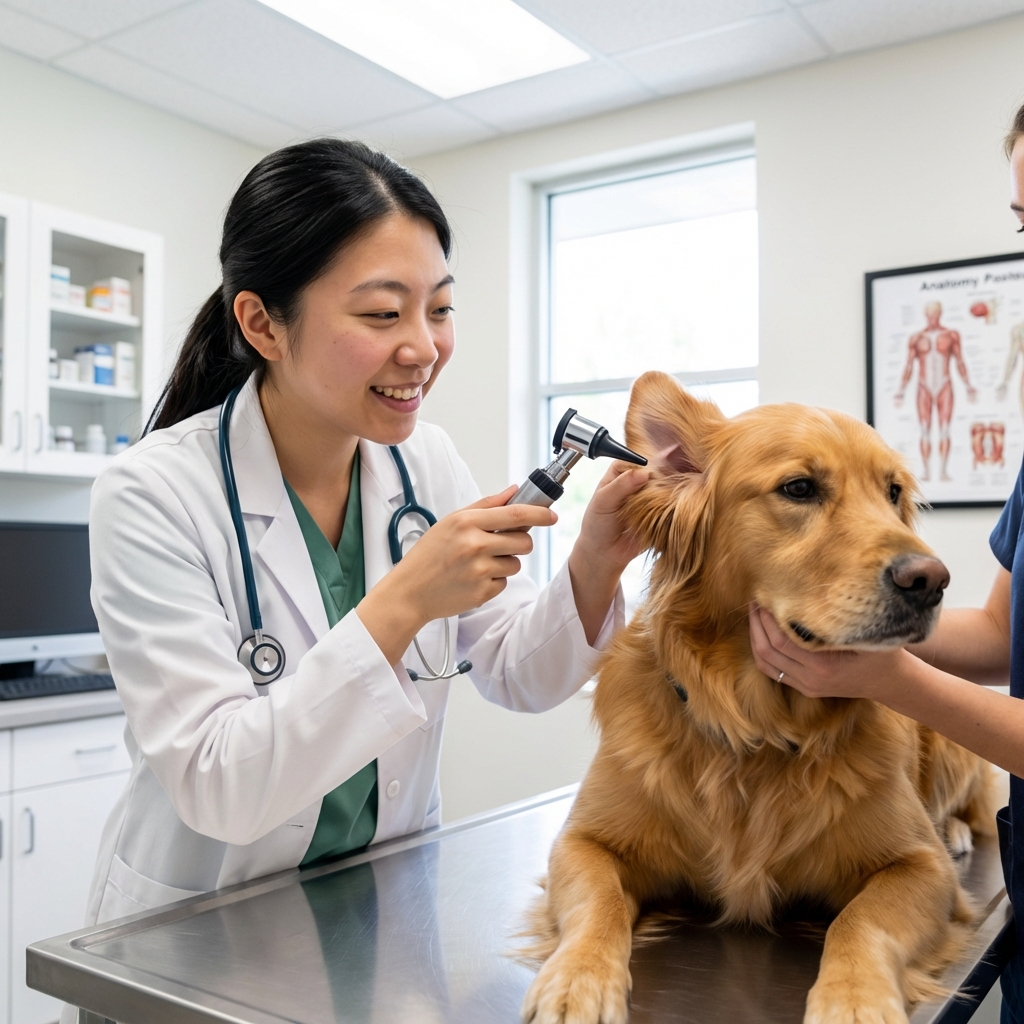
Is it food or something else?
Food allergies in dogs often show up as skin and ear issues. Gastrointestinal signs can happen too. The tricky part is that environmental allergies (like pollen or dust mites), parasites, and infections can look very similar. Food allergy is also less common than environmental allergies overall, so it helps to go in with realistic expectations and a solid plan.
Common signs that can fit
- Itching that is present year-round (not just seasonal)
- Recurrent ear infections or itchy ears
- Licking paws, rubbing face, itchy armpits or groin
- Soft stool, diarrhea, vomiting, excess gas
- Recurrent skin infections
Important note: Food allergy is an immune response. Food intolerance is different, and can cause digestive upset without the classic allergy pattern. Either way, an elimination plan can still help you identify what your dog does best on.
Why homemade for a trial?
Veterinary elimination trials are usually done with either a prescription hydrolyzed diet or a novel-protein diet. Those options can be excellent and are often my first choice for dogs with severe disease, or when a truly novel protein is hard to guarantee. Homemade can also work well when it is done carefully because:
- You control every ingredient, including hidden additives and flavorings.
- It is easier to avoid cross-contamination from shared manufacturing lines.
- You can keep the ingredient list extremely simple.
- It builds a clear roadmap for long-term feeding once triggers are known.
The key is being strict and consistent. Even small extras can invalidate the trial. Also, over-the-counter “limited ingredient” diets can still contain trace proteins from cross-contamination or labeling issues, so they are not always reliable for diagnosis.

The plan step by step
Step 1: Prep with your vet
- Confirm flea control is up to date. Flea allergy can mimic food issues.
- Treat infections (ears, skin) if present, so you can actually judge improvement.
- Review full diet history including treats, chews, flavored meds, toothpaste, supplements, and table scraps.
- Check “sneaky” exposures like flavored chewable preventives (heartworm or flea and tick), pill pockets, dental chews, and lickable supplements.
- Pick trial ingredients based on what your dog has truly never eaten, including in kibble, treats, or chews.
Step 2: Pick 1 protein and 1 carb
Many (but not all) canine food allergies involve proteins. Beef, chicken, dairy, and eggs are common triggers. Carbohydrates and grains can also be triggers in some dogs, just less often. For an elimination plan, you want ingredients that are new to your dog.
Novel protein options (choose one): rabbit, venison, duck, kangaroo, goat, pork, or a specific fish species (only if truly new for your dog). “Novel” is individual. Pork is not novel for many dogs, and “fish” is not one ingredient if your dog has eaten multiple species before.
Carb options (choose one): white potato, sweet potato, pumpkin, or white rice. Some dogs do best with a cooked starch during the trial because it is gentle on the gut.
Simple is the goal: one protein + one carbohydrate + water. That is your clean baseline.
Step 3: Switch to the trial diet
Most dogs do best with a gradual transition over 3 to 7 days, mixing increasing amounts of the trial diet with decreasing amounts of the old food. If your dog has a very sensitive stomach, your veterinarian may recommend a slower transition. If your dog is already having significant vomiting or diarrhea, ask your vet whether an immediate switch is better for your specific situation.
If diarrhea happens during the switch: pause at the last tolerated ratio for 2 to 3 days, then try advancing more slowly. If your dog has repeated vomiting, watery diarrhea, blood in stool, or seems unwell, stop and contact your veterinarian.
Step 4: Strict elimination phase (usually 8 weeks)
Most veterinary dermatology recommendations use an elimination trial of about 8 weeks to judge response, and some dogs need 10 to 12 weeks for skin and ears to fully settle. Your veterinarian may adjust the timeline based on your dog’s signs and medical history.
- Feed only the trial diet. No other treats, chews, flavored toothpaste, broth, toppers, oils, or leftover bites.
- Use safe treats made from the same trial protein (baked or dehydrated at home) or reserve part of the daily meal as treats.
- Keep a symptom journal (itch score 0 to 10, stool quality, ear redness, licking, hotspots).
- Keep it steady. Do not rotate proteins during this phase.
Home cooking safety reminders: no seasonings, and avoid onion, garlic, leeks, and chives. Do not feed cooked bones.
Step 5: Challenge phase (the proof)
If your dog improves during the elimination phase, the next step is a controlled challenge. This is where you add back one ingredient (often a previous protein like chicken or beef) and watch for relapse. Improvement alone is not proof without a challenge.
- Add one ingredient while keeping everything else the same.
- Many dogs flare within a few days, but some take longer. A common window is 7 to 14 days, and your vet may recommend shorter or longer depending on the signs you are tracking.
- If symptoms return, stop the challenge and go back to the baseline diet until your dog settles.
- Then test the next ingredient.
This step matters because dogs can improve for reasons unrelated to food, like better flea control or resolving an infection. The challenge is how we confirm a true dietary trigger.
Simple trial recipes
These are intentionally plain. During the elimination phase, boring is beautiful.
Option A: Duck and white rice
- Cooked duck meat (no skin, no seasoning)
- Cooked white rice
- Water as needed for moisture
Cook separately, then mix. If your dog prefers a softer texture, add warm water and mash lightly.
Option B: Venison and sweet potato
- Cooked ground venison (drain excess fat)
- Baked sweet potato (peeled)
- Water for moisture
How much to feed
Start with calories, not cups. Ask your veterinarian for a daily calorie target, then back into portions. As a simple starting framework during the trial, many dogs do well with roughly about half the calories from the protein and half from the carb, but this is not one-size-fits-all and can change with fat content, GI tolerance, and your dog’s weight goals.
If you want, ask your vet for a calorie goal and tell them which protein and carb you picked. They can help you convert that target into a daily gram amount for each ingredient.

Treats and hidden exposures
This is where most elimination plans fall apart, and it is not because anyone is careless. Exposure is sneaky.
Avoid during the trial
- Commercial treats (even “limited ingredient” ones)
- Rawhides, pig ears, bully sticks (protein source is often mixed or processed)
- Flavored chewable medications and preventives (ask your vet about non-flavored or topical options when possible)
- Peanut butter, cheese, yogurt, eggs, or “just a bite” of dinner
- Bone broth unless it is made only from the trial protein and water
- Oils, toppers, or supplements unless your veterinarian approves them as trial-safe
Better options
- Dehydrated or oven-baked strips of the trial protein
- A portion of the daily meal reserved for training
- Stuffed toy with mashed trial carb (like sweet potato only)
Nutrition and safety
A strict elimination diet is meant to be temporary. Many simple home diets are not balanced long-term, especially for calcium, essential fatty acids, iodine, zinc, and certain vitamins. Some small dogs and medically complex dogs can run into problems sooner than people expect, which is why veterinary guidance matters.
My practical guidance
- Use the strict 2-ingredient diet only for the trial window unless your vet directs otherwise.
- For longer-term feeding, ask your veterinarian about a complete and balanced recipe or referral to a board-certified veterinary nutritionist (DACVN).
- Do not add random supplements during the elimination phase unless your vet approves, because flavorings and proteins can sneak in.
Calcium note: If your dog is eating a home-prepared diet beyond the short trial, calcium balance becomes critical. Meat alone is not enough. This is one of the biggest reasons to involve your veterinary team when you transition from “trial” to “forever plan.”
What to expect and when
Many families notice some improvement within the first few weeks if food is truly involved, but full skin improvement may take longer.
- Weeks 1 to 3: GI changes may improve first (less gas, firmer stool).
- Weeks 3 to 8: Itching can start to reduce, ears may flare less often.
- Weeks 8 to 12: Better clarity on whether diet is a real driver.
If symptoms worsen: mild itch fluctuations can happen, but any significant worsening, new hives, facial swelling, repeated vomiting, or watery diarrhea is a reason to stop and call your veterinarian.
If your dog is not improving at all by week 8, talk with your vet. That is often the point where we reassess for environmental allergies, infections, or a different diet approach (like a hydrolyzed prescription food).
Reintroduction plan
Once you have a stable baseline and you have confirmed a trigger with a challenge, you can expand your dog’s diet in a controlled way.
A simple method
- Keep the baseline diet steady.
- Add one new ingredient (example: oats) for a vet-guided window, often 7 to 14 days. Some dogs show a reaction within days, and some take longer.
- If no symptoms, that ingredient is likely safe and can stay.
- Between tests, many dogs do fine with a brief “reset” period on the baseline. This can be a few days, but your vet may recommend longer if your dog is slow to settle after flares.
This slow pace feels tedious, but it is how you end up with a confident list of safe foods for years to come.
When to call your vet
- Vomiting repeatedly, diarrhea lasting more than 24 to 48 hours, or any blood in stool
- Hives, facial swelling, or sudden trouble breathing (emergency)
- Rapid weight loss, refusal to eat, or lethargy
- Puppies or dogs with chronic illness starting an elimination plan
You know your dog best. If something feels off, it is always okay to check in.
Consistency is your superpower in an elimination diet. The cleaner the trial is, the faster you get real answers.
A gentle starting point
If you are feeling overwhelmed, start with two actions: (1) write down everything your dog eats in a normal week, including supplements and chews, and (2) schedule a quick vet check to rule out fleas and infection. Once those pieces are handled, a homemade elimination plan becomes much easier and far more reliable.
Sources
- Veterinary dermatology consensus guidance and standard clinical protocols commonly recommend an elimination diet trial of about 8 weeks, with some cases requiring up to 10 to 12 weeks for skin signs.
- Elimination and challenge testing is widely recognized as the diagnostic gold standard for adverse food reactions in dogs.