Making homemade cat food? Avoid nutrient gaps. Learn the core supplements cats need—taurine, calcium balance, vitamin/mineral premix, omega-3s, vitamin E, ...
Article
•
Designer Mixes
Homemade Cat Food Without Bone

Shari Shidate
Designer Mixes contributor
If you have ever looked at a raw or homemade cat food recipe and thought, “Wait, where am I supposed to get bones?”, you are not alone. As a veterinary assistant here in Frisco, Texas, I talk to caring cat parents all the time who want to feed better, but they also want it to be safe, realistic, and not a science project in their kitchen.
The good news is yes, you can make homemade cat food without bone. The key is understanding what bone provides and replacing it correctly, especially for calcium-to-phosphorus balance and essential nutrients like taurine.
Why bone matters and what you must replace
In homemade cat food, bone is usually included for two reasons:
- Calcium (cats need adequate calcium every day)
- Calcium-to-phosphorus balance (meat is naturally high in phosphorus and low in calcium)
If you remove bone and do not replace calcium, your cat can develop nutritional secondary hyperparathyroidism over time. That can mean weak bones, pain, and serious health issues. So the goal is simple: no bone is fine, but no calcium is not.
For most homemade cat diets without bone, eggshell powder is one of the most practical calcium sources, and it is widely used in veterinary nutrition recipes when measured accurately.
Before you start: safety
Homemade feeding is not a great fit for every cat and every household. Please check with your veterinarian first, especially if your cat is:
- A kitten (growth has very specific nutrient requirements)
- Pregnant or nursing
- Diagnosed with kidney disease, urinary crystals, heart disease, diabetes, pancreatitis, or GI disease
- Underweight, very picky, or has frequent vomiting or diarrhea
Food safety matters. Cats can get sick from pathogens in raw meat, and people in the home can, too. If you have young children, elderly family members, or anyone immunocompromised at home, consider a cooked recipe and extra kitchen hygiene.
Broth note: Only use truly unsalted broth with no onion or garlic (including onion or garlic powder), since those ingredients can be harmful to cats.
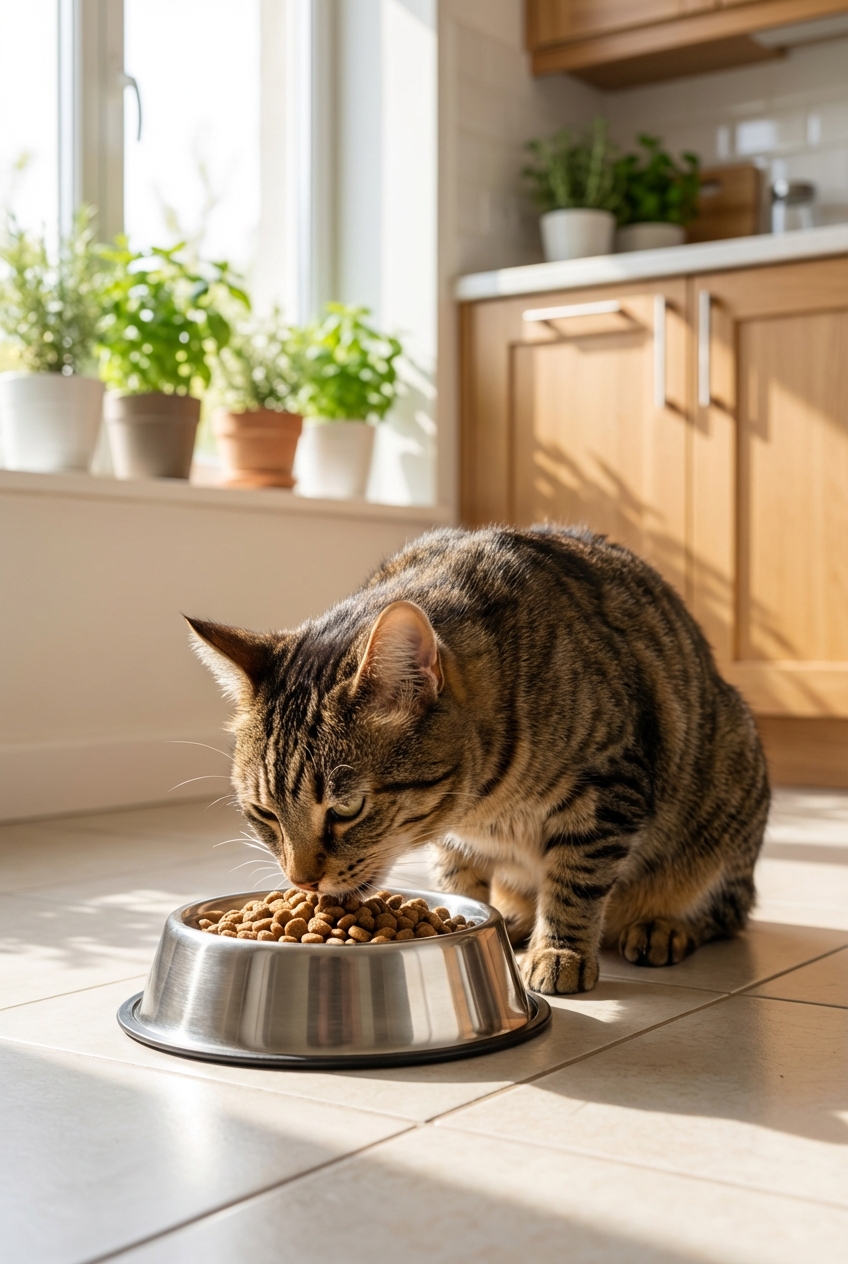
Must-have nutrients
Cats are obligate carnivores. That means they thrive on animal-based nutrition, and they have specific needs that dog recipes do not automatically meet.
1) Taurine
Taurine is essential for cats and is critical for heart health, vision, and reproduction. Many homemade diets end up taurine-deficient unless you plan carefully. Taurine is found in animal tissues, especially dark meat and heart, but amounts vary and cooking can reduce it. That is why many balanced homemade plans include a measured taurine supplement.
2) Calcium (without bone)
When you skip bone, you typically use finely ground eggshell powder or a veterinary-recommended calcium supplement. Eggshell is mostly calcium carbonate and works well when measured correctly.
3) Vitamin A and key micronutrients
Cats cannot convert beta-carotene to vitamin A efficiently the way humans do. This is why small amounts of liver are often used in balanced recipes. Too much liver can be harmful, so it has to be measured, not guessed.
Cooking and storage can also reduce some vitamins, and many DIY diets fall short on B vitamins and vitamin E unless a recipe or premix includes them.
4) Essential fatty acids
Cats need arachidonic acid (from animal fat) and benefit from omega-3 fatty acids (EPA and DHA). Many balanced recipes use a measured fish oil supplement for omega-3s.
5) Iodine and vitamin D
Iodine is a common “invisible” deficiency in DIY diets. Vitamin D can also be low or inconsistent. This is one of the reasons a complete recipe often includes a specific nutrient mix (premix) formulated for homemade cat food.
Calcium options
Here are common options, with a quick real-life perspective:
- Eggshell powder: Affordable, easy to make at home, and widely used. Must be ground very fine and measured accurately.
- Calcium carbonate powder: Consistent and easy to measure. Use a veterinary-guided amount.
- Premix for homemade cat food: Often the simplest path to balanced nutrition because it may include calcium plus vitamins and trace minerals (often iodine, B vitamins, and vitamin E).
A note about dairy: Milk, yogurt, and cheese are not reliable calcium solutions for balancing meat-based diets, and many cats are lactose intolerant. Think of dairy as an occasional treat for some cats, not a nutrition foundation.
Recipe components (not a full recipe)
This section is a framework, not a complete and balanced recipe by itself. It is here to make the “what goes into it” part feel less mysterious when you are skipping bone. For long-term feeding, use a board-certified veterinary nutritionist recipe or a reputable premix and follow the exact label instructions.
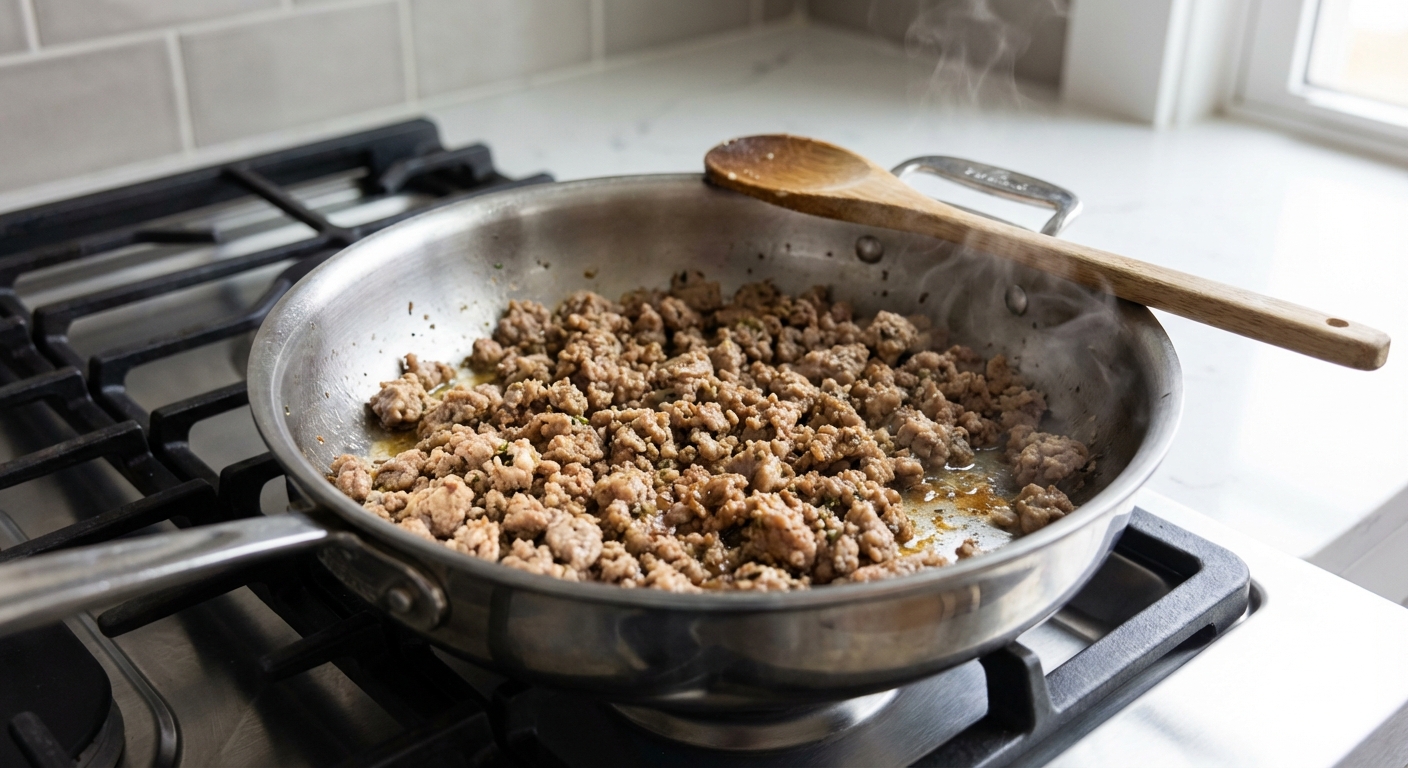
Typical components
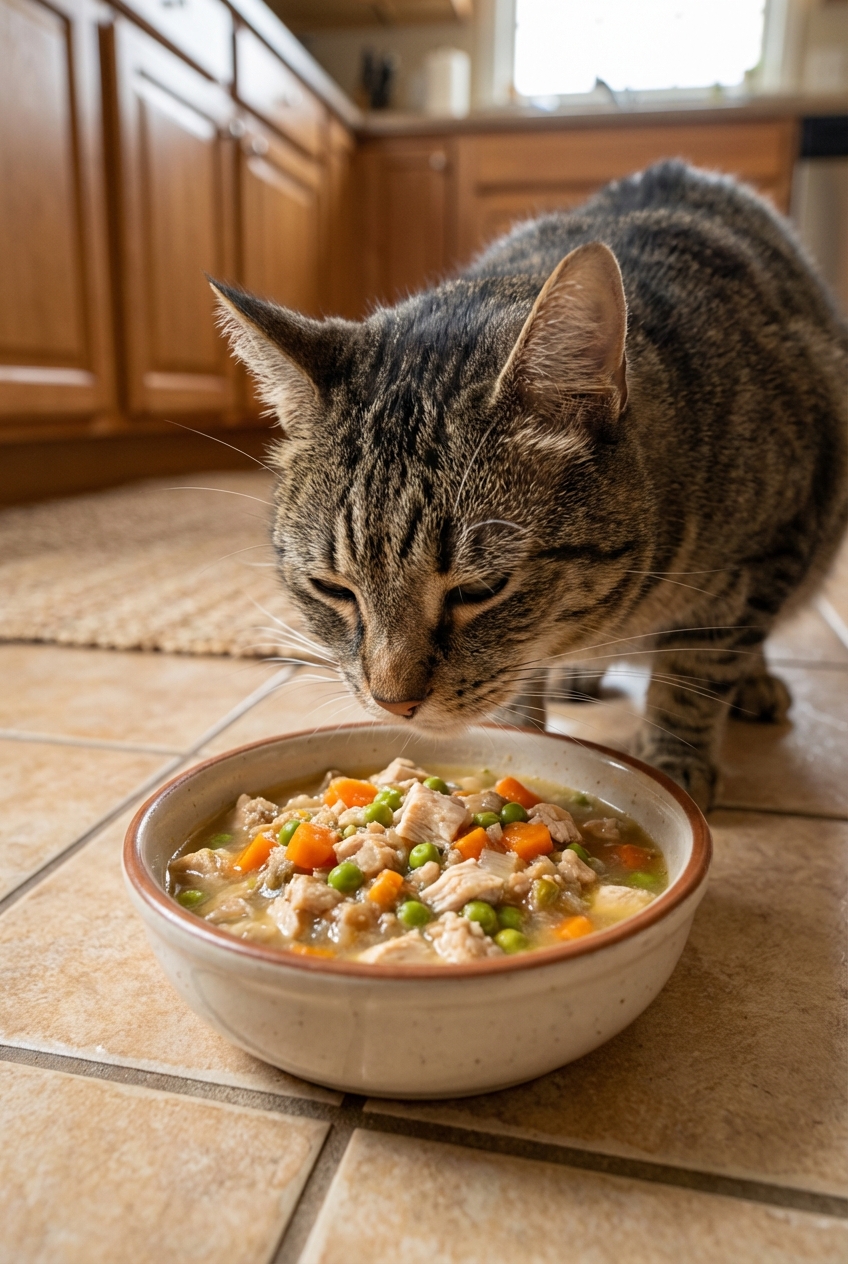
- Boneless meat: cooked dark-meat turkey or chicken (often higher taurine than breast), chopped or ground
- Organ: a measured small amount of chicken liver (do not free pour)
- Optional: cooked chicken hearts (great taurine support)
- Calcium source: finely ground eggshell powder or calcium supplement as directed by your recipe
- Omega-3 source: fish oil in a measured amount (too much can cause GI upset)
- Taurine: supplement if your recipe calls for it
- Essential nutrient mix: a premix or supplement plan that covers iodine, vitamin E, B vitamins, and trace minerals, as directed by a veterinary nutritionist or premix label
- Water or broth: to increase moisture (unsalted and no onion or garlic)
Basic method
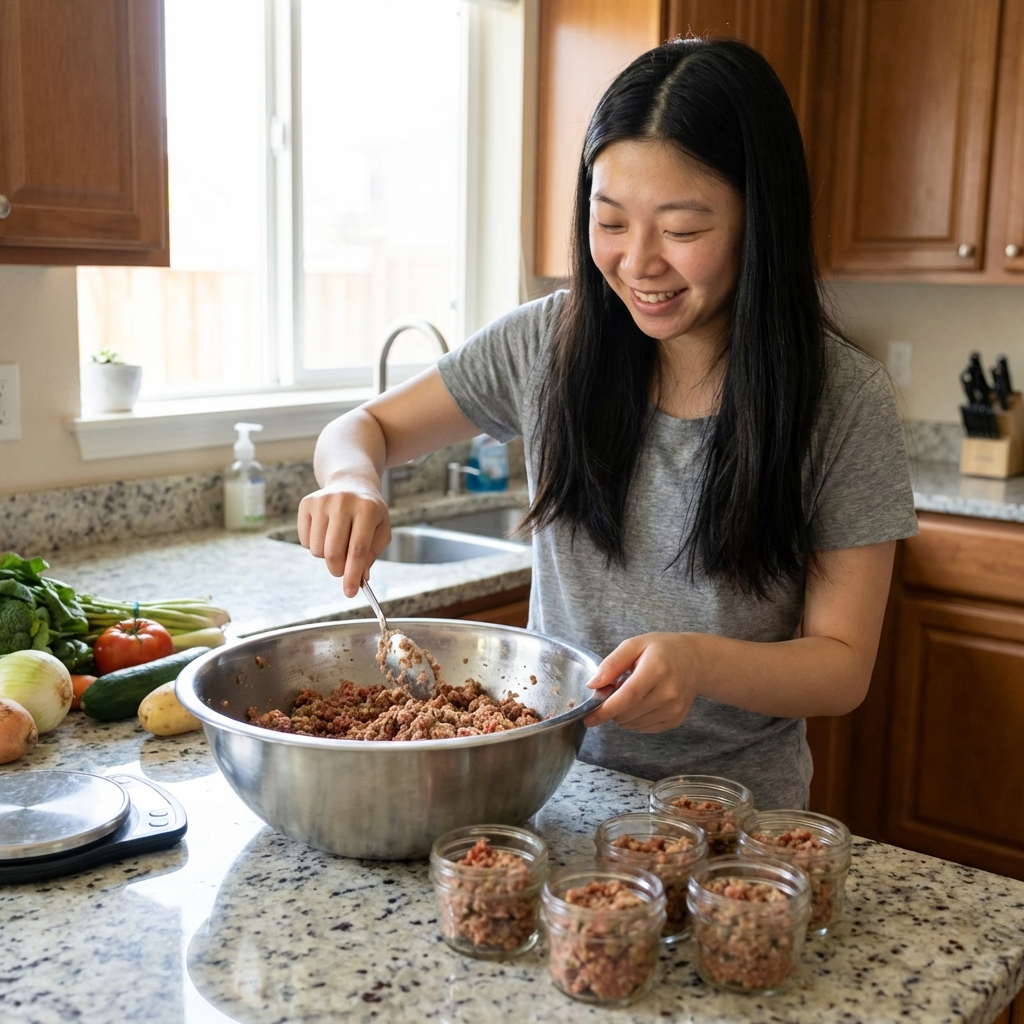
- Cook the meat gently until fully done, then cool.
- Chop or grind to your cat’s texture preference.
- Mix supplements after cooling (heat can damage certain vitamins and reduce taurine).
- Add water or broth to reach a soft, moist consistency.
- Portion and store in the refrigerator promptly and freeze extra portions.
If you only take one thing from this article, let it be this: with boneless meat, you must add a properly measured calcium source and a plan for the missing vitamins and minerals. “Meat only” is not a complete cat diet.
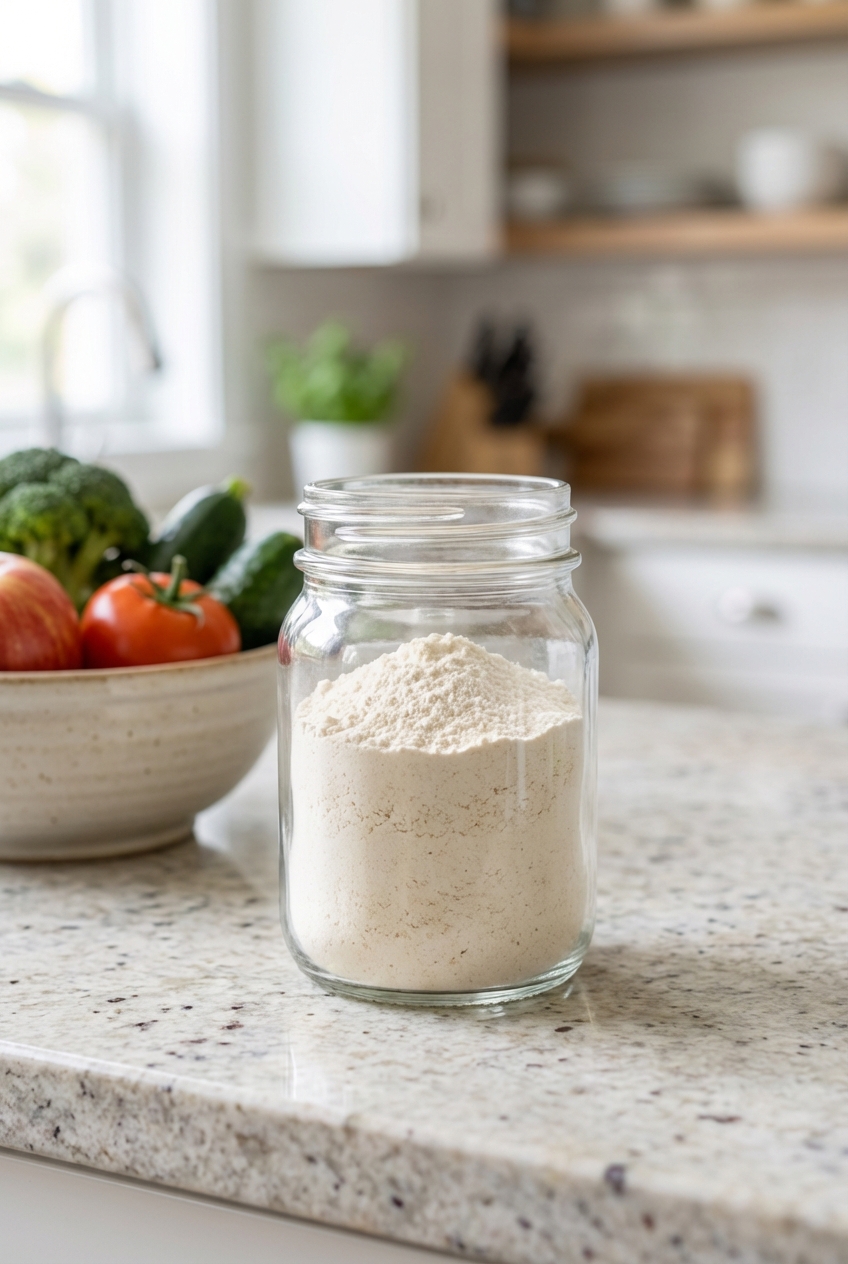
Eggshell powder basics
Eggshell powder can work beautifully, but texture and cleanliness matter.
- Rinse eggshells and remove the inner membrane if you can.
- Dry thoroughly (air-dry or bake at a low temperature until fully dry).
- Grind to a very fine powder using a clean coffee grinder or high-powered blender.
- Store in an airtight container away from moisture.
Important: Do not guess the dose. The right amount depends on how much meat you are feeding and the overall recipe balance. Use a recipe from a board-certified veterinary nutritionist (for example, ACVIM (Nutrition) in the US or ECVCN in Europe) or a trusted premix that provides exact measurements.
Transitioning slowly
Cats can be skeptical eaters, and sudden diet changes can cause vomiting, diarrhea, or total refusal. Go slow:
- Days 1 to 3: 10% new food mixed into the current diet
- Days 4 to 6: 25% new food
- Days 7 to 10: 50% new food
- Days 11 to 14: 75% new food
- After day 14: 100% if stool, appetite, and energy look good
Some cats need longer. If stools soften or your cat acts “off,” pause at the current step for a few days before increasing again.
Watch litter box output closely. Healthy poop, normal appetite, and steady weight are your best early clues you are on the right track.
Portions and body condition
Even a well-designed recipe can cause problems if portions are off. Start by monitoring:
- Weekly weight checks for the first month
- Body condition (you should be able to feel ribs with a light fat cover)
- Coat, energy, and stool quality
If your cat is gaining or losing weight, adjust portions with your veterinarian’s guidance. Calorie needs vary a lot by age, activity, and whether your cat is indoor-only.
Common mistakes
- Feeding plain chicken and rice long-term: This is not balanced for cats. It may be used temporarily for specific vet-guided situations, but it is not a complete diet.
- No taurine plan: Do not assume muscle meat automatically covers it.
- Too much liver: Liver is powerful nutrition, but it must be measured to avoid excess vitamin A.
- Skipping iodine: This is one of the most common DIY gaps and a reason premixes can be so helpful.
- Skipping omega-3s: Many cats benefit from EPA and DHA support, especially for skin, coat, and inflammation.
- Improper storage: Chill promptly, portion, and freeze extras. When in doubt, freeze. Do not leave cat food out for hours.
When a premix is best
If you want homemade food but you also want more confidence that the plan is complete, consider a reputable homemade cat food premix. Many are designed specifically for boneless meat, which is exactly what you are looking for. You provide the meat and sometimes liver or fish oil, and the premix fills in vitamins, minerals, and calcium (often including iodine, vitamin E, and B vitamins).
This is often my favorite middle path for busy cat parents. You still control ingredient quality, and you reduce the risk of missing key nutrients.
Quick checklist
- Use a recipe that is complete and balanced for cats, not dogs.
- Replace bone with a measured calcium source (often eggshell powder or calcium carbonate).
- Have a plan for taurine.
- Include appropriate organ in the right amount or use a premix that accounts for it.
- Do not forget iodine, vitamin E, and B vitamins (premixes often cover these).
- Add moisture and handle food safely (and avoid broths with onion or garlic).
- Transition slowly and monitor weight, coat, and stool.
If you are considering homemade long-term, bring your cat’s age, weight, and medical history to your veterinarian, and ask whether a board-certified veterinary nutritionist recipe or a premix-based plan is the safest fit.