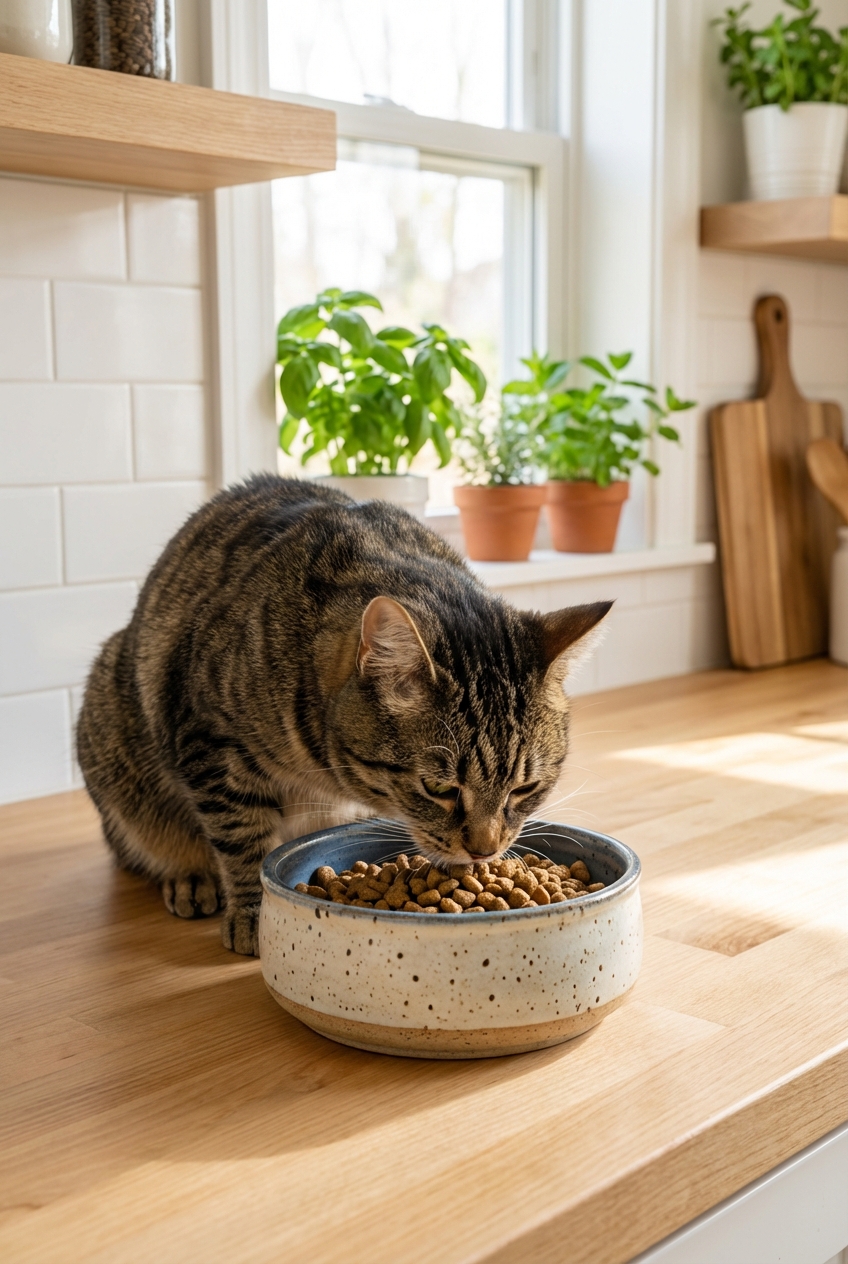
Want to feed homemade cat food safely? Learn what “vet approved” really means, nutrients cats must get (taurine, calcium), food safety rules, and a gentl...
Article
•
Designer Mixes
Homemade Cat Food Supplements You Really Need

Shari Shidate
Designer Mixes contributor
If you are making homemade cat food, you are already doing something really loving for your cat. But here is the part that surprises many pet parents: for cats, homemade meals usually need supplements to be complete and safe long-term, unless the recipe is formulated by a veterinary nutritionist and built to meet NRC or AAFCO targets with precise ingredients and amounts.
Cats are obligate carnivores. That means they are built to get most of their nutrition from animal tissues, especially muscle meat and organs. When we cook and assemble recipes at home, it is easy to accidentally miss key nutrients like taurine, calcium, iodine, and certain vitamins and minerals. Those gaps can take months to show up, and by then your cat may already be struggling.
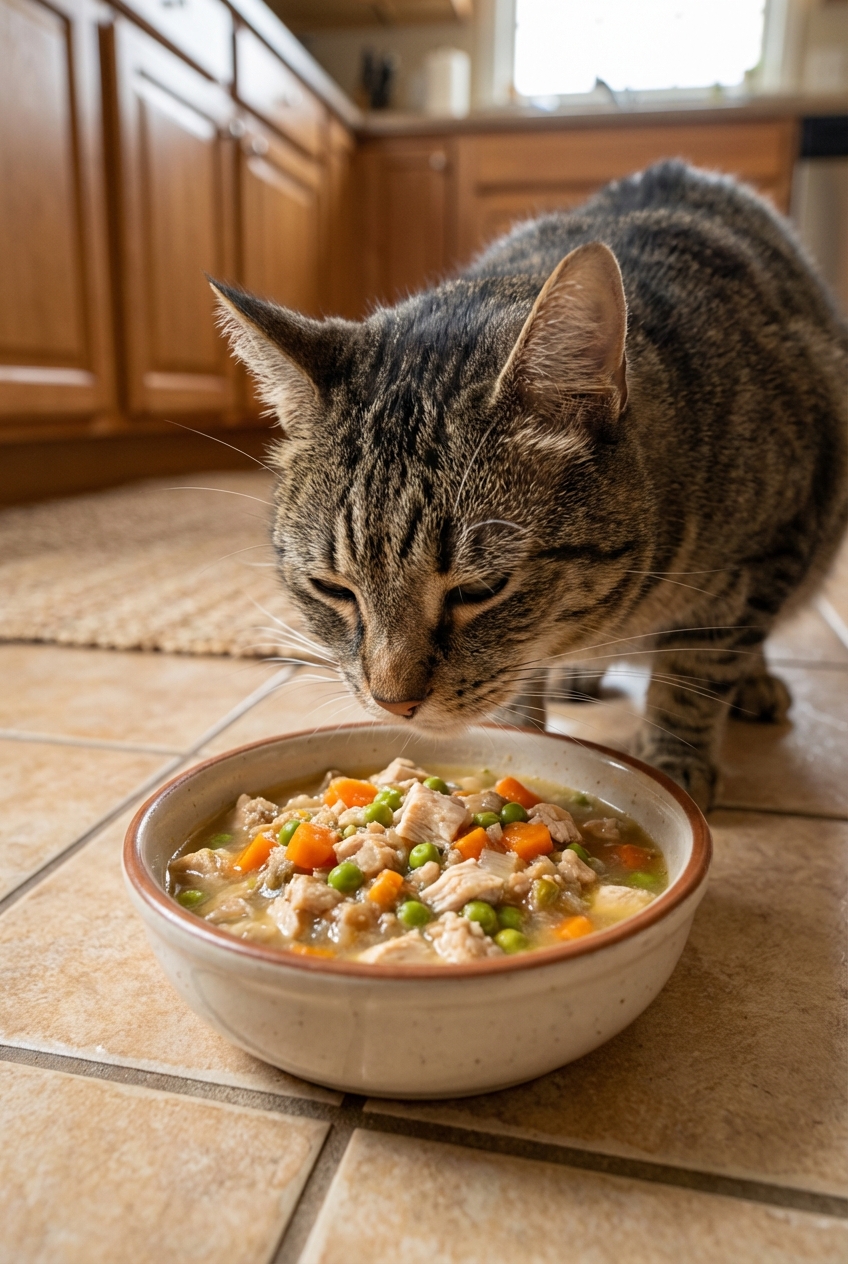
Below are the supplements that matter most, why they matter, and how to use them safely. I will keep this practical and grounded in current nutrition standards, because your cat deserves both heart and science.
First, a safety note
Homemade diets can be wonderful, but they should be balanced to recognized standards (like AAFCO or NRC nutrient profiles). If your cat is a kitten, pregnant, nursing, senior, or has kidney disease, heart disease, IBD, pancreatitis, or diabetes, please partner with your veterinarian and ideally a board-certified veterinary nutritionist (DACVN).
Do not “wing it” with cats. They have less nutritional flexibility than dogs, and deficiencies can become serious.
If you feed raw, keep household risk in mind. Raw diets can carry pathogens. High-risk households (young children, immunocompromised people, elderly family members) should be extra cautious and discuss safer options with their veterinarian.
The core supplements most homemade cat diets need
1) Taurine (non-negotiable)
Why it matters: Taurine is essential for cats. Deficiency is linked with dilated cardiomyopathy, retinal degeneration (vision loss), reproductive issues, and poor growth.
Why homemade needs it: Taurine is naturally found in animal tissues, especially heart and darker meats. But levels vary by ingredient, and taurine content and availability can be affected by grinding, storage, and cooking method. Many homemade recipes do not reliably hit the target without adding taurine.
- Common form: taurine powder or capsules (pure taurine, no sweeteners or xylitol).
- Practical tip: mix thoroughly into cooled food so each portion is consistent.
2) Calcium (to balance phosphorus)
Why it matters: Meat is high in phosphorus and low in calcium. Cats need an appropriate calcium-to-phosphorus ratio to support bones, teeth, nerve function, and muscle contraction. When calcium is too low relative to phosphorus, the body pulls calcium from bones.
Why homemade needs it: If you are feeding boneless meat (very common in home kitchens), you must add calcium. Minerals can be supplied via bone in some raw formulations, or via measured supplements. Bone is not “required” biologically, but the minerals are.
Bone safety: Never feed cooked bones. They can splinter and cause choking or internal injury. Even raw bones can cause dental fractures, constipation, and other problems, and are not appropriate for every cat or household.
- Common options: finely ground eggshell calcium, calcium carbonate, or a veterinary-formulated calcium blend.
- Avoid: random “bone meal” products unless they are quality-controlled for pets. Some can contain heavy metals.
3) A complete vitamin and mineral premix (the easiest path)
Why it matters: Cats require specific amounts of fat-soluble vitamins (A, D, E), B vitamins (especially thiamine), trace minerals (zinc, copper, manganese, selenium), and more. It is very hard to hit these targets consistently using grocery store ingredients alone. Many premixes also include nutrients that are not often discussed but still matter, and they help keep electrolyte balance (sodium, potassium, chloride) where it should be.
Why homemade needs it: Even recipes that include meat and liver often miss iodine, vitamin E, certain B vitamins, and trace minerals unless a premix is used.
Practical advice: Use a supplement premix designed specifically for homemade cat diets and follow its instructions exactly. Premixes are typically formulated for a specific amount of meat and sometimes specific organ amounts. Do not “round” measurements, dilute the mix across extra batches, or swap ingredients without checking whether the nutrient math still works.
4) Omega-3 fatty acids (EPA and DHA)
Why it matters: Omega-3s support skin and coat health and may help with inflammation. Many homemade diets are heavy in poultry and lean meats, which are higher in omega-6 fats but relatively low in EPA and DHA.
Best sources: fish oil (anchovy, sardine, salmon) or algae-based DHA and EPA oil if fish is not tolerated.
- Practical tip: choose products that list the amount of EPA + DHA, not just “fish oil mg.”
- Storage tip: keep oils away from heat and light to reduce rancidity.
- Avoid: cod liver oil as your omega-3 “solution.” It can add excessive vitamin A and vitamin D over time.
5) Vitamin E (especially if you add fish oil)
Why it matters: Diets higher in polyunsaturated fats (like those with fish oil) increase vitamin E needs. Vitamin E helps protect cells from oxidative damage.
Homemade connection: If you supplement omega-3s, vitamin E is often recommended to help prevent deficiency issues such as steatitis (painful inflammation of fat tissue), historically called “yellow fat disease.”
6) Arachidonic acid (often overlooked)
Why it matters: Cats cannot make enough arachidonic acid from plant oils. It is an essential fatty acid for cats and supports skin, reproduction, and other core functions.
Homemade connection: Diets built around very lean meats can come up short unless they include appropriate animal fat sources or a complete premix that accounts for it. This is one reason cat-specific formulations matter.
Supplements that depend on your recipe
Iodine (often missed)
Why it matters: Iodine is required for thyroid hormone production. Too little can cause problems, and too much can also be harmful. This is why iodine is a “measure carefully” nutrient.
Best approach: Whenever possible, get iodine from a complete premix that is formulated for cats. That is the safest, cleanest route.
If a plan calls for iodine separately: Some formulations use a measured amount of iodized salt or a controlled iodine source. This is not casual DIY. Salt changes sodium and chloride too, and kelp products can vary widely in iodine content. Do not guess.
B-complex vitamins (especially thiamine)
Why it matters: Cats need reliable thiamine (vitamin B1). Deficiency can cause serious neurological signs.
When it is needed: Many premixes cover B vitamins. Without a premix, a veterinarian may recommend a balanced B-complex. This can matter even more if the diet uses a limited ingredient approach or is stored or frozen for long periods.
Iron, zinc, and copper (usually handled by a premix)
Why it matters: These trace minerals support red blood cell production, immune function, skin health, and enzyme systems.
Homemade reality: A little liver helps, but it does not automatically balance everything. Too much liver can overshoot vitamin A, while still not fixing iodine or vitamin E.
Fiber (sometimes helpful)
Why it matters: Some cats get constipated on certain homemade cooked diets, especially if the recipe is very low in fiber and moisture. Others do better with almost none.
Best approach: Treat fiber as recipe-dependent and cat-dependent. If constipation or messy stools become a pattern, talk with your vet about adjusting moisture, fat level, and whether a small amount of an appropriate fiber source makes sense.
Whole foods vs supplements
I love whole foods, and they absolutely belong in homemade cat diets. But with cats, whole foods usually work best alongside a properly designed supplement plan.
- Heart: a great natural taurine source, but still not perfectly consistent meal-to-meal.
- Liver: nutrient-dense, but too much can cause vitamin A excess over time.
- Eggs: helpful protein and nutrients, but do not fix the calcium-to-phosphorus imbalance of boneless meat by themselves.
Think of supplements as the “seat belt” that helps your recipe stay safe and complete.
Do not add these casually
Calcium without calculations
Too little calcium is dangerous, but too much can also cause problems. Calcium needs to be matched to the amount of meat and organs in the recipe.
Vitamin D
Vitamin D is essential, but overdosing is a real risk and can be life-threatening. Use only what is included in a cat-specific premix or veterinarian-formulated plan.
Herbal blends
Many herbal products have not been tested for safety or dosing in cats. Cats also metabolize certain compounds differently than dogs and humans. If you want to use botanicals, do it with veterinary guidance.
Garlic and onion powders
These can contribute to oxidative damage to red blood cells in cats. Keep them out of cat food.
How to choose a supplement plan
- Pick a recipe first, then supplement to match it. Supplements are not one-size-fits-all.
- Choose cat-specific products. Cats have different needs than dogs, especially for taurine, arachidonic acid, and vitamin A handling.
- Measure with real tools. Use a gram scale for powders whenever possible.
- Mix thoroughly. Supplements should be evenly distributed so each serving is balanced.
- Monitor results. Watch stool quality, appetite, coat, weight, and energy. Schedule regular vet checkups and ask about lab work for long-term homemade feeding.

A simple starting point
If you want the least complicated, most reliable approach, here is what I suggest for most healthy adult cats:
- A veterinarian-approved homemade recipe (cooked or raw, depending on your household risk tolerance).
- A cat-specific complete vitamin and mineral premix used exactly as directed.
- Taurine added if the premix does not provide it at adequate levels or if the recipe specifically calls for extra.
- Calcium added if the recipe uses boneless meat and the premix does not fully cover calcium needs.
- Omega-3 (EPA/DHA) plus vitamin E as directed.
It is not about adding a dozen trendy powders. It is about covering the nutrients cats truly cannot do without.
When to call your vet
If your cat is on homemade food and you notice any of the following, check in with your veterinarian:
- Weight loss or muscle loss
- Vomiting, diarrhea, or constipation lasting more than 24 to 48 hours
- Dull coat, flaky skin, excessive shedding
- Weakness, wobbliness, or behavioral changes
- Reduced appetite or sudden pickiness
Kittens, seniors, and cats with chronic disease should be assessed sooner if anything feels “off.” Many nutrition issues are fixable when caught early.
Bottom line
Homemade feeding can be a beautiful way to support your cat’s health. The key is doing it in a way that is complete, consistent, and safe. In my experience as a veterinary assistant, the biggest wins come from getting the fundamentals right: taurine, calcium balance, and a truly cat-appropriate vitamin and mineral foundation.
If you tell me your cat’s age, weight, and whether you are cooking or feeding raw, I can help you think through the supplement categories you will likely need to discuss with your vet.