Want to feed homemade cat food safely? Learn what “vet approved” really means, nutrients cats must get (taurine, calcium), food safety rules, and a gentl...
Article
•
Designer Mixes
Homemade Cat Food Safety

Shari Shidate
Designer Mixes contributor
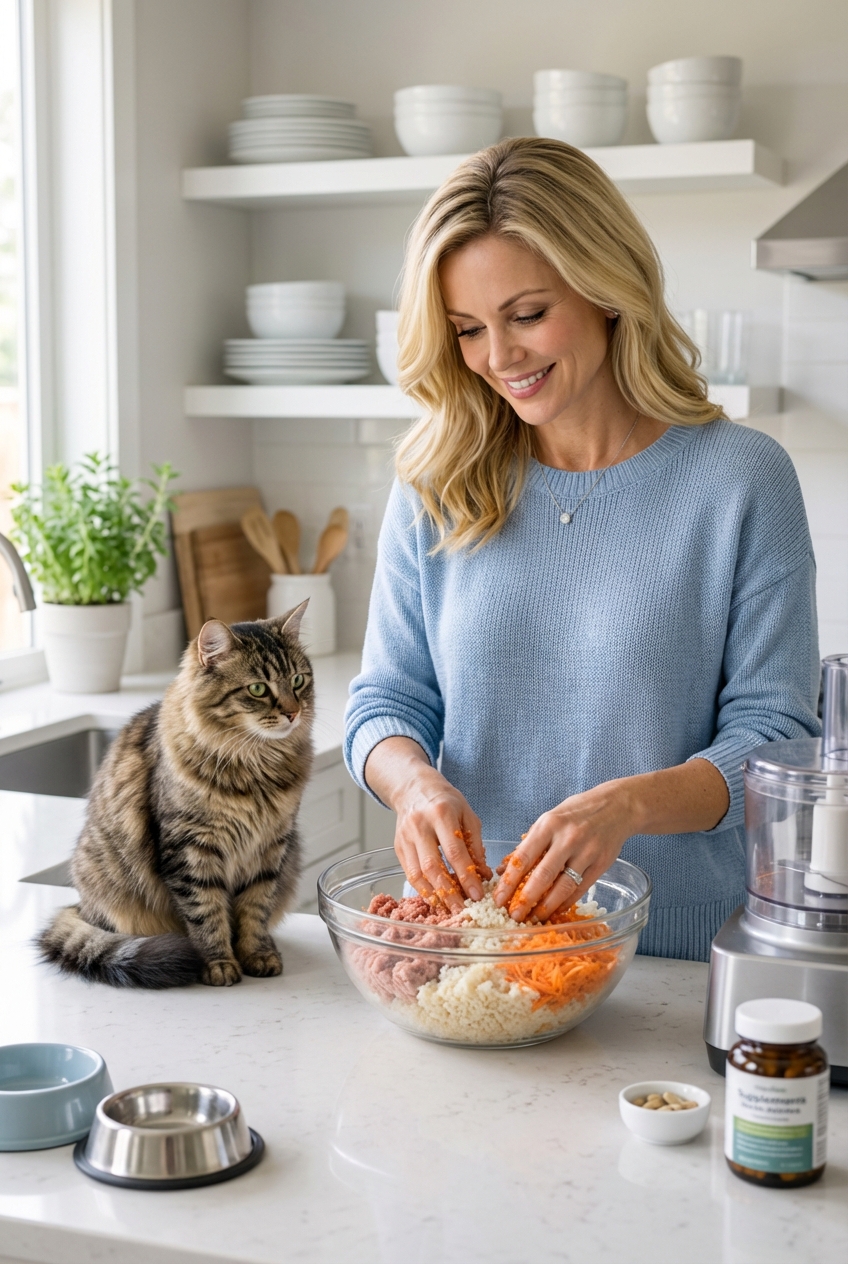
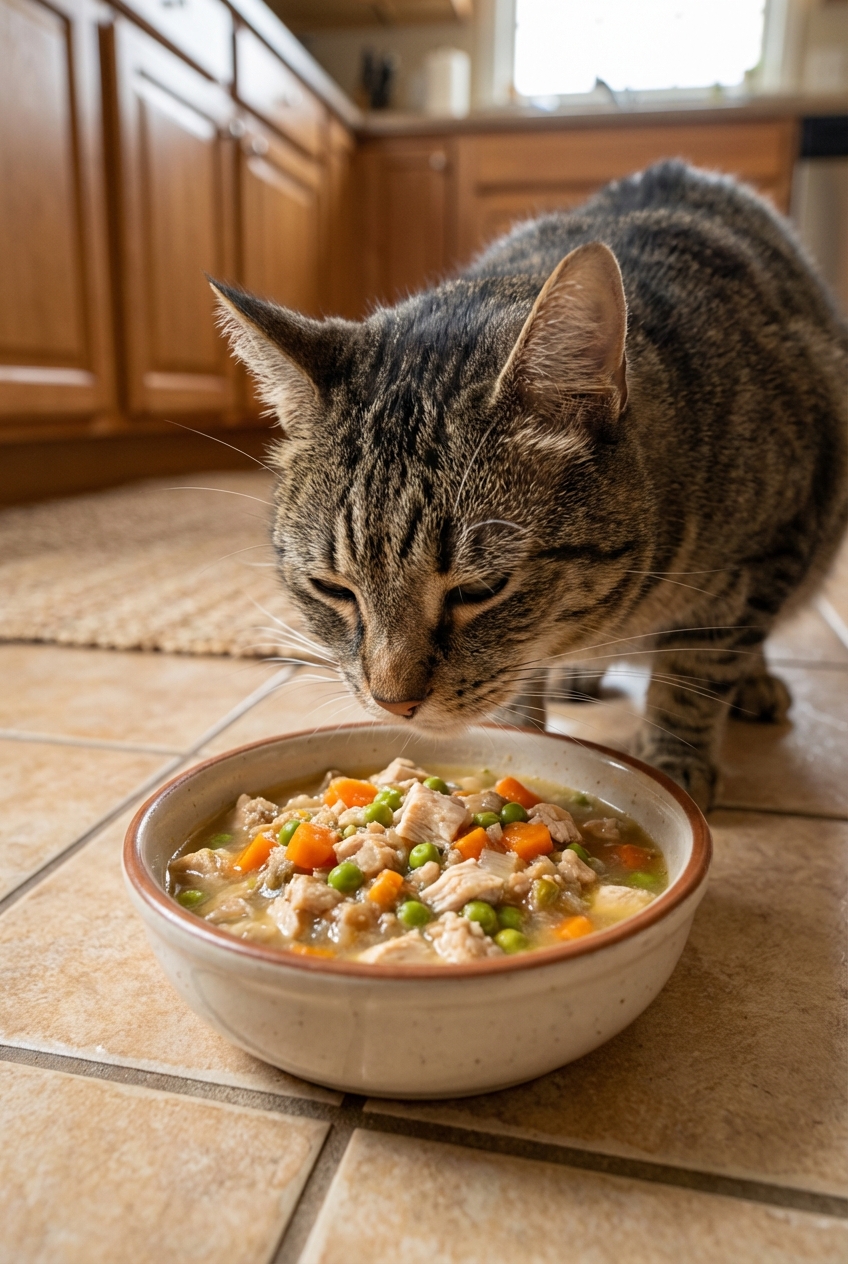
Homemade cat food can be a wonderful way to control ingredients, support hydration, and tailor meals for allergies or sensitive stomachs. But here is the honest truth from someone who has spent time in veterinary settings: cats are not small dogs. They have very specific nutrient requirements, and “almost right” can become dangerous over time.
This article walks you through the biggest safety risks, the non-negotiable nutrients, and simple habits that make homemade feeding safer for you and your cat.
First: is homemade right for your cat?
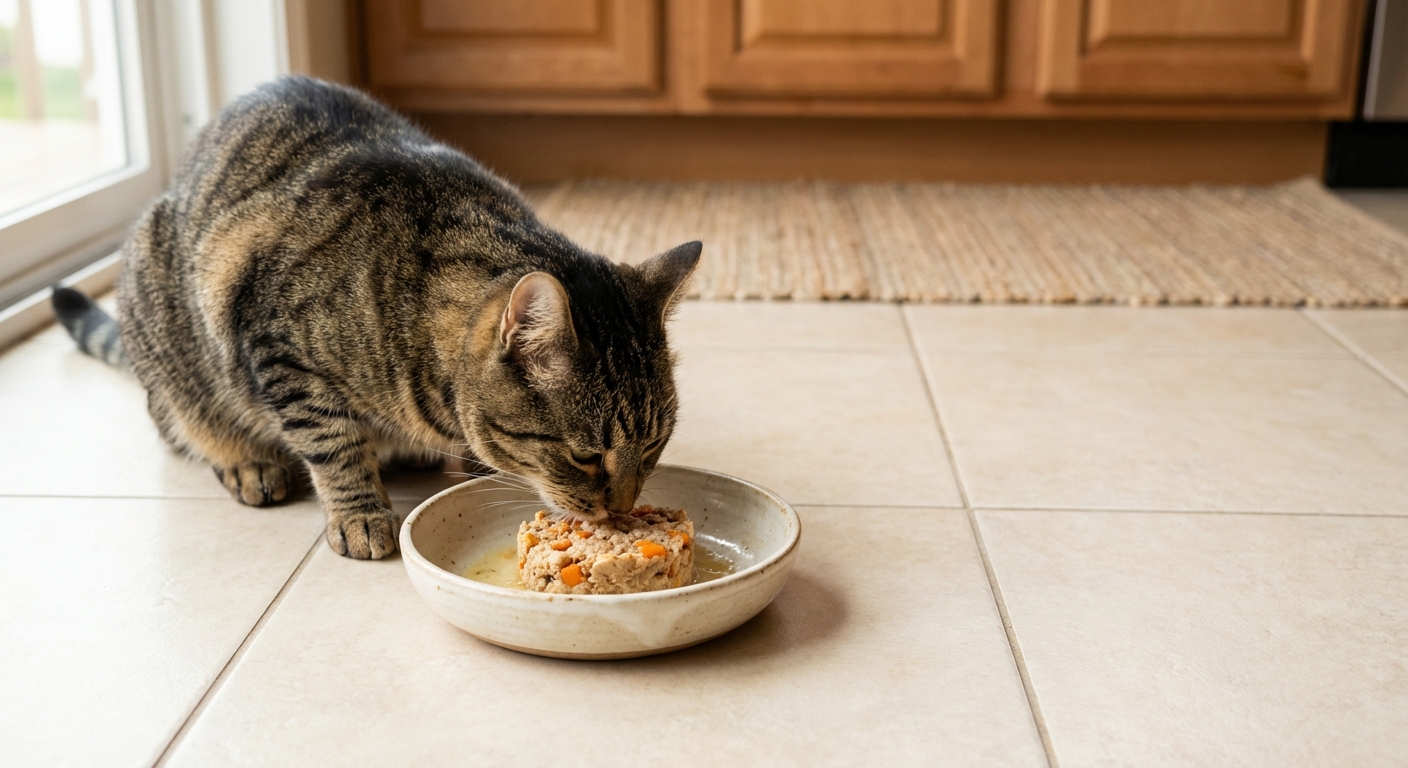
Homemade diets can help some cats thrive, especially when commercial options are limited by allergies, GI disease, or preference issues. But there are situations where you should pause and talk with your veterinarian first.
Be extra cautious if your cat has:
- Kidney disease (phosphorus, protein, and sodium often need careful control)
- Heart disease (taurine and sodium balance matter a lot)
- Diabetes (carb level and feeding schedule need consistency)
- Pancreatitis or chronic GI disease (fat level and digestibility need planning)
- A history of urinary crystals (mineral balance and urine pH are key)
- Kittens, pregnant, or nursing cats (nutrient needs are higher and deficiencies show up faster)
If any of these apply, you can still feed homemade, but it should be done with a recipe formulated for your cat’s medical needs.
The biggest mistake: unbalanced recipes
The biggest risk with homemade cat food is not “freshness.” It is nutrient imbalance. Cats are obligate carnivores, and they require specific amino acids, fatty acids, vitamins, and minerals in precise ranges.
Many online recipes look healthy but are missing one or more essential nutrients. The scary part is that deficiency signs can take weeks to months to show up.
Key nutrients you cannot “guess”
- Taurine: essential for heart health, vision, and reproduction. Cooking and storage can reduce taurine content. Taurine deficiency is a known cause of dilated cardiomyopathy and retinal degeneration, even though most cases of feline heart disease today are not primarily caused by taurine deficiency.
- Calcium-to-phosphorus balance: muscle meat is high in phosphorus and low in calcium. Without a correct calcium source, cats can develop bone and metabolic issues.
- Vitamin A (preformed): cats cannot convert beta-carotene from plants into enough active vitamin A. But too much liver can cause vitamin A toxicity.
- Thiamine (vitamin B1): deficiency can cause neurologic signs. Raw fish and some preparation mistakes increase risk.
- Essential fatty acids (including arachidonic acid): cats require animal-based sources.
- Iodine, zinc, copper, selenium: trace minerals matter and can be off in both directions.
Practical takeaway: If you want to feed homemade long-term, use a recipe formulated by a board-certified veterinary nutritionist (DACVN or ECVCN), or use a recipe that includes a complete, species-appropriate supplement mix designed for homemade cat food.
What “balanced” looks like
You do not need to become a nutrition expert to spot red flags. A balanced homemade plan usually includes:
- A primary animal protein (with a consistent fat level)
- A defined calcium source (not just muscle meat)
- Either a veterinary-formulated premix or a recipe with exact supplements (taurine, vitamins, trace minerals)
- Essential fats appropriate for cats
- Clear targets that align with established feline requirements (commonly AAFCO and NRC guidelines)
One of the riskiest patterns is the “all-meat” approach. It can look simple and natural, but it commonly fails on calcium, trace minerals, and vitamin balance, and taurine content can vary more than people expect.
Raw vs cooked: what is safest?
You will see strong opinions online, but from a safety standpoint, cooked diets reduce infectious risk for both cats and humans in the household. Raw meat can carry pathogens like Salmonella, E. coli, Campylobacter, and Listeria. Even if a cat seems fine, they can be an asymptomatic carrier and shed organisms in their stool, contaminating litter areas and surfaces.
Also note: freezing does not reliably eliminate pathogens.
Raw is higher risk if your home includes:
- Children under 5
- Adults over 65
- Anyone pregnant
- Anyone immunocompromised
- Pets with chronic illness
If you still choose raw, discuss it with your vet and treat it like food handling in a commercial kitchen. Safety has to be a lifestyle, not a one-time decision.
Food handling rules
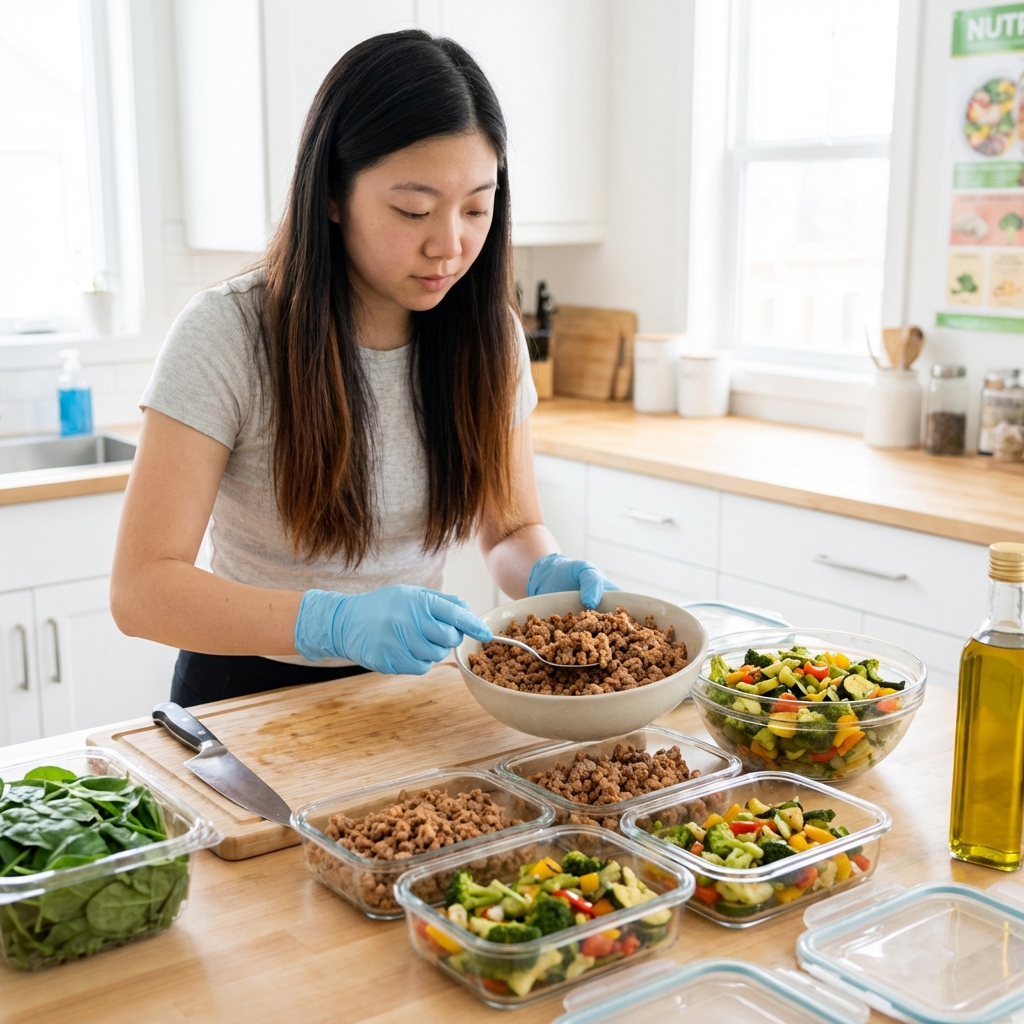
Homemade diets can be very safe when you follow strict food handling. The goal is to reduce bacterial growth and prevent cross-contamination.
Simple kitchen safety checklist
- Keep cold foods cold: refrigerate promptly and keep your fridge at 40°F (4°C) or below.
- Thaw safely: thaw in the refrigerator, not on the counter.
- Avoid cross-contamination: separate cutting boards for raw meat and other foods, or sanitize thoroughly between uses.
- Wash hands thoroughly: before and after handling pet food, bowls, and utensils.
- Clean bowls daily: soap and hot water, and let them dry completely.
- Limit “floor time”: discard perishable food left out for more than 1 to 2 hours, or sooner in warm environments.
- Freeze in portions: portioning reduces repeated warming and cooling, which increases bacterial risk.
Cooking and prep basics
- Cook plainly: avoid seasoning blends, spicy ingredients, and especially onion and garlic powder.
- Cook meat thoroughly: use safe cooking practices appropriate for the protein you are preparing.
- Do not rely on “a pinch”: supplements need accurate measuring.
How long can homemade cat food be stored?
Storage depends on ingredients and cleanliness, but as a general guideline:
- Refrigerator: use within 2 to 3 days
- Freezer: 1 to 3 months for best quality (longer is often safe if consistently frozen, but nutrients and texture can degrade)
Label containers with the date and rotate older portions forward.
Ingredients to avoid
Some foods are toxic to cats, and others are simply too hard on their digestive system. When in doubt, keep it simple and cat-specific.
Avoid these common hazards
- Onion, garlic, chives, leeks: can damage red blood cells and cause anemia. This includes powders.
- Grapes and raisins: kidney injury is well documented in dogs and has been reported in cats, though it appears less common and less well characterized. Because risk is unpredictable, avoid them.
- Alcohol and raw bread dough: toxic.
- Xylitol: highly toxic to dogs. Potential risk in cats is not well defined, so avoid exposure.
- Cooked bones: splinter risk and GI obstruction risk.
- Excess liver: can lead to vitamin A toxicity over time.
- Raw fish as a staple: can contribute to thiamine deficiency and other imbalances.
- Too much dairy: many adult cats are lactose intolerant.
Also watch sodium: deli meats, cured meats, and heavily seasoned foods are not appropriate for most cats.
Portions and weight safety
Homemade food can be more calorie-dense than you think, especially if it includes fatty cuts or added oils. Since obesity is strongly linked to arthritis, diabetes, and shorter lifespan, portion control is part of safety.
Healthy monitoring habits
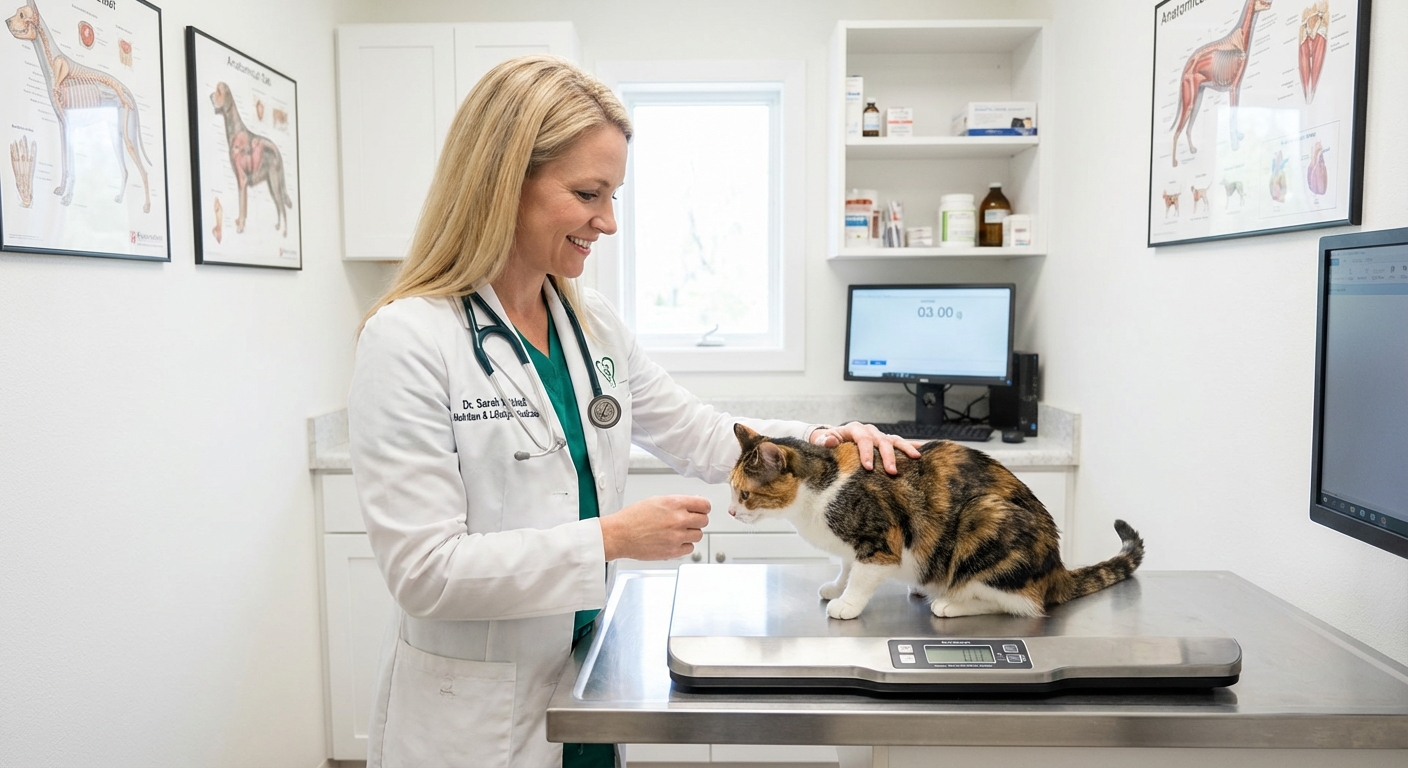
- Weigh your cat monthly (or weekly if weight loss is needed).
- Ask your vet for your cat’s target weight and daily calorie goal.
- Use a kitchen scale for portions, not eyeballing.
- Track treats. Treat calories still count.
If your cat is gaining weight, reduce calories slowly and reassess recipe fat content. If your cat is losing weight without trying, that is a vet visit.
Supplements: the part that keeps cats safe
Most homemade cat diets need supplementation. That is not a failure. It is simply biology.
Rather than adding random human vitamins, look for a cat-specific, veterinary-formulated supplement intended to balance homemade diets, or use a board-certified veterinary nutritionist recipe that spells out exact amounts of calcium, taurine, and other micronutrients.
Two common pitfalls
- Calcium mistakes: too little leads to long-term bone and metabolic issues; too much can contribute to constipation and mineral imbalance.
- Loose measuring: cats need precision. Use measuring spoons and a digital scale when needed.
If you want the reassurance of doing it right, ask your veterinarian for a referral to a board-certified veterinary nutritionist (DACVN or ECVCN). It can save you months of trial and error.
A safe transition
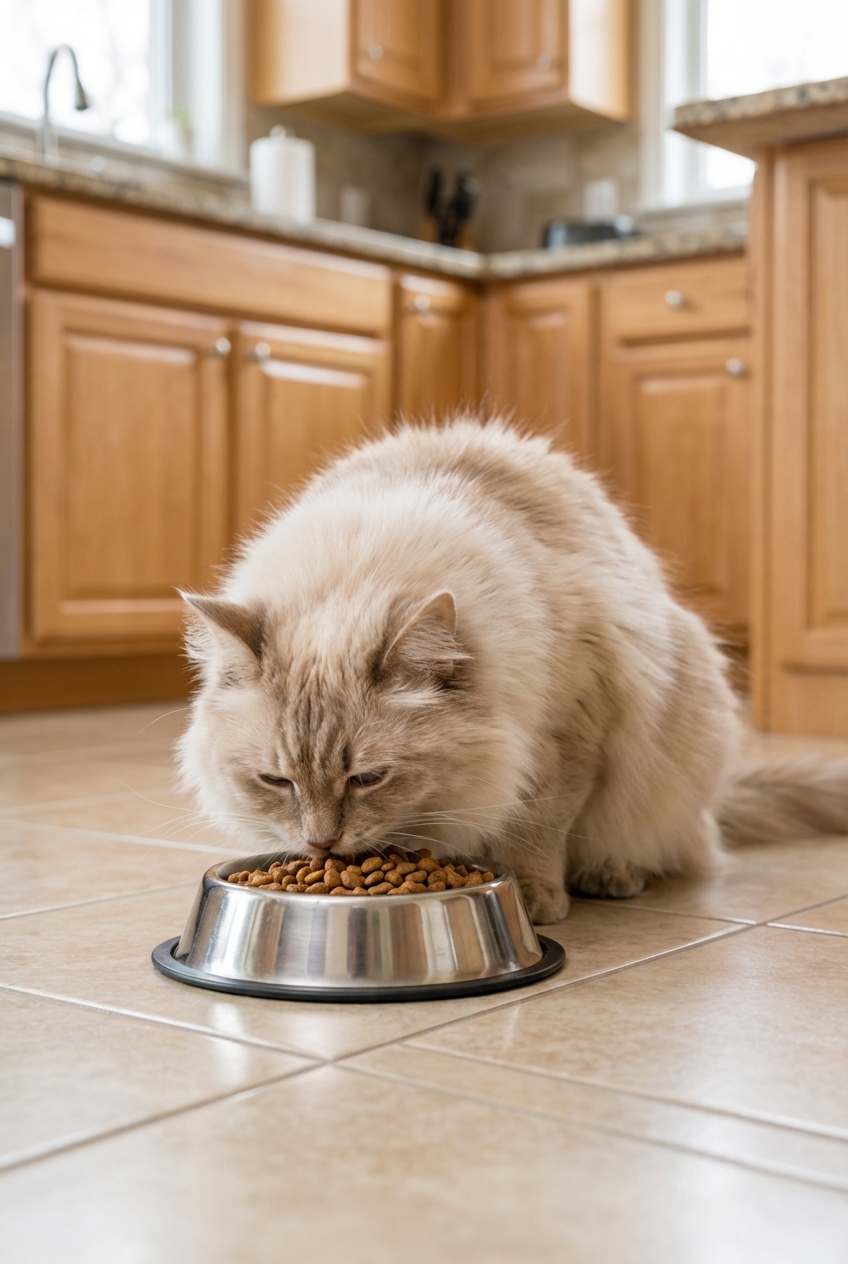
Cats are sensitive to diet change, and sudden switching can cause vomiting, diarrhea, or food refusal. More importantly, cats that stop eating can develop hepatic lipidosis, a serious liver condition, in as little as 2 to 3 days (sometimes sooner), especially in overweight cats.
A gentle transition plan
- Days 1 to 3: 10 to 20% new food mixed into the current diet
- Days 4 to 6: 25 to 40% new food
- Days 7 to 10: 50 to 75% new food
- Days 11 to 14: move toward 100% if stools and appetite are stable
If your cat refuses the new food, step back to the last successful ratio. Warming food slightly and keeping texture consistent often helps.
If your cat eats significantly less than normal for 24 hours, or stops eating entirely, contact your veterinarian promptly.
Long-term monitoring
If homemade feeding is your long game, build in routine check-ins. Small issues are easier to fix early than after months of slow nutrient drift.
- Regular vet visits and body condition scoring
- Periodic weight checks at home
- Discuss whether bloodwork is appropriate, especially for cats with medical conditions or cats on very customized diets
Green flags
- A recipe formulated for cats, not adapted from a dog or human recipe
- A clear taurine plan (and correct dose)
- A clear calcium plan (not just muscle meat)
- Accurate measuring and consistent preparation
- Safe storage, thawing, and bowl hygiene
- Regular weigh-ins and vet checkups
Bottom line
Homemade cat food can be deeply rewarding, and it can absolutely be done safely. The best approach is a balanced recipe, careful food handling, and a slow transition. When you combine love with precision, you give your cat the benefits of fresh food without the hidden risks.