Learn how to create balanced homemade meals for safe feline weight loss—high protein, controlled calories, wet-style portions, essential supplements, and v...
Article
•
Designer Mixes
Homemade Cat Food for Weight Loss

Shari Shidate
Designer Mixes contributor
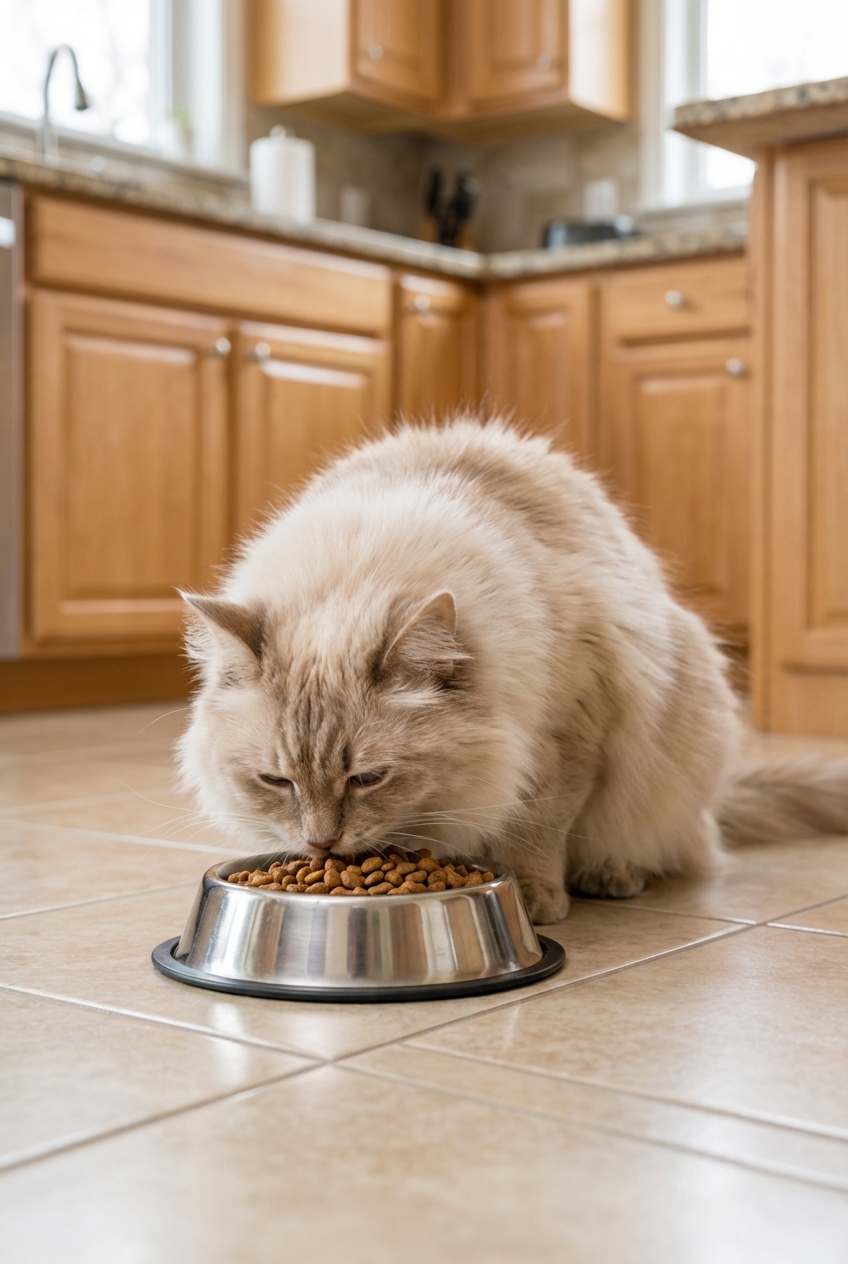
If your cat needs to lose weight, you are not alone. In clinics, I see many sweet cats who are hungry, deeply loved, and still gaining. The tricky part is that feline weight loss has to be slowly and safely. Cats are not small dogs. When calories drop too fast or a cat stops eating, cats are at risk for a serious liver condition called hepatic lipidosis (fatty liver disease). The goal is a steady, supervised plan that protects your cat’s muscle mass while trimming excess fat.
This article walks you through a safe homemade approach, what to ask your veterinarian, and simple starter recipe concepts you can rotate without guessing.
First, what safe weight loss looks like
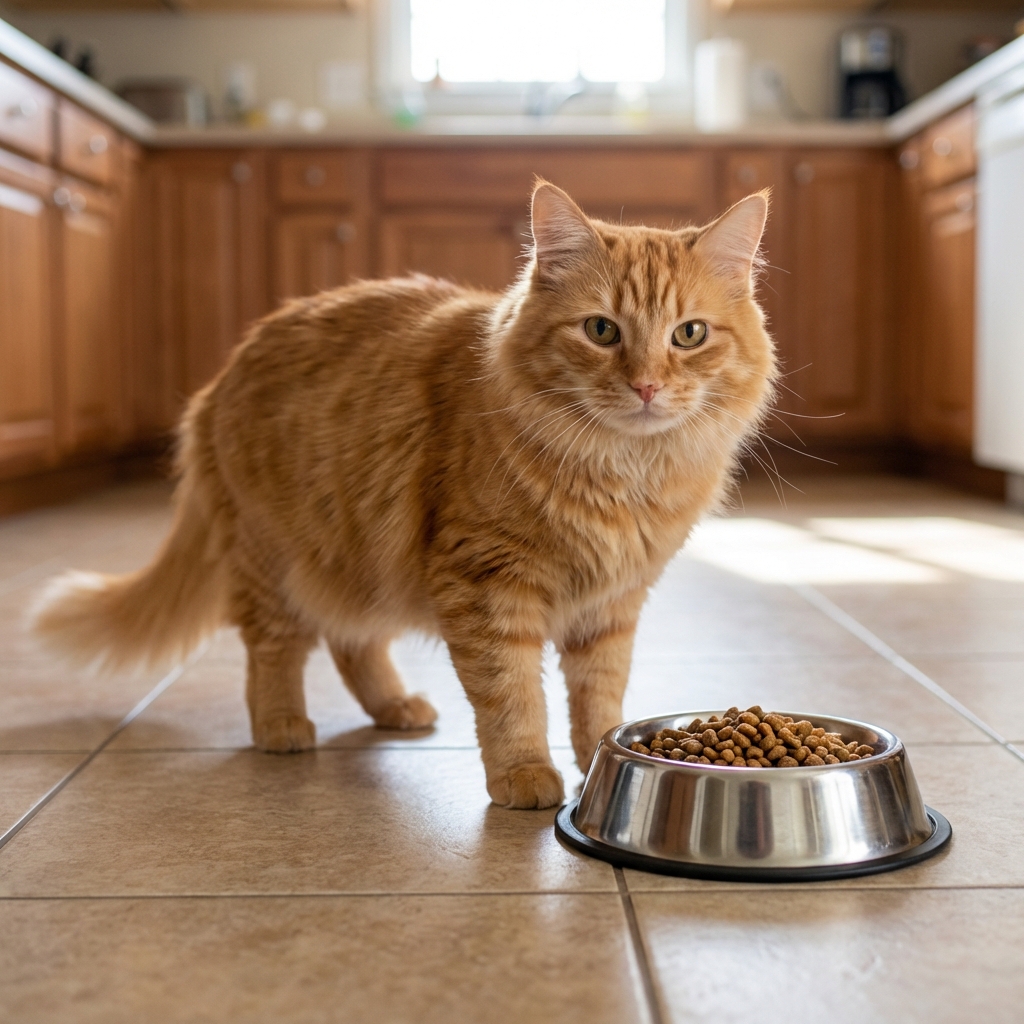
Safe weight loss is about calorie control plus high-quality protein, not harsh restriction. Many veterinarians typically aim for about 0.5% to 2% of body weight per week, but your cat’s ideal rate depends on age, current weight, activity level, and medical conditions.
Do not crash diet a cat. If your cat eats significantly less than normal or refuses food, especially for more than 24 hours (and sooner if your cat is overweight, ill, or acting unwell), call your vet promptly. The risk for hepatic lipidosis rises with ongoing poor intake, and overweight cats are at higher risk.
Signs of trouble during a diet change
- Not finishing meals or refusing food
- Vomiting, nausea, or drooling
- Sudden lethargy or hiding
- Rapid weight drop week to week
- Constipation, diarrhea, or very small stools
Weight loss should feel boring and steady, not dramatic. If something feels off, it is worth a quick check-in with your vet.
Why homemade can help, and where people go wrong
Homemade cat food can be a wonderful tool for weight loss because you can control:
- Protein quality and amount
- Moisture (wet foods often help cats feel fuller)
- Calories per ounce
- Carbohydrate level (some cats on higher-protein, lower-carb wet meals may have easier calorie control and better satiety)
Where people get into trouble is skipping the boring but critical parts: taurine, calcium, essential fatty acids, and key vitamins and minerals. Cats have unique nutrient requirements, and deficiencies can show up over time even when the food looks healthy.
Homemade can be safer than it sounds, as long as it is balanced and portioned. The most loving plan is the one that meets feline nutrition standards.
Talk to your vet first
Please check in with your veterinarian before starting weight loss if your cat:
- Is obese or very overweight
- Is a senior
- Has diabetes, kidney disease, hyperthyroidism, heart disease, pancreatitis, or IBD
- Is on prescription food
- Has a history of not eating when stressed
Ask about baseline lab work and a target calorie range. If possible, request a Body Condition Score and an ideal weight goal. This helps you measure progress accurately, not just by the scale.
Quick note: Unplanned weight loss can be a sign of disease (hyperthyroidism, diabetes, GI disease, cancer). If your cat is losing weight without a plan, schedule a vet visit.
Calories: a simple way to start
You do not have to guess calories from scratch. Many clinics use a resting energy requirement (RER) calculation, then adjust for weight loss. A common starting point is:
- RER = 70 × (ideal weight in kg)^0.75
Then your vet may choose a weight loss target that is lower than maintenance, monitor progress, and adjust slowly.
Example (for context only): If a cat’s ideal weight is 5 kg (about 11 lb), RER is roughly 234 kcal/day. Your veterinarian might start somewhere around that range or slightly below depending on the cat, then fine-tune every few weeks. Please use this as a conversation starter, not a DIY prescription.
Nutrition priorities for weight loss
1) High protein to protect lean muscle
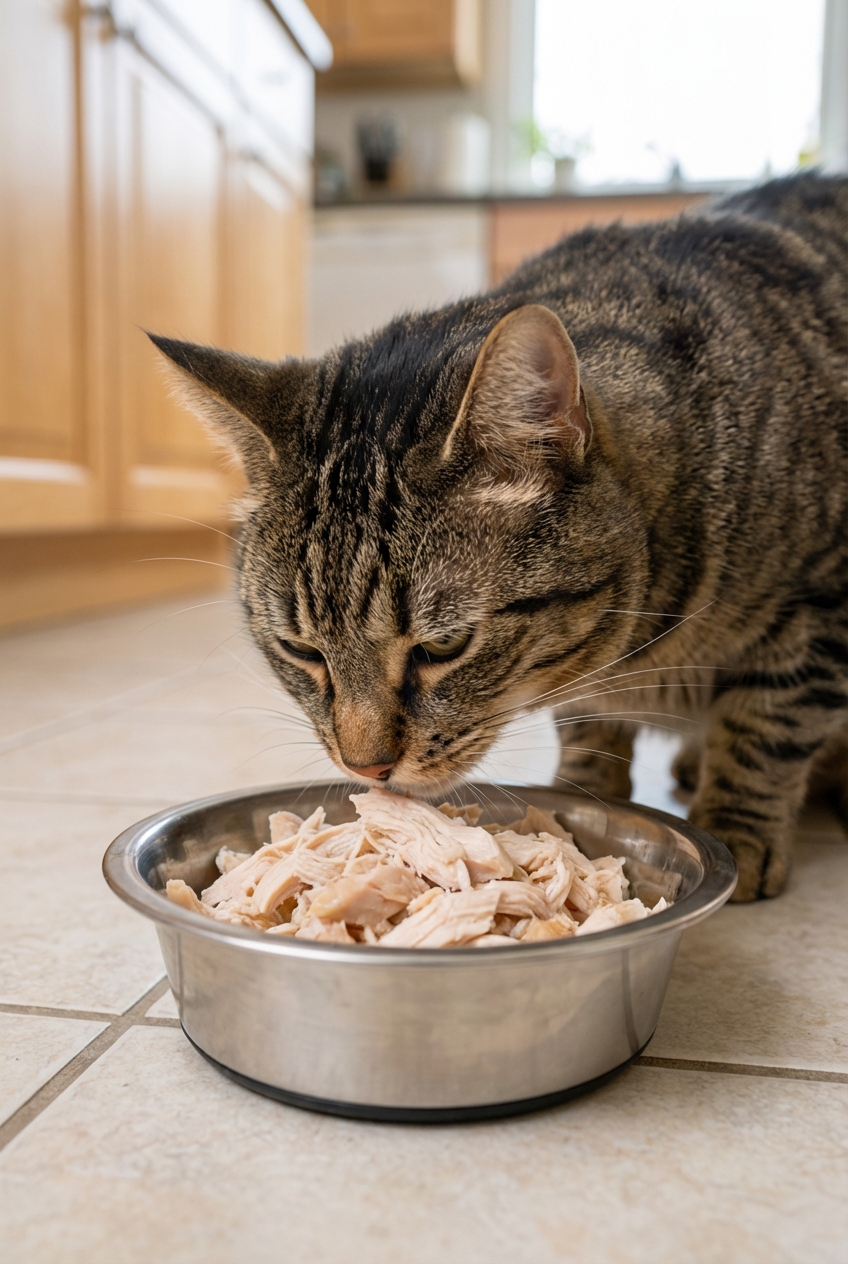
Cats are obligate carnivores. During weight loss, adequate protein helps preserve muscle, which supports metabolism and long-term success. Good options include chicken, turkey, rabbit, and lean beef. Some cats do well with canned sardines in water as an occasional topper, but choose no-salt-added when possible and keep it limited. It is not a complete diet on its own.
2) Enough fat, but not a fat bomb
Fat is essential for cats, but it is also calorie dense. For weight loss, we typically choose leaner cuts and measure fats carefully. Your vet may recommend specific omega-3 sources, especially for inflammation or arthritis support.
3) Carbs: keep them modest
For many cats, carbs are not very filling for the calories they add. Some cats do better on higher-protein, lower-carb wet meals, but the main driver of weight change is still total calories.
4) Moisture matters
Extra water in the diet can help with fullness and supports hydration and urinary health. Homemade cooked diets can be made stew-like with added water or broth. Use broth that is onion-free and garlic-free, and ideally low sodium or no-salt-added.
5) Balanced minerals, especially calcium and phosphorus
Meat alone is not balanced. Cats need an appropriate calcium source to balance phosphorus found in meat. This is one reason many veterinary nutritionists recommend using a formulated meal-completer supplement mix designed for homemade cat diets, or working with a nutritionist to create a recipe that meets AAFCO nutrient profiles.
Cooked vs. raw
Some owners consider raw diets for weight loss, but from a safety standpoint, I tend to be cautious. Raw food increases the risk of exposure to bacteria and parasites, which matters for:
- Kittens
- Senior cats
- Cats with chronic disease
- Homes with immunocompromised people
A well-planned cooked homemade diet can absolutely support weight loss and is easier for many families to handle safely.
Transition plan
Even if your cat is enthusiastic, transition gradually to protect the gut and reduce food refusal.
- Days 1 to 3: 75% current food, 25% homemade
- Days 4 to 6: 50% current food, 50% homemade
- Days 7 to 9: 25% current food, 75% homemade
- Days 10 to 14: 100% homemade, if stools and appetite are stable
If your cat has a sensitive stomach, take 3 to 4 weeks instead. The safest plan is the one your cat will actually eat consistently.
Portion control matters
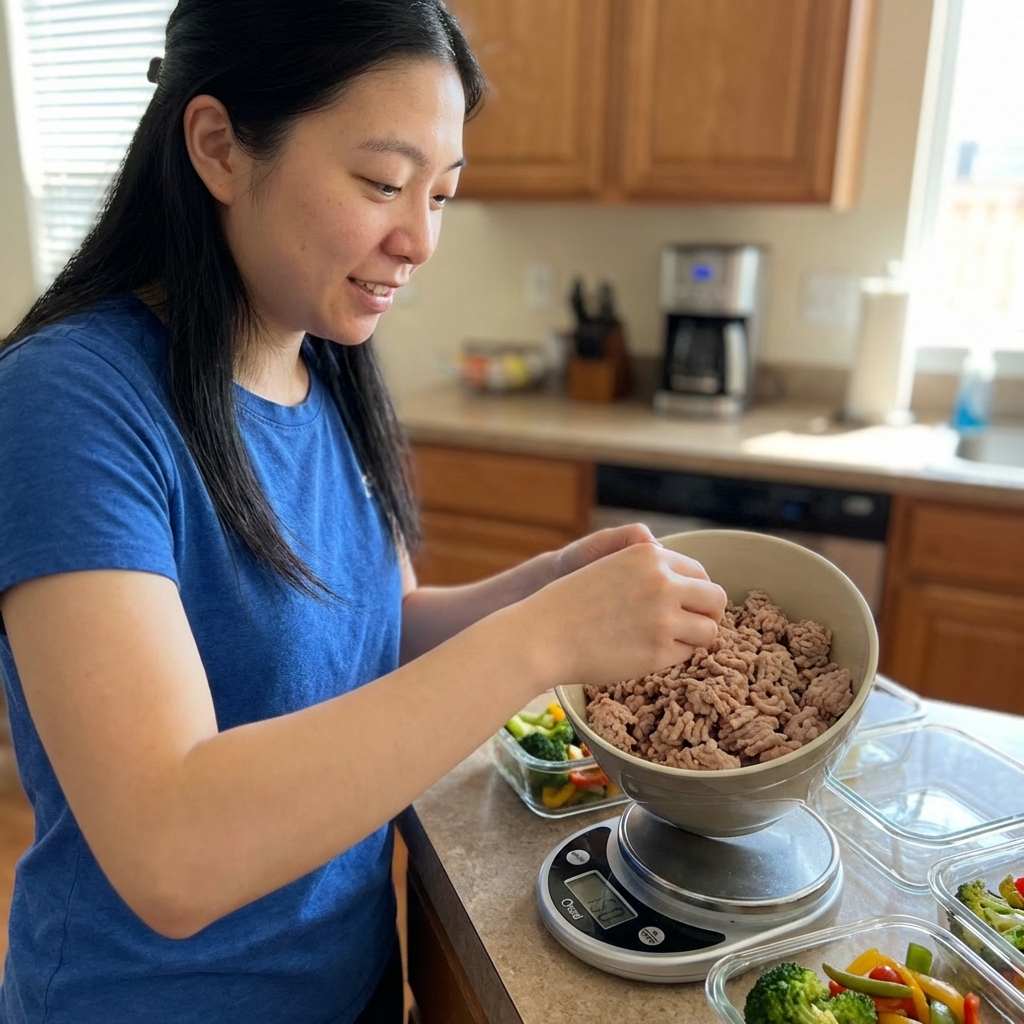
Homemade food can still cause weight gain if portions are generous. For accurate results:
- Use a kitchen scale and weigh portions in grams
- Track daily intake, including treats and table scraps
- Track weekly weight on the same scale
- Adjust calories slowly, usually in small steps
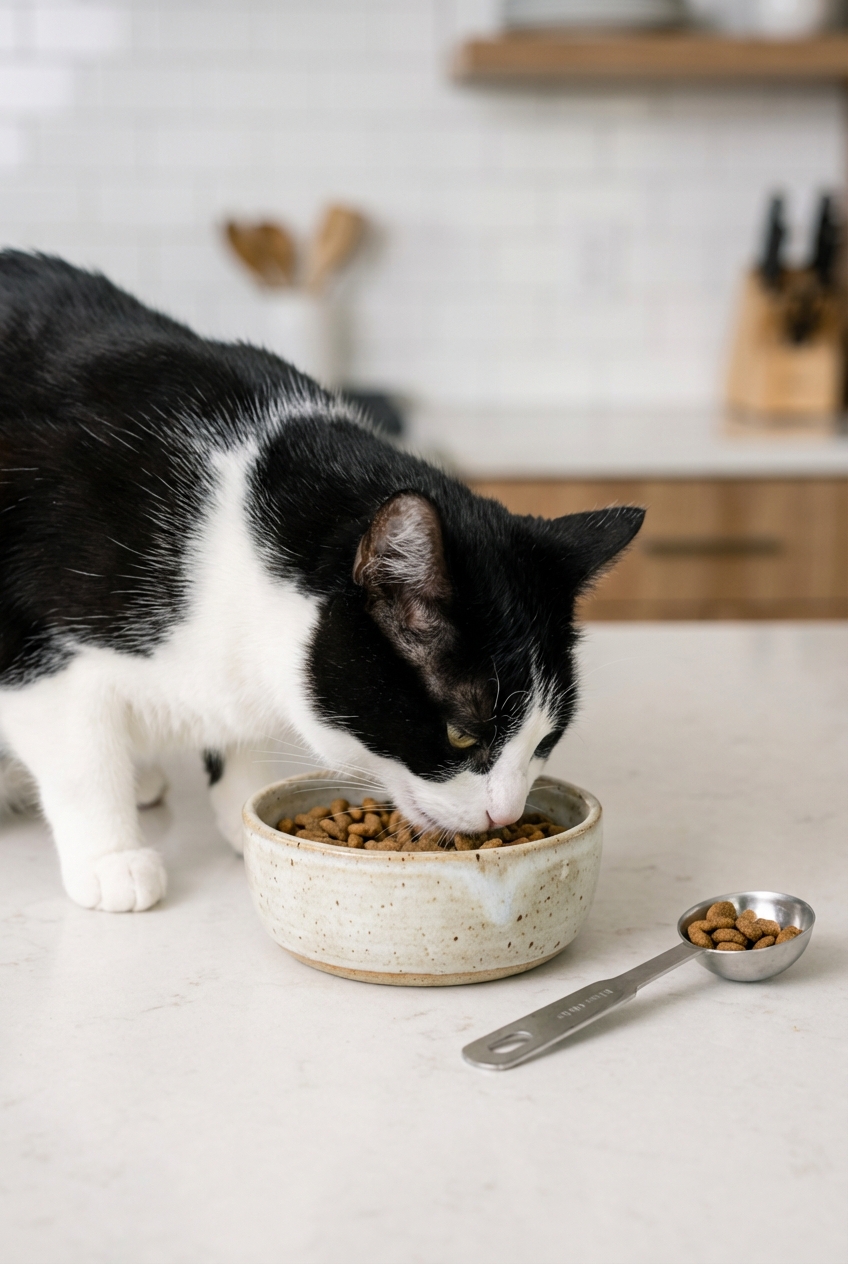
Also, remember treats count. A few crunchy treats can equal a surprising amount of daily calories for a cat. If you use treats, measure them and consider using tiny bits of the day’s protein instead.
Starter recipe concepts
Because cats need precise vitamins and minerals, I do not want you guessing. The safest homemade approach for weight loss is to pair a vet-approved feline meal-completer supplement mix with a consistent protein base, then portion it to your cat’s calorie target.
Important clarity: A standard “daily vitamin” chew, multivitamin treat, or fish oil capsule is not the same as a meal-completer supplement. Meal completers are formulated to balance the entire recipe, including calcium, taurine, and trace minerals.
Lean turkey and pumpkin bowl (cooked)
- Cooked lean ground turkey (drained)
- A small measured spoon of plain pumpkin puree (not pie filling)
- Water added to make a soft, moist texture
- Complete-and-balanced meal-completer supplement mix as directed
Chicken thigh and broth stew (cooked)
- Cooked chicken thigh meat (skin removed for lower fat)
- Onion-free, garlic-free broth or plain water (choose low sodium)
- Optional: tiny amount of cooked egg for palatability
- Complete-and-balanced meal-completer supplement mix as directed
Important: These are concepts to show structure, not final formulas. The supplement mix and the exact amounts matter.
Food safety and storage
- Cook proteins thoroughly and avoid cross-contamination with cutting boards and utensils
- Refrigerate promptly in sealed containers
- Use refrigerated portions within 2 to 3 days, or freeze meal-sized portions
- Warm gently for palatability, and discard food left out for long periods
If your cat is immunocompromised or on chemotherapy, ask your vet for extra food handling guidance.
Foods to avoid
- Onion and garlic (including powders in broths)
- Grapes and raisins (avoid as a precaution; toxicity is well documented in dogs and is considered a potential risk for cats)
- Xylitol (avoid as a precaution; it is highly toxic to dogs and safety in cats is not well established)
- Cooked bones
- High-fat scraps like bacon grease or sausage
- Tuna-only diets (can lead to imbalance and picky eating)
Also be careful with salt. Cats do not need salty food, and many human broths are too high in sodium and may contain onion or garlic.
Make weight loss easier
Feeding strategies
- Split daily food into 3 to 5 small meals
- Try a puzzle feeder for part of the ration
- Add moisture so the meal is bulkier
Gentle movement
- Two 5-minute play sessions per day with a wand toy
- Toss a kibble-size piece of the meal down the hall for a “hunt” game
- Place food in two locations to encourage walking
Weight loss is not just food. It is also daily routine, enrichment, and stress reduction.
Monitoring
- Weekly weight (same day, same scale)
- Body Condition Score updates with your vet
- Appetite and meal completion
- Stool quality and vomiting
- Coat quality and energy
If weight is not changing after 3 to 4 weeks, do not slash food suddenly. Instead, talk with your vet about a small calorie adjustment and re-check for underlying conditions.
When homemade is not best
Some cats do best with a veterinary weight-loss diet because it is:
- Calorie-controlled
- Complete and balanced
- High in protein and fiber for satiety
And that is completely okay. Homemade is a tool, not a moral badge. Your cat’s health is the goal.
Bottom line
Homemade cat food can support healthy weight loss when you combine three things: balanced nutrition, measured portions, and slow, steady progress. If you do just one thing today, make it this: get a target calorie plan from your vet and commit to a weekly weigh-in. Small steps add up, and your cat will feel the difference.
Educational note: This article is for general education and is not a substitute for veterinary care. If your cat is not eating well, vomiting, acting painful, or losing weight unexpectedly, contact your veterinarian.