
Homemade Cat Food for Urinary Health (Low Magnesium)

If your cat has had urinary crystals, a UTI, or blockages, you already know how scary and painful urinary problems can be. The good news is that food choices really can make a difference, especially when we focus on three big goals: more moisture, controlled minerals (magnesium, phosphorus, calcium, and sodium depending on diagnosis), and the right urine pH range for your cat’s specific issue.
As a veterinary assistant, I want to say this upfront: cats with urinary disease are not one-size-fits-all. Struvite crystals, calcium oxalate crystals, idiopathic cystitis (stress cystitis), UTIs, and bladder stones can look similar at home, but they do not always need the same nutrition plan. Homemade food can be supportive, but it should be done thoughtfully and with your veterinarian’s guidance.
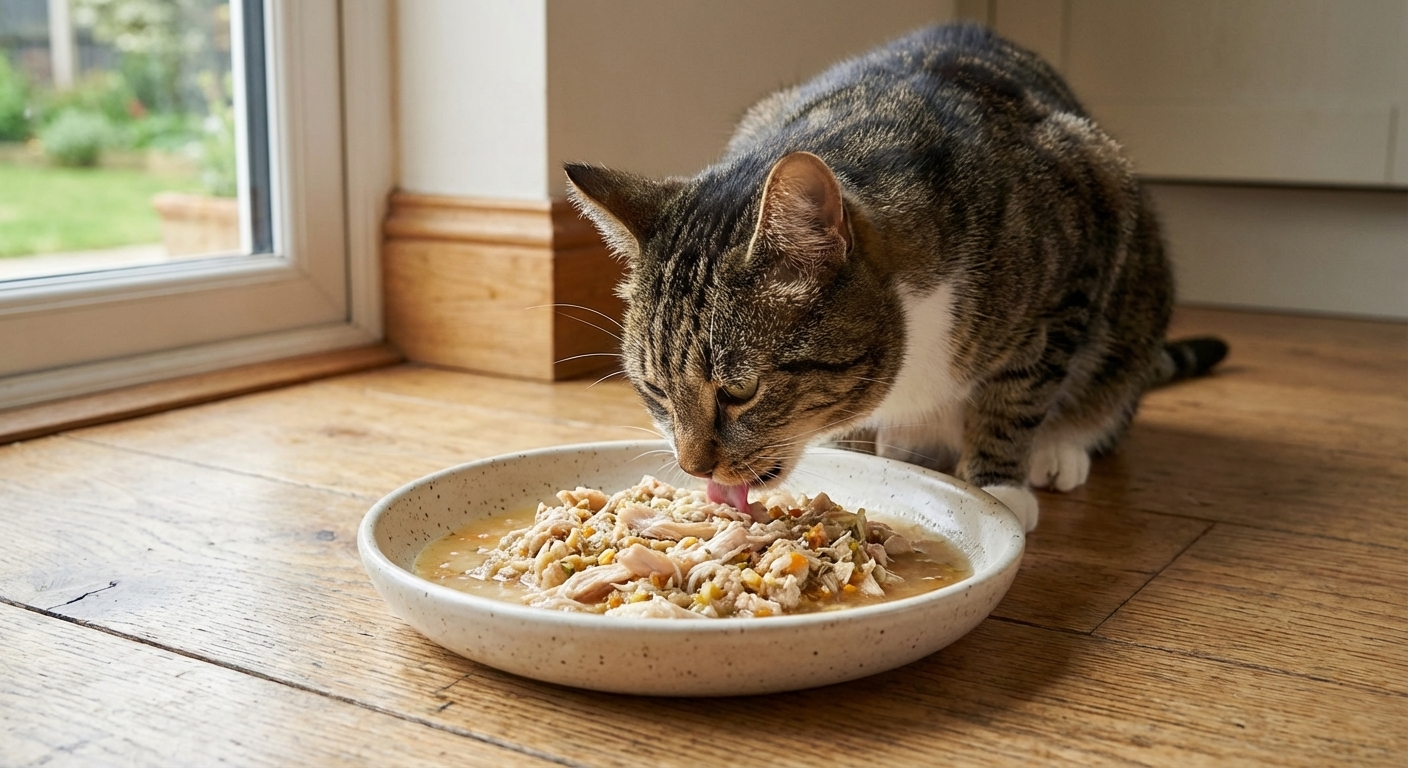
When homemade can help and when to wait
Homemade may be a good fit if
- Your cat has recurrent urinary signs and does best on wet food, but you want more ingredient control.
- Your veterinarian has identified the stone or crystal type, or you have recent urinalysis results to guide the plan.
- You can commit to a consistent recipe, accurate measuring, and regular rechecks.
Pause and talk to your veterinarian first if
- Your cat is male and currently straining, crying, or producing little to no urine. This can be a life-threatening emergency.
- Your cat has a history of blockage, bladder stones, kidney disease, hyperthyroidism, diabetes, or is on a prescription urinary diet now.
- You are hoping to “acidify the urine” with supplements without lab testing. Over-acidifying can increase risk of calcium oxalate issues.
Red flag: frequent trips to the litter box with little urine, vocalizing, belly pain, or hiding. For male cats especially, do not wait.
Know what you are treating
This is the part I wish every household heard early: urinary nutrition depends on the diagnosis.
- Struvite: often linked to urine concentration and urine pH, and in some cases infection (especially urease-positive bacteria). Some struvite stones can be dissolved with the right prescription diet and monitoring.
- Calcium oxalate: generally not dissolvable by diet. Nutrition focuses on prevention and reducing recurrence risk, not “melting” existing stones.
- UTI versus cystitis: true bacterial UTIs are less common in many younger adult cats. A lot of “UTI-like” signs are actually idiopathic cystitis, which is inflammation often tied to stress and urine concentration.
That is why urinalysis (and sometimes imaging) matters. It tells your vet what crystals are present, whether bacteria are involved, and what targets make sense.
What “low magnesium” really means
Magnesium is a normal, necessary mineral. The issue is balance. In some cats, higher dietary magnesium plus more alkaline, concentrated urine can contribute to struvite crystals. Many urinary nutrition plans aim to keep magnesium moderate and support a urine environment less likely to form struvite.
At the same time, if we push urine too acidic, we can increase risk of calcium oxalate crystals in susceptible cats. And calcium oxalate risk is multifactorial. It can involve urine concentration, calcium balance, genetics, and other dietary factors, not pH alone. That is why your veterinarian’s diagnosis and urinalysis matter so much.
Key priorities many urinary cats benefit from
- High moisture intake to dilute urine.
- Animal-based protein as the foundation (cats are obligate carnivores).
- Controlled minerals, especially magnesium, phosphorus, calcium, and sodium as indicated.
- Consistent intake, because frequent diet changes can upset the GI tract and stress some cats.
The number one “ingredient”: water
If you only take one tip from this page, take this one: most cats with lower urinary tract issues benefit from more water and more dilute urine. Dilute urine helps reduce crystal formation, reduces bladder irritation, and supports overall urinary tract comfort.
And it is not just pH. Your veterinarian may also track urine specific gravity (USG), which is a practical way to see how concentrated the urine is.
Easy ways to add more water
- Build a “soupy” meal: add warm water or unsalted homemade broth to each serving.
- Use wide, shallow bowls, and keep water away from the litter box.
- Try a fountain. Many cats drink more from moving water.
- Offer mini meals 3 to 5 times a day if your schedule allows.
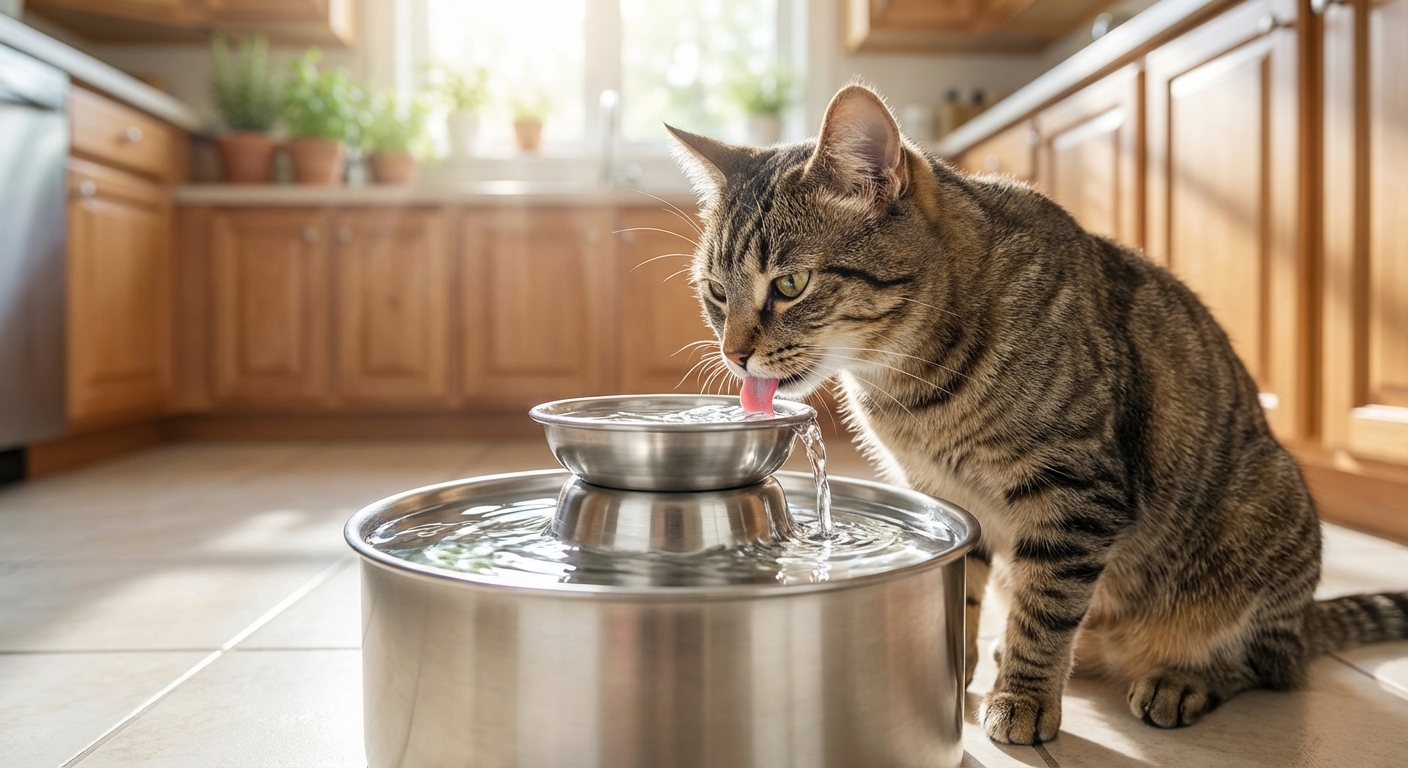
Ingredient picks
Protein choices that tend to be workable
Exact mineral content varies by cut, brand, and preparation. In general, these options are common starting points for urinary-friendly homemade plans, especially when we keep the recipe simple and moisture-forward:
- Chicken thigh or breast (dark meat is often more palatable and provides more fat).
- Turkey (ground turkey or thigh meat).
- Rabbit (a solid novel protein option for some sensitive cats).
- Lean pork (in moderation, fully cooked).
If you want to be truly precise, this is where a veterinary nutritionist or nutrient analysis tool helps. Homemade urinary diets are not a place where we want to guess.
Use caution with
- Fish-heavy diets: fish can be variable in mineral content, and some fish come with additional concerns (like mercury in certain species). For many urinary cats, fish is best as an occasional topper rather than the daily base.
- Organ meats: nutrient-dense, but often higher in phosphorus. Tiny amounts may be used only in a properly formulated recipe.
- Bone, bone meal, or high-calcium “raw meaty bones”: increases mineral load and can be risky for urinary cats if not precisely formulated.
Carbs and plants
Cats do not need carbohydrates, but small amounts of low-mineral options can be used for texture. For urinary cats, I prefer we keep plants minimal and focus on meat and moisture unless your veterinarian has a reason to include fiber (for example, constipation can worsen urinary discomfort).
Supplements that matter
Homemade cat food is not complete and balanced unless it is properly formulated. For urinary cats, it is even more important because we are intentionally managing minerals.
Common essentials in vet-formulated homemade food
- Taurine: cats require taurine for heart, eye, and overall health.
- Vitamin E: supports cell membranes and helps balance fats.
- B-complex: cooking can reduce some B vitamins, which is one reason many homemade plans include a B-complex supplement. Freezing generally helps preserve nutrients, but storage time and repeated thawing can still affect quality. Make fresh batches on a consistent schedule.
- Calcium source: needed to balance phosphorus from meat. This is tricky in urinary cats because we want balance, not excess.
- Omega-3s (EPA/DHA): may help reduce inflammation in some cats, especially with idiopathic cystitis.
About “complete mixes”
If you use a premade supplement, look for a feline completer designed for cooked homemade diets that is intended to bring a recipe in line with AAFCO-style nutrient targets when used as directed. Your veterinarian can help you choose an appropriate option for your cat’s medical history.
Practical tip: use a gram scale for ingredients and supplements. Urinary nutrition is not the place for eyeballing.
Urine pH support (only with guidance)
- DL-methionine is sometimes used to help acidify urine in cats prone to struvite. This should be guided by urinalysis and your veterinarian to avoid over-acidifying.
Please do not add “urinary acidifiers” on your own. The goal is not the most acidic urine possible. The goal is urine that is less likely to form your cat’s specific crystal type.
Moisture-rich homemade templates
Important: The meals below are supportive templates, not complete recipes. They are not nutritionally complete without a veterinary formulation and the right supplement plan for your cat.
These templates are designed as moisture-forward meals using ingredients that are often simpler and lower in magnesium than many fish-heavy or organ-heavy approaches. For long-term feeding, ask your veterinarian or a board-certified veterinary nutritionist to help you finalize supplement amounts for your cat’s weight, labwork, and medical history.
Food safety note: Cook meats to safe internal temperatures and handle them like you would food for your family. Cool quickly, refrigerate portions you will use within 48 hours, and freeze the rest. Warm meals to “mouse body temperature” before serving to improve aroma and acceptance. If anyone in the household is immunocompromised, or if your cat is medically fragile, discuss raw feeding risks with your veterinarian before considering it.
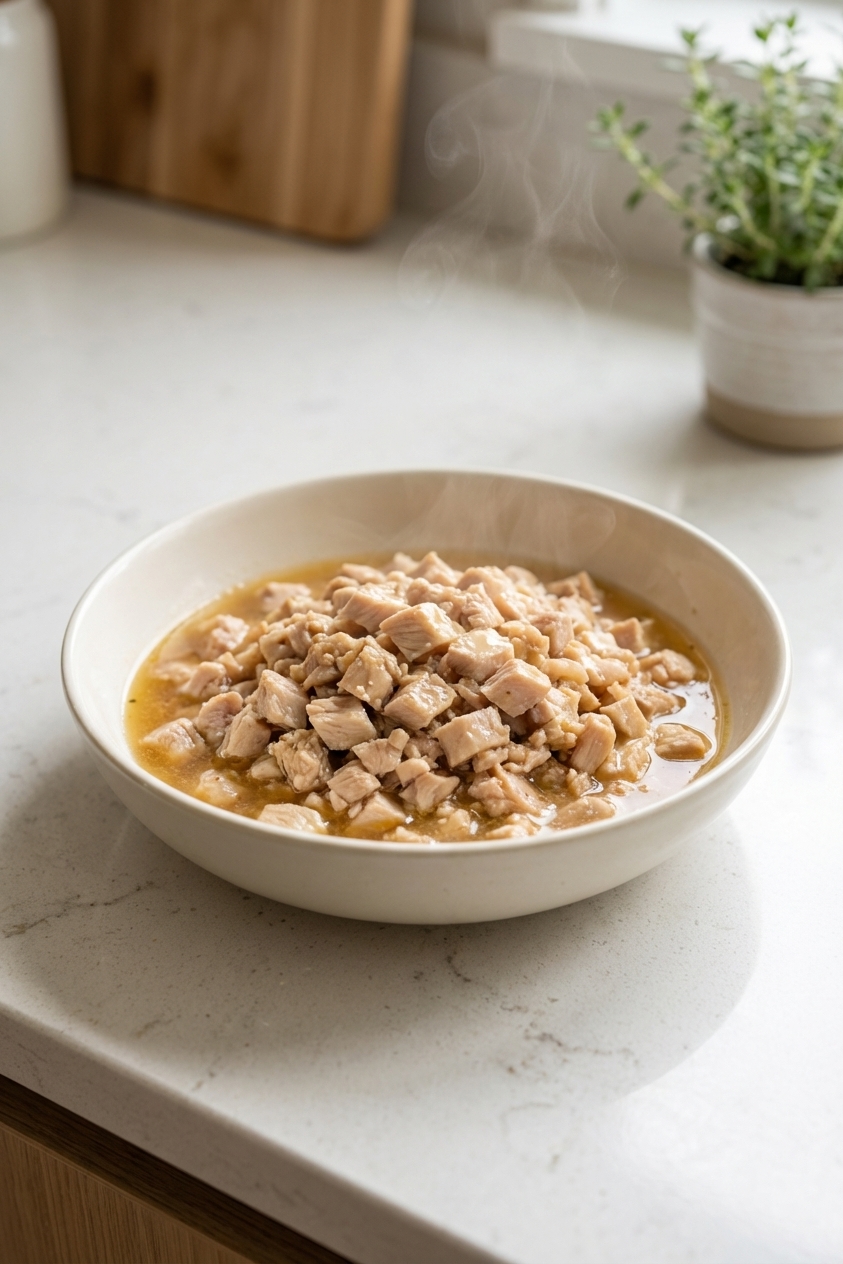
Template 1: Chicken and broth pâté
- Cooked chicken thigh, finely chopped or pulsed
- Warm water or unsalted chicken broth, enough to make it very soft and spoonable
- Taurine powder (per your vet-formulated amount)
- Complete feline vitamin and mineral mix (ideal option) or vet-directed individual supplements
How to serve: Mash into a pâté texture. Add 1 to 3 tablespoons of warm water per meal for many cats. Your goal is a meal that looks like it belongs in a gravy-heavy canned food.
Template 2: Turkey stew bowl
- Cooked ground turkey (drain excess fat if needed)
- Turkey cooking liquid plus added warm water
- Optional fiber: 1/8 to 1/4 teaspoon plain pumpkin per meal if constipation is part of the urinary picture
- Required supplements to complete the plan
Tip: Many cats with urinary discomfort do better with smaller, frequent meals. This template is easy to portion into mini servings.
Template 3: Rabbit soft crumble
- Cooked rabbit, minced
- Warm water mixed in generously
- Omega-3 oil (vet-approved dose)
- Required supplements to complete the plan
Why it helps: Some cats with chronic urinary inflammation also have food sensitivities. A simple novel protein can reduce overall irritation for certain cats.
Homemade vs prescription diets
Prescription urinary diets are popular for a reason. Many are backed by feeding trials and are engineered to:
- Encourage higher water intake (wet versions especially)
- Manage magnesium, phosphorus, calcium, and sometimes sodium levels
- Influence urine pH in a controlled way
- Reduce recurrence of certain crystal types in many cats
Where homemade can shine
- Moisture control: you can make meals as soupy as your cat will accept.
- Ingredient simplicity: helpful for cats with sensitivities.
- Palatability: some cats eat homemade more reliably, which matters for hydration and weight maintenance.
Where prescription diets often win
- Precision: minerals and urine pH effects are more predictable.
- Convenience: no measuring supplements, no batch cooking.
- Medical monitoring alignment: many vets have clear protocols for follow-up with prescription diets.
If your cat has a history of blockage, stones, or repeated ER visits, a prescription urinary diet may be the safest foundation. And if you feel overwhelmed, you are not alone. Prescription diets are a valid, often safest default. Some households use a middle path: prescription wet food as the core diet, with a small amount of vet-approved homemade food as a topper for variety and moisture.
Helpful add-ons
Moisture boosters
- Warm water added to each meal
- Unsalted broth (no onion, no garlic, no added salt, no “natural flavors” you cannot verify)
- Water-packed cooked chicken blended into a gravy
Quick sodium note: some prescription urinary diets use sodium strategically to encourage drinking. That does not mean salty homemade broth is a good idea. Keep homemade broths truly low-sodium unless your veterinarian specifically recommends otherwise.
Stress support for idiopathic cystitis
A large percentage of feline lower urinary tract disease is idiopathic, meaning stress and inflammation are major drivers. Nutrition helps, but environment matters too.
- Multiple clean litter boxes (often one per cat, plus one extra)
- Predictable routines and safe hiding places
- Play sessions and enrichment
- Discuss calming supplements or pheromones with your veterinarian if episodes are frequent
Transitioning safely
Urinary cats tend to do best with slow, steady changes.
Gentle transition schedule
- Days 1 to 3: 25% new, 75% current
- Days 4 to 6: 50% new, 50% current
- Days 7 to 9: 75% new, 25% current
- Days 10 to 14: 100% new (if stools and appetite stay normal)
Monitor these signs
- Litter box frequency and urine amount
- Straining, crying, or blood in urine
- Appetite changes, vomiting, or hiding
- Stool quality (constipation can worsen urinary discomfort)
If straining returns, or your cat produces little to no urine, treat it as an emergency and seek care right away. Plan on a follow-up urinalysis after you have been consistent with a diet for a few weeks, or sooner if symptoms return. That data helps you and your vet fine-tune minerals and urine pH rather than guessing.
Quick FAQs
Should urinary cats eat dry food?
Some cats do okay on dry, but many urinary cats benefit from wet or moisture-added meals. If you must use dry food, try to make it a smaller part of the diet and add water-rich foods daily.
Is low phosphorus always necessary?
Not always. Lower phosphorus is most critical in kidney disease, and it may be recommended in some urinary cases depending on stone type, labwork, and overall health. Think “controlled minerals based on diagnosis,” not automatic restriction.
Is cranberry helpful for cats?
Cranberry is not a reliable fix for feline urinary disease, especially crystals and stones. It may change urine chemistry, but cats are not small humans, and inappropriate urine changes can backfire. Ask your veterinarian before trying it.
The bottom line
For urinary health, homemade cat food works best when it is moisture-rich, consistent, and formulated to manage minerals for your cat’s specific diagnosis. If you do it right, homemade meals can be a comforting, practical way to support urinary tract health at home.
If you tell your veterinarian you want to do homemade, ask for two things: a current urinalysis (and follow-up plan) and a recipe formulation plan. With those in place, you can feed your cat with confidence and keep the focus where it belongs: a comfortable bladder and a happy litter box routine.