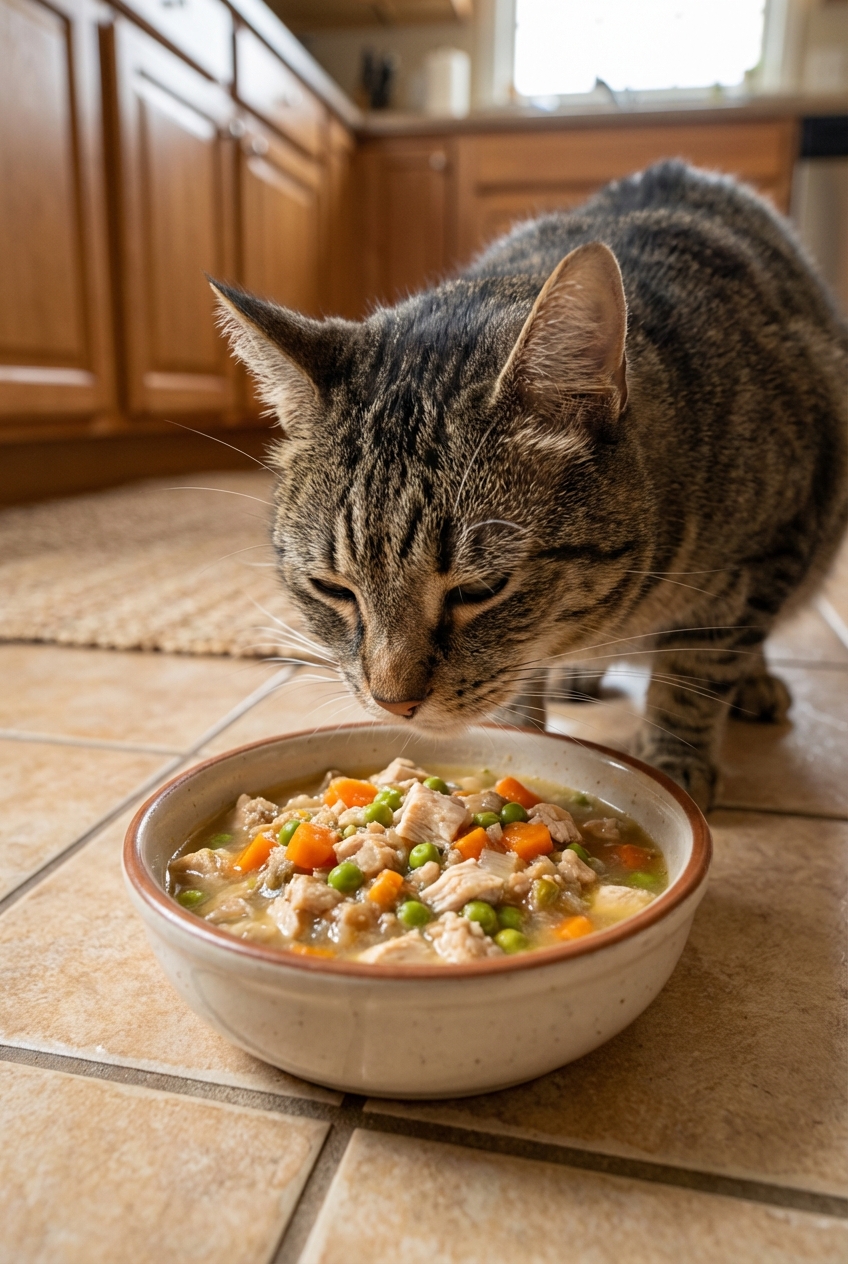
Turkey can be a gentle protein for sensitive cats, but meat alone isn’t complete. Learn what nutrients are missing, how to use a completer, portions, stora...
Article
•
Designer Mixes
Homemade Cat Food for Sensitive Stomachs

Shari Shidate
Designer Mixes contributor
If your cat seems to vomit often, has loose stools, gets gassy, or turns their nose up at meals, you are not alone. In my work as a veterinary assistant here in Frisco, Texas, I see a lot of sweet cats labeled as having “sensitive stomachs.” Sometimes it truly is food intolerance. Other times, it is something fixable like eating too fast, too many treats, stress, or a diet that is simply not a great match.
Homemade cat food can be helpful for some cats because you control the ingredients, the fat level, and the texture. The key is doing it safely, since cats have very specific nutritional needs.
One more thing I see all the time: people assume chronic vomiting is “just hairballs.” Hairballs happen, but repeated vomiting is not something to ignore.
First, a quick reality check
“Sensitive stomach” is a symptom, not a diagnosis. Before changing diets, it helps to rule out the big stuff, especially if symptoms are new or getting worse.
Call your veterinarian promptly if you notice:
- Repeated vomiting (more than once a week, or multiple times in a day)
- Blood in vomit or stool, black tarry stool, or severe diarrhea
- Weight loss, lethargy, dehydration, or hiding more than usual
- Loss of appetite for a day, or any prolonged skipping meals (especially if your cat is overweight). Cats can develop hepatic lipidosis after a couple of days of not eating.
- Straining to poop, painful belly, or sudden behavior changes
Common medical causes that can look like a “food issue” include parasites, inflammatory bowel disease, pancreatitis, hyperthyroidism, dental pain, hairballs, and chronic kidney disease. Your vet may recommend a fecal test, bloodwork, or an elimination diet trial.
Why homemade can help some cats
For many cats with mild GI (stomach and intestinal) upset, homemade food works because it lets you simplify the diet and avoid common triggers.
- Fewer variables: One protein, one carb (if used), and a consistent fat level can be easier on digestion.
- Higher moisture: Wet, fresh foods support hydration and can help constipation-prone cats.
- Ingredient control: No mystery “flavorings” or thickening gums if you choose not to use them.
That said, homemade cat food should never mean “just chicken and rice forever.” Cats are obligate carnivores and require specific nutrients that are not optional, especially taurine, arachidonic acid, vitamin A (preformed), and a balanced calcium to phosphorus ratio.
Common diet triggers
Food intolerance is different than a true food allergy, but both can cause vomiting or diarrhea. Some cats react to:
- High fat meals: especially rich meats, greasy leftovers, and heavy treats
- Dairy: many adult cats are lactose intolerant
- Fish-heavy diets: some cats overeat very palatable fish foods, and the richness can be a problem for sensitive cats
- Too many ingredients: frequent switching can keep the GI tract irritated
- Certain proteins: chicken, beef, and fish are common exposures. “Common” does not mean “bad,” but it can matter for elimination trials
If your cat is truly sensitive, simplicity and consistency usually win.
Safety basics
This is the part I care about most. A sensitive stomach cat still needs complete nutrition. The safest approach is to use a veterinary nutritionist-formulated recipe or a reputable recipe source that includes a supplement plan.
Non-negotiables for balanced homemade cat food
- Taurine: essential for heart and eye health. Processing, especially cooking and the loss of juices, can reduce taurine available in the final food. That is why many homemade recipes include taurine supplementation.
- Calcium: if you feed boneless meat, you must add calcium (like eggshell calcium or a veterinary calcium supplement) to balance phosphorus. This is critical for bone health and overall metabolism.
- Complete vitamin and mineral profile: including vitamin E, B vitamins, iodine, zinc, copper, and more. “A little liver” helps, but it is not a full plan by itself.
If you want to do homemade long-term, ask your veterinarian for a referral to a board-certified veterinary nutritionist (DACVN in the US, ECVCN in Europe) or use a recipe created by one.
Practical note: most balanced plans use a feline-specific vitamin and mineral premix or a veterinary supplement schedule. Avoid human multivitamins unless your veterinarian specifically instructs you to use one. The doses and ingredients are not interchangeable.
Gentle ingredients
Every cat is unique, but these are commonly used for GI-sensitive cats because they are straightforward and typically digestible:
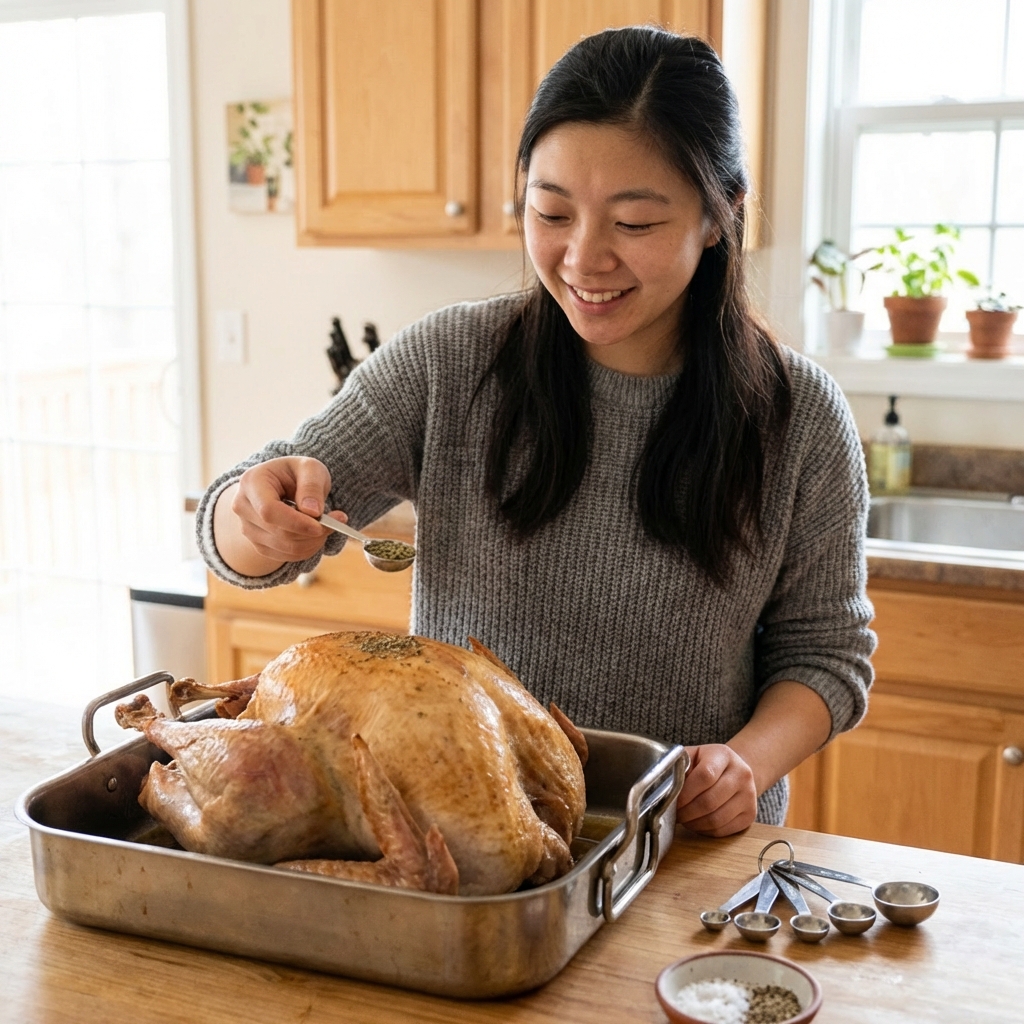
- Proteins: turkey, rabbit, chicken (if tolerated), or lean pork
- Carbs (optional and in small amounts): well-cooked white rice or cooked pumpkin for some cats. Many cats do best with minimal carbs, but small amounts can help stool quality in certain cases.
- Fats: keep moderate and consistent. Sudden increases in fat can trigger vomiting or diarrhea.
For sensitive cats, I prefer starting with one primary protein and keeping everything else very steady for at least 2 to 3 weeks, unless your veterinarian directs otherwise.
Switching food slowly
When you switch diets too fast, even a perfect recipe can cause GI upset. Go slow. For many cats, a 10 to 14 day transition is gentle enough.
- Days 1 to 3: 25% new food, 75% current food
- Days 4 to 6: 50% new food, 50% current food
- Days 7 to 9: 75% new food, 25% current food
- Days 10 to 14: 100% new food
If your cat has a history of flare-ups, extend each step. There is no prize for rushing.
Pro tip
Feed smaller meals more often. Many vomiting cats do better on 3 to 5 small meals rather than 1 to 2 large ones.
Also, ask your veterinarian about calorie targets. Homemade food can be more calorie-dense than you think, and unplanned weight gain or weight loss can make GI issues worse.
Two homemade options
1) Short-term bland diet (for a flare-up only)
A bland diet can be used briefly for mild stomach upset if your veterinarian says it is appropriate. This is not complete nutrition, so it is usually a short-term tool, not a lifestyle.
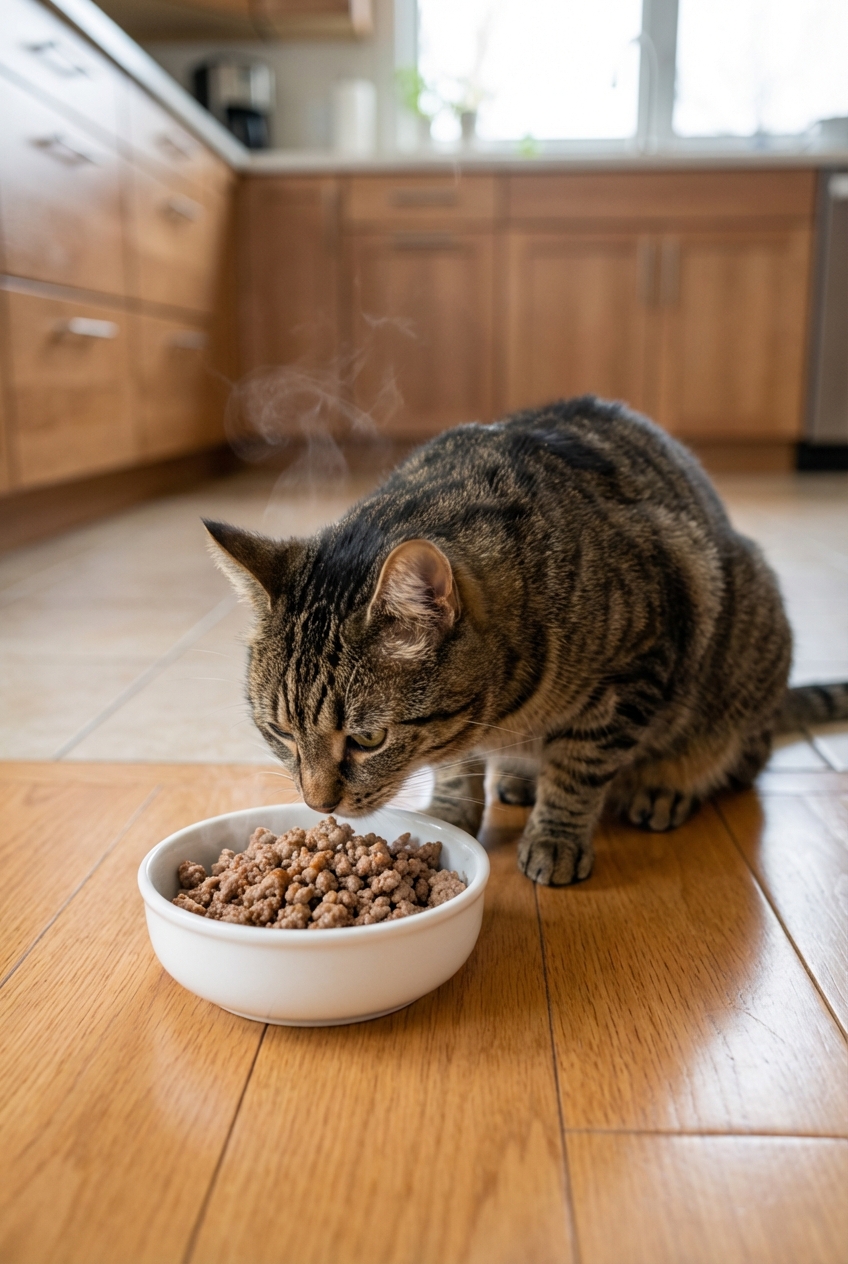
- Common bland choices: boiled turkey or chicken breast, sometimes with a small amount of plain, well-cooked white rice
- Keep it simple: no butter, no seasoning, no broth with onion or garlic
Some cats do not need rice at all, and some do better with a veterinary therapeutic GI diet instead. If vomiting continues, do not keep “blanding” indefinitely. Follow up with your veterinarian.
2) Long-term balanced homemade (the goal)
A balanced homemade diet typically includes:
- A primary animal protein (and often organ components depending on the formulation)
- A defined calcium source
- A feline-specific vitamin and mineral supplement plan
- Clear feeding portions based on your cat’s ideal weight and calorie needs
This is where a veterinary nutritionist recipe shines, especially for cats with GI disease, food allergies, kidney concerns, or pancreatitis history.
If your vet recommends an elimination diet
When a true food allergy is suspected, the most reliable approach is usually a strict elimination diet trial with a prescription hydrolyzed or novel protein diet.
- Typical timeline: 8 to 12 weeks
- Strict rules: no flavored meds, no table food, no treats, unless your vet approves them
This can feel intense, but it is one of the fastest ways to get a clear answer. If you start homemade during this process, do it only under your veterinarian’s guidance so the trial stays valid.
Raw diet note
Homemade does not automatically mean raw. Raw diets can carry bacteria and parasites that may be risky for cats and for people in the household, especially children, elderly family members, or anyone immunocompromised. If you are considering raw, talk with your veterinarian first about safety and handling.
Ingredients to avoid
Some foods are common kitchen staples but unsafe for cats or risky for sensitive stomachs.
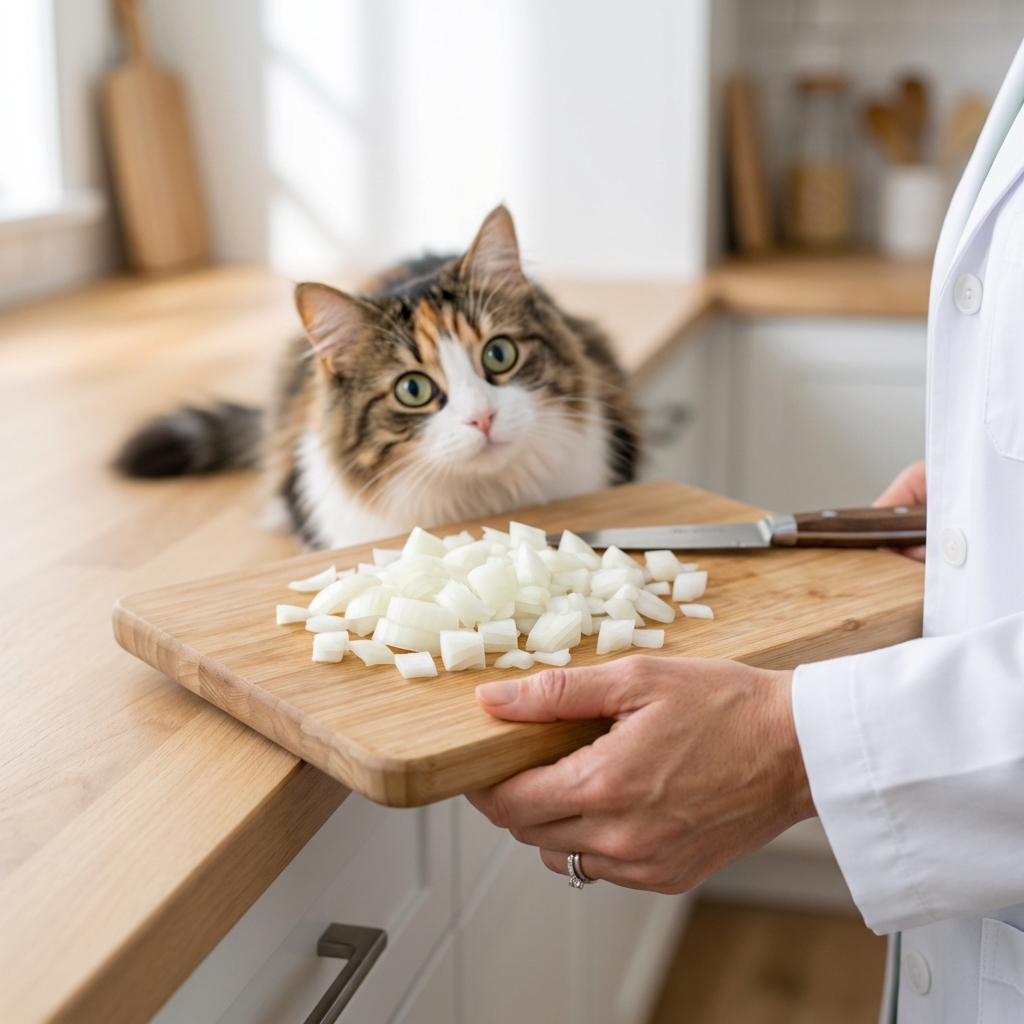
- Onion, garlic, chives, leeks: toxic to cats
- Grapes and raisins: potentially toxic
- Xylitol: potentially dangerous sweetener found in some products. Avoid it.
- Cooked bones: splinter risk
- Heavy seasoning, fatty scraps, fried foods: can trigger GI upset
- Milk and cream: often worsen diarrhea
Helpful add-ons (ask your vet first)
Depending on your cat’s symptoms and medical history, your veterinarian may suggest:
- Probiotics: certain veterinary probiotics can improve stool quality and support gut health
- Soluble fiber: small amounts of psyllium or pumpkin for constipation or diarrhea, when appropriate
- Hairball support: brushing plus diet moisture can reduce vomiting related to hairballs
With supplements, more is not better. Choose one change at a time so you can tell what helps.
Food handling and storage
Homemade food needs safe prep. Cats can get sick from spoiled food just like we can.
- Refrigerate promptly and keep the fridge at 40°F or below (4°C)
- Freeze meal-sized portions you will not use within 48 hours
- Thaw in the refrigerator, not on the counter
- Discard uneaten wet food after 2 hours at room temp (sooner if your home is warm)
- Wash bowls daily with hot soapy water
How to tell it is working
Look for simple, practical signs:
- Less vomiting and less gagging after meals
- Stools that are formed and easy to pass
- Steady energy and a calmer appetite
- A stable, healthy weight
If your cat improves on a simplified homemade approach, that is useful information for your veterinarian too. It can help narrow down triggers and guide a long-term plan.
Bottom line: homemade cat food can be a helpful option for sensitive stomachs, but long-term success depends on complete nutrition and a plan you can follow consistently.