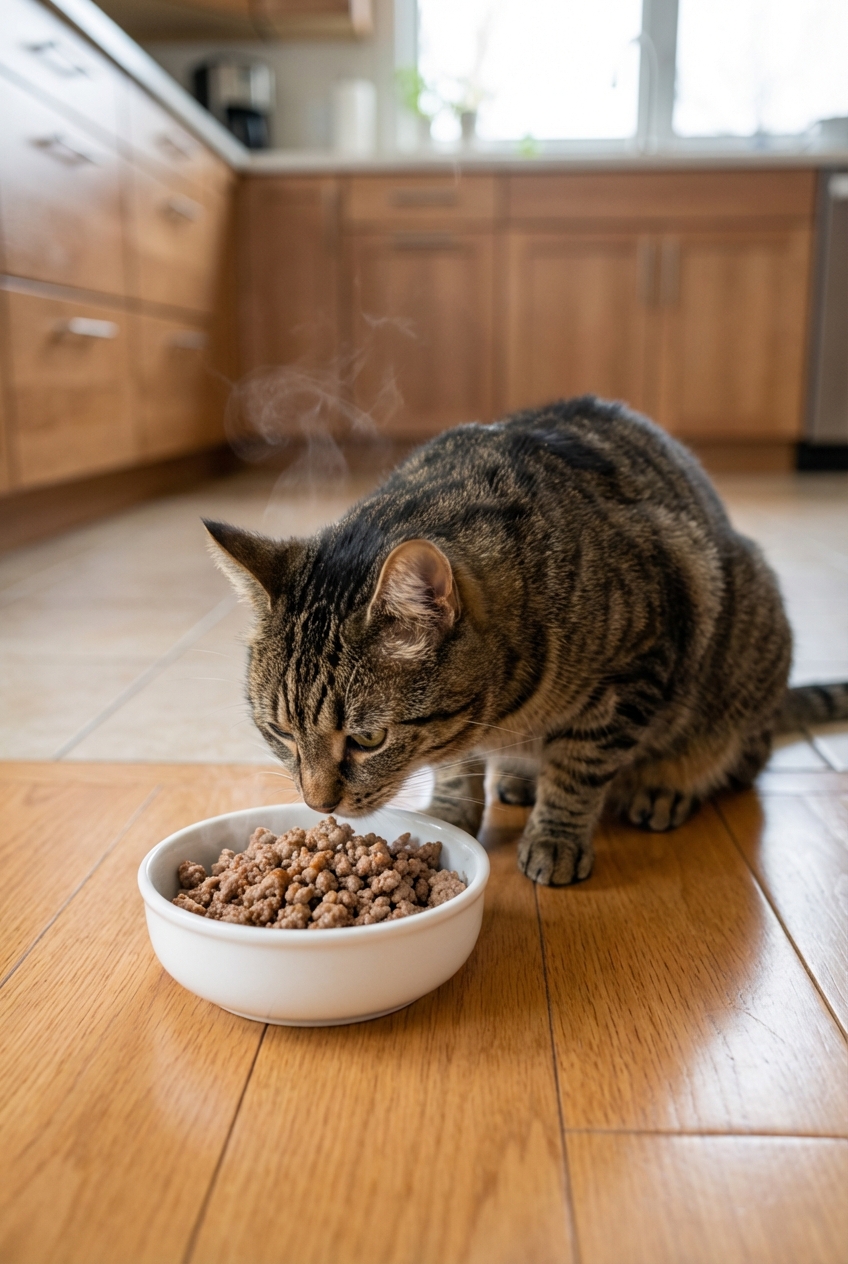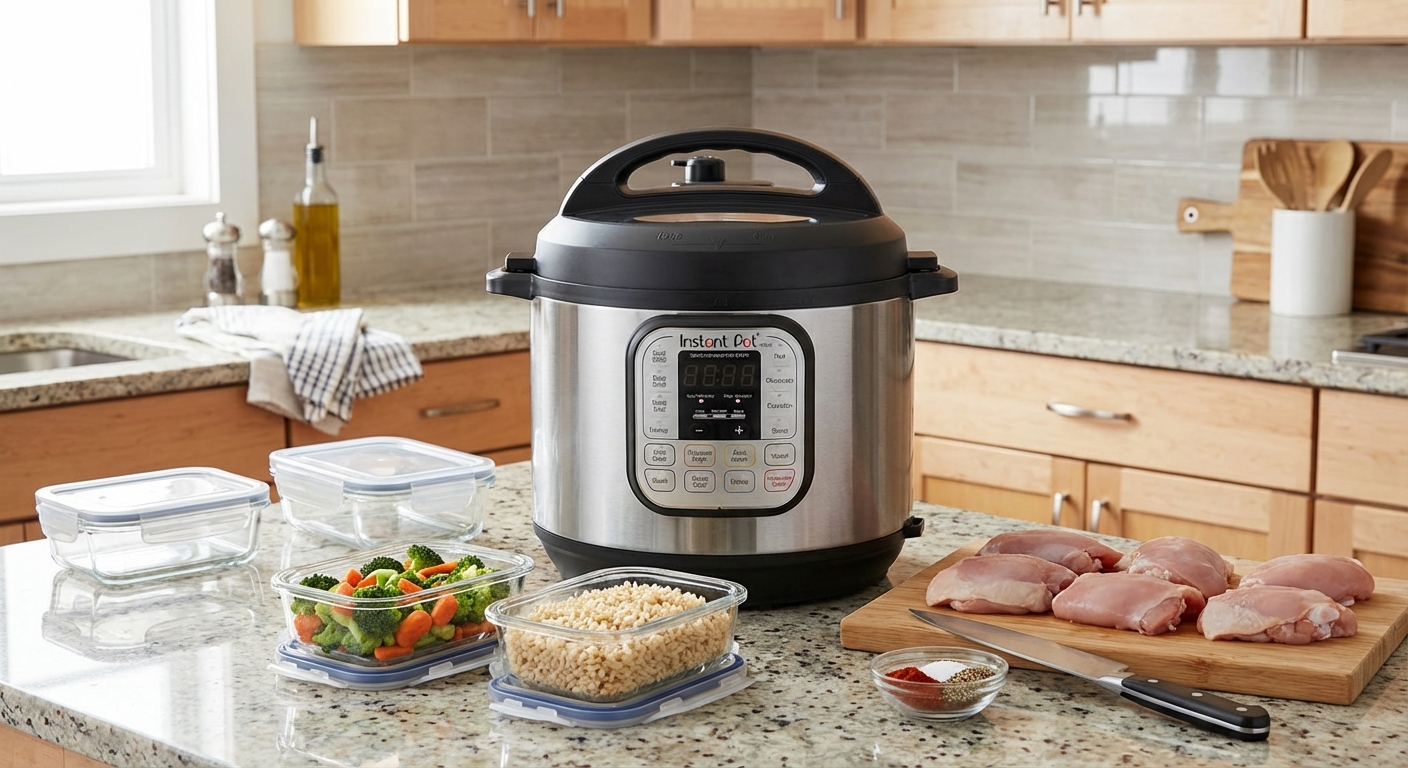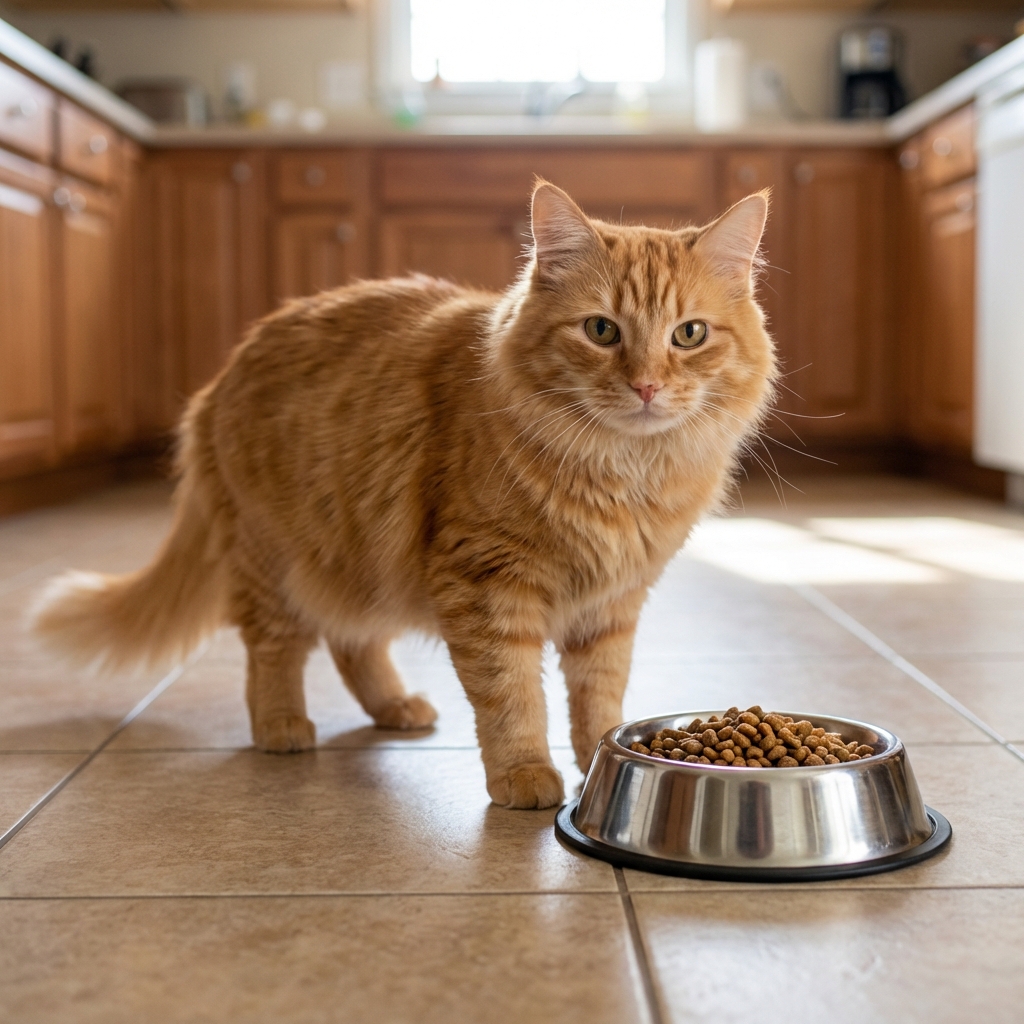
Learn a safe, slow approach to feline weight loss with homemade cooked meals. Get vet checklists, calorie basics, transition tips, portion control, and balan...
Article
•
Designer Mixes
Homemade Cat Food for Senior Joint Support

Shari Shidate
Designer Mixes contributor
As cats age, stiffness can sneak up quietly. You might notice your senior kitty hesitating before jumping up, taking the stairs a little slower, or grooming less around the hips and back. In my work as a veterinary assistant here in Frisco, Texas, I see this all the time: caring owners want to help, but they also want to do it safely.
Homemade cat food can be a wonderful way to support senior joints because it lets you control protein quality, inflammation-friendly fats, hydration, and key nutrients. The big caution is that cats have very specific nutritional requirements, so homemade needs to be complete and balanced, not just tasty.
Why senior cats get achy
Joint discomfort in older cats is often related to osteoarthritis, which is much more common than many people realize. It can be subtle because cats are masters at hiding pain. Common contributors include age-related cartilage wear, past injuries, excess body weight, and muscle loss.
Nutrition cannot cure arthritis, but it can absolutely influence:
- Inflammation (omega-3 fats are especially helpful here)
- Body weight (less weight means less joint stress)
- Muscle maintenance (protein and adequate calories matter)
- Hydration (wet foods support overall health and comfort, which can indirectly help an older cat feel better day to day)
Quick safety note: If you think your cat is painful, never give human pain medications. Many are toxic to cats. Call your veterinarian for safe options.
Homemade basics
Cats are obligate carnivores. That means they are designed to get the majority of their nutrition from animal-based ingredients. When people try to “healthify” a cat diet with lots of veggies or grains, the diet often becomes low in essential amino acids and minerals.
Key nutrients to cover
- Taurine: Essential for heart, vision, and overall health. Cooking and storage can reduce taurine, so supplementation is usually required.
- Arachidonic acid: A fatty acid cats must get from animal sources.
- Vitamin A (preformed): Cats cannot convert plant beta-carotene efficiently. More is not better here. Too much liver can lead to vitamin A toxicity, so follow a formulated recipe rather than guessing.
- Calcium to phosphorus balance: Muscle meats are high in phosphorus and low in calcium. Without added calcium, the diet becomes unbalanced.
- B vitamins (especially thiamine): Important for energy and nervous system support.
- Vitamin D: Cats rely on diet for vitamin D.
Precision point: Cats have no established minimum carbohydrate requirement. They can digest and use carbohydrates, but they do not need them the way they need specific amino acids, fats, vitamins, and minerals.
My evidence-based bottom line: for long-term feeding, use a veterinary-formulated recipe or a reputable supplement system designed to balance homemade cat diets. This is the safest way to avoid nutrient deficiencies that can take months to show up.
What helps joints
For seniors, we want a diet that maintains lean muscle, supports a healthy weight, and includes targeted joint nutrients.
1) Omega-3s (EPA and DHA)
EPA and DHA from fish oil are among the better-supported nutrition options for helping manage inflammation associated with arthritis. Many joint diets for pets emphasize these fatty acids because they can support comfort and mobility over time.
- Look for a pet-specific fish oil or a high-quality human-grade oil that is third-party tested.
- Dosing should be individualized. Too much fish oil can cause diarrhea, add extra calories, and is not appropriate for every cat.
- Introduce slowly, and talk to your veterinarian if your cat is on blood thinners or has a pancreatitis history.
2) High-quality protein
Older cats are prone to losing muscle. Adequate protein helps maintain strength that stabilizes joints. For many cats, gentle options include cooked chicken thigh, turkey, rabbit, or lean beef. Some seniors do better with smaller, more frequent meals.
3) Moisture matters
Many cats have low voluntary water intake, and some seniors have health conditions that affect hydration. Homemade diets are naturally wet, which is a big win for overall wellness and can help keep stools softer and urinary health supported.
4) Weight management
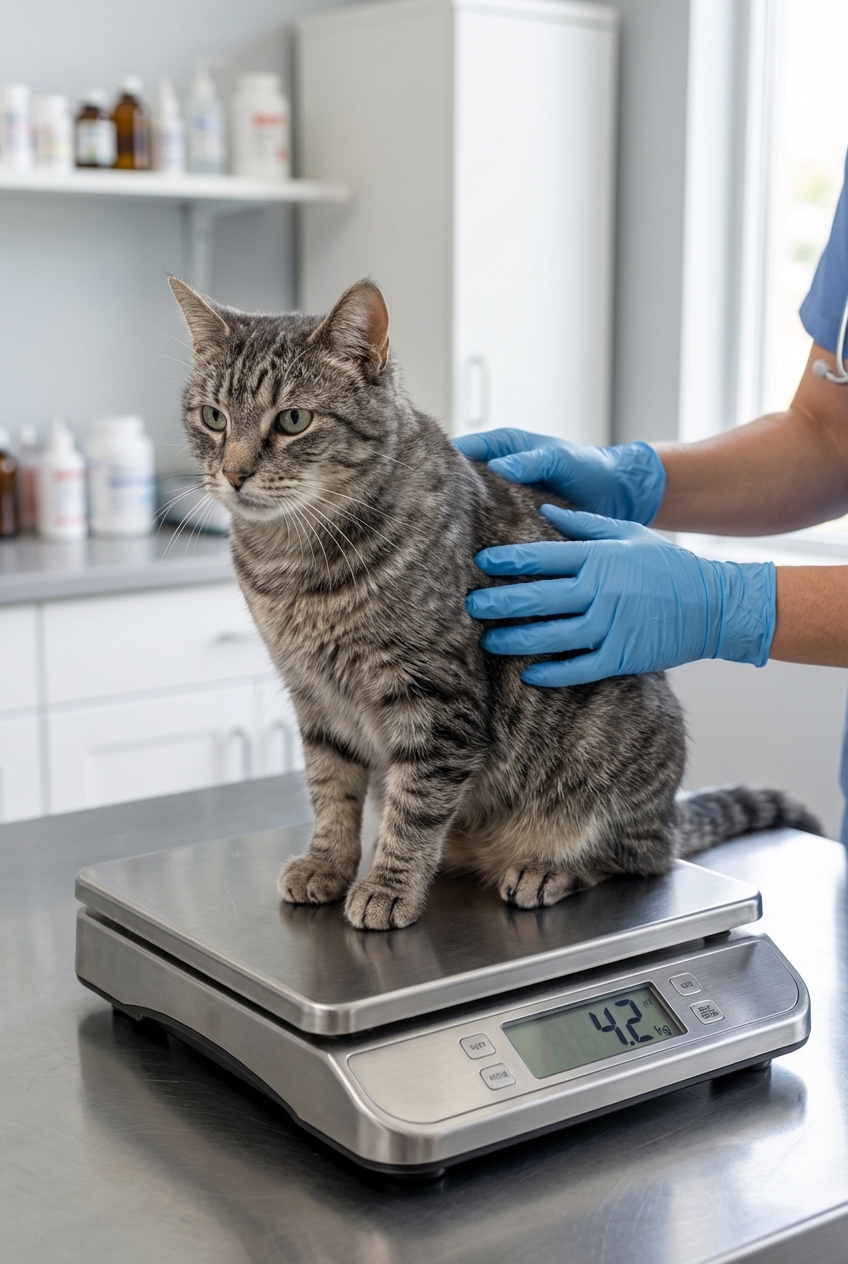
If your cat is overweight, even a small reduction can ease stress on joints. The goal is slow, steady weight loss while protecting muscle mass.
Helpful vs avoid
Joint-friendly add-ins (with vet approval)
- Fish oil (EPA/DHA) for anti-inflammatory support
- Green-lipped mussel (may help some cats, but evidence in cats is limited)
- Glucosamine and chondroitin may help some cats, though evidence in cats is mixed and responses vary
- Vitamin E is often paired with omega-3 supplementation to help protect fats from oxidative damage
Common add-ins that backfire
- Too many carbs: Cats do not need carbohydrates, and excess can contribute to weight gain.
- High-sodium broths: Use low-sodium or homemade unsalted broth if you use any.
- Seasoning blends: Avoid them. Many contain onion or garlic powder, and the extra salt is not helpful.
- Onion, garlic, chives: Toxic to cats, even in small amounts. Avoid all forms including powders.
- Cooked bones: Risk of splintering. Do not feed.
- Raw diets for seniors: Some households can do raw safely, but seniors may have higher risk if immunity is reduced. Discuss with your veterinarian before considering raw.
Base plus balancer
If you want to start homemade for joint support without risking nutritional gaps, the easiest path is:
- Choose a simple cooked meat base your cat tolerates well.
- Add a complete-and-balanced homemade cat food supplement (a balancer) formulated for cooked recipes.
- Add joint-supportive extras like fish oil only after your cat is doing well on the base diet.
This approach keeps your recipe consistent while making it nutritionally appropriate for long-term feeding.
Simple cooked example
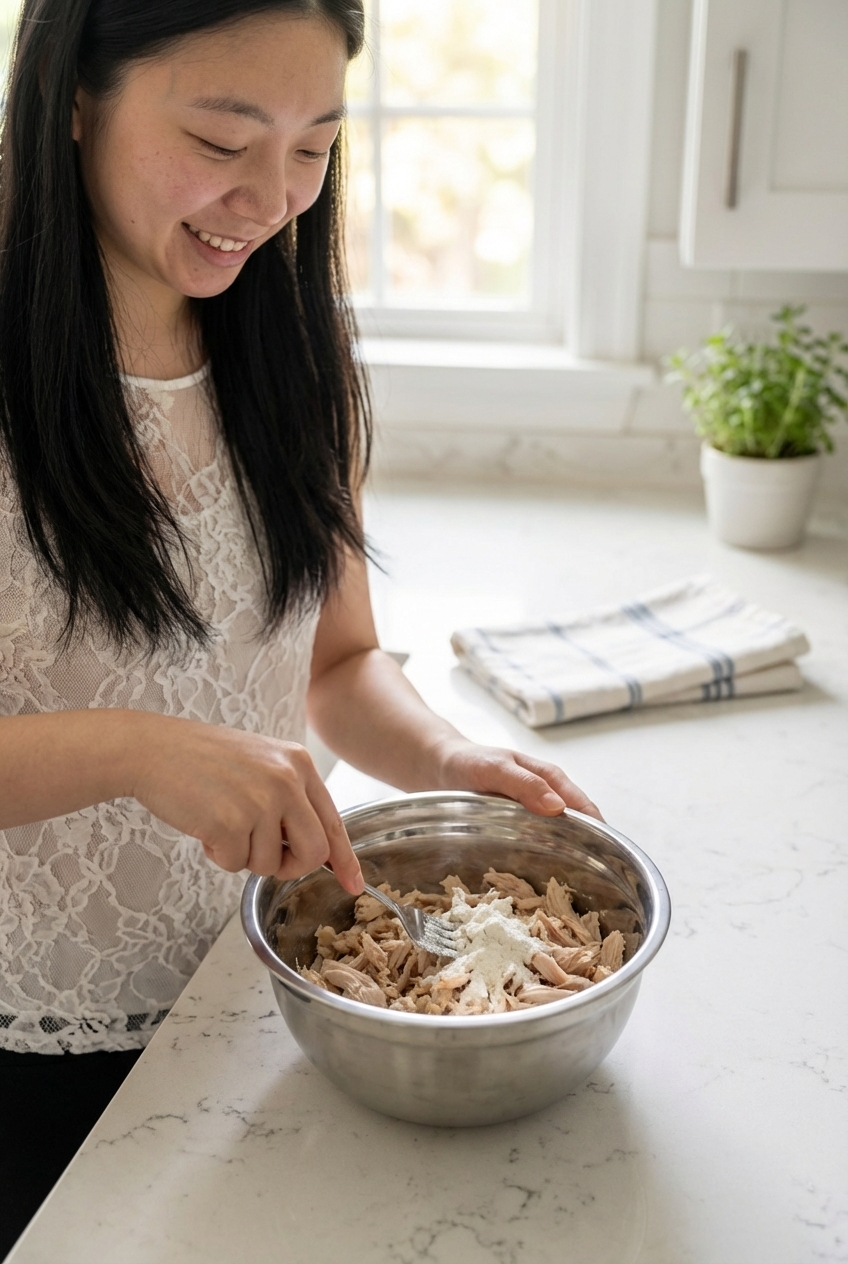
This is a conceptual example to show how a senior-friendly homemade meal is structured. Because cats need precise nutrient balancing, use a veterinarian-approved recipe or follow the label directions of a reputable balancer supplement rather than guessing amounts.
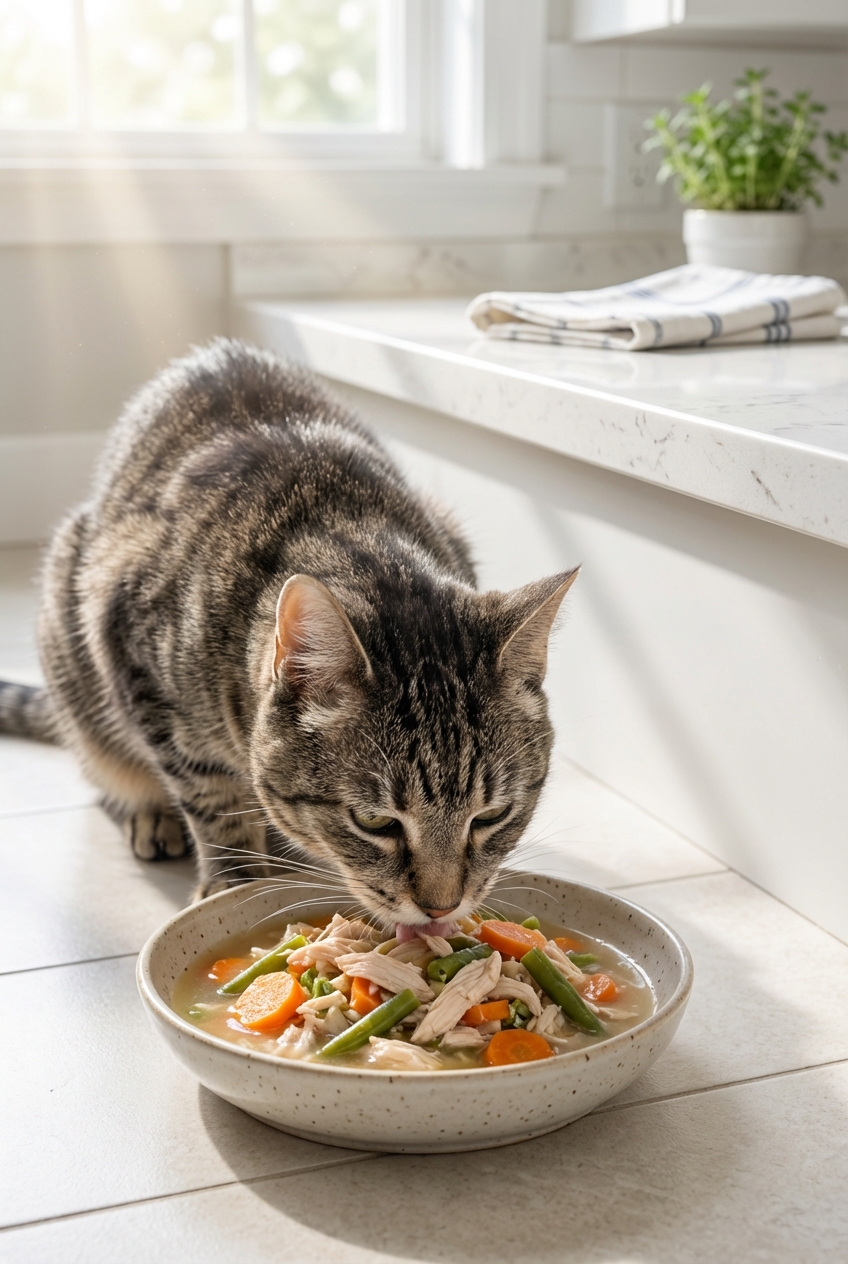
- Protein: cooked dark-meat turkey or chicken (tender, higher palatability)
- Moisture: add warm water to make a soft, stew-like texture
- Balancer: a complete-and-balanced supplement for cooked cat food
- Joint support: fish oil (EPA/DHA) in a vet-approved amount
Tip: Many senior cats prefer food warmed slightly to release aroma. Aim for lukewarm, not hot. If you are unsure, test it on your wrist.
Switch slowly
Senior cats can have sensitive digestion, so go slow. A gentle transition often looks like:
- Days 1 to 3: 10 to 25% new food mixed with current food
- Days 4 to 6: 25 to 50% new food
- Days 7 to 10: 50 to 75% new food
- Days 11 to 14: 100% new food if stool and appetite look good
Watch appetite, stool quality, and energy. If vomiting, diarrhea, or constipation shows up, slow down and check with your veterinarian.
Storage and safety
Cooked homemade food is still perishable.
- Refrigerate promptly in a sealed container.
- In general, use refrigerated portions within 2 to 3 days, or freeze individual portions.
- Discard anything that smells “off” or sits at room temperature too long.
- Wash bowls, utensils, and prep surfaces well.
Check with your vet
Please get veterinary guidance before switching to homemade if your cat has:
- Kidney disease (protein and phosphorus management becomes very specific)
- Hyperthyroidism
- Diabetes
- History of pancreatitis
- Food allergies or inflammatory bowel disease
- Dental disease that affects chewing
If joint pain is suspected, ask about a full arthritis plan: weight goals, gentle play, litter box accessibility, physical therapy options, and pain control. Nutrition is powerful, but comfort often improves fastest when diet and medical management work together.
Senior joint support is rarely about one magic ingredient. It is the steady combination of ideal weight, anti-inflammatory fats, strong muscles, and a balanced diet that helps cats move more comfortably.