Learn what to feed a cat with pancreatitis, from wet GI diets and hydration-boosting strategies to small frequent meals, safe transitions, and foods to avoid.
Article
•
Designer Mixes
Homemade Cat Food for Pancreatitis

Shari Shidate
Designer Mixes contributor
If your cat has pancreatitis, feeding can feel stressful fast. I see it all the time in clinics and rescue work: a cat finally wants to eat again, but the wrong meal can trigger vomiting, pain, or another flare. The goal is gentle, highly digestible nutrition that supports steady intake, served in small, frequent meals, and paired with your veterinarian’s treatment plan.
You will often hear “low-fat” advice for pancreatitis. In cats, the picture is less clear-cut than in dogs. Many cats seem to tolerate leaner meals better during flares (especially if they have hyperlipidemia or obvious fat intolerance), but strict fat restriction is not always the main driver of recovery. Practical priorities are: palatable food, enough calories, high digestibility, hydration, and consistency.
Below are vet-informed, pancreatitis-friendly homemade meal ideas, plus realistic tips on lean proteins, label-reading, portion guidance, and foods to avoid. Because cats are obligate carnivores with specific nutrient requirements, I will also walk you through why homemade diets often need targeted supplementation to be truly complete and safe long-term.
Pancreatitis basics
The pancreas helps with digestion and blood sugar regulation. With pancreatitis, that organ is inflamed and can be painfully sensitive. Many cats do best with foods that are:
- Highly digestible (less GI workload)
- Moist (hydration support, especially if appetite is reduced)
- Consistent (sudden diet changes can worsen GI signs)
- Moderate to lower in fat if your cat seems fat-sensitive, has hyperlipidemia, or is flaring
Common overlap: Feline pancreatitis often does not happen alone. It can overlap with triaditis (pancreatitis + IBD + cholangitis). That is one reason some cats have nausea, diarrhea, and abnormal liver values at the same time, and why the “best diet” may need to consider more than just the pancreas.
Important: Your veterinarian may prioritize “calories in” during an acute episode, even if the food is not perfect, because not eating can risk hepatic lipidosis in cats. Do not fast a cat with pancreatitis at home unless your vet specifically instructs it.
If your cat skips meals, is vomiting, seems painful, or is lethargic, contact your vet promptly. A good rule of thumb is within 12 to 24 hours of not eating meaningful amounts (sooner for overweight cats or cats with a history of hepatic lipidosis).
How much fat matters?
There is no single fat number that works for every cat. Compared to dogs, feline pancreatitis is less reliably triggered by a single high-fat meal, and many cats are managed successfully with diets chosen for digestibility and appetite first. Still, some cats clearly do better when obvious fats are minimized, especially during flares.
To keep things practical and safer at home:
- Choose very lean proteins and remove visible fat and skin.
- Avoid added oils, butter, and greasy drippings.
- Use cooking methods that drain fat: poaching, boiling, baking on a rack.
Label tip: If you are comparing foods, ask your vet whether they want you looking at fat on an as-fed basis or dry matter basis (DMB). DMB is often more useful for comparing canned vs dry. If you are not sure, bring the product label (or a screenshot of the guaranteed analysis) to your vet and ask for a target range.
If you are working with a veterinary nutritionist, they can calculate a precise target based on your cat’s body weight, other conditions (like triaditis, diabetes, or hyperlipidemia), and whether you are feeding short-term support or a long-term diet.
Lean protein options
For pancreatitis, I usually start with simple, single-protein meals and build slowly. Commonly well-tolerated options include:
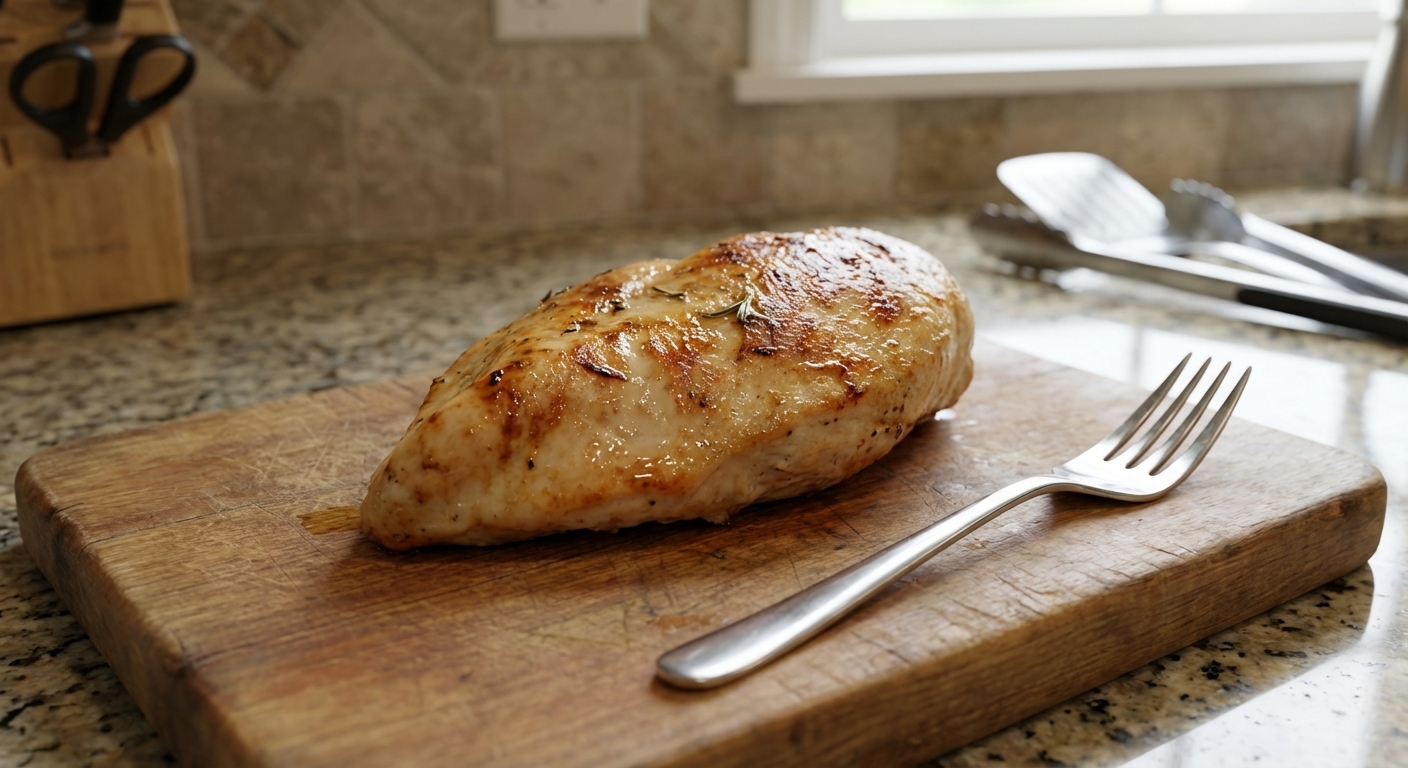
- Skinless chicken breast (poached or baked, shredded)
- Turkey breast (very lean, gently cooked)
- Rabbit (often lean, useful for cats with food sensitivities)
- White fish like cod or pollock (very lean, but not ideal as the only protein long-term without balancing)
- Egg whites (low fat, highly digestible protein booster)
Proteins that are often too rich for many pancreatitis cats include: skin-on poultry, duck, lamb, pork shoulder, bacon, sausage, and many ground meats unless labeled extra-lean and well-drained.
Meal timing and portions
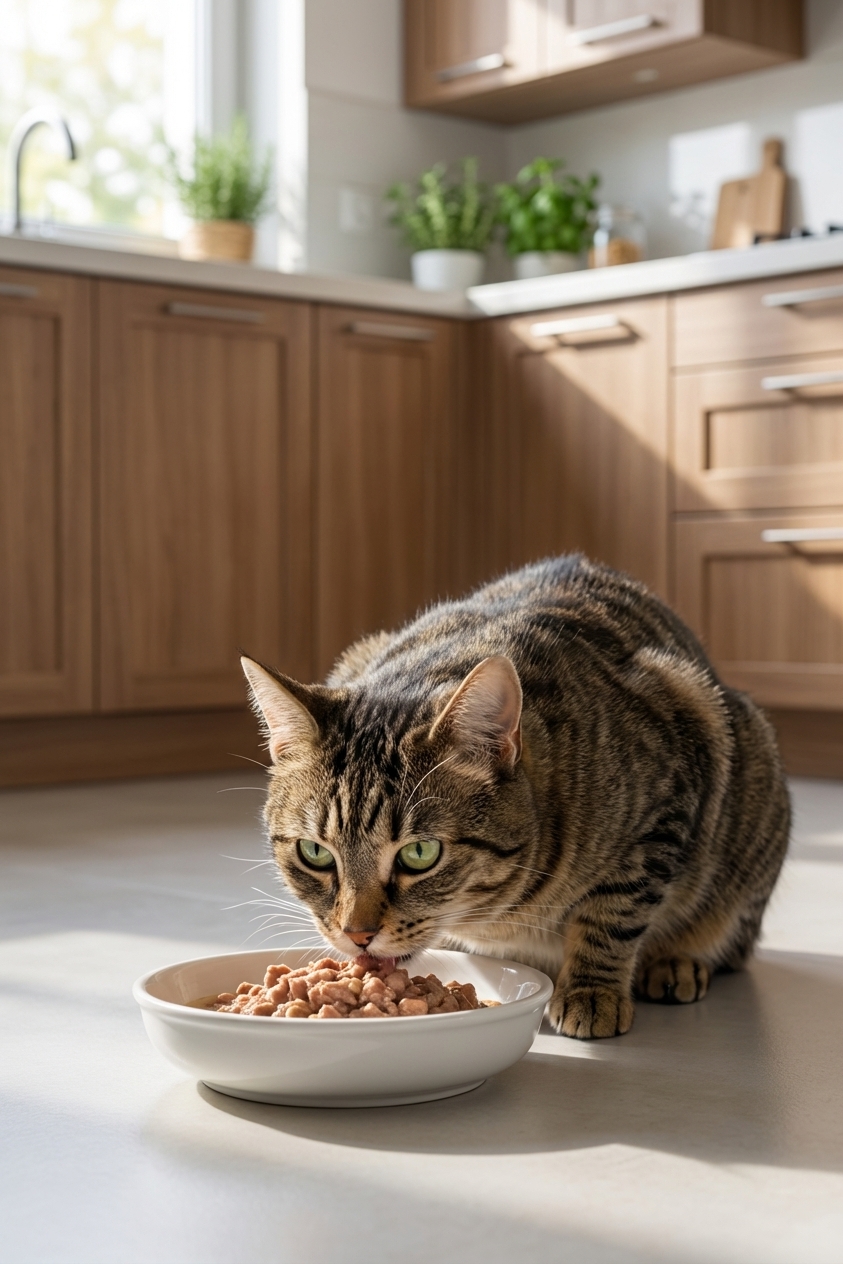
Cats with pancreatitis frequently do better with small meals spread out rather than one or two large servings.
- Meal frequency: 4 to 6 small meals per day during recovery, then 3 to 4 when stable.
- Start tiny: 1 to 2 teaspoons every few hours for a nauseous cat who is just returning to food, then slowly increase.
- Warm the food slightly: aim for about 98 to 100°F (mouse body temperature). It should feel just warm, never hot.
- Track results: appetite, vomiting, stool quality, energy level, and weight.
Calorie note: It is easy to accidentally underfeed when you add lots of water, pumpkin, or “diluting” ingredients. Moisture is helpful, but make sure your cat is still getting enough calories overall.
If your cat is on medications like anti-nausea drugs, appetite stimulants, pain control, B12 (cobalamin), antibiotics, or probiotics, ask your vet how to schedule meals around them. Also ask whether added fiber could interfere with medication timing or reduce appetite in your cat.
Foods to avoid
These are common triggers or risks I recommend avoiding unless your veterinarian specifically approves them:
- High-fat meats: skin-on poultry, fatty ground beef, deli meats, bacon, sausage
- Added fats: oils, butter, ghee, cream, cheese
- Highly seasoned foods: onion, garlic, heavy spices, salty sauces
- Milk: many cats are lactose intolerant
- Whole bones and cooked bones: choking and GI injury risk (this is different from properly formulated calcium sources used in balanced recipes)
- Tuna-heavy diets: can become nutritionally unbalanced and may contribute to picky eating
- Alcohol and any foods containing it
Toxicity note: Onions, garlic, chives, leeks, and related plants can damage red blood cells. Xylitol is extremely dangerous for dogs; in cats, toxicity is less clear and appears rare, but it is best treated as a potential risk and avoided.
3 gentle homemade options
These recipes are designed as short-term, gentle meals for cats with pancreatitis, especially during recovery or while you are waiting to consult a veterinary nutritionist. They are intentionally simple, but they are not complete and balanced for long-term feeding without supplementation and formulation. If you need to use them beyond a brief bridge, talk to your vet about next steps.
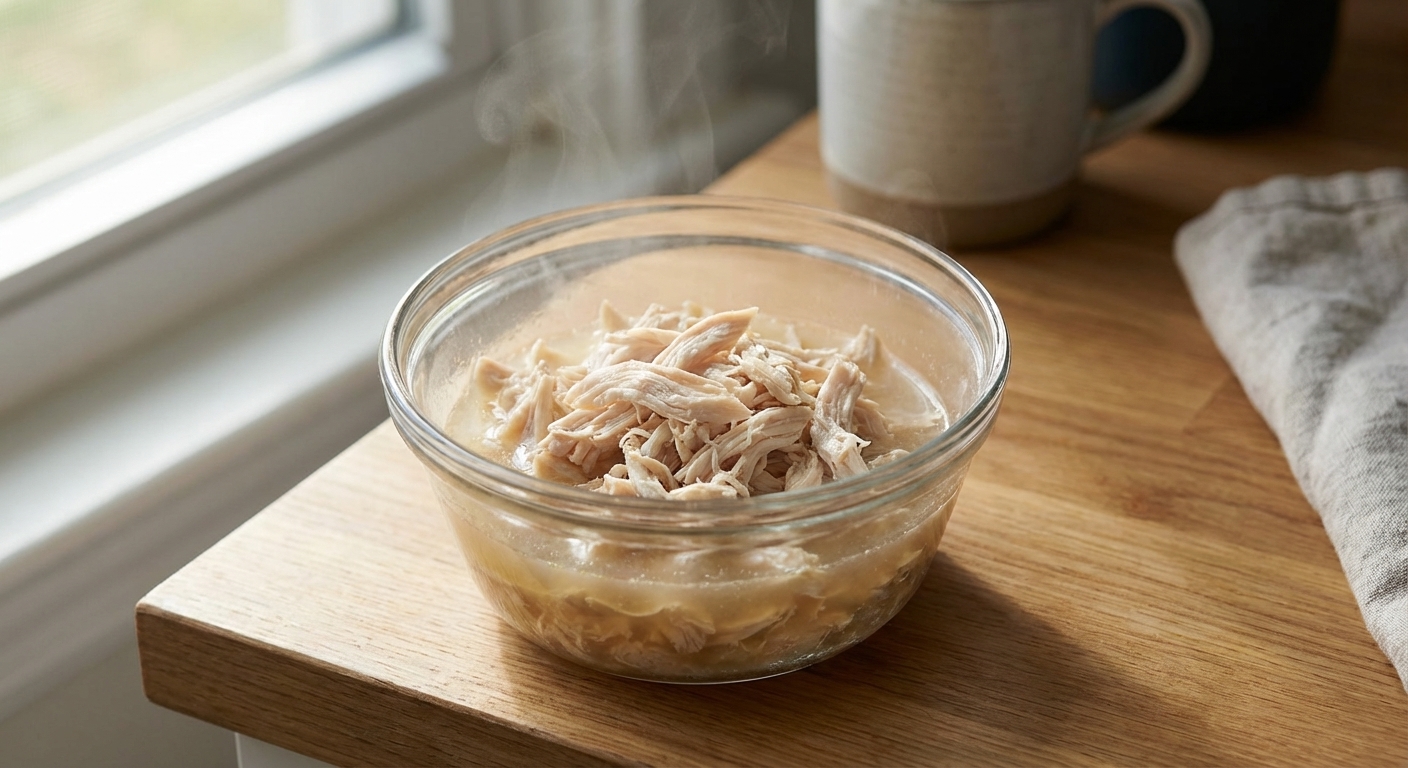
Recipe 1: Shredded chicken comfort bowl
- Protein: 1 to 2 oz (30 to 60 g) cooked, skinless chicken breast, poached and shredded
- Moisture: 1 to 2 tablespoons warm poaching liquid (skim any fat)
- Optional add-in: a tiny pinch of psyllium husk only if your vet recommends fiber support
How to serve: Offer 1 to 2 teaspoons at a time for sensitive cats, then gradually increase as tolerated.
Recipe 2: Turkey and egg-white mash
- Protein: 1 to 2 oz (30 to 60 g) cooked lean turkey breast, finely chopped
- Booster: 1 to 2 tablespoons cooked egg white (no yolk), chopped
- Moisture: warm water or low-sodium, onion-free broth to make a soft mash
Why it helps: Very lean, very digestible protein with minimal fat. Useful for cats who need a bland reset.
Recipe 3: White fish with a little pumpkin
- Protein: 1 to 2 oz (30 to 60 g) baked or steamed cod or pollock, flaked
- Optional fiber support: 1/4 teaspoon plain canned pumpkin per meal (start low; do not force it)
- Moisture: warm water mixed in to make a soft pâté texture
Tip: Pumpkin is not a cure-all. Some cats do better without added fiber. If stools worsen, appetite dips, or nausea increases, stop and talk to your vet. Fiber can also interfere with medication timing in some cats.
Balanced base plus topper
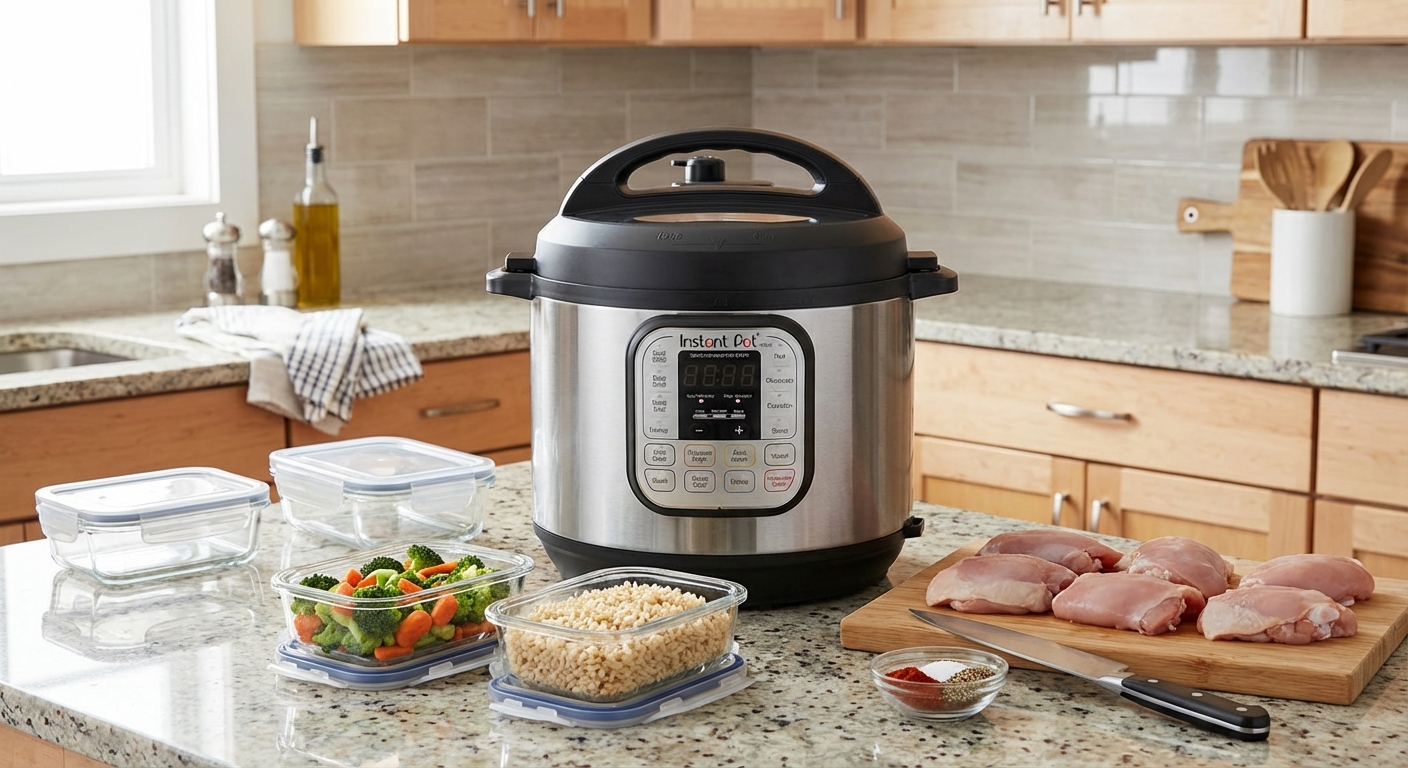
For many pancreatitis cats, the safest and easiest plan is a veterinary therapeutic wet diet chosen for digestibility (sometimes also lower in fat, depending on the case) as the nutritional foundation, plus a small amount of homemade lean protein as a topper to encourage eating.
This approach can work beautifully because your cat gets complete nutrition from the commercial diet, while still enjoying the freshness and aroma of home-cooked foods.
Why supplements matter
Cats have very specific nutritional requirements. When we cook plain chicken or fish, we are giving protein and moisture, but we are not automatically providing the essential nutrients cats need daily.
Common gaps in unbalanced homemade cat diets include:
- Taurine (critical for heart and eye health)
- Calcium (especially if you are not feeding edible bone; adding whole or cooked bones is unsafe)
- Vitamin A, vitamin D, and B vitamins
- Essential fatty acids (tricky in pancreatitis because some cats do best with less fat)
- Iodine (thyroid support)
Some cats with pancreatitis, especially those with triaditis or chronic GI disease, also have cobalamin (B12) deficiency and may need vet-directed supplementation or injections.
My best evidence-based advice: If you want to feed homemade beyond a short bridge, ask your veterinarian for a referral to a board-certified veterinary nutritionist (DACVIM Nutrition or ECVCN). They can design a recipe that stays digestible and pancreatitis-friendly while still being complete.
Tips that improve tolerance
- Go slow with any change: transition over several days whenever possible. Avoid sudden protein rotations.
- Keep texture gentle: many cats do well with a smooth pâté or finely minced consistency during flares.
- Keep a food diary: note protein used, portion size, meds, vomiting, stool, and appetite.
- Prioritize moisture: add warm water to create a soft texture and support hydration.
- Avoid “rich” extras: no fish oil drizzles, no cream, no gravy packets unless vet-approved.
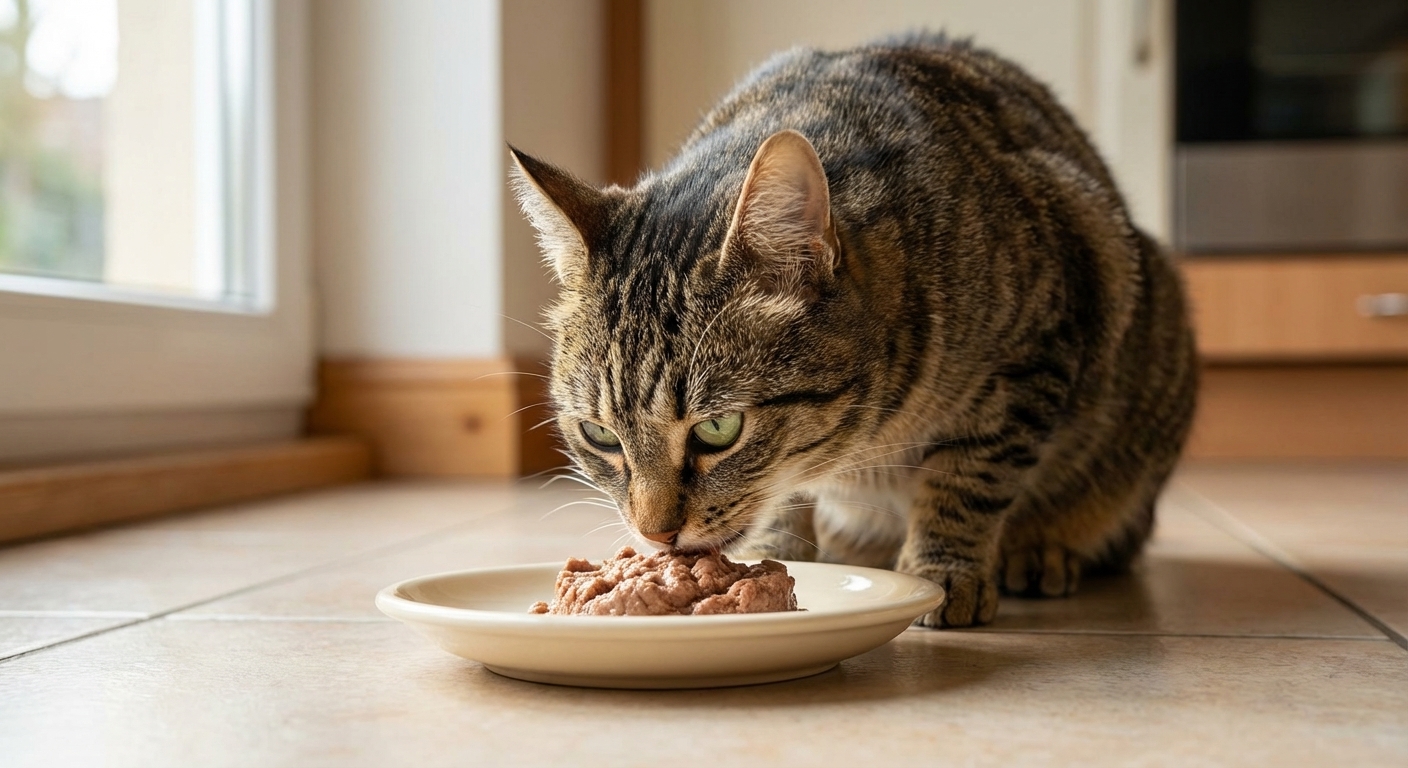
- Use appetite-friendly presentation: warm to about 98 to 100°F, offer on a flat plate for nausea-prone cats, and keep the feeding area calm.
Assisted feeding and feeding tubes
If your cat will not eat enough, your vet may talk about assisted feeding (syringe feeding in some cases) or a feeding tube (often an esophagostomy tube). This can sound scary, but for pancreatitis cats, it can be genuinely lifesaving. It helps prevent hepatic lipidosis, supports medication delivery, and reduces the pressure of “will they eat today?” Many cats tolerate feeding tubes surprisingly well and can still eat on their own for pleasure while the tube covers their needs.
When to call your vet
Pancreatitis can escalate quickly. Contact your veterinarian promptly if you see:
- Skipping meals or going 12 to 24 hours without meaningful intake
- Repeated vomiting or persistent nausea
- Signs of pain (hunched posture, hiding, growling when picked up)
- Severe lethargy, dehydration, or diarrhea
- Weight loss that continues week to week
Homemade food can be a helpful tool, but pancreatitis is a medical condition first. The safest plan is always a partnership between your home care and your vet team.
If you take just one thing from this page: keep meals small, moist, and consistent, prioritize calories and digestibility, and do not try to “wing it” long-term without balancing nutrients for cats.